

How to Sell Your Game Items in 2026

Eneba Hub contains affiliate links, which means we may earn a small commission if you make a purchase through them—at no extra cost to you. Learn more


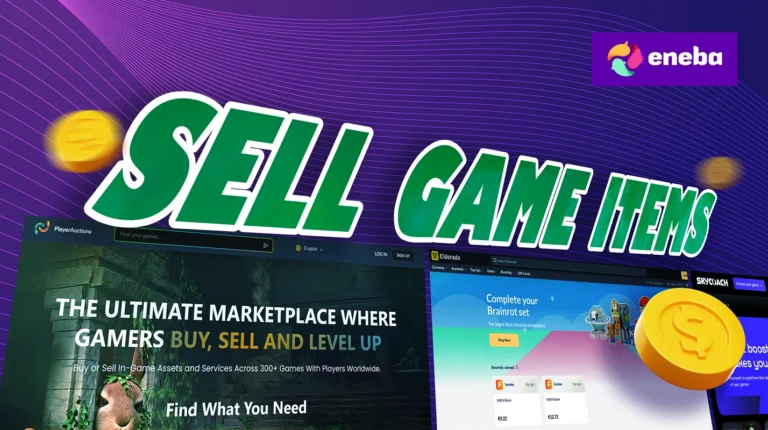
Learning how to sell game items is simpler than most players expect – and the payoffs can be meaningful. Years of playtime – hours spent farming gold, trading crates, and unlocking rare cosmetics – have turned many in-game inventories into genuine assets with tangible real-world value. Deciding to sell game items isn’t a sign of quitting; it’s cashing out strategically on time and effort already invested. The virtual goods market has surged 45% since 2024, and players have paid off mortgages, bought Steam Decks, and funded entire gaming libraries entirely from in-game item sales.
Jump to:
How to Sell Game Items
To sell game items online successfully, sellers need to follow a specific sequence – one where each step makes the next safer and more profitable. A well-priced listing on the right platform, backed by clear screenshots and a clean delivery process, is the difference between a fast, clean sale and a dispute that ends with a banned account and no money. Before you sell game items, ensure you follow these steps:
- Select a reputable marketplace
- Identify which games and items actually cash out
- Estimate realistic earnings after fees, withdrawal costs, and taxes
- Prepare a complete, screenshot-backed listing
- Handle buyer communication professionally
- Execute the item handover securely
Sellers researching where to sell game items online rely on specialist marketplaces for escrow systems and dispute resolution – something Discord, Reddit, or Telegram cannot provide. Three platforms stand out for anyone looking to sell game items securely: PlayerAuctions, Eldorado, and Skycoach.
1. Select The Right Platform
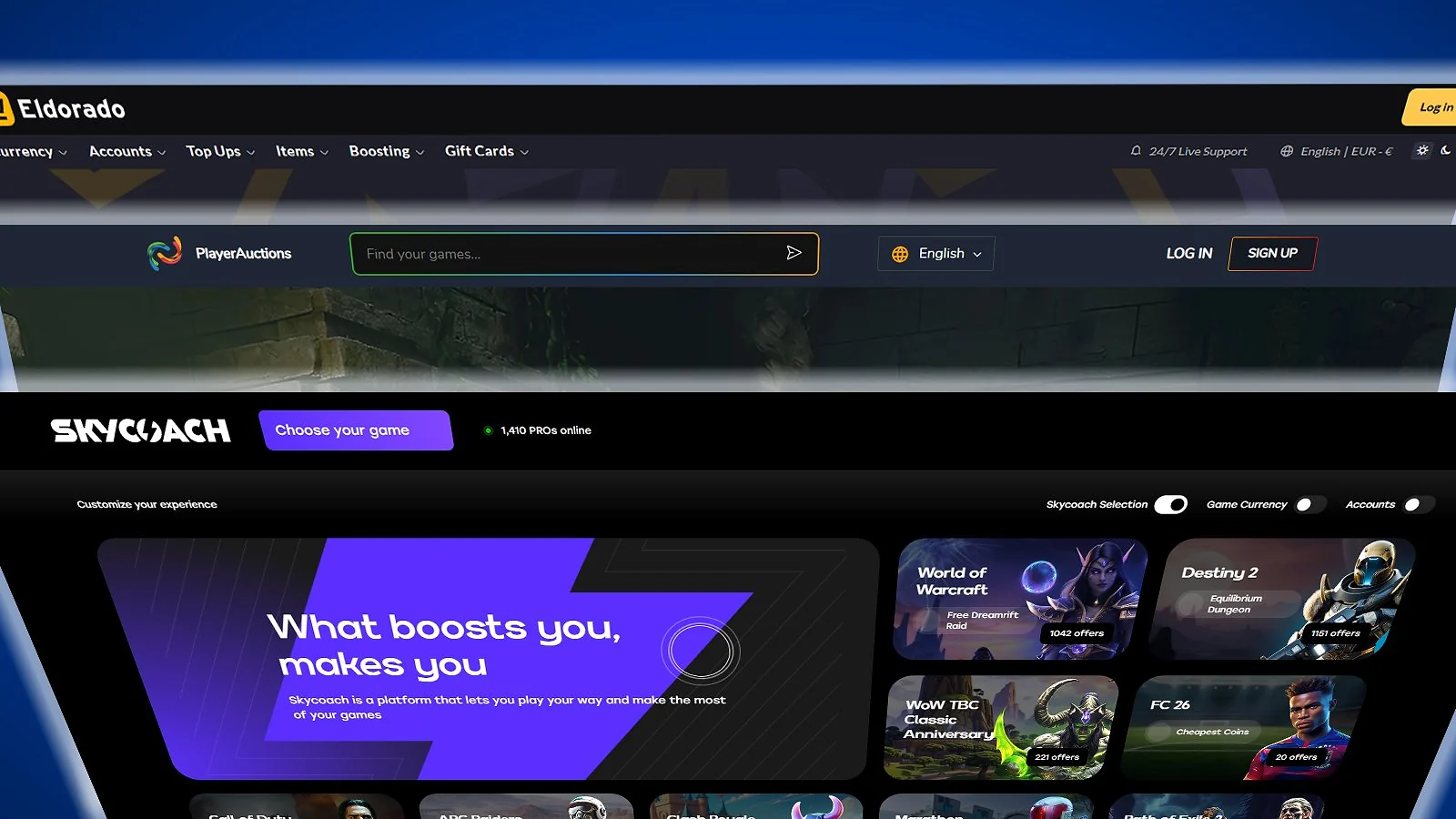
Where a seller lists has a direct impact on sale speed, financial protection, and stress levels. The choice to sell game items on a specific platform determines how funds are held, whether sellers are verified, how disputes and chargebacks are handled, and how fast payment lands in your wallet.
This is non-negotiable: anyone looking to sell game items faces chargeback risk, ToS ban risk, and platform-specific recovery risk that make marketplace escrow essential. Unstructured channels remove every layer of protection both parties rely on.
PlayerAuctions is one of the oldest and most established gaming account marketplaces, operating since 1999 with 400+ supported games and 2+ million members across 140+ countries.
Its seven-step escrow process – buyer pays first, PlayerAuctions verifies payment, seller delivers only after verification – protects against the most common fraud scenarios. For those who sell game items of high value, the PowerSeller Shield offers up to $50,000 transaction insurance as a key trust signal.
- Fees: 9.99% + $0.99 per transaction for currency and items; 12.99% + $0.99 for accounts and boosting.
- Withdrawals: 3–4% fee depending on method (cryptocurrency is cheapest at ~3%).
- Payouts: PayPal, Skrill, Payoneer, bank wire, and cryptocurrency.
- Trade-off: Dispute resolution has been criticised for AI-driven decisions that do not always favor buyers; account suspension is used when users attempt chargebacks; the interface has a steep learning curve for beginners.

Eldorado is a Lithuania-based marketplace (active since 2019) with a 4.4 Trustpilot rating across 100,000+ reviews, known for fast browsing, verified sellers, and clean UX. Their TradeShield payment protection system guarantees no chargebacks or payment fraud – one of the strongest seller-side protections in the category for those looking to sell game items for cash.
- Fees: Base 5% for currency, 10% for items/accounts/boosting. Game-specific rates vary: Roblox items (15%); GTA 5 accounts (30%); OSRS/WoW gold (1.5%).
- Payouts: Accepts Apple Pay, Google Pay, cryptocurrency, Skrill, and Payoneer (the lowest-cost withdrawal option).
- Trade-off: Fee structures compound with withdrawal fees; some game categories (e.g., Valorant accounts) have categorisation issues; support quality has been criticised.

Skycoach is primarily a boosting and gaming services platform that also facilitates the ability to sell game items, currency, and accounts across 120+ games. Unlike a traditional peer-to-peer marketplace, it uses an application-based seller model – sellers must submit Discord contact, weekly farming volume, and proof of previous experience. This positions it for professional, high-volume sellers rather than casual ones.
- Payouts: Payment methods including PayPal, Skrill, and other secure options.
- Direct Model: A direct-buyer / managed-service model means less price negotiation but faster payout if the platform accepts the submission.
- Warning: Multiple Reddit communities across r/RoyaleAPI, r/runescape, and others report a pattern of successful first orders followed by account theft, in-game bank emptying, and refund refusals. AI chatbot support prevents meaningful dispute resolution.

Platform Feature Breakdown
| Feature | PlayerAuctions | Eldorado | Skycoach |
|---|---|---|---|
| Platform Type | Peer-to-Peer Marketplace | Peer-to-Peer Marketplace | Application-Based Service |
| Escrow Protection | 7-Step Escrow | TradeShield | Managed-Service Model |
| Seller Fees | 9.99%–12.99% + $0.99 | 1.5%–30% (Game-Specific) | Application-Based |
| Payout Speed | Varies by Method | 24 Hours (After Confirm) | Per-Submission |
| Reputation System | PowerSeller Shield | Verified Sellers | Trustpilot Rating |
| Dispute Resolution | AI-Driven (Criticised) | Platform Mediation | AI Chatbot (Limited) |
| Security Level | High (Insurance) | High (TradeShield) | Moderate (Risks Cited) |
| Ease of Use | Steep Learning Curve | Beginner-Friendly | Pro/Farmer Focus |
| Audience Size | 2M+ Members | 100k+ Reviews | 157k+ Completed Orders |
| Seller Control | High (Own Listings) | High (Templates) | Low (Managed) |
| Best For | Experienced Sellers | Competitive Item Sellers | Pro Gold Farmers |
When choosing where to sell in-game items, the decision comes down to your level of experience. Sellers who want the broadest catalog and $50K transaction insurance should choose PlayerAuctions. Sellers prioritising TradeShield chargeback protection, fast payouts, and a clean listing experience should sell game items online via Eldorado.
Professional, high-volume farmers may consider Skycoach, but only after factoring in the community-reported risks. Selecting the right platform is the first and most consequential step in any plan to sell game items for cash.
2. Know Which Games Actually Cash Out
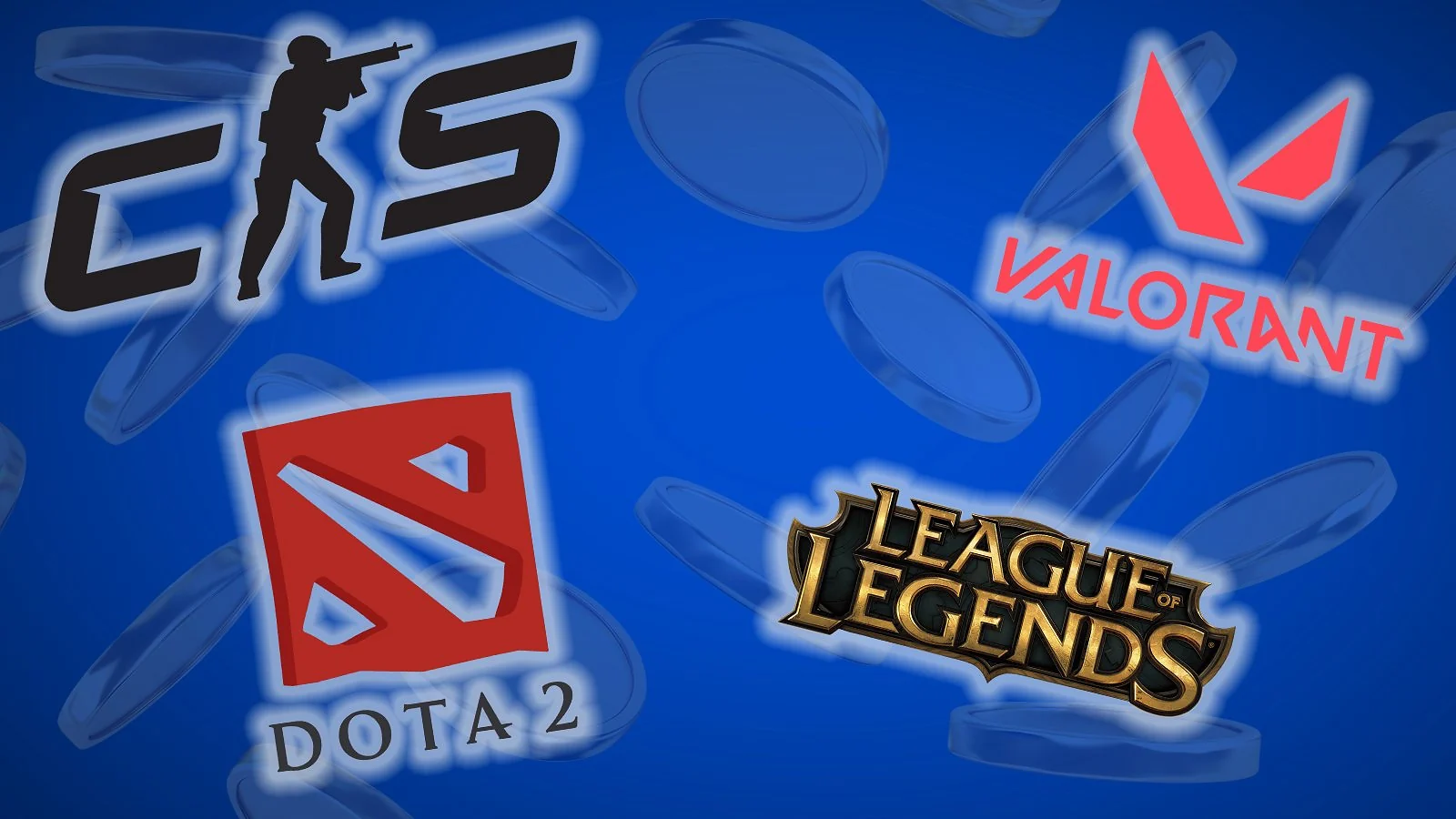
Not every in-game item translates to real money – the market is heavily concentrated in specific ecosystems. Sellers looking to sell game items need to understand where active buyer demand actually exists before they sell in-game items.
- Steam Ecosystem (CS2, Dota 2, TF2, Rust): CS2 skins are the highest-value opportunity – items bought for $2–24 years ago have sold for $70–440+. The skin market is estimated at billions of dollars annually. While the Steam Community Market allows official trading, third-party platforms (CSFloat, Eldorado, PlayerAuctions) offer cash-out options. Note the 7-day trade lock and Valve’s new trade reversal protection introduced mid-2025. For Dota 2, check our guide on how to sell Dota 2 items for game-specific guidance.
- MMORPGs (WoW, OSRS, EVE Online, Path of Exile): EVE Online is the gold standard for legitimate RMT via its PLEX system – officially sanctioned by CCP Games with zero ban risk. OSRS gold sells for ~$0.17–0.50 per million; WoW gold around $34/million. Both are against ToS and ban risks are real – detection is pattern-based, not transaction-size-based. Path of Exile currency peaks at league starts and drops 20–40% within weeks; timing matters more here than almost anywhere else. For currency sellers, check the best places to sell in-game currency.
- Competitive Games (Valorant, League of Legends): Valorant accounts (level 20+ comp ready) sell for $3–5 on major platforms. Though against Riot‘s ToS, you can sell Valorant account details by following our specific guide.
- Roblox: Verified developers can convert earned Robux to USD via DevEx at $0.0038/Robux (updated September 2025). Important: As of April 30, 2026, Roblox is transitioning from Premium to Roblox Plus ($4.99/month). Existing Premium subscribers retain trading capabilities, but new accounts cannot purchase Premium after the cutoff.
- Mobile Games: Most mobile games do not support legitimate item selling; reward apps (Mistplay, Swagbucks) pay in gift cards, and earnings are modest (~$40–100 over months).
If you want to sell game items, pick your lane: high-value single items (CS2) via Eldorado, steady gold farming (OSRS) with ToS awareness, or zero-risk RMT (EVE Online). For those who sell game items for real money, using a structured marketplace remains the only way to get paid securely.
3. Understand Your Earnings

Pricing blind – and ignoring what actually lands in a seller’s bank account – is the most common mistake in this category. Before anyone can sell game items for what they are actually worth, they need to understand what buyers are paying for and what the real take-home looks like after fees.
What Drives Item Value? Item rarity and pattern move the market most in CS2 – float values, rare sticker combos, and aged cases drive the largest premiums. Market timing is another variable: PoE currency peaks at league starts, while WoW tokens fluctuate with expansion cycles. Selling at the right moment can be worth 20–40% on its own.
Additionally, aggregate volume matters; low-per-unit items like Dota 2 cosmetics or Steam trading cards only make sense to sell in-game items for cash when sold in bulk, as single sales rarely clear payout thresholds.
Calculating Net Earnings. Cumulative fees (platform + withdrawal + currency conversion) can reach 25–40% on some transactions. This is why listing prices need to reflect take-home targets, not gross ambitions.
- PlayerAuctions: 9.99% + $0.99 (currency/items); 12.99% + $0.99 (accounts); plus 3–4% withdrawal fee.
- Eldorado: 5% (currency), 10% (items/accounts) base; game-specific rates (e.g., GTA 5 accounts at 30%).
- Skycoach: Application-based pricing; confirm per-submission.
Tax Obligations: In the US, income from choosing to sell game items for real money is taxable property income. Capital gains tax applies to items held over a year, while ordinary income tax applies to items sold as part of a farming operation. Sellers earning $600+ may receive a 1099-NEC. All income must be reported regardless of whether a form is issued. International sellers should consult local tax law, as the US has treaties that may reduce withholding rates.
4. Prepare and List the Items
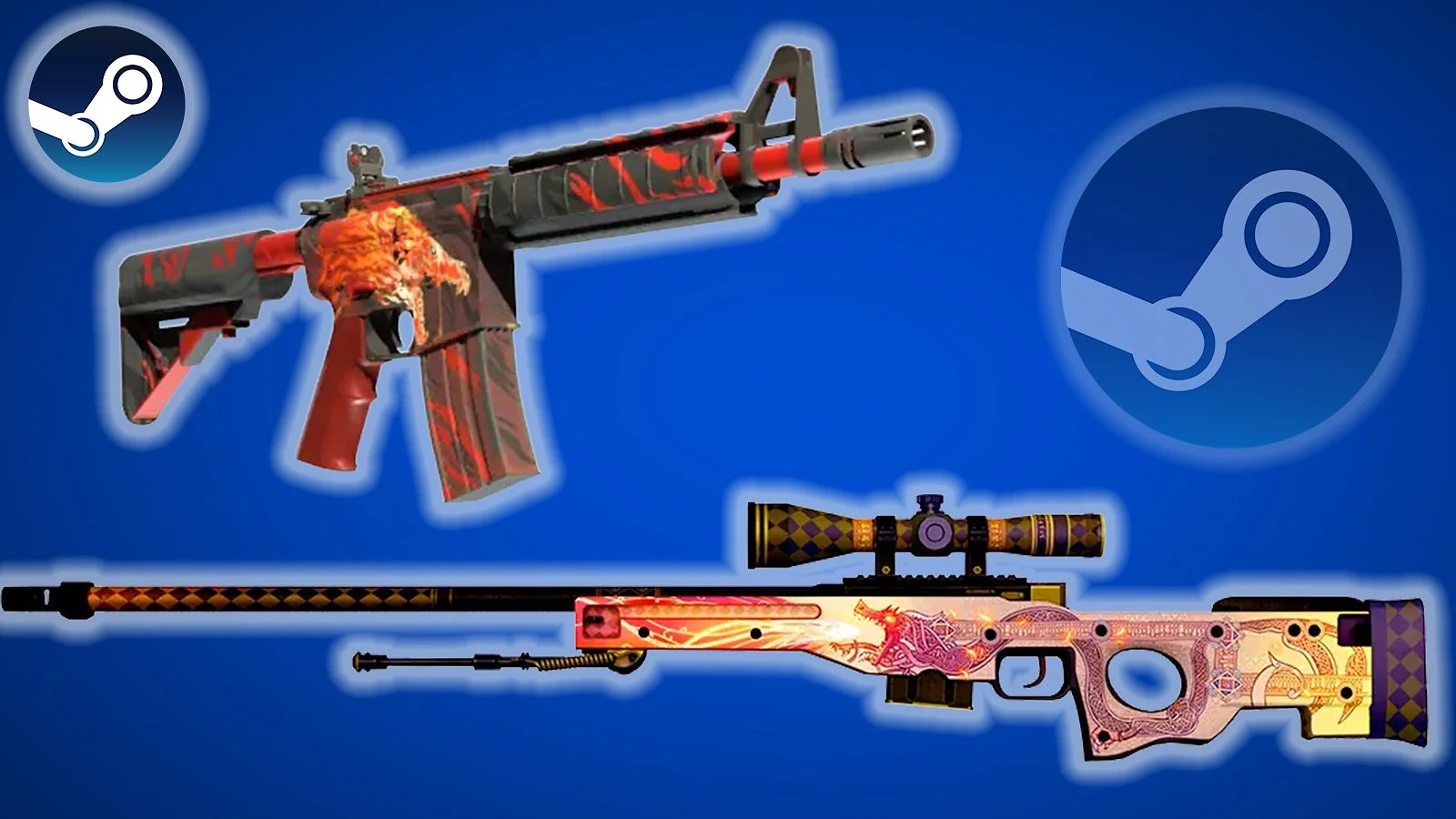
A detailed, well-structured listing is how you sell game items faster – it pre-answers buyer questions and signals that the seller is professional. Make sure to cover these points:
- Game and Platform: (e.g. CS2 Steam, WoW Retail EU)
- Identifiers: For CS2, include skin name, wear/float, pattern index, and sticker combos; for currency, state amount and server
- Acquisition Method: Unboxed, traded, or farmed (relevant for proving provenance)
- Delivery Method: Steam trade, in-game mail, or account handover
- Delivery Timeframe: Factor in trade locks or regional restrictions
- History Flags: Be honest about prior chargebacks or ToS warnings on the account, as undisclosed history leads to disputes
- Screenshots: Include 4-6 images from the inventory view – with wear/float and pattern visible for CS2 – along with timestamped delivery evidence once the trade begins
Transparency reduces post-sale disputes, which are a leading cause of negative ratings. For anyone looking to sell game items like skins specifically, our guide on the best place to sell CS2 skins for real money offers deeper insights.
5. Transfer and Get Paid Securely

Item handover works differently depending on whether you sell game items as individual assets or as full accounts. For items, delivery is usually instant but locked behind trade cooldowns (like CS2’s 7-day lock). For accounts, the seller must clear every linked recovery path – email, 2FA, phone, payment methods – before transfer, or the original owner can reclaim access within hours.
Payment must be fully secured in escrow before any item is traded or credentials shared. Never accept PayPal “friends and family” payments – this removes all dispute protections. Never send login details outside of the marketplace transaction window.
The Secure Handover Process:
- Confirm the buyer’s payment has cleared the marketplace’s escrow system – the dashboard must confirm funds are held.
- Initiate the trade or in-game delivery and screenshot the trade confirmation from both sides.
- For accounts, change the password, update the linked email, and transfer 2FA last.
- The buyer verifies all items are present and confirms delivery in the marketplace.
- Both parties confirm delivery before the escrow window closes (typically 24 hours on Eldorado for items).
- Keep records of every step for at least six months in case of chargeback disputes.
Critical Warning: Retaining access to the original linked email after you sell game items allows account recovery even after a password change – this is a documented fraud pattern and results in permanent suspension on Eldorado. After transfer, do NOT log back in. When using PayPal for payouts, check our guide on how to sell skins for PayPal.
Is Selling Game Items Legal?
Sellers often ask, “Can you sell your game items?” and the answer involves distinguishing between three separate issues.
- Criminal Law: In most jurisdictions (US, EU, South Korea), selling a digital game item is not a criminal offense.
- Civil Law: Risk is low; publishers rarely pursue legal action against casual sellers.
- Terms of Service (ToS): This is the actual and common risk.
Valve, Blizzard, Jagex, Riot, and HoYoverse all explicitly prohibit account or item transfers outside their platforms. Virtual items are licensed to the player – not owned – and publishers retain the right to terminate any account at any time with no refund. The critical exception is EVE Online via CCP Games’ PLEX system, which is officially sanctioned and carries zero ToS risk.
Realistic consequences include permanent account bans, loss of all purchased cosmetics, and IP or hardware bans. Enforcement typically hits in waves, so sellers who feel safe for weeks can still be caught in a later sweep. Large single transactions and rapid login-location changes all trigger flags more reliably than dollar amounts. Ultimately, anyone who chooses to sell game items outside official channels accepts this ToS risk knowingly.
How to Avoid Scams When Selling Game Items

Scams targeting those who sell game items are well-documented because high-value items (rare CS2 knives, whale HSR accounts) are worth significantly more than typical gaming transactions.
- Chargeback Fraud: The #1 threat. A buyer pays via card, receives the item, then files a dispute claiming unauthorized payment. This is why escrow-based marketplaces with chargeback guarantees (TradeShield, PowerSeller Shield) matter so much.
- Fake Payment Confirmations: Doctored screenshots designed to pressure sellers into releasing items before funds clear. Never release anything based on a screenshot.
- Off-Platform Luring: Buyers who move sellers to Discord or Telegram, then use fake escrow services or vanish.
- Phishing: Fake emails impersonating marketplaces or Steam asking for credentials. Always type URLs directly into your browser.
- Account Takeback: Sellers who retain the original email and reclaim an account days after a sale.
- Skycoach-style Service Scams: Reddit communities document a pattern of successful first orders followed by account theft or bank emptying on certain service platforms.
To sell game items for cash safely, follow the payment method hierarchy: marketplace-held escrow is best, cryptocurrency offers irreversible transactions for sellers, and PayPal Goods & Services heavily favors buyers. Never accept PayPal “friends and family” for sales.
Red Flags to Recognize:
- Buyers offering significantly above market rate for fast delivery (indicates stolen payment).
- Requests to finalize a deal on Discord or Telegram.
- Pressure to confirm delivery before the buyer has verified the item in-game.
- Requests for Steam Guard codes or 2FA OTPs before escrow clears.
- Third-party browser extensions requesting Steam API access – these are a vector for account takeover.
Every legitimate buyer using a reputable marketplace will accept the escrow process without resistance. When you decide to sell game items, enable 2FA on all marketplace accounts and never share your game login credentials with buyers.
Sell Your Game Items Today
The journey to sell game items covers everything from identifying the right platform to understanding which games – CS2, OSRS, WoW, EVE, Roblox, and Valorant – have active cash-out economies. Successful sellers estimate realistic earnings after fees and taxes, build listings that instil confidence, and use secure escrow-backed processes to avoid chargeback fraud and recovery scams.
Security must be taken seriously at every stage. The virtual goods market has grown 45% since 2024, and while players have funded meaningful real-world purchases, earnings are modest for most casual sellers. Treat this as supplemental income, not a primary revenue stream. Safety, documentation, and platform selection are the three variables that determine your success.
Players who have cashed out and want to reinvest can find game keys, gift cards, and subscriptions at competitive prices on Eneba. For game-specific follow-ups, Eneba Hub has dedicated guides on CS2 skins, Dota 2 items, Valorant accounts, and more. Whichever path you choose, the principles remain the same – the most successful sellers are the ones who know how to sell game items without taking on unnecessary risk.
FAQs
Use a marketplace with built-in escrow – Eldorado‘s TradeShield and PlayerAuctions‘ PowerSeller Shield are the strongest options. Confirm payment has cleared the dashboard before delivery, screenshot every step, and never conduct deals through private messages on Discord or Telegram.
In most jurisdictions (US, EU, South Korea), selling a digital game item is not a criminal offense. However, it almost always violates the publisher’s Terms of Service, which can lead to permanent account bans.
Eldorado and PlayerAuctions are the top platforms for casual and experienced sellers. Skycoach is an option for professional farmers but carries documented community risks that casual sellers should weigh carefully.
Regular players cannot legally sell items off-platform without violating ToS. Verified developers can convert earned Robux to USD via the DevEx program. Note the April 2026 transition to Roblox Plus for trading capabilities.
Most mobile games do not support legitimate cash-outs. A small number of MMO-style mobile titles like Mobile 2 Global allow trading with PayPal cash-out, but these are rare. Reward apps typically pay in gift cards, not cash.