


6 Best Paying Jobs for No Experience in 2026: Real Beginner Paths

Eneba Hub contains affiliate links, which means we may earn a small commission if you make a purchase through them—at no extra cost to you. Learn more



Quick Verdict
Among the best paying jobs for no experience, elevator and escalator installer/repairer leads this list at $109,910 median pay. BLS lists no related work experience as the typical entry requirement, while apprentices usually start at about half of a fully trained worker’s wage.
The best paying jobs for no experience can pay far more than the usual retail or gig-work options. The highest-paying role on this list has a median wage above $100,000, while several others offer paid training or apprenticeships that let beginners earn as they qualify.
For this guide, no experience means no previous work history in that occupation is typically required. I also excluded jobs that require a bachelor’s degree, which keeps the focus on careers you can realistically enter through a high school diploma, apprenticeship, employer training, or a short technical pathway.
That leaves a very different list from the usual roundup of entry-level jobs. The best paying jobs for no experience here include skilled roles where employers can train new hires directly. The real trade-off is access and training time, so each entry looks at starting pay, qualification length, job availability, and what it actually takes to get hired.
Jump to:
How Can a Job Pay Well With No Experience?
If you’re looking for the best paying jobs for no experience, the key is understanding what employers actually waive. Most of these roles do not require previous work in the occupation, but they still expect you to complete training, earn a license, or learn the job under supervision.
Several of the careers on this list let you earn while you train. Elevator apprentices typically start at about half of a fully qualified worker’s wage, while lineworker and railroad trainee programs can put beginners on payroll during their training period. That makes the entry path more practical than spending years in school before earning anything.
The harder part is getting access to the opportunity. High-paying apprenticeships can recruit in limited windows, and specialized trainee roles may only open in certain regions. Strong pay often comes with a narrower hiring pipeline, so availability matters just as much as the headline salary.
A useful list of the best paying jobs for no experience should therefore look beyond median wages. The entries below also compare beginner pay, training time, hiring volume, and the qualifications you need before an employer will consider you.
6 Best Paying Jobs for No Experience
Each job below has a documented entry path for applicants with no previous experience in the occupation and does not require a bachelor’s degree. The median wage shows the longer-term earning potential, while beginner pay gives a better picture of what you could earn when you first enter the field.
For each role, I’ll break down the current pay data, paid training or apprenticeship route, qualification requirements, hiring availability, and the main obstacle you should understand before applying.
1. Elevator & Escalator Installer/Repairer [Best for Strong Apprentice Pay]
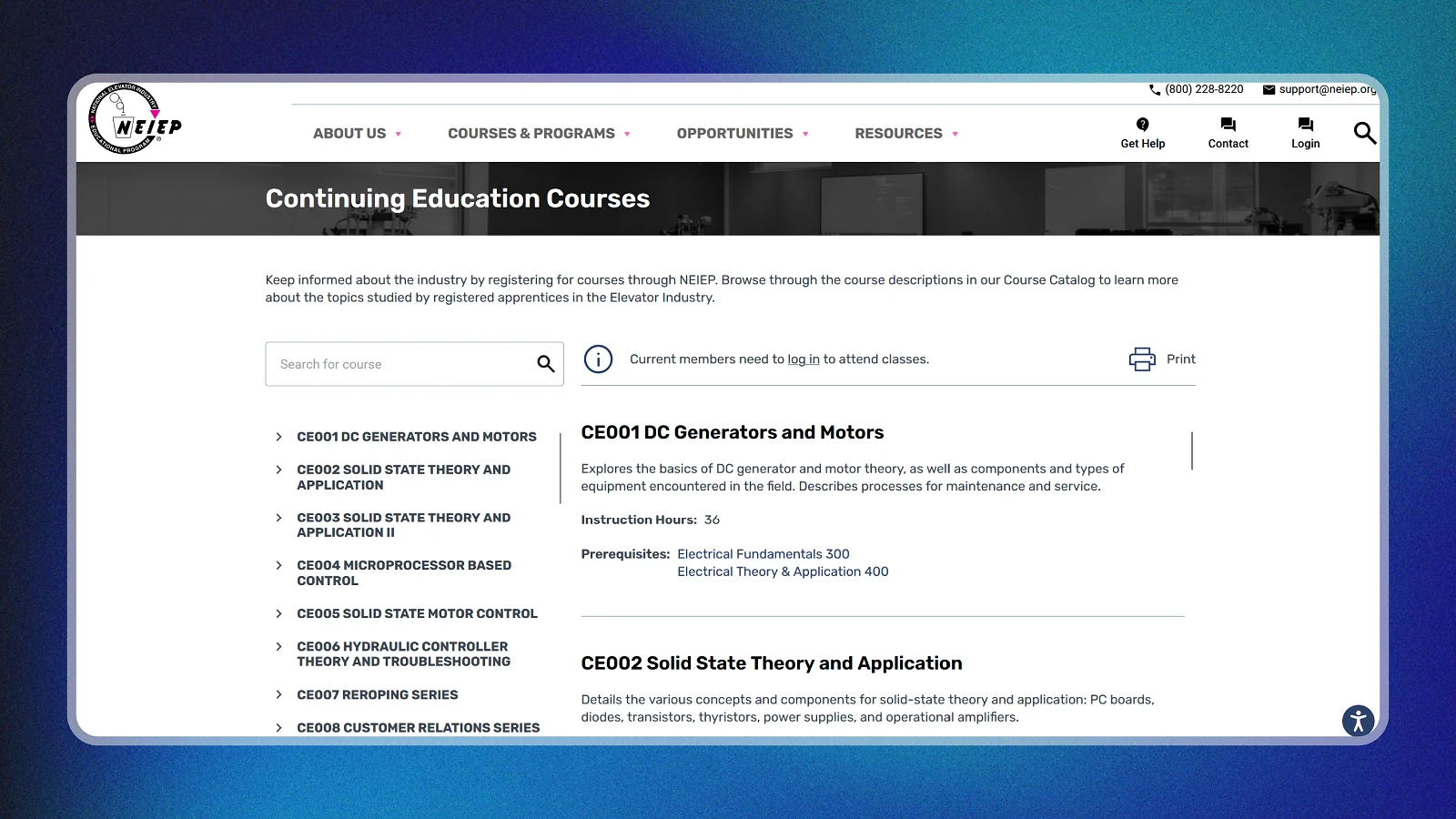
If you’re comparing the best paying jobs for no experience, elevator and escalator installation stands out because the training itself is paid. BLS lists a $109,910 median annual wage, with a high school diploma as the typical entry-level education and no related work experience required.
Nearly everyone enters through an apprenticeship. NEIEP, which runs the education program for the International Union of Elevator Constructors, says first-year apprentices earn 50% of a constructor’s wage, with pay increasing at a fixed rate as they progress. The program usually lasts four to five years and combines full-time supervised work with classroom training.
The application requirements are fairly light on paper.
- Hold a high school diploma or GED by the time you’re hired
- Be at least 17 to apply and 18 before registration
- Be authorized to work in the U.S.
- Pass the Elevator Industry Aptitude Test and an interview
- Complete the apprenticeship and required testing before working independently
The harder part is getting a place. NEIEP only accepts applications during open local recruitment periods, and passing the aptitude test does not guarantee an apprenticeship offer. BLS projects about 1,900 openings per year, so this is a well-paid trade with a much smaller hiring pool than occupations such as line work or railroad operations.
The physical demands matter too. Installers work around shafts, cramped machine spaces, and heights, while repairers may need to handle overtime or emergency callouts. Most states also require licensing after training.
For me, the appeal is the pay structure. You start earning while you build toward the full trade wage, which makes this one of the best paying jobs for no experience if you can get through the competitive recruitment process and commit to a multi-year apprenticeship.
2. Power System Operator Trainee [Best for Technical Utility Work]
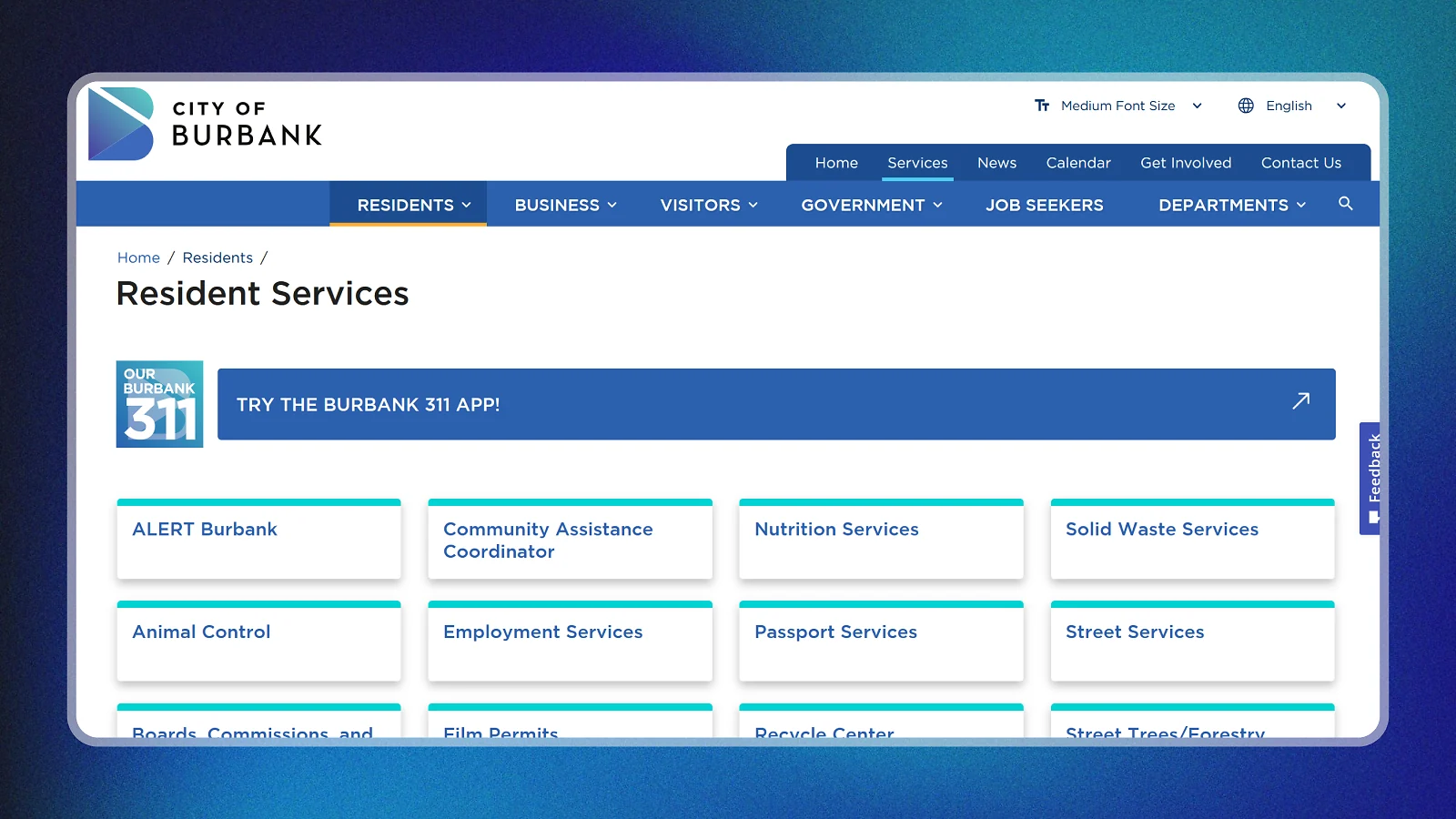
If you’re comparing the best paying jobs for no experience, power system operator trainee roles stand out because genuine trainee openings can offer unusually strong starting pay. BLS lists power distributors and dispatchers at a $106,730 median annual wage, with a high school diploma, no related work experience, and long-term on-the-job training as the typical entry path.
The job involves monitoring electricity flow, coordinating switching, and responding to problems across the grid. Rotating shifts are common because power systems need continuous supervision.
A 2026 City of Burbank trainee opening shows what the entry path can look like. It started at $50.46 per hour, or about $104,960 annualized, and required a high school diploma or equivalent. Trainees had up to 18 months to complete the program.
Key requirements included:
- Completing supervised technical training
- Earning a NERC Certified System Operator credential during the trainee period
- Handling rotating shifts and high-pressure decisions
That Burbank salary is an employer-specific example, not a national beginner rate. Availability is also limited, with roughly 700 openings projected annually for power distributors and dispatchers.
Among the best paying jobs for no experience, this has exceptional earning potential but a narrow hiring pipeline. I would treat it as a role worth watching for when utilities open trainee positions.
If the best paying jobs for no experience appeal to you because of paid technical training, this is one of the strongest options to monitor.

3. Petroleum Refinery Operator [Best for Industrial Shift Work]
Refinery operator roles deserve a place among the best paying jobs for no experience because the entry requirements can be surprisingly low for the pay. BLS lists petroleum refinery operators at a $96,710 median annual wage, with a high school diploma, no related work experience, and moderate-term on-the-job training as the typical path.
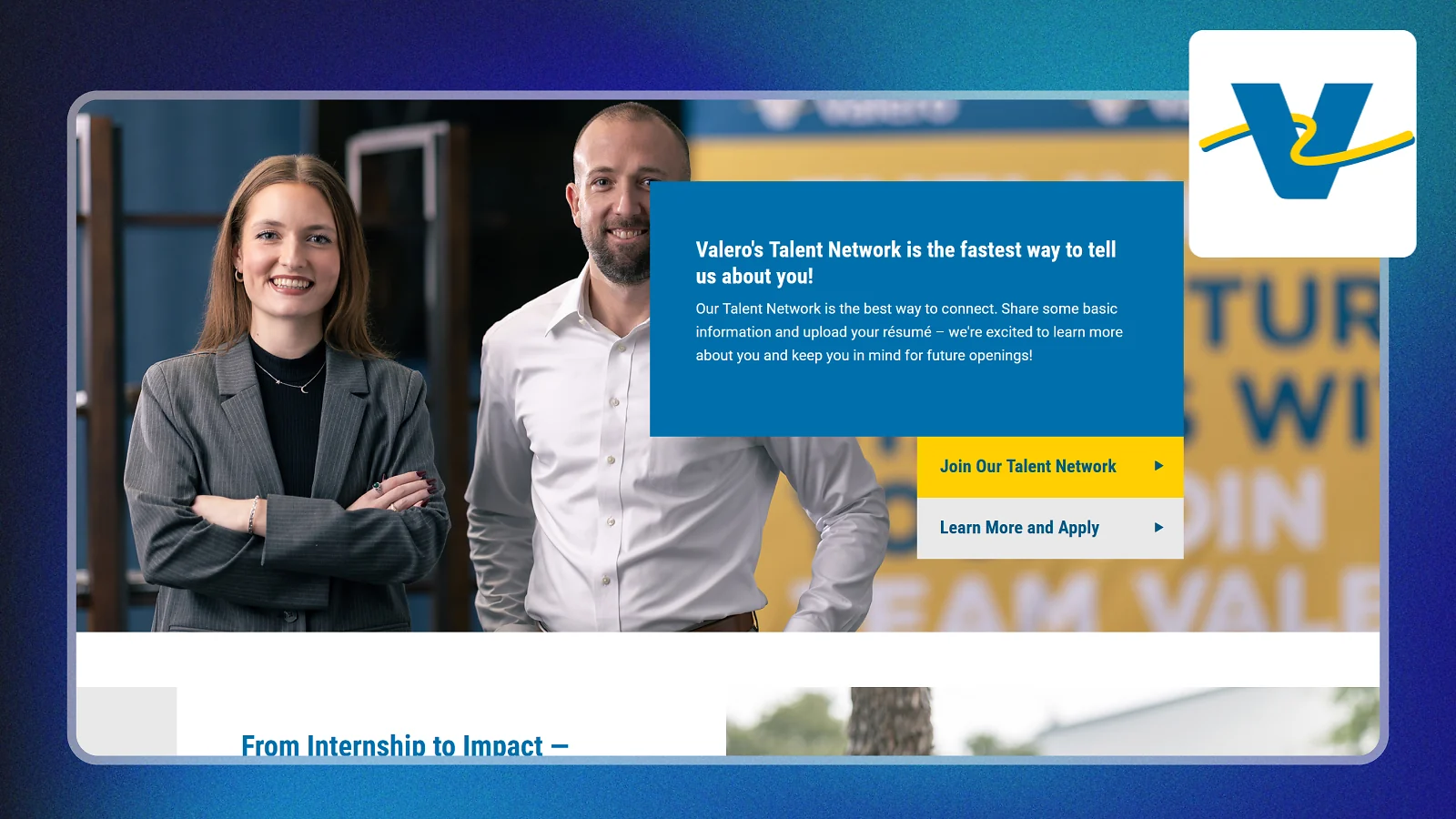
Current hiring backs that up. A 2026 Valero Refinery Operator Trainee posting required a high school diploma or GED, while refinery experience and a process-operations degree were only preferred. A Wilmington trainee opening started at $38.54 per hour and included a 10-week instructor-led training program.
The job typically involves:
- Monitoring refinery equipment and instrument readings
- Making equipment adjustments during operation
- Completing safety and emergency-response training
- Working rotating or extended shifts when required
The main limitation is location. Refineries are concentrated in specific industrial regions, and BLS projects about 2,700 openings per year for this occupation.
For readers comparing the best paying jobs for no experience, the starting pay can already be strong, but you need to live near a refinery and be comfortable with industrial shift work.

4. Electrical Power-Line Installer/Repairer [Best for Outdoor Utility Work]
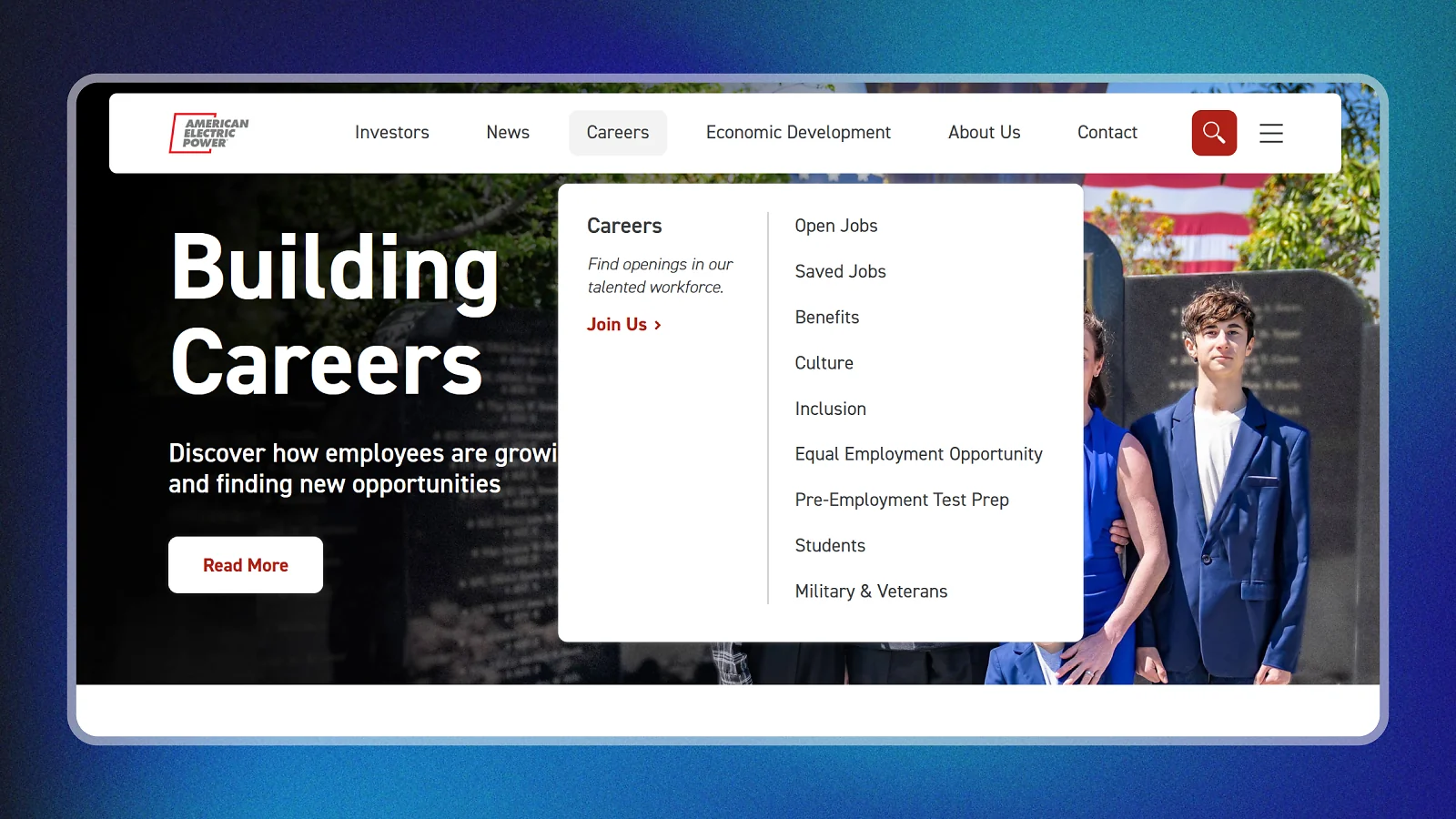
Electrical line work is one of the best paying jobs for no experience with a comparatively large hiring market. BLS reports a $95,320 median annual wage, while the typical entry path requires a high school diploma, no related work experience, and long-term on-the-job training. Apprenticeships are common.
A current American Electric Power first-year lineman apprentice opening lists $32.76 per hour, which works out to about $68,000 a year at 40 hours per week before overtime. The role is physically demanding, with climbing, heavy lifting, outdoor work, and emergency response all part of the job.
BLS projects about 10,900 openings each year through 2035, far more than several of the specialized careers elsewhere on this list. Employment is also projected to grow 10% over that period.
Getting in usually requires a high school diploma plus a driver’s license, and many employers require a CDL or expect you to obtain one during training.
If you’re looking at the best paying jobs for no experience, I think linework has one of the strongest balances of beginner pay and hiring volume. The trade-off is demanding physical work and long hours during outages or storms.

5. Signal & Track Switch Repairer [Best for Rail Maintenance]
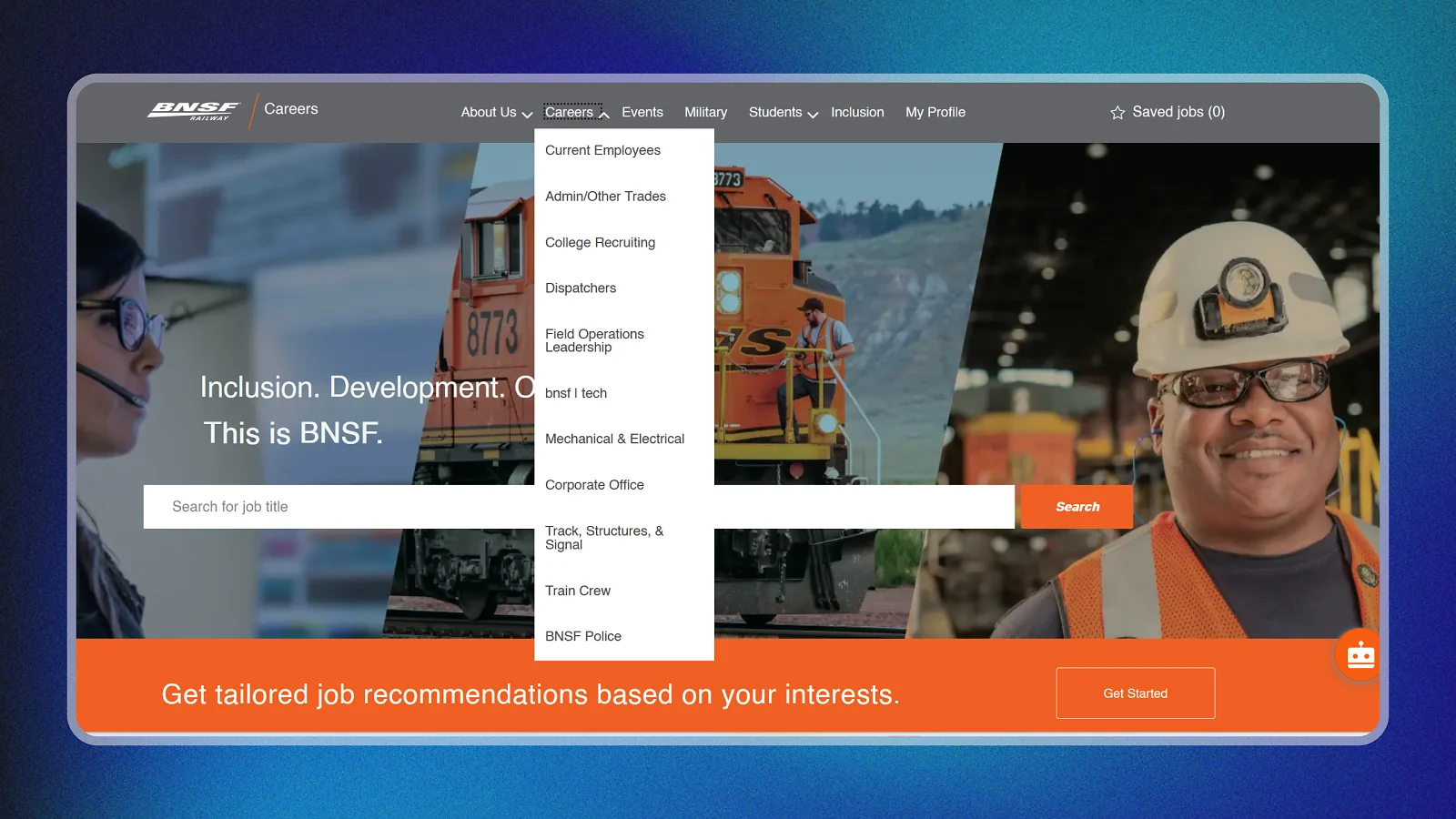
If you’re searching for the best paying jobs for no experience and can handle frequent travel, signal and track switch repair offers unusually strong beginner pay. BLS lists a $92,460 median annual wage. A high school diploma is the typical entry-level education, and the occupation requires no related work experience before moderate-term on-the-job training.
A 2026 BNSF Railway Signal Apprentice opening started at about $36.44 per hour. The company also listed average annual pay of $85,000 to $95,000 after three to five years of seniority. Training combines company-paid classroom instruction with supervised field work.
The schedule is the harder part.
- On-call work can happen at any hour.
- Nights, weekends, and overtime are part of the role.
- Travel can reach 90% for some apprentice postings.
- Outdoor work continues around tracks and heavy equipment in changing weather.
BLS counts about 8,700 jobs and projects roughly 800 openings per year through 2035. That makes a good vacancy worth acting on quickly.
I would put signal work among the best paying jobs for no experience for people who value paid technical training and can accept the travel. The starting rate is strong, but the lifestyle can be much tougher than the salary alone suggests.
6. Railroad Conductor Trainee [Best for Company-Paid Rail Training]
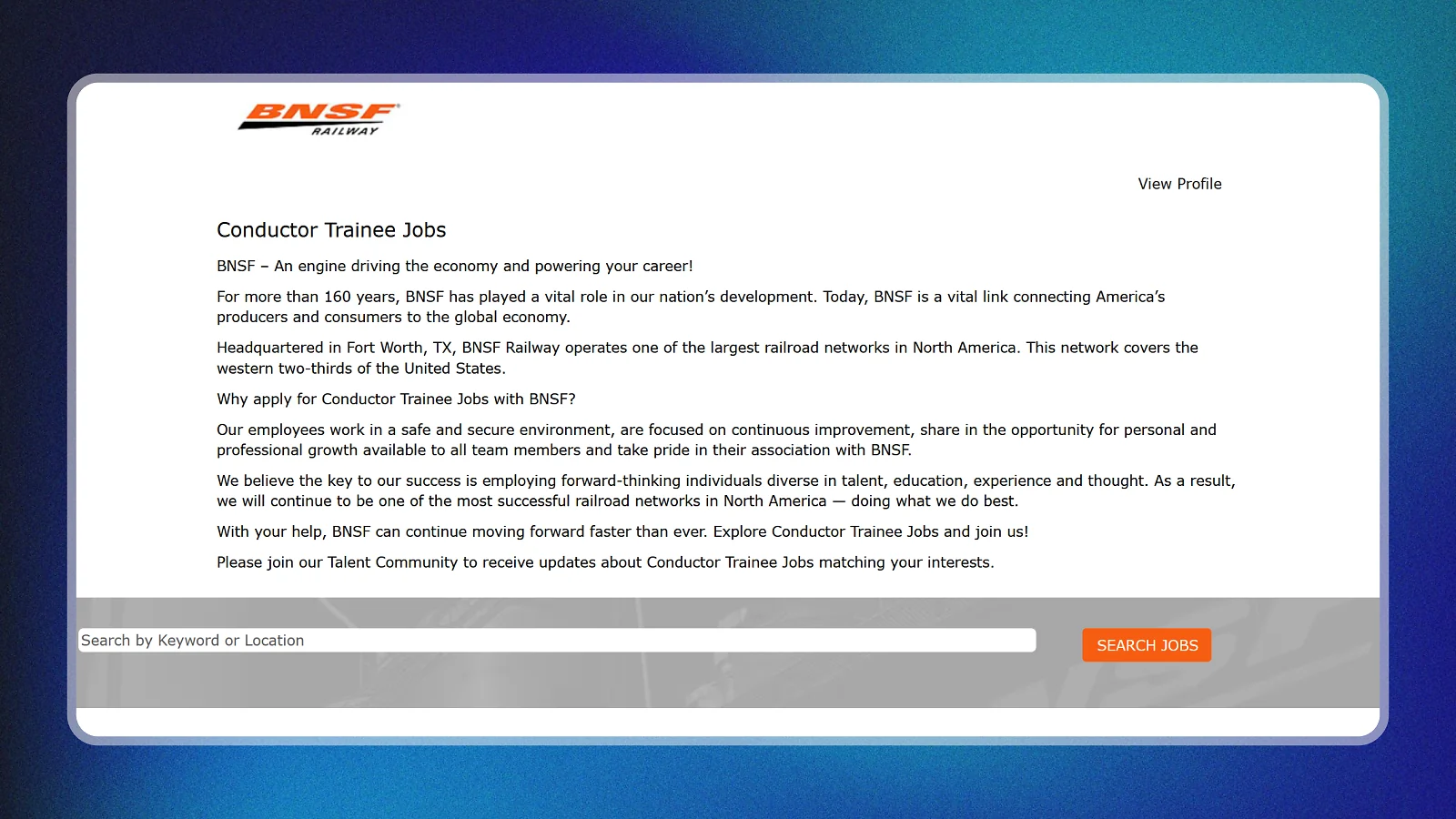
Railroad conductor trainee roles belong among the best paying jobs for no experience because major freight railroads hire beginners directly and train them on payroll. BLS puts the median wage for railroad conductors and yardmasters at $78,000, while railroad workers overall have about 6,100 projected openings per year.
A 2026 BNSF Railway conductor trainee posting listed an entry rate of about $250.26 per day and average annual pay of $70,000 to $82,000. The company provides up to 19 weeks of company-paid classroom and on-the-job training.
The hiring path is straightforward. The schedule is the harder part.
- Apply directly to trainee openings.
- Complete medical review, background verification, drug screening, and any required physical tests.
- Finish the company-paid classroom and field program.
- Be ready for on-call work, travel, nights, and weekend shifts.
For someone comparing the best paying jobs for no experience, I see conductor training as one of the more accessible options here. You can earn during training and avoid a long pre-employment school program, but the irregular schedule and time away from home need to fit your life.
How the Six Compare
Here is how the best paying jobs for no experience in this guide compare once you separate long-term median pay from the beginner path.
| Job | 2025 Median Pay | Beginner Pay Evidence | Training Path | Annual Openings |
| Elevator & Escalator Installer/Repairer | $109,910 | Apprentices usually start around 50% of fully trained pay | 4–5 year paid apprenticeship | ~1,900 |
| Power System Operator Trainee | $106,730 for power distributors and dispatchers | 2026 Burbank trainee opening started at $50.46/hour | Up to 18 months in the Burbank trainee program | ~700 |
| Petroleum Refinery Operator | $96,710 | Employer-specific trainee pay | Moderate-term OJT, with Valero using a 10-week new-hire program | ~2,700 |
| Electrical Power-Line Installer/Repairer | $95,320 | 2026 AEP apprentice opening at $32.76/hour | Long-term OJT, with apprenticeships common | ~10,900 |
| Signal & Track Switch Repairer | $92,460 | 2026 BNSF Railway apprentice opening at $36.44/hour | Company-paid classroom and field training | ~800 |
| Railroad Conductor Trainee | $78,000 for conductors and yardmasters | 2026 BNSF Railway trainee opening at $250.26/day | Up to 19 weeks of company-paid training | ~6,100 railroad-worker openings |
Extra Income While You Train or Job Hunt

Even when you find one of the best paying jobs for no experience, there can be a gap between applying and your first paycheck. Reward apps and easy online jobs can fill a small part of that gap, although I would treat them as spare-time income and keep the job search as the priority.
Snakzy rewards eligible game offers with coins. New users generally need 35,000 coins to unlock the Shop for the first time, although the threshold can vary. After the first redemption, regular reward minimums apply. KashKick currently lets users cash out once $10 reaches the available balance through options including PayPal and Venmo.
If games are not your thing, strong language skills can also give you ways to make money translating while applications or training dates are still moving.
Use Snakzy between applications and training dates to earn coins through eligible game offers while you wait for your first paycheck.

How to Get Hired With No Previous Work in the Field
To get hired for the best paying jobs for no experience, use job finding services alongside searches for titles that clearly signal a beginner pathway. Terms such as apprentice, trainee, first year, and operator trainee usually tell you more than a generic entry-level label.
Use this approach.
- Apply through the employer or apprenticeship program directly. Utility companies, railroads, unions, and industrial employers usually publish their own intake requirements.
- Match the minimum requirements exactly. A high school diploma may be enough for one opening, while another may also require a CDL, aptitude test, medical review, or industry credential.
- Prepare for the schedule before the interview. These jobs can involve nights, on-call periods, travel, overtime, and physically demanding work.
- Use the trainee period as your first industry experience. Passing progressive exams and completing supervised hours gives you the work history needed for later roles.
When I look at the best paying jobs for no experience, I care more about the hiring pipeline than a polished resume. If that pipeline is slow, freelance jobs you can work from home can give you a separate income route while you keep applying.
Applications for the best paying jobs for no experience are usually strongest when you show that you already understand the schedule, physical demands, and training commitment. That makes you look prepared for the actual job even when your work history comes from another field.
What Doesn’t Work
If you’re applying for the best paying jobs for no experience, avoid paying for training before you know whether the credential is actually required by employers. A course can be legitimate and still be unnecessary for the trainee route you want.
Watch for these problems.
- Schools selling access to jobs they cannot guarantee. Verify whether employers actually require the program before paying tuition.
- Fake apprenticeship fees. A large payment to unlock an interview or placement deserves scrutiny. Check the employer or registered apprenticeship source directly.
- Hidden repayment clauses. Employer-funded training can carry a repayment obligation if you leave early, so read the agreement before signing.
- Job ads that blur preferred and required experience. Read the minimum qualifications carefully. A role can still accept beginners even when experienced applicants receive preference.
When I research the best paying jobs for no experience, I treat a clear hiring path as seriously as the salary. The strongest opportunity tells you how beginners enter, what training is required, and when paid employment starts.
For a lower-commitment online option during the search, mobile app tester jobs can also be worth exploring alongside the main career path.
Final Verdict on Best Paying Jobs for No Experience
If you want one of the best paying jobs for no experience, focus on the entry route as much as the headline wage. Elevator work has the highest median on this list, linework has a much broader annual hiring pool, and several utility or rail trainee programs let you earn during training.
I would choose based on the commitment you can realistically make. A paid apprenticeship is valuable only when the schedule, location, physical demands, and training length fit your situation. A lower median with more openings can be a more practical target than a rare trainee intake.
People searching for the best paying jobs for no experience should compare starting pay, access to training, local openings, and the schedule they can realistically maintain. Those factors tell you more about your first year than the occupation-wide median alone.
Play eligible offers on Snakzy and build coins toward rewards while you wait for applications or training dates.
FAQs
No. Many apprenticeships are designed for beginners. You still need to meet the employer’s education, testing, physical, licensing, or driving requirements before you can be hired.
No. The jobs in this guide typically accept a high school diploma or equivalent, although some employers prefer extra technical education or certifications.
Yes. Apprenticeships and employer trainee programs often put you on payroll during training. The starting rate is usually lower than the occupation-wide median and rises as you qualify.
Training length varies by employer. Some trainee programs last a few months, while formal trade apprenticeships can take several years. Paid training can reduce the financial pressure during longer programs.
No. A median covers workers across experience levels. Beginner pay can be much lower, so check the actual apprentice or trainee rate before deciding whether a job fits your budget.
Check the starting wage, training length, schedule, licensing requirements, repayment clauses, relocation rules, and what happens if you leave before finishing the program.