


12 Best Startup Ideas To Start in 2026

Eneba Hub contains affiliate links, which means we may earn a small commission if you make a purchase through them—at no extra cost to you. Learn more


QUICK LOOK
A house cleaning service can start with a clearly defined service area and repeatable cleaning procedures. Trainual helps document those procedures as you bring staff into the business.
These 12 startup ideas span local services, creative work, e-commerce, and tech, with different demands on your budget and skills. This guide compares what each business needs, the launch tools that fit it, and the financial figures available to help you choose a starting point. The best startup ideas solve a problem you can reach customers for, and the right one matches your budget and skills before it matches a trend.

The cost examples run from $0–$5,000 for a digital marketing agency to $5,000–$50,000 for a direct-to-consumer brand, both per IdeaProof. Earnings evidence is thinner, because business revenue has to cover expenses before it becomes personal income, and several ideas have no reliable figure. Learning how to start a startup begins with that gap, before you commit money to software or equipment. Compare these startup ideas on cost first.
Jump to:
What Makes a Business a Startup, Not Just a Small Business

A startup is built around a repeatable model that can scale, while a conventional small business may prioritize stable income within a local market. Neither approach is automatically better.
A cleaning company can remain an owner-operated service or develop documented procedures that support a larger team. A software company can pursue recurring subscriptions, but it still needs paying customers and a useful product.
These startup ideas for beginners include both paths because an accessible business can be a sensible starting point. The key distinction is how the operation grows beyond the founder’s own working hours.
Low-Cost Startup Ideas You Can Launch From Home
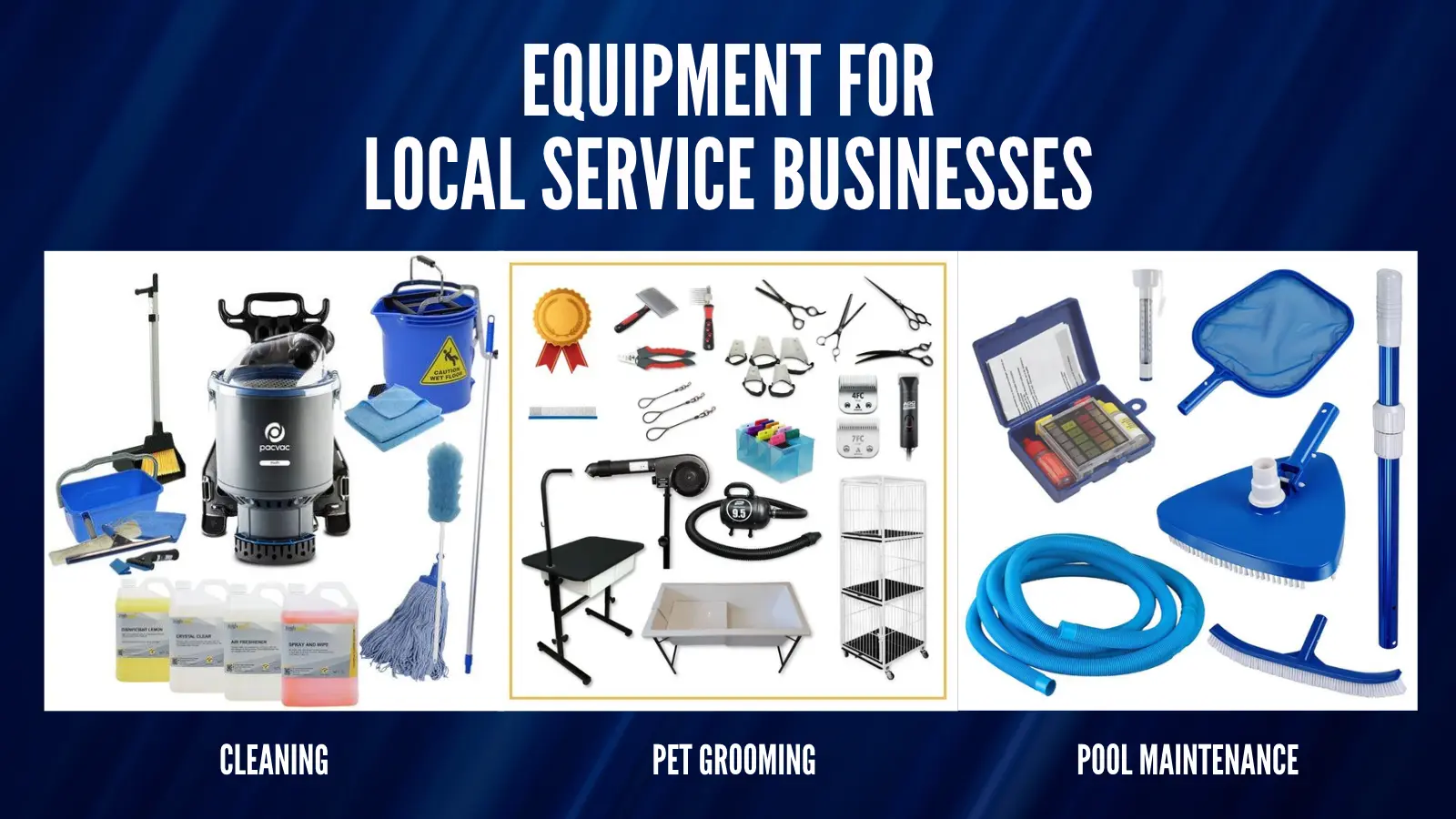
Low-cost startup ideas are strongest when you can use existing skills and reach nearby customers without renting premises. A home base reduces overhead, but it doesn’t remove equipment, transport, insurance, or training needs.
1. House Cleaning Service
A house cleaning service suits someone who prefers hands-on work and can follow a customer’s agreed priorities. Define the service carefully: routine household cleaning is a different commitment from specialized restoration or hazardous cleanup.
No sourced figure exists for the startup cost or earnings of a house cleaning service. Indeed lists basic supplies as the starting requirement. Transport, insurance, and the scope of each job also affect the budget, while travel and unpaid administrative work affect what you retain. Quote a defined service, because an open-ended promise to clean everything invites disputes.
Start with a written scope that explains which rooms and tasks are included. Ask about delicate surfaces, pets, and access arrangements before accepting the booking. Among local startup ideas, this model benefits from repeat appointments because an established route is easier to organize than scattered one-off jobs.
Trainual becomes useful when you need another cleaner to follow the same procedures. Document surface-care instructions, customer preferences, and the steps for securing a property after work.
The tool below supports consistent service as the business grows.
| Tool | Trainual |
| Description | Document cleaning procedures and staff onboarding instructions. |
| Level | Beginner |
| Duration or Price | Pricing on request, plus a one-time $1,000 implementation fee |
| Free Trial | No free trial listed |
| Best for | Owners preparing to train cleaning staff |
Write the procedure around the service you sell today, and update it as the operation grows.
2. Pet Grooming Business
Pet grooming suits people with appropriate animal-handling and grooming skills. A love of animals helps, but safe restraint, sanitation, and the ability to recognize when a job exceeds your competence are more important.
No sourced figure exists for the startup budget or income of a grooming business. A home setup, mobile operation, and dedicated premises involve different expenses. Indeed lists appropriate training, a license, and grooming tools as the requirements. Local permissions, insurance, equipment, and training also shape the launch plan.
Treat skill development as a prerequisite to selling unfamiliar services. Establish intake questions about an animal’s behavior and health, and explain the limits of the appointment. Startup ideas involving animals carry responsibilities that attractive promotional photos cannot replace.
Vista Social can help organize social posts for a local audience. With customer permission, share examples of your work and explain the grooming services you offer. Make the booking instructions easy to find.
This platform supports promotion once the service is ready.
| Tool | Vista Social |
| Description | Organize social content that explains grooming services and appointment availability. |
| Level | Intermediate |
| Duration or Price | From $99 a month (Professional plan) |
| Free Trial | 14-day free trial, no credit card required |
| Best for | Skilled groomers building a local customer base |
A focused local presence is more useful than broad attention from people outside your service area.
3. Pool Cleaning Service
Pool cleaning is a route-based service for someone comfortable with outdoor work and the relevant maintenance procedures. It can suit an organized operator who wants repeat customers within a defined geographic area.
No sourced figure exists for the startup cost or earnings of a pool cleaning business. Indeed lists appropriate pool cleaning equipment as the requirement. Equipment, chemical handling, transport, insurance, and local requirements influence spending. The services you can competently perform also determine which jobs you should accept.
Define the boundary between routine cleaning and repairs before quoting. Customers need to know what an appointment includes, how access works, and how you report a problem that needs a specialist. Avoid accepting technical work outside your training.
These startup ideas become more manageable when the route makes operational sense. A nearby customer can be more valuable than a distant booking at the same price because travel consumes working time and vehicle resources.
QuickBooks Online can help organize invoices and business records. Keep records of customer work, payments, supplies, and vehicle expenses from the beginning.
This tool supports pool cleaning and other local startup ideas that run on repeat invoices.
| Tool | QuickBooks Online |
| Description | Invoicing and bookkeeping software for recording customer work, payments, and expenses. |
| Level | Beginner |
| Duration or Price | Free plan, Simple Start $38 a month |
| Free Trial | 30-day free trial |
| Best for | Pool cleaning owners tracking routes, invoices, and expenses |
For the first bookings, use a written service checklist and record the condition of the pool before work. Clear documentation helps explain what was completed and what requires further attention. A bookkeeping subscription should support that operation, and it cannot replace understanding the work.
Creative Startup Ideas for People Who’d Rather Make Than Manage
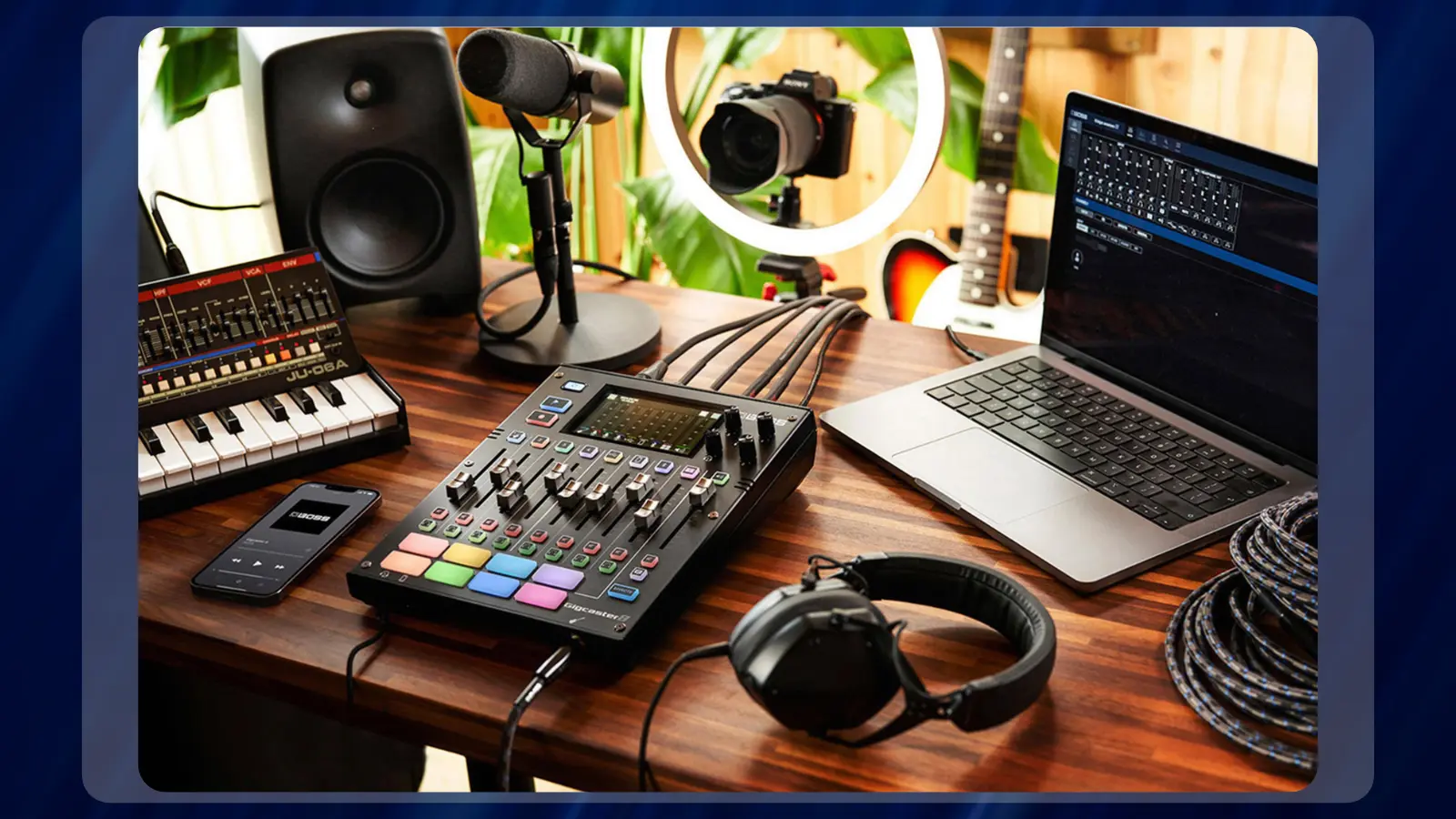
Creative startup ideas turn an existing ability into a service or an audience-based business. Proof of skill comes before promotion, so begin with a sample that makes your offer easy to understand.
4. Freelance Voice-Over Business
A voice-over business sells recorded narration or character performances for a defined brief. It suits someone who can interpret direction, speak clearly, and produce usable audio, rather than someone who simply owns a microphone.
No sourced figure exists for the startup budget or earnings of freelance voice-over work. Recording space, equipment, editing needs, and training affect costs. Payment also depends on the recording’s scope and usage rights, which describe how the customer may use your performance.
Create samples for the kind of work you want. A game character audition, for example, should demonstrate performance choices without relying on copyrighted dialogue or music. Explain revisions and usage terms before recording the full assignment.
Among creative startup ideas, voice-over work rewards a clear offer: the customer should understand the recording format and what happens if the script changes. A polished sample cannot compensate for an ambiguous agreement.
Udemy offers a place to explore voice-acting training. Choose instruction that addresses your actual gap, like microphone technique or interpreting a script.
Use the platform to develop a specific skill before buying more equipment.
| Tool | Udemy |
| Description | Explore voice-acting instruction to improve recording and performance skills. |
| Level | Intermediate |
| Duration or Price | Set per course |
| Best for | Aspiring voice performers developing client-ready samples |
A course completion certificate does not replace an audition or demonstrate that a recording meets a client’s requirements.
5. Vlogging and Content Creation
Vlogging is an audience business built around videos that people choose to watch repeatedly. It suits someone who can sustain a useful subject and enjoys the production process, including preparation and editing.
No sourced figure exists for the startup cost or creator income of vlogging. Existing equipment may support an initial experiment, but software, production choices, and distribution can add expenses. Publishing content alone does not establish a reliable source of revenue.
Pick a repeatable promise for a defined audience. A channel about accessible game settings, for example, gives viewers a clearer reason to return than unrelated uploads about whatever happens to be popular.
Audience-based startup ideas require patience with uncertain demand. Separate the work of making useful videos from the question of how the business earns money. Sponsorships, customer services, and products each create different obligations, so avoid treating audience size as profit.
Mailchimp can help manage an email list for viewers who want updates. An email list gives interested viewers a way to request updates beyond the video platform, subject to consent and applicable marketing rules.
Begin with a clear subscription reason, like a useful companion resource or updates on a specific series. Keep that promise consistent. Buying more production equipment before you can describe the audience and its needs is a weak use of launch capital.
This tool supports content-based startup ideas that depend on a subscriber list.
| Tool | Mailchimp |
| Description | Email marketing platform for building and messaging a subscriber list. |
| Level | Beginner |
| Duration or Price | Free plan with 250 contacts, Essentials from $13 a month |
| Free Trial | 14-day free trial on paid plans, no trial on the free plan |
| Best for | Creators building an email list for viewers |
6. DJ Services
DJ services sell music selection and event performance to customers with a specific occasion in mind. This suits someone who understands the equipment and can communicate professionally with organizers before a booking.
No sourced figure exists for the startup budget or earnings of DJ work. Equipment, transport, backup arrangements, insurance, and event requirements affect spending. Music licensing responsibilities can also depend on the venue, event, and jurisdiction.
Choose an event type you can serve competently. A private celebration and a venue residency may require different preparation, equipment, and coordination. Agree on access, setup arrangements, and who handles necessary permissions.
Live-event startup ideas carry an operational challenge: the customer needs the service at the agreed occasion, so a technical problem cannot delay it. Prepare for equipment issues and clarify the contact person who can make decisions during the event.
HubSpot CRM tracks inquiries and bookings. A CRM stores customer details and the progress of a potential sale.
Use records to capture the event brief, requested music, and agreed responsibilities. Keep the contract separate from informal messages so both parties can find the terms. Equipment should match the events you are prepared to accept, and gear sized for a dream booking can wait.
This tool supports service-based startup ideas that run on bookings.
| Tool | HubSpot CRM |
| Description | Customer relationship management software for tracking inquiries and bookings. |
| Level | Beginner |
| Duration or Price | Free for up to 2 users |
| Free Trial | Free plan with no time limit |
| Best for | DJs managing booking inquiries and event briefs |
Online Startup Ideas That Sell Products, Not Just Time

Product-based startup ideas can grow without attaching every sale to another appointment. Margins and customer demand still govern the business, and fulfillment creates work even when production happens elsewhere.
7. Print-on-Demand Store
A print-on-demand store sells designs on products that a fulfillment partner produces after an order. It suits a beginner who wants to test a product concept without first organizing a stocked range.
No sourced earnings figure exists for this model, and Printify advertises a free plan with no upfront costs, so the startup budget depends on samples and promotion. Samples, storefront choices, promotion, and customer support can create costs. Profit equals the selling price minus production, shipping, and other business expenses.
Printify is the platform pick for this idea. Start with original designs for a specific audience, like a tabletop gaming group with its own community identity. Avoid using game logos, characters, or other protected artwork without permission.
Among startup ideas with low startup cost, print-on-demand offers a useful way to separate a product test from a large inventory purchase. It does not remove the need to assess quality or explain shipping and returns clearly.
The platform below supports the production side of the store.
| Tool | Printify |
| Description | Set up custom merchandise and apparel for a print-on-demand storefront. |
| Level | Beginner |
| Duration or Price | Free plan, Premium from $39 a month ($24.99 a month billed yearly) |
| Free Trial | No free trial listed, free plan available |
| Best for | Beginners testing original merchandise concepts |
Evaluate a sample and the customer experience before putting substantial effort into promotion. A narrow product offer makes early feedback easier to interpret.
8. Direct-to-Consumer E-Commerce Brand
A direct-to-consumer brand sells its own product range directly to customers. It suits a founder with a differentiated product and the capacity to manage sourcing, fulfillment, and customer support.
IdeaProof puts a DTC brand’s launch cost at $5,000–$50,000. It lists revenue potential at $1M–$500M+ and says the average DTC brand reaches $1M in revenue in 2–4 years. That is business revenue, which has to cover expenses before it becomes owner income, and no sourced owner-income range exists for the category.
These startup ideas place more money at risk before the business understands demand. Product quality, supplier terms, and unsold stock deserve close attention because the founder takes responsibility for a physical offer.
Shopify is the storefront platform named for this model. Build the store around a product explanation that answers why a customer should choose it over an existing alternative.
This platform supports the shop, while the founder remains responsible for the product.
| Tool | Shopify |
| Description | Build a storefront for a defined consumer product range. |
| Level | Intermediate |
| Duration or Price | Basic plan $39 a month, or $29 a month billed yearly |
| Free Trial | 3-day free trial, then $1 a month for 3 months |
| Best for | Founders prepared to manage sourcing and customer orders |
A differentiated product is a stronger foundation than an attractive store filled with interchangeable items.
Digital and Tech Startup Ideas Worth Building
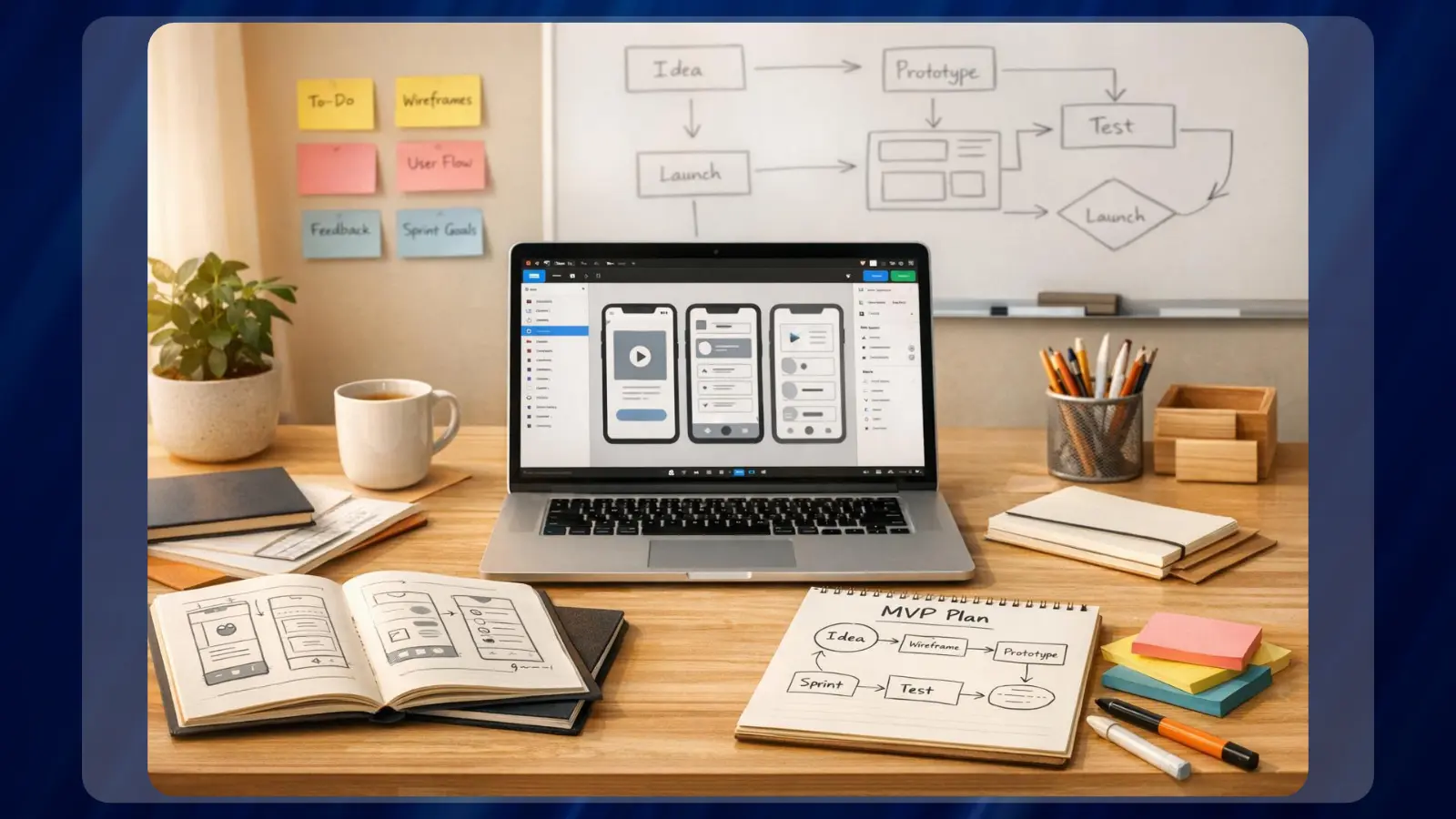
Digital startup ideas can support repeatable sales, but technical complexity or client responsibility raises the entry barrier. A clearly defined customer problem is more valuable than a broad promise to use new technology.
The following models suit founders with relevant technical knowledge or marketable client skills.
9. AI Governance SaaS Tool
An AI governance tool helps organizations manage how employees use artificial intelligence. SaaS means software as a service: customers access software through an ongoing service instead of buying a standalone copy.
IdeaProof lists a B2B SaaS product at $10,000–$100,000 to build a minimum viable product, the first version customers can test. No sourced revenue range exists for an AI governance tool specifically. Revenue must cover the costs of operating the business before it becomes owner income.
Shadow AI means AI use that happens outside an organization’s approved processes. A useful product needs to address a concrete buyer concern without creating new privacy or security problems. A working interface alone will not win these buyers.
Vanta supports compliance and security monitoring. It relates to the security side of a SaaS business and cannot replace the work of building the governance product itself.
This tool supports software startup ideas that sell to security-conscious buyers.
| Tool | Vanta |
| Description | Compliance and security monitoring platform. |
| Level | Intermediate |
| Duration or Price | Pricing by quote |
| Free Trial | No free trial listed, demo offered |
| Best for | SaaS founders selling to security-conscious buyers |
Start with buyer conversations about existing workflows and procurement requirements. Find out who owns the problem and what evidence a purchasing team needs. A complicated product built before that conversation can consume capital without establishing a viable customer offer.
10. Digital Marketing Agency
A digital marketing agency sells a defined marketing service to business clients. It suits someone who already knows how to perform the work and can explain the limits of what a campaign can achieve.
IdeaProof lists $0–$5,000 in startup costs and illustrates $1.08M in annual revenue from 15 retainer clients at $6,000 a month, with revenue potential of $1M–$200M+. That is business revenue before expenses, so it gives no beginner earnings benchmark, and no sourced take-home range exists for an agency.
Among digital startup ideas, an agency can test demand before developing a proprietary product. The difficult part is agreeing on work that creates value without promising results outside your control.
Ahrefs supports keyword and backlink research for agencies offering search-focused services. SEO means search engine optimization: work intended to help relevant pages appear in search results. The tool fits a search-focused service, so agencies with other specialties may need different software.
This tool supports agency startup ideas built on search work.
| Tool | Ahrefs |
| Description | SEO tool for keyword research and backlink analysis. |
| Level | Intermediate |
| Duration or Price | Starter $29 a month, Lite $129 a month |
| Free Trial | No free trial listed, Ahrefs Free gives limited access to Site Explorer and Site Audit |
| Best for | Agency owners selling search-focused services |
Anyone learning how to start a startup through client work should define the service boundary first. Explain the tasks, reporting approach, and client responsibilities in the proposal. Existing competence is a prerequisite, even when the cash cost of starting is low. A software subscription cannot supply the judgment needed to advise a paying customer.
Local and Resale Startup Ideas With Fast Cash Flow
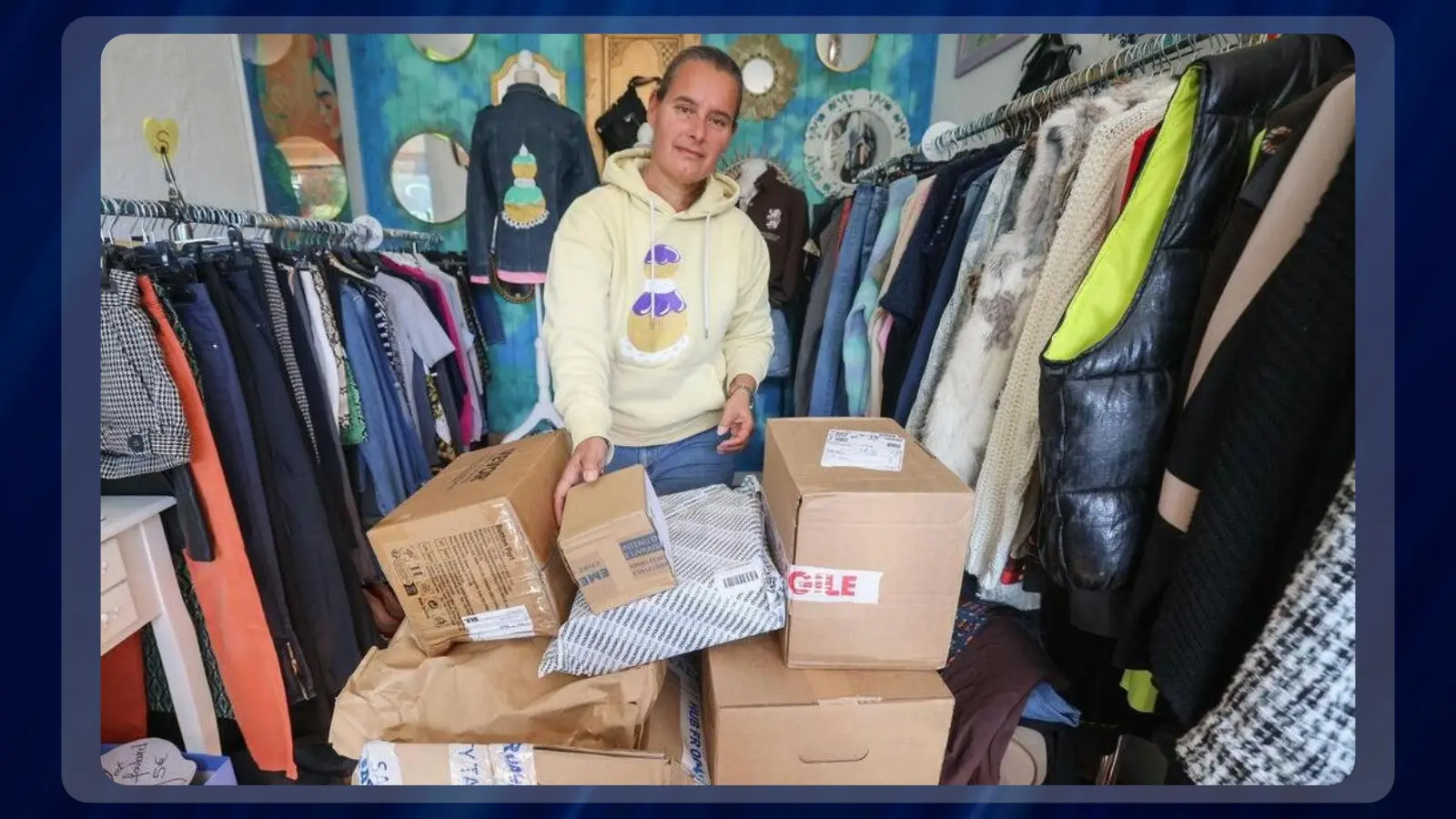
Local startup ideas can put you closer to a purchase decision because the customer buys a visible item or a defined service. Payment timing and operating costs still determine cash flow, so a completed sale is not automatically money available to spend.
11. Flea Market Vendor
A flea market business sells suitable goods at an organized local market. It suits someone who understands a product category and can judge condition, explain value, and manage stock.
There is no sourced figure available for the startup cost or earnings of vending. Merchandise, market fees, display equipment, transport, and unsold inventory affect the budget. A busy market also does not guarantee that its visitors want your particular stock.
Choose a coherent category before buying broadly. Used gaming accessories could be a natural fit for a knowledgeable seller, provided you can test items and describe compatibility accurately. Avoid spending money on unfamiliar goods simply because the purchase price looks attractive.
Resale startup ideas work better when each purchase has a clear reason. Keep records of acquisition cost, condition, and the price at which an item sells. That makes it easier to distinguish successful stock from products that occupy space.
Notion can help maintain inventory and sales records. A simple record can help organize items and identify what needs testing or pricing.
This tool supports resale startup ideas that depend on inventory records.
| Tool | Notion |
| Description | Workspace app that can hold inventory and sales records in databases. |
| Level | Beginner |
| Duration or Price | Free plan, paid plans from $10 per member a month |
| Free Trial | Free plan, Notion AI trial on the Free and Plus plans |
| Best for | Resellers tracking stock, costs, and sales |
Start with goods you can assess confidently, and understand the market’s seller rules. Customer questions are useful evidence about demand. Use them to improve the next buying decision and expand the range only when demand supports it.
12. Courier or Delivery Service
A courier service transports goods within an agreed area and service scope. It suits someone who can organize routes and maintain reliable communication with customers.
Sources give no startup budget or earnings figure for courier work, so treat any number you see as unverified. Vehicle use, maintenance, insurance, parking, and the type of goods carried affect the economics. Access to a vehicle does not establish that its existing insurance covers commercial work.
These startup ideas depend on a clear operational promise. Define what you can carry, how collection and handover work, and what happens if the recipient is unavailable. Sensitive, hazardous, or regulated goods may require specialist arrangements.
A narrow service area can simplify early operations. Track the full work involved in an assignment, including waiting and the return journey, and weigh it against the customer’s payment.
Rippling can support payroll and onboarding when the business hires drivers. It is not a prerequisite for an owner-operated test.
This tool supports startup ideas that involve hiring drivers.
| Tool | Rippling |
| Description | HR and payroll platform for onboarding and paying employees. |
| Level | Intermediate |
| Duration or Price | From $8 per employee a month, plus a monthly base fee |
| Free Trial | No free trial listed, demo offered |
| Best for | Courier owners who start hiring drivers |
Before hiring, document the service procedure and understand applicable employment obligations. A driver needs clear instructions about handling goods, reporting problems, and protecting customer information. Software should support those responsibilities after the business has a reason to employ people.
Startup Ideas Compared: Cost, Skill, and Requirements
Skill requirements and financial exposure separate these startup ideas more usefully than speculative income ceilings. This table compares each idea’s main startup requirement and starting tool cost. Use it to compare all 12 startup ideas by skill level and entry cost.
|
Idea |
Category |
Skill level |
Main startup requirement |
Starting tool cost |
Best for |
|---|---|---|---|---|---|
|
House Cleaning Service |
Home and local service |
Beginner |
Basic supplies |
Pricing on request, plus a one-time $1,000 implementation fee |
Hands-on operators who value repeat appointments |
|
Pet Grooming Business |
Home and local service |
Intermediate |
Training, a license, and grooming tools |
From $99 a month |
Trained groomers with animal-handling skills |
|
Pool Cleaning Service |
Home and local service |
Intermediate |
Pool cleaning equipment |
Free plan, Simple Start $38 a month |
Operators with maintenance knowledge |
|
Freelance Voice-Over Business |
Creative |
Intermediate |
Recording space, equipment, and training |
Priced per course |
Performers who can produce usable recordings |
|
Vlogging and Content Creation |
Creative |
Beginner |
Existing equipment and editing software |
Free plan, Essentials from $13 a month |
Creators with a repeatable audience promise |
|
DJ Services |
Creative |
Intermediate |
Equipment, transport, and backup arrangements |
Free for up to 2 users |
Musically skilled event professionals |
|
Print-on-Demand Store |
Online and e-commerce |
Beginner |
Samples and a storefront plan |
Free plan, Premium from $39 a month |
Beginners testing original merchandise |
|
Direct-to-Consumer Brand |
Online and e-commerce |
Intermediate |
$5,000–$50,000 launch cost |
Basic plan $39 a month |
Founders with product and sourcing knowledge |
|
AI Governance SaaS Tool |
Digital and tech |
Advanced |
$10,000–$100,000 to build an MVP |
Pricing by quote |
Technical founders who understand business buyers |
|
Digital Marketing Agency |
Digital and tech |
Intermediate |
$0–$5,000 in startup costs |
Starter $29 a month |
Marketers with a defined client service |
|
Flea Market Vendor |
Local and resale |
Beginner |
Merchandise, market fees, and display equipment |
Free plan, paid plans from $10 per member a month |
Sellers who understand their merchandise |
|
Courier or Delivery Service |
Local and resale |
Beginner |
A vehicle |
From $8 per employee a month, plus a monthly base fee |
Organized operators with suitable transport |
The best startup idea for beginners is the one they can serve competently and test without unacceptable financial exposure.
How To Pick the Right Startup Idea for You
Available starting capital should set the boundary for your choice, followed by the skills needed to serve customers safely. Low-cost startup ideas still require a workable offer and enough resources to complete the work.
Use these factors to narrow the options:
- Budget: Compare a service you can already perform with a stocked product brand that puts money into inventory.
- Skills: Treat grooming, pool maintenance, and software security as competence-dependent work, not entry-level experiments.
- Time available: Match the business to your schedule. Live events and customer appointments create fixed commitments.
- Local demand: Look for customers within the service area before buying equipment for a route-based business.
- Competition: Identify a specific customer problem that existing offers handle poorly.
- Audience or client access: An agency needs a path to buyers; a creator needs a reason for viewers to return.
- Licensing requirements: Investigate rules for your activity and location before taking bookings or selling.
- Earning goals: Distinguish business revenue from what remains after expenses and taxes.
Learning how to choose a startup idea means rejecting attractive options that do not fit your resources. Judge startup ideas by the next practical customer test and set aside the largest revenue claim attached to them.
How To Turn a Startup Idea Into a Business
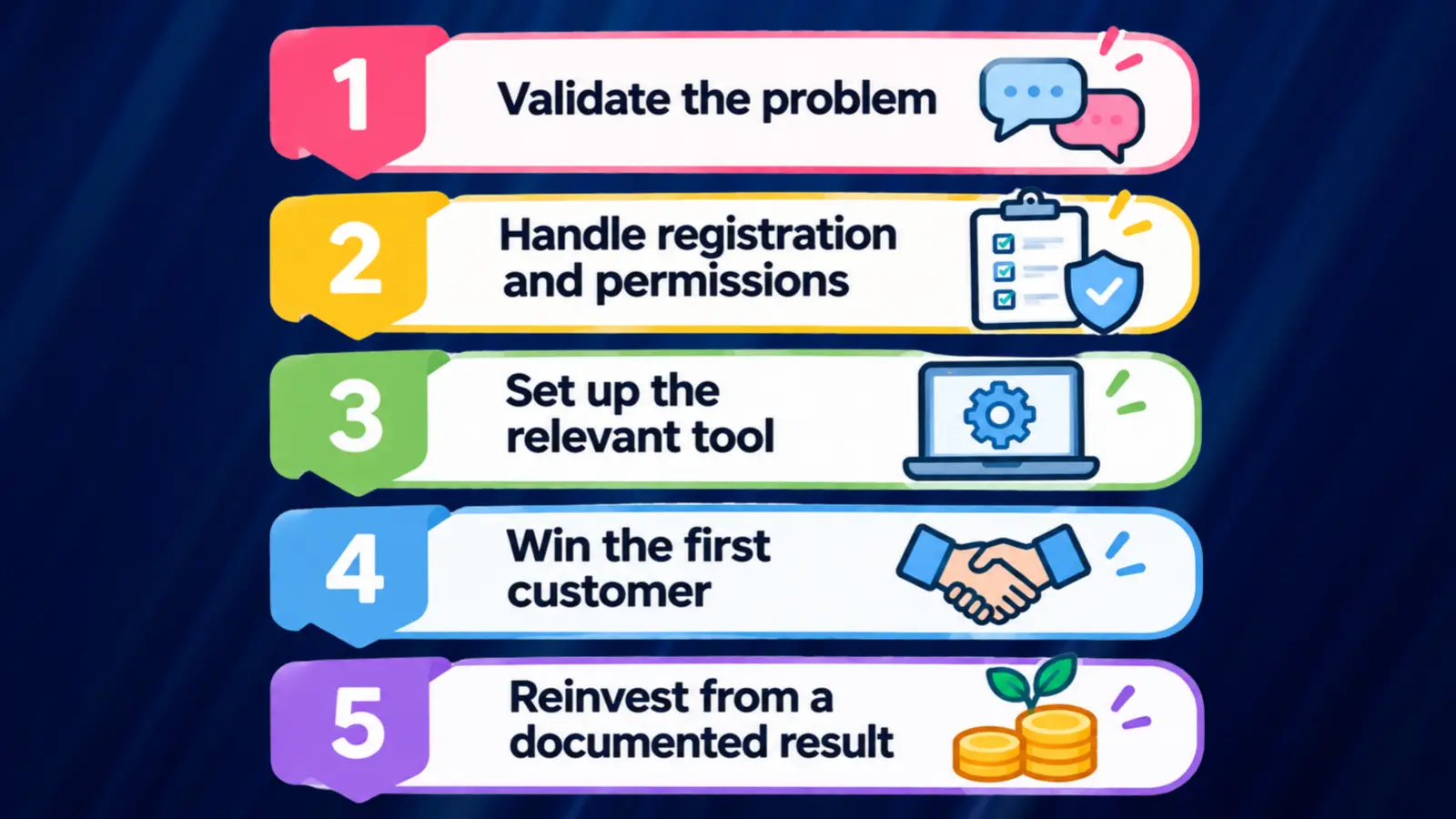
Validate demand before expanding spending, then build the basic operation around the service or product you chose. This sequence explains how to start a startup without treating software setup as evidence of customer demand.
Apply the same order to these startup ideas:
- Validate the problem. Speak with likely buyers about their current solution and purchasing constraints. Test a clear offer and skip broad questions about whether they like the concept.
- Handle registration and permissions. Identify applicable business, tax, insurance, and licensing obligations. US requirements vary by state and locality, and other countries have their own rules.
- Set up the relevant tool. Use the platform named for your chosen idea when it solves an immediate need. Payroll and staff-training systems belong later if you are still working alone.
- Win the first customer. Agree on scope, price, payment terms, and responsibilities. For a product, explain fulfillment and returns before accepting the order.
- Reinvest from a documented result. Review expenses, customer feedback, and the work required to complete the sale. Fund the next improvement that addresses a demonstrated problem.
Keep the operation small enough to understand before adding complexity. Our guide to starting a side hustle covers low-risk ways to run that first test.
Final Verdict
A print-on-demand store is the most approachable starting pick for a beginner who wants to test an original product concept without organizing stocked inventory. Printify fits that path, but the work still includes design decisions, product evaluation, and customer support. It suits a controlled experiment better than a promise of immediate income.
Readers who prefer direct customer contact and payment tied to completed work should consider a local service they can already perform competently. That route avoids the need to build an audience before the offer makes sense. The best startup idea to start is one whose customer problem you understand and whose risks you can afford. Compare startup ideas by that standard before committing to a larger operation.

FAQs
Choose startup ideas that match skills you already have, then check demand. The U.S. Small Business Administration says existing data saves time but may not fit your audience, while surveys and interviews give specifics at a cost in time and money.
Startups can choose a lean plan or a traditional plan. The SBA describes a lean plan as a short, high-level document that can take about an hour to create, while traditional plans are detailed and comprehensive. A plan also helps attract funding or partners.
You need an EIN if you pay employees, operate as a corporation or partnership, or file certain tax returns, per the SBA. It is free to apply through the IRS assistance tool, so avoid websites that charge a fee.
Your structure affects how much you pay in taxes, your personal liability, and the paperwork you file. The SBA lists sole proprietorships, partnerships, LLCs, corporations, and cooperatives as the main types.
Some activities do. The SBA says you may need licenses or permits from the state, county, or city depending on your business activities, and industry requirements often vary by state. Check each level before you take your first booking.
Start with problems you notice in your own work, hobbies, or community, then check each for demand, market size, and pricing. The SBA lists those among its key market research questions. Narrow the list to the startup ideas you can test first.