


How To Become a Game Sound Designer: Tools and Steps for 2026

Eneba Hub contains affiliate links, which means we may earn a small commission if you make a purchase through them—at no extra cost to you. Learn more


START WITH SOUND EFFECTS
Explore Udemy for game-audio courses covering foley, mixing, and engine implementation. Start with sound creation before tackling middleware.
Learning how to become a game sound designer means building recording and mixing skills, implementing effects in a game engine, and presenting finished work in a portfolio. With a median annual salary of around $100,600 for salaried game sound designers in the US and Canada, this creative career has promising earning potential, although actual pay varies with experience and studio size.
Record an everyday object, trim the recording in Audacity, and turn it into a game effect. That small exercise introduces the creative and technical work involved in becoming a game sound designer.
This guide explains how to become a game sound designer and covers daily tasks, career tracks, qualifications, tools, pay, courses, and a practical route into the field. It’s aimed at musicians, gamers, and career changers who want to test the work before committing to extensive training.
Jump to:
What Is a Game Sound Designer?
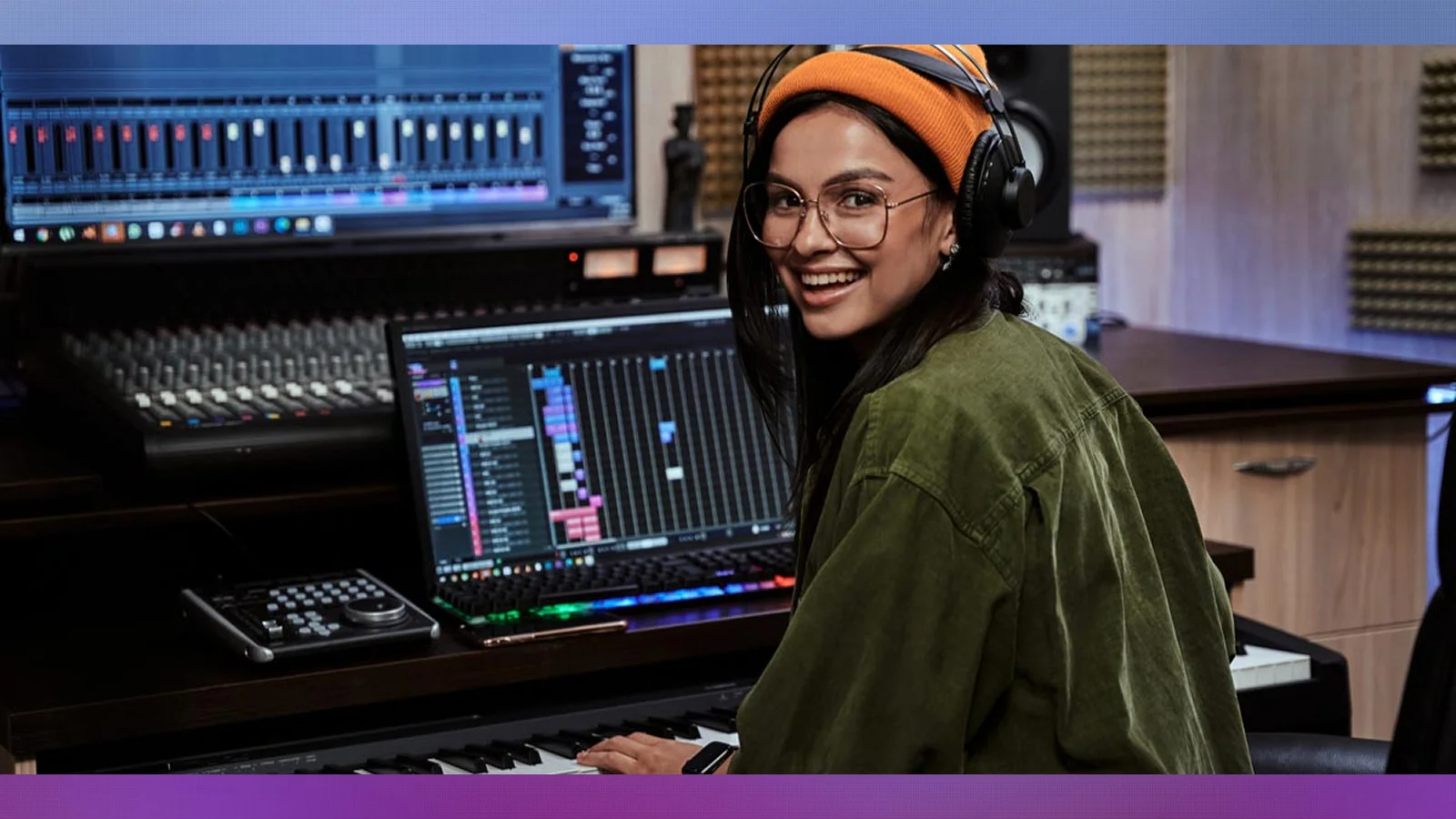
A game sound designer creates and implements sound effects, ambiences, and audio cues for interactive scenes. They may work inside a studio or take contract assignments.
Becoming a game sound designer involves making sounds to respond to player actions, not simply placing audio beneath a finished video.
What Does a Game Sound Designer Do Day to Day?
Game sound designers create and refine the sounds players hear throughout a game, then test how those sounds work during gameplay. Game sound designer jobs can emphasize creative production, technical implementation, or a combination of both.
Here’s what their day-to-day responsibilities usually involve:
- Record foley: Foley means recreating physical sounds with performed actions and objects. Record cloth movement, footsteps, or safe impacts, then select takes that suit the character and setting.
- Edit and mix effects: Remove unwanted noise, trim starts, and combine layers into a convincing sword swing or punch. Compression controls changes in volume, while equalization adjusts the balance of frequencies.
- Build loops and variations: Create a jetpack sound that can continue without an obvious seam. Prepare variations so repeated actions don’t always trigger an identical recording.
- Implement audio: Import sounds into Unity, Unreal, or Godot. Connect them to actions and test how they start, stop, and overlap.
- Collaborate and revise: Discuss timing with designers and coordinate with composers so effects remain audible alongside music. Revise sounds after gameplay changes.
A typical workday also involves organizing audio files and fixing technical issues that come up during testing. Someone becoming a game sound designer should enjoy hearing the same effect repeatedly while adjusting its behavior.
Career Tracks Inside Game Sound Design
The main tracks are sound designer, composer, audio implementer, and dialogue editor. Some game sound designer jobs cover more than one specialty, so it’s worth checking what each role actually involves.
Here’s how the different career paths compare:
|
Role |
What you’d do |
Technical depth |
First portfolio piece |
|---|---|---|---|
|
Sound designer |
Record and mix effects and ambiences |
Recording, editing, and layering |
Foley-built effects for a game scene |
|
Composer |
Write music and themes |
Music theory and audio production |
A looping game music cue |
|
Audio implementer |
Connect audio to gameplay |
Middleware and basic scripting |
A playable audio demonstration |
|
Dialogue editor |
Clean and organize voice recordings |
Detailed editing and noise cleanup |
An edited dialogue scene |
Creating sound effects is a great place to start, especially if you’re new to audio production. As you learn how to become a game sound designer, explore different specialties and focus on the type of work you enjoy most.
The course below can help you practice sound creation and learn how to implement audio in a game engine.
Pros and Cons of Becoming a Game Sound Designer
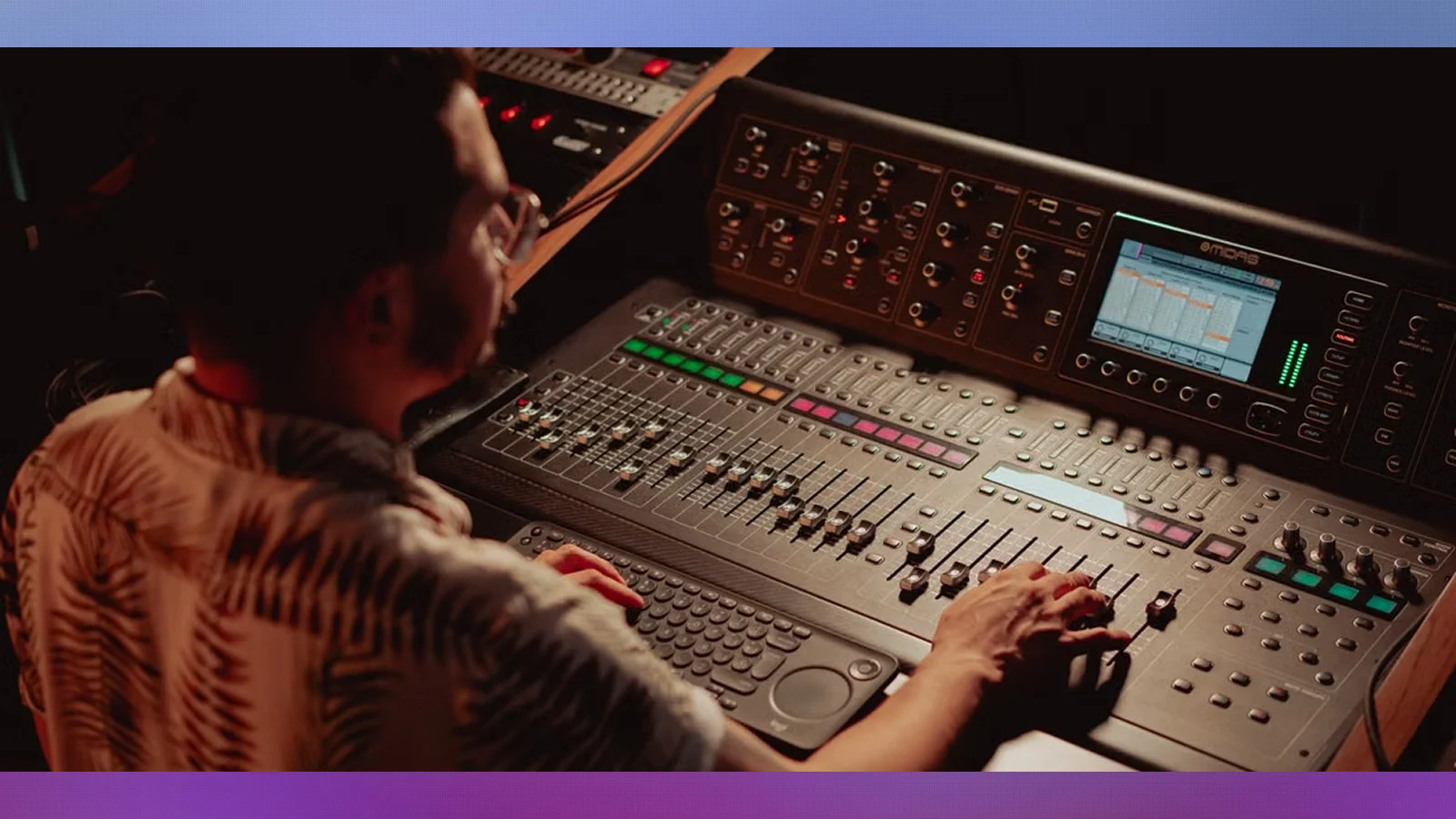
Becoming a game sound designer suits people who enjoy creative recording and technical problem-solving. However, the job also involves plenty of revisions and behind-the-scenes work.
Here’s a closer look at the advantages and challenges worth considering:
| Pros | Cons |
|---|---|
| ✅ Creative variety – build effects for different actions, settings, and genres. ✅ Visible portfolio evidence – demonstrate both the sound and its behavior during play. ✅ Transferable editing skills – recording and mixing also support other audio work. ✅ Multiple specializations – develop toward effects, dialogue, or implementation. | ❌ Technical workload – debugging and file management sit alongside creative work. ❌ Hiring uncertainty – finishing courses doesn’t guarantee studio employment or freelance clients. |
Game sound design can be a great fit if you enjoy creative work and don’t mind spending time on technical details. Start with small audio projects and build a portfolio that demonstrates your skills. As you gain experience, you’ll have a clearer idea of which specialization suits you best.
Game Sound Designer Qualifications
You can pursue this work through education, self-directed practice, and structured courses. You don’t need a specific degree to become a game sound designer, although formal education can help you build useful audio skills.
Here are the main qualifications worth developing:
- Education: Audio production, music technology, or related study can provide recording practice and feedback. Look for programs that teach skills relevant to the work you’re interested in.
- Alternative paths: Combine independent projects with courses that address specific gaps. Someone who already mixes music may need interactive-audio practice more than another general production course.
- Portfolio and demo reel: Show off your best sound effects and explain how you created them. Pair a listening reel with footage of a working scene so reviewers can distinguish editing ability from implementation ability.
- Certificates and certifications: A course completion certificate records completed training.
- Soft skills: Explain choices in plain language, accept revision notes, and keep assets organized. Designers need to understand what triggers a sound and what changes when gameplay changes.
As you learn how to become a game sound designer, check job listings to see which skills and tools employers expect. Build projects that show what you created and how the audio works in-game, including your recording and editing process. Requirements vary between studios, so tailor your portfolio to relevant roles. Course certificates can support your application, but practical experience matters most.
Software and Tools Every Game Sound Designer Needs
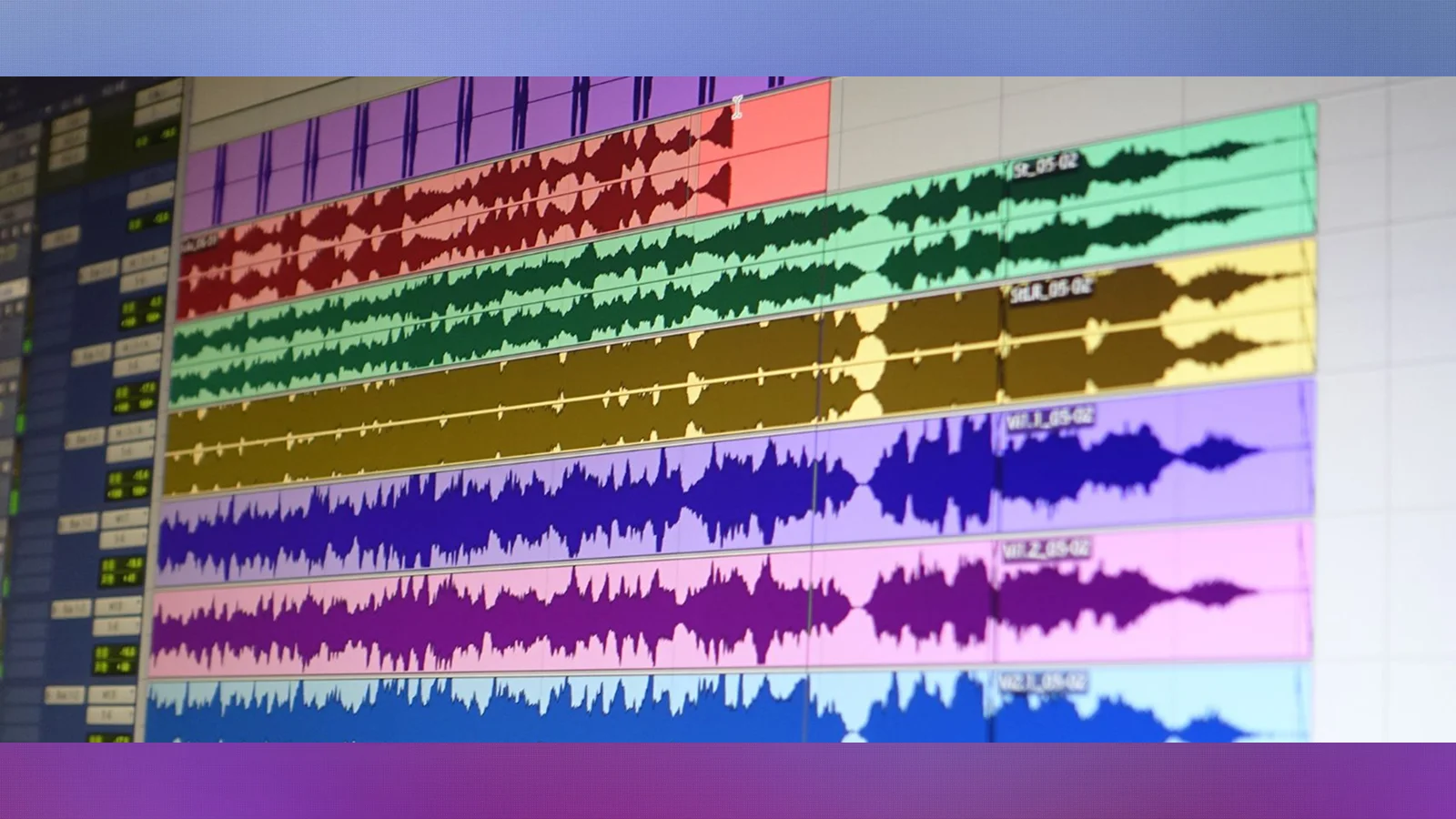
You don’t need complicated software to get started. A digital audio workstation (DAW) helps you create and edit sound effects, while a game engine lets you hear how those sounds behave during gameplay.
Here are some useful tools to explore:
|
Tool |
Best for |
Price |
|---|---|---|
 |
Recording, trimming, and exporting first effects |
Free |
 |
Arranging and mixing layered sounds |
Paid |
 |
Testing audio in an interactive scene |
Free for eligible users; paid plans available |
 |
Connecting effects to gameplay |
Free to start; licensing fees may apply |
 |
Building an interactive audio demonstration |
Free |
 |
Middleware for dynamic audio behavior |
Free for eligible projects; paid licensing available |
 |
Sound and music implementation |
Free for eligible projects; paid licensing available |
Audio middleware helps you control how sounds respond to events inside a game. Begin with Audacity, then learn an engine before adding middleware. Becoming a game sound designer doesn’t require learning every tool at once.
Game Sound Designer Salary and Career Progression
Game sound design can be a rewarding career, with opportunities to earn more as you develop your skills and take on bigger projects. In the US and Canada, the median game sound designer salary is around $100,600 per year, although earnings vary depending on experience and studio size.
Here’s a closer look at reported annual salaries:
- Recent game audio hires: Around $62,500 per year for employees with up to two years of experience.
- Game sound designers: Approximately $100,621 in median annual salary.
- Average sound designer salary: Around $124,277 annually.
- Audio directors: Approximately $134,178 in median annual salary.
These figures reflect salaried employees, so freelance earnings may look quite different. Your actual pay will also depend on your location and the responsibilities involved.
As you gain experience, you can move into senior sound design positions or specialize in technical audio implementation. Some professionals eventually become audio directors, where they oversee the sound direction of larger games and lead creative teams.
Building a strong portfolio and gaining hands-on experience can help you pursue better-paying opportunities as your career develops.
How To Become a Game Sound Designer: Build Effects, Implement Them, and Apply
Start by learning how to record and edit sounds, then practice adding them to a game. Becoming a game sound designer has no fixed training duration: progress depends on your starting skills and the complexity of your projects.
Step 1: Learn Sound Recording and Editing
Record a simple action in Audacity, then trim and export it. Check for unwanted noise or sudden cuts before editing the recording further.
Keep the original recording so you can compare it with the edited version. Learning to spot recording issues early will save you plenty of editing time later. Repeat the exercise with different objects and describe what each recording could represent in a game.
Step 2: Build Foley and Mixing Skills
Create a punch or sword-swing effect from recorded layers. Use Reaper to arrange the elements, adjust their relative levels, and compare the result with the action it accompanies.
Think about what each sound layer adds to the final effect. A low impact might suggest weight, while a short movement sound establishes speed. Test the effect beside other sounds rather than judging it in isolation. The finished sound should feel natural and help players understand what’s happening.
Step 3: Implement Sounds in a Game Engine
Import your effects into an engine and connect them to player actions. Use Unity, Unreal, or Godot, then keep that choice for your first complete demonstration.
Test repeated triggers, overlapping sounds, and interrupted actions. A jetpack loop needs to stop when the player releases the control, not continue because the recording hasn’t ended. Pay attention to how the sound behaves during gameplay, especially when players repeat an action.
Step 4: Take a Course To Fill Specific Gaps
Choose training that addresses a problem in your current project. Check the recommended courses below for lessons that match the skills you want to improve.
Follow the exercises, then apply the technique to your own recordings. Repeating a tutorial can teach the controls, but an independent variation shows that you understand the method. Add FMOD or Wwise when your project calls for middleware rather than collecting unfamiliar tools before you need them.
Step 5: Build a Demo Reel and Apply
Assemble your finished effects and capture footage of their behavior in the engine you already chose. Explain your contribution and separate original recordings from any licensed source material.
Target game sound designer jobs whose duties match that evidence. Choose portfolio samples that match the type of game sound designer jobs you’re applying for. Ask for focused feedback on audibility and timing, then revise. Your portfolio should make the work easy to assess.
Recommended Courses
If you’re new to game audio, start with the basics of sound creation before exploring more advanced techniques. These courses support different stages of becoming a game sound designer.
All five courses are available on Udemy, with options for beginners and those ready for more advanced training.
|
Course |
Provider |
What it covers |
|---|---|---|
|
Game Audio Essentials: SFX & Sound Design For Video Games |
 |
Foley, mixing, loops, and engine implementation |
|
Game Audio 101: How to Create Sounds for Games |
|
Beginner sound creation |
|
Game Audio 201: Advanced Sound Design & Recording Techniques |
|
Advanced recording and effects |
|
Game Audio 301: Sound & Music Implementation using Wwise |
|
Wwise sound and music implementation |
|
FMOD for Game Audio |
|
FMOD implementation |
Put what you’ve learned into practice through your own projects. A finished sound effect or playable audio demo can help show potential employers what you’re capable of.
Alternate Careers for Game Audio Skills
Your sound design skills can also open doors to careers outside the gaming industry.
Here are a few career paths where your audio skills can come in handy:
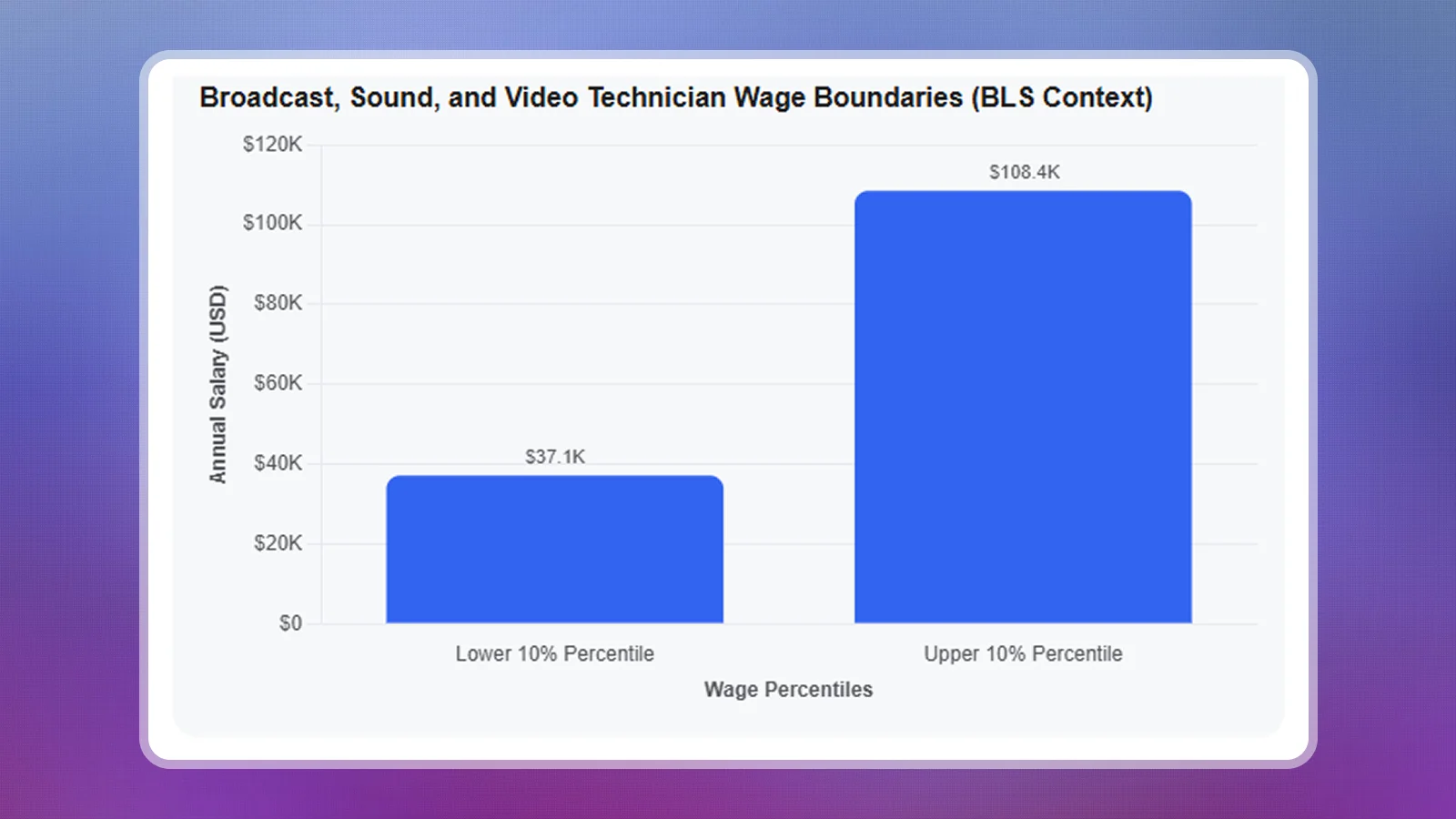
- Broadcast and sound technician: Apply recording and troubleshooting skills outside games. This role focuses more on technical audio production than interactive sound design.
- Audio and video technician: Combine audio with equipment setup and video systems. This suits people who prefer practical production support.
- Film and video editor: Apply timing and synchronization skills to visual editing. This path requires developing picture-editing skills alongside audio work.
The recording and editing skills you develop can be valuable in several creative industries. You don’t have to become a game sound designer to put those skills to work.
Final Verdict on How To Become a Game Sound Designer
This path is worth exploring if you enjoy making sounds and solving implementation problems. Start with a small effects project, then test it during play before committing to extensive training.
It’s a weaker fit if you only enjoy composing music or want a course to lead directly to employment. Consider broader audio production if you’d rather avoid engine work, and compare actual vacancies before treating a game sound designer salary estimate as a career plan.
The practical answer to how to become a game sound designer is to connect finished sound with working gameplay. Build evidence of that connection before spending heavily on credentials.
FAQs
Learning how to become a game sound designer starts with recording, editing, and mixing effects. Implement those sounds in a game engine, then build a portfolio that shows both the audio and its behavior during play.
A game sound designer salary depends on the role. ZipRecruiter reports $47,000–$156,000 for Game Audio Designer, a job-board range rather than an official occupational baseline.
There is no fixed timeline. Build recording fundamentals, foley and mixing skills, engine implementation, and a portfolio. Existing audio or programming experience can change how much practice each stage needs.
No. A degree isn’t a universal requirement, though employers may request one. Review individual listings and demonstrate recording, mixing, and implementation skills through finished projects.
Yes, if you enjoy creative audio work and technical troubleshooting. Compare relevant vacancies and test the daily workflow before committing to extensive training.
Recording, editing, foley, mixing, and engine implementation form the core skill set. Game sound designer jobs may also call for middleware, scripting, dialogue editing, or collaboration with composers.
Audacity and Reaper support recording and editing; FMOD and Wwise support implementation. Learning the workflow between an editor and an engine is central to how to become a game sound designer.