


Dell XPS 13 9340 Review 2026

Eneba Hub contains affiliate links, which means we may earn a small commission if you make a purchase through them—at no extra cost to you. Learn more


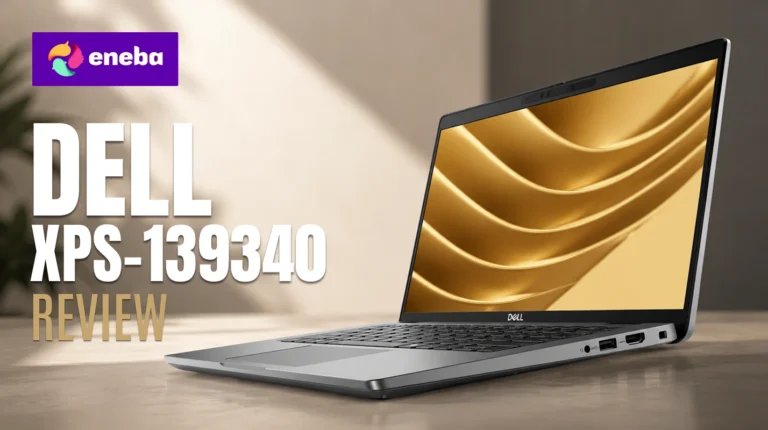
My Dell XPS 13 9340 review covers everything that matters to someone spending premium money on a compact Windows ultrabook: how the Intel Core Ultra chip handles real workloads, whether the display options justify their cost, and how long the battery actually lasts away from a desk. This Dell XPS 13 9340 2024 review pulls together performance data, specs, and real ownership feedback from the people using it day to day – because professionals, students, and frequent travelers who want a MacBook-level experience on Windows deserve a clear answer, not marketing copy.
The XPS 13 9340 stands out from the field of Windows ultrabooks in three specific ways. The slim aluminum chassis at 2.73 lbs is the real headline – few Windows laptops of comparable capability disappear into a bag this completely. The display configurations range from a functional base panel to an exceptional OLED option that holds its own against premium competition, and Thunderbolt 4 on both ports means a single cable at your desk handles display, charging, and peripherals without giving up either port permanently.
In my assessment, the XPS 13 9340 is built for professionals and travelers who need a capable Windows machine that stays out of the way. The honest trade-offs – a two-port setup with no native USB-A, soldered RAM that cannot be upgraded later, and a base FHD+ display that runs dimmer than the spec sheet suggests – all factor into the recommendation. This review maps those trade-offs clearly so you know which configuration is right for your use case.
Jump to:
XPS 13 9340 at a Glance
Here is what you are working with before diving into the full breakdown.

| Specs | Details |
|---|---|
| Display | 13.4″ 16:10 (FHD+ 1920×1200 IPS / QHD+ 2560×1600 IPS / OLED 2880×1800) |
| Refresh Rate | 60Hz (FHD+) / 120Hz (QHD+ and OLED) |
| Processor | Intel Core Ultra 5 125H / 125U or Core Ultra 7 155H (Meteor Lake) |
| RAM | 16GB or 32GB LPDDR5x (soldered, non-upgradeable) |
| Storage | 512GB to 2TB PCIe NVMe SSD |
| Graphics | Intel Arc integrated graphics |
| Battery | ~52Wh; Dell-rated 12+ hours; real-world 8-10 hours |
| Weight | From 2.73 lbs (1.24 kg) |
| Thickness | ~0.60 inches (15.28mm) |
| Ports | 2x Thunderbolt 4 (USB4 40Gbps), 1x 3.5mm audio combo jack |
| Webcam | 720p HD (base) / 1080p FHD with IR (upgraded configs) |
| Wireless | Wi-Fi 6E, Bluetooth 5.3 |
| Operating System | Windows 11 Home or Pro |
| Price | Starting around $999 (varies by configuration) |
Key Features and Benefits
The specs table shows what it has on paper. Here is what those specs actually mean for your day-to-day use.
- Intel Core Ultra (Meteor Lake) processor – The Core Ultra architecture handles everyday productivity workloads – documents, spreadsheets, video calls, multi-tab browsing – without breaking a sweat. The efficiency cores keep the chassis cool and quiet during lighter tasks, which means fewer interruptions from fan noise during meetings or library sessions.
- 13.4″ 16:10 display aspect ratio – The taller 16:10 screen shows roughly 11% more vertical content than a standard 16:9 panel. That extra vertical real estate matters when you are scrolling through documents, editing spreadsheets, or working in split-screen mode. Available in three panel grades – FHD+, QHD+, and OLED – so you can match screen quality to your budget.
- Thunderbolt 4 connectivity – Each Thunderbolt 4 port supports full 40Gbps data transfer, 4K display output, and 100W USB-C Power Delivery. One port handles charging while the other connects a display or a Thunderbolt dock that expands into multiple ports. It is a two-port setup, but Thunderbolt 4 makes both ports genuinely capable.
- Lightweight aluminum chassis – At 2.73 lbs, the XPS 13 9340 falls firmly in the ultraportable category. The machined aluminum build does not feel cheap despite the weight – it has the kind of rigidity that tells you the lid and keyboard deck will not flex during travel.
- Wi-Fi 6E and Bluetooth 5.3 – Wi-Fi 6E operates on the uncongested 6GHz band, which translates to faster, more consistent wireless speeds in dense environments like offices or co-working spaces. Bluetooth 5.3 covers wireless peripherals with low latency.
- Up to 32GB LPDDR5x RAM – The 16GB base handles most professional workflows comfortably, but the 32GB configuration removes any memory ceiling for users who run Docker containers, large datasets, or multiple browser-heavy workflows simultaneously.
Performance and Real-World Experience
The Core Ultra chips in the XPS 13 9340 are Intel‘s Meteor Lake generation – a meaningful architectural step forward from the previous generation in efficiency, even if raw throughput numbers are not the headline story.

The Dell XPS 13 9340 performance review starts where daily use actually starts: boot times are genuinely fast, with the NVMe SSD getting the system ready in seconds. Everyday multitasking – browser, Slack, email, documents – runs without perceptible lag on the 16GB config. The 32GB configuration gives meaningful headroom for development tools, large datasets, or heavily tab-loaded research sessions. What stands out is how the efficiency core design keeps the chassis barely warm during light use – the bottom does not get uncomfortable for lap use even during extended sessions.
For a Dell XPS 13 9340 Intel Ultra review, the Intel Arc integrated graphics deserve a clear-eyed look. Light photo editing, 1080p video playback, and older or less-demanding games all run without issue. Modern AAA titles are outside its comfort zone – the Arc GPU is built for productivity tasks, not gaming. Under sustained loads like video export or large compilations, the fans do spin up audibly. Fan noise is moderate and proportional to the workload; it does not intrude during typical professional use.
The Dell XPS 13 9340 Core Ultra 155H review covers the performance ceiling honestly: users coming from a MacBook M3 will notice the difference in sustained heavy workloads. Apple‘s ARM architecture leads on sustained throughput and power efficiency at this form factor – that gap is real and worth factoring in. For general professional work, the XPS 13 9340 handles the day without complaint. For sustained rendering, compilation, or anything that taxes the CPU for hours, ARM MacBooks hold a measurable advantage.
| Pros | Cons |
|---|---|
| ✅ Premium aluminum chassis at just 2.73 lbs – genuinely pocketable for a full laptop ✅ Intel Core Ultra handles daily productivity and multitasking without fan interruptions during light use ✅ 16:10 display ratio adds visible vertical screen space over standard 16:9 laptops ✅ OLED configuration delivers deep blacks and wide color range that holds up against premium competition ✅ Thunderbolt 4 ports support 4K displays and full-speed docks from a single cable ✅ Wi-Fi 6E keeps pace with modern high-speed networks in busy environments ✅ Charges over USB-C PD – any modern 100W USB-C charger works, including power banks | ❌ The base FHD+ display runs noticeably dimmer than Dell’s rated spec – choose the QHD+ or OLED panel if brightness is a priority for you |
The XPS 13 9340 is the top pick for a compact Windows ultrabook because it pairs premium build quality with genuine Thunderbolt 4 versatility at a weight most comparable laptops cannot match. For professionals and frequent travelers who want MacBook-level portability without leaving the Windows ecosystem, the XPS 13 9340 is the strongest option on the market.
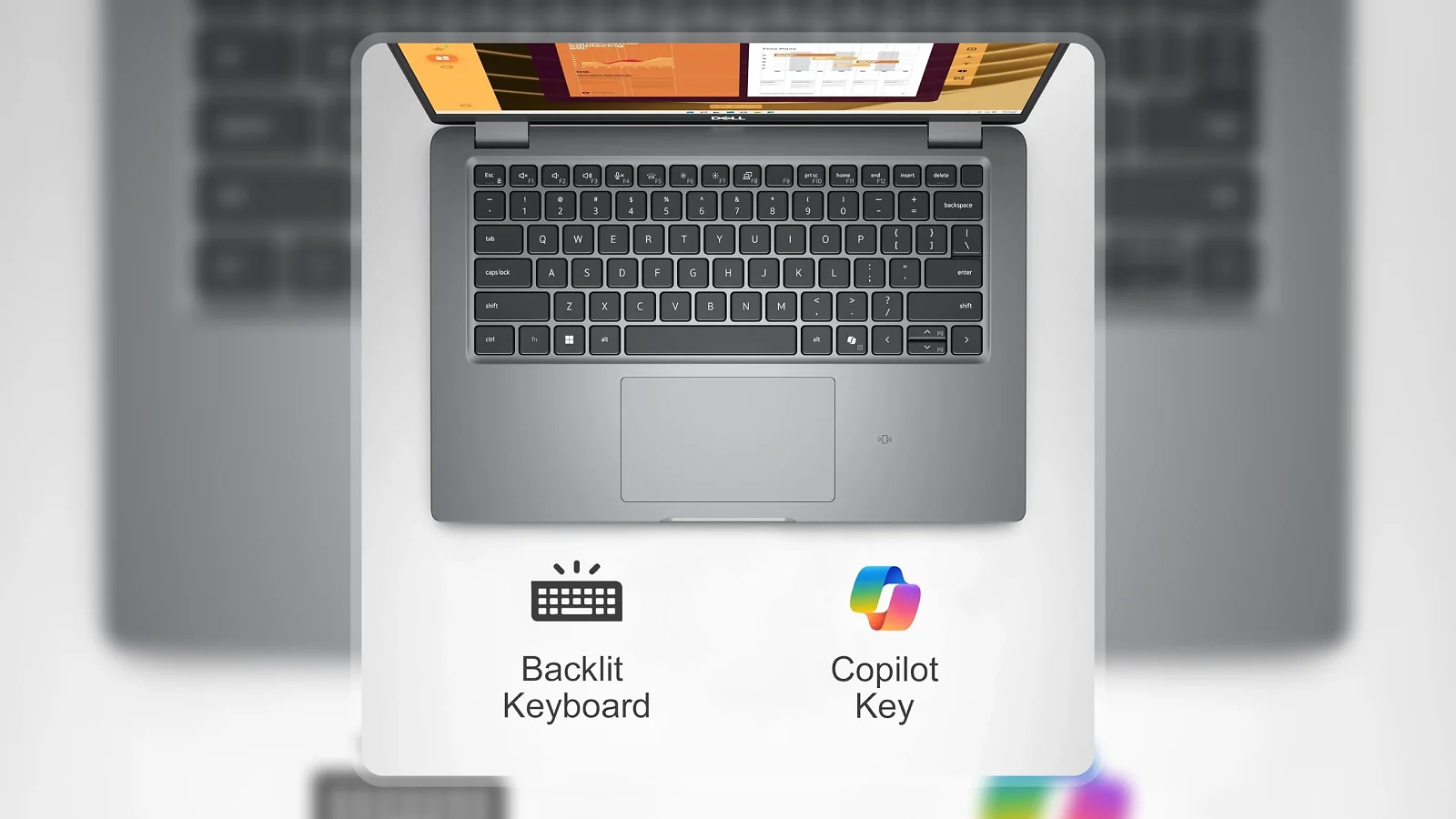
The combination of the slim profile and Thunderbolt 4 means the XPS 13 9340 functions as both a travel machine and a desk powerhouse connected from a single cable. At 2.73 lbs with an aluminum build that does not flex under travel stress, it competes directly with the MacBook Air M-series on portability – and it makes the strongest case for the Windows side of that comparison. For most professional and travel workflows, that distinction is the one that actually matters when the bag is packed and the day runs long.
“I’ve had my XPS 13 9340 for several months now and I’m genuinely impressed. The display is sharp and color-accurate, tasks fly through without any lag, and the whole thing fits in my slim bag without adding noticeable weight to my day.” – TH
TH’s observation about the display and weight lines up with what the panel specs back up in practice. The QHD+ and OLED configurations test sharper and more color-accurate than the base FHD+ panel, which can fall short of expected brightness indoors. The weight advantage at 2.73 lbs is real – it compounds over a full travel day in a way that is difficult to appreciate until you have swapped from a heavier machine. Small differences in daily carry weight add up to real fatigue over weeks of travel.
“For how small this laptop is, the performance is genuinely surprising. It holds its own against much larger premium machines and does it in a chassis you barely notice in your bag.” – Alex Galindo
The performance-to-size point resonates with the broader ownership pattern: the XPS 13 9340 consistently surprises people who expect ultraportable to mean compromised. The two-port setup is the most common hesitation at this point – and it is worth addressing directly. A Thunderbolt 4 dock resolves the port situation entirely from a single cable, expanding into HDMI, USB-A, Ethernet, and additional USB-C ports. Most professionals who buy ultrabooks at this price point already own a dock or plan to, and the port count is not the dealbreaker it looks like on spec sheets.
Display and Visual Quality
The 13.4″ screen is where configuration choice makes the biggest difference – and where the Dell XPS 13 9340 display review separates those who picked the right panel from those who did not.
The 16:10 aspect ratio is the first thing you notice in practical use. Compared to a standard 16:9 laptop, the taller screen shows more of a document without scrolling, more rows in a spreadsheet, and a more comfortable split-screen layout. For anyone whose workday involves documents and data, the 16:10 ratio is a genuine productivity advantage – not a marketing talking point.
The FHD+ entry-level panel at 1920×1200 and 60Hz is functional. Colors are accurate enough for general use, but peak brightness is a common point of frustration – the panel often falls short of Dell‘s rated figure under real indoor lighting conditions. For basic work, it is adequate. For anyone who regularly works in bright environments or cares about screen quality, spending up to the QHD+ or OLED configuration is the right call.
The QHD+ at 2560×1600 and 120Hz is the sweet spot. Text is noticeably sharper, motion is smoother, and brightness holds closer to what Dell advertises. For most professionals and students buying this laptop, the QHD+ is the panel to get. The OLED at 2880×1800 and 120Hz steps up further – deep blacks, wide color range, and a sharpness that makes text and images pop in a way the IPS panels cannot match. The OLED trade-off is image retention risk over years of fixed interface elements at high brightness – relevant only for users running static content at maximum brightness all day.
In my assessment, for content creation, photo editing, or anyone who cares about accurate colors, the OLED configuration is the clear choice. For general productivity and note-taking, the QHD+ delivers everything you need at a meaningful price savings over the OLED.
Battery Life and Portability
The Dell XPS 13 9340 battery life review is where the real-world story diverges from the spec sheet – and where the laptop still earns strong marks despite the gap.
Dell rates the XPS 13 9340 at 12+ hours. Real-world mixed use – browser-heavy work, video calls, documents – lands around 8-10 hours for most users. That is a meaningful gap from the rated figure, but 8-10 hours covers a full workday for most people without needing to find an outlet. The gap reflects the usual benchmark-vs-reality pattern across Windows ultrabooks; this laptop is not an outlier.
For comparison, MacBook Air M-series laptops do last longer on a charge – that advantage is real. The XPS 13 9340 is not embarrassed by the comparison in actual workday use, but it does not close the gap. Users deciding between Windows and macOS should factor this in. The 8-10 hour figure holds well against similarly priced Windows ultrabooks; the MacBook Air simply leads its class here.
The portability story is strong regardless. The FHD+ configuration starts at 2.73 lbs, and all configs stay under 3 lbs. That weight advantage compounds over a full travel day – carrying a laptop that weighs noticeably less than the competition is something you feel by the end of the day. The chassis is thin enough to fit in slim laptop sleeves without forcing a dedicated laptop bag.
Charging via any USB-C PD charger (65W minimum for comfortable speed) means one less proprietary cable to carry. A practical upside on travel days: the laptop charges quickly enough from a high-capacity USB-C power bank to top up during a flight or commute, which eliminates the dependency on finding a wall outlet for shorter trips.
My Overall Verdict on Dell XPS 13 9340
Wrapping up this Dell XPS 13 9340 review, the case for buying it comes down to what you value in a laptop – and for the right person, the answer is clear.

The XPS 13 9340 delivers on its core promises: premium build quality, capable everyday performance, strong display options – especially at QHD+ and OLED – real portability at 2.73 lbs, and Thunderbolt 4 versatility that handles the desk setup from a single cable. Those coming from an older Windows ultrabook will feel the upgrade across every aspect of daily use. For those who need dedicated GPU performance, a top gaming laptop roundup or specifically top Dell gaming laptop options cover the gaming-oriented side of the market better.
The laptop is best suited for professionals, students, and frequent travelers who need a compact Windows machine that handles the demands of modern work. Anyone who prioritizes a light bag, a quality screen, and Thunderbolt 4 connectivity will find the XPS 13 9340 is exactly the machine they are looking for. For those whose budget points toward more performance per dollar, a top-rated mid-range gaming laptop trades portability for more capable hardware.
The honest trade-offs: the two-port setup requires a dock for full desk use, the base FHD+ display underperforms its spec in brightness, and soldered RAM means you configure now rather than upgrade later. Users who need dedicated GPU performance or sustained heavy computation will find a better fit elsewhere, particularly if ARM MacBooks are on the table. The Enebameter 8.7/10 reflects a premium ultrabook that executes well on its core promises, and that score is exactly why the Dell XPS 13 9340 review lands at 8.7 out of 10.
Budget Alternative
The Dell XPS 13 9340 is a premium machine, and the price reflects that. If the budget does not stretch that far but you still need a capable laptop for work and everyday use, there is a solid alternative worth considering.
The KAIGERR LX15PRO comes in at $479.99 – roughly half the price of the base XPS 13 9340. It runs a 12th Gen Intel Core i5-12600H (up to 4.5GHz) with 16GB DDR4 RAM (upgradeable, unlike the XPS) and a 15.6-inch FHD IPS display. The larger screen and user-upgradeable RAM give it practical desktop advantages for those who are not moving frequently. At 1.75 kg (3.86 lbs), it is heavier and bulkier than the XPS 13 9340, and it does not offer Thunderbolt 4, Wi-Fi 6E, or the refined aluminum build quality that defines the XPS experience.
If portability, Thunderbolt 4, and a premium chassis are priorities, the XPS 13 9340 is the stronger pick without question. But if the price difference is the deciding factor and you need a capable everyday laptop primarily for desk work, the KAIGERR LX15PRO handles productivity tasks without drama.
Complete Your Setup
The XPS 13 9340 is a capable machine on its own, but two accessories can meaningfully expand what you can do with it at your desk.
CHERRY XTRFY K33 Compact Wireless Gaming Keyboard
The XPS 13 9340‘s built-in keyboard is comfortable for travel, but when you are working from a desk, a dedicated external keyboard frees up ergonomic positioning and reduces strain over long sessions. The CHERRY XTRFY K33 is compact and wireless – it matches the slim aesthetic of the XPS 13 without adding clutter to your desk. The 75% layout keeps every key within reach while leaving desk space for a mouse.
ARES WING Heavy-Duty Dual Monitor Arm
Pairing the XPS 13 9340 with an external monitor via Thunderbolt 4 transforms it into a full workstation. The ARES WING dual monitor arm handles displays up to 49 inches and mounts to your desk to clear surface space and put the screen at the right height. If you connect the XPS 13 to an external display at your desk, this arm makes that setup cleaner and more ergonomic.
FAQs
Yes, the Dell XPS 13 9340 is worth buying for professionals and travelers who need a compact Windows ultrabook with a premium build, Thunderbolt 4 connectivity, and strong display options. The Enebameter 8.7/10 reflects a machine that delivers on its core promises for anyone who prioritizes portability and build quality in a Windows laptop.
The Dell XPS 13 9340 vs MacBook Air comparison comes down to ecosystem and power efficiency preferences. The MacBook Air M-series lasts longer on a charge and leads on sustained heavy workloads, while the XPS 13 9340 wins on Windows flexibility, Thunderbolt 4 port capability, and OLED display quality at comparable configurations.
Real-world battery on the Dell XPS 13 9340 battery life review lands around 8-10 hours for mixed workloads including browser tabs, video calls, and document editing. Dell‘s 12-hour rating reflects best-case conditions, so plan on bringing the compact USB-C charger for heavy all-day travel sessions.
The XPS 13 9340 ships with two Thunderbolt 4 ports and a 3.5mm jack – lean for native connections, but a single Thunderbolt 4 dock expands that into HDMI, USB-A, Ethernet, and additional USB-C ports from one cable. For desk use with a dock, the port situation is completely resolved.
This Dell XPS 13 9340 review pulls together performance data, real ownership feedback, and spec analysis for a clear picture of what to expect day to day. The Dell XPS 13 9340 earns its 8.7/10 Enebameter score for any professional who needs a compact Windows ultrabook that handles modern work without compromise.