

World of Warcraft Esports: Complete Guide


World of Warcraft esports has grown into a global phenomenon. From the Arena World Championship (AWC) to the Mythic Dungeon International (MDI), Blizzard’s long‑running MMO now hosts tournaments with prize pools that rival more traditional esports. I’ve followed Azeroth’s competitive scene since its early days and have watched it evolve from niche PvP duels into packed stadium events.
In this guide, I’ll break down what makes WoW a unique esport, how many players and viewers support it, which classes dominate the meta, and who the standout players and teams are today.
Jump to:
What Is World of Warcraft Esports?
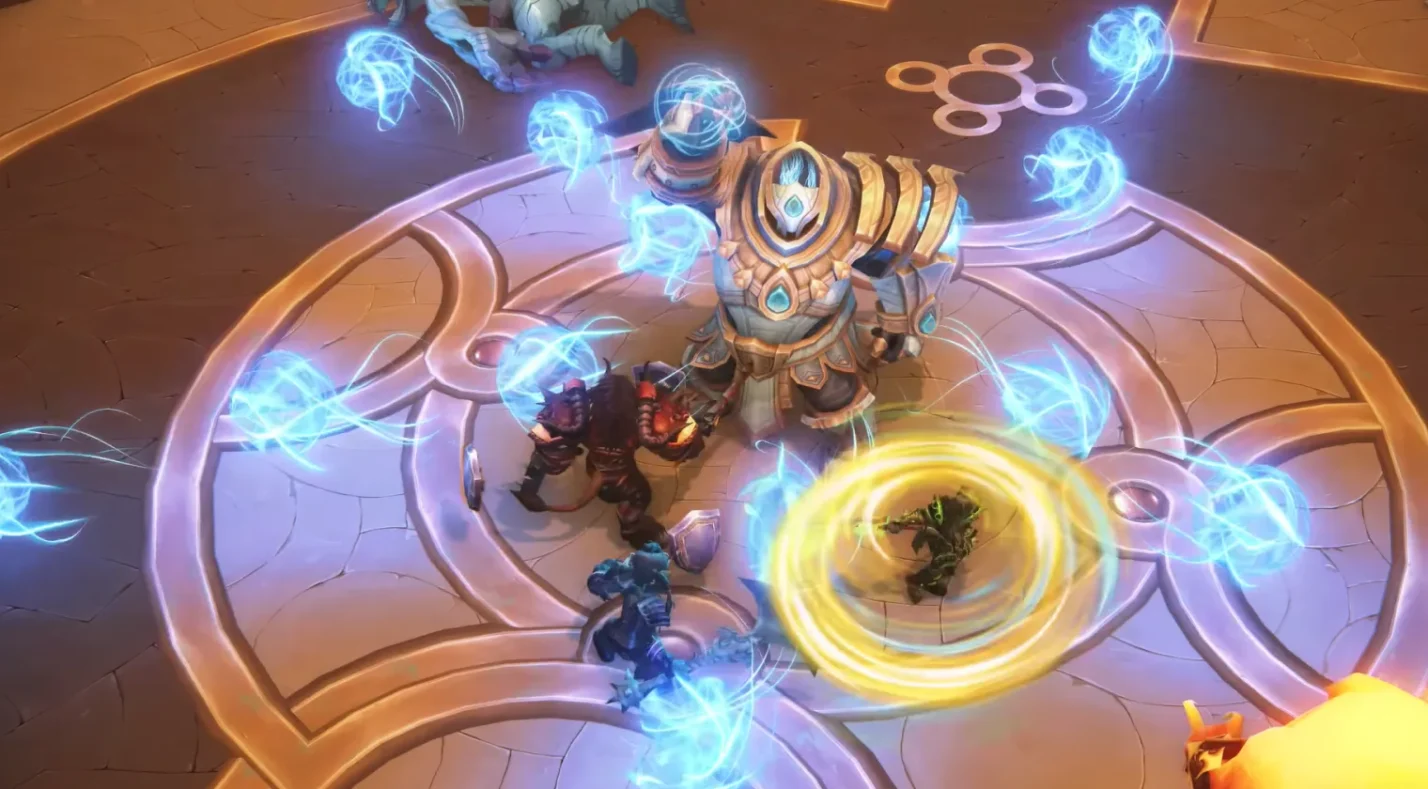
World of Warcraft (WoW) is a massively multiplayer online role‑playing game (MMORPG) created by Blizzard Entertainment and released in 2004. Players create characters from 13 classes and 21 races, explore the fantasy world of Azeroth, and complete quests, dungeons, and raids. The game operates on a subscription model and is regularly updated with expansions; The War Within expansion currently sets the stage for new stories and mechanics. For players accessing WoW from regions with restrictions or seeking more stable connections, using a VPN for World of Warcraft can help maintain consistent gameplay.
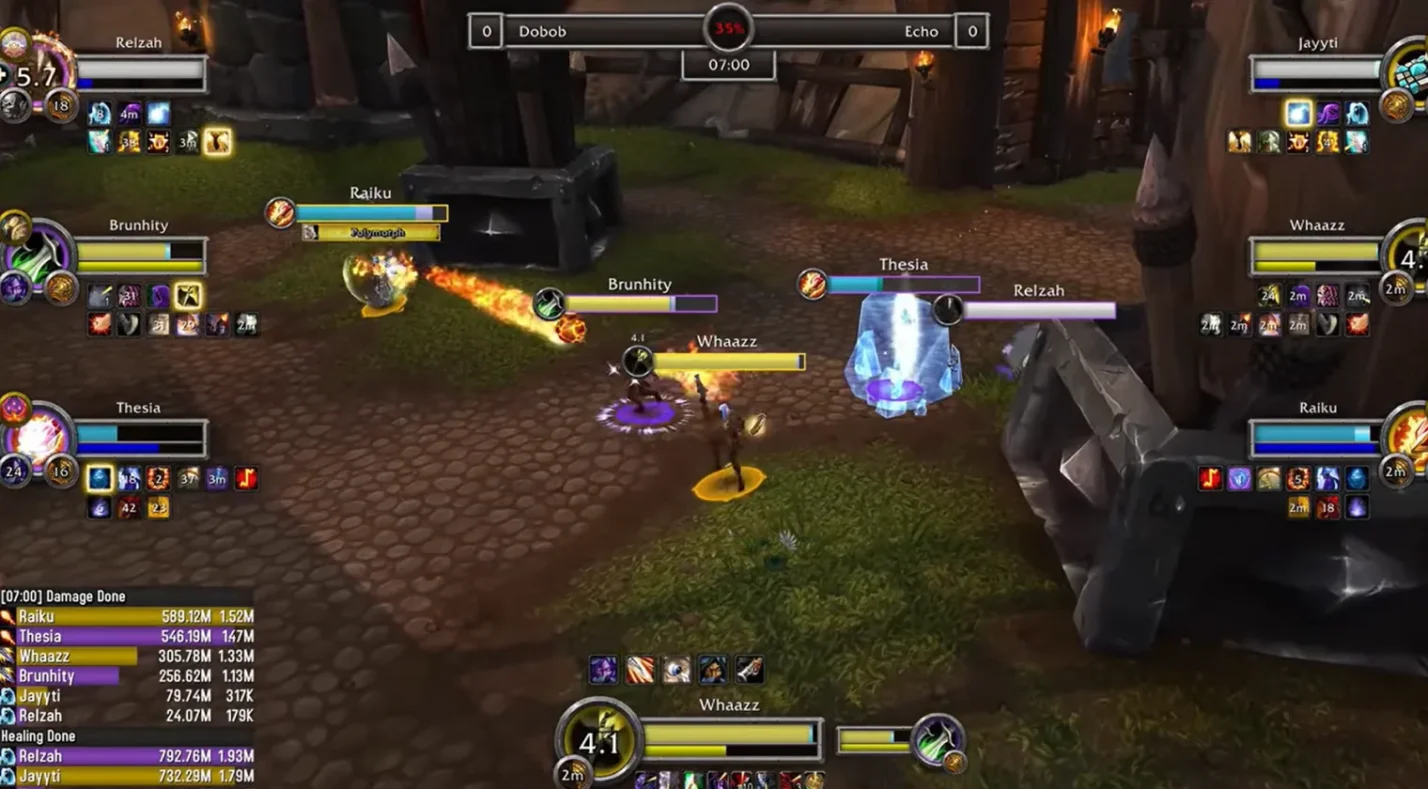
WoW’s competitive scene grew from grassroots dueling into formal tournaments. Today’s official programmes include the Arena World Championship, where trios of players fight in best‑of‑five matches until one team is eliminated, and the Mythic Dungeon International, where five‑player teams race through timed dungeon runs. Another community‑driven spectacle, the Race to World First, sees guilds compete to clear each raid’s hardest difficulty before anyone else. These events attract millions of viewers and showcase the game’s depth.
Because WoW combines role‑playing, teamwork and strategic depth, it appeals to a diverse audience. If you’re just getting into these types of games, check out our guide on the best MMORPGs, where World of Warcraft tops the list for its rich lore and polished gameplay.
How Many People Play World of Warcraft Every Day?
Despite being more than twenty years old, WoW maintains a large and active player base. Estimates for 2025 suggest that around one to two million players log in every day across all versions (Retail and Classic), with roughly nine to ten million unique players logging in over a typical month. When the The War Within expansion launched earlier this year, daily logins briefly surged past two million.
Twitch viewership numbers mirror this interest: World of Warcraft averages 20-30 thousand concurrent viewers, with peaks during tournament broadcasts reaching over 150 thousand. During the 2025 AWC Grand Finals, combined viewership on Twitch and YouTube exceeded 200 thousand. These figures show that WoW’s competitive scene continues to captivate both players and spectators.
WoW’s enduring popularity isn’t just about nostalgia. Blizzard routinely adds new dungeons, raids, and PvP balance changes. This constant evolution keeps the meta fresh and ensures there’s always something for players to come back to.
If you’re curious about how WoW stacks up against other competitive titles, our list of the most popular esports games provides context on where WoW sits in the broader esports landscape.
Best World of Warcraft Esports Classes
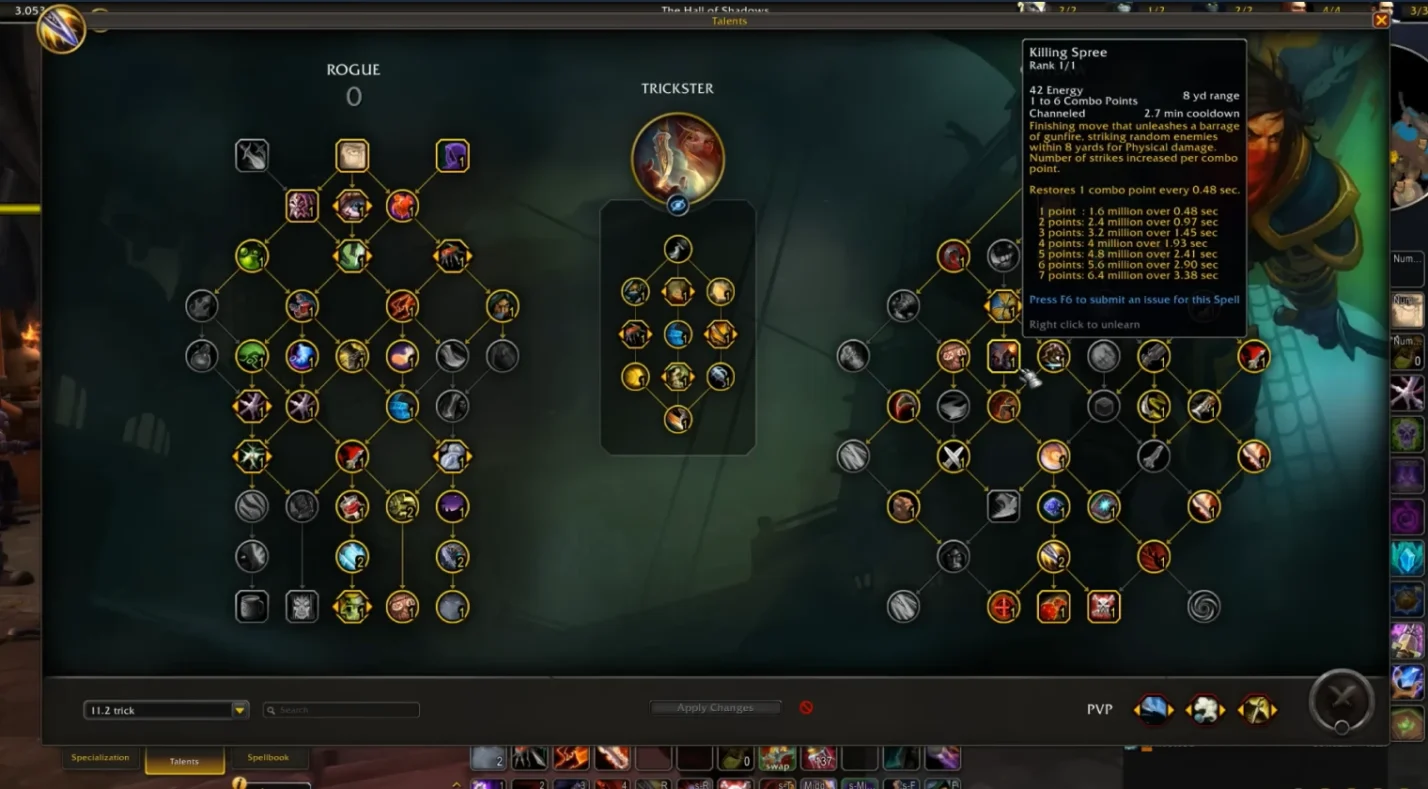
Choosing the right class is a crucial part of success in WoW esports. Each class offers distinct abilities and synergies, and the current meta heavily influences which compositions succeed. Below are some of the most influential classes in competitive play today.
| Class | Role | Signature pros | Playstyle/Strengths | Why they matter |
| Rogue (Subtlety/Assassination) | Damage (DPS) | Whaazz, Pikaboo | Burst damage, crowd control (stuns, blinds), stealth plays | Rogues excel at locking down targets and forcing cooldowns; their utility makes them the backbone of many arena compositions |
| Mage (Frost/Fire) | DPS | Raiku, Samiyam | High burst windows, control with Polymorph, strong defensive options like Ice Block | Mages pair well with Rogues or Warlocks to create deadly “RMP” (Rogue-Mage-Priest) setups that can reset fights and survive under pressure |
| Priest (Discipline/Holy) | Healer | Lontar, Chas | Preventive shields, instant heals, offensive abilities like Purge | Priests provide consistent healing and can punish opponents by dispelling buffs; Discipline’s damage reduction keeps teammates alive during burst |
| Warlock (Destruction/Demonology) | DPS | Snutz, Chanimal | Sustained pressure, area control, powerful defensive cooldowns | Warlocks excel at spreading damage and forcing opponents to play defensively; their tanky kit makes them hard to kill |
| Druid (Restoration/Feral) | Healer or DPS | Drake, Merce | Mobility, crowd‑control through Cyclone, instant heals or bleeds | Restoration Druids can heal on the move and reset fights, while Feral Druids combine bleeds with stuns for strong setups |
| Warrior (Arms/Fury) | DPS | Trill, Blizo | Consistent pressure, Mortal Strike debuff reduces healing, strong utility | Warriors pair well with healers and casters; their ability to reduce healing makes them a constant threat in prolonged fights |
In arena play, class choice is about synergy. For example, the classic Rogue-Mage-Priest trio combines crowd control, burst damage, and reliable healing to overwhelm opponents. Meanwhile, WLD (Warrior–Warlock–Druid) compositions use sustained pressure and crowd control to slowly suffocate enemies. Experimenting with different classes and compositions is part of what makes WoW esports so engaging.
If you’re gearing up for competitive play, don’t overlook your hardware. A responsive mouse with programmable buttons can make managing cooldowns and macros much smoother. Our roundup of the best MMO mouse picks highlights gear designed specifically for MMOs like WoW – these devices give you the extra precision and comfort needed for high‑stakes matches.
Best World of Warcraft Players
Individual skill and teamwork determine success in WoW esports. The players listed below are widely regarded as some of the most influential competitors in the current scene.
| Player | Country | Team | Role | Notable achievements |
| Whaazz (Oscar Wulff) | Denmark | Echo | DPS Rogue | Multiple European AWC champion; renowned for precise crowd control and shot‑calling |
| Raiku (Shaun Meaney) | Sweden | Echo | DPS Mage | Consistent high‑level play; instrumental in Echo’s 2024 and 2025 AWC victories |
| Lontar (Gabriel Cano Sáenz) | Spain | Echo | Healer Priest | Key healer in European finals, known for clutch saves and smart cooldown usage |
| Cdew (Chuck Dewland) | United States | Liquid | Healer Paladin/Shaman | Veteran leader with several North American titles; famous for adaptive shot‑calling and mentoring younger players |
| Pikaboo (Jason Smith) | United States | Solo competitor | DPS Rogue | Popular streamer and tournament contender noted for high APM and creative plays; influential in popularizing Rogue strategies |
| Snutz (Kelvin Nguyen) | Canada | Liquid | DPS/Utility Warlock | One of the most decorated Warlocks in WoW history; multiple championships across different teams |
These players illustrate the diverse skill sets needed in WoW esports. Whaazz and Raiku epitomize European dominance with their fluid Rogue-Mage synergy, while Lontar’s consistent healing anchors Echo’s success. In North America, Cdew’s leadership on Team Liquid has guided his team through countless tournaments. Meanwhile, Pikaboo’s high‑risk playstyle inspires many Rogue players, and Snutz continues to showcase why Warlocks remain relevant in a meta that often favours burst damage.
Best World of Warcraft Teams/Orgs
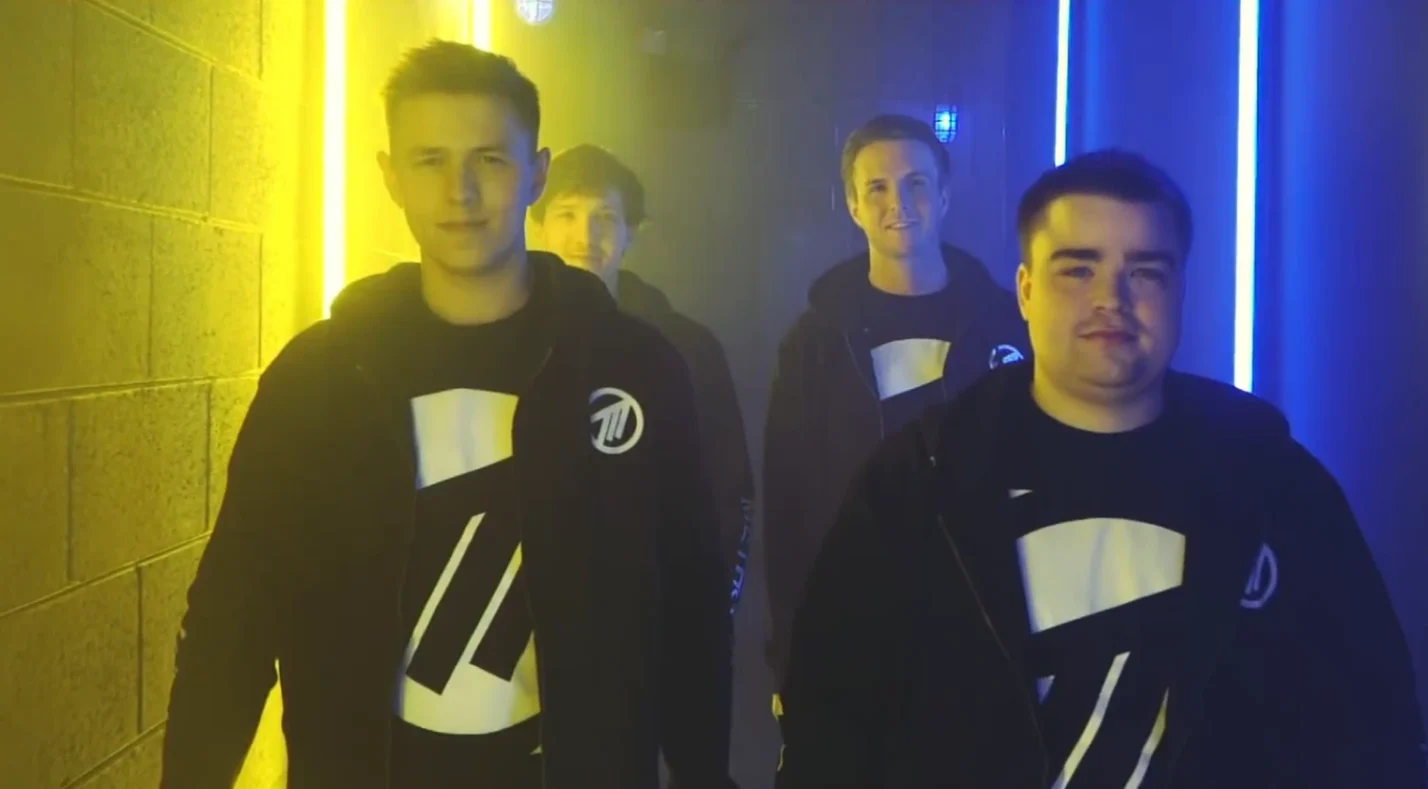
The competitive WoW scene is team‑oriented. Below are some of the most successful organizations in recent seasons.
| Rank | Team | Region | Key players | Playstyle/strengths | Why they matter |
| 1. | Echo | Europe | Whaazz, Raiku, Lontar | Refined Rogue-Mage-Priest synergy, strong coaching staff, adaptable strategies | Reigning European champions; their disciplined approach and roster depth make them the team to beat |
| 2. | Welcome to the Jungle | North America | Drake and teammates | Aggressive Druid‑centric setups with flexible comps | 2025 AWC NA champions; their ability to counter‑adapt and punish mistakes earned them a Grand Finals victory over Liquid |
| 3. | Liquid | North America | Cdew, Samiyam, Trill | Experienced shot‑calling, versatile class pool | A consistent finalist in North America; known for strategic drafts and the leadership of veteran Cdew |
| 4. | Chibaku Tensei | Europe | Various rising stars | Innovative class combinations (often including Monks and Shamans) | Surprise finalists in the 2025 European bracket; push meta boundaries with creative strategies |
| 5. | Method | Europe | Meeres, Naowh, Gingi (MDI roster) | World‑class PvE team with strong MDI and Race to World First pedigree | While mainly known for PvE races, Method’s players occasionally crossover into arena, adding depth to the European talent pool |
Echo sits at the top thanks to back‑to‑back AWC European titles and a roster brimming with experience. In North America, Liquid and Welcome to the Jungle continue to trade titles, with their finals clashes providing some of the most exciting series in recent memory. Chibaku Tensei’s willingness to experiment has shaken up the meta, while Method’s brand recognition from the Race to World First translates into a dedicated fan base whenever its players compete in PvP.