

15 Best Arcade Games to Play in 2026: The Most Addictive Titles


The best arcade games of all time weren’t just about high scores. They were about where you were, who you were with, and how long you could last on a single coin. I still remember walking into a smoky arcade after school, the noise spilling out before the door even closed behind me.
There was tension in the air; not from the machines, but from the players trying to prove something.
Arcades created a rhythm that modern gaming rarely captures. The screens were unforgiving, the rules were simple, and the stakes felt real. Every mistake costs you. Every win pulled a crowd.
This list brings together games that shaped decades of play. Some are pure challenge, some are style over subtlety, and a few still feel ahead of their time. All of them earned their place through design, influence, and the ability to pull players in, one coin at a time.
Jump to:
Our Top Picks for the Best Arcade Games
Before diving into the full lineup, here are the three titles that stand out as defining moments in arcade history. Each of these games not only set records but set standards for what arcade gameplay could be.
- Pac-Man – Few arcade titles captured public attention the way Pac-Man did. Its simple controls, clever enemy AI, and instantly recognizable design made it a phenomenon. It was easy to understand but hard to master, which kept players coming back for years.
- Donkey Kong – Donkey Kong introduced platforming in a way that felt both fresh and challenging. It gave us one of gaming’s first characters with staying power, and its screen-by-screen structure paved the way for what side-scrolling games would later become.
- Street Fighter II – This was the game that made one-on-one competitive fighting a global sensation. With deep mechanics, character variety, and precise timing, it created a skill-based format that still defines the genre today.
Keep scrolling to see how these titles stack up against twelve other essential picks.
15 Best Arcade Games to Relive the Golden Age of Gaming
Arcade history is packed with unforgettable titles, but these 15 stood above the rest. Each game earned its spot through lasting impact, smart design, and cultural relevance. From genre-defining mechanics to unforgettable moments, these are the games that shaped how arcades are remembered today.
1. Pac-Man [The First True Icon of Arcade Gaming]
| Our Score | 10
☆
★
☆
★
☆
★
☆
★
☆
★
☆
★
☆
★
☆
★
☆
★
☆
★
|
| Platforms | Arcade |
| Year of Release | JP: May 1980 / US: October 1980 |
| Creator/s | Namco (Designer: Toru Iwatani) |
| Average Playtime | 2–10 minutes per session |
| Genre | Maze Chase |
| Modes | Single-player, Multiplayer |
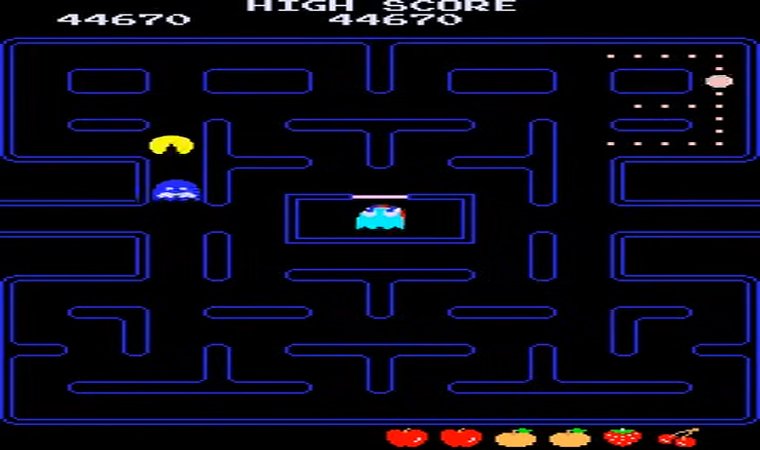
Pac-Man became a global phenomenon by doing something radically simple – it created tension, rhythm, and reward within a single-screen maze. Players control Pac-Man, weaving through corridors while collecting dots and avoiding four uniquely programmed ghosts: Blinky, Pinky, Inky, and Clyde.
With its bright visuals, fruit bonuses, and escalating speed, the game introduced what would become staples in the best arcade games of all time: power-ups (energizers), reactive AI, and learnable patterns. The design encourages memory, timing, and adaptability – and it all happens within a static map, making each session feel familiar but never easy.
Use the two side “warp tunnels” to escape when ghosts close in. Learn ghost behavior patterns – especially how Pinky and Inky try to trap you by predicting your path – to extend runs well beyond the early levels.
Its most innovative feature was the introduction of “personalities” for enemies, giving players subtle behavioral cues that allowed skilled runs with careful routing. The game also famously ends in a glitched “kill screen” at level 256, a legendary barrier for score chasers.
My Verdict: Pac-Man is still a masterclass in minimalist game design. It’s endlessly replayable, surprisingly deep, and instantly recognizable – even decades later.
2. Donkey Kong [Groundbreaking Platforming and the Birth of Mario]
| Our Score | 9.9
☆
★
☆
★
☆
★
☆
★
☆
★
☆
★
☆
★
☆
★
☆
★
☆
★
|
| Platforms | Arcade |
| Year of Release | July 9, 1981 |
| Creator/s | Nintendo R&D1 (Shigeru Miyamoto, Gunpei Yokoi) |
| Average Playtime | 2–8 minutes per run |
| Genre | Platform |
| Mode | Single-player |
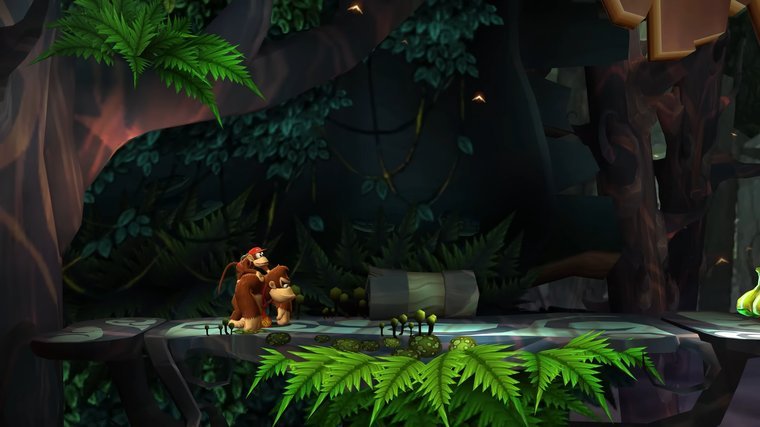
Donkey Kong is one of the earliest and best platformer games, introducing players to Mario – originally called Jumpman – and a new kind of skill-based challenge. The premise is simple: scale construction sites, dodge rolling barrels, and reach the top to rescue Pauline. But beneath that simplicity lies tight level design, growing difficulty, and a loop that rewards both timing and persistence.
Each level is a single-screen obstacle course that changes with each stage. Players climb ladders, leap over hazards, and use a hammer power-up to smash obstacles for extra points. The visual style is blocky but expressive, with every movement and object clearly readable, even during chaotic moments.
The hammer makes you invincible to enemies, but you can’t climb while holding it. Use it near spawn zones, then move fast before the enemies regroup.
What makes this top Switch SNES game special is how it laid the foundation for platforming as we know it. It didn’t just introduce characters – it introduced design logic still used in games today. Progression feels earned, not given, and every mistake teaches you something useful.
My Verdict: Fans of pure skill games will love how Donkey Kong keeps you on edge without feeling unfair. It’s tight, rewarding, and endlessly replayable.
3. Street Fighter II [The Fighting Game That Defined a Generation]
| Our Score | 9.8
☆
★
☆
★
☆
★
☆
★
☆
★
☆
★
☆
★
☆
★
☆
★
☆
★
|
| Platforms | Arcade |
| Year of Release | March 7, 1991 |
| Creator/s | Capcom (Akira Nishitani, Akira Yasuda) |
| Average Playtime | 2–6 minutes per match |
| Genre | Fighting |
| Modes | Single-player, Multiplayer |
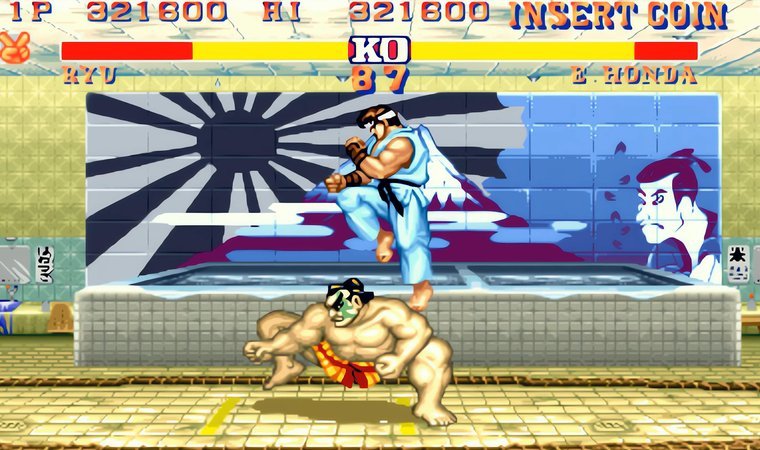
Street Fighter II didn’t just improve on its predecessor – it reshaped what arcade competition looked like for the top fight stick games. For the first time, players could choose between a full roster of characters, each with their own movesets, strengths, and signature techniques. The core premise is simple: two fighters go head-to-head in a best-of-three match, aiming to deplete the opponent’s health bar using precise combos and timed special moves.
Controls feel tight and deliberate, using an eight-way joystick and six attack buttons that vary by strength and speed. Visually, the game introduced fluid sprite animations and global stage backgrounds that made every match feel unique.
Master the crouch-cancel into a special move to punish mistakes quickly. Light attacks combo more consistently and can interrupt slower opponents before they finish charging.
What made Street Fighter II groundbreaking was its combo system – a deep layer of play that rewarded timing, spacing, and matchup knowledge. This created an environment where players could improve over time and compete at a high level.
My Verdict: Fans who enjoy sharp competition and layered mechanics will find Street Fighter II endlessly replayable. It rewards practice and punishes hesitation – a true test of skill.
4. Space Invaders [The Shooter That Started a Global Phenomenon]
| Our Score | 9.7
☆
★
☆
★
☆
★
☆
★
☆
★
☆
★
☆
★
☆
★
☆
★
☆
★
|
| Platforms | Arcade |
| Year of Release | April 19, 1978 |
| Creator/s | Taito (Designer: Tomohiro Nishikado) |
| Average Playtime | 1–5 minutes per session |
| Genre | Fixed Shooter |
| Modes | Single-player, Multiplayer |
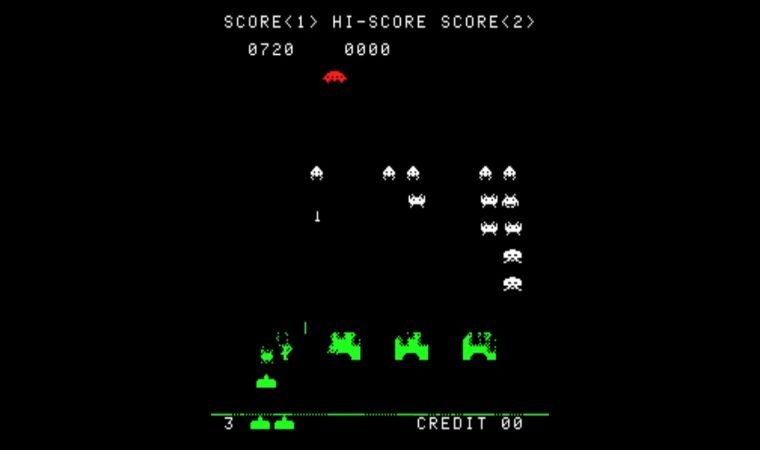
Space Invaders placed players under pressure like no game had before. You control a laser cannon along the bottom of the screen, moving side to side while fending off a tight formation of alien invaders descending one step at a time. The moment feels simple, but the tension builds quickly as the invaders speed up and your defensive cover breaks down.
Each new wave increases in speed, keeping players on edge in this widely considered game. Timing becomes more important than aim. With every alien destroyed, the game’s sound escalates, and so does the urgency. Visuals are stark – black background, white pixel enemies, green bunkers – but that contrast sharpened focus and made every movement feel more intense.
Clear one side of the formation first. This reduces the number of bullets coming your way and gives you more time to target the final invaders before they descend.
The unique selling point of Space Invaders was how it introduced waves of enemies and a true sense of escalation. It set the blueprint for every vertical shooter that followed. The game didn’t just test reaction time – it forced players to manage space, commit to decisions, and survive against odds that always closed in.
My Verdict: Space Invaders still holds up as a raw, skill-based experience for the space ace. Fans of arcade history or minimal but challenging gameplay will appreciate how much this classic got right from the start.
5. Galaga [The Shooter That Perfected the Formula]
| Our Score | 9.6
☆
★
☆
★
☆
★
☆
★
☆
★
☆
★
☆
★
☆
★
☆
★
☆
★
|
| Platforms | Arcade |
| Year of Release | September 1981 |
| Creator/s | Namco (Shigeru Yokoyama, Toru Ogawa) |
| Average Playtime | 2–6 minutes per run |
| Genre | Fixed Shooter |
| Modes | Single-player, Multiplayer |
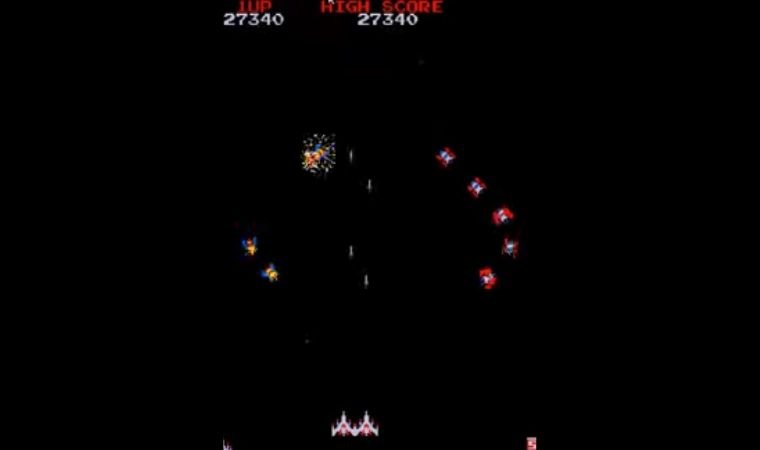
Galaga puts you in control of a single starfighter at the bottom of the screen, facing off against waves of alien attackers who dive from the top in organized formations. Each level begins with a swarm entering the screen before launching into unpredictable attack patterns. The visuals are colorful and fluid, giving the game a vibrant energy that stood out even in noisy arcades.
What made Galaga stand out wasn’t just the faster pace or sharper visuals. It introduced tactical layers through mechanics like the “Boss Galaga,” which could capture your ship using a tractor beam. If you survived and shot the boss down later, you could rescue your original ship and combine both into a “dual fighter” with double firepower – but also a bigger target. This gave the game more risk-reward decision-making than anything that came before it.
Let the Boss Galaga capture your ship early in the stage, then reclaim it for a stronger setup that lasts through tougher waves.
The action constantly escalates. Enemies fire more projectiles, break from formation faster, and eventually evolve into new types. Every bonus round gives you a moment to breathe and rack up extra points without returning fire.
My Verdict: Galaga is a perfect balance of chaos and control. Fans of classic shooters will love its challenge, and the dual fighter system still feels clever in this golden age.
6. Missile Command [The Arcade Game That Made You Think Fast]
| Our Score | 9.5
☆
★
☆
★
☆
★
☆
★
☆
★
☆
★
☆
★
☆
★
☆
★
☆
★
|
| Platforms | Arcade, Atari 2600, Atari 8-bit, Atari ST, Game Boy, Game Boy Color |
| Year of Release | June 1980 |
| Creator/s | Atari, Inc. (Dave Theurer, Rich Adam) |
| Average Playtime | 2–6 minutes per session |
| Genre | Shoot ’em up |
| Modes | Single-player, Multiplayer |
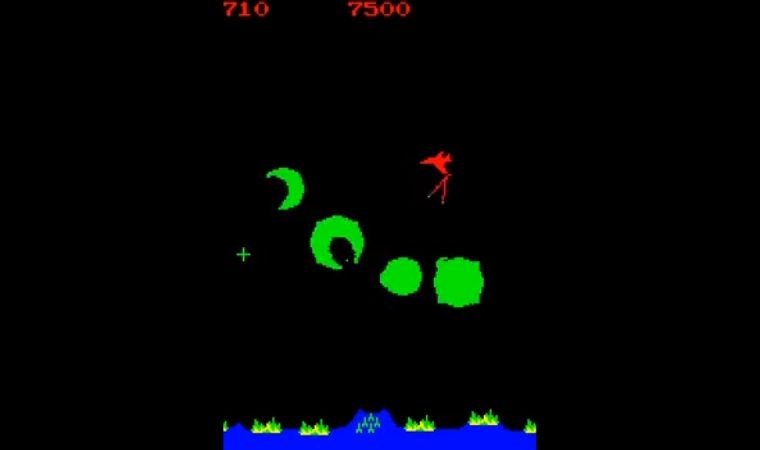
Missile Command drops you into a global catastrophe in progress. Six cities are under relentless missile attack, and you’re in charge of defending them using three anti-missile bases. As incoming warheads streak across a stark, night-sky background, you aim a crosshair and launch interceptors that explode in midair to protect your cities from destruction.
Gameplay is less about twitch shooting and more about priority management. You must decide which threats are immediate and which can wait, using limited ammo from each of your three batteries. Timing is crucial. As levels progress, missiles split, bombers appear, and new threats demand constant attention.
Don’t chase every missile. Aim for clusters and anticipate paths to get the most out of each interceptor. Conserve your center battery – it fires faster and farther than the others.
Visually, it’s minimal and clean – dots and lines tell the whole story. But the pressure is unrelenting. What made Missile Command stand apart from other arcade shooters was its demand for quick judgment and multitasking. It wasn’t just about shooting fast. It was about thinking fast, too.
My Verdict: Missile Command is intense from the first moment. Fans of reaction-based gameplay with a layer of strategy will find it deeply satisfying.
7. Asteroids [Precision, Momentum, and Vector-Based Mastery]
| Our Score | 9.4
☆
★
☆
★
☆
★
☆
★
☆
★
☆
★
☆
★
☆
★
☆
★
☆
★
|
| Platforms | Arcade, Atari 2600, Atari 8-bit, Atari 7800, Game Boy |
| Year of Release | November 1979 |
| Creator/s | Atari, Inc. (Lyle Rains, Ed Logg) |
| Average Playtime | 2–7 minutes per run |
| Genre | Multidirectional Shooter |
| Modes | Single-player, Multiplayer |
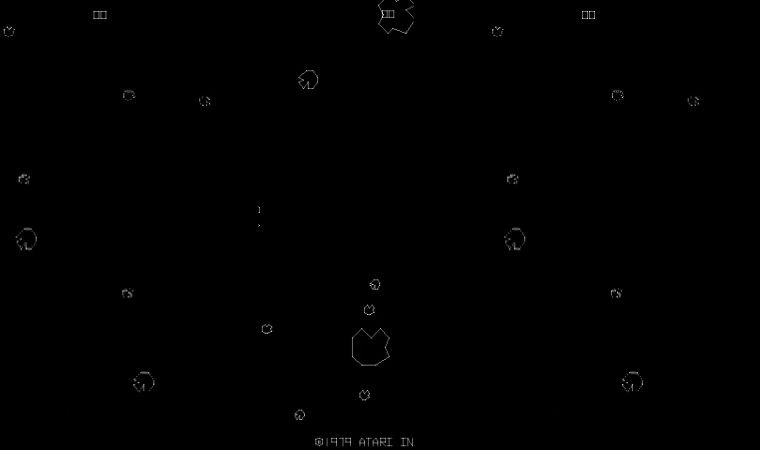
Asteroids gave players something most arcade games didn’t at the time – freedom of movement and full control over momentum. You pilot a triangular ship in deep space, tasked with destroying incoming asteroids while avoiding collisions with debris and enemy saucers. The ship drifts realistically based on inertia, so each movement carries weight and demands foresight.
Visually, the game used crisp, glowing vector graphics on a black screen. It’s minimal but striking. Asteroids split into smaller, faster pieces as you shoot them, and flying saucers appear periodically to add pressure. Every cleared screen resets with a new wave, increasing the challenge and speeding up the pace.
Use short bursts of thrust to keep control over your ship’s momentum. If things get overwhelming, hyperspace can reposition you, but be careful – it might drop you right into danger.
What makes Asteroids unique is how it teaches players to master motion rather than just aim. You’re not locked to a rail or fixed firing position. Instead, you have to manage space, navigate risk, and anticipate movement in a constantly shifting field.
My Verdict: Asteroids rewards calm hands and smart choices. Fans of reactive gameplay with room for mastery will enjoy how every move feels earned.
8. Mortal Kombat [The Fighter That Redefined Violence in Arcades]
| Our Score | 9.3
☆
★
☆
★
☆
★
☆
★
☆
★
☆
★
☆
★
☆
★
☆
★
☆
★
|
| Platforms | Arcade |
| Year of Release | August 1992 |
| Creator/s | Midway Games (Ed Boon, John Tobias) |
| Average Playtime | 3–6 minutes per match |
| Genre | Fighting |
| Modes | Single-player, Multiplayer |
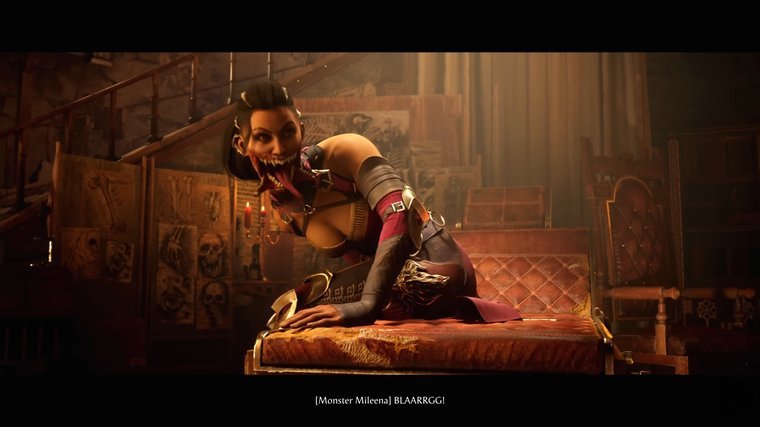
Mortal Kombat broke the mold with a darker tone, digitized characters, and shocking finishing moves. Players fight in brutal one-on-one matches using a five-button layout for punches, kicks, and blocks. Every fight plays out in a confined stage, with momentum constantly shifting based on player skill and timing.
Unlike its flashier counterparts, Mortal Kombat leaned heavily into grit. The visuals used digitized sprites based on real actors, giving the game a lifelike – and often unsettling – look. Backgrounds included acid pits and spiked arenas, setting the stage for the infamous Fatalities: unique, character-specific finishers that allowed players to end matches in the most violent way possible.
Keep fights close-range when learning combos. Fast characters like Liu Kang benefit from aggressive pressure, while slower ones like Sub-Zero shine when countering mistakes.
This game’s standout feature was its commitment to spectacle and surprise. Each character felt distinct, and learning how to execute a Fatality became a rite of passage in arcades. The controversy it stirred only added to its appeal, drawing in crowds who wanted to see what came next.
My Verdict: Mortal Kombat rewards quick reflexes and an appetite for risk. Fans who enjoy mind games, bold visuals, and decisive moments will find plenty to love.
9. Teenage Mutant Ninja Turtles: The Arcade Game [Classic Co-Op Action with Comic Book Charm]
| Our Score | 9.2
☆
★
☆
★
☆
★
☆
★
☆
★
☆
★
☆
★
☆
★
☆
★
☆
★
|
| Platforms | Arcade, NES/Famicom, Amiga, Atari ST, Commodore 64, MS-DOS, Xbox 360 |
| Year of Release | October 11, 1989 |
| Creator/s | Konami |
| Average Playtime | 10–20 minutes per session |
| Genre | Beat ’em up |
| Modes | Single-player, Multiplayer |
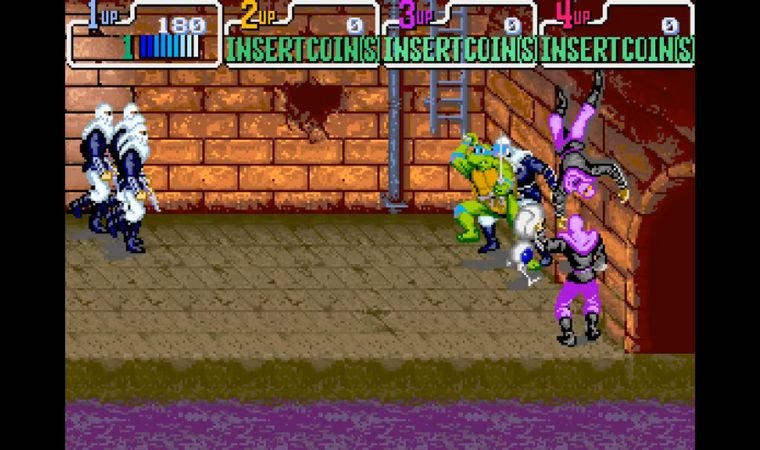
Teenage Mutant Ninja Turtles: The Arcade Game gave fans the perfect blend of cartoon chaos and button-mashing fun in the world. Players could choose from Leonardo, Michelangelo, Donatello, or Raphael, each with their own speed, range, and power stats. The story kicks off with a kidnapping, and from there, it’s a nonstop side-scrolling brawl through city streets, burning buildings, and alien ships.
The action is straightforward but satisfying. You use an eight-way joystick to move, jump, and attack, with each Turtle capable of pulling off special moves. Enemies, mostly Foot Soldiers, come in different colors and attack styles. The game’s aesthetic mirrors the animated series, filled with neon signs, sewer grates, and cutscenes that play like Saturday morning television shows.
Raphael has the fastest attacks, making him great for quick knockdowns, but Donatello’s long reach is perfect for staying safe in crowd control.
What made this game special was how it brought friends together. With up to four players on one cabinet, teamwork became a loud, chaotic, and joyful mess. Combined with familiar characters and dynamic stages, it stood out as one of the best arcade beat ’em ups of its era.
My Verdict: If you grew up with the Turtles or just enjoy classic co-op gameplay, this is one of the most replayable and crowd-pleasing arcade games of its time.
10. NBA Jam [The Sports Game That Turned Basketball into a Show]
| Our Score | 9.1
☆
★
☆
★
☆
★
☆
★
☆
★
☆
★
☆
★
☆
★
☆
★
☆
★
|
| Platforms | Arcade, SNES, Genesis, Game Boy, Sega CD, PlayStation, Xbox, iOS, Android, PC, more |
| Year of Release | 1993 |
| Creator/s | Midway (lead: Mark Turmell) |
| Average Playtime | 5–12 minutes per game |
| Genre | Sports |
| Modes | Single-player, Multiplayer |
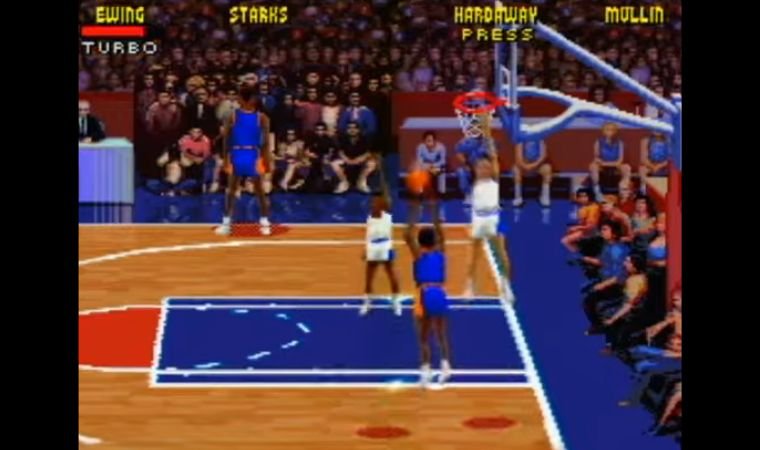
NBA Jam took real NBA teams and players and threw realism out the window. This two-on-two classic Sega Genesis game focused on speed, energy, and showmanship. You sprint across the court, pull off dunks from the free-throw line, shove opponents to steal the ball, and rack up ridiculous scores – all while the announcer shouts “He’s on fire!”
The game’s visual identity blended photorealistic digitized player sprites with colorful, fast-moving courts. Each game was short and explosive, making it perfect for quick arcade sessions with a friend. It also tracked stats between games, which gave regular players an incentive to keep returning.
To enter “on fire” mode, score three baskets in a row with the same player. While on fire, your player gets unlimited turbo, better shooting accuracy, and can’t be goal-tended.
What set NBA Jam apart was its total embrace of spectacle. Players could defy gravity, enter “on fire” mode after scoring three consecutive baskets, and unlock hidden characters like Bill Clinton or Sub-Zero. Every match felt different, unpredictable, and full of moments worth shouting about.
My Verdict: If you want competitive play without needing to memorize deep mechanics, NBA Jam delivers. It’s still one of the most fun and accessible sports arcade games ever made.
11. Tetris [The Puzzle Classic That Never Gets Old]
| Our Score | 9
☆
★
☆
★
☆
★
☆
★
☆
★
☆
★
☆
★
☆
★
☆
★
☆
★
|
| Platforms | Arcade, NES |
| Year of Release | Arcade: February 1989 / NES: May 1989 |
| Creator/s | Atari Games (Ed Logg, Norm Avellar) |
| Average Playtime | 3–10 minutes per session |
| Genre | Puzzle |
| Modes | Single-player, Multiplayer |
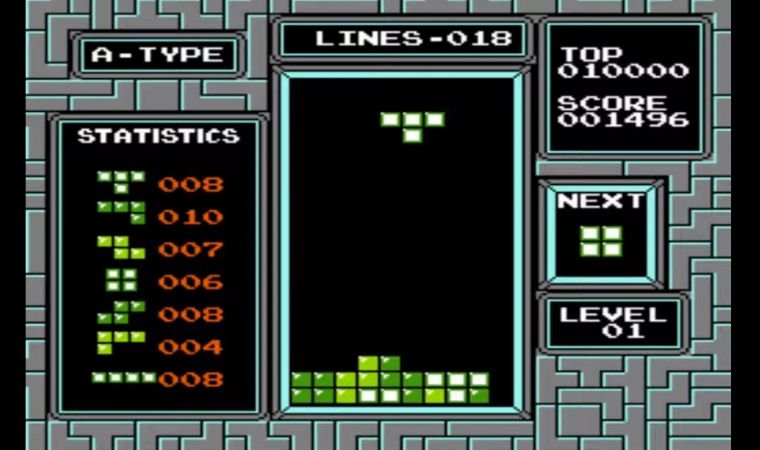
Tetris challenges players to organize a never-ending stream of falling blocks into clean horizontal lines. Once a line is formed, it disappears, freeing space and adding to your score. The controls are simple, yet the experience is anything but. Each decision affects the next one in this world, and a single misstep can spiral into a cluttered screen.
Visually, the arcade version used sharp block shapes and clean animations to create a screen that was easy to read but hard to conquer. There’s no music in the original arcade release, but the tension comes from the increasing speed, which ramps up the pressure with every level cleared.
Always leave space on the far edge for an “I” block. Building around that piece allows you to score a Tetris (clearing four lines at once), which keeps your score rising quickly.
What set Tetris apart was how it made complexity from simplicity. There were no enemies, no explosions – just blocks, computer space, and time. Yet few innovative games have created such a deep mental challenge while being approachable from the very first try.
My Verdict: Tetris is pure design brilliance. It’s relaxing until it isn’t – and once it hooks you, it’s hard to stop playing.
12. Centipede [Fast, Focused, and Surprisingly Strategic]
| Our Score | 8.9
☆
★
☆
★
☆
★
☆
★
☆
★
☆
★
☆
★
☆
★
☆
★
☆
★
|
| Platforms | Arcade |
| Year of Release | August 1981 |
| Creator/s | Atari, Inc. (Dona Bailey, Ed Logg) |
| Average Playtime | 2–6 minutes per session |
| Genre | Fixed Shooter |
| Modes | Single-player, Multiplayer |
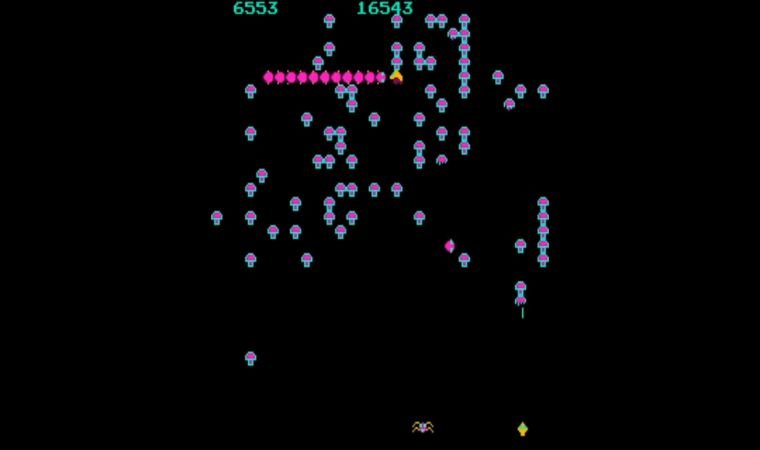
Centipede places you in control of the Bug Blaster, a small ship at the bottom of the screen firing at a descending, segmented centipede that winds through a chaotic field of mushrooms. You guide your ship using a trackball, dodging and reacting quickly to both enemies and clutter as the game speed increases.
At first glance, this widely played game seems simple. But as mushrooms multiply and centipede segments split and swarm, the screen becomes increasingly difficult to manage. The visual layout is clean, using bright colors on a black backdrop to keep movement and targets clearly visible.
Clear a path through mushrooms early on, especially in the center of the screen. This gives you more room to manage later waves when the centipede splits or speeds up.
The standout feature is how every shot counts. Destroying part of the centipede affects its behavior, which means your choices directly change the challenge. Unlike more chaotic shooters, Centipede rewards rhythm and positioning over brute force.
My Verdict: Centipede keeps things fast and focused. It’s ideal for players who like short, intense bursts of gameplay that demand both reflexes and strategy.
13. Pong [The Game That Launched a Global Industry]
| Our Score | 8.8
☆
★
☆
★
☆
★
☆
★
☆
★
☆
★
☆
★
☆
★
☆
★
☆
★
|
| Platforms | Arcade, Dedicated Console |
| Year of Release | November 29, 1972 (NA) |
| Creator/s | Atari, Inc. (Allan Alcorn) |
| Average Playtime | 1–5 minutes per round |
| Genre | Sports |
| Modes | Single-player, Multiplayer |
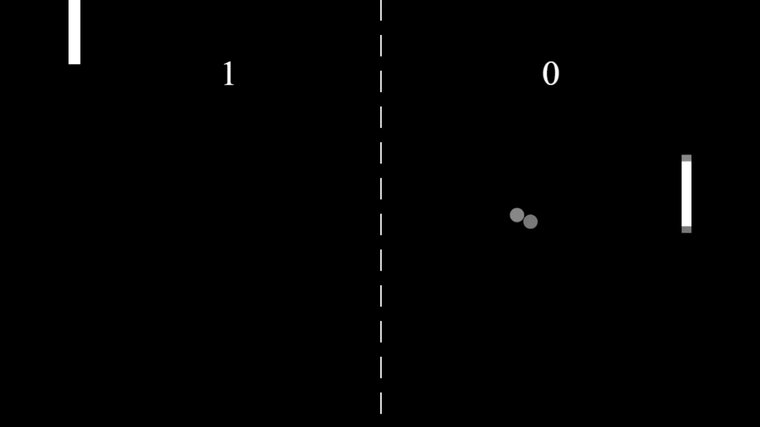
This is a top legal emulation console game and is a digital version of table tennis, and it’s widely credited as the first commercially successful video game. The screen is minimal: a black background, two white paddles, and a bouncing pixel ball. Players use a dial or knob to move their paddle vertically, volleying the ball back and forth while aiming to be the first to reach eleven points.
Although basic by the golden age standards, Pong was groundbreaking. It introduced the idea of competitive, head-to-head gameplay, which immediately resonated with arcade-goers. Each round felt personal, and every point was earned through timing, reaction speed, and a bit of luck. It was easy to learn, yet hard to master the ideal mix for arcade success.
Focus on the angle of return. Striking the ball closer to the edge of the paddle creates sharper rebounds, making it harder for your opponent to react.
The simplicity of the controls, combined with the immediate feedback of scoring and rallying, made it highly addictive. And more importantly, it proved that classic games could be both engaging and profitable, igniting a new industry.
My Verdict: Pong holds a special place in gaming history. It’s straightforward, iconic, and the starting point for everything that followed. Fans of pure, competitive gameplay still appreciate its charm.
14. The Simpsons Arcade Game [Chaotic Co-Op Nostalgia with Cartoon Flair]
| Our Score | 8.7
☆
★
☆
★
☆
★
☆
★
☆
★
☆
★
☆
★
☆
★
☆
★
☆
★
|
| Platforms | Arcade, Commodore 64, MS-DOS |
| Year of Release | March 1991 (NA), August 11, 1991 (JP) |
| Creator/s | Konami |
| Average Playtime | 15–25 minutes per session |
| Genre | Beat ’em up |
| Modes | Single-player, Multiplayer |
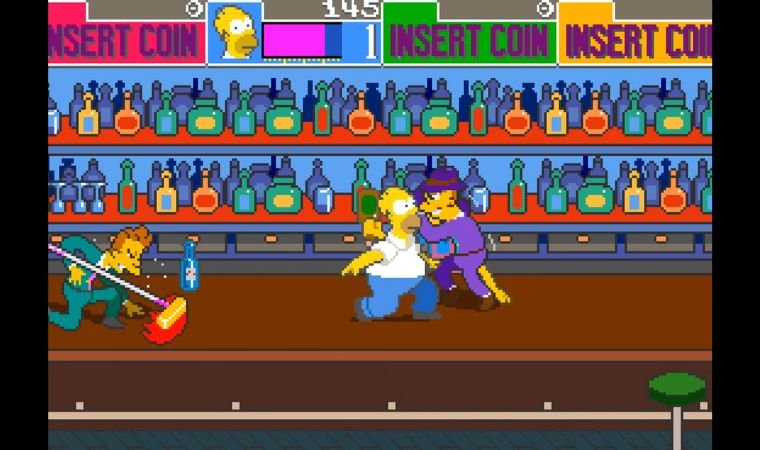
The Simpsons Arcade Game delivered a punchy, favorite game like Cuphead that made fans feel like they were brawling through an episode of the show. You could play as Homer, Marge, Bart, or Lisa, each with charmingly oddball weapons like jump ropes, vacuum cleaners, or Marge swinging Maggie like a hammer. The pixel art was colorful and exaggerated, staying true to the series’ animation while turning familiar characters into action stars.
The gameplay focused on chaotic side-scrolling fights against mobs of enemies, with players using a joystick and two buttons to unleash attacks and jumps. Certain combos let characters pair up for tag-team moves, like Lisa and Bart clotheslining foes with a jump rope.
Lisa has the longest reach with her jump rope, making her great for crowd control. But Homer’s brute strength is perfect for players who prefer up-close power.
What made it stand out was its mix of accessible co-op combat and Simpsons-style humor. The arcade cabinet was a magnet for groups, transforming casual sessions into loud, laughter-filled battles that still spark nostalgia decades later.
My Verdict: If you grew up on The Simpsons or just love frantic multiplayer beat ’em ups, this game delivers timeless cartoon fun and some of the best character animations of the 90s.
15. Q*bert [The Pyramid-Hopping Puzzle That Redefined Arcade Creativity]
| Our Score | 8.6
☆
★
☆
★
☆
★
☆
★
☆
★
☆
★
☆
★
☆
★
☆
★
☆
★
|
| Platforms | Arcade |
| Year of Release | October 18, 1982 |
| Creator/s | Warren Davis, Jeff Lee |
| Average Playtime | 5–10 minutes per session |
| Genre | Action, Puzzle |
| Modes | Single-player, Multiplayer |
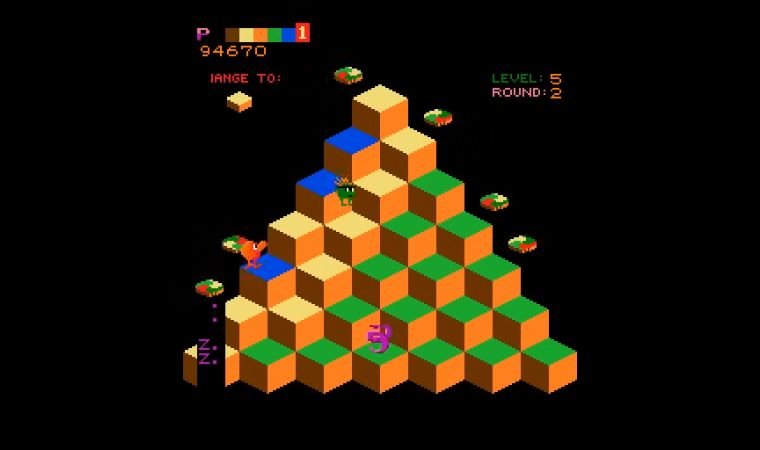
Q*bert was one of the most inventive arcade games of the early ’80s. It placed players on a colorful isometric pyramid where they controlled the orange, long-nosed character Q*bert, hopping diagonally from cube to cube. Each jump changed the cube’s color, and the goal was to turn the entire pyramid into the target color while avoiding enemies like Coily the snake or the mischievous green creatures that reversed your progress.
Jump on the spinning discs at the side of the pyramid to escape danger. They’ll transport you to the top, saving you from Coily’s deadly pursuit.
The simple controls – just a four-way diagonal joystick – hid a deceptively tricky challenge. Players had to think quickly, plan their moves, and react to unpredictable enemy patterns, all while balancing on a visually distinctive 3D grid that looked years ahead of its time. The bright geometric visuals, mixed with Q*bert’s iconic sound effects and quirky “swearing” bubbles, gave the game its unmistakable charm.
My Verdict: Fans of the many classic arcade games will love Q*bert for its mix of precision, timing, and personality. It’s still one of the most distinct and imaginative classic games ever made.
Everything You Need to Know About Arcade Games
Arcade games defined generations of gaming. They were the proving grounds for reflexes, memory, and mastery. This guide will help you choose the best machines, understand what makes a cabinet iconic, and explore how these classics live on in this golden age through ports and emulations.
The Impact of Arcade Games on Gaming Culture
Arcades were more than just rooms full of machines – they were where social gaming truly began. High scores became bragging rights. Local legends were made on cabinets like Pac-Man, Donkey Kong, and Street Fighter II.
These games weren’t just popular, they sparked global phenomena. NBA Jam brought sports to life with exaggerated flair. Tetris and Missile Command elevated puzzle and strategy to art forms. Together, they shaped everything from competitive gaming to how we think about game design itself.
The Most Iconic Arcade Cabinets of All Time
Every cabinet in this list earned its place for a reason. Street Fighter II set the gold standard for fighting games. Galaga and Asteroids delivered addictive high-score chasing. Teenage Mutant Ninja Turtles and The Simpsons Arcade Game transformed familiar franchises into unforgettable multiplayer brawls.
Even Q*bert stood out with its quirky isometric pyramid and color-shifting gameplay. These cabinets weren’t just games – they were focal points in arcades, beloved for their art, controls, and unforgettable soundtracks.
The Best Arcade Game Ports and Emulations for Home Consoles
Thanks to modern ports and emulation, these games live far beyond the arcade. Tetris has been released on almost every platform imaginable. Donkey Kong and Space Invaders maintain their legacy through Nintendo consoles and retro compilations. Mortal Kombat evolved into a global franchise while still honoring its arcade roots.
And titles like Pong and Pac-Man are now accessible to new generations on handhelds, phones, and mini arcade cabinets. These ports help preserve the essence of the arcade – fast, skill-based, unforgettable gameplay – without needing tokens or a crowd.
My Overall Verdict on the Best Arcade Games
There’s no shortage of iconic experiences in arcade history, but every player’s ideal starting point depends on their playstyle. If you’re all about fast hands and twitch reflexes, start with Centipede or Galaga. For fans of competitive showdowns and multiplayer chaos, Street Fighter II, NBA Jam, or Teenage Mutant Ninja Turtles deliver unmatched energy.
Puzzle lovers will appreciate the brilliance of Tetris or the isometric strategy in Q*bert, while story-driven players might gravitate toward Donkey Kong or The Simpsons Arcade Game for their character-driven charm. If you’re after pure nostalgia and history, Pac-Man and Pong are where it all began. Ultimately, these 15 titles offer something for every kind of arcade fan.
FAQs
The best arcade games of all time are Pac-Man, Donkey Kong, Street Fighter II, Mortal Kombat, and NBA Jam. These titles defined generations, introduced iconic characters, and set the standard for gameplay, design, and replay value in the arcade era.
To build a home arcade setup, you’ll need a cabinet, display, controls, and a gaming platform like Raspberry Pi or PC running emulators. You can buy prebuilt machines or customize your own depending on space, budget, and the games you want to run.
Yes, modern arcade games are still being released today, mostly in Japan and select gaming centers. New titles often include racing, rhythm, and fighting games, with improved graphics and connected features that offer a modern twist on classic arcade styles.
Yes, you can play old arcade games online or on modern consoles through official compilations, re-releases, and emulators. Services like Arcade Archives, Capcom Arcade Stadium, and MAME make it easy to enjoy classics at home.
The most popular arcade game genres are fighting games, shooters, platformers, beat ’em ups, and puzzle games. Each genre thrived in arcades for different reasons, offering fast-paced gameplay, short sessions, and competitive replayability.
Arcade machines are worth the investment for collectors who value authenticity, nostalgia, or game preservation. Rare cabinets can increase in value, and restored machines often become centerpiece items in gaming rooms or collections.
The best way to preserve vintage arcade games is by maintaining hardware components, replacing damaged parts, and backing up ROMs legally. Keeping machines in climate-controlled environments and regularly servicing them also helps protect long-term value and playability.