



7 Freelance IT Platforms for Real Tech Work Online in 2026

Eneba Hub contains affiliate links, which means we may earn a small commission if you make a purchase through them—at no extra cost to you. Learn more


Freelance IT platforms can turn coding, IT support, QA, or mentoring skills into real income, and Upwork is the most straightforward place here to start looking for paid work. These freelance IT jobs are realistic for anyone who can show proof of skill, but first-month income is usually modest while you build reviews and a stronger portfolio.
You can also find freelance tech jobs online without quitting a day job first. This guide ranks seven real freelance IT platforms by pay, fees, and payout speed, so you can compare the best freelance platforms for IT professionals based on the kind of work you actually want. If you are learning how to freelance in IT, the key is starting with a skill you can already demonstrate instead of trying to sell yourself as a general tech expert.
| 🔑 Key Takeaways |
| Top pick: Upwork lists software developer rates at a $20 to $30 an hour median, while full-time skilled US freelancers on the platform report a median annual income of $85,000. Fastest route to a first order: Fiverr lets buyers purchase packaged services directly, which can be quicker than waiting for a proposal to win. |
Jump to:
Are These Freelance IT Platforms Actually Realistic?
Yes. These freelance IT platforms are realistic, but the earnings range is wide. A new Fiverr seller might make around $60 to $104 a month, while an established freelance developer on Upwork can reach six figures a year. Where you land depends heavily on the portfolio and proof of skill you already have.
The better-paying freelance IT jobs usually reward preparation. A 2018 Earnest analysis put 96% to 97% of Fiverr sellers below $500 a month in total earnings, though Fiverr has never confirmed or updated that study. Skilled tech freelancers charging $75 to $150 an hour sit at the opposite end of the market and should be treated as the exception.
If you are figuring out how to freelance in IT, aim to have at least six months of proof behind your skill. Past projects, a GitHub profile, or relevant certifications can all make freelance tech jobs online easier to land because clients have something concrete to judge.
Expect to spend around 5 to 15 hours a week building momentum during the first one to two months. Income on freelance IT platforms usually becomes more consistent after the first few client reviews arrive, so this is active work rather than passive income.
Play to earn cash today.

7 Real Ways to Make Money on Freelance IT Platforms
The seven freelance IT platforms below cover very different ways to earn, from bidding on freelance IT jobs to mentoring developers and selling reusable code. If you are comparing the best freelance platforms for IT professionals, look at the skill barrier, platform fees, and payout timing before choosing one. Learning how to freelance in IT is much easier when the platform matches the type of work you already know how to do.
1. Freelancing on Upwork
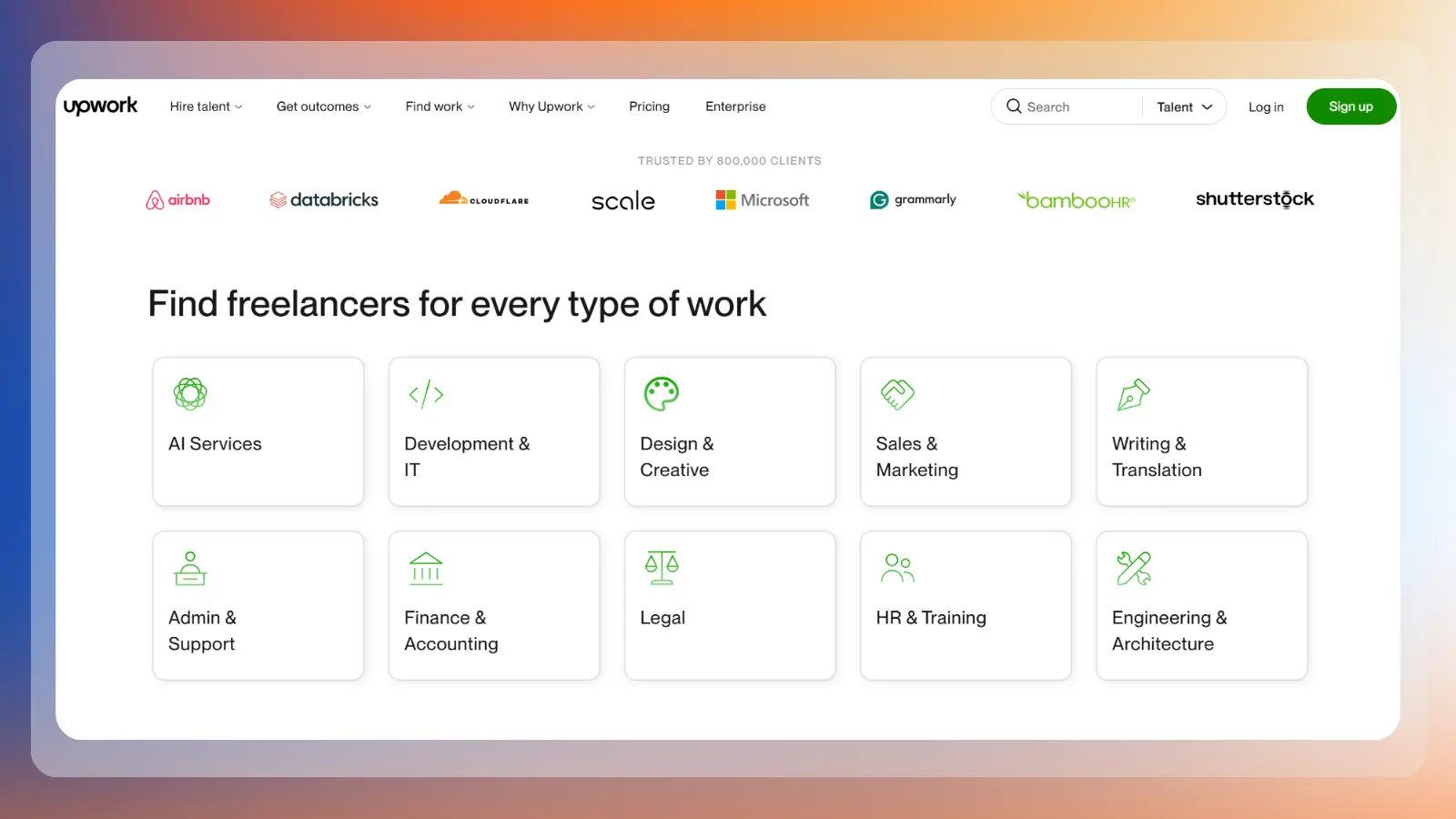
Among the freelance IT platforms here, Upwork offers one of the broadest selections of freelance IT jobs. Its own cost-to-hire pages put software developers at a $20 to $30 an hour median, while web developers sit in a $15 to $50 range with a $30 median. Across all skills, the platform average is $39 an hour within a broader $29 to $54 range.
Those figures reflect established freelancers with reviews, so a new profile should expect to start lower. For anyone searching for freelance tech jobs online, the bigger advantage is the range of projects available across development, QA, IT support, and related technical work.
The setup is straightforward.
- Creating a profile is free. Have two to three strong portfolio samples ready before sending proposals.
- Freelancer fees range from 0% to 15% per contract. Upwork introduced the variable structure in May 2025, replacing its old flat fee.
- Payment can take 5 to 19 days after work is submitted. There is a five-day security hold after client approval. If the client uses the full 14-day review window, the wait can stretch longer.
- Proposals use paid Connects. Applying outside your actual specialty can burn through them quickly.
If you are learning how to freelance in IT, start with one narrow service you can prove you already do well. A focused profile usually gives clients more confidence than a long list of unrelated technical skills. Our freelancing tips guide covers more ways to improve your profile, proposals, and approach once you start applying for client work.

2. Packaged Tech Gigs on Fiverr
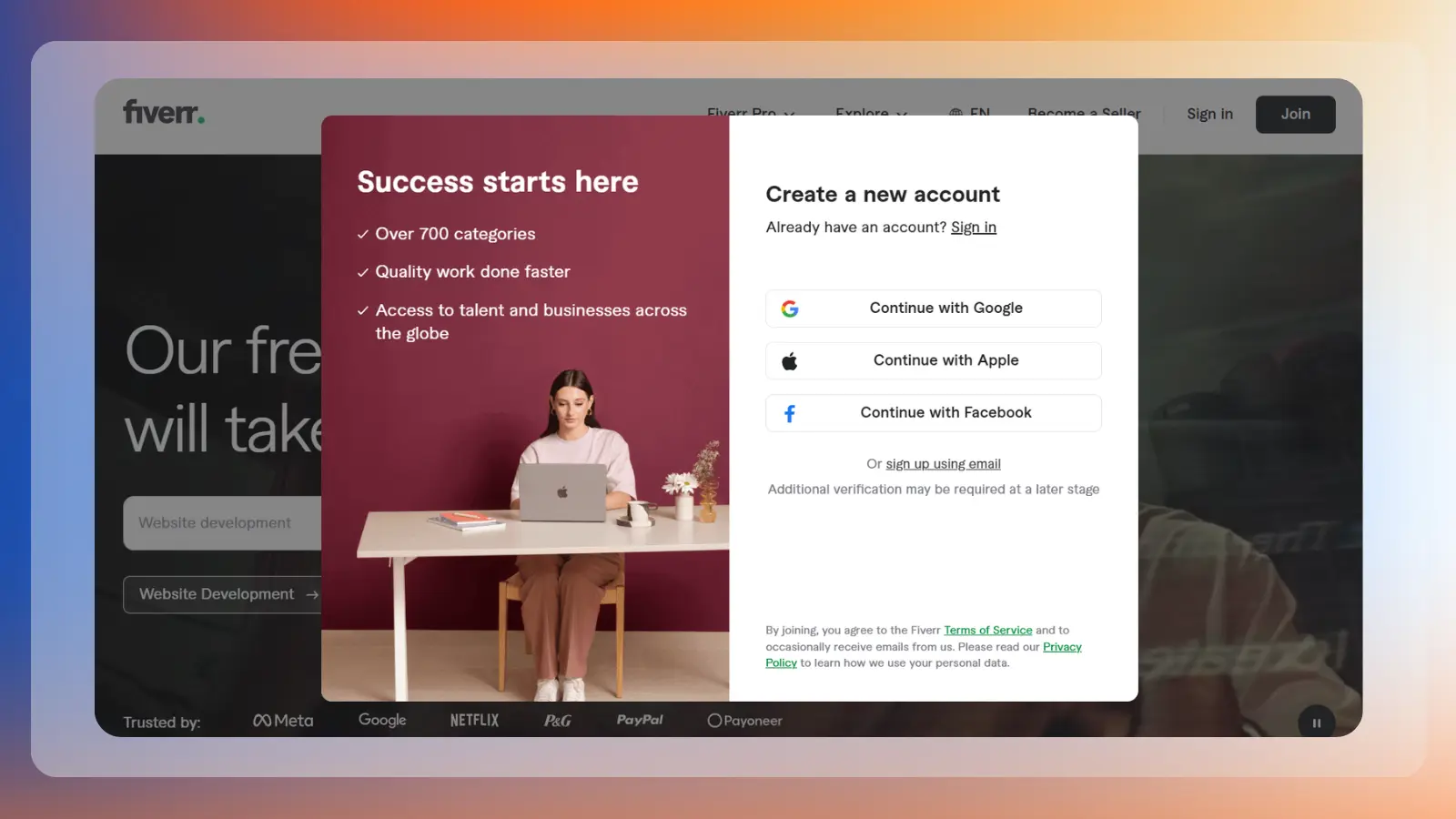
Fiverr takes a different approach from most freelance IT platforms because buyers purchase a packaged service instead of waiting for freelancers to submit proposals. That makes it a natural fit for freelance IT jobs you can define clearly, such as a WordPress fix or API integration.
A 2018 Earnest analysis put the typical Fiverr seller at $104 average monthly earnings and a $60 median. Fiverr has never published or confirmed those figures itself, so they should be treated as an older outside estimate. The same study found 96% to 97% of sellers below $500 a month.
Skilled tech freelancers can charge much more. Specific technical services can reach $75 to $150 an hour, while AI and machine-learning specialists can command $200 or more. Those numbers are the higher end of freelance tech jobs online, not a realistic first-month baseline.
A few platform rules matter here.
- Fiverr keeps 20% of every order. The seller keeps the remaining 80%.
- Startup cost is $0.
- Standard orders have a 14-day clearance period. Top Rated Sellers wait seven days.
- Withdrawal adds another 1 to 3 business days once funds become available.
If you are working out how to freelance in IT through Fiverr, package one specific outcome instead of selling yourself as a generic “tech expert.” The biggest mistake is setting the first gig so cheap that future buyers start expecting the same bargain rate.
3. Vetted High-End Work on Toptal

Toptal sits at the selective end of freelance IT platforms. Clients pay talent around $60 to $150 or more an hour, with some specialized skills reaching $200-plus. The freelancer’s take-home is roughly two-thirds to three-quarters of the billed rate because Toptal’s markup can reach 50% on top of the rate the freelancer sets.
For experienced developers, Toptal belongs in a comparison of the best freelance platforms for IT professionals because of that earning ceiling. The catch is getting accepted.
Toptal accepts fewer than 3% of more than 200,000 applicants a year through a multi-stage process that includes a live technical interview and test project.
- Freelancers pay nothing to join.
- The client covers the $500 deposit and $79 monthly subscription.
- Payment typically arrives around a month after completing an assignment.
Anyone researching how to freelance in IT at this level should prepare for the live coding round before applying. Going in cold is a common mistake, especially because most applicants who survive the initial screening still have to clear the technical stages.
4. Mentoring and Code Review on Codementor
Codementor is one of the more specialized freelance IT platforms because the work centers on live technical help and code review. It can suit developers looking for freelance IT jobs that fit into shorter sessions.
New mentors typically charge $8 to $15 per 15-minute session, while experienced mentors charge $15 to $30. CodementorX project work moves higher, at around $60 to $100 an hour.
The platform also gives us a useful real-world example. Developer Yogesh Chavan documented earning $408 in one month through a mix of live sessions and asynchronous code-review requests on his personal blog. That is a more realistic side-income example than the headline rates alone.
The practical setup is simple.
- Startup cost is free.
- Codementor takes 18% to 22% of weekly earnings depending on volume.
- Payouts run weekly.
- Responsiveness and a specific niche matter heavily because many sessions are booked on demand.
For developers comparing freelance tech jobs online, this model works well if you prefer solving focused problems over managing a full project. The common mistake is starting with a high rate before you have reviews, which can leave a new mentor with an empty calendar.
If you are fitting this work around a regular job, how to earn extra income while working full time covers other ways to make limited spare hours more useful.
5. Bug Bounty Hunting on HackerOne
HackerOne is the most technical and unpredictable of the freelance IT platforms in this guide. The median payout for a valid vulnerability is $500, while total payouts across its programs reached $81 million over the previous 12 months, up 13% year over year.
The earnings are heavily concentrated. HackerOne’s own data shows that the top 1% of researchers earn more than the bottom 90% combined. The company had also reported at least 21 hackers passing $1 million in lifetime earnings by 2022.
For security specialists, HackerOne can belong among the best freelance platforms for IT professionals, but only if you already know how to test systems responsibly. This is not a beginner-friendly substitute for normal development work.
- Joining is free.
- Payout timing varies by program and can range from days to months after triage.
- Programs have strict scopes. Testing outside them can create problems even if you find something real.
- Duplicate findings do not earn a new bounty.
The common mistake is submitting an out-of-scope or already-known vulnerability. That can hurt a researcher’s reputation score and reduce access to private programs with higher payouts.
6. Teaching a Tech Course on Udemy

Udemy works differently from the client-based freelance IT platforms above because the income comes from selling a course you create once. The average instructor earns $3,306 a year, while 75% earn under $1,000 annually. Development courses average $2,339 in per-course revenue, while IT and Software courses average $1,494.
Those per-course figures are different from the per-instructor average, so they should not be read as the same metric.
The real advantage is that a course can keep selling after the recording work is finished. The downside is that Udemy’s own marketplace traffic gives the instructor a much smaller share.
- Organic marketplace sales pay the instructor 37%.
- Sales through the instructor’s own coupon or referral link pay 97%.
- Startup cost is roughly $0 to $100 for a decent microphone and screen-recording setup.
- Payout arrives within 45 days of month end once earnings reach the $25 minimum.
Udemy reports that eleven instructors have earned more than $1 million each. That proves the ceiling exists, but it is nowhere near the normal outcome.
The common mistake is publishing a course and expecting Udemy’s search traffic to do all the selling. With the 37% organic-sale share, bringing in your own audience matters much more.
7. Selling Code Templates on CodeCanyon
CodeCanyon is the most product-focused of these freelance IT platforms. You sell reusable code instead of completing work for a client, which can make income more hands-off after the initial build.
A typical WordPress plugin sale averages $18.91, leaving the author around $9.46 after Envato’s flat 50% author fee. Fewer than 3% of new plugin authors ever earn more than $1,000 a month.
The odds get even narrower at the higher end. Freemius’s analysis of CodeCanyon plugin data found that fewer than 0.4% of new authors earn more than $10,000 in their first 12 months.
The fee structure also changed in July 2026. Envato moved all authors to a flat 50% author fee, replacing the previous sliding scale that started as low as 35% for newer authors.
- Submitting an item is free.
- Payouts process on the 15th of each month.
- You need at least $50 in earnings before payout.
- Funds typically arrive 1 to 3 business days later.
The biggest mistake is treating a listing as completely passive. Plugins need updates and support to stay competitive, and poor maintenance can lead to negative reviews or weaker marketplace visibility.
How the 7 Methods Compare
These seven freelance IT platforms differ enough in entry barrier and payout model that the right choice depends on what you already know how to do. Traditional freelance IT jobs on Upwork and Fiverr are easier to enter, while specialist options such as Toptal and HackerOne demand much stronger proof of skill.
If you are comparing the best freelance platforms for IT professionals, the table below shows the practical trade-offs at a glance.
| Platform | Startup Cost | Time to First Payout | Typical Pay Range |
|---|---|---|---|
| Upwork | Free | 5–19 days after client approval | $29–$54/hr avg; $20–$30/hr median for developers |
| Fiverr | Free | 14–17 days (clearance + withdrawal) | $75–$150/hr for skilled tech gigs |
| Toptal | Free (vetting only) | ~1 month after project | $60–$150+/hr billed; ~67 to 75% is freelancer take-home |
| Codementor | Free | Weekly payout cycle | $8–$30 per 15-min session; $60–$100/hr projects |
| HackerOne | Free | Days to months, varies by program | $500 median per valid bug; seven-figure lifetime earnings possible for top researchers |
| Udemy | ~$0–$100 (recording gear) | Within 45 days of month end | $1,494–$2,339 average per course/year by category |
| CodeCanyon | Free | Monthly, 15th, $50 minimum | ~$9.46 net per plugin sale |
For anyone learning how to freelance in IT, Upwork and Fiverr give you the lowest barrier to getting started. If your priority is freelance tech jobs online with a higher ceiling, Toptal makes more sense once you have the experience to pass its screening.
The best freelance platforms for IT professionals also depend on how you want to earn. Codementor suits short technical sessions, while Udemy and CodeCanyon let you sell something you build ahead of time.
Reward Apps and Play-to-Earn Options for Extra Cash

Reward apps can bring in a little extra cash while you wait for freelance IT jobs to start paying. $10 to $50 a month is a more realistic expectation than treating them as another source of professional tech income.
They can also help during the first few weeks of applying for freelance tech jobs online, when profiles are still new and client work is inconsistent. Keep them as a small stopgap alongside any of these freelance IT platforms.
If you want to build a broader mix than freelance work alone, how to have extra income covers other practical ways to add another income stream.
Free to join, with no application wait and a $35 minimum payout.
What Doesn’t Work on Freelance IT Platforms
The biggest traps on freelance IT platforms usually cost you money or reputation. If you are learning how to freelance in IT, these are the mistakes worth avoiding early.
- Racing to the bottom on price: Fiverr and Upwork are the two most competitive freelance IT platforms here. Starting far below a reasonable rate can make it harder to raise your price once reviews start building around that number.
- Ignoring bug bounty scope: HackerOne warns that duplicate or out-of-scope findings can damage your reputation and reduce access to higher-paying private programs.
- Treating marketplace income as fully passive: A CodeCanyon plugin still needs updates, while an Udemy course can lose visibility as newer competitors arrive.
- Skipping preparation for Toptal: Fewer than 3% of applicants make it through. Applying before rehearsing the live technical stage wastes a difficult opportunity.
Final Verdict on Freelance IT Platforms
For the fastest route to freelance tech jobs online, start with Upwork or Fiverr. Both are free to join and let you begin selling an existing skill before you have a long freelance track record. Toptal becomes more attractive once your experience can support rates of $60 an hour or more.
Among the best freelance platforms for IT professionals, there is no single winner for every type of work. Codementor fits developers who enjoy helping other programmers, while HackerOne rewards security expertise. Udemy and CodeCanyon make more sense if you would rather build something once and sell it repeatedly.
The real decision is how much proof of skill you already have and how you want to earn. That matters more than chasing the highest headline rate when comparing freelance IT platforms.
If freelance tech work is too narrow for what you want, how to make money with online jobs covers a wider range of paid work you can do online.
Free to join, with no application wait and a $35 minimum payout.
FAQs
What are the best freelance IT platforms for beginners?
Among the best freelance platforms for IT professionals starting out, Upwork and Fiverr have the lowest entry barriers. Both are free to join and require no technical screening before you can look for work.
How much can you realistically earn on freelance IT platforms?
Earnings vary widely. A new Fiverr seller may make under $100 a month, while Upwork reports an $85,000 median annual income for full-time skilled US freelancers.
Do you need a degree to freelance on IT platforms?
No. None of the seven platforms here requires a degree. Toptal cares about passing its technical screening, while HackerOne rewards valid security findings.
How fast do freelance IT platforms pay you?
Payment timing varies by platform. Upwork can hold approved work for about five days, Codementor pays weekly, and a first Toptal payment may take around a month.
Are freelance IT platforms safe to use?
Yes. Upwork, Fiverr, Toptal, Codementor, HackerOne, Udemy, and CodeCanyon are established platforms with payment or dispute systems, though their rules and protections differ.
Which freelance IT platform has the lowest fees?
Upwork usually charges a 0% to 15% service fee per contract, while Fiverr takes a flat 20%. That generally makes Upwork the cheaper of the two main freelance IT platforms.