


12 Best Jobs for Teenagers to Make Real Money in 2026

Eneba Hub contains affiliate links, which means we may earn a small commission if you make a purchase through them—at no extra cost to you. Learn more



Jobs for Teenagers Snapshot
Retail and food-service shifts are practical starting points for many 16- and 17-year-olds, while certified lifeguarding can offer stronger hourly pay for teens who qualify.
Jobs for teenagers depend heavily on age, but retail and food-service shifts are the most straightforward starting points for many 16- and 17-year-olds, while certified lifeguarding can offer stronger hourly pay. Younger teens often have better access to work such as youth sports refereeing, babysitting, and local client services because many employers set their own hiring floor at 16.
That age difference is why this guide focuses on jobs for teenagers with a clear path to getting paid, whether the work comes through an employer, a short certification, or direct clients. Each option also needs to fit realistically around school and have entry requirements a teenager can reasonably meet.
With that filter in place, the 12 jobs for teenagers below cover different ages, schedules, and types of work. I’ll break down what each job involves, typical pay, minimum-age requirements, startup costs where relevant, and the main limitation to consider before applying.
Jump to:
Are Jobs for Teenagers Actually Realistic?
Yes. Jobs for teenagers are realistic, but age is the biggest gatekeeper. Federal law generally allows non-agricultural, non-hazardous work from age 14, yet many employers still set their own minimum hiring age at 16 because younger workers face tighter limits on when and how long they can work.
That creates a noticeable split in the options available.
- A 13- or 14-year-old has fewer conventional employer jobs to choose from, so work such as youth sports refereeing, babysitting, and other direct-client services can be more practical.
- At 15, certified lifeguarding starts to become available through programs such as the American Red Cross.
- By 16 or 17, retail, food service, and other standard part-time roles become much more common.
Pay also depends heavily on the type of work. Entry-level retail or food-service roles may start near the applicable minimum wage, while certification-based work can pay more. Teen lifeguarding pays around $16.71 to $17.20 per hour, while new youth sports officials can earn roughly $30 to $60 per recreational game depending on the league and location.
School still sets the practical ceiling. Younger teens face stricter school-day and weekly hour limits, so the best jobs for teenagers are the ones that fit around classes and do not depend on a schedule they legally cannot maintain.
12 Practical Jobs for Teenagers
The jobs for teenagers below all have a clear route from doing the work to getting paid. The list includes employer roles, certification-based work, and direct-client services, with options for different age groups and school schedules. Each entry will cover typical pay, minimum-age requirements, startup costs where relevant, and the main limitation to know before you start.
1. Get Certified as a Lifeguard

Lifeguarding is one of the better-paying jobs for teenagers that can open up before age 16. Salary data from ZipRecruiter and Indeed puts teen lifeguard pay at roughly $16.71 to $17.20 per hour, although the actual rate depends on the pool and location.
The main barrier is certification. The American Red Cross lets you take its Lifeguarding course if you are at least 15 by the last day of class. You also need to pass the required swimming test and complete training in CPR, AED use, and water rescue before applying for work.
Here’s what you need to do before applying for a lifeguard job.
- Find a local American Red Cross Lifeguarding course.
- Make sure you meet the minimum age and swimming requirements.
- Complete the course and earn your certification.
- Apply to local pools, recreation centers, park districts, or Ys.
- Check the work-hour rules that apply to your age before accepting a shift.
The main startup cost is the lifeguarding course fee. There is no single national price because local training providers set their own rates, so check the fee before you register. Once certified, a first job can follow within a few weeks depending on local openings.
The main limitation is that being certified at 15 does not guarantee you can work at every pool. Some employers set their own minimum hiring age at 16, so check nearby openings before paying for the course.

2. Take a Part-Time Retail or Food-Service Job

Retail and food service remain some of the most common jobs for teenagers because many entry-level roles do not ask for previous work experience. Food and beverage serving workers have a $15.24-per-hour median, although that figure includes workers of all ages. A teenager entering the workforce for the first time may start closer to the applicable state or local minimum wage.
Age can narrow the available openings before experience becomes an issue. Federal law allows many non-hazardous jobs from age 14, but individual businesses can set a higher minimum. Many chains begin hiring at 16, partly because younger workers face stricter limits on school-day hours.
A little filtering can save a lot of wasted applications.
- Check the employer’s minimum hiring age first.
- Search for part-time or no-experience positions.
- Prepare any work permit or age-verification documents required in your state.
- Confirm that the available shifts fit around school before accepting an offer.
There is usually no upfront cost to apply, and the first paycheck often arrives one to three weeks after you start, depending on the employer’s payroll schedule.
The biggest hurdle for younger teens is simply finding an employer willing to hire them. If large chains keep their age floor at 16, local restaurants and independent shops can be worth checking too.

3. Get Certified to Referee or Umpire Youth Sports

Youth sports officiating stands out among jobs for teenagers because you can qualify younger than you can for many store or restaurant shifts. Beginner recreational assignments typically pay around $30 to $60 per game, depending on the sport, league, and location.
Soccer has a particularly low entry point. US Youth Soccer allows Grassroots Referee registration from age 13, although you still need to complete the required training before you can start taking paid matches.
Turning the certification into actual work takes a few practical steps.
- Register for an approved referee or umpire course in your area.
- Complete the training and any required checks.
- Contact a local assignor who schedules officials for games.
- Take recreational youth matches first before moving into higher-level competition.
Your main expense is the registration or certification fee, and the amount varies by sport and state association. Once you qualify and connect with an assignor, a first paid game can come within days or a few weeks.
Getting certified does not automatically put games on your calendar. The local assignor is often the person who turns your qualification into paid work, so reaching out quickly is just as important as passing the course.

4. Offer Mobile Car Washing and Detailing

Car washing gives you a direct path to paid local work with no employer application in the middle. A basic wash-and-vacuum service can bring in around $40 per car, while a more complete interior-and-exterior detail can charge much more depending on the service and local market.
Unlike platform-based jobs for teenagers, there is no single account age requirement here because you find customers yourself. What you can offer still depends on local rules, the equipment involved, and whether the work is appropriate for your age.
Keeping the service simple at first makes pricing and scheduling much easier.
- Start with basic supplies such as wash mitts, microfiber towels, glass cleaner, and a vacuum.
- Create two or three clear service packages.
- Offer them to neighbors or through local community groups.
- Schedule several cars on the same weekend when possible.
A first setup can cost around $50 to $150 in supplies, but that figure drops if you already have cleaning equipment at home. Payment can come as soon as each job is finished, which gives this option a much faster cash cycle than a normal payroll job.
Time is the trap with detailing. A cheap price can look competitive until a long clean and supply costs leave you earning very little for the work, so set rates around the actual service you are providing.

5. Babysit for Neighbors and Family Friends

Babysitting works well for teenagers who are comfortable taking responsibility for younger children and can build trust with families nearby. Care.com lists an average posted babysitter rate of $19.81 per hour, although that covers the broader market. A teenager taking first bookings through family friends or neighbors may charge less while building experience.
There is no single platform age floor when families hire you directly. The American Red Cross offers Babysitter’s Training for ages 11 to 16, which covers child care skills and emergency response. Large care platforms are different. Care.com, for example, requires account holders to be at least 18.
Your first clients will usually come through people who already know you.
- Take a babysitting or basic first-aid course if one is available.
- Let relatives, neighbors, and family friends know when you are available.
- Agree on the hourly rate before each booking.
- Get emergency contacts and important care instructions before the parents leave.
Training is the only notable startup expense, and the price depends on the course provider. You do not need to pay a platform fee if you find families directly.
Trust is the real barrier with these jobs for teenagers. Parents are handing over responsibility for their children, so reliability and good references can determine how quickly one booking turns into regular work.
6. Take on Yard Cleanup and Seasonal Outdoor Work
Yard work can produce quick local income because each completed lawn, driveway, or cleanup job can be paid separately. For older teens offering mowing where permitted, a quarter-acre lawn can bring in roughly $45 to $90, while leaf cleanup and snow shoveling can keep the service useful outside mowing season.
Age affects which jobs are appropriate. Federal rules prohibit employed 14- and 15-year-olds from operating power-driven lawn mowers and trimmers, while yard cleanup with hand tools is permitted. Younger teens can focus on raking, hand weeding, sweeping, or snow shoveling and check any additional state rules that apply.
You can start close to home before looking for customers farther away.
- Use household rakes, shovels, and other age-appropriate tools first.
- Set a clear price for each type of job.
- Ask nearby households whether they need recurring yard help.
- Request referrals once you have finished a few jobs well.
The startup cost can be close to $0 when the tools are already available at home. Buying your own equipment raises that figure quickly, so there is little reason to invest heavily before you know there is local demand.
Among jobs for teenagers, outdoor work is especially dependent on location and season. A regular group of nearby customers can make it reliable, while bad weather or a neighborhood with little demand can leave long gaps between paid jobs.

7. Caddie at a Local Golf Course

Golf caddying is a less obvious option if you live near private or semi-private courses. Pay usually comes as a flat fee for each round plus tips, so earnings depend heavily on the club, course, and number of loops you receive. There is no useful national rate to rely on, which makes asking the caddie master about current pay important before you commit.
Minimum ages are also set by individual clubs. A course may hire teenage caddies while another nearby club uses a higher age floor, so you need to contact each one directly.
Golf knowledge can make the difference between getting accepted and being passed over.
- Call local courses and ask whether they currently hire teen caddies.
- Attend any training or orientation the club requires.
- Learn basic golf rules and course etiquette before your first round.
- Ask how caddies are assigned and what each loop pays.
There is usually no major startup cost, and a first paid round can follow soon after training if the course has demand.
Caddying is one of the more location-dependent jobs for teenagers on this list. It can be a strong fit near a busy golf community, but it offers little value if the nearest clubs do not run active caddie programs.
One unusual benefit is the Evans Scholars Program, which can provide college scholarship support to qualifying caddies with a strong work record and academic performance.

8. Tutor Younger Students

Tutoring turns a subject you already understand into paid one-on-one help for a younger student. Indeed currently lists average U.S. tutor pay at $27.56 per hour, but that includes adult and experienced tutors. A teenager taking local beginner clients should use that figure as a market reference, not an expected starting rate.
Federal rules specifically allow teaching and tutoring for employed 14- and 15-year-olds, although individual employers can still set higher age requirements. Direct tutoring through families, school contacts, or community referrals can avoid the 18+ restrictions found on many professional tutoring platforms.
Start with a subject where you can comfortably explain work below your own grade level.
- Choose one or two subjects you know well.
- Offer help to younger students through family or school contacts.
- Agree on the lesson length and price before the first session.
- Prepare each session around the student’s current classwork and weak areas.
There is virtually no startup cost if you already have access to the textbooks or materials you need. Sessions can also fit into an after-school or weekend schedule more naturally than fixed employer shifts.
The challenge is proving that you can actually teach the subject, not simply pass it yourself. That makes tutoring one of the stronger jobs for teenagers with good grades and clear communication skills, especially once the first family is willing to recommend you to another.

9. Pet Sit or Walk Dogs for Local Clients

Pet sitting can work well if neighbors already know and trust you around animals. Indeed reports an average U.S. pet sitter rate of $17.27 per hour, although a teenager taking local bookings should expect rates to vary by area, the number of pets, and what each visit involves.
For teenagers, the most realistic route is usually direct clients. Rover requires sitters and dog walkers to be at least 18, so younger workers cannot create their own provider account there. Family friends, neighbors, and referrals give you a way to find work before that platform age becomes available.
Your first booking should start with a pet and owner you already know.
- Ask neighbors or family friends whether they need help with pet care.
- Agree on the walk length, feeding routine, and visit schedule before the job.
- Keep the owner’s contact details available while the pet is in your care.
- Ask satisfied clients whether they know another nearby pet owner who needs help.
Startup spending can stay close to $0 when the owner provides the leash, food, and other pet supplies. Your time and reliability are the real service you are selling.
I would be more cautious with unfamiliar animals than with most jobs for teenagers. Meet the pet with its owner present first, and only accept work you can handle confidently.

10. Work as a Library Page

A library page spends much of the shift shelving returned books, keeping collections in order, and helping with basic library tasks. Several 2026 municipal postings show how viable this can be for older teens. Douglas County listed $13.79 per hour, while Madison Public Library advertised $18 per hour.
Age requirements are clearer than they are for many local service jobs. Current postings from Douglas County, Madison, Faribault, and Louisville all accept applicants from age 16, although your own library can set a different requirement.
Library openings tend to have a specific application window, so checking regularly helps.
- Search your city, county, or library system’s careers page.
- Look for titles such as Library Page or Shelving Assistant.
- Check the minimum age and weekly schedule before applying.
- Highlight reliability, organization, and any school or volunteer experience.
There is normally no startup cost. Part-time schedules can also line up well with school. One 2026 Faribault posting scheduled its page shifts from 3:30 p.m. on weekdays, which shows how naturally this type of work can fit after classes.
Availability is the catch. Libraries employ far fewer pages than a shopping district employs retail workers, so these jobs for teenagers can be excellent when an opening appears but difficult to find on demand.

11. Join a Movie-Theater Crew
Movie theaters need crew members for ticket checks, concessions, cleaning, and general guest service. At AMC, crew member pay currently averages about $14.45 per hour on Indeed, with the actual wage changing considerably by city.
This role can open surprisingly early. AMC currently states that crew applicants can be as young as 14, no previous experience is required, and training is provided. Local labor rules still apply, so the hiring age and available shifts can change by theater and state.
The application is much closer to a standard first job than a self-employed hustle.
- Check nearby theaters for crew openings.
- Confirm the minimum age listed for that location.
- Apply with your after-school and weekend availability.
- Complete the employer’s interview and required training.
You should not need to spend money to get hired. AMC provides its crew shirt where applicable, although its current job description also calls for items such as black pants and black non-slip shoes.
The schedule is where this job becomes less convenient. Evening, weekend, and occasional holiday availability is part of AMC’s crew requirement, so I would choose this over other jobs for teenagers only if those hours already fit your school routine.

12. Work at a Recreation Center or After-School Program

Community recreation programs hire teenagers to help supervise activities, prepare equipment, support events, and work with younger children. Pay varies by city. A 2026 recreation aide posting in Miramar offered $15.87 per hour, while Oakley listed $16.90 to $18.87 per hour for recreation aides.
Age 16 is a useful benchmark for this category. Current recreation postings from Dubuque, Rockwall, and Renton all include roles starting at 16 years old, though requirements still depend on the local program.
Applying through your own city or parks department is usually the shortest route.
- Search local parks, recreation, and community-center job pages.
- Check whether the opening is year-round or seasonal.
- Confirm any CPR, first-aid, or background-check requirements.
- Include school, sports, club, or volunteer experience that shows you can work responsibly with younger participants.
The job itself rarely has a major startup cost. Certain employers may require CPR or first-aid certification, but they can provide the training after hiring. Auburn, for example, allows recreation assistants to obtain CPR and first-aid certification within three weeks of appointment.
These jobs for teenagers are a particularly good match if you already enjoy working with younger kids, but openings can follow the local program calendar. Check whether a role continues through the school year before assuming the hours will stay available.

How These Jobs for Teenagers Compare
These 12 jobs for teenagers differ most in age access, pay structure, startup cost, and how consistently the work is available. The table below makes those trade-offs easier to compare before you decide which options are realistic for your age and schedule.
| Job | Typical Pay | Minimum Age | Startup Cost | Main Limitation |
|---|---|---|---|---|
| Certified Lifeguard | Around $16.71–$17.20/hr | 15 for Red Cross certification, employer may require 16 | Course fee varies locally | Certification required before applying |
| Retail or Food Service | $15.24/hr median across all ages | 14 federally, often 16 in practice | $0 | Younger teens have fewer openings and tighter hour limits |
| Youth Sports Referee | Around $30–$60/game | 13 for US Youth Soccer Grassroots certification | Registration fee varies | Paid games usually depend on a local assignor |
| Mobile Car Washing | Around $40 for a basic wash | No single platform age floor | Around $50–$150 if supplies are needed | Jobs depend on finding local customers |
| Babysitting | $19.81/hr national posted average | No single age floor for direct clients | Training cost varies if taken | Families need to trust you with child care |
| Yard Cleanup and Outdoor Work | Varies by task, mowing can reach $45–$90 where permitted | Depends on task and local rules | Close to $0 if tools are available | Weather, season, and equipment rules affect availability |
| Golf Caddie | Loop fee plus tips | Varies by club | $0 | Only practical where clubs run caddie programs |
| Tutoring | $27.56/hr national tutor average | Tutoring can be permitted from 14, employer rules vary | $0 | You need strong subject knowledge and clients |
| Pet Sitting or Dog Walking | $17.27/hr national average | Direct clients vary, Rover requires 18 | Close to $0 | Trust and safe animal handling are essential |
| Library Page | Around $13.79–$18/hr in recent postings | Commonly 16 | $0 | Openings can be limited |
| Movie-Theater Crew | Around $14.45/hr at AMC | Some AMC locations hire from 14 | Usually minimal | Evening and weekend availability is often expected |
| Recreation or After-School Assistant | Around $15.87–$18.87/hr in recent postings | Commonly 16 | Usually $0 | Openings depend on local programs and schedules |
Turning Reward Apps Into Extra Cash Alongside a Job
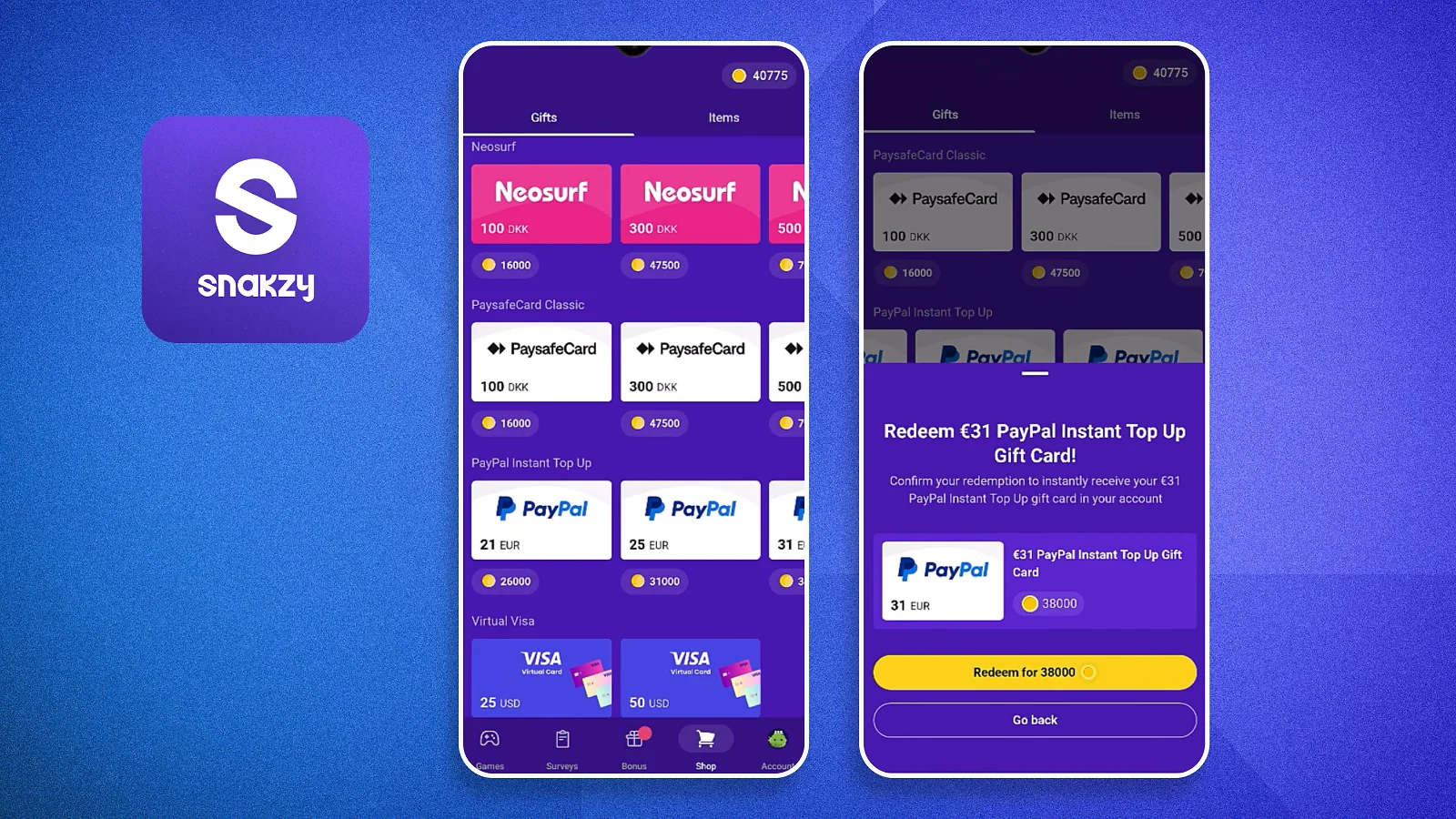
Reward apps can add a small extra layer of earning alongside regular jobs for teenagers, especially when you only have short pockets of free time. They are better suited to occasional rewards than dependable income because available offers, payout thresholds, and eligibility can vary between apps.
Age is especially important here. KashKick requires users to be 18 or older, while Snakzy and Bigcash do not clearly publish a minimum account age on their own sites. Teenagers should confirm eligibility before creating an account or completing offers. Payment methods can create another restriction because services such as PayPal generally require the account holder to be 18.
The payout threshold is worth checking before you start. Bigcash has the lowest minimum here at $1, while KashKick requires $10 and Snakzy requires $35. A higher threshold can take longer to reach if you only complete offers occasionally.
Check your eligibility, then complete game offers and milestones on Snakzy in your spare time.

Balancing Work Hours With School: What the Law Actually Allows Working Teens
School changes how much time younger teens can legally spend on the job, so age affects more than which employers will hire you. Federal rules are especially strict for 14- and 15-year-olds, while 16- and 17-year-olds have far more freedom in non-hazardous work. That difference can make certain jobs for teenagers much easier to manage during the school year.
The Federal Age Floor
Federal law generally sets 14 as the minimum age for non-agricultural, non-hazardous employment. Employers can still choose a higher hiring age, which is why many retail and food-service roles do not open until 16 even when younger workers could legally perform the work.
Once you reach 16, federal law no longer limits how many hours you can work in permitted non-hazardous occupations. Hazardous jobs remain restricted until 18. That wider access is one reason the range of jobs for teenagers expands noticeably between 15 and 16.
Hour Limits for 14- and 15-Year-Olds
During the school year, 14- and 15-year-olds can work up to 3 hours on a school day and 18 hours in a school week under federal rules. Work must normally fall between 7 a.m. and 7 p.m.
When school is not in session, the weekly limit rises to 40 hours. Evening work can also extend to 9 p.m. between June 1 and Labor Day. These limits explain why flexible work such as refereeing, babysitting, or local client services can fit younger teens better than long scheduled shifts.
The Youth Minimum Wage
Federal law allows workers under 20 to be paid a youth minimum wage of $4.25 per hour during their first 90 consecutive calendar days of employment. After that period, the regular applicable minimum wage takes over.
That federal rate does not automatically tell you what a local employer will pay. State or local wage rules and the employer’s own starting rate can produce a higher number, so check the actual wage before accepting a job.
What Doesn’t Work
Searching for jobs for teenagers gets frustrating quickly when an opportunity looks available but the age rules, payment setup, or job offer do not hold up once you look closer. A few checks can eliminate the weakest options before they cost you time.
- Using adult-only work platforms. Services such as Care.com and Rover require workers to meet their own account-age rules. A teenager below that age needs a direct-client route or another employer that genuinely accepts younger applicants.
- Ignoring age restrictions around the work itself. A job can be local and informal while still involving equipment or tasks that younger teens are not allowed to perform. Check the work, not just the advertised age.
- Treating average pay as guaranteed starting pay. National averages include workers with different experience levels and locations. Your first offer can land below the headline figure.
- Paying someone who promises guaranteed employment. Upfront job fees, fake checks, and requests to return part of a payment are established scam patterns. Legitimate employers do not need you to send money back to secure work.
The strongest jobs for teenagers make the arrangement clear before work begins. You should know who is paying you, what work is expected, and whether your age actually qualifies you for the role.
Final Verdict on Jobs for Teenagers
The right jobs for teenagers change with age. Younger teens often have better access to refereeing, babysitting, yard help, and other local client work, while 16- and 17-year-olds can add a much wider range of employer roles such as retail, library work, recreation programs, and movie theaters.
If you can qualify for it, lifeguarding remains one of the strongest combinations of structured work and solid hourly pay. Refereeing is a better starting point at a younger age, while retail or food service gives older teens a conventional first-job route with no certification cost.
I would choose between them by checking age eligibility first, then schedule fit and pay. A lower-paying job you can reliably work after school is more useful than a higher headline rate attached to a role you cannot legally take or consistently fit into your week.
FAQs
Federal law generally allows non-agricultural, non-hazardous employment from age 14, although employers and state laws can set higher requirements.
During a school week, federal rules generally limit 14- and 15-year-olds to 3 hours on a school day and 18 hours for the week. Different limits apply when school is out.
Youth sports refereeing, babysitting, tutoring, pet care, and age-appropriate local services can open earlier than many conventional employer jobs.
Yes. Retail shifts, movie theaters, refereeing, tutoring, babysitting, and recreation work can fit after-school or weekend hours when the employer and legal limits allow it.
Retail, food service, movie-theater crew work, refereeing, babysitting, and local service jobs can all be realistic starting points when you meet the age requirements.
Certification-based work such as lifeguarding and sports officiating can pay well, while direct-client work may also produce strong rates. Actual pay depends heavily on location and experience.