


How to Become a Game Tester: Your Complete Roadmap to Landing a QA Role

The gaming industry generated over $200 billion in revenue last year, and behind every successful game launch stands a team of dedicated quality assurance testers. If you want to know how to become a game tester, the barrier to entry is lower than most people think. Plus, it’s a legitimate career path that thousands of professionals pursue worldwide.
Many aspiring testers assume they need a computer science degree or years of industry experience to break in. The reality is far more accessible. This guide provides a detailed, step-by-step roadmap on how to become a game tester, covering everything from essential qualifications and skill development to job search strategies and realistic earning potential.
Jump to:
What Does a Game Tester Actually Do?
Game testers, also known as QA (Quality Assurance) testers, play games under development to identify bugs, glitches, and gameplay issues before public release. The role goes far beyond casual gaming and demands methodical, systematic testing combined with strong documentation skills.
Daily responsibilities include playing through game levels repeatedly to test different scenarios, documenting bugs with detailed reproduction steps, and communicating findings to developers and programmers. Testers work across multiple platforms and devices, checking for performance issues, UI glitches, and gameplay balance problems. The job requires collaboration with development teams and clear communication of technical issues to both technical and non-technical stakeholders.
Understanding how to be a game tester means recognizing that this position demands analytical thinking and patience. Testers don’t just play games for fun; they systematically break games to find every possible issue. They document severity levels, provide screenshots, and write reproduction steps that developers can follow to recreate problems. The work requires sustained focus and meticulous attention to detail throughout long testing sessions.
How to Become a Game Tester: Step-by-Step Roadmap
Breaking into game testing requires a structured approach that moves from skill development through practical experience to successful job placement. The following steps provide a clear pathway from complete beginner to employed QA tester, covering essential competencies, portfolio building, education options, and technical knowledge.
Each step builds on the previous one, creating a comprehensive foundation for long-term success. The process takes time but remains accessible to dedicated individuals. This roadmap has helped thousands of testers launch successful careers in quality assurance testing.
Step 1: Develop Your Foundation Skills
Formal education isn’t mandatory, but certain foundational skills are essential for success in quality assurance testing. Problem-solving and critical thinking abilities allow testers to approach games systematically and identify edge cases that casual players miss during normal gameplay. Attention to detail helps catch subtle bugs that others overlook, while strong communication skills enable clear documentation of technical issues.
Technical knowledge matters significantly in modern testing environments. A basic understanding of how games work, familiarity with game engines, and awareness of common programming concepts make testers more valuable to development teams.
Self-teaching resources are abundant and accessible: online courses, YouTube tutorials, gaming communities, and technical documentation provide comprehensive learning opportunities at little to no cost.
Familiarity with debugging concepts and systematic testing methodologies separates professional testers from casual players who simply enjoy games. Learning how to become a videogame tester starts with building these core competencies through deliberate practice and focused study over several months.
Step 2: Build Your Portfolio and Practical Experience
Professional experience creates a catch-22 for beginners: jobs require experience, but gaining experience requires jobs. The solution involves creating evidence of your testing ability through alternative pathways that demonstrate real-world capabilities to potential employers.
Participate in beta testing programs for both public and private game releases across multiple platforms. Document your findings professionally, treating each beta test as real work experience that belongs on your resume. Beta testing experience counts as legitimate experience because it demonstrates real-world testing capability under actual development conditions.
Reach out to indie developers directly through gaming communities and ask for testing opportunities in exchange for portfolio credit and professional references. Create detailed bug reports showcasing your ability to document issues with reproduction steps, severity levels, and screenshots. Build a portfolio that demonstrates your testing methodology, communication style, and systematic approach to quality assurance.
Platforms like GameTester.gg and PlaytestCloud connect testers with immediate opportunities to gain hands-on experience. Consider contacting indie developers on platforms like itch.io or through Discord communities to provide valuable testing services while building your professional credentials.
Step 3: Pursue Relevant Education or Certifications
A college degree is not required to become a game tester, but education can provide competitive advantages in crowded job markets. Relevant degrees in computer science, software engineering, game design, or quality assurance demonstrate comprehensive knowledge and provide valuable networking opportunities with industry professionals.
Certifications often provide more value for entry-level positions because they’re faster to complete, more affordable than traditional degrees, and directly relevant to QA work that employers need immediately.
The ISTQB (International Software Testing Qualifications Board) certification is industry-recognized and demonstrates formal QA knowledge to hiring managers. The CSTE (Certified Software Test Engineer) represents a more advanced certification option for experienced testers.
QA bootcamps offer concentrated training in just eight to 16 weeks at $3,000-$15,000, far less than university programs. These programs focus specifically on job-relevant skills, and some include job placement assistance with partner studios. Quality varies significantly among bootcamp providers, so research thoroughly and read reviews before committing financial resources.
Understanding how to become a game tester and get paid often involves strategic investment in certifications rather than lengthy degree programs that delay entry into the workforce.
Step 4: Develop Technical and Gaming Knowledge
Deep familiarity with multiple game genres, platforms, and game engines like Unity and Unreal Engine makes testers more versatile and valuable to development teams working across different technologies. Study common bug types including crashes, performance issues, gameplay exploits, UI glitches, and balance problems that affect player experience.
Learn basic technical concepts such as frame rates, resolution standards, loading times, memory management, and platform-specific requirements for PlayStation, Xbox, PC, and mobile devices. Follow gaming industry news through specialized publications, watch game development breakdowns on YouTube, and analyze how professional games handle quality assurance throughout development cycles.
Understanding player psychology and user experience increasingly matters in modern QA roles that extend beyond simple bug identification. The best testers think like developers, designers, and players simultaneously, anticipating problems from multiple perspectives and providing valuable insights that improve overall game quality and player satisfaction across diverse audiences.
Where to Find Game Tester Jobs
Finding your first position requires knowing where to look, how to present yourself effectively, and which strategies produce the best results for entry-level candidates.
Job Boards and Platforms
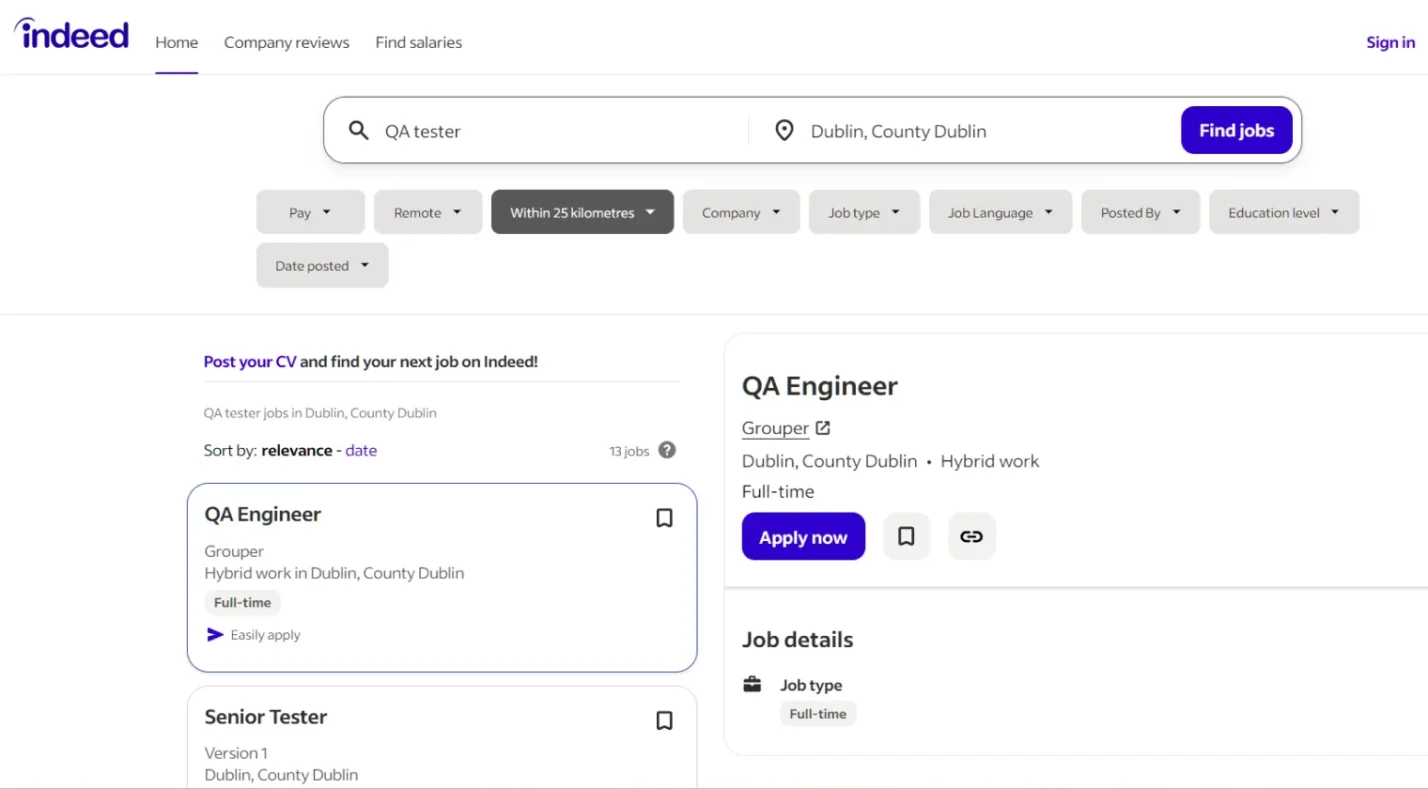
Traditional job boards remain valuable resources for discovering opportunities across the gaming industry. Search Indeed, LinkedIn, and Glassdoor using specific terms like “QA Tester,” “Game Tester,” “Quality Assurance Game,” and “Video Game Testing” to find relevant positions. Game-specific job boards like Gamasutra, Game Industry Jobs, and CrazyGames Jobs focus exclusively on gaming industry positions and attract specialized employers.
Check careers pages directly at major studios including Activision, EA, Ubisoft, Rockstar, and Epic Games, as well as indie studios developing innovative titles. Many companies post job openings on their official websites several days before listing them on public job boards, giving proactive candidates an early advantage.
Setting up job alerts on multiple platforms ensures you receive notifications immediately when new positions become available in your target locations or remote categories. Freelance platforms like Upwork and Fiverr host contract and remote testing opportunities that often serve as stepping stones to full-time employment.
Networking Strategies
Building professional relationships accelerates your job search and opens doors to unadvertised opportunities that never reach public job boards. Connect with hiring managers and QA leads at game studios on LinkedIn, personalizing connection requests that reference your portfolio, specific games you’ve tested, or shared professional interests.
Gaming communities on Discord, Reddit, and specialized forums frequently host recruitment discussions where developers actively seek talented testers. Attend game development conferences like GDC (Game Developers Conference), PAX Dev, or local gaming meetups when possible to make face-to-face connections.
Direct email outreach to studios can work effectively even when no posted openings exist on their careers pages. Many hiring managers genuinely appreciate proactive candidates who demonstrate authentic passion and initiative.
Participate actively in online QA communities, contribute valuable insights, and establish yourself as knowledgeable and helpful to build reputation over time.
Remote Testing Opportunities
Remote game testing positions have become increasingly common, particularly for contract work that doesn’t require daily in-office collaboration. Understanding how to become a game tester from home opens geographic flexibility and expands your available opportunities beyond local markets.
Platforms like UserTesting, Respondent, and PlaytestCloud connect testers with game studios for remote testing sessions that provide immediate income. Betabound and InnoGames provide access to exclusive beta testing opportunities and direct remote testing positions with major studios seeking distributed teams.
Remote positions typically require reliable high-speed internet with consistent speeds, a quiet workspace free from interruptions, your own gaming equipment including multiple platforms, and strong self-motivation to maintain productivity.
Having PC, console, and mobile devices available increases your marketability for diverse remote testing opportunities. Communication skills become even more critical in remote settings where you lack face-to-face interaction with team members and must convey complex technical information clearly through written channels.
The Best Apps to Start Game Testing: Platforms for Beginners and Pros

Several platforms connect aspiring testers with legitimate opportunities to gain experience and earn money simultaneously. These platforms vary in accessibility, payment structure, testing focus, and the types of games available for testing assignments.
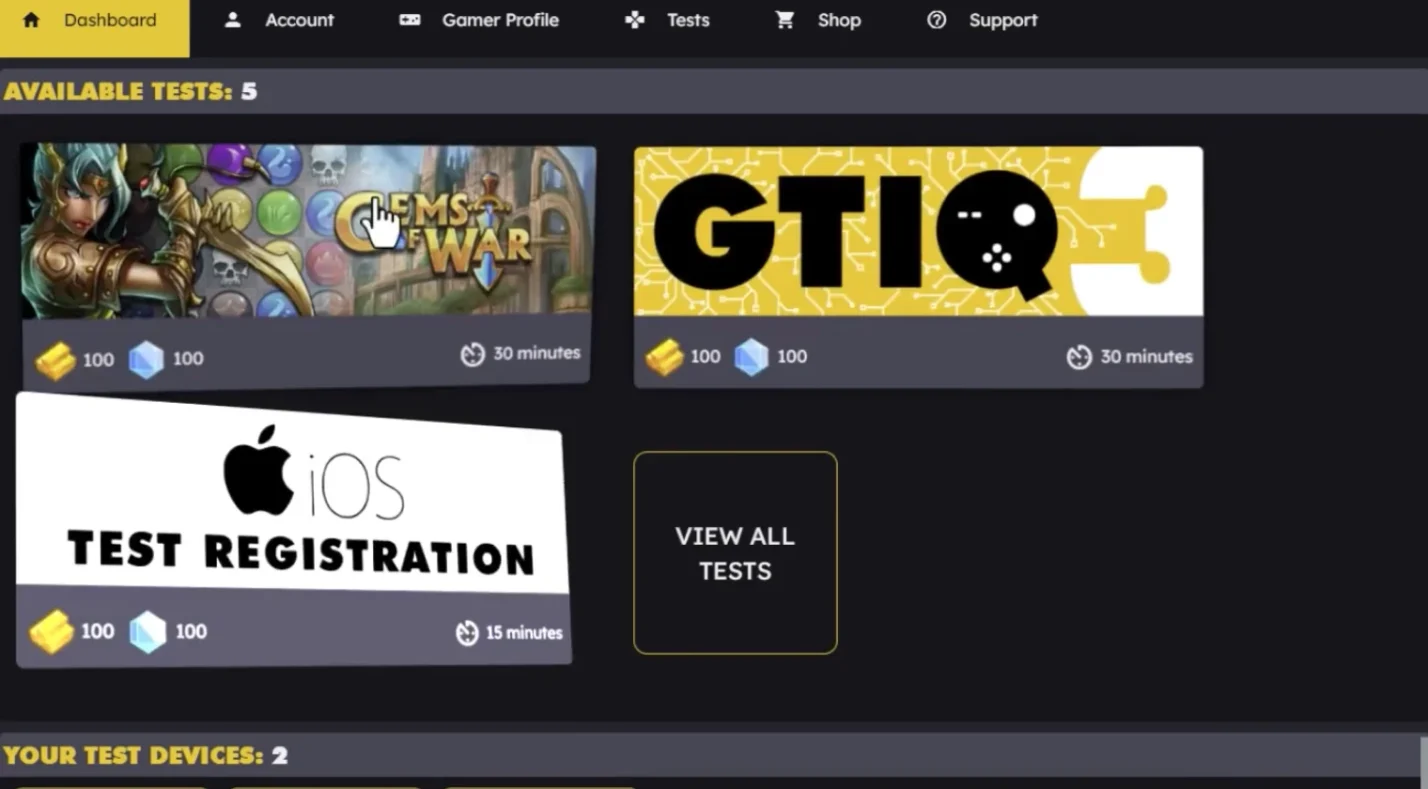
GameTester.gg stands out as the most accessible starting point for new testers entering the quality assurance field. The platform features a user-friendly interface that simplifies onboarding and accepts testers at all experience levels without requiring extensive prior testing history. Beginners can gain valuable hands-on experience while earning money, and the platform provides straightforward onboarding processes that explain expectations clearly. The community support helps new testers understand professional standards and improve their documentation skills through practice.
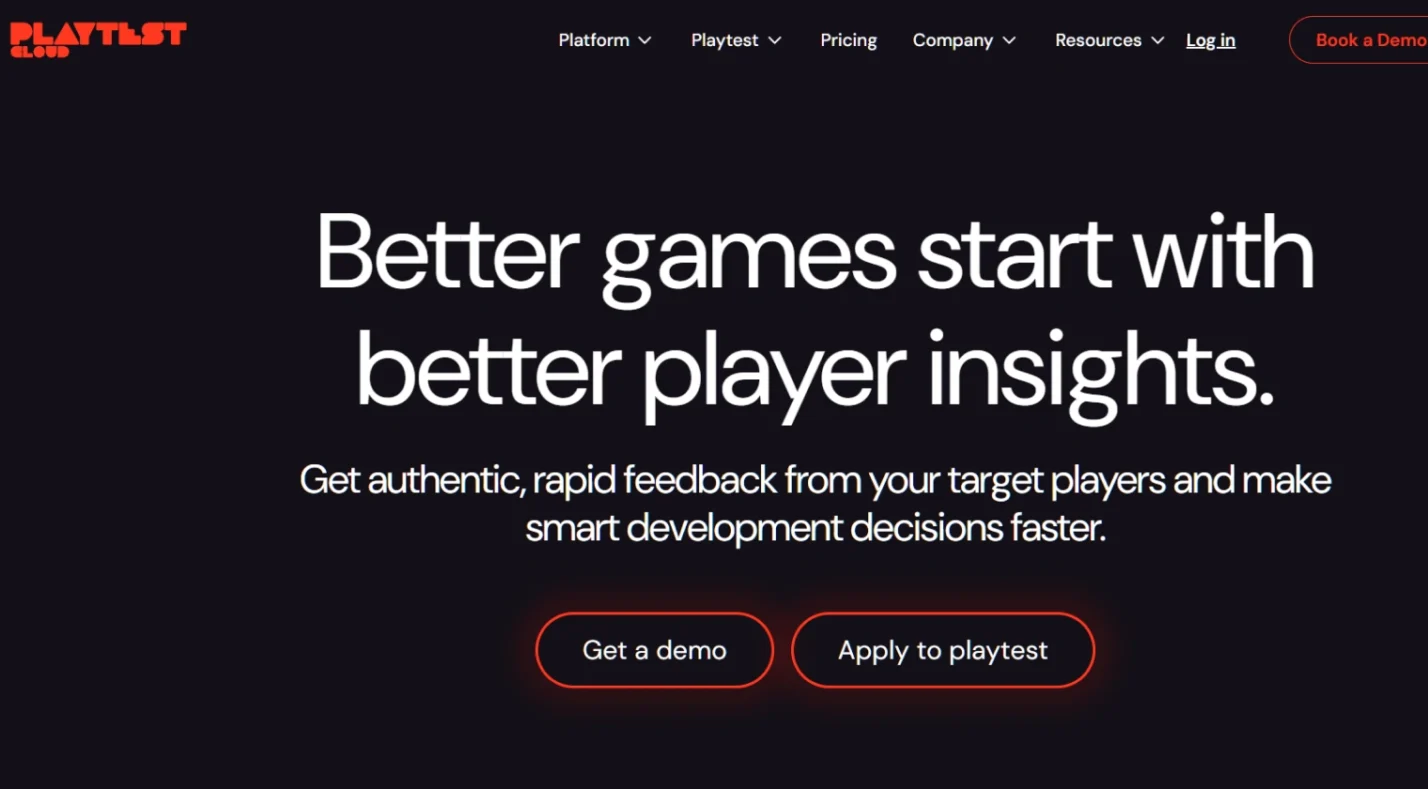
PlaytestCloud focuses specifically on mobile game testing and pays $9-$60 per session depending on complexity and duration. Testers play pre-release mobile games while recording their gameplay and providing verbal commentary about their experience. The platform works particularly well for testers without console or high-end PC gaming setups who can begin immediately with just a smartphone.
UserTesting includes game testing among its broader usability testing offerings, typically paying $10 per test that takes 10-20 minutes. Respondent connects testers with in-depth research studies paying $50-$500+ per study, though these higher-paying opportunities are less frequent and often require specific demographic profiles or gaming experience.
Beta testing communities like Betabound provide access to upcoming game releases from major publishers before public launch. While not always paid positions, these opportunities build your portfolio with recognizable titles from established studios. Having major game titles in your testing history demonstrates credibility to future employers and proves you can handle professional-level projects.
Starting with platforms like GameTester.gg allows you to gain practical experience immediately while exploring whether game testing truly aligns with your interests, skills, and career goals for long-term professional development.

Overcoming the Experience Barrier
Job postings requiring one to three years of professional experience create significant frustration for beginners trying to break into the industry. Beta testing, freelance testing, and portfolio projects all count as legitimate experience when presented properly on your resume with appropriate context and specific accomplishments.
Tailor your resume to highlight concrete accomplishments: specific bugs you identified and documented successfully, testing methodologies you used across different projects, platforms and game engines you’re familiar with from hands-on work, and any QA certifications or relevant coursework you completed.
Use powerful action verbs like “Identified,” “Documented,” “Reproduced,” “Tested,” “Validated,” and “Verified” to describe your experience in professional language that resonates with hiring managers.
Smaller studios and indie developers often show considerably more flexibility about formal experience requirements than major publishers. Contract or temporary positions serve as valuable stepping stones to full-time roles with benefits. Consider QA positions at non-gaming software companies to gain formal professional QA experience, then transition into gaming once you have official work history.
Write compelling cover letters explaining your genuine passion for game testing, the unique perspective you bring from your gaming background, and why you’re specifically interested in their studio and games. Authentic enthusiasm for gaming and commitment to quality assurance resonates strongly with hiring managers who vividly remember what starting out felt like in their own careers.
Skills That Make You Stand Out
Certain skills consistently separate average candidates from exceptional ones who receive multiple job offers and advance rapidly through their careers.
Core QA Skills
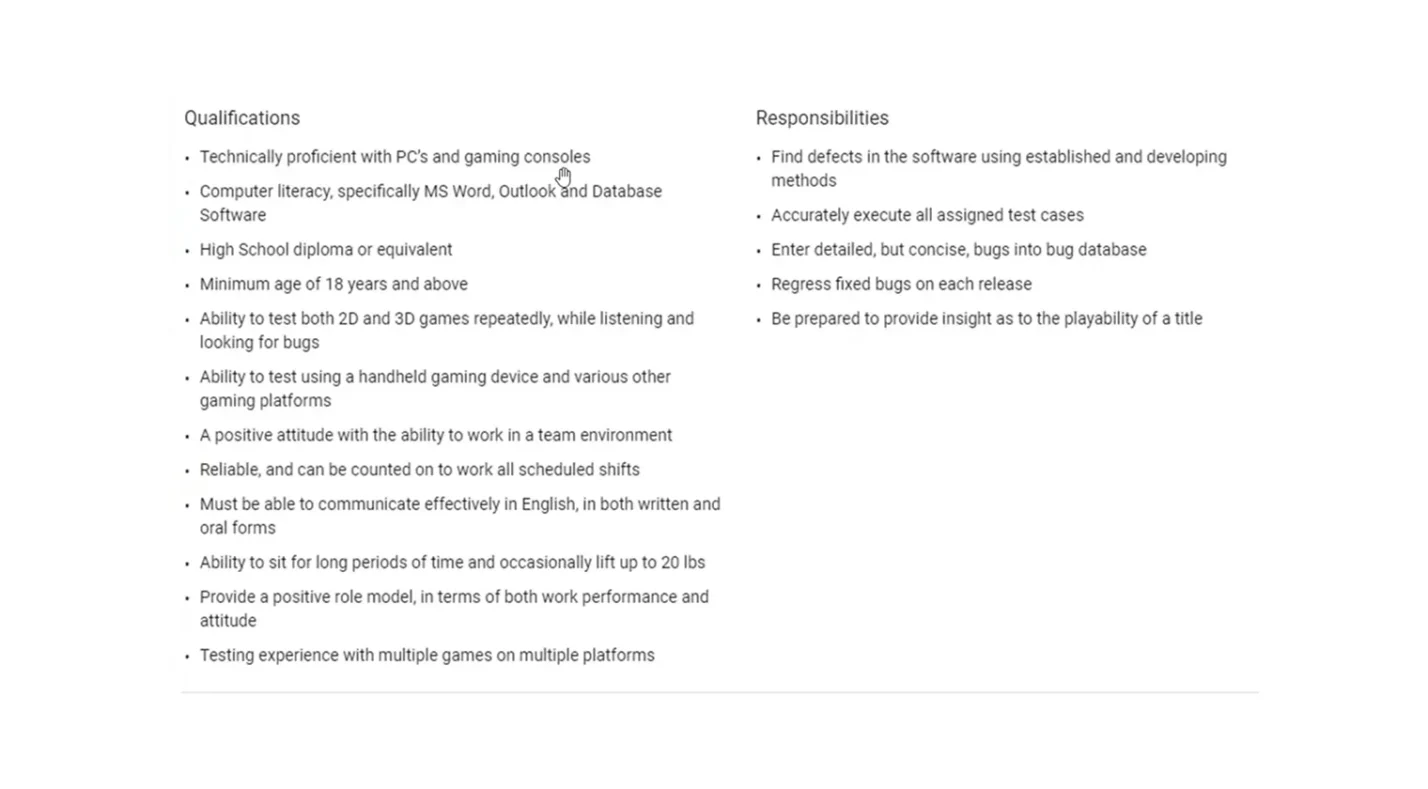
Systematic testing ability means approaching games methodically rather than randomly, thinking critically about edge cases players might encounter, and deliberately trying to break systems in unexpected ways. Bug documentation skills require writing crystal-clear, reproducible bug reports with precise steps, expected versus actual results, severity levels, and supporting screenshots or video.
Attention to detail helps catch subtle issues others miss during routine testing sessions: slight graphical glitches, minor audio problems, inconsistent UI behavior, and small exploits. Communication skills enable clear explanation of complex technical issues to both technical team members like programmers and non-technical stakeholders like producers.
The ability to advocate for quality while maintaining positive relationships with developers creates long-term career success and opportunities for advancement.
Technical Skills
Platform knowledge across PC, console (PlayStation, Xbox, Nintendo Switch), mobile (iOS and Android), and VR technologies increases your versatility and value to studios. Understanding game engine basics in Unity or Unreal Engine helps you comprehend how issues occur at technical levels and communicate more effectively with developers.
Performance testing skills allow you to recognize frame rate drops, loading issues, memory leaks, and optimization problems that affect player experience. Learning basic test automation tools like Selenium adds significant value for advanced positions and demonstrates commitment to professional development.
Familiarity with bug tracking systems like Jira, Bugzilla, or TestRail prepares you for professional workflows. Knowledge of version control systems like Git shows technical sophistication that impresses hiring managers and prepares you for collaborative development environments.
Soft Skills
Collaboration abilities facilitate effective teamwork with developers, designers, artists, and other team members across disciplines. Adaptability helps you quickly learn new games, master unfamiliar tools, and adjust to different testing methodologies that vary between studios.
Time management enables meeting tight testing deadlines while juggling multiple concurrent test cases across different game builds. Problem-solving skills allow creative thinking about how to break games, uncover hidden issues, and identify problems others miss through routine testing.
Patience and persistence matter enormously when testing the same content repeatedly across multiple builds. Professional attitude and positive communication style create strong working relationships that lead to career advancement opportunities within growing studios.
Some helpful information has already been covered related to what you’ll need, or expect, to do if you want to become a game tester, but the good news is there are more details below on useful resources.
Self-Teaching Resources
Free resources including YouTube tutorials, online documentation, gaming communities, and open-source projects enable completely self-directed learning paths. Affordable courses on Udemy ($10-$50 per course) and Coursera ($30-$50 monthly subscriptions) provide structured learning without formal program enrollment that works around existing schedules.
Community learning through active QA community participation, beta testing program involvement, and indie game project contributions often outweighs formal education advantages for entry-level positions when combined with a strong portfolio showcasing real testing work. Self-taught testers who demonstrate initiative and build impressive portfolios frequently secure positions over degree holders lacking practical experience.
Salary Expectations and Career Growth
Realistic earning expectations help you properly evaluate job opportunities, negotiate compensation appropriately, and plan long-term financial goals.
Entry-Level Salaries
Average entry-level game tester salaries range from $30,000 to $45,000 annually in the United States, with significant variation based on geographic location and studio size. Contract and freelance rates typically fall between $15 and $25 per hour for remote testing opportunities that lack benefits but provide schedule flexibility.
Geographic location dramatically impacts compensation levels. Major tech hubs like San Francisco, Seattle, Los Angeles, and Austin generally provide considerably higher salaries than smaller markets, though living costs offset some advantages.
Remote positions may have lower base compensation but eliminate commuting expenses and provide greater work-life balance flexibility. Entry-level international positions vary widely based on local markets and currency exchange rates.
Factors Affecting Pay
Experience level directly correlates with compensation at every career stage. Each additional year of professional QA experience typically increases earning potential by $3,000-$5,000 annually. Studio size matters considerably: major publishers like EA, Activision, Ubisoft, and Rockstar typically pay substantially more than indie studios with limited budgets.
Location and remote work policies significantly affect compensation structures and benefits packages. Specialization in particular areas commands notably higher pay. Expertise in specific platforms like mobile or VR, advanced testing types including automation or performance testing, and relevant professional certifications all justify higher starting salaries.
Technical skills like programming knowledge, automation tool proficiency, and game engine familiarity increase your value. Leadership abilities and project management skills accelerate advancement into senior positions.
Career Progression
Game testing serves as a proven stepping stone rather than a dead-end position for motivated professionals. QA Leads and Managers oversee entire testing teams, coordinate testing schedules, and interface with development leadership while earning $60,000-$90,000+ annually.
Some dedicated testers pursue programming skills and move into development positions working on game systems. Production roles benefit enormously from testing experience that provides invaluable insight into development processes, realistic timelines, and quality standards.
Remote Game Testing: How to Become a Game Tester From Home
Remote opportunities provide location flexibility, eliminate commuting time and expenses, and enable work-life balance advantages that traditional office positions cannot match.
Remote Testing Platforms
GameTester.gg facilitates remote game testing opportunities with flexible scheduling that accommodates diverse lifestyles and time zones. PlaytestCloud connects testers with development studios for remote playtesting sessions paying $9-$60 per session based on project complexity.
UserTesting includes game testing studies alongside broader usability research at $10 per test. Respondent hosts substantially higher-paying specialized research studies ranging from $50-$500+ per multi-hour study.
Betabound provides exclusive access to beta testing opportunities for upcoming releases from major publishers. InnoGames maintains direct remote testing positions with consistent work and stable income.
Remote Full-Time Positions
Many development studios now provide permanent remote QA positions with full benefits, particularly after workplace transformations in 2020 demonstrated remote work viability. Search major job boards using specific filters for “remote,” “work from home,” or “distributed team” positions to identify opportunities.
Remote positions typically require reliable high-speed internet with minimum speeds of 50+ Mbps, a quiet workspace completely free from distractions and background noise, your own professional gaming equipment including multiple platforms, and exceptional self-motivation to maintain consistent productivity without direct supervision.
Communication skills become absolutely critical in remote settings where you lack face-to-face interaction opportunities. Extensive familiarity with collaboration tools including Slack, Discord, Microsoft Teams, Zoom, and bug tracking software like Jira is essential for success.
Setting Up for Remote Testing
Successful remote testing requires owning multiple gaming platforms: a powerful gaming PC meeting modern specifications, at least one current-generation console (PlayStation 5 or Xbox Series X), and multiple mobile devices representing different operating systems.
Reliable equipment including quality gaming headsets with clear microphones, multiple controller types, and consistently stable internet connections prevents technical disruptions during critical testing sessions.
Professional workspace setup with appropriate lighting, neutral background, and ergonomic furniture maintains credibility during video calls with team members and management. Complete mastery of communication tools and bug tracking software enables seamless collaboration with distributed teams across multiple time zones.
Understanding how to become a game tester from home involves recognizing both the substantial technical requirements and the considerable self-discipline necessary for remote work success over extended periods.
Avoiding Scams and Red Flags
Fraudulent opportunities deliberately exploit aspiring testers’ enthusiasm and dreams of working in gaming, making vigilance essential when evaluating opportunities.
Legitimate professional testing positions never require any upfront payment to apply, begin work, or access supposed “exclusive” opportunities. Promises guaranteeing $500 per week or more for simple gameplay are completely unrealistic for genuine entry-level positions that require skill development.
Vague job descriptions failing to clearly explain specific testing responsibilities, required platforms, or expected deliverables consistently signal potential scams designed to harvest personal information or extract money.
High-pressure tactics demanding immediate decisions without allowing proper research time suggest illegitimate opportunities. Legitimate established studios always allow candidates reasonable time for consideration, research, and informed decision-making.
Unsecured or suspicious payment methods involving gift cards, cryptocurrency, wire transfers, or payment processing apps rather than standard payroll indicate fraudulent operations.
Research companies thoroughly using multiple sources: Glassdoor for employee reviews, Indeed reviews from actual workers, Better Business Bureau ratings and complaint histories, and general web searches for scam warnings.
Check studio websites directly by manually typing addresses rather than clicking links in unsolicited emails that may lead to convincing fake sites. Verify email addresses precisely match official company domains rather than slight variations designed to deceive.
Ask for references or direct contact information from current testers before committing time or providing personal information. Legitimate companies willingly provide this verification and welcome questions demonstrating due diligence.
Trust your instincts when opportunities seem too good to be true. If platforms advertising best game apps to win real money make exaggerated claims, investigate exhaustively before proceeding. Some apps provide genuinely legitimate earning opportunities, while many others make completely false promises. Research each specific opportunity independently and read actual user experiences before investing valuable time or money.
Other Ways to Make Money Playing Games: Exploring Snakzy
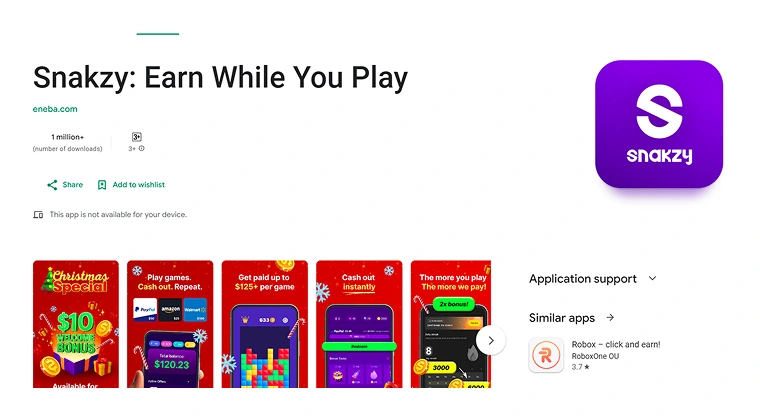
Game testing isn’t the only legitimate path to earning real money through gaming activities. Snakzy provides an alternative platform where gamers earn actual money by playing games and completing various tasks tied to gameplay achievements.
The platform functions effectively as either a flexible side hustle providing supplementary income or a potential full-time opportunity for dedicated users. You work entirely on your own schedule, choosing tasks and games matching your interests and skill level. Earnings come from gameplay achievements, task completion milestones, and consistent participation demonstrating commitment.
Snakzy particularly appeals to gamers who enjoy variety rather than repetitive systematic testing of identical content. The platform directly rewards gaming skill and time investment through clear achievement systems. Combining traditional game testing through QA work and platforms like Snakzy creates multiple diverse income streams reducing dependence on single sources.
While game testing focuses primarily on systematic bug identification and detailed documentation, Snakzy rewards successful gameplay, achievement completion, and task fulfillment. Both approaches provide completely legitimate paths to earning real money through gaming activities you genuinely enjoy.
Many professional gamers strategically combine these approaches, simultaneously exploring top ways to make money from home sales and various methods of earning money online through multiple platforms. Income diversification creates greater financial stability when any single revenue source experiences natural fluctuations in availability or payment rates.
Play games and get paid with Snakzy.

Your Path Forward in Game Testing
Becoming a successful game tester requires strategic, deliberate action: systematically develop foundational QA skills, build an impressive portfolio through beta testing and freelance projects, pursue relevant certifications when appropriate for your situation, and search strategically using multiple channels including job boards, professional networking, and direct studio outreach.
Remote opportunities dramatically expand possibilities for those seeking location flexibility or living outside major gaming hubs. Breaking into game testing is genuinely achievable without expensive college degrees, but absolutely demands strategic planning, consistent persistence, and authentic passion for gaming quality that drives you through inevitable rejections.
Start immediately rather than waiting for perfect preparation. Begin beta testing today, start building your portfolio this week, and apply to entry-level positions while simultaneously continuing skill development. Create your GameTester.gg account right now and gain real professional testing experience while earning actual money.
The gaming industry continues robust growth, demand for qualified QA testers remains consistently high across all studio sizes, and current market conditions represent an excellent time to pursue this rewarding career path. Your personal journey understanding how to become a game tester begins with the crucial first step: taking concrete action today rather than tomorrow.
FAQs
Start by developing core QA skills like attention to detail and communication. Join beta testing programs for hands-on experience. Build a portfolio documenting bugs you find. Sign up on GameTester.gg for immediate paid opportunities.
No, college degrees aren’t required for entry-level positions. QA certifications like ISTQB, practical beta testing experience, and a strong portfolio often matter more to hiring managers than formal degrees.
Entry-level testers typically earn $30,000-$45,000 annually. Freelance rates range from $15-$25 hourly. Experience, location, studio size, and specialized skills significantly impact compensation over time.
GameTester.gg, PlaytestCloud, UserTesting, Respondent, and Betabound connect remote testers with studios. Many companies also post remote full-time QA positions on Indeed, LinkedIn, and studio career pages.
Building a portfolio through beta testing typically takes 2-3 months. Active job searching requires 1-3 months to secure interviews. Total timeline averages 3-6 months from starting to employment.
Entry-level salaries range from $30,000-$45,000 yearly depending on location. Experienced QA leads earn $60,000-$90,000+ annually. Freelance rates typically fall between $15-$25 per hour based on project scope.
The barrier to entry is lower than many assume. Success requires systematic thinking, strong attention to detail, and excellent communication skills rather than formal education. Persistence matters more than natural talent.
Start with public beta testing programs. Create detailed bug reports for your portfolio. Complete QA certifications like ISTQB. Apply to smaller studios and indie developers showing flexibility about experience requirements.