

Get Paid to Test Products at Home: Your Complete Guide to Earning With Product Testing

You can get paid to test products at home, which has become a realistic side hustle that requires no special skills or prior experience. This comprehensive guide covers everything you need to become a successful product tester.
You’ll learn how to become a product tester, discover legitimate platforms that actually pay, understand realistic earning potential, and get step-by-step instructions to start immediately. The article also explains how to get paid for Amazon reviews and similar feedback opportunities.
Earnings vary based on your participation level and demographic profile, but product testing provides flexibility and the valuable benefit of keeping free or discounted products. The combination of cash payments and free merchandise makes this opportunity particularly attractive for budget-conscious individuals.
Jump to:
What Is Product Testing and How Does It Work?

Product testing involves evaluating new or existing products and providing detailed feedback to manufacturers and brands. Companies use this consumer feedback to improve products before wider release, refining designs, fixing functionality issues, and enhancing overall user experience.
The typical workflow follows a straightforward process: sign up on legitimate platforms, complete your detailed demographic profile, receive screening surveys matching your background to products, get selected for specific tests, receive and test products according to instructions, submit comprehensive feedback through surveys or reviews, and receive payment via your chosen method.
Legitimate sites never charge upfront fees. Any platform requesting payment to join is a scam. Testers often keep the products they evaluate in addition to receiving cash compensation, creating double value from each testing opportunity.
Testing requirements vary significantly by product category. Some tests take just hours for simple items like snacks, while others require weeks of evaluation for electronics or beauty products. Understanding how to become a product tester starts with recognizing these timing differences.
Demographic matching plays a critical role in selection. Companies select testers whose profiles align with their target market, so maintaining an accurate, detailed profile increases your selection chances. If you want to test products for Amazon and get paid, the process follows similar protocols across most legitimate platforms.
Why Companies Need Product Testers
Brands invest substantial resources in product development and require real consumer feedback before committing to full production launches. Product testing helps companies identify design flaws early, improve functionality based on actual usage patterns, and enhance user experience through practical insights from target demographics.
Testing proves more cost-effective than traditional focus groups for many companies. Focus groups require physical locations, moderators, and limited participant numbers, while product testing scales efficiently across geographic regions with minimal overhead costs. This efficiency creates abundant opportunities for testers worldwide.
Honest feedback from real consumers provides invaluable data for product refinement. Companies need authentic reactions from people who actually use products in everyday situations, not polished responses from paid actors or industry experts. Your genuine opinions shape future products that millions of consumers eventually purchase.
Companies across all industries rely on product testers continuously. Beauty brands test cosmetics and skincare formulations. Food manufacturers evaluate taste, texture, and packaging. Electronics companies assess usability and performance. Household goods producers examine cleaning effectiveness and durability. This diversity means consistent testing opportunities regardless of your specific interests.
The demand for testers continues growing as companies recognize the value of direct consumer input. Market competition drives brands to perfect products before launch, creating steady work for dedicated testers willing to review products for money through established platforms.
How to Get Paid to Test Products at Home: Step-by-Step Guide
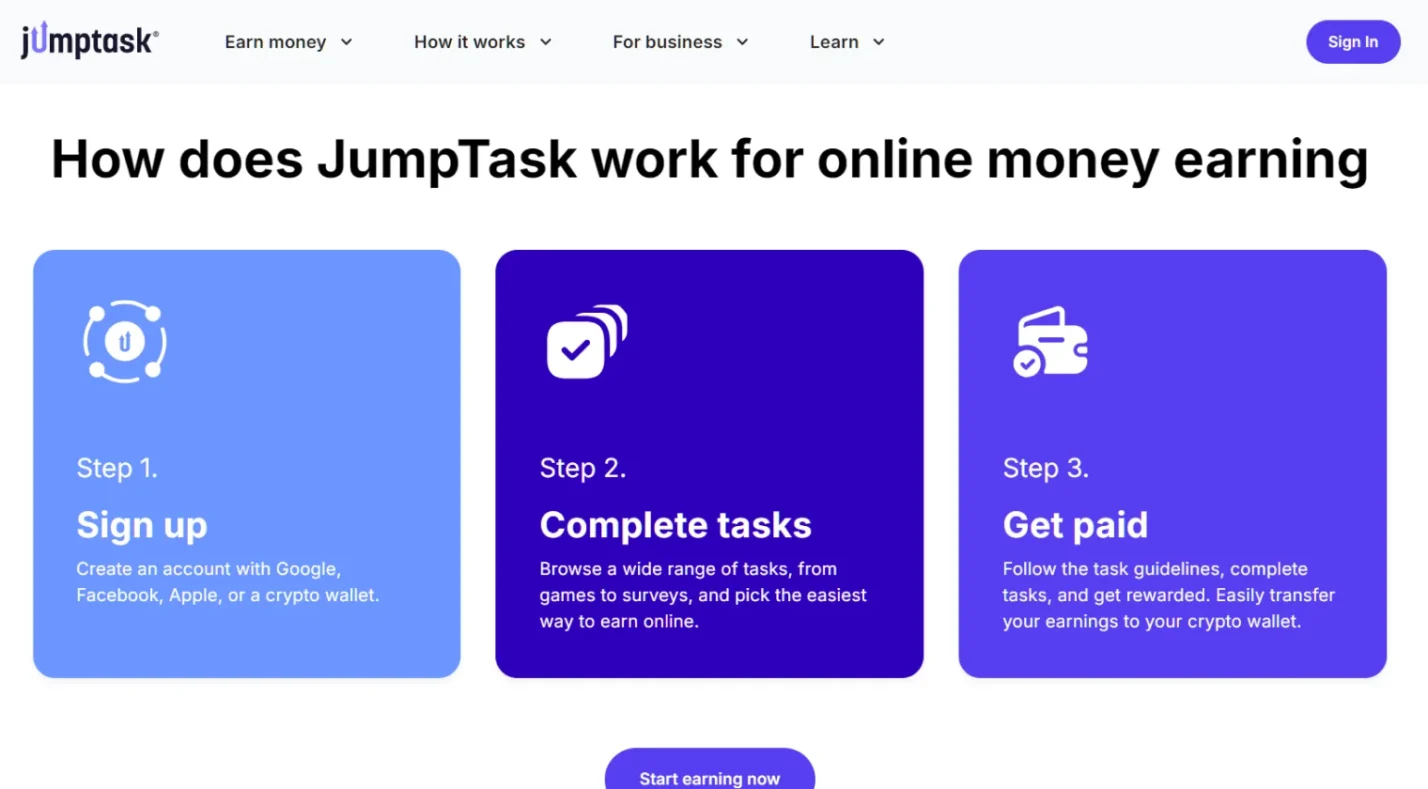
Following a systematic approach maximizes your success as a product tester. These six steps provide a clear roadmap from registration through receiving your first payments.
Step 1: Choose Your Testing Platforms
Registering with multiple legitimate product testing sites dramatically increases available opportunities since no single platform has unlimited tests. Platforms like JumpTask, UserTesting, and Swagbucks represent established sites with proven payment histories and millions of satisfied users.
Research each platform’s reviews and reputation before providing personal information. Check Trustpilot ratings, read user experiences on Reddit, and verify Better Business Bureau accreditation. Different platforms specialize in different product categories, so selecting diverse sites matches various interests.
Some platforms focus on beauty and personal care products, while others emphasize electronics, household items, or food testing. Creating accounts across multiple categories ensures consistent test availability regardless of seasonal demand fluctuations. Track your registrations in a spreadsheet to manage logins and monitor which platforms send the most opportunities.
Step 2: Complete Your Profile
Detailed, honest profile information significantly increases selection chances for product tests. Companies use demographic data including age, gender, location, household income, family composition, and purchasing habits to match testers with appropriate products.
Fill out all optional profile fields beyond basic requirements. Information about hobbies, interests, shopping preferences, and lifestyle choices helps platforms match you with relevant tests. The more complete your profile, the more test invitations you receive from companies seeking your specific demographic.
Update your profile periodically as circumstances change. Moving to a new location, starting a family, or changing employment can affect your demographic match for different product categories. Honest information ensures you receive tests you can actually complete, building your reputation as a reliable tester.
Step 3: Pass the Screening Process
Most platforms require a practice test or initial survey to verify you’re a legitimate tester. This screening is quick and free, typically taking 5 to 10 minutes to complete. Platforms use this process to verify you’re a real person, not a bot or scammer attempting to exploit the system.
Answer screening questions honestly and carefully. Inconsistent or rushed answers may result in rejection. Platforms track response times and answer patterns to identify low-quality applicants. Taking your time demonstrates seriousness about participating as a tester.
Approval typically happens within three to seven days after completing screening requirements. Some platforms provide instant approval, while others manually review applications to maintain quality standards. Check your email regularly for approval notifications and next steps.
Step 4: Browse Available Tests
Once approved, you can browse available product testing opportunities through your dashboard. Tests display payment amounts upfront, along with estimated completion times, product categories, and qualification requirements. This transparency helps you select opportunities matching your schedule and interests.
New tests appear regularly, sometimes multiple times daily. Set up notifications through email or mobile apps to receive alerts when new opportunities match your profile. Popular tests fill quickly, especially those with higher payouts or desirable products.
Select tests matching your genuine interests and available time. Attempting tests outside your expertise or rushing through products you don’t understand produces poor feedback and damages your reputation. Quality participation leads to more invitations than quantity-focused approaches.
Step 5: Complete Your Test
The testing process requires using products according to specific instructions, taking detailed notes about your experience, and submitting comprehensive feedback through surveys or written reviews. Follow instructions carefully since companies depend on consistent testing protocols across all participants.
Use products in realistic scenarios matching your actual lifestyle. Companies want authentic reactions from normal usage, not contrived situations or exaggerated responses. Document both positive aspects and areas needing improvement with specific examples supporting your opinions.
Testing timelines vary dramatically by product type. Food items might require a single use, while skincare products need weeks of consistent application. Electronics tests often specify minimum usage hours. Meeting timeline requirements ensures payment and future test invitations.
Step 6: Get Paid
Payment typically arrives 14 to 30 days after submitting completed feedback, though some platforms process payments faster. This delay allows companies to verify feedback quality and aggregate results from multiple testers before releasing compensation.
Payment methods include PayPal transfers, gift cards, direct bank deposits, or platform-specific currency convertible to cash or prizes. Select your preferred method during profile setup to streamline payments. PayPal remains the most popular choice for its speed and flexibility.
Track your pending payments and expected dates in your spreadsheet. Contact platform support if payments don’t arrive within stated timeframes. Legitimate platforms resolve payment issues quickly when testers provide documentation of completed tests.
Best Legitimate Product Testing Platforms
Several established platforms consistently provide genuine testing opportunities with reliable payments. These platforms have proven track records spanning years or decades of operation.
Swagbucks
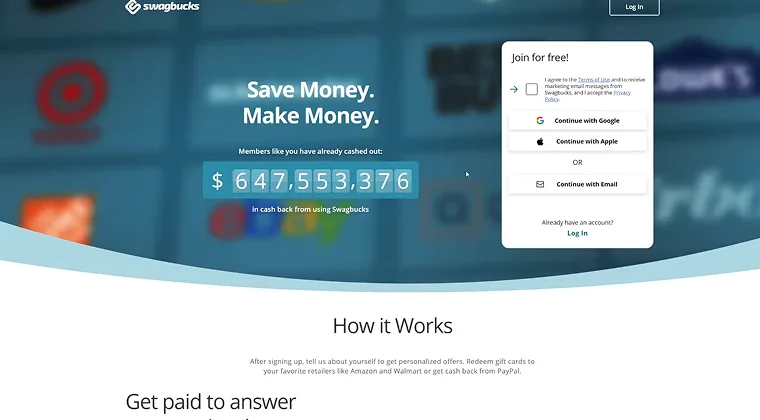
Swagbucks combines product testing with surveys, shopping rewards, and other earning activities into a comprehensive rewards platform. Testers earn points convertible to cash through PayPal or gift cards from major retailers including Amazon, Walmart, and Target.
The platform provides free sample boxes and structured product testing opportunities from recognizable brands. Companies partner with Swagbucks because its extensive user base ensures rapid feedback collection. Testers can choose from beauty products, household items, food samples, and more.
Points accumulation happens through multiple activities beyond product testing, creating diverse earning opportunities. The minimum cashout threshold is reasonable at $3 to $25 depending on redemption method. Swagbucks has paid out over $600 million to users since launching, demonstrating long-term reliability and commitment to member compensation.
JumpTask
JumpTask operates as a user-friendly microtask platform featuring product testing alongside other earning opportunities like data labeling, surveys, and app testing. The platform boasts millions of registered users and maintains consistent, timely payouts.
Testers can earn $2 to $10+ per test depending on product complexity and required feedback depth. Simple surveys pay at the lower end, while comprehensive product evaluations command higher rates. The platform clearly displays payment amounts before you commit to tests.
JumpTask provides diverse product categories ensuring regular opportunities regardless of your demographic profile. The interface simplifies finding relevant tests and tracking your earnings. Payments process through multiple methods including cryptocurrency, adding flexibility for tech-savvy users.
UserTesting
UserTesting focuses primarily on website and app testing but includes physical product feedback in its opportunities. Tests typically pay $10 per completed session and take approximately 20 minutes, creating an attractive hourly rate compared to many gig economy options.
The platform has operated for over a decade, building a strong reputation among both testers and companies seeking feedback. Millions of tests have been completed through the system, with consistent positive reviews from participants regarding payment reliability.
Payments arrive exclusively through PayPal, usually within seven days after test completion. The platform requires a microphone and occasionally webcam since many tests involve recording your reactions and thoughts while using products or navigating websites.
Amazon Vine
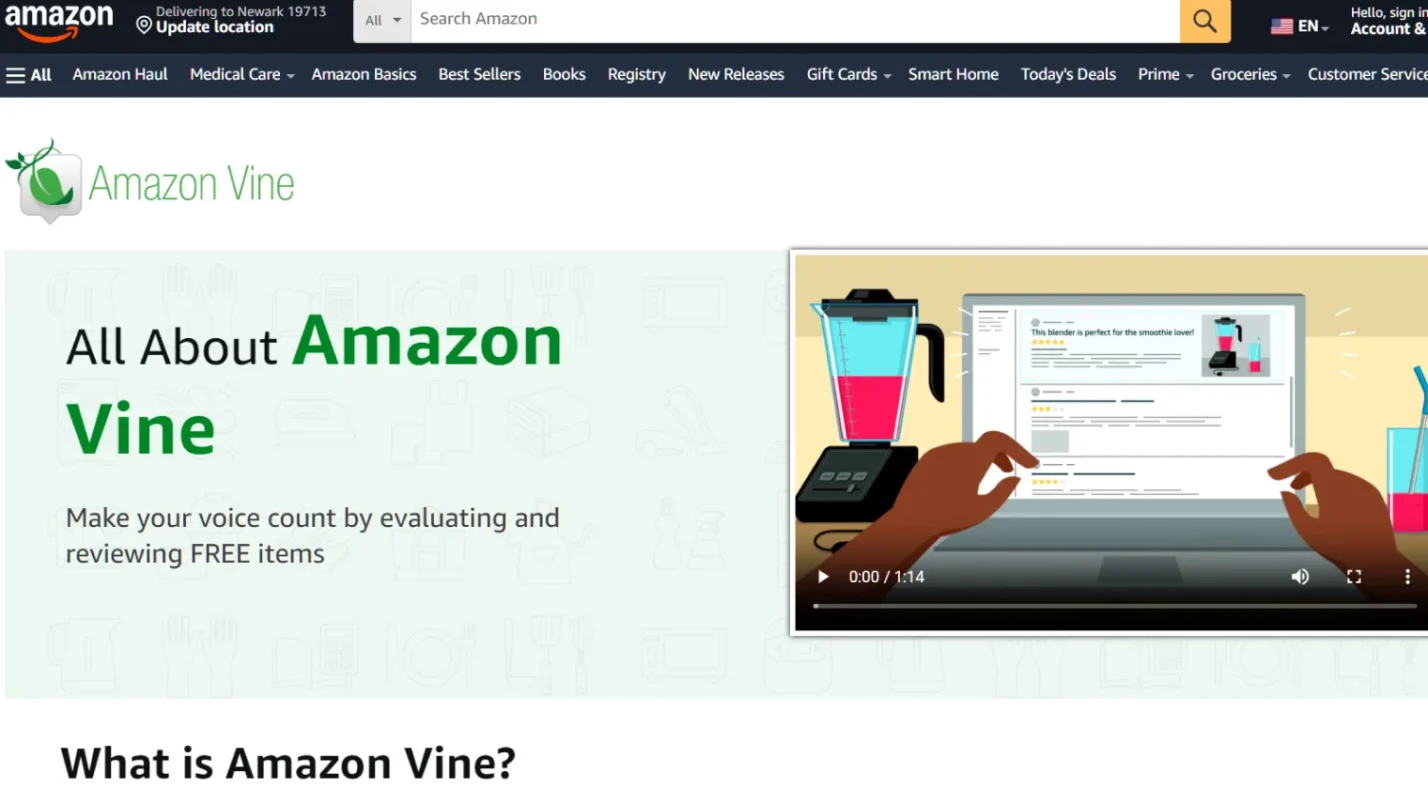
Amazon Vine functions as an invite-only program exclusively for experienced Amazon reviewers with established helpfulness ratings. Selected testers receive free products directly from participating vendors in exchange for honest, unbiased reviews posted on Amazon product pages.
This program particularly interests readers exploring how to get paid for Amazon reviews, though compensation comes as free merchandise rather than direct cash payments. Products range from electronics to books to household items, with values from $10 to $1,000+ for premium items.
Vine membership comes by invitation based on your existing Amazon review history and helpfulness votes. Amazon monitors Vine reviews carefully, and members providing low-quality or biased feedback lose access. The program requires consistent participation and thorough reviews maintaining Amazon’s quality standards.
Types of Products You Can Test
Product testing opportunities span virtually every consumer category, allowing you to focus on items matching your genuine interests and expertise.
Beauty and personal care testing includes skincare products, makeup, hair care items, deodorants, and grooming accessories. This category ranks among the most popular for testing, particularly attracting female testers though male grooming products create opportunities for all demographics. Tests typically require weeks of consistent use to evaluate effectiveness and potential adverse reactions.
Household products encompass cleaning supplies, laundry detergents, kitchen items, small appliances, and organizational solutions. These tests involve practical, real-world usage in your actual home environment. Companies want feedback on cleaning effectiveness, scent preferences, ease of use, and value compared to existing products.
Food and beverage testing covers snacks, coffee, energy drinks, specialty food items, and meal replacement products. Taste tests are among the quickest opportunities, often requiring just minutes to complete. Payments range from $0.20 to $5 per test depending on the product and feedback requirements.
Electronics and gadget testing involves tech accessories, smart home devices, wearables, and consumer electronics. These tests may require longer evaluation periods from several weeks to months for products like fitness trackers that need sustained usage to provide meaningful feedback. Higher-value products typically pay more but have stricter selection criteria.
Fitness and sports equipment testing includes athletic wear, fitness trackers, sports accessories, and workout equipment. These tests often require specific usage metrics like miles run, workouts completed, or hours worn. Active testers who regularly exercise find abundant opportunities in this category.
Fashion and apparel testing covers clothing, footwear, and accessories from various brands ranging from budget to premium. Fit and comfort feedback proves particularly valuable to companies since sizing and quality issues drive returns. Testers often keep clothing items after providing feedback, creating substantial value.
The variety of available products means testers can choose categories matching their interests and lifestyle. Focusing on areas you already use and understand produces better feedback quality and increases selection chances. Understanding the diverse options when you test products for Amazon and get paid or through other platforms helps you target the most rewarding opportunities.
How Much Can You Earn Testing Products?

Realistic earning expectations help you evaluate whether product testing fits your financial goals and time availability.
Casual testers completing occasional tests earn $50 to $200 per month. This level requires testing 10 to 20 products monthly at varying payment rates from $2 to $15 per test. Casual testing works well for supplemental income without significant time commitment. One or two hours weekly maintains this earning level.
Active testers registering with multiple platforms and responding quickly to opportunities earn $200 to $500+ per month. This requires consistent participation and quick responses when new tests appear. Active testers often complete 30 to 50 tests monthly across various platforms and product categories. Dedicating five to 10 hours weekly supports this income level.
Several factors significantly affect actual earnings. Product type matters enormously since longer, more complex tests pay substantially more than quick surveys. Electronics evaluations requiring weeks of usage might pay $30 to $50, while five-minute taste tests pay $1 to $5.
Demographic match affects selection frequency. Testers in high-demand demographics receive more invitations than those in oversaturated groups. Age, location, household composition, and income level all influence match rates. Platform selection impacts earnings since different sites have different payment structures and test availability.
Consistency proves critical for long-term earnings. Regular participation leads to more test invitations as platforms recognize reliable testers. Building a reputation for quality feedback increases access to higher-paying opportunities and early invitations to exclusive tests.
Product testing is not a get-rich-quick scheme. Earnings are typically modest but consistent for active participants willing to invest time and effort. The added value of keeping tested products should factor into total benefit calculations. A $10 test that leaves you with a $30 product you actually use creates $40 in total value.
Understanding realistic potential when you make money testing products or make money reviewing products helps set appropriate expectations and prevents disappointment.
Common Concerns About Product Testing Legitimacy
Addressing common fears and misconceptions helps new testers confidently begin their product testing journey.
Legitimate product testing sites never charge upfront fees. Free registration is standard across all reputable platforms. Any site requesting payment to join, access test opportunities, or receive products is running a scam. Walk away immediately from such situations.
Personal information safety concerns are valid and should be taken seriously. Established platforms use secure data encryption and comprehensive privacy protections meeting industry standards. Reputable sites never sell personal data to third parties without explicit consent. Check privacy policies before signing up to understand data usage.
Using a dedicated email address adds security by separating testing activities from personal communications. Avoid sharing sensitive financial information beyond payment processing requirements. Legitimate platforms only need PayPal emails or similar payment details, never full bank account numbers or credit card information.
These sites are genuinely legitimate when you choose established platforms. User reviews on Trustpilot and similar sites verify reliability across thousands of real user experiences. Platforms operating for years with millions of users demonstrate long-term viability and trustworthiness.
Transparency about processes and payment methods indicates legitimate operations. Scam sites use vague language and avoid specific details about how testing and payments work. Legitimate platforms clearly explain every step from registration through payment receipt.
Avoiding scams requires recognizing common warning signs. Requests for upfront payment signal scams immediately. Guaranteed earnings promises are unrealistic since test availability varies by demographic match.
Pressure to recruit others indicates pyramid schemes rather than legitimate testing. Research sites thoroughly before signup by reading recent reviews and checking Better Business Bureau ratings.
Start with well-known platforms before trying newer sites. Swagbucks, UserTesting, and similar established names have proven track records. Once comfortable with the process through major platforms, you can explore smaller sites that might target specific niches.
Exploring legitimate opportunities extends beyond product testing into areas like [testing games for money] and other digital product evaluation opportunities that follow similar verification protocols.
Tips for Maximizing Your Product Testing Earnings
Strategic approaches significantly increase your monthly earnings from product testing activities.
Register with multiple platforms simultaneously to maximize available opportunities since no single site has unlimited tests. Maintaining accounts across five to ten platforms ensures consistent test availability throughout each month. Use a spreadsheet tracking your registrations, login credentials, and preferred contact methods for each platform.
Complete your profile thoroughly on every platform since detailed profiles increase selection chances dramatically. Honest demographic information improves matching accuracy to products seeking your specific profile. Include information about household composition, purchasing habits, hobbies, interests, and lifestyle choices beyond basic requirements.
Respond quickly to test opportunities since popular tests fill within hours or even minutes of posting. Set up email notifications or enable push alerts through mobile apps to receive immediate notice of new opportunities. Check your accounts daily if possible, particularly during peak posting times in early mornings or evenings.
Provide detailed, honest feedback in every test you complete. Companies value thorough, constructive reviews that identify both strengths and weaknesses with specific examples. Quality feedback leads to more future invitations as platforms recognize reliable testers who help companies make meaningful improvements.
Test products you genuinely use and understand in your regular life. Authentic usage produces better feedback and more natural reviews than forcing yourself to evaluate products outside your interest areas. Companies detect generic or superficial feedback quickly, which damages your reputation and reduces future opportunities.
Track your testing activity comprehensively in a dedicated spreadsheet. Record tests completed, earnings, payment dates, pending payments, and platform performance. Note which platforms provide the best opportunities for your specific profile and prioritize those sites when multiple opportunities become available simultaneously.
Product Testing vs. Free Sample Programs: What’s the Difference?
Understanding the distinction between paid product testing and free sample programs helps you choose opportunities matching your goals.
Paid Product Testing
Testers receive cash payment in addition to keeping free products after completing evaluations. Structured feedback through detailed surveys or written reviews is required according to specific guidelines and timelines. Companies pay for your time and insights beyond simply distributing products.
Tests include specific instructions about usage frequency, duration, and conditions. You might need to use a skincare product twice daily for four weeks, or test electronics for minimum specified hours. Payment arrives after submitting completed feedback, typically within two to four weeks depending on platform processing times.
This model represents the primary focus of this article since it generates actual income rather than just free merchandise. Platforms clearly communicate payment amounts before you accept tests, allowing informed decisions about time investment.
Free Sample Programs
Programs like BzzAgent and Influenster provide free products primarily as compensation rather than cash payments. Social media sharing is often required as part of program terms, with participants expected to post about products on Instagram, Facebook, or other platforms.
These programs work well for influencers and active social media users who enjoy sharing product experiences with followers. The products themselves represent the value rather than supplemental cash payments. Some programs include small bonuses or rewards for particularly active participants.
Free sample programs complement paid testing by providing additional product access and variety. Many testers participate in both to maximize total value from testing activities. Social media requirements make these programs less suitable for private individuals preferring to keep product testing separate from personal online presence.
The phrase get paid to test products at home for free sometimes causes confusion. “Free” refers to no upfront cost to receive products, not free in the sense of unpaid work. Legitimate paid testing always compensates your time and effort beyond product value.
How Long Until You Start Earning?
Setting realistic timeline expectations prevents frustration and helps you plan your product testing journey effectively. Many successful home-based earners maintain diverse portfolios combining multiple top ways to make money from home sales rather than depending on single sources.
First Week: Registration and profile completion take one to two hours total across multiple platforms. Most platforms require basic information including name, email, address, demographic details, and interest categories. Approval typically happens within three to seven days as platforms verify your information and screen for quality.
Some platforms provide instant approval, allowing immediate access to available tests. Others manually review applications taking up to a week. Check your email regularly during this period for approval notifications and instructions.
First Month: New testers often receive two to five test invitations in their first month as platforms assess profile matches against available products. Completing these initial tests can generate $20 to $100 depending on product types and payment rates. Higher earnings correlate with more complete profiles and rapid responses to opportunities.
Selection depends heavily on demographic match and profile completeness. Popular demographics see more immediate opportunities while niche profiles might wait longer for perfect matches. Be patient during this initial period as platforms learn your preferences and reliability.
Ongoing Months: Consistent testers receive increasingly regular opportunities as they complete tests successfully and build positive reputations. Earnings increase substantially after establishing track records of quality feedback. Some platforms prioritize experienced testers with strong feedback histories for higher-paying or exclusive tests.
Monthly earnings stabilize and often grow over time as you refine your strategy, identify the most productive platforms, and develop efficient feedback processes. Understanding how to be a product tester successfully requires this patience during the initial establishment period.
Gamers interested in similar opportunities might explore whether you can really make money playing games on your phone through various platforms that follow comparable earning timelines.
Looking for Other Ways to Make Money From Home?
While getting paid to test products at home provides reliable supplementary income, combining multiple income streams significantly increases monthly earnings, particularly for gamers and tech-savvy users who enjoy exploring digital opportunities.
Money-making apps function as flexible options working well alongside product testing since they require minimal time commitment and fit around your existing schedule. These platforms complement product testing by filling downtime between tests or providing earning opportunities when test invitations slow.
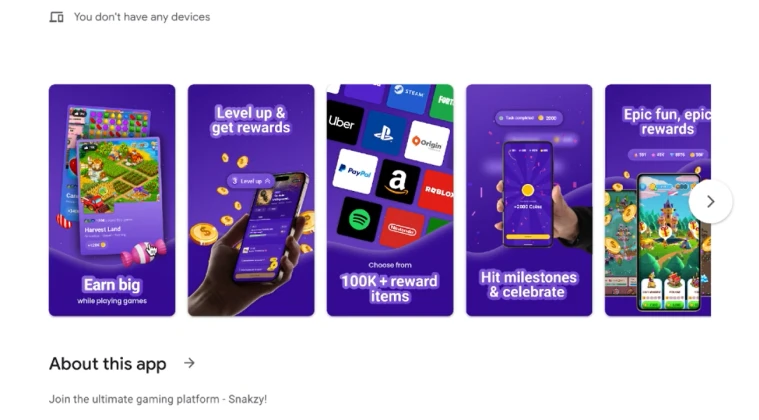
Playing games for real rewards on platforms like Snakzy lets users earn money by completing in-game challenges and tasks. The platform appeals to gamers who already spend time playing mobile games and want to monetize that entertainment time without changing their lifestyle.
Testing apps and digital products proves ideal for gamers who enjoy exploring new software, interfaces, and gaming experiences. Many platforms pay $5 to $15 for 20-minute app testing sessions that feel like natural activities for tech enthusiasts.
Completing microtasks and surveys provides quick, low-effort payouts perfect for filling spare moments throughout your day. Five minutes here and there accumulate into meaningful monthly earnings without significant time blocks.
Earning cashback and gift cards through shopping and reward-based apps turns necessary purchases into income opportunities. These platforms require no extra spending, simply redirecting purchases you already make through cashback portals.
Exploring comprehensive guides like best game apps to win real money helps identify additional legitimate platforms. Snakzy in particular appeals to gamers wanting to turn playtime into earning time without long commitments or complex requirements. The straightforward earning structure and game variety keep the experience engaging rather than feeling like work.
Stacking product testing with gaming and reward apps creates a more balanced, flexible work-from-home income strategy. Diversification ensures consistent earnings even when individual platforms experience temporary slowdowns in opportunity availability.
Play games and get paid with Snakzy.

Start Testing Products and Earning Today
There are various methods to earn money online other than through playing games. Getting paid to test products at home, in particular, represents a legitimate, accessible income opportunity requiring no special skills, experience, or upfront investment.
The key steps are straightforward: register with multiple reputable platforms, complete detailed demographic profiles, respond promptly to test opportunities, and provide quality, honest feedback consistently.
While earnings are modest compared to full-time employment, the combination of cash payments and free products provides real value for time invested. Starting with well-established platforms like Swagbucks and UserTesting minimizes risks and ensures positive initial experiences.
Product testing works exceptionally well as a flexible side hustle or supplemental income fitting around existing work schedules, family commitments, or other activities. The ability to choose which tests to accept and when to complete them creates freedom uncommon in traditional gig economy work.
Consistency and honesty lead directly to more opportunities and higher earnings over time. Platforms reward reliable testers who complete assignments thoroughly and submit feedback meeting quality standards. Building this reputation opens access to exclusive, higher-paying tests unavailable to casual participants.
You can get paid to test products at home with minimal effort and achieve real results by participating actively and strategically. Take immediate action by registering with your first platform today. The sooner you start, the sooner you begin earning and building your reputation as a trusted product tester.
FAQs
Register with legitimate platforms like Swagbucks or UserTesting, complete your demographic profile, respond to test invitations, evaluate products following instructions, and submit feedback. Payment arrives via PayPal or gift cards.
Yes, when using established platforms with verified track records. Legitimate sites never charge fees, use secure data protection, and have positive reviews on Trustpilot. Avoid sites requesting upfront payments.
Casual testers earn $50 to $200 monthly, while active testers participating across multiple platforms earn $200 to $500+ monthly. Earnings depend on demographic match, platform selection, and consistency.
Beauty and personal care, household products, food and beverages, electronics, fitness equipment, and fashion apparel. Product variety allows focusing on categories matching your interests and lifestyle.
Never pay upfront fees, research platforms on review sites before joining, check Better Business Bureau ratings, and start with established names like Swagbucks. Legitimate sites are transparent about processes.
Product testing is typically gig work rather than traditional employment. Legitimate platforms connect testers with opportunities, but this represents freelance contract work with flexible participation rather than formal employment.
Join Amazon Vine by building a strong review history with helpful ratings. The program is invite-only. Alternatively, use platforms like JumpTask that include Amazon product testing opportunities with cash payment.