


How To Become a Voice Actor: Tools and Steps for 2026

Eneba Hub contains affiliate links, which means we may earn a small commission if you make a purchase through them—at no extra cost to you. Learn more


Recent update
Start with Udemy for beginner voice acting training covering performance, home recording, demos, and finding work.
Learning how to become a voice actor starts with developing your acting skills and getting comfortable behind a microphone. With a median hourly wage of $29.05 for the broader acting profession, voice acting can be an appealing creative career, although actual earnings vary significantly. Building experience through regular practice is essential before pursuing professional auditions.
You can begin with something as simple as recording a short script on your phone. Listen to your performance and pay attention to how naturally you communicate the character’s emotions. As your confidence grows, you can experiment with different scripts and gradually develop your own vocal style.
This guide covers the qualifications and equipment you’ll need, along with salary expectations and recommended courses. You’ll also discover practical steps to build your first demo and prepare for auditions, so you can approach how to become a voice actor with a clearer understanding of the profession.
Jump to:
What Is a Voice Actor?
A voice actor uses recorded speech to portray characters or communicate a message in commercials, animation, games, audiobooks, and narration. Becoming a voice actor requires the ability to bring scripts to life through natural and convincing vocal performances.
Voice acting jobs can take place in professional studios or home recording setups, and many auditions can be completed remotely.. To become a voice actor, you need to handle both performance direction and the practical demands of recording.
What Does a Voice Actor Do?
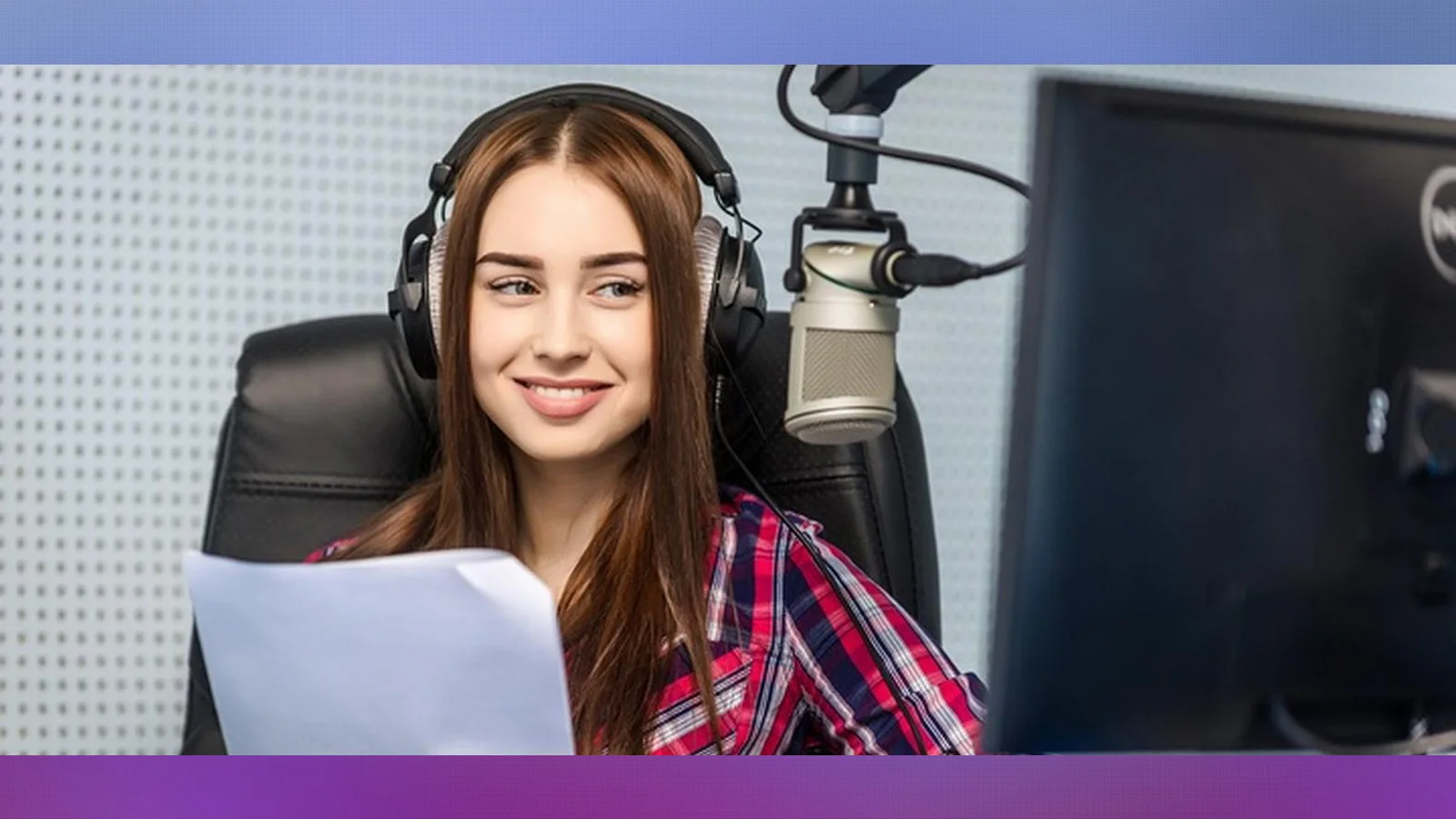
A voice actor interprets a script, performs it on microphone, and adjusts the read to a director’s instructions. The job also involves preparing for each role and managing the practical responsibilities that come with professional voice work.
Here are some of the main responsibilities you’ll encounter as a voice actor:
- Auditioning: Read the casting brief, prepare suitable takes, and submit files in the requested format. Voice acting jobs may call for conversational narration, restrained character work, or a more energetic commercial read.
- Researching characters: For game characters, consider the situation behind each line and how the character wants others to respond.
- Preparing the voice: Warm up gently, stay hydrated, and avoid forcing sounds that cause discomfort. Practice character voices at a comfortable intensity so you can maintain a consistent performance throughout the session.
- Recording and self-directing: Listen for room noise, unclear words, and changes in microphone distance. Learning how to become a voice actor at home also means noticing when a technically clean take lacks believable intent.
- Marketing samples: Choose demo samples that reflect the voice acting jobs you’re interested in, so potential clients can easily assess your abilities.
- Managing bookings: Clarify deadlines, revisions, payment, and permitted uses of the recording. Keep track of auditions and invoices alongside client communication.
Voice actors often spend considerable time preparing auditions and managing client work between paid recording sessions. Anyone aiming to become a voice actor should budget attention for that unpaid work.
Roles in Voice Acting
The main tracks include commercial work, animation, audiobook narration, and video game performance. Focusing on one type of voice acting early on can help you develop the skills needed for that particular role.
Each voice acting role requires a slightly different approach to performance and recording:
|
Role |
What You’d Do |
Technical Depth |
First Portfolio Piece |
|---|---|---|---|
|
Commercial voice actor |
Interpret ads and brand messages |
Clean recordings and precise pacing |
A mock commercial |
|
Character and animation voice actor |
Create consistent character performances |
Repeatable voices and emotional range |
A focused character reel |
|
Audiobook narrator |
Sustain narration across a book |
Long-form consistency and careful editing |
A narrated chapter sample |
|
Video game voice actor |
Perform dialogue and short gameplay reactions |
Continuity across fragmented scripts |
An original game-character scene |
Short commercial scripts or character dialogue are great starting points for developing your performance skills.

A beginner course can show you how to learn voice acting by connecting these performance choices with studio setup and marketing.
Pros and Cons of Becoming a Voice Actor
A voice acting career can be rewarding, although work opportunities and income may vary considerably. The practical question is how comfortably you can combine performance training with ongoing auditions and business administration.
Here are the main advantages and challenges to consider before pursuing voice acting professionally:
| Pros | Cons |
|---|---|
| ✅ Creative variety – explore commercials, games, animation, or narration. ✅ Remote practice – record and review auditions at home. ✅ Flexible training route – build skills through classes and guided practice. ✅ Visible progress – compare recordings to hear changes in pacing and clarity. | ❌ Uneven workload – gaps between bookings complicate income planning. ❌ Unpaid preparation – auditions, marketing, and practice take time without a booking guarantee. |
Voice acting is best suited to people who can stay motivated and continue improving their skills, even when auditions don’t lead to paid work. Keep a dependable source of income while assessing how voice acting jobs fit your circumstances.
Voice Actor Qualifications
A degree is not a universal entry requirement to become a voice actor. Strong acting skills and professional-quality recordings can help demonstrate your abilities to potential clients, especially when you can respond well to direction.
These qualifications provide a practical framework for choosing how to learn voice acting:
- Education: Performing-arts classes can help with script interpretation and listening. Compare teaching methods and opportunities to perform before choosing a formal program. This career path requires practice applying the material, regardless of the qualification’s title.
- Alternative paths: Combine voice acting classes with recorded exercises and feedback. Self-paced study gives you material to practice, while a coach or workshop can expose habits you miss when listening on your own.
- Portfolio and experience: Prepare a demo reel: a short selection of performance samples aimed at a particular market. To become a voice actor for games, show believable character choices and continuity between emotional states.
- Certificates: Be a Voice Actor: Making a Living with Your Voice on Udemy awards a course completion certificate, not an industry certification. Use the training to improve your samples and explain what you practiced.
- Professional skills: Follow directions, communicate clearly, and submit organized files. Becoming a voice actor also requires enough self-editing discipline to recognize when another take would improve the performance.
A strong demo reel is one of the most important ways to show potential clients what you’re capable of. A polished sample helps a client assess your fit, but it should feature performances you can reproduce during a directed session.
A strong training plan also protects your budget. Before purchasing more voice acting classes, decide what needs work: unclear speech, rushed pacing, weak character intent, or noisy recordings. Targeted feedback on how to learn voice acting is more useful than repeatedly buying general introductions.
If you’re researching how to become a voice actor without a degree, focus on developing practical skills that you can demonstrate through your work. Assess your progress through finished samples and your ability to apply direction.
Gear and Software You Need To Start Recording
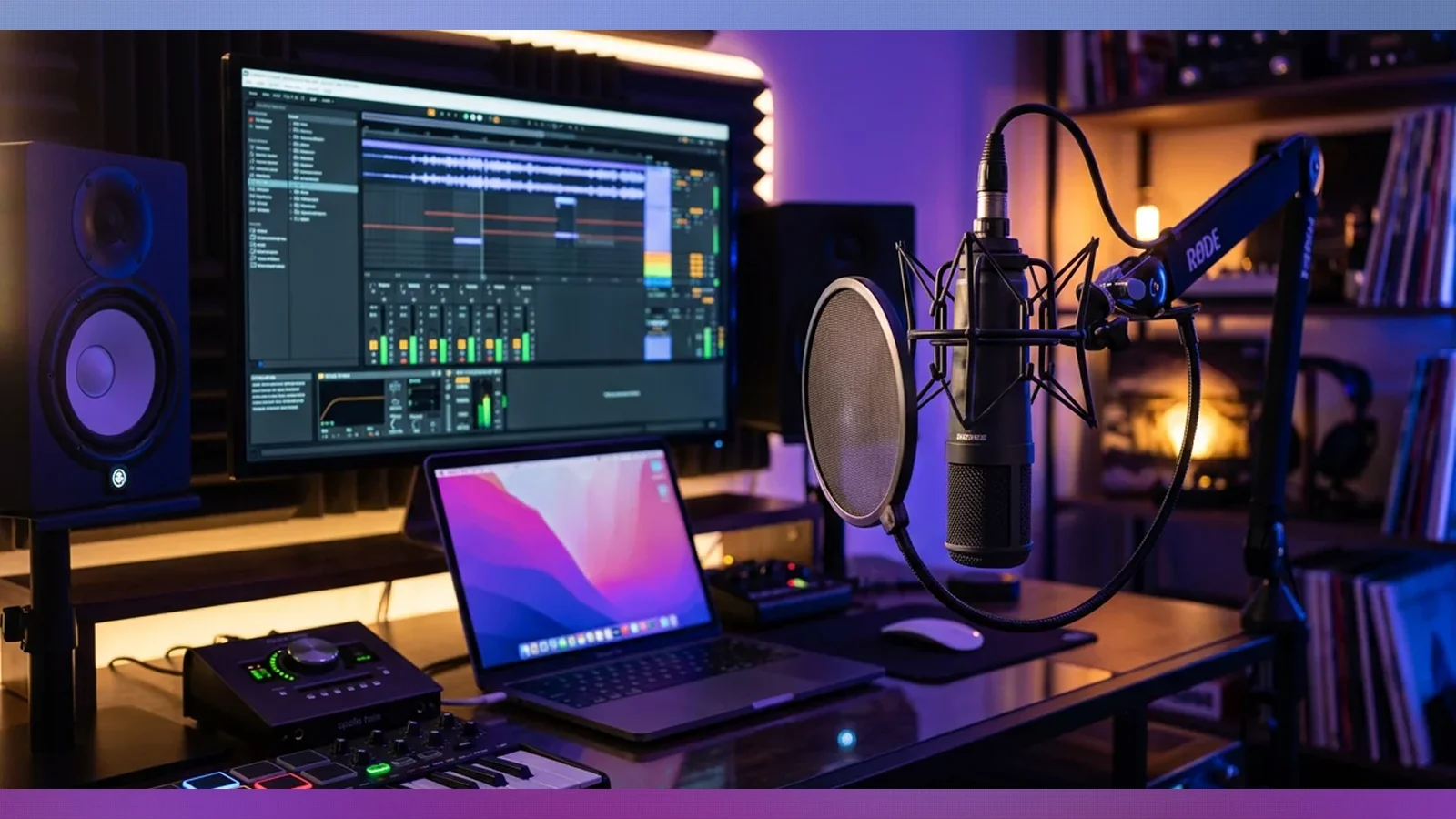
A quiet recording space and reliable equipment are essential for producing clear voice recordings at home. Becoming a voice actor at home means learning to hear room reflections and recording faults before upgrading equipment.
Voiceover educator Erikka J gives the following approximate equipment prices. These are individual-item estimates, not a complete studio budget.
|
Tool |
Best For |
Approximate Equipment Price |
|---|---|---|
 MOTU M2 |
Starter audio interface |
Around $200 |
 Audient iD4 |
Single-microphone interface setup |
Around $200 |
 SSL 2 |
An alternative starter interface |
Around $250 |
 Synco D2 |
Shotgun microphone option |
Around $200 |
The interfaces are alternatives, while the Synco D2 is a microphone. Learn microphone placement, recording levels, and basic editing in your chosen software first. Focus on developing a consistent recording process as you learn how to become a voice actor, and upgrade your equipment as your needs grow.
Salary and Career Progression
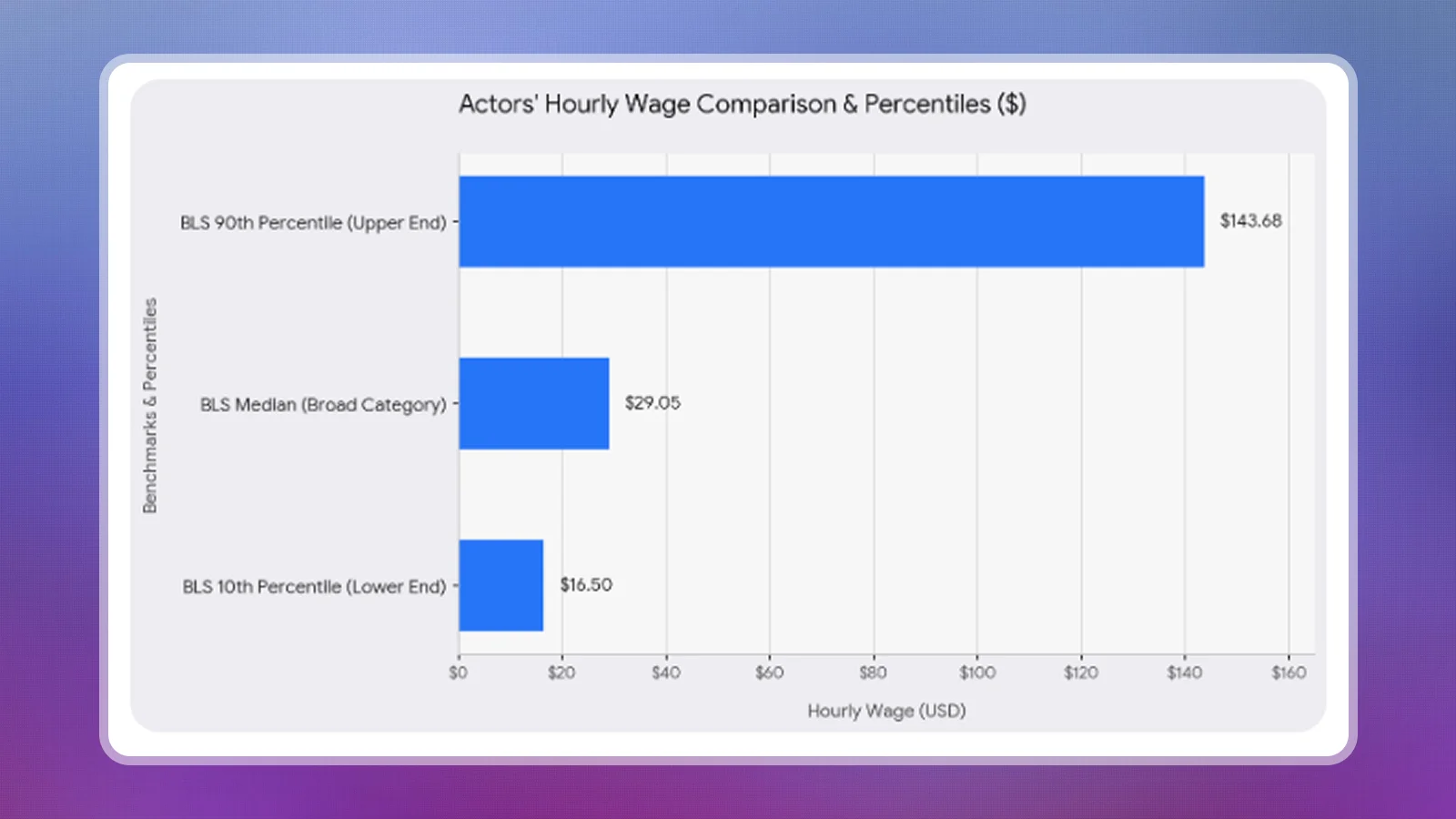
Voice acting earnings can vary considerably depending on experience and the type of projects you work on. The U.S. Bureau of Labor Statistics reports a median hourly wage of $29.05 in May 2025 for actors, the occupation that includes voice work.
Here’s a closer look at the reported hourly earnings across the broader acting profession:
- Lower end: BLS reports that 10% of actors earned under $16.50 per hour.
- Median: The midpoint covers the occupation as a whole.
- Upper end: BLS reports that 10% of actors earned over $143.68 per hour.
These figures represent the broader acting profession, so actual earnings for voice acting jobs may differ depending on the role and employer. An hourly recording rate also needs to be considered alongside unpaid preparation and gaps between bookings.
As you gain experience, you may secure more repeat clients or explore specialized voice acting roles that match your strengths. To become a voice actor with sustainable finances, track earnings against the full time and expense involved.
How To Become a Voice Actor: A Step-by-Step Guide
Build performance skills before expanding your recording budget, then develop samples and audition consistently. Learning how to become a voice actor involves regular practice and reviewing your recordings to identify areas for improvement.
Step 1: Learn the Fundamentals of Voice Acting
Take beginner voice acting classes that cover script interpretation and purposeful performance. Before experimenting with different voices, take time to understand the character’s intentions and the audience they’re speaking to.
The Recommended Courses section compares suitable introductions. To become a voice actor, apply each lesson to a fresh script and record the result. Try performing the same line with different emotions to see how your interpretation changes its meaning.
Step 2: Set Up a Basic Home Studio
Choose a quiet space and test it before buying an interface or microphone. Check for background noise and room echoes that could affect the clarity of your recordings.
Learn how your recording software captures, trims, and exports audio. Once you’ve found recording settings that work well, keep them consistent across your sessions. Keep notes on microphone position and recording levels so your next session sounds consistent with the previous one. Make test recordings before submitting client work.
Step 3: Practice With Purposeful Scripts
Record commercial, character, and narration scripts to explore your strengths. For example, write a short scene featuring a game character and experiment with different emotional approaches to the dialogue.
A voice acting coach can help you identify areas for improvement and develop more focused practice habits. To become a voice actor, review intent and clarity alongside sound quality. Keep earlier recordings so you can hear which habits are improving and which need focused work.
Step 4: Build a Focused Demo Reel
Select your strongest performances for voice acting jobs in the lane you chose earlier. Combine your best recordings into a concise demo reel that highlights your vocal range and performance abilities.
Use original scripts or material you have permission to record, and label practice work accurately. Your demo reel should accurately reflect the performances you can reproduce during professional recording sessions. Ask for feedback before paying for professional demo production, since a demo should reflect a performance you can repeat when a client directs you.
Step 5: Start Auditioning for Voice Acting Jobs
Read casting notices carefully and submit only when your performance and recording setup fit the brief. Follow the submission guidelines carefully and maintain a record of your auditions to track your progress.
To become a voice actor professionally, clarify compensation, revisions, deadlines, and usage rights before accepting work. Make sure the agreement clearly states if your recordings can be used for AI voice cloning or model training. Early projects still deserve clear terms about payment deadlines and how the recording may be reused.
Step 6: Keep Training and Refine Your Samples
Consider additional voice acting classes when you identify a particular skill that needs improvement. Feedback from auditions and directed sessions can help you choose exercises with a clear purpose.
Developing a voice acting career requires consistent practice and a willingness to refine your performance over time. Replace weaker demo material as your performance improves, and maintain the recording process you already learned. If you are still deciding how to learn voice acting, choose the next lesson based on what your recordings reveal.
Recommended Courses: Voice Acting Classes
Look for voice acting courses that focus on the skills you want to improve. Becoming a voice actor requires performance practice alongside the home recording and editing skills introduced earlier.
Here are some recommended voice acting classes to consider based on your learning goals:
|
Course |
Provider |
What It Covers |
|---|---|---|
|
Be a Voice Actor: Making a Living with Your Voice |
 |
Voice selection, studio setup, demos, and marketing |
|
VOICE-OVER FOR BEGINNERS: how to get started in voice acting |
|
First steps into voiceover |
|
Voice Acting and Character Voices for Video Games and Animations |
|
Character performance for games and animation |
|
Complete Voice Acting Megacourse: Beginner to Expert |
|
Voice acting fundamentals |
|
Voice-Over Training: Record And Edit Voice Overs Like A Pro |
|
Recording and editing voiceovers |
According to Udemy, Be a Voice Actor: Making a Living with Your Voice contains 2.5 hours of on-demand video. Set aside additional practice time to apply what you’ve learned as you work toward becoming a voice actor.
Choose voice acting classes by curriculum and feedback opportunities. Regular recording practice will help you apply the techniques covered in your lessons and track your progress over time.
Careers Behind the Scenes Instead of Voice Acting
If you enjoy creative production but prefer working behind the scenes, several related careers are worth exploring. Becoming a voice actor can still help you understand scripts and collaborate with creative teams.
Here are some alternative career paths that use related creative skills:
- Producer or director: Coordinate creative decisions and production work. The trade-off is greater responsibility for people, schedules, and the finished project.
- Animator or visual effects artist: Build performances through images and movement. This path requires a separate visual portfolio and specialized software skills.
- Film or video editor: Shape recorded material into a coherent sequence. The work emphasizes editing judgment and sustained attention to detail.
The skills you develop while learning to become a voice actor can also be valuable in other creative roles. Script interpretation and careful listening remain useful, though each career requires additional training.
Final Verdict on How To Become a Voice Actor
Learning how to become a voice actor is worth exploring if you enjoy repeatable performance work and can handle auditions alongside self-promotion. The strongest beginner path starts with guidance on how to learn voice acting, feedback, and modest recording tests. Spend more when you understand the problem a purchase will solve.
Voice acting jobs can provide exciting creative opportunities, although inconsistent bookings may make it difficult to rely on them for steady income at first. Keep dependable work while assessing demand for your services, or explore production and editing if you prefer shaping recordings behind the scenes.
The key on how to become a voice actor is developing strong performance skills and building a demo reel that accurately represents your abilities. Choose training that improves your recordings and working habits. A course is useful when its lessons become skills a client can hear.
FAQs
Earnings depend on the bookings you secure and their contract terms. While learning how to become a voice actor, budget for unpaid practice and auditions. Compare each fee with the preparation, recording time, revisions, and usage rights involved.
The time it takes to become a voice actor depends on your experience and how consistently you practice. Focus on developing your performance skills and preparing a strong demo reel before pursuing professional auditions.
No, a degree is not a universal requirement to become a voice actor. Performing-arts training, voice acting classes, and focused practice can show you how to learn voice acting and help you develop the skills your samples need to show.
Yes, voice acting can be a great career in 2026 if you enjoy performing and are comfortable with unpredictable work opportunities. As you work to become a voice actor, expect to spend time auditioning and building professional relationships before securing consistent bookings.
Script interpretation, clear speech, consistent character choices, and responsiveness to direction are central. To become a voice actor at home, add basic recording, editing, and client communication skills.
Pay depends on the role, contract, recording work, and permitted use of the performance. Assess each offer’s full terms. Learning how to become a voice actor includes learning to evaluate compensation alongside those obligations.