


How to Organize Pokémon Cards


Learning how to organize Pokémon cards can transform a chaotic pile of cardboard into a well-structured collection you actually enjoy browsing. A good organization system does more than make your collection look neat; it protects your cards from damage, helps you track what you have, and makes trading or selling much easier.
The system you choose depends on your goals, whether you want to complete sets, build competitive decks, or simply admire your favorite pulls. In this guide, I will walk you through the most effective ways to sort and store your cards, the supplies you need, and the best practices that serious collectors follow.
Jump to:
Why Organizing Pokémon Cards Matters
The way you organize Pokémon cards directly affects how much enjoyment you get from your collection. Without a system, you waste time digging through piles every time you want to find a specific card. You might even forget what you own and accidentally buy duplicates.
Proper organization also protects your investment. Cards stored loosely in boxes can get scratched, bent, or damaged from moisture. When you organize your collection with the right supplies, you keep cards in better condition. This matters if you ever decide to sell, since condition dramatically affects value. A card graded PSA 10 can sell for many times more than the same card in played condition.
The organization also makes trading smoother. When someone asks if you have a specific card, you can locate it in seconds instead of rummaging through hundreds of cards. This efficiency builds your reputation in the collecting community and saves time at local events or online sales.
Types of Pokémon Card Organization
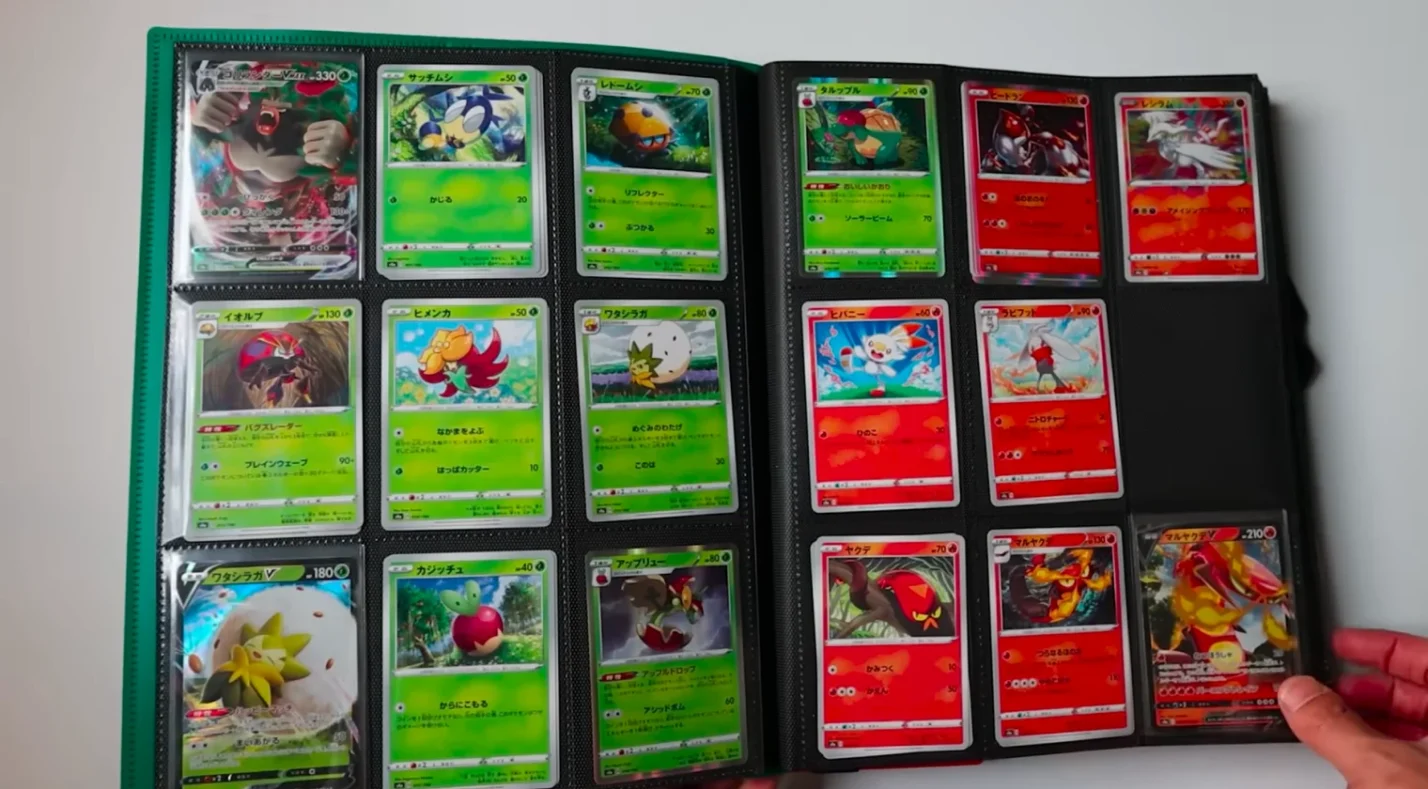
There is no single correct way to organize Pokémon cards. The best method depends on your collecting goals and how you interact with your collection. Here are the most common approaches, each with distinct advantages.
Organizing Pokémon Cards by Card Type
Sorting by elemental type groups all Fire, Water, Grass, Electric, and other types together. This method appeals to fans who have favorite types or want to build type-themed decks quickly.
I find this system helpful when I want to admire all my Charizards or compare different Water-type artwork across eras. The downside is that it does not account for set completion, so tracking missing cards from specific expansions becomes harder.
Organizing Pokémon Cards by Set Number
This method follows the official numbering system printed on each card. Every expansion has a set symbol and card numbers, making it easy to arrange cards in sequence. Collectors aiming to complete entire sets prefer this approach.
The advantage here is clear progress tracking. You can quickly see which numbers you need to finish a set. I keep a spreadsheet alongside my binders, so I know exactly what gaps remain. This system also preserves the visual flow that card designers intended when they created each expansion.
Organizing Pokémon Cards by Rarity
Rarity-based organization puts your most valuable cards front and center. You start with Secret Rares and Special Illustration Rares, then move through Ultra Rares, Holos, Reverse Holos, and finally common cards.
This system works well for collectors focused on value. Keeping high-value cards separate also makes sense for protection, since you can give those pages extra care. However, if you also enjoy browsing full sets or type-themed pages, rarity sorting breaks up those visual patterns. Many collectors combine rarity sorting with another method, keeping rare cards in a premium binder while sorting bulk by set or type.
Organizing Pokémon Cards by Name
Alphabetical sorting by Pokémon name creates a simple system anyone can follow. When you want to find all your Pikachu cards or every version of Gengar, they sit together regardless of set or era.
This approach suits smaller collections well, but becomes unwieldy as your collection grows. With thousands of cards, the alphabet system loses its speed advantage. I used this method early in my collecting journey before switching to set-based organization. If you want to understand the different Pokémon card types and rarities, that knowledge helps you decide which sorting method fits your goals.
Organizing Pokémon Cards by Illustrator
Some collectors focus on card artwork rather than gameplay or set completion. Organizing by illustrator lets you appreciate the unique styles of artists like Mitsuhiro Arita, Yusuke Ohmura, or the HYOGONOSUKE illustrations that have become fan favorites.
This niche approach requires research to identify artists, since illustrator credits appear in small text at the bottom of cards. The effort rewards you with a curated art gallery feel. I have a small section dedicated to my favorite illustrators, separate from my main collection, organized by set.
Essential Supplies for Pokémon Card Organization
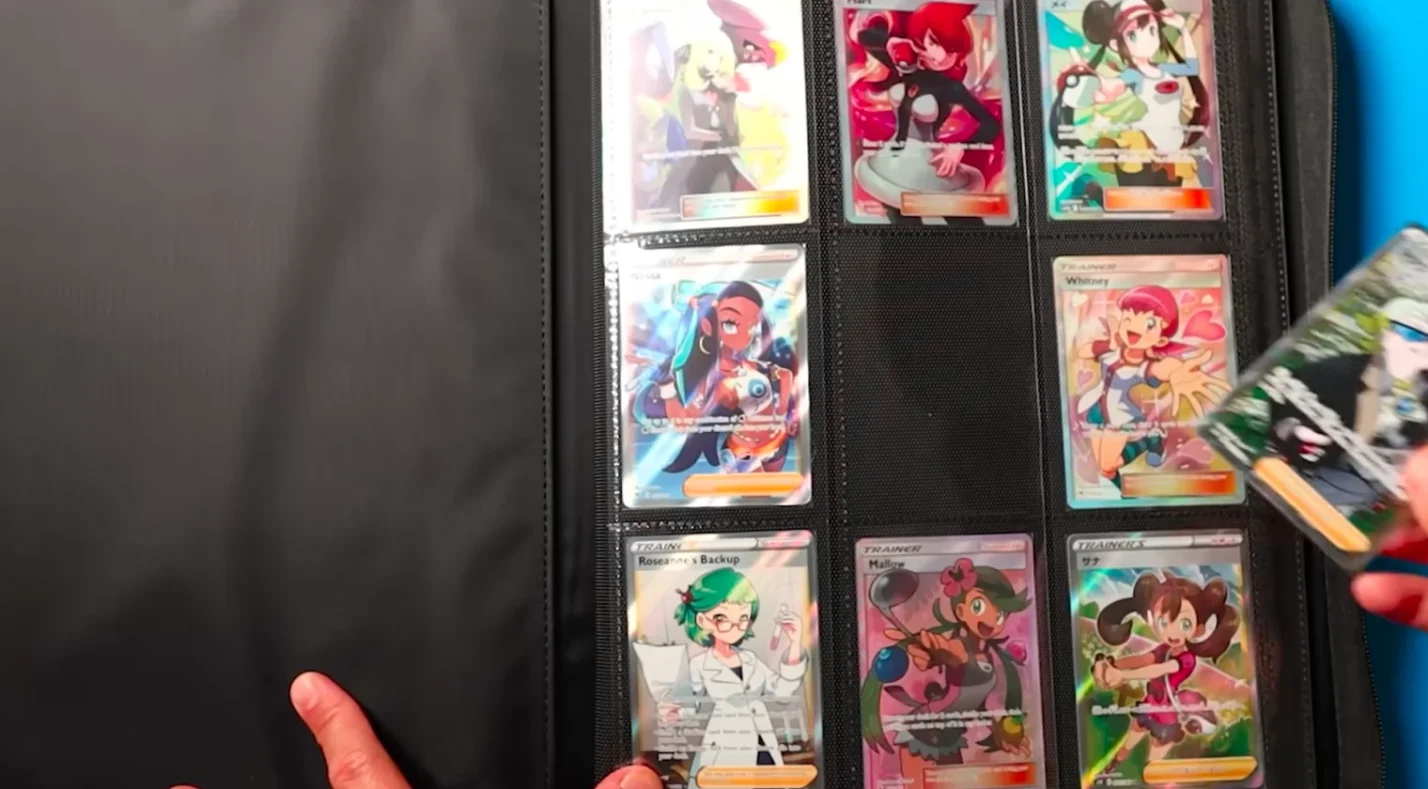
The supplies you choose determine how well your cards stay protected over time. Cheap materials can cause damage that reduces value, while quality supplies preserve your collection for years.
- Binders remain the most popular storage option for organized collections. Look for binders with D-ring mechanisms that prevent page warping and zippered closures that keep dust out. Side-loading pages offer better protection than top-loading versions since cards cannot slip out when you turn pages. If you want recommendations, our guide to the best binders for Pokémon cards covers top picks for every budget.
- Storage boxes work better for bulk cards that you do not need to display. Cardboard boxes designed for trading cards keep everything organized without taking up shelf space. Look for acid-free materials that will not damage cards over time. These boxes also make transporting cards to events much easier than carrying multiple binders.
- Card sleeves provide the first layer of protection against scratches and fingerprints. Penny sleeves cost almost nothing and should wrap every card before it goes into a binder pocket or toploader. For valuable cards, perfect-fit sleeves offer a tighter seal. Always use acid-free, PVC-free materials to prevent long-term chemical damage.
- Portfolios offer a middle ground between binders and boxes. These fixed-page books look clean on shelves and protect cards well, though you cannot add or remove pages. They work great for displaying complete sets or themed collections you do not plan to modify frequently.
Best Practices for Storing and Organizing Pokémon Cards
Even the best supplies fail without proper habits. These practices keep your collection safe and make the organization sustainable as your collection grows.
Keep your collection organized and up to date as it grows. When you open new packs, immediately sort and sleeve the cards rather than letting them pile up. A small effort each time prevents overwhelming reorganization sessions later.
Store duplicate cards separately to avoid clutter and accidental damage. Duplicates can go in bulk boxes while your binders showcase one copy of each card. This separation also makes selling or trading extras much simpler.
Keep your cards in a safe, stable environment away from heat, moisture, and direct sunlight. Temperature fluctuations cause cards to warp. Humidity encourages mold growth. UV light fades artwork over time. A cool, dark closet beats a sunny shelf or damp basement.
Inspect binders quarterly for signs of environmental damage, including moisture, pests, or page wear. Catching problems early prevents widespread damage to your collection. I check my binders every few months and replace any pages that show wear.
Clean binder surfaces regularly using appropriate, non-abrasive materials. Dust accumulates on covers and can work its way inside over time. A soft cloth removes surface dust without scratching.
Photograph valuable cards for insurance documentation and theft recovery. If you own rare Pokémon cards worth significant money, having photographic proof of ownership matters. Store these images in cloud backup for added security.
Replace damaged or worn sleeves immediately to maintain proper protection. A torn sleeve offers no defense against scratches or moisture. Keep spare sleeves on hand so you can swap them out as soon as you notice damage.
Choose binder sizes based on the current and expected size of your collection. A binder too small forces you to cram cards, while one too large wastes space and money. I prefer starting with medium-sized binders and adding more as needed rather than buying one massive binder upfront.
Ready to expand your collection with quality cards? Browse the Pokémon TCG selection at TCGPlayer for competitive prices on singles and sealed products.
Organize Your Collection and Enjoy It More
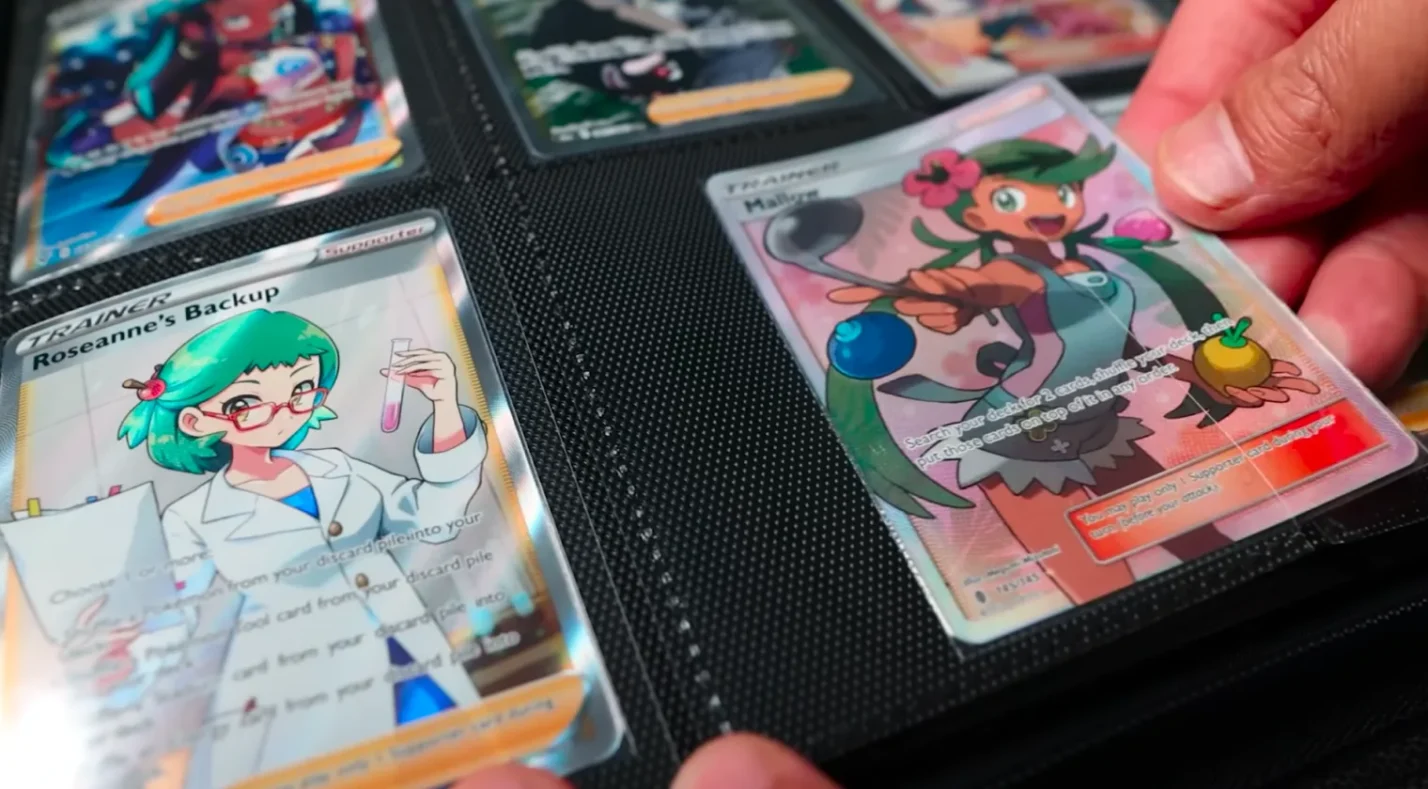
The best way to organize Pokémon cards is the one that matches how you actually use your collection.
- Set collectors benefit from numerical organization.
- Competitive players might prefer type-based sorting.
- Investors should prioritize rarity to showcase valuable pieces.
Start with quality supplies, maintain consistent habits, and store your cards in stable conditions. These fundamentals protect your investment and make collecting more enjoyable. When your system works smoothly, you spend more time appreciating your cards and less time searching through chaos.
If you have valuable cards in your collection, consider learning how to sell Pokémon cards to turn extras into funds for the cards you really want. With the right organization system, you can quickly identify which cards to keep and which to let go.
FAQs
A standard 9-pocket binder page fits exactly 9 cards, one in each pocket. Most binders hold between 20 and 30 pages, giving you capacity for 180 to 540 cards per binder, depending on the size you choose.
The best binder size for Pokémon card collecting depends on your collection scope. A 360-card binder works well for single sets, while larger 480 to 720-card binders suit collectors managing multiple sets or expansions in one place.
Yes, you can mix different Pokémon card eras in one binder. Many collectors organize by type or favorite Pokémon across all eras. However, set completionists typically keep each expansion separate to track progress more easily.
You should reorganize your Pokémon card binders whenever you add significant new cards or notice your current system no longer works efficiently. Most collectors do a full review every few months or after opening a large amount of new product.
You should sleeve cards before putting them in binder pages if the cards have significant value. Penny sleeves add protection against scratches that can occur even inside binder pockets. For bulk commons, direct insertion without sleeves is acceptable.