

9 Games Like Magic: The Gathering in 2026

Eneba Hub contains affiliate links, which means we may earn a small commission if you make a purchase through them—at no extra cost to you. Learn more

If you’re searching for games like Magic: The Gathering, you’re probably after deep strategy, layered card mechanics, and the thrill of outplaying someone with one health to your name. You’re not alone since very few games scratch that same itch.
From deckbuilding roguelikes to tight tactical battlers, there’s a growing list of games that take Magic’s best ideas and push them in new directions. Some stick to the formula, others twist it just enough to feel fresh.
I’ve rounded up the best ones worth your time – smart, addictive, and built to keep your brain firing. Let’s dive in and find your next obsession.
Jump to:
Our Top Picks for Games Like Magic: The Gathering
If you’ve played your fair share of Magic, you know what makes a great card game tick – bold mechanics, strong deck identity, and a real sense of momentum when things go right. These five games hit that balance in their own way.
- Pokémon TCG still delivers one of the cleanest card game experiences around. It’s easy to pick up, surprisingly deep, and backed by a massive community.
- Yu-Gi-Oh! is pure chaos, built for players who love big combos and constant one-upmanship. If Magic feels too rigid, this will shake things up.
- KeyForge ditches deckbuilding entirely and still keeps the strategy tight. Every deck is unique, which means learning to master what you get.
These five games aren’t just similar to Magic; they hold up on their own. If you’re ready to branch out without lowering the bar, you’ll love my top picks.
9 Games Like Magic: The Gathering With a Fresh Twist
Each of these card games brings something different to the table. Some build on Magic’s core ideas, others flip the formula entirely. Whether you’re after deep strategy, faster pacing, or a fresh twist, I’ll help you find your next deck-building pastime.
1. Pokémon TCG
| Publishers | Nintendo/The Pokémon Company |
| Release year | 1996 |
| Primary play mode | 1v1 duel |
| Typical deck size | 60 cards |
| Approx. game length | 15-30 minutes |
| Physical/digital | Both |
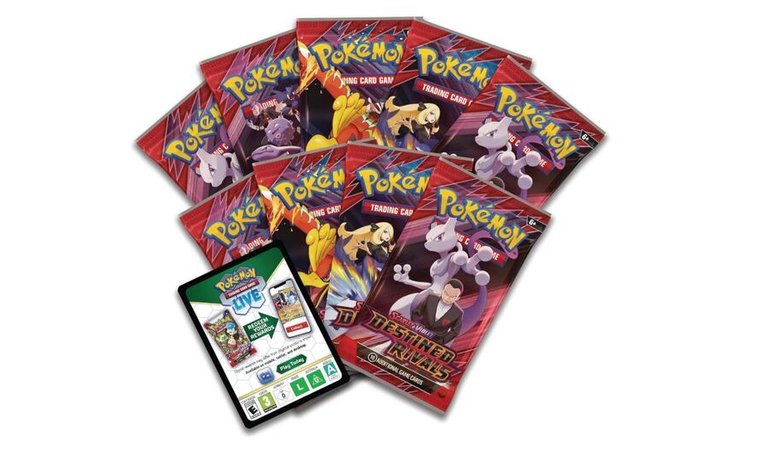
Don’t let the bright colors fool you – the Pokémon TCG has teeth. What starts as a simple setup quickly unfolds into a layered battle of tempo, card advantage, and knowing exactly when to strike. It’s a game built on tight resource management and hard decisions, just like Magic.
You craft your deck pre-match, drawing from a massive card pool (around 20,000 at this point). If you want cards from the best Pokémon TCG sets, just note that the prices will jump accordingly. You’ll build around Pokémon evolutions and trainer cards, which feel like instants and sorceries in MTG.
You win by collecting prize cards for each Pokémon you knock out instead of dropping your opponent’s life to zero. It’s a subtle twist that changes the gameplay and dictates how you approach every trade.
We have a convenient Pokémon card guide, where you can learn more about these cards. The Energy system is a lighter, faster, and more forgiving version of MTG’s mana.
New expansions constantly evolve the meta, but it’s accessible enough for a reasonably quick start. This especially goes if you just want to duke it out with your friends without building the most brutal deck out there. The digital version is now keeping pace with physical releases, so experimenting is easier than ever.
Why Magic fans will enjoy it:
If you love clever deck strategies but want something quicker and less punishing, this is it. It’s Magic’s little cousin – easier to learn, surprisingly deep, and refreshingly fast. You can play it competitively or collect enough base game cards to play with friends in your free time.
2. Yu-Gi-Oh!
| Publisher | Konami |
| Release year | 1999 |
| Primary play mode | 1v1 duel |
| Typical deck size | 40-60 cards |
| Approx. game length | 30-45 minutes |
| Physical/digital | Both |
Yu-Gi-Oh! is pure adrenaline. You’re not easing into a quiet setup here – this is a game where combos spiral fast, monsters hit hard, and one misstep can cost you everything. Compared to Magic, it feels more explosive and less predictable, built for players who enjoy calculated chaos. It’s not overpowered if the combo takes 12 steps, right?
Decks are built before the match, with a huge variety of monster types, spells, and trap cards. That last one is key: trap cards trigger on your opponent’s turn, creating a meta of anticipation and baiting that makes each round feel like a mind game. As Yu-Gi-Oh! veterans like to say, “You haven’t lived until someone chains a trap card to your trap card.” There’s no mana or energy here, cards play as long as you meet their conditions.
We have around 12,000 cards in circulation and decades of tournament history. So, Yu-Gi-Oh! can get overwhelming fast if you let it. But if you enjoy fine-tuning hyper-specific strategies, you’ll feel right at home. There’s also a strong digital presence, especially with Master Duel, which makes high-level play more accessible.
Why Magic fans will enjoy it:
Yu-Gi-Oh! keeps the deckbuilding depth but shifts the pacing into overdrive. It’s relentless, wild, and ideal for players who want to pull off game-winning combos before turn six. If you love Magic but wish it had fewer lands and more shock factor, start here.
3. KeyForge
| Publishers | Fantasy Flight Games/Ghost Galaxy |
| Release year | 2018 |
| Primary play mode | 1v1 duel |
| Typical deck size | 36 cards (unique, non-customizable) |
| Approx. game length | 15-30 minutes |
| Physical/digital | Physical only (digital relaunch planned) |
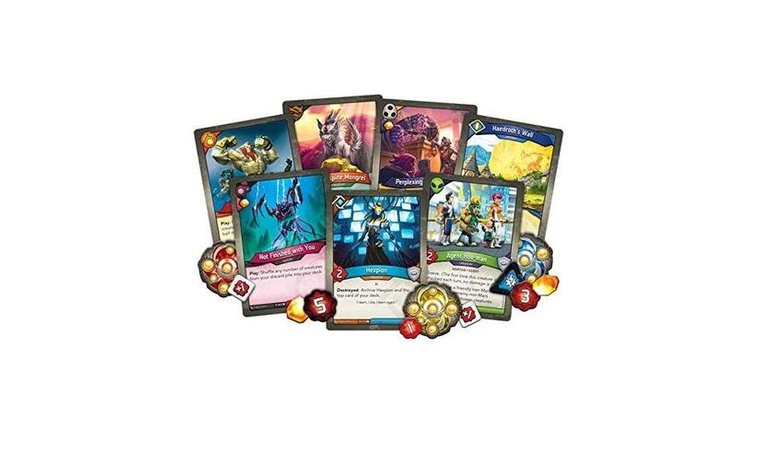
KeyForge flips the script on everything you know about card games. There’s no deckbuilding, no sideboarding, and no tuning. Instead, every deck is algorithmically generated and completely unique, right down to the name. That means no two players in the world have the same deck. As the players like to point out, “KeyForge is the only card game where opening a booster pack IS building your deck.”
Instead of chasing the best meta cards, you’re learning to master what you’re given. So, if you lose, you can always blame it on the algorithm. Each deck features three of seven available “houses,” each with its own playstyle and synergy. On your turn, you can only play cards from one house, which forces smart sequencing and long-term planning.
There’s no life total. You win by forging three keys using Æmber, a resource you collect through card effects and creature actions. It’s a tug-of-war system that rewards tempo, disruption, and creative thinking. KeyForge has official sealed formats and tournaments based on the uniqueness of decks.
Why Magic fans will enjoy it:
KeyForge ditches the deckbuilding but keeps the depth. It’s all about adaptation, clever plays, and making the most of your tools. If you love Magic’s mechanics but want a fresh format that levels the playing field right out of the box, KeyForge is an easy recommendation.
4. Flesh and Blood (FAB)
| Publisher | Legend Story Studios |
| Release year | 2019 |
| Primary play mode | 1v1 duel |
| Typical deck size | 40-80 cards (format dependent) |
| Approx. game length | 30-60 minutes |
| Physical/digital | Physical only |
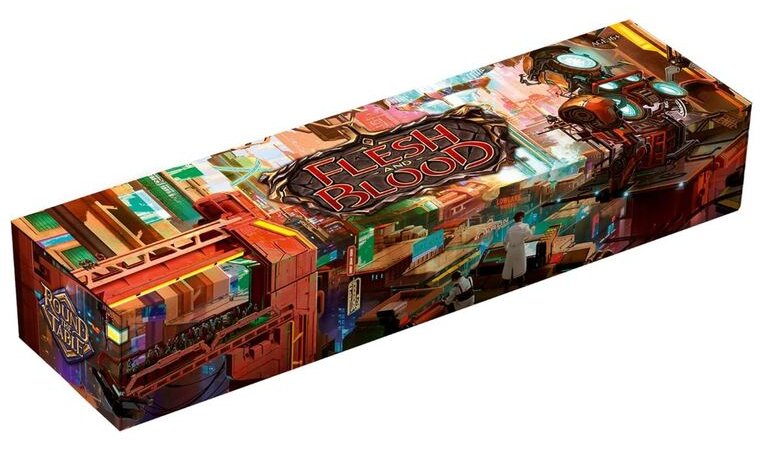
Flesh and Blood bridges the gap between board games and card battlers. It’s a trading card game that demands real head-to-head play. No gimmicks or flashy extras here, just raw combat, where every decision counts and every card in your hand is another piece of offense or defense.
You pick a hero, then build around their strengths using weapons, armor, and action cards. It’s less about big combos and more about tight pacing, clever resource use, and reading your opponent. FAB won’t care about your favorite combo – it often comes down to whether you can block a deathblow with one card left in hand.
The Pitch system (where any card can be used for resources) adds a level of flexibility Magic can’t quite match. You won’t worry about deck thinning since your lands are swapped out for weapons and armor.
FAB really shines in how it handles turns. There’s no wasted motion. You’re either attacking, blocking, or planning your next hit. Every card has multiple uses, and hand management across turns feels more like chess than cards. As I like to say, if MTG is chess with fireballs, FAB is like fencing with razors.
Why Magic fans will enjoy it:
If you like reading the board, timing your moves, and punishing sloppy plays, FAB’s tight design is hard to beat. It rewards skill over luck, offers no dead turns, and brings that one-on-one tension Magic players know so well.
5. Star Wars: Unlimited
| Publisher | Fantasy Flight Games |
| Release year | 2024 |
| Primary play mode | 1v1 duel |
| Typical deck size | 50 cards + leader + base |
| Approx. game length | 20-40 minutes |
| Physical/digital | Physical (digital coming soon) |
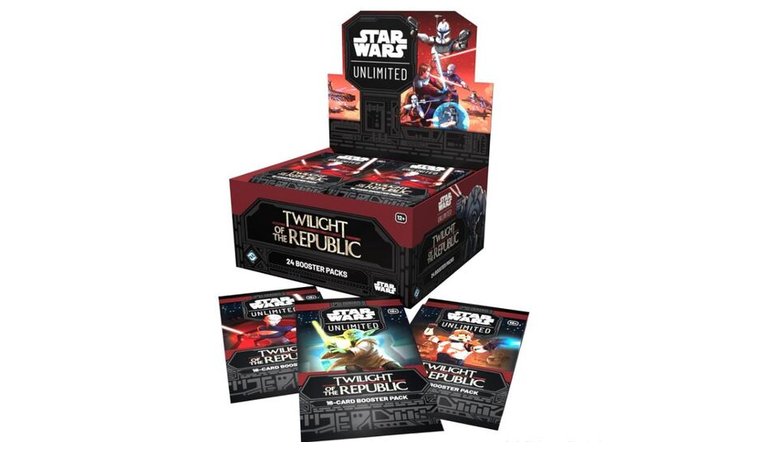
Star Wars: Unlimited is like Magic in hyperspace and one of the top Star Wars games out there. It’s fast, aggressive, and cleanly designed, which proves that licensed games don’t have to be half-baked cash grabs.
You lead a hero like Luke or Vader and fight across two lanes: space and ground. The initiative token forces you to plan ahead since tempo is just as important as card advantage. Each unit has to choose between attacking the base or a unit, which makes every decision meaningful.
Deckbuilding is focused but flexible. You pick a leader, a base, and fill your deck from two factions. The rules are simple enough to pick up in minutes, but the interactions go deep. It’s got echoes of Magic’s pacing and priority windows, but never gets bogged down by too many mechanics.
What makes it really click is its flow. You alternate playing cards one at a time, keeping turns quick and pressure high. Combat is snappy, resources are auto-generated each turn, and every unit can attack or block. You don’t have to worry about tapping/untapping things in this game.
Why Magic fans will enjoy it:
If you’re after something leaner but still tactical, Unlimited hits the spot. It keeps Magic’s spirit of layered plays and tempo control, but trims the fat. Pair that with a growing card pool and a global competitive scene, and you’ve got serious staying power.
6. Disney Lorcana
| Publisher | Ravensburger |
| Release year | 2023 |
| Primary play mode | 1v1 duel |
| Typical deck size | 60 cards |
| Approx. game length | 20-40 minutes |
| Physical/digital | Physical (digital in development) |
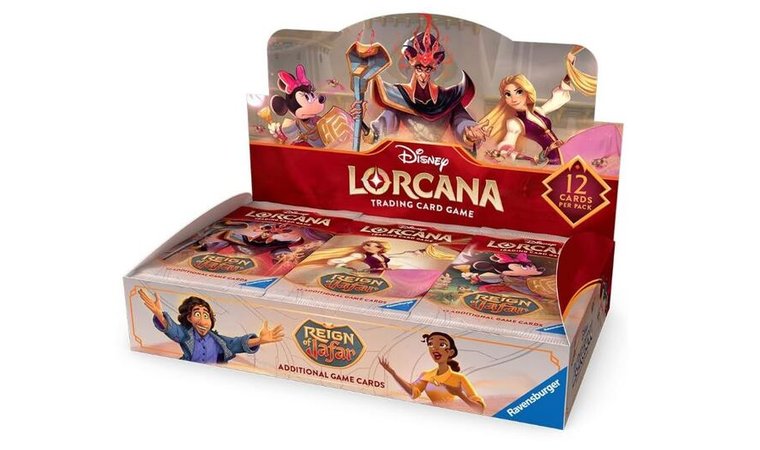
Disney Lorcana looks like a casual card game, but don’t let the cheerful art fool you. You summon glimmer versions of classic Disney characters and race your opponent to 20 lore, a resource you earn by sending your cards on quests instead of attacking. It’s a smart twist on combat-heavy design.
Deckbuilding is traditional and accessible. You build with two ink colors, giving your deck identity and constraints. The ink system doubles as your mana – you “ink” one card per turn, building resources without the dead-hand risks Magic players know too well.
What keeps it fresh is the balance between tempo and risk. Quest too hard, and you leave your board open. Go aggressive, and you might fall behind in lore. It forces you to think two turns ahead, just like in Magic, but with a lighter touch.
Why Magic fans will enjoy it:
Lorcana is ideal if you want that strategic pull-and-push without needing to memorize a phone book’s worth of keywords. It’s clean, creative, and faster than you’d expect. Think of it as Magic reimagined through a storybook lens – still sharp, just easier to share. Drawn to Disney’s TCG? explore the best Lorcana decks to start strong with the right ink combos.
7. Force of Will
| Publisher | Force of Will Co., Ltd. |
| Release year | 2012 |
| Primary play mode | 1v1 duel |
| Typical deck size | 40-60 cards |
| Approx. game length | 30-60 minutes |
| Physical/digital | Physical (fan-run digital options) |
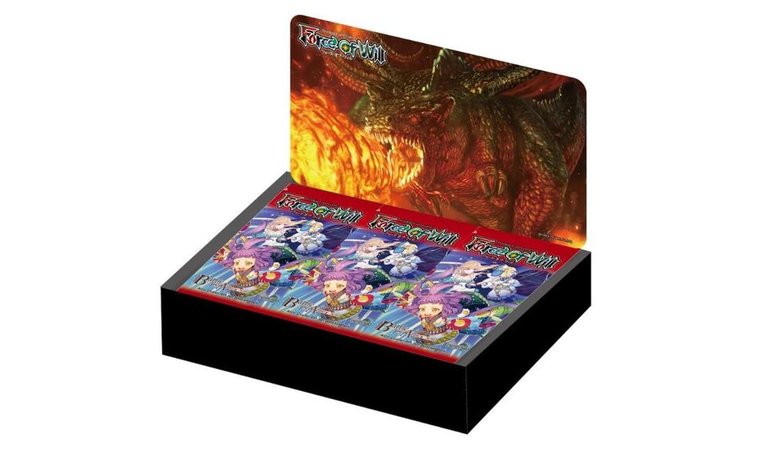
No, not that Force of Will! We’re not talking about one of the greatest Magic cards that ruins your combo dreams. This Force of Will is a full-fledged TCG with its own world, mechanics, and devoted fanbase. And it hits way harder than most people expect.
You play as a Ruler, a commander-like character card who can later transform into a J-Ruler and enter the battlefield. Deckbuilding is split into a main deck and a separate magic stone deck (think of it as your mana base), which reduces mana screw and keeps things flowing.
The real appeal? It’s fast-paced, tactical, and leans into big, flashy effects without breaking the game. There’s also a deep lore layer for those who want it, but you can ignore that and just enjoy the tight mechanics.
Why Magic fans will enjoy it:
If you like the idea of smoother mana, powerful interactions, and a bit of anime flair, Force of Will is worth your time. It brings enough of Magic’s DNA to feel familiar, but it’s just weird and wild enough to feel like a completely new beast.
8. Slay The Spire
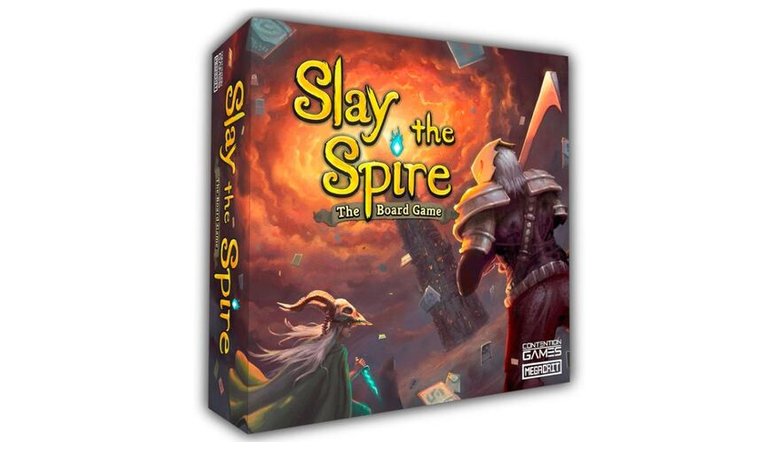
| Publisher | MegaCrit |
| Release year | 2019 |
| Primary play mode | Single player, PvE |
| Typical deck size | Built dynamically |
| Approx. game length | 30-60 minutes per run |
| Physical/digital | Digital |
Slay the Spire strips the card game genre down to its core and feeds it through a roguelike blender. There’s no trading or multiplayer, just tight deckbuilding, fast turns, and brutal decision-making. If you’ve ever played roguelikes, you know what level of difficulty to expect.
You start each run with a bare-bones deck and pick new cards after each fight. You’ll stack synergies, chase relics, and pray your upgrades don’t come back to bite you. Every move matters. There’s no hiding behind a perfect curve or optimized build. You’ll make do with what the Spire gives you, and somehow that makes every win feel earned.
It’s single-player, sure, but the strategic overlap with Magic is huge. You’re managing tempo, resources, synergy, and risk – all in a system that rewards smart planning and punishes reckless greed.
Why Magic fans will enjoy it:
If you love building tight decks and want a game that pushes you to think differently every time, Slay the Spire is a must. It’s endlessly replayable, brutally smart, and one of the best solo card games ever made.
9. Gwent
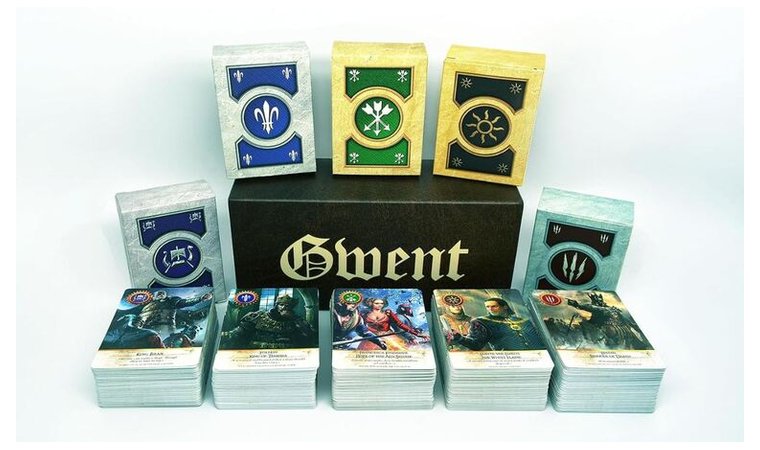
| Publisher | CD Project Red |
| Release year | 2018 |
| Primary play mode | 1v1 duel |
| Typical deck size | ~25 cards |
| Approx. game length | 10-20 minutes |
| Physical/digital | Digital only |
You’ve probably heard Geralt mutter, “I never miss a round of Gwent.” After a few matches, you’ll get why. What started as a minigame in The Witcher 3 has grown into a full-blown card battler that’s more about strategy and bluffing than pure power plays.
Gwent flips Magic’s resource system on its head. There’s no mana or energy, just careful card economy and clever sequencing across three fast rounds. You’ll manage your limited hand across multiple phases, forcing players to commit hard or fold early. Victory goes to the one who plans ahead, not the one who topdecks better.
Decks are built around factions, each with its own gimmicks – control, swarm, engines, or disruption. Expansions keep things fresh, and its ranked scene rewards brains over brawn.
Why Magic fans will enjoy it:
If you love the idea of winning with fewer cards and outmaneuvering your opponent through pure strategy, Gwent delivers. Think of it as Magic’s sly cousin, less fireball, more mind games. Just don’t play against Geralt. He cheats.
FAQs
What is the best game like Magic: The Gathering?
Pokémon TCG is the closest match. It keeps the spirit of smart deckbuilding and resource management but streamlines the rules, making it faster to learn and easier to jump into without losing the depth Magic fans love.
Is MTG the most complex Game?
Yes, in terms of depth and card interactions, other games don’t go as deep. Not to mention the deck-building aspect, where you have thousands of cards to choose from, including various non-basic lands.
What’s so special about Magic: The Gathering?
MTG has the most complex rules out there. You can play different formats, each with its staple decks, or keep it casual with your friends. It also rewards smart plays and long-term mastery.