


Are Japanese Pokémon Cards Worth More?


If you’ve ever wondered whether Japanese Pokémon cards are worth more than English versions, you’re not alone in asking this question. The short answer is: it depends. While many collectors assume that cards from the franchise’s birthplace automatically command higher prices, the reality of the market is more nuanced.
Japanese and English Pokémon cards each have their own appeal, and their values fluctuate based on factors like rarity, condition, market demand, and nostalgia. In this guide, I’ll break down everything you need to know about how these two markets compare, so you can make smarter decisions whether you’re collecting, playing, or investing.
Jump to:
The Differences Between Pokémon Cards in English and Japanese
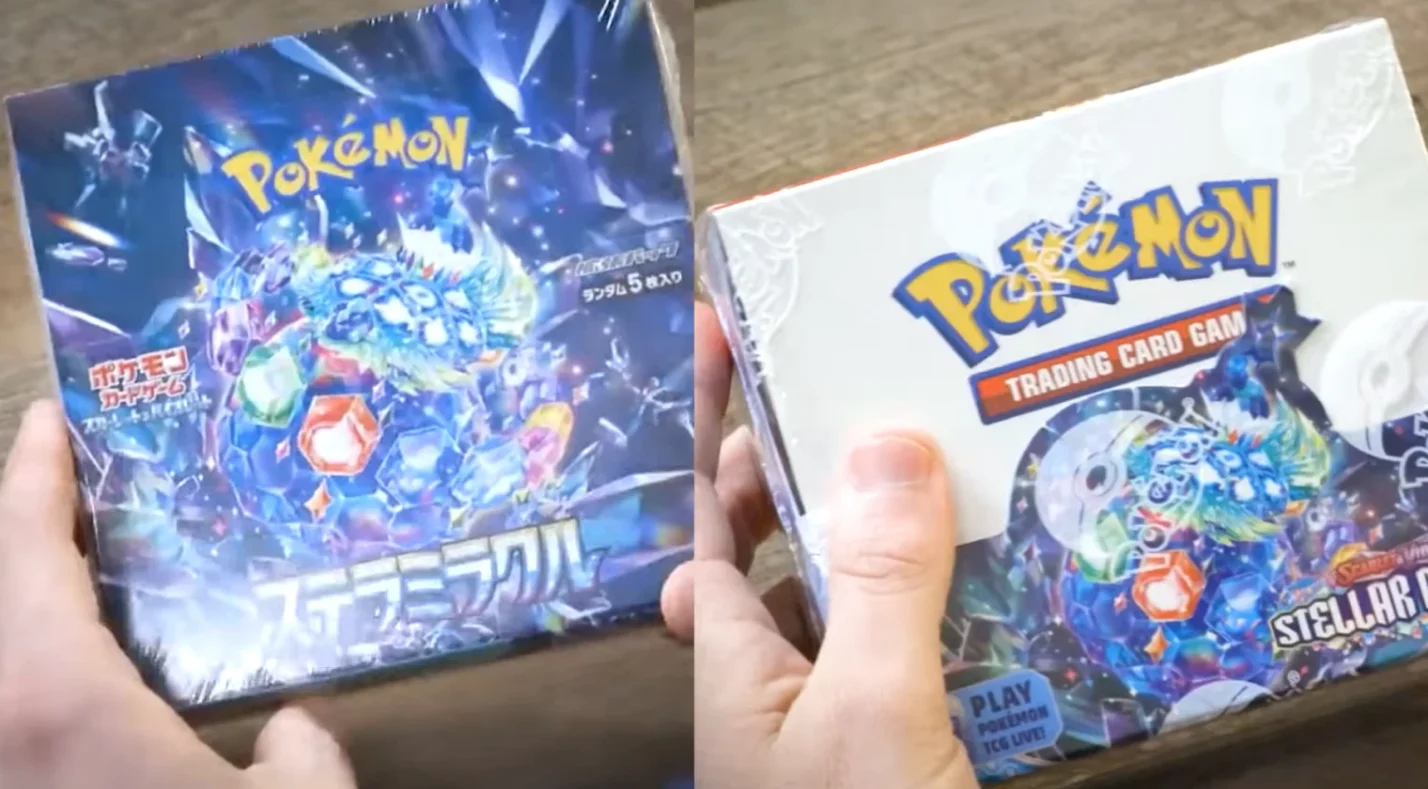
Before diving into value comparisons, it’s important to understand the structural differences between the two markets. These distinctions affect everything from how cards look and feel to how they perform on the secondary market.
Print Quality and Card Finish
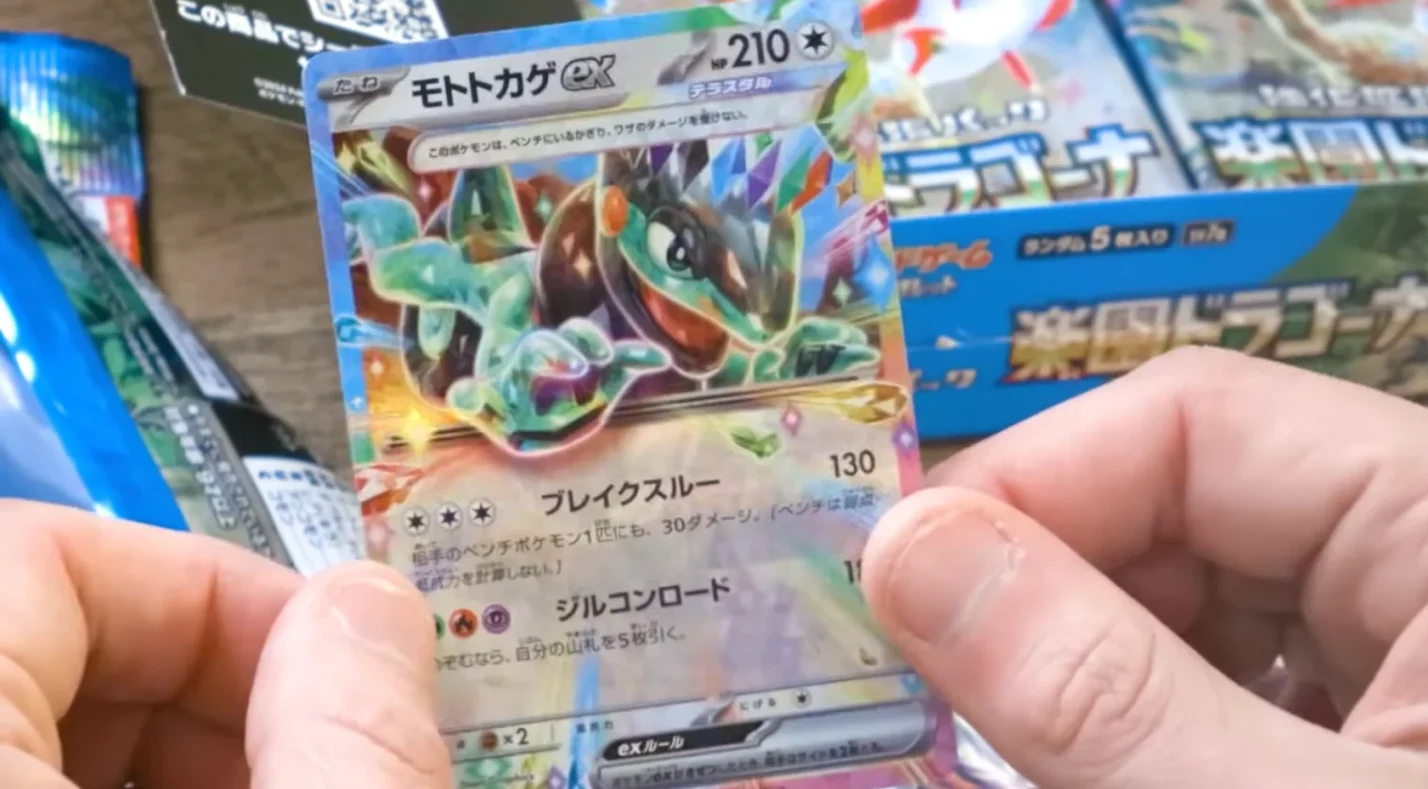
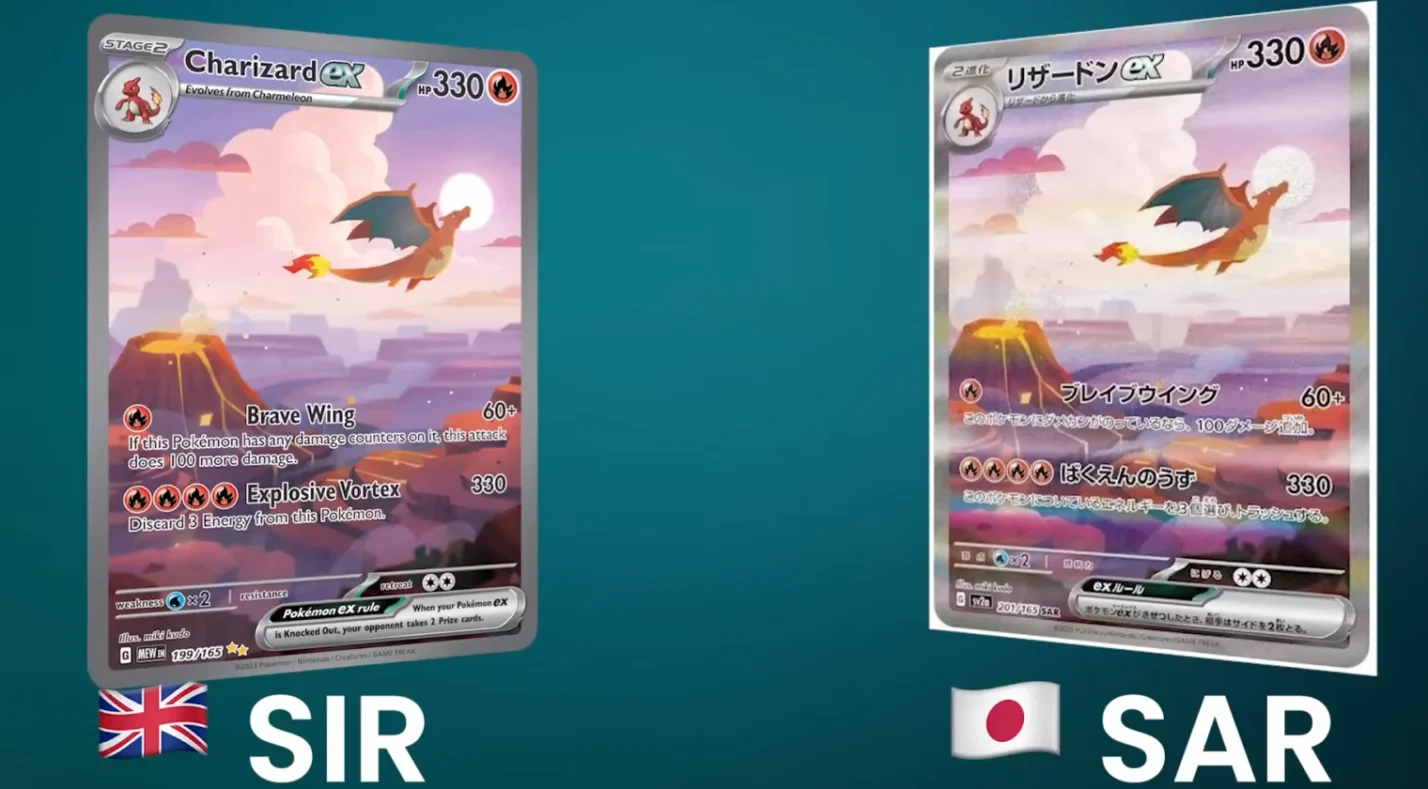
Japanese Pokémon cards have earned a reputation for superior print quality. The cardstock is typically thinner but features a smooth, glossy finish that gives the artwork a vibrant, polished appearance. Colors tend to be deeper and more saturated, and the holofoil patterns are often more refined and dynamic.
English cards, by contrast, use slightly thicker cardstock with a more matte finish. While this makes them feel sturdier in hand, collectors have noted that English prints can sometimes suffer from inconsistent centering, rougher cuts, and less vibrant color saturation. These quality control differences play a significant role when it comes to professional grading.
Release Schedules and Set Structure
Japan gets new Pokémon sets two to three months before their English counterparts. This gives Japanese collectors and players early access to new cards, mechanics, and artwork. For impatient fans, importing Japanese products offers a way to experience the latest releases ahead of everyone else.
The set structure also differs. Japanese booster packs contain five cards compared to ten in English packs, and Japanese booster boxes typically include 30 packs versus 36 in English boxes. However, Japanese boxes often guarantee at least one Secret Rare or higher, which English boxes don’t always offer. This guaranteed hit rate makes Japanese products appealing to collectors who want consistent value from their purchases.
Factors That Affect the Value of Japanese Pokémon Cards
Understanding what drives Japanese Pokémon card values requires looking at several interconnected factors. Here’s what collectors and investors should consider.
Market Trends and Price Comparisons
Here’s something that surprises many new collectors: for most iconic vintage cards, English versions actually command higher prices than Japanese ones. The PSA 10 1st Edition English Base Set Charizard, for example, has sold for hundreds of thousands of dollars, while its Japanese counterpart typically goes for a fraction of that amount. This raises an interesting question many collectors ask: why are Japanese Pokémon cards cheaper despite their superior quality?
Why does this happen? The answer comes down to nostalgia and market size. For millions of collectors across North America, Europe, and Australia, Pokémon was an English-language phenomenon. The shared memory of opening Base Set packs from local stores creates a powerful emotional demand that drives prices upward. If you’re curious about what makes certain cards so valuable, our article on why Pokémon cards are so expensive breaks down the factors in detail.
That said, modern Japanese cards often tell a different story. Special Art Rares and exclusive promos from Japanese sets can fetch higher prices than their English versions, especially when they feature popular characters or limited distribution. The market isn’t static, and savvy collectors watch both sides for opportunities.
Rarity and Exclusivity
Japan releases a wealth of exclusive products that never see international distribution. Promo cards from collaborations with Japanese brands, event-exclusive releases, and entire sets like the Precious Collector Box create scarcity that international collectors find irresistible. When supply is limited to one region, global demand naturally pushes prices higher.
Some of the most expensive Pokémon cards ever sold are Japanese exclusives. The Pikachu Illustrator card, a prize from a 1998 CoroCoro Comics contest, sold for over five million dollars. While that’s an extreme example, it illustrates how Japan-only releases can become legendary among collectors. You can explore more about these legendary finds in our guide to rare Pokémon cards.
Japanese print runs are also generally smaller than English ones. While English sets are printed in massive volumes to supply a global audience, Japanese sets have limited production runs aimed primarily at the domestic market. This smaller supply makes older Japanese cards harder to find in mint condition, which can boost their value over time.
Value Over Time
Both Japanese and English cards can appreciate over time, but the trajectory differs. English vintage cards have shown stronger long-term growth in Western markets, driven by nostalgia-fueled collecting booms. However, Japanese sealed products and exclusive promos have demonstrated impressive appreciation as international collectors increasingly recognize their value.
The Pokémon card market is dynamic. Values can spike when new games drop, anniversaries generate nostalgia, or influencers spotlight particular cards. Japanese cards benefit from early release timing, creating temporary price premiums before English versions hit the market.
For long-term holding, I’ve found that Japanese exclusive products tend to hold value well because they never get English reprints. Sealed booster boxes from sets like Eevee Heroes or Shiny Star V have appreciated significantly since release, rewarding patient collectors who bought early.
Grading and Resale Value
Professional grading plays a crucial role in Pokémon card values, and this is where Japanese cards have a notable advantage. Due to their superior quality control, Japanese cards have a higher chance of achieving gem mint grades from services like PSA, BGS, or CGC. Better centering, cleaner edges, and fewer print defects mean more Japanese cards reach that coveted PSA 10.
English cards, with their more variable quality control, can be harder to grade highly. When an English card does achieve a perfect grade, it can command a significant premium precisely because it’s tougher to attain. Collectors pay more for rarity, whether that rarity comes from limited prints or difficult-to-grade quality.
Grading costs the same for Japanese and English cards, which means Japanese cards often offer better ROI for collectors who plan to grade and resell. The higher likelihood of achieving a 10 translates to better profit margins. If you’re interested in investing in sealed products or graded singles, check out our guide on the best Pokémon packs to buy for profit.
Should You Invest in English or Japanese Pokémon Cards?
The right choice depends entirely on your goals. Let me break down the considerations for different types of collectors.
- Collecting: If you prioritize aesthetics and quality, Japanese cards provide a premium experience. The sharper prints, vibrant colors, and refined holofoil effects make them visually stunning additions to any collection. Japanese sets also offer exclusive artwork and regional promos that diversify a collection beyond what’s available in English. However, if nostalgia drives your collecting, English cards might resonate more deeply. Those are the cards many of us grew up with, and that emotional connection has real value.
- Playing: For competitive players, English cards are the clear choice. Official tournaments in English-speaking regions require English versions, making Japanese cards unsuitable for sanctioned play. Casual players have more flexibility, though the language barrier can make Japanese cards challenging without translation references.
- Long-Term Holding: Both markets offer investment potential, but the strategies differ. Japanese exclusive products can appreciate significantly because they’re never reprinted internationally. English vintage cards benefit from a larger global demand. For serious investors, diversifying across both markets spreads risk while capturing opportunities in each.
When you’re ready to turn your collection into profit, knowing where and how to sell matters just as much as what you’re selling. Our guide on how to sell Pokémon cards walks you through the best platforms and strategies for maximizing your returns.
Ready to start or expand your collection? Browse TCGPlayer’s extensive selection of both Japanese and English Pokémon cards at TCGPlayer to find your next grail card.
Choosing Your Path in the Pokémon Card Market
So, are Japanese Pokémon cards worth more? The honest answer is that neither language consistently outvalues the other. English cards dominate vintage values due to nostalgia and market size, while Japanese cards excel in print quality, exclusive releases, and grading potential. The market rewards different attributes in different contexts.
What matters most is understanding your own priorities. If you value aesthetics and early access, Japanese cards offer something special. If nostalgia and competitive play drive your decisions, English cards make more sense. And if you’re investing, watching both markets for opportunities will serve you better than limiting yourself to one.
The Pokémon card market continues to evolve, with both Japanese and English products finding passionate audiences worldwide. No matter if you’re chasing childhood favorites or hunting for investment opportunities, there’s never been a more exciting time to be a collector.
FAQs
No, Japanese Pokémon cards are not always worth more than English ones. English vintage cards often command higher prices due to Western nostalgia, while Japanese exclusives and modern cards can be more valuable.
Japanese Pokémon cards look higher quality because they feature superior printing with deeper colors, refined holofoil patterns, and better centering due to stricter quality control at Japanese manufacturing facilities.
No, Japanese Pokémon cards are actually easier to grade highly. Superior quality control means better centering and fewer defects, resulting in more PSA 10 grades compared to English prints.
Japanese cards do not necessarily increase in value faster than English ones. English vintage cards show stronger appreciation in Western markets, while Japanese exclusives can appreciate significantly when never reprinted internationally.
Collectors should focus on Japanese promos or English chase cards based on their goals. Japanese promos offer exclusivity, while English cards benefit from broader recognition. Many collectors diversify by acquiring both.