

Life is Strange Reunion Review | Is It The Closure We Need?



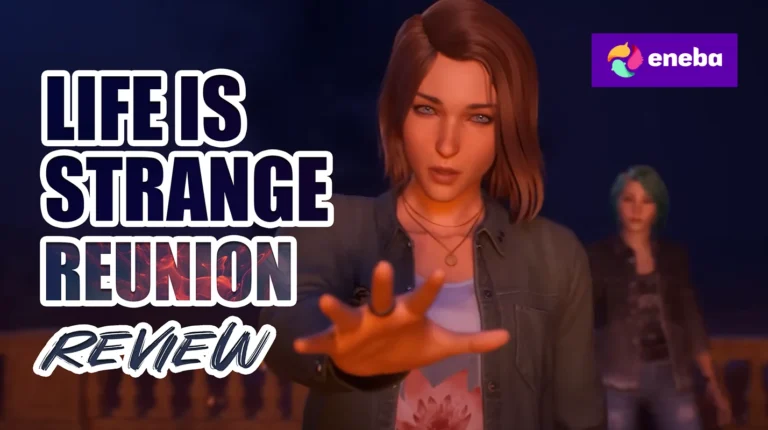
I can still remember sitting in the dark, more than a decade before this Life is Strange Reunion review, staring at a lighthouse and making a choice that felt like it would break my heart no matter what I did.
Through the years, the Life is Strange community has been split down the middle: Team Bae or Team Bay. Then, Double Exposure came out in 2025, which brought Max back but left a Chloe-shaped hole in the narrative that many of us fans found hard to ignore.
The weight of that original choice was heavy, and across Life is Strange Reunion reviews and fan discussions, you can see how deeply this decision still resonates with the community.
I’ve been burned before by “perfect endings” getting unraveled for the sake of a sequel – a sentiment I think many other players will have coming into this game.
Still, I kept an open mind as I spent time checking out what this finale had to offer, and I think I have a pretty solid idea whether or not this is just another cash grab. The short answer? I think it’s a worthy tribute to the series and a tearful final goodbye that would feel satisfyingly cathartic to most fans.
I’ll tell you exactly why I feel this way in my Life is Strange Reunion review below, and why this game is worth experiencing at least once (or why it’s not), especially for devoted fans who need a definitive conclusion to the series.

Jump to:
Before We Dive In: What Reunion Actually Is
My Life is Strange Reunion review finds a standalone title serving as the finale to Max Caulfield’s story.
It’s available right now on PC via Steam. If you want the complete experience, the Life is Strange: Reunion Deluxe Edition adds a behind-the-scenes documentary with voice actors Hannah Telle and Rhianna DeVries, a digital art book, comic, and the Classic Outfit Pack – worth it for any fan who’s been with the series since 2015.
At its core, this is a dual-protagonist experience. I wasn’t just watching Max and Chloe interact – I was able to step into both of their shoes at pivotal moments. I think this structural choice is the game’s biggest gamble. In previous entries, the “sidekick” character was often more of an anchor or a motivation, but here, Chloe is a primary actor with her own gameplay mechanics.
This shifts the perspective from Max’s internal guilt to a shared struggle for survival. The game acknowledges the different paths players took in the 2015 original, using a “Reality Sync” system at the start to calibrate the world state.
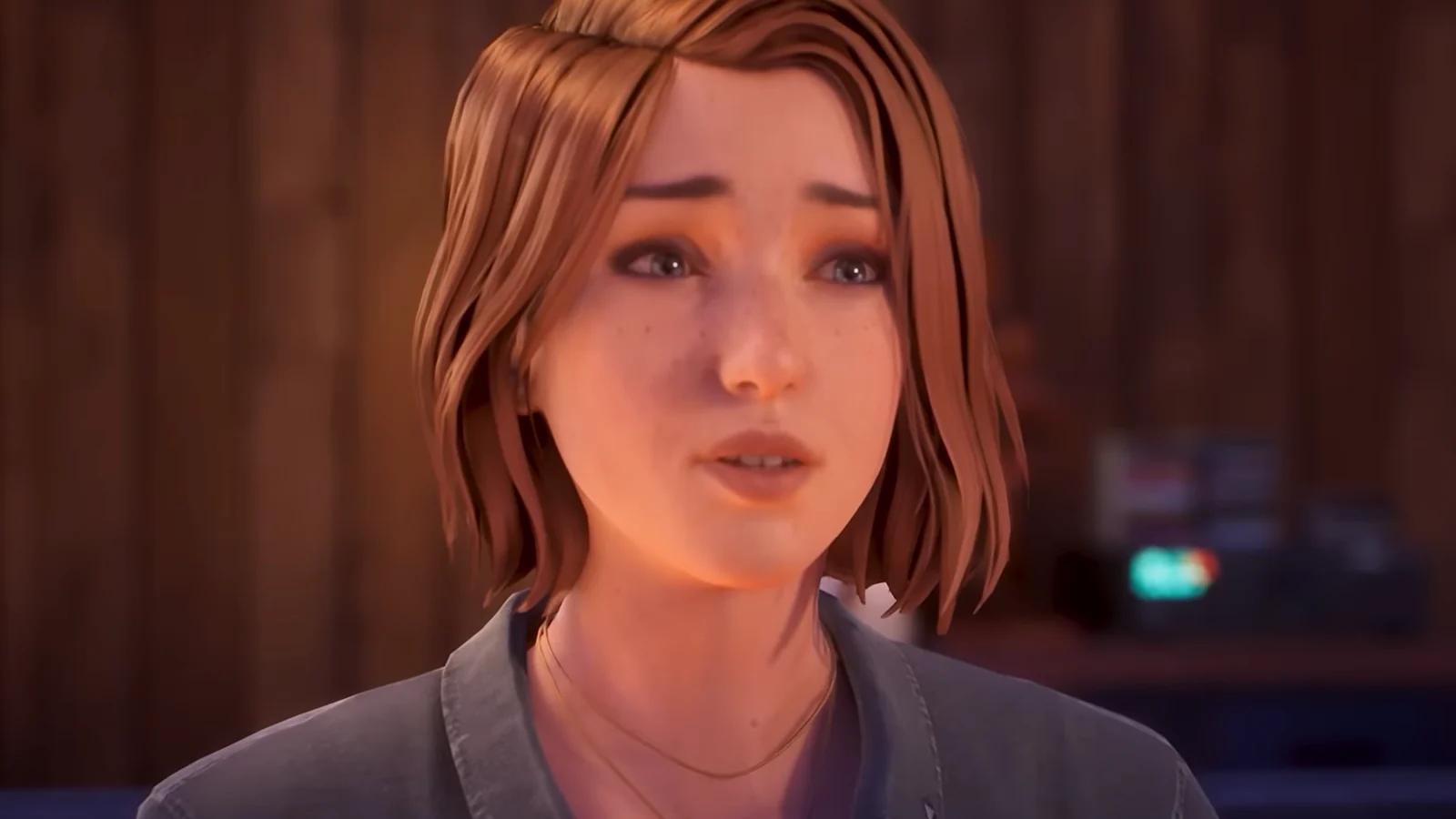
Another thing I want you to keep in mind for the rest of this Life is Strange Reunion review (and before you buy the game) is that this is a more focused, intimate affair than the sprawling campus mystery of Double Exposure. The stakes are high – involving a literal world-ending catastrophe – but the story stays zoomed in on the relationship between these two women.
It’s a game built on dialogue, atmosphere, and the quiet tension of two people trying to figure out if they still fit in each other’s lives. It doesn’t try to reinvent the wheel; instead, it polishes the mechanics I’ve seen in True Colors and Before the Storm to create something that feels like a “Best Of” collection of the series’ ideas.
The game also serves as a technical showcase for how far the series has come. The facial performance capture is a significant leap forward, allowing for the kind of subtle emotional delivery that the earlier games had to rely on voice acting and quirky “wowsers” dialogue to convey.
It’s a mature, somber, and technically polished experience that knows exactly who its audience is: the people who never stopped thinking about that lighthouse. To top it all off, Life is Strange Reunion PS5 / PC versions both run beautifully, much like its predecessors, which is another W for my Life is Strange Reunion review.
The Max Caulfield Reunion Story: What Actually Happens
The story picks up in the immediate aftermath of the Caledon University crisis seen in Double Exposure. Max has successfully saved her friend Safi, but the cost of that “Reality Shift” was higher than she anticipated. By stitching two worlds together, Max accidentally created a localized “Time Rupture.”
The rupture has pulled Chloe Price into Max’s current reality, but this version of Chloe is a walking paradox. She carries the memories of her life as a traveler with Max, but she is also plagued by “Synaptic Echoes” – vivid, agonizing flashes of her own death in the Blackwell bathroom.
This creates a central mystery: why is the universe trying to “delete” Chloe? As the two reunite, I realized that a massive disaster is sweeping toward the university, appearing out of nowhere and defying natural laws. Max believes this is “Fate” trying to balance the books.
She saved Safi and brought back Chloe, so now the universe is demanding a different sacrifice to keep the timeline from collapsing entirely. The narrative follows their desperate three-day attempt to find the source of the calamity and stabilize Chloe’s existence without losing anyone else in the process.
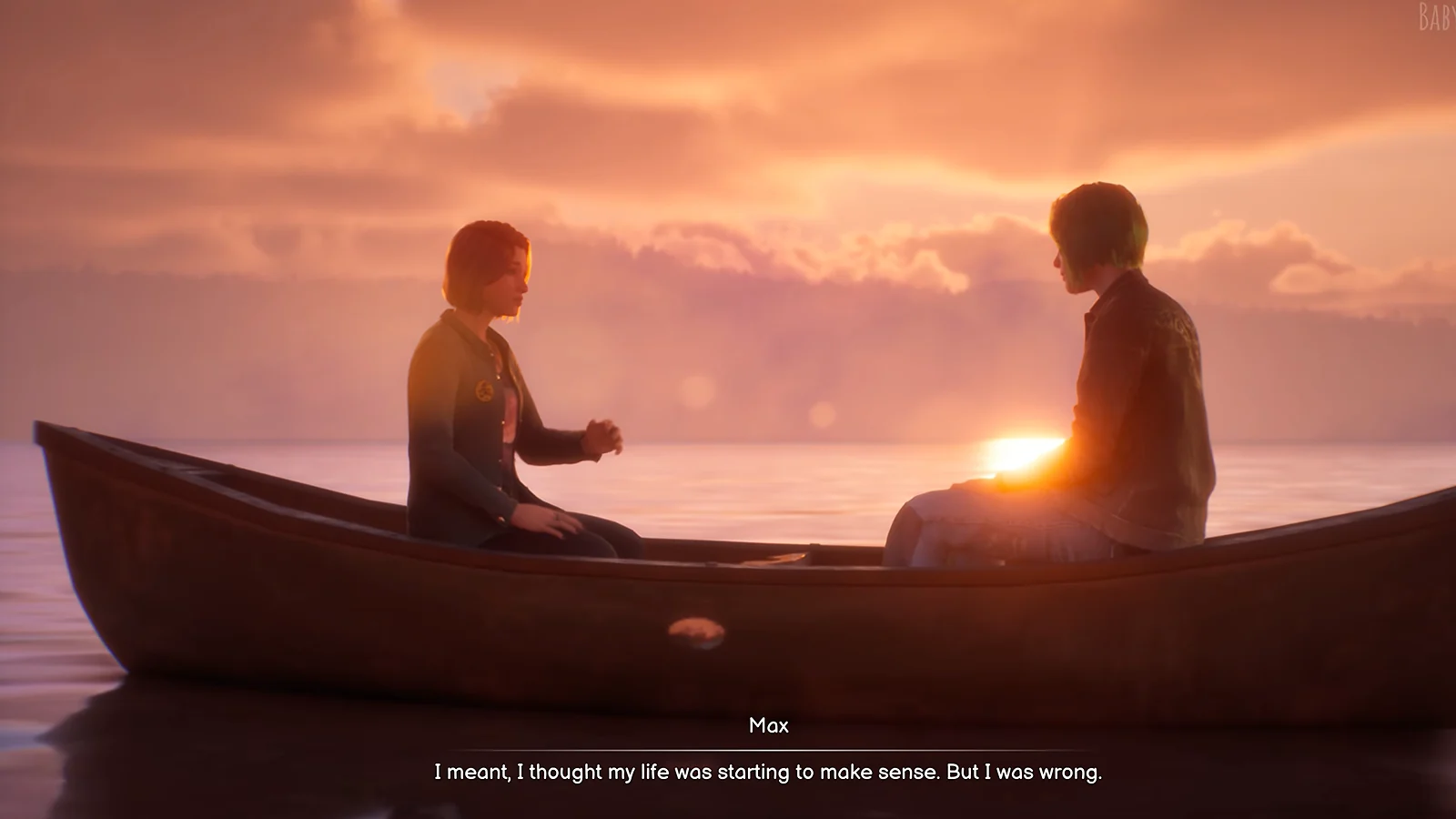
Along the way, the story dives deep into Max’s psyche. I saw a woman who spent a decade terrified of her own shadow, finally forced to stop running. She has to work with Safi – who has her own complicated relationship with shifting realities – to understand the science behind the supernatural.
The writing avoids the trap of making this a simple “save the girl” plot. It’s more about Max learning that she (and by extension, we, the players) can’t control everything, and that sometimes, the most heroic thing she can do is let go of the steering wheel.
The pacing is deliberate and mixes high-tension investigation sequences with slow, character-driven chapters. I found myself snooping through the dark secrets of the Fayyad family, discovering that the university’s history with time-warping events goes much deeper than Max ever realized.
The plot culminates in a reality-bending finale where every choice you’ve made – from the original 2015 game to the small conversations in this one – comes to a head. It’s a dense, lore-heavy journey that manages to keep the emotional stakes front and center, even when the sci-fi elements get weird.
Chloe Price Returns: Does Her Comeback Feel Earned?
Bringing back a character who could potentially be dead in half of the players’ save files is a narrative minefield. I know many fans feared that Chloe’s return would feel like a cheap retcon that robbed the original sacrifice of its meaning.
BUT, I’d argue that Reunion manages to make her presence feel not just earned, but a must. I’d expect that sentiment to come through across Life is Strange Reunion reviews from longtime fans, not just first-timers. This isn’t the rebellious teenager I knew in Arcadia Bay. This is a Chloe in her late 20s who has been hardened by life and, in this specific story, literally haunted by her own mortality. A very compelling character, through and through, much like her OG version.
The “Synaptic Echoes” mechanic is the key to why her return works. Chloe isn’t “back” – just like that – she’s struggling to exist. She is a glitch in the system, and she knows it. This adds a layer of tragedy to her reunion with Max.
They want to be happy, they want to grab a beer and talk about the last ten years, but Chloe is constantly being pulled away by visions of a life she didn’t get to lead. It forces the player to confront the reality of their 2015 choice in a way that feels visceral and painful. If you saved her, you’ll see the burden she’s carried. If you sacrificed her, you’ll see the woman she could’ve become.
Chloe’s gameplay segments also help cement her place in the story. Using the “Backtalk” system, she gave me a different perspective on the mystery. Max is often the observer, and Chloe is the instigator. She interacts with the world with a weary cynicism that balances out Max’s more idealistic tendencies.
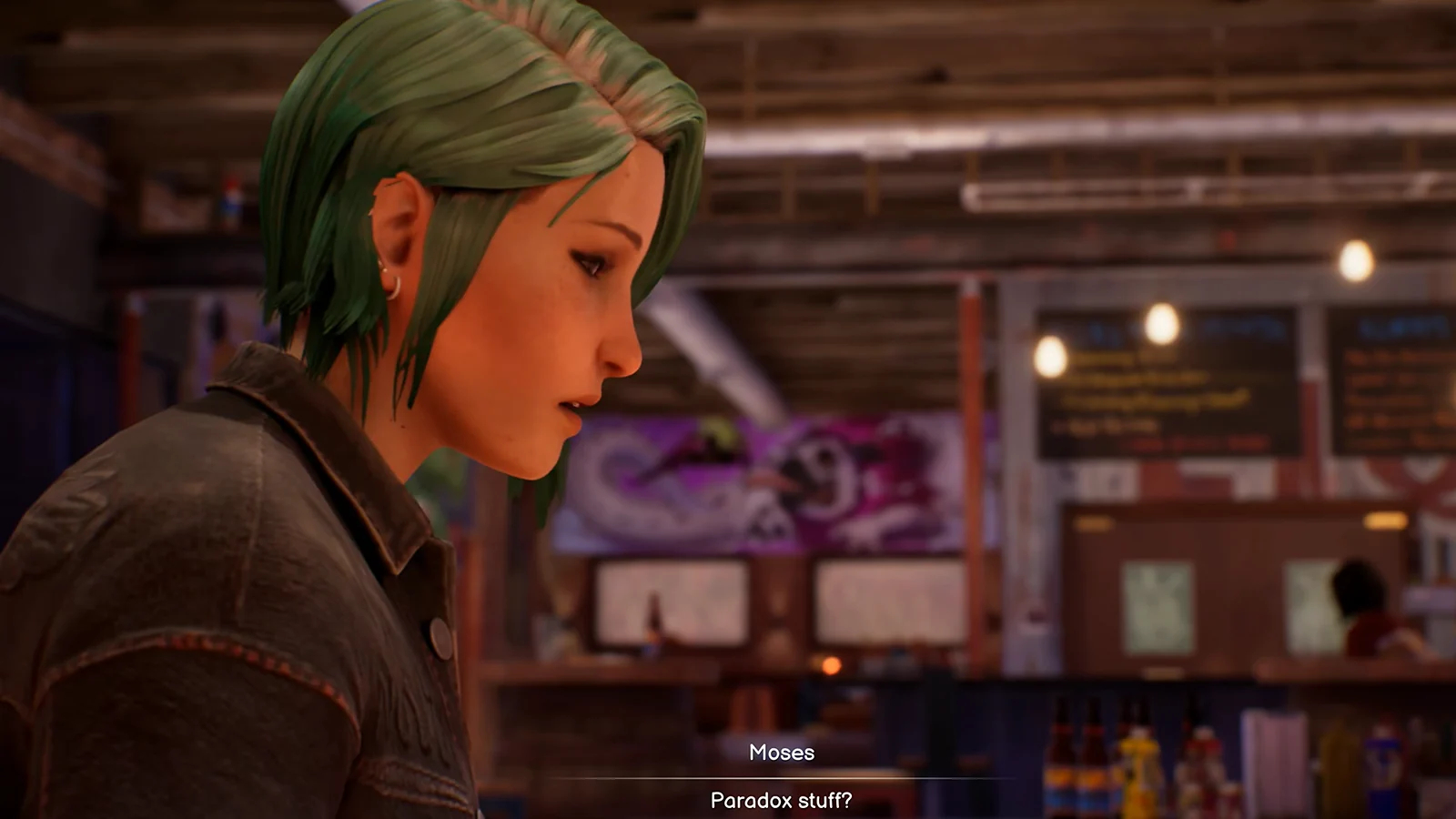
To me, at least, Chloe’s comeback feels earned because the game doesn’t treat her like a trophy or a fan-service cameo. She has her own agency, her own fears, and her own relationship with the other characters at Caledon. Her bond with Safi, in particular, is a highlight, as two “anomalies” find common ground.
Ultimately, her return is about closure. It allows the writers to address the trauma that both characters have been carrying in silence. The dialogue between Max and Chloe is sharp, honest, and often heartbreaking. They talk about the things they’ve been avoiding for a decade – the guilt, the resentment, and the love that kept them tethered across timelines.
By the time the credits rolled, Chloe felt like a complete person again, rather than just a memory or a “what if.” I truly think it’s a respectful, thoughtful treatment of one of gaming’s most iconic characters, which is just another reason to love this game.
If you’ve played the original Life is Strange and chose to sacrifice Arcadia Bay (the “Bae” ending), import your save – Reunion‘s dialogue branches and Chloe’s specific memories will reflect your choice, making the reunion feel significantly more personal and emotionally resonant.
Dual-Protagonist Gameplay: Playing as Both Max and Chloe
I think this dual-protagonist system is easily the biggest mechanical differentiator from Double Exposure and a massive pro to mention in any Life is Strange Reunion review for long-time fans who wanted something “fresh”. Instead of Chloe just being a tag-along, I found myself alternating perspectives throughout the game.
You control Max and Chloe in separate gameplay segments, and because they have such different mechanical toolkits, the “risk profile” changes completely depending on whose shoes you’re in. When they’re together, the game uses a clever visual dialogue system where character sketches are highlighted to show exactly whose response you’re choosing to shape the flow of the conversation.
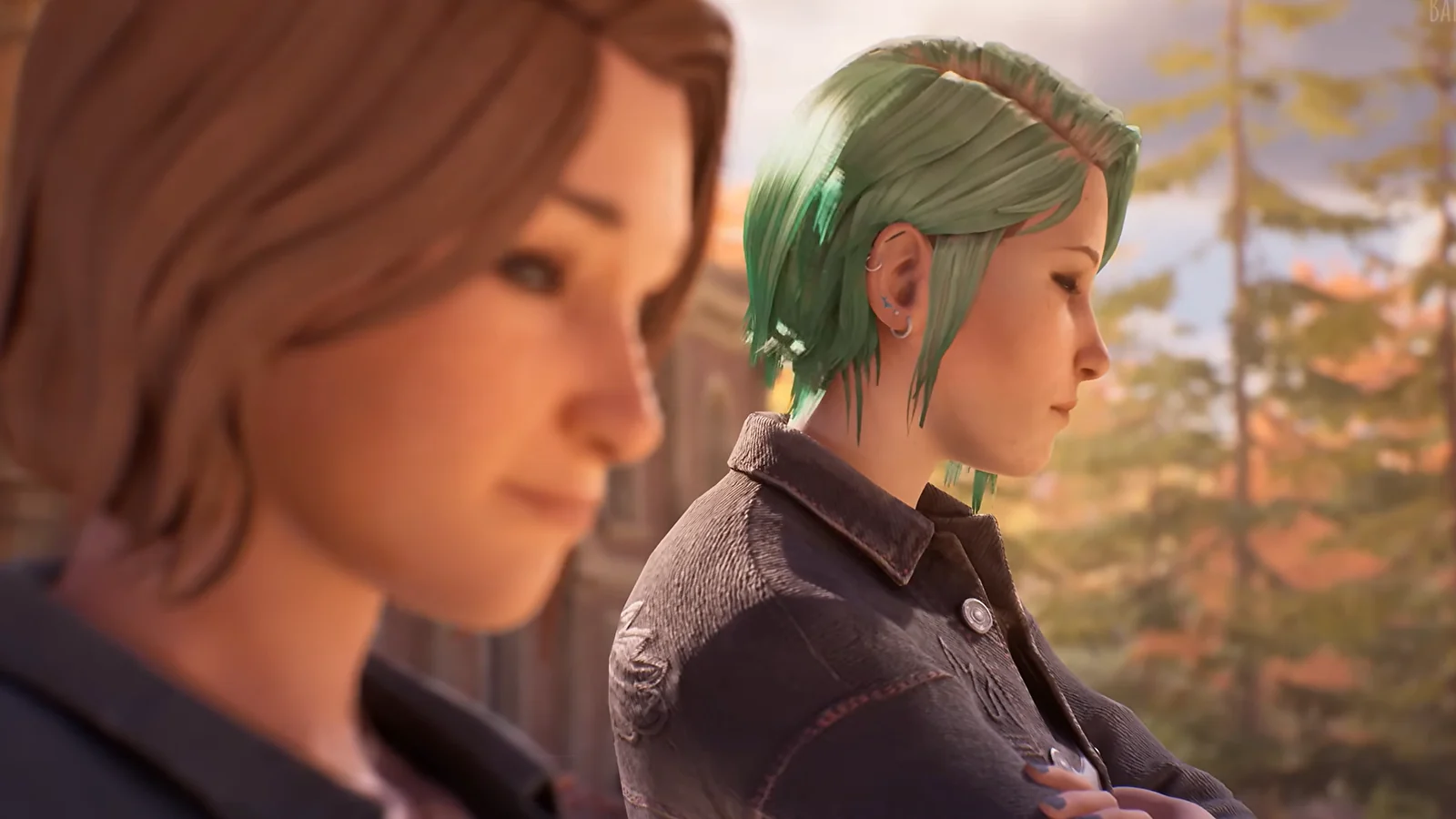
The iconic rewind power Life is Strange fans know so well returns here in a much more puzzle-oriented, high-stakes form than the timeline-hopping we saw in Double Exposure. I could rewind at almost any time, but I was limited to a range of just a few minutes and only at locations Max had already visited.
I used it to unravel conversations to catch NPCs in lies, solve frantic, timed puzzles – like a 20-second demolition countdown in the Abraxas Society building that nearly gave me a heart attack – and leap into Polaroid photos to revisit specific past moments.
Chloe, on the other hand, brings back her “Backtalk” mechanic from Before the Storm. Yes, all the arguing and smooth-talking through confrontations are here, too, but here’s the kicker: Chloe has no do-overs. If I failed a Backtalk segment, the consequences were permanent, and Max couldn’t rewind them away.
In Chloe’s Backtalk segments, don’t rush your choices. Take a second to look around the room before you start talking to an NPC. I found that there is almost always a “hidden” clue in the environment – like a flyer on a wall or a specific book – that gives you a massive advantage in the argument.
This asymmetry creates incredible tension; playing as Max feels safe because of the safety net, but as Chloe, every word will feel like a gamble.
To round things out, the new “Echo Recall” system allows Max to briefly revisit specific moments to observe subtle details she missed, which in turn allows her to gather new dialogue options that inform her future choices rather than altering the past.
This is tied into an “Emotional Resonance” system where building a stronger empathetic connection to Chloe (or other characters) unlocks special options and makes those Echoes clearer.
How Life is Strange: Reunion Ending Handles 11 Years of Choices
One of the biggest hurdles for any Life is Strange sequel is the “Canon Problem.” How do you write a story that honors two vastly different endings? Reunion solves this by making the concept of “Canon” the antagonist of the game.
The “Reality Sync” at the beginning isn’t a simple survey; it basically determines the frequency of Chloe’s Echoes and the nature of the final confrontation. If you sacrificed Chloe in 2015, the game treats her presence as a beautiful, fleeting miracle that shouldn’t be possible. If you saved her, the game focuses on the physical toll that survival has taken on the world around her.
The ending doesn’t offer a single “true” conclusion. Instead, it gives you three distinct paths that act as a final word on the Max and Chloe saga – two of which have secret romantic variations depending on the actions you took throughout the playthrough.

One ending leans into the “Sacrifice” theme, asking if you are willing to let go once and for all to save the many. Another offers a “Merge”, where Max finds a way to stabilize the timelines, though at a high cost to her own powers. The third is a more radical “Defy” ending, where the two choose each other regardless of what the universe demands.
In my opinion, what makes these endings compelling is the way they reference your past. The game tracks your interactions with characters across multiple titles, and these relationships play a role in who survives the end. If you were kind to Victoria Chase back in the day, or if I built a strong bond with Moses in Double Exposure, those choices ripple through to the finale.
It really feels like a cumulative assessment of who your Max Caulfield has become over the last eleven years. It’s a dense, emotionally charged sequence that avoids the “choose your color” trap of many narrative games, and will give you a sense of finality that’ll feel deeply personal, especially if you’ve followed the series for a while.
Do You Need to Play Double Exposure Before Reunion?
This is a common question, and my answer is a nuanced “yes, but.” To elaborate, yes, because the emotional weight of the story is significantly diminished if you skip Double Exposure, since Reunion is essentially the second half of a duology, but Reunion does include a “Previously On” recap that covers the broad strokes of Max’s move to Caledon and her friendship with Safi.
Still, keep in mind that the mystery of the impending disaster, the dynamics within the faculty, and Safi’s transformation are all established in the previous game.
Without that context, Safi’s motivations might feel confusing, and the significance of certain locations – like the art gallery or the bar – won’t land with the same impact. Double Exposure does the heavy lifting of building the new world, while Reunion does the work of tearing it down. If you want to understand why Max is so desperate and why the stakes feel so personal, playing the full story is the way to go.
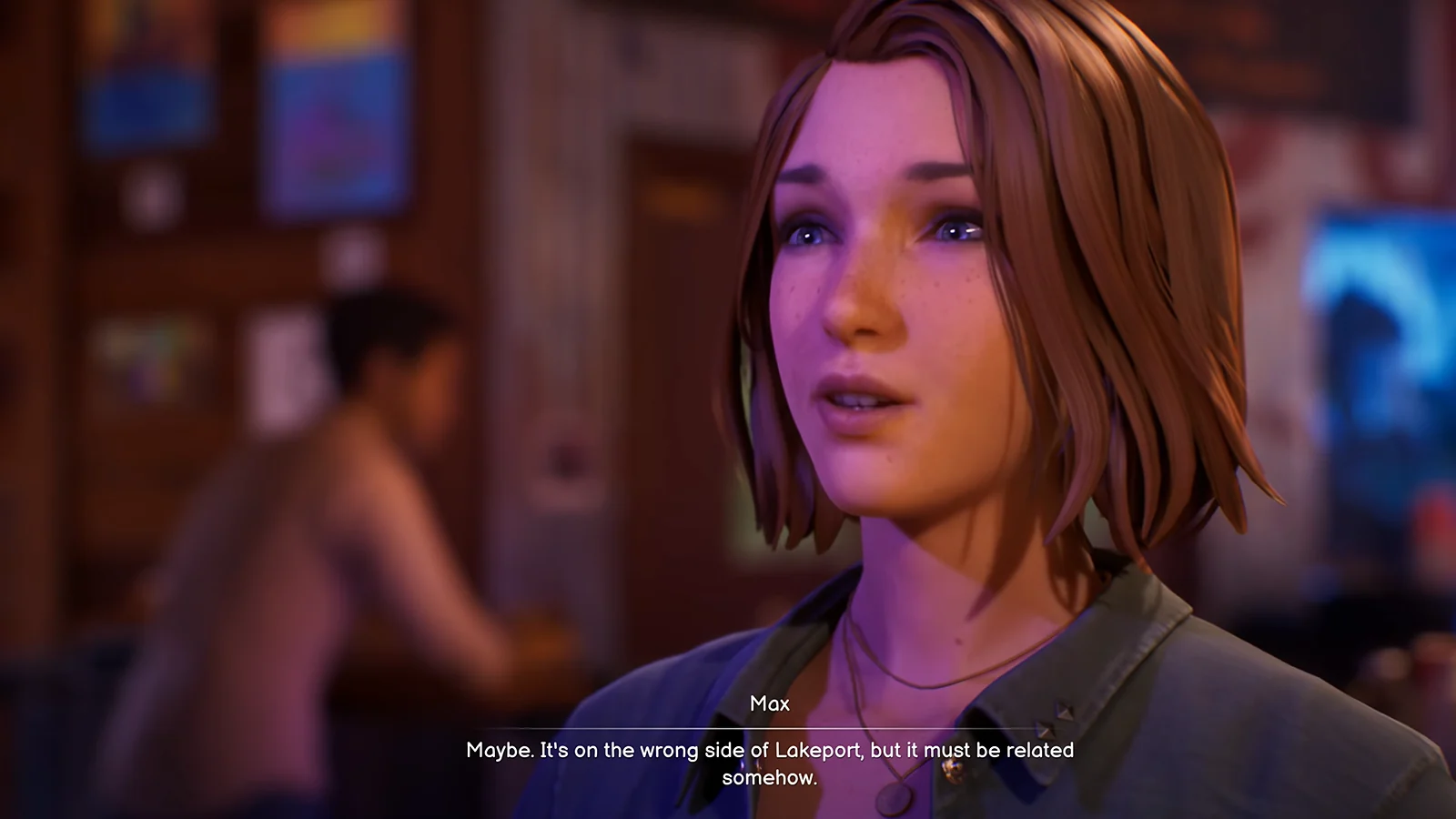
So, if you’re only here for the Max and Chloe content and don’t care about the broader plot, you can get by with the recap and don’t really need to play all the other Life is Strange games in order to enjoy it. But for the intended experience, I believe the two games should be viewed as equally important parts of one continuous journey.
For those of you who want to experience the best way to play through previous titles to understand Reunion’s story, get the original Life is Strange (remastered version available) → Life is Strange: Before the Storm (optional but adds to Chloe’s context, also included in Life is Strange Remastered Collection) → Double Exposure → Reunion. If you’ve never played the original version or just want a bit of reminder what it offers, read Life is Strange game review and refresh your memory.
There are also twin packs for Double Exposure and Reunion available if you want to get the best deal for the latter half of the “complete” experience. Life is Strange 2 and True Colors are standalone and not required.
Life is Strange Reunion Playtime: How Long to Beat
If you’re weighing up whether the price tag matches your time, here’s what to expect.
A focused main story playthrough runs 10 to 12 hours. If you are the type to skip optional interactions and push straight through dialogue, you can get it down to around 9 hours. That puts it shorter than a standard AAA title, but it is a more substantial offering than any previous Life is Strange episode or DLC by a clear margin.
The completionist route is where the scope really opens up. Getting everything across multiple playthroughs, including single-run-only achievements like winning all of Chloe’s backtalk mini-games, pushes the total to 25 to 30 hours. The game also includes a Scene Select feature after your first playthrough, so you can return to specific chapters for collectibles or branching choices without starting from scratch.
Final Verdict: Is Life is Strange: Reunion Worth Buying?
At $39.99 (or $48.55 for the Life is Strange: Reunion Deluxe Edition), the Life is Strange Reunion playtime comes in at 10 to 12 hours for the main story, stretching to 25 to 30 hours if you are chasing full completion across multiple playthroughs. That puts it shorter than a standard AAA title but longer than any previous Life is Strange episode or DLC.
For either price, I feel you are getting a highly polished, emotionally resonant finale that features some of the best writing and acting in the series’ history. If you are a fan who has been waiting for closure since 2015, the value here is immeasurable. It provides the kind of catharsis that is rare in gaming.
Though I still think the original is tough to beat in terms of pure storytelling, the dual-protagonist gameplay in this finale is a genuine innovation for the franchise. Swapping between Max’s time manipulation and Chloe’s sharp-tongued social engineering adds a layer of variety that keeps the gameplay from feeling like a chore.
The puzzles are more integrated into the story, and the “Synaptic Echoes” add a layer of tension that makes every rewind feel dangerous. It’s a mechanically sound game that respects the player’s intelligence, much like other top-tier games like Life is Strange, where puzzles are well-utilized along with the heavy narrative.
Unfortunately, even as someone who’s enjoyed the series, I also have to be honest about the weaknesses. The game reuses a significant portion of the maps from Double Exposure. If you just finished that game, walking through the same Caledon hallways might feel repetitive.
The “Timeline Merge” explanation is also a bit thin on logic; it’s a narrative device designed to get characters into the same room, and if you look too closely at the “science,” it starts to wobble. Also, the pacing in the middle chapters can feel a bit sluggish as the game focuses on minor campus drama while a literal apocalypse is approaching.
Despite these minor gripes, I believe Reunion is a must-play for anyone invested in this series. It’s the Max and Chloe final chapter that Double Exposure couldn’t – or wouldn’t – provide, and it handles the return of Chloe Price with a level of grace and maturity that’s honestly surprising.
To round out my Life is Strange Reunion review, if you were disappointed by the lack of Chloe in previous entries, this is the game you’ve been waiting for. It’s a beautiful, yet heart-wrenching goodbye to two of the most important characters in modern gaming.
Even with its flaws, it stands as a testament to why Life is Strange became a phenomenon in the first place. Life is Strange Reunion reviews from both critics and players are landing in the same place: this is a worthy finale, and it is absolutely worth your time.
| Pros | Cons |
|---|---|
| ✅ Playing as both Max and Chloe adds great variety ✅ The “Backtalk” system feels more refined and high-stakes ✅ The facial animations are some of the best in the genre ✅ The soundtrack is an absolute banger ✅ Multiple endings have genuine replay value | ❌ Heavy reuse of maps from Double Exposure ❌ The ending might feel a bit rushed if you don’t find all the collectibles ❌ The timeline merge logic is a bit thin if you look too closely |
FAQs
Yes, Life is Strange: Reunion is most definitely worth playing. If you’re looking for emotional closure for Max and Chloe, Reunion delivers in a way that feels respectful and earned. Despite some reused assets, I’d argue that the dual-protagonist gameplay and high-quality writing justify the $39.99 price point for any long-time fan.
Yes, it is a standalone full game, though it acts as a direct sequel to both the original Life is Strange and Double Exposure. It packs a complete 10 to 12-hour campaign (more if you’re keen on exploring its multiple endings) with its own unique mechanics and endings. Unlike some previous entries, it was released all at once rather than in episodic installments.
The Life is Strange Reunion playtime runs 10 to 12 hours for a focused main story playthrough, closer to 9 hours if you skip optional interactions. Completionists chasing every achievement can expect 25 to 30 hours total across multiple playthroughs, helped along by a Scene Select feature that unlocks after your first run for revisiting specific chapters.
Yes, you can play as Chloe in Life is Strange: Reunion for the first time in a main series entry. You alternate between playing as Max and Chloe throughout the story, using their different abilities to progress. Max focuses on her time-rewinding powers, while Chloe utilizes the “Backtalk” mechanic to navigate social conflicts.
Yes, Life is Strange: Reunion is canon. The game is developed by Deck Nine and published by Square Enix, making it the official continuation of the story. It uses a “Timeline Merge” plot device to ensure that whichever ending you chose in the first game is respected. This allows the game to serve as a finale for all players, regardless of their past decisions.
The developers originally chose to keep Chloe out of the main spotlight in Double Exposure to avoid “invalidating” the sacrifice ending from the 2015 original. This was a controversial creative decision that aimed for a fresh start for Max. Reunion addresses this controversy head-on by exploring the supernatural consequences of that absence and finally bringing her back into the story.