

Sell Skins for PayPal: A Complete Guide in 2026

Eneba Hub contains affiliate links, which means we may earn a small commission if you make a purchase through them—at no extra cost to you. Learn more


If you want to sell skins for PayPal, you’re tapping into a global economy that generates billions annually by turning virtual cosmetics into real-world cash. The marketplace is complex, filled with varying fees, regional restrictions, and security concerns that make finding the right platform challenging for gamers cashing out their inventories.
This guide breaks down everything you need to know about converting your CS2, Rust, TF2, and Dota 2 inventories into PayPal funds. The platforms covered here support legitimate transactions with transparent fee structures, though the skin market has shifted since CS2‘s economy dropped from $4.5 billion to $2.5 billion throughout 2025.
PayPal remains the most accessible withdrawal method for international gamers who want to sell CS2 skins for PayPal or cash out inventories from other games. The following sections compare top platforms, explain security measures, outline fee structures, and provide step-by-step instructions for maximizing returns while avoiding scams.
Jump to:
Why Sell Skins for PayPal? Understanding the Skin Economy
Digital skins carry genuine monetary value, with rare items commanding thousands of dollars in active trading markets. The difference between Steam’s Community Market and third-party platforms matters because Steam only lets you add funds to your wallet rather than withdraw cash to bank accounts or payment processors like PayPal.
Third-party marketplaces solve this limitation by connecting buyers and sellers directly, then facilitating real money transactions through various payment methods. PayPal dominates as the preferred option because it operates in over 200 countries and processes transactions quickly compared to traditional bank transfers that can take several business days.
Players cash out their inventories for multiple reasons beyond simple profit-taking. Some want to upgrade their collections by selling common items to fund rare purchases, while others treat skin trading as side income that supplements regular earnings. Budget-conscious gamers liquidate unused items rather than spending additional money on new games or hardware, similar to how they might explore best game apps to win real money.
The 2026 landscape shows opportunities still exist despite market contractions. Understanding how to navigate platforms that let you sell Rust skins for PayPal or convert TF2 inventories means tapping into markets where serious collectors still pay premium prices for specific items using skins to PayPal services.
Best Platforms to Sell Skins for PayPal
Choosing the right marketplace depends on which game you’re trading, what fees you’re willing to pay, and how quickly you need funds. The platforms below support PayPal withdrawals with varying fee structures, security features, and processing times that affect your final payout.
Best Platforms to Sell CS2 Skins for PayPal
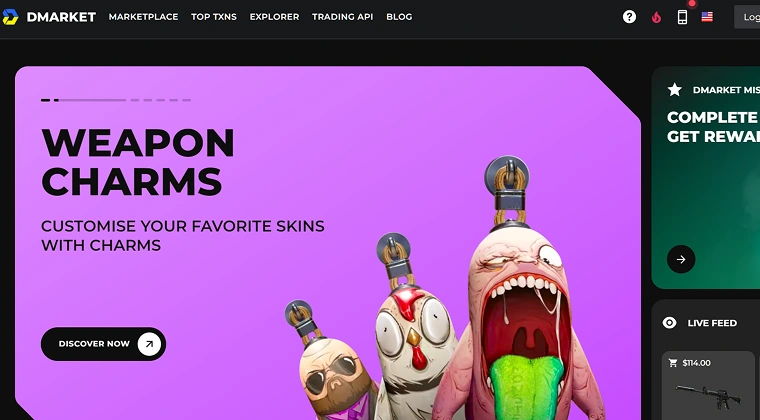
The CS2 skin market remains the largest despite recent contractions, giving sellers multiple platform options with competitive fees. Understanding where to sell CS2 skins for PayPal requires comparing security features, transaction speeds, and total costs beyond just headline seller fees.
| Platform | Best Features | Key Points |
|---|---|---|
| DMarket | 2% seller fee, TrustShield protection, multi-game support | Lowest fees in industry, requires KYC verification, instant and marketplace options |
| ShadowPay | Instant buyouts, CS2 specialization, bot-based trading | Fast payments at 70-85% market value, great for common skins, quick processing |
| Skinport | 8% seller fee (reduced from 12%), transparent pricing | Strong security standards, marketplace and instant options, growing PayPal support |
| SkinBaron | European market focus, auction-style listings | Good for EU sellers, competitive bidding system, moderate fees |
| Tradeit.gg | Promotional bonuses, 0-30% variable fees | Strategic timing can eliminate fees, bot system for instant trades |
DMarket leads with the lowest seller fee at just two percent while offering robust security through TrustShield browser protection that alerts users to phishing attempts. The large user base means most competitively-priced items sell within hours, making it ideal for sellers wanting to sell skins for paypal money quickly.
ShadowPay excels for sellers prioritizing speed over maximum returns, with its bot-based system providing immediate payment rather than waiting for buyer matches. The platform’s CS2 specialization keeps pricing algorithms current with market trends and tournament-driven demand spikes.
Skinport improved its competitiveness by reducing seller fees from 12% to 8% in September 2025, though PayPal payout options still lag behind bank transfers and cryptocurrency. The platform works well for patient sellers willing to list items and wait for buyers rather than accepting instant cashout rates.
SkinBaron serves European sellers through auction-style listings that let buyers compete through competitive bidding. The regional focus means lower PayPal fees and faster processing for EU-based users, with the auction system potentially driving prices above market averages for rare items.
TradeIt.gg features variable seller fees from 0-30% depending on promotional periods and user tier. Strategic timing during promotional windows can eliminate fees entirely, while the bot system provides instant trades for common skins at predictable rates.
Best Platforms to Sell Rust Skins for PayPal
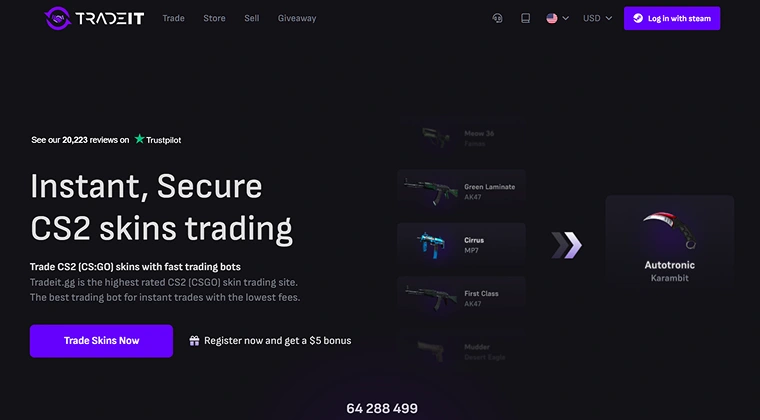
Rust‘s skin economy operates smaller than CS2 but maintains dedicated trading communities where collectors pay solid prices for rare items, making rust skins for cash a viable option for inventory monetization.
| Platform | Best Features | Key Points |
|---|---|---|
| Tradeit.gg | Multi-game support, promotional fee structure | Same features as CS2, lower liquidity for Rust items |
| ShadowPay | Instant buyouts for Rust, automated pricing | 60-80% market value payouts, good for common skins |
| Skinport | Marketplace listings, 8% seller fee | Better for rare items, longer sale times expected |
| DMarket | 2% fee across all games, large user base | Helps move Rust items faster than specialized platforms |
| SkinSwap | Instant trades, lower rates but fast processing | Focuses on speed over maximum profit |
Tradeit.gg handles Rust skins with the same promotional model that can eliminate fees during special events, though the smaller Rust market means lower liquidity compared to CS2. Pricing competitively becomes more important since fewer active buyers browse specifically for Rust items.
ShadowPay processes Rust skins through instant buyouts at 60-80% market value, prioritizing speed over maximum returns. The automated pricing system works best for common items that move quickly rather than rare collectibles requiring patient selling.
SkinPort handles Rust items through its marketplace system with the standard 8% seller fee, giving rare skins better exposure to collectors. Expect longer sale times compared to CS2 due to the smaller buyer pool, but competitive pricing can still attract serious collectors.
DMarket’s large multi-game user base helps sellers move Rust items faster than smaller platforms despite the game’s niche market position. The two percent seller fee structure remains consistent across all supported games, making it reliable for diversified inventories.
SkinSwap focuses purely on instant trades with lower payout rates in exchange for immediate processing. The platform suits sellers who prioritize liquidity over maximizing profit, making it ideal for quickly converting common Rust skins into PayPal funds.
Best Platforms to Sell TF2 Items for PayPal
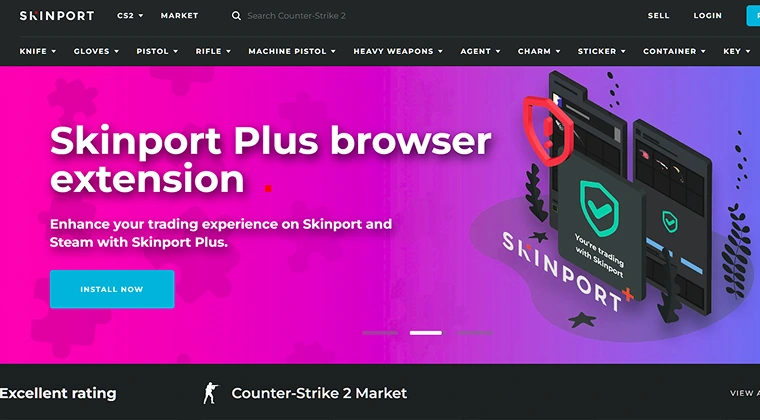
TF2‘s economy predates many modern trading platforms, creating a market where unusual items and vintage cosmetics command surprising prices from dedicated collectors looking to sell TF2 items for PayPal.
| Platform | Best Features | Key Points |
|---|---|---|
| DMarket | Multi-game marketplace, 2% fee, TrustShield | Large user base improves liquidity for unusual items |
| Skinport | Marketplace control, 8% seller fee | Good for rare unusuals, requires patience for premium prices |
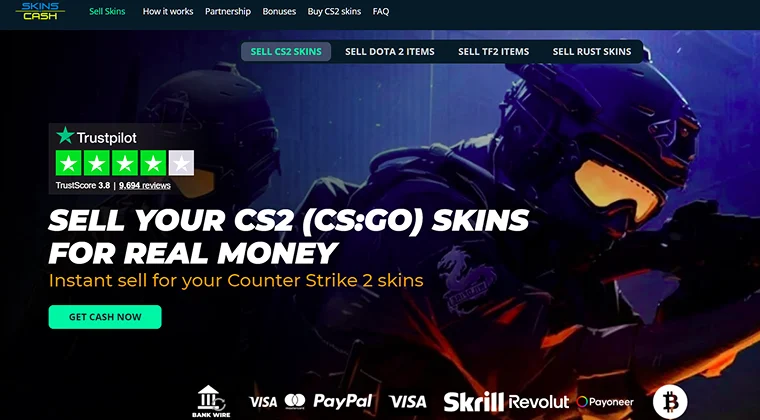
| SkinsCash | Instant buyouts, automated evaluation | 55-75% value range, best for quick sales not rare items |
| Tradeit.gg | Bot-based trading, promotional fees | Less activity than CS2, watch for site-wide promotions |
| Swap.gg | Peer-to-peer trades, lower fees | Direct negotiation possible, escrow system protects trades |
DMarket handles TF2 alongside modern titles with identical security measures and KYC requirements that protect both buyers and sellers. Market liquidity for TF2 items depends heavily on rarity, with unusual hats moving faster than common weapons despite the game’s age.
Skinport supports marketplace listings that give sellers pricing control, though rare unusual effects can sit listed for extended periods while waiting for collectors. Checking recent sale prices helps avoid overvaluing items that seem rare but have limited actual demand.
SkinsCash processes TF2 items through instant buyouts at 55-75% market value, using automated evaluation that works best for common weapons and cosmetics. Rare unusual hats receive lowball offers compared to patient marketplace selling, making this platform better for quick inventory liquidation than maximizing profit.
Tradeit.gg handles TF2 items with less activity compared to its CS2 volume, though site-wide promotional periods can eliminate seller fees entirely. Watch for promotional windows to time your sales strategically, especially for mid-tier unusual items that need competitive pricing to attract buyers.
Swap.gg facilitates peer-to-peer trades with lower fees and direct negotiation between buyers and sellers. The escrow system protects both parties during transactions, making it ideal for rare unusual effects where collectors prefer discussing prices directly rather than accepting automated valuations.
Best Platforms to Sell Dota 2 Skins for PayPal
Dota 2’s skin market attracts collectors willing to pay premium prices for rare immortals and arcanas, making proper platform selection crucial for maximizing returns on valuable items.
| Platform | Best Features | Key Points |
|---|---|---|
| DMarket | 2% fee, TrustShield security, large user base | Excellent for high-value items, strong security measures |
| Skinport | 8% fee, marketplace listings, transparent costs | Good for patient sellers of rare arcanas |
| SkinsCash | Instant buyouts, automated pricing | Lower rates on valuable items, better for common cosmetics |
| Bitskins | Cryptocurrency focus, competitive fees | PayPal requires extra conversion steps |
| ShadowPay | Instant system, 65-85% market value | Fast for common items, consider marketplace for rare pieces |
DMarket’s security features including TrustShield become particularly important when trading expensive Dota 2 cosmetics that attract scammers targeting high-value inventories. The two percent seller fee leaves more money in seller pockets compared to platforms charging double-digit percentages.
Skinport supports Dota 2 with standard eight percent fees and marketplace listings that benefit patient sellers of rare items. High-value arcanas see better returns through marketplace approaches where collectors compete, though instant options exist for sellers prioritizing speed.
SkinsCash provides instant buyouts through automated pricing that undervalues rare arcanas and immortals significantly. The platform works best for common cosmetics you want to move quickly, not high-value items where marketplace selling nets better returns.
Bitskins operates primarily with cryptocurrency payments, requiring extra conversion steps if you want PayPal funds instead of crypto. The competitive fees benefit crypto-savvy sellers, but the added conversion process and potential exchange rate losses make it less attractive for straightforward PayPal cashouts.
ShadowPay handles Dota 2 items through its instant system at 65-85% market value, processing common cosmetics quickly without waiting for buyers. Rare arcanas and high-value immortals deserve marketplace listings elsewhere since instant rates significantly undercut what patient collectors will pay.
How to Sell Skins for PayPal: Step-by-Step Process
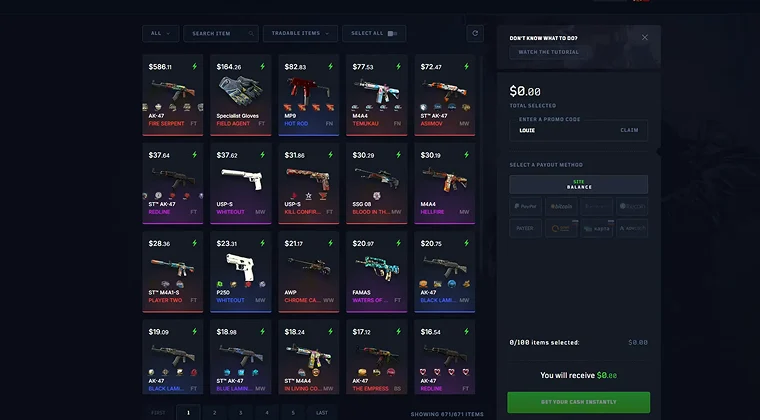
Converting your inventory into real money follows similar procedures across most platforms, though specific details vary by marketplace. Start by comparing platforms based on total fees including seller charges, withdrawal costs, and currency conversion before committing to specific services.
Create accounts through official platform websites, never clicking links in unsolicited messages that might lead to phishing sites. Email confirmation and Steam account linking happen through official Steam authentication that protects your credentials. Most platforms now require KYC verification for PayPal withdrawals, meaning you’ll submit identification documents like passports or driver’s licenses.
List items by choosing between instant cashouts delivering funds quickly at reduced rates (typically 59-90% of market value) or marketplace listings where you set prices and wait for buyers. Instant sales work well for common items with steady demand, while rare cosmetics often justify patience for marketplace approaches that can command premium prices from serious collectors.
Payment processing varies by platform with some batching withdrawals at scheduled intervals rather than processing each transaction individually. PayPal funds typically arrive within minutes to hours once sales complete and withdrawal requests process. Setting realistic prices based on recent sales helps move items faster than overpricing based on optimistic valuations, similar to strategies used when you earn money online through other methods.
Understanding Fees and Maximizing Your Returns
Multiple fee layers eat into final payouts when you sell Steam skins for PayPal, which makes careful calculation essential before listing items. Seller fees typically range from 2-15% depending on platform choice, with DMarket at 2%, Skinport at 8%, and others varying between these extremes.
Withdrawal fees add another cost layer varying by payment method. PayPal withdrawals often incur percentage-based charges plus flat fees, while cryptocurrency options might deliver better rates for sellers comfortable with digital assets. Currency conversion creates hidden costs when Steam inventory prices in USD but your PayPal account operates in different currencies.
True cost calculations require adding all fee layers together rather than focusing solely on headline seller fees. A platform advertising zero percent seller fees but charging high withdrawal costs might deliver worse net payouts than competitors with visible seller fees but lower withdrawal charges. A $100 skin sale might net anywhere from $85 to $97.50 depending on platform selection and payment method choices.
Security: Protecting Your Account and Skins
API key scams represent one of the most common threats facing traders who click malicious links disguised as legitimate platform logins. Fraudsters create convincing fake pages that capture Steam API keys, then use those credentials to manipulate trades without user knowledge or consent.
Enable Steam Guard Mobile Authenticator as your first defense layer since it requires physical device access for trade confirmations. Use unique, strong passwords combining letters, numbers, and symbols rather than reusing credentials across multiple sites. Never share API keys with anyone regardless of claims about giveaways or platform requirements that seem legitimate.
Verify platform legitimacy by manually typing URLs rather than clicking links in messages or emails. Review API keys regularly through Steam settings and revoke any suspicious or unrecognized entries immediately. Steam’s Trade Protection feature introduced in summer 2025 allows reversing trades within seven days if you prove account compromise, though prevention beats recovery since the feature has strict requirements.
PayPal Availability and Regional Considerations
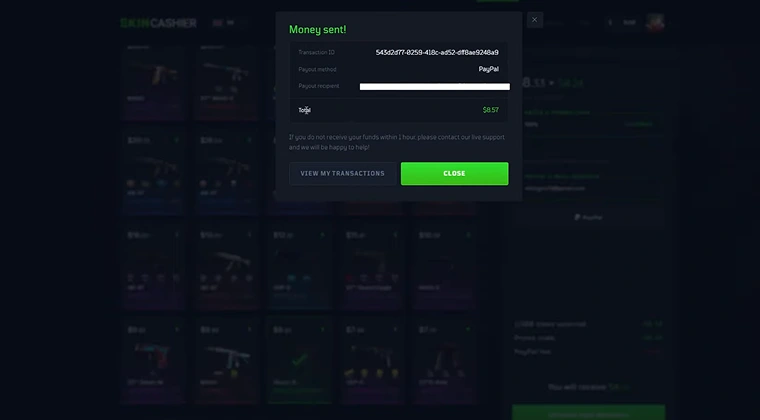
PayPal operates in over 200 countries but with significant regional variations affecting skin sellers differently based on location. Some regions support receiving international payments but restrict local withdrawals to bank accounts, which creates friction for sellers wanting instant access to funds.
Alternative payment methods for regions with limited PayPal access include bank transfers, cryptocurrency options like Bitcoin and USDT, or third-party processors including Skrill, Payoneer, and Wise. Many platforms prioritize crypto withdrawals specifically because they avoid geographic limitations affecting traditional payment processors.
Researching which platforms support your local payment methods before listing items prevents wasted time on marketplaces you cannot actually use for final withdrawals. Skinport added PayPal for purchases in July 2025 but payout options still lean toward bank transfers and cryptocurrency, showing how platform capabilities evolve gradually.
Tax Implications When Selling Skins for PayPal
Selling skins for real money creates taxable income in most jurisdictions, regardless of whether you receive formal tax documents. PayPal issues 1099-K forms to US sellers exceeding $20,000 in sales AND 200 transactions as of 2025, though some states impose lower reporting thresholds between $600 and $5,000.
Track every transaction with dates, amounts, fees, and net proceeds to simplify tax preparation and support filings if questioned. Deductible expenses when operating as a business include transaction fees, withdrawal charges, and software tools used for trading. Using PayPal Friends & Family to avoid fees or hide income constitutes tax evasion with serious legal consequences.
Common Mistakes to Avoid When Selling Skins
Focusing exclusively on seller fees while ignoring withdrawal charges and currency conversion costs leads to disappointing final payouts that underperform expectations. Rushing to accept instant cashout rates without checking marketplace prices means leaving money on the table unnecessarily, particularly for rare items where price gaps can reach hundreds of dollars.
Using unverified platforms or marketplaces with poor reputations exposes sellers to scams, payment delays, or outright theft of valuable inventories. Neglecting account security through weak passwords or disabled two-factor authentication invites hijacking. Selling during market downturns means accepting depressed prices that recover later, similar to poor timing when exploring how to make money playing video games through competitive play.
Turn Your Inventory Into Real Money
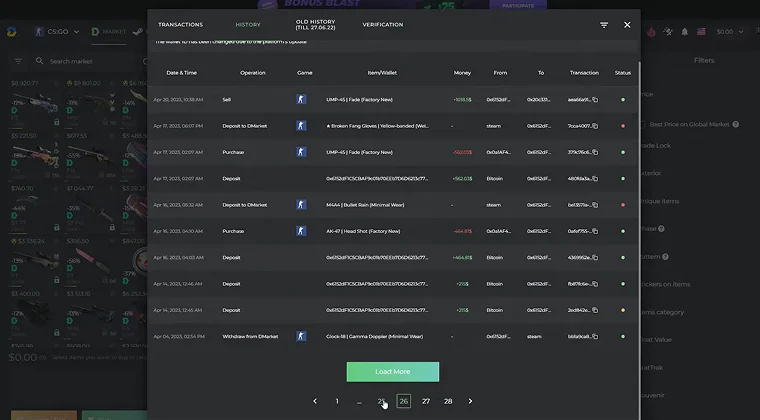
Multiple legitimate platforms allow you to sell skins for PayPal, each with varying strengths that match different seller priorities. Fee comparison across the entire transaction process determines actual value, so calculating total costs including withdrawal charges prevents disappointing outcomes.
Security measures including Steam Guard Mobile Authenticator and unique passwords protect your account from theft that Steam support cannot reverse. PayPal availability varies by region, which makes backup payment methods essential for sellers in countries with limited support.
Selling skins complements other gaming monetization methods including streaming and competitive play, providing another revenue stream similar to ways to make money from home. The Counter-Strike esports scene drives demand for specific skins after major tournaments.
Choose a platform matching your game, verify your account through required KYC procedures, and start converting unused skins into PayPal funds using this guide’s knowledge.
FAQs
DMarket, Skinport, ShadowPay, and Tradeit.gg support PayPal withdrawals. Each platform has different fees and verification requirements affecting final payouts.
SkinSwap supports PayPal and cryptocurrency withdrawals after reaching minimum thresholds. Processing times vary by payment method and verification status.
Most platforms including DMarket and Skinport support cryptocurrency withdrawals. Select crypto as payment method, provide wallet address, and complete sales normally.
DMarket, Skinport, CS.MONEY, ShadowPay, and Tradeit.gg facilitate real money transactions. Compare fees and payment methods before choosing platforms.
Selling skins for real money is legal in most countries though it violates Steam’s Subscriber Agreement. Tax implications apply to all income from skin sales.