


How to Make Stone in Little Alchemy: A Step‑by‑Step Guide

Little Alchemy took me by surprise the first time I played it. As someone who enjoys logic‑based games, I loved how the simple interface of four basic elements opens up a world of possibilities. The goal is to combine elements to form more complex items, and figuring out combinations feels both relaxing and rewarding.
Among the early challenges is learning how to make stone in Little Alchemy. Stone might seem mundane, but it plays a key role in building more advanced objects and “other such valuables.” I’ll walk you through the process, share some hints from my own play sessions, and connect the game’s core ideas to other puzzle experiences.
Jump to:
How to Make Stone in Little Alchemy: Recipes and Combinations
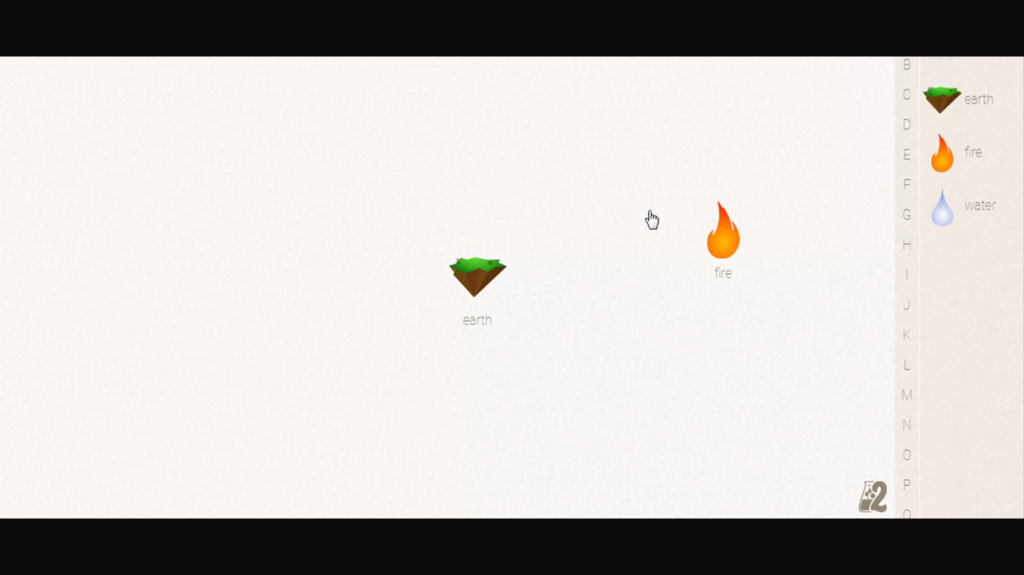
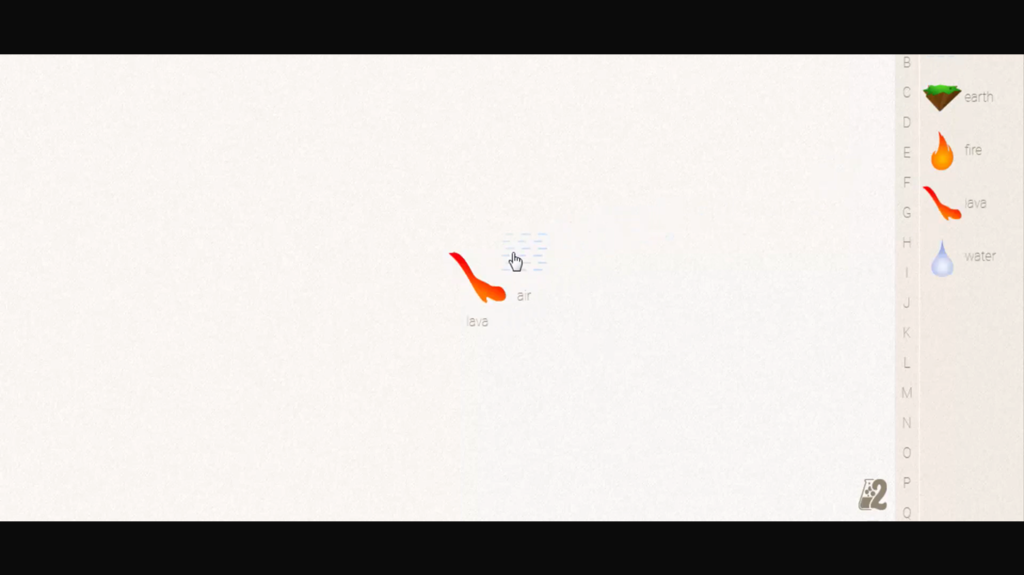
To create stone, you must think like an alchemist. In the original Little Alchemy, the process involves creating lava first, then cooling it down. Start by dragging earth onto your workspace and combining it with fire to produce lava. Next, drop air onto the lava to solidify it into stone. These two simple steps mirror real‑world volcanic processes and underscore the game’s clever use of natural logic.
In Little Alchemy 2, you get additional recipes: you can still mix air and lava, but you can also combine earth with pressure or earth with solid to create stone. Pressure is itself a combination of two identical elements, such as two earth or two air tiles, so you might already have it on your palette.
While stone is straightforward to make, its value lies in what it unlocks. From stone you can craft bricks, tools, statues, and even mythical swords. It’s the first building block for structures like pyramids and gravestones, and combining stone with metal yields a blade, which then leads to swords and other weapons.
In my runs I often prioritize creating stone early because it allows me to branch into multiple creative pathways. Understanding these combinations will accelerate your progress toward rarer elements, and it’s a satisfying way to see how simple pieces form the backbone of complex creations.
Breaking Down the Steps
- Create lava. Drop earth and then fire onto the board. Lava forms immediately and opens a path to several materials.
2. Cool lava with air. Drag air onto the lava. The volcanic rock cools instantly into stone.
- Use alternative recipes in Little Alchemy 2. Combine earth + pressure or earth + solid if you have those elements available.
Experiment. Little Alchemy rewards experimentation. Even if you make mistakes, you’ll discover new elements and expand your collection. Keep trying combinations involving stone to unlock other items such as sandstone (stone + sand) or sand (air + stone).
Mastering Little Alchemy: Understanding Elements and Combinations
The core appeal of Little Alchemy lies in experimenting with a handful of elements and watching surprising results emerge. You start with four basic elements (air, earth, fire, and water), and gradually build a library of hundreds of items. I found that the best approach isn’t to memorize recipes but to think logically about how materials interact.
For instance, pressure is created by combining two air or two earth elements, echoing how gravity compresses matter in the real world. The resulting pressure then helps form stone, coal, or even diamonds. Learning these logical shortcuts improves your efficiency and keeps the process fun.
Stone also illustrates why Little Alchemy appeals to fans of broader puzzle games. The way you combine elements and test hypotheses resembles the deductive reasoning and creative thinking celebrated in our list of best puzzle games.
Puzzle enthusiasts love the moment when a solution clicks, whether it’s manipulating text in Baba is You or aligning portals in Portal 2. Little Alchemy evokes the same feeling by rewarding players for thinking outside the box. When I first realized that combining earth with fire produced lava, it felt like solving a clever riddle. That satisfaction grows each time you connect new elements.
Starting Elements and Their Roles
- Air: The most versatile of the starting elements, air helps cool lava into stone, spreads fire into energy, and mixes with water to make rain. It also forms pressure when combined with itself.
- Earth: The bedrock of many combinations. It pairs with fire to make lava, with water to create mud, and with itself to form pressure. Earth is essential for crafting stone and derivatives like sand, brick, and mountain.
- Fire: Transforms and energizes. Combining it with earth yields lava, with water produces steam, and with air gives energy. Fire enables the creation of metals and fuels.
- Water: Introduces fluidity. When combined with earth it makes mud, with air it forms rain, and with fire it generates steam. Water is central to life‑producing recipes.
By mastering these basics, you’ll intuitively predict how elements might interact. Stone sits at the crossroads of these interactions and bridges earth’s solidity, fire’s transformative heat, and air’s cooling effect. Once you’ve built a mental model, exploring new combinations becomes an addictive loop.
Pro Tips for Creating Stone and Other Valuables
Making stone is just the beginning. As you expand your library, the same logical principles will guide you toward more intricate items. Here are a few strategies I’ve learned while playing:
- Think like a scientist. The recipes in Little Alchemy often mimic real‑world processes. For example, cooling lava into stone and compressing earth into stone reflect geological phenomena. This knowledge helps you guess combinations for sand (stone + air) or pressure (two earth or two air elements).
- Chain reactions lead to breakthroughs. Don’t stop at stone. Use it to create metal (stone + fire) and then tools (metal + human). Tools open a floodgate of new items, from swords to buildings. Similarly, mixing stone with plant yields moss, and combining stone with egg leads to fossils.
- Use the “drag and drop” method wisely. Dragging elements onto each other is intuitive, but the order matters in some cases. If a combination doesn’t work, try reversing the order.
- Experiment with pressure and solid. In Little Alchemy 2, the alternative paths to stone encourage you to explore more complicated recipes. Combining earth with solid often leads to stone and then to materials like clay or coal.
- Keep notes. Just as Blue Prince fans jot down clues while exploring the shifting rooms of Mount Holly Estate in our Blue Prince secrets guide, writing down successful combinations can help you remember pathways and spot patterns. When I first played Little Alchemy, I kept a small notebook next to my keyboard to track what worked and what didn’t.
Stone’s Role in Larger Creations
Stone is a building block for many complex items. Here are some of my favorite combinations:
- Blade (stone + metal): Produces a cutting tool that leads to weapons like sword or axe.
- Sandstone (stone + sand): Unlocks architectural materials such as pyramid and gravestone.
- Statue (stone + tool): Creates decorative objects that open up artistic paths.
- Flour (stone + wheat): An amusing combination where grinding grain with stone yields flour.
Exploring these paths reminds me of the satisfaction I felt while wandering through the mysterious worlds highlighted in our roundup of games like Myst. Those titles drop you into strange environments with minimal guidance, encouraging you to piece together clues and unravel secrets. Likewise, Little Alchemy encourages curiosity. You never know when a seemingly odd combination (like combining stone with life) will produce something unexpected.
Bringing It All Together
Learning how to make stone in Little Alchemy is a small but significant milestone in a game that celebrates curiosity and experimentation. Start with earth and fire, mix in air, and you’ll unlock a versatile building block that opens countless doors.
From there, explore alternative recipes in Little Alchemy 2 and follow your intuition to build tools, structures, and even legendary artifacts. Use the logical relationships between elements to inform your guesses, keep track of your successes, and embrace the trial‑and‑error nature of the game.
If you enjoy combining elements and thinking creatively, you might want to dive deeper into alchemy‑themed games. Potion Craft: Alchemist Simulator offers a more detailed take on potion brewing and tasks you with crafting concoctions for picky clients.
FAQs
How do you make stone in Little Alchemy from scratch?
To make stone in Little Alchemy from scratch, start by combining earth and fire to create lava, then mix the lava with air. This two‑step process mirrors the natural cooling of magma and yields stone, one of the game’s core materials.
What can you make with stone in Little Alchemy?
With stone in Little Alchemy you can make objects like sandstone, tool, blade, grave, and statue by combining it with items such as sand, metal, life, and tool. Each combination expands your crafting options and unlocks more advanced elements.
How do you create pressure in Little Alchemy?
To create pressure in Little Alchemy, combine two identical basic elements: air + air or earth + earth. This recipe generates pressure, which is essential for making stone in Little Alchemy 2 and for crafting other materials like coal.
Can you use different recipes to make stone in Little Alchemy 2?
Yes, you can use different recipes to make stone in Little Alchemy 2, such as earth + pressure, earth + solid, or air + lava. These alternative pathways encourage experimentation and reflect various geological processes.
How do you make lava in Little Alchemy?
To make lava in Little Alchemy, combine earth with fire. Lava is the molten rock that serves as an intermediary step toward crafting stone and other items, so mastering this recipe is key to your alchemical progression.