


Dropshipping on Shopify in 2026: How It Works & How Much You Earn

Eneba Hub contains affiliate links, which means we may earn a small commission if you make a purchase through them—at no extra cost to you. Learn more


QUICK LOOK
Realistic first-year income lands between $100 and $1,000 monthly for beginners. Launching a niche store using fast suppliers provides the cleanest entry point: start sourcing with Zendrop.
Building a reliable online revenue stream comes down to picking an e-commerce model that fits your budget, technical skills, and target margins. Sourcing products through dropshipping on Shopify gives you a ready-made framework to run a real retail business with zero inventory.
The days of generic broad stores and slow overseas shipping are over; profitable merchants win by launching focused, audience-first brands. Whether your goal is offering sub-week domestic shipping, building custom print-on-demand collections, or putting inventory sync on autopilot, choosing the right fulfillment strategy keeps your net margins healthy and your buyers coming back.
Jump to:
7 Real Ways to Earn Money Dropshipping on Shopify
Take a look at these seven proven business models to find the operational path that best matches your starting budget and long-term earnings goals:
1. Launch a Niche Store
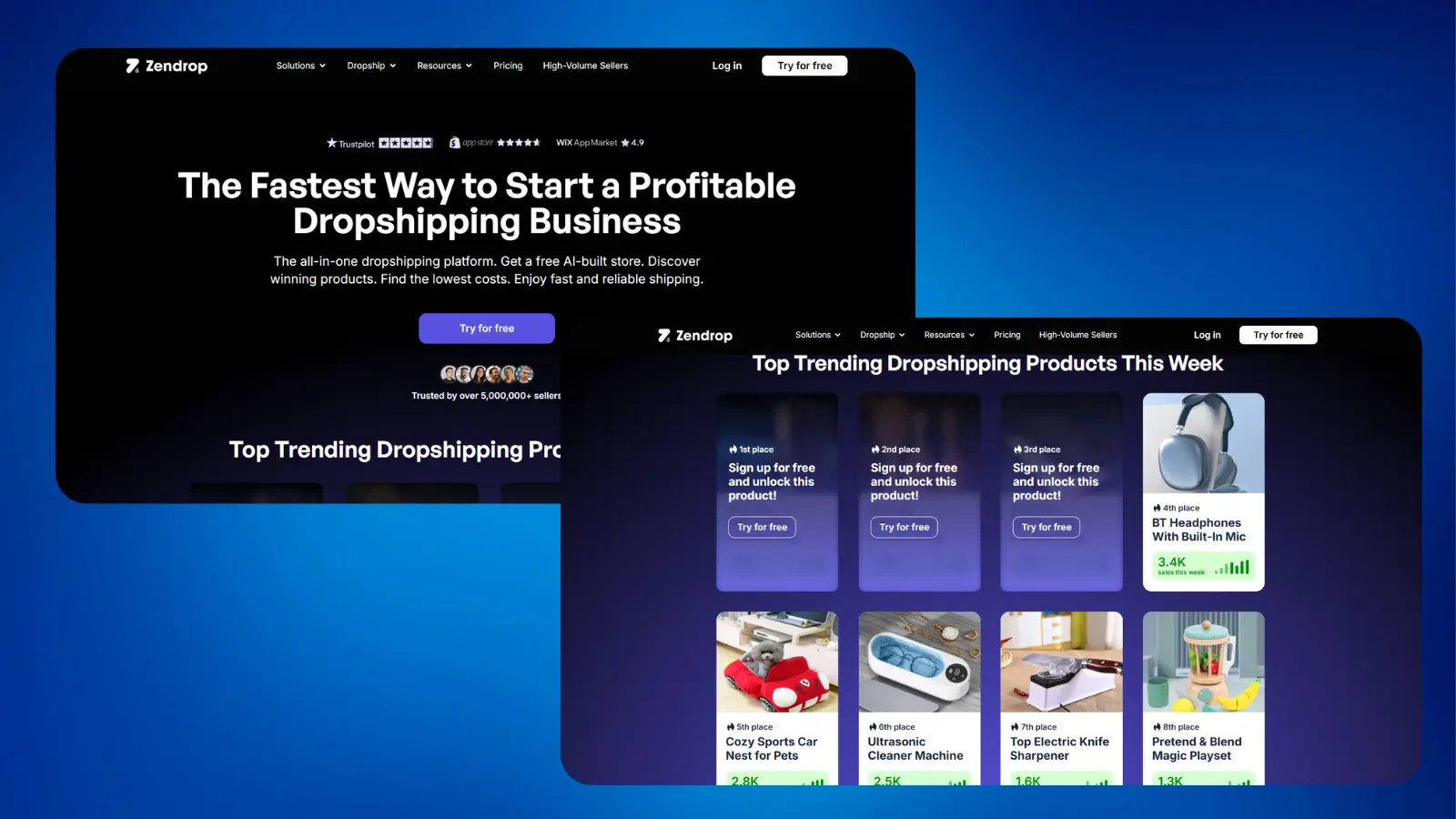
Dropshipping on Shopify using a dedicated niche store and domestic suppliers is one of the cleanest entry points into e-commerce.
By sourcing products through US-based fulfillment platforms, store owners can maintain solid 25% to 35% net profit margins while offering reliable service. Domestic shipping cuts delivery times down to five to eight days, significantly boosting checkout conversion rates compared to traditional overseas suppliers.
Focusing on a single specialized market allows you to build targeted advertising campaigns and tailor your storefront experience to a specific audience. This streamlined approach helps you optimize marketing spend, build brand authority, and turn first-time buyers into repeat customers without spreading your ad budget across unrelated product categories.
Getting started requires a basic platform subscription alongside a modest product testing budget. To streamline your sourcing and deliver products quickly, learn how Zendrop provides fast domestic fulfillment and automated order processing for Shopify merchants.

2. Sell Print-on-Demand Products
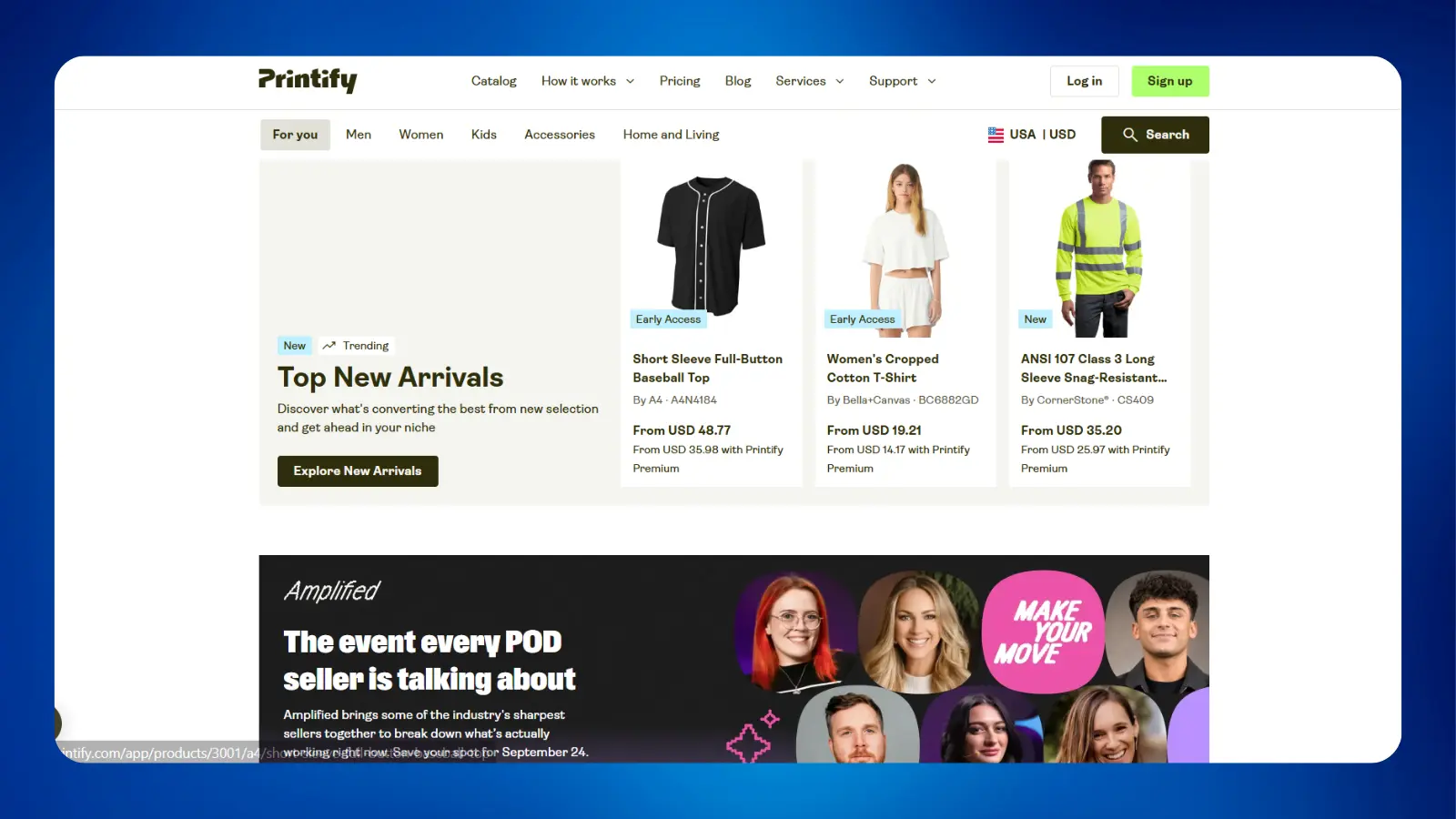
Using print-on-demand to dropship on Shopify allows creators and store owners to sell unique custom merchandise without the burden of upfront inventory or unsold stock.
By uploading custom designs to items like gaming accessories, desk pads, and premium apparel, you can quickly publish high-demand products to your storefront. Items are manufactured and shipped only after a customer completes a purchase, eliminating financial risk while unlocking 40% to 60% gross profit margins.
This fulfillment model lets you test new product designs and niche ideas rapidly without committing capital to bulk production runs. Once an order comes through your store, the production partner automatically prints, packages, and ships the custom item directly to your buyer, providing a completely hands-off operational workflow.
Integrating print-on-demand requires connecting your storefront with a reliable production network that delivers high-quality prints and fast shipping times.
To easily design custom products and automate printing and fulfillment, explore how Printify connects your store with top manufacturers worldwide.

3. High-Ticket Dropshipping
Focusing on quality and margin over sheer order volume transforms the standard retail business model.
Pursuing dropshipping on Shopify with high-ticket goods like luxury home furniture, commercial fitness equipment, or specialized electronics yields substantial dollar returns on single transactions. This approach allows store owners to maintain healthy, predictable profit margins while covering advertising and operational costs with far less pressure on raw traffic numbers.
The key advantage of high-ticket retail lies in its superior unit economics. Higher price points mean a single sale can easily cover your ad spend and fulfillment fees while leaving a significant net margin. Partnering with reputable domestic manufacturers and authorized distributors enables you to deliver premium items with fast shipping times, elevating the customer experience and setting your store apart from generic low-margin sellers.
Building a high-ticket storefront requires strong supplier relationships, professional site architecture, and marketing campaigns designed to convert high-intent shoppers. Setting up these backend systems correctly ensures your brand looks established and credible from day one.
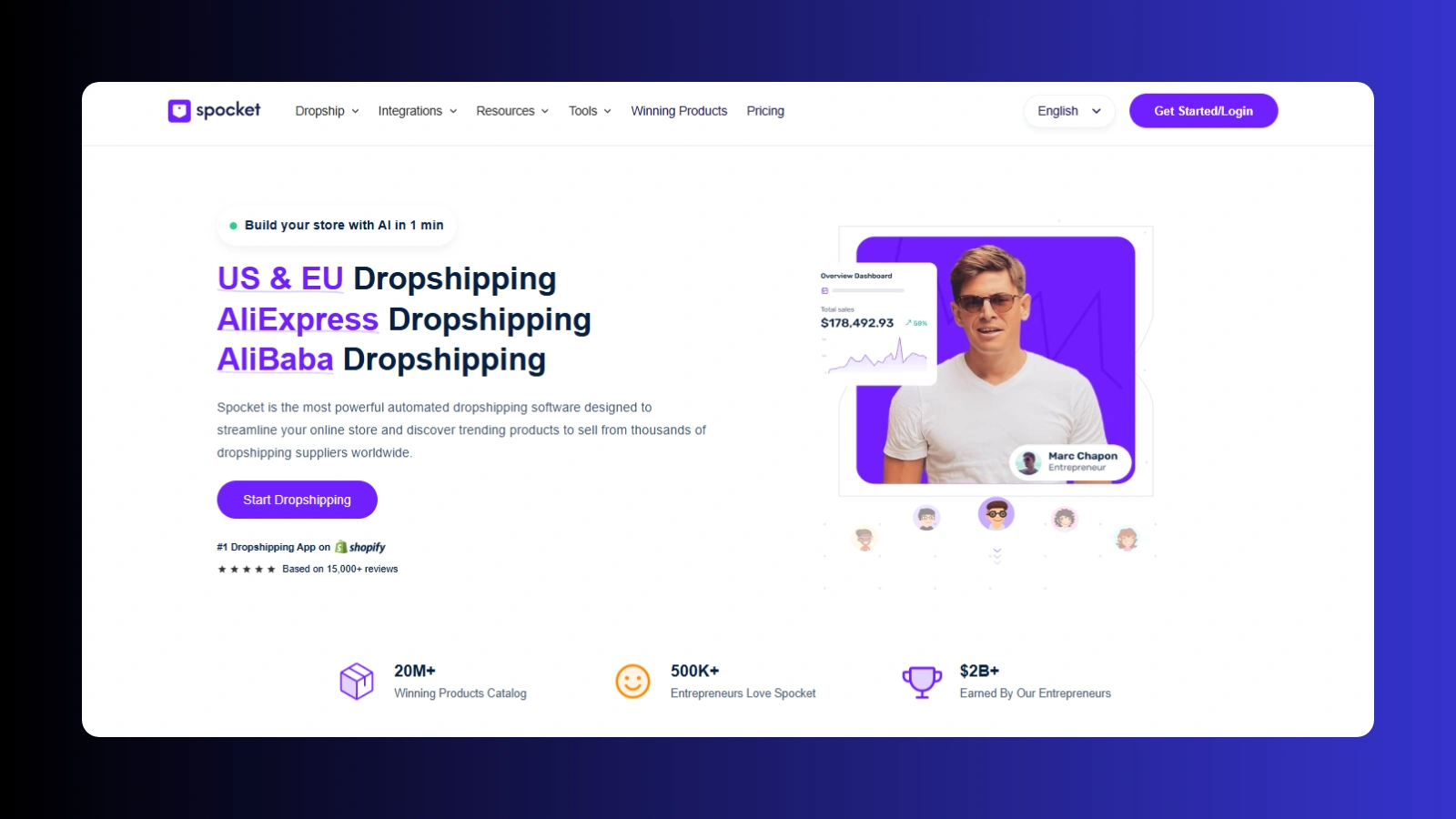
To start sourcing premium products without navigating complex setup processes, explore how Spocket connects your storefront with verified high-ticket suppliers across the US and Europe.

4. Local & Regional Supplier Dropshipping
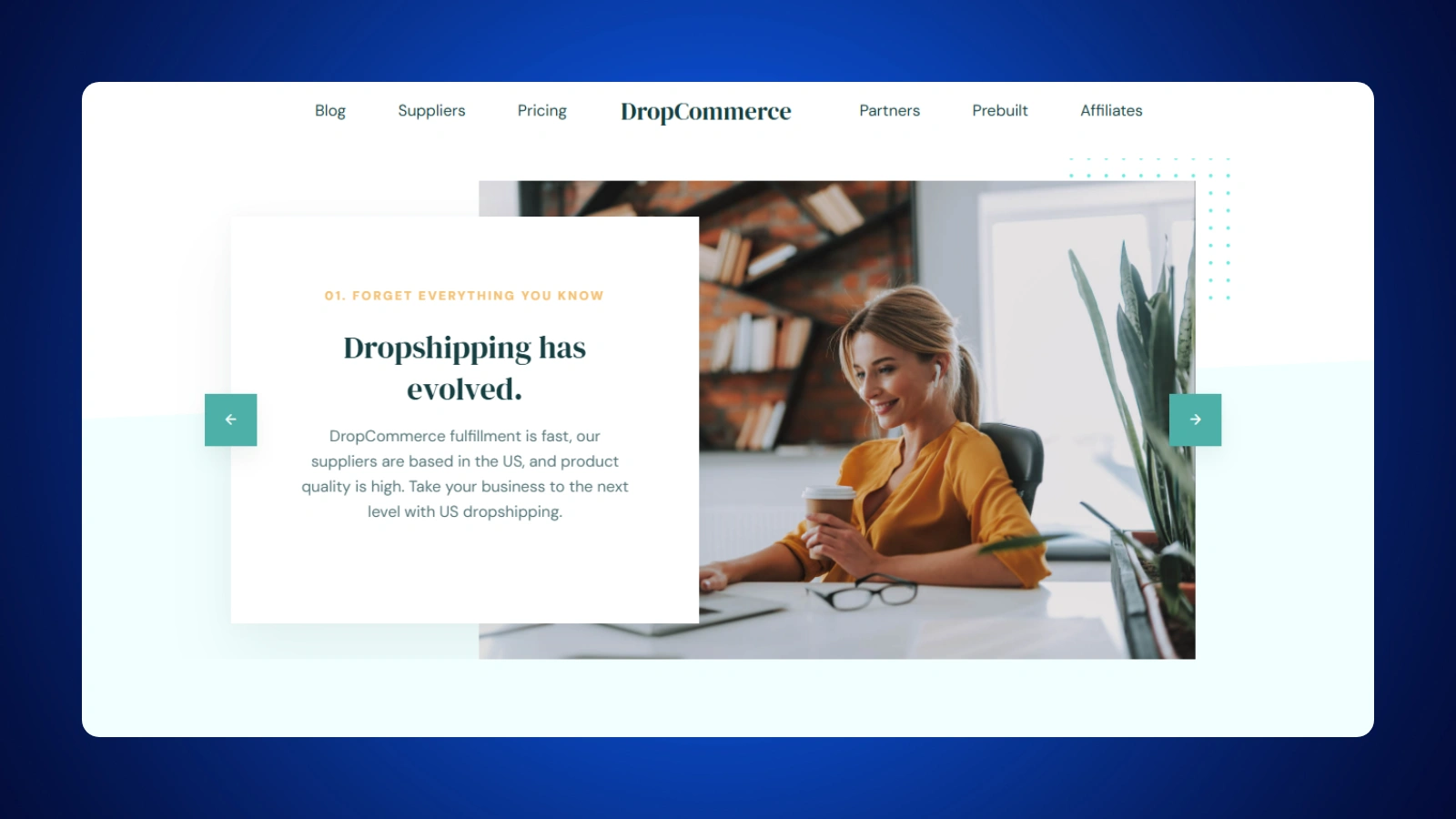
Partnering directly with regional boutique manufacturers and local wholesalers offers a powerful alternative to mass-market overseas suppliers. Dropshipping on Shopify through regional suppliers allows you to feature high-quality domestic goods, artisan crafts, or specialized regional products on your storefront. This strategy builds instant credibility with customers who value fast fulfillment and domestic sourcing over cheap imports.
The primary advantage of working with regional partners is dramatic shipping speed and elevated customer trust. Orders reach buyers in two to four business days, which drastically reduces customer support inquiries and checkout cart abandonment. Additionally, local suppliers typically offer superior product craftsmanship and stricter quality control, leading to higher customer satisfaction, fewer returns, and strong repeat purchasing habits.
Establishing regional supplier partnerships requires connecting your store with wholesale directories that specialize in domestic fulfillment. Securing partners with real-time inventory tracking ensures your site stays updated without risk of overselling.
To easily discover vetted regional artisans and local brand partners for your store, explore how DropCommerce connects your storefront with verified US and Canadian suppliers offering fast domestic shipping.
5. Automated & AI-Driven Niche Stores
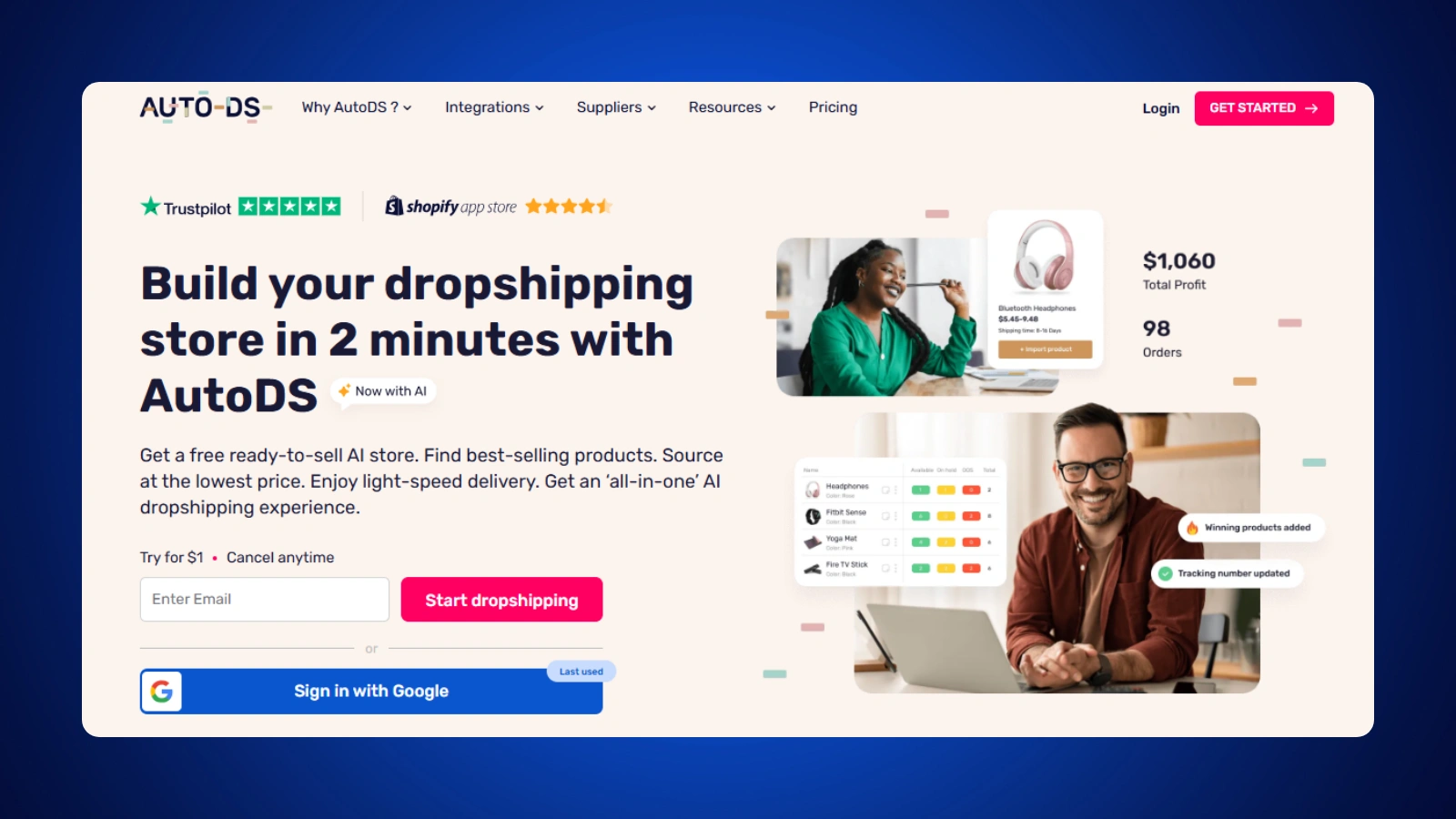
Running an automated niche store through dropshipping on Shopify enables smart software to handle market research, generate optimized descriptions, dynamically adjust prices based on competitor data, and process daily orders. By automating your core workflow, you eliminate repetitive tasks and focus entirely on overall strategy and marketing.
The main advantage of an automated store lies in its ability to operate continuously without increasing your daily workload. Intelligent customer service applications manage routine tracking inquiries, while automated inventory syncs ensure you never sell out-of-stock items. This creates a lean business model that delivers a consistent customer experience while keeping your administrative costs extremely low.
Setting up a fully automated store requires integrating smart software solutions that connect your storefront directly with top suppliers. Choosing tools that offer instant inventory sync capabilities prevents order delays and keeps your operations running seamlessly.
If you want to launch a hands-off store powered by smart software, start using AutoDS to automatically import trending products, monitor stock levels, and fulfill customer orders in real time.

6. Reverse Dropshipping & Premium Imports
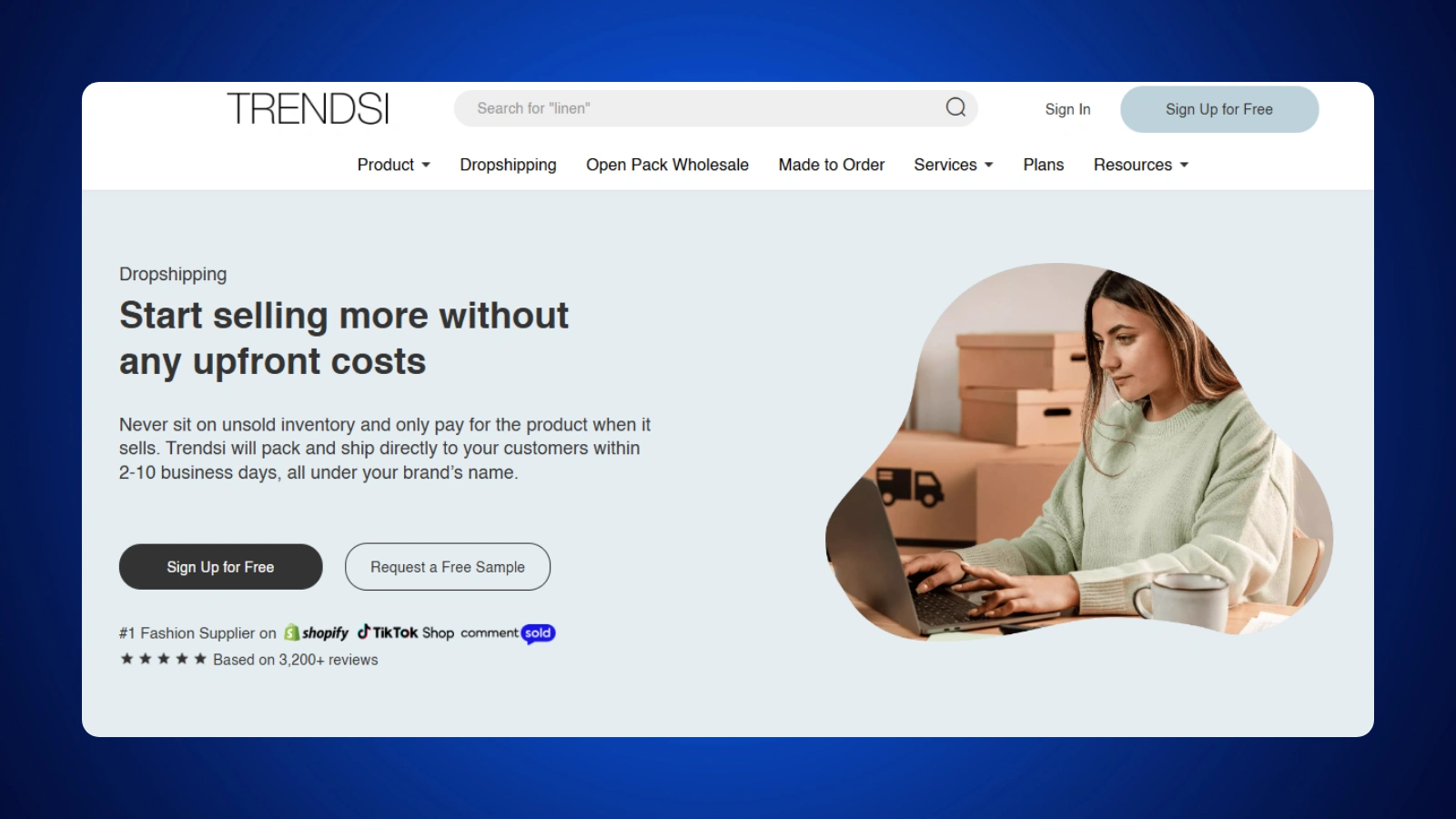
Sourcing specialized goods from regional manufacturers turns traditional cross-border retail on its head. Dropshipping on Shopify by sourcing premium imported fashion, artisan goods, or niche home decor allows you to tap into high-demand product categories that generic suppliers cannot match. Delivering unique goods directly to consumers creates a distinct market position that relies on product quality rather than aggressive discount marketing.
Curated imports offer higher profit margins and lower return rates. Customers are willing to pay more for exclusive designs, higher quality materials, and authentic craftsmanship. Partnering with vetted boutique suppliers ensures your catalog features distinctive items that stand out on social media platforms and search engines.
Building a successful import store requires partnering with reliable fulfillment channels that maintain strict quality control standards. Working with suppliers who inspect inventory prior to shipment protects your store rating and customer feedback.
If you want to build an exclusive fashion or niche import brand, explore how Trendsi connects your store with boutique suppliers and fast-shipping fashion inventories.

7. Social Commerce & TikTok Shop Dropshipping
Combining short-form video content with embedded social storefronts creates an immediate path to direct-to-consumer sales. Dropshipping on Shopify alongside social channels lets you feature impulse-buy products in viral videos while allowing customers to check out seamlessly on mobile.
Capturing attention in social feeds reduces friction and drives more impulse purchases for trending niche products, making social commerce an ideal approach if you want to learn how to make money from your phone while scaling product sales.
The power of social commerce centers on immediate product demonstration and high-converting audience engagement. Featuring functional problem-solving goods or eye-catching accessories in short videos drives fast organic traffic to your store. When backed by reliable fulfillment, social storefronts allow you to scale winning products rapidly without upfront advertising investments.
Succeeding in social commerce requires connecting your storefront with verified suppliers who can handle sudden surges in order volume. Maintaining fast order dispatch during viral traffic spikes protects your buyer experience and keeps your store compliant with platform standards.
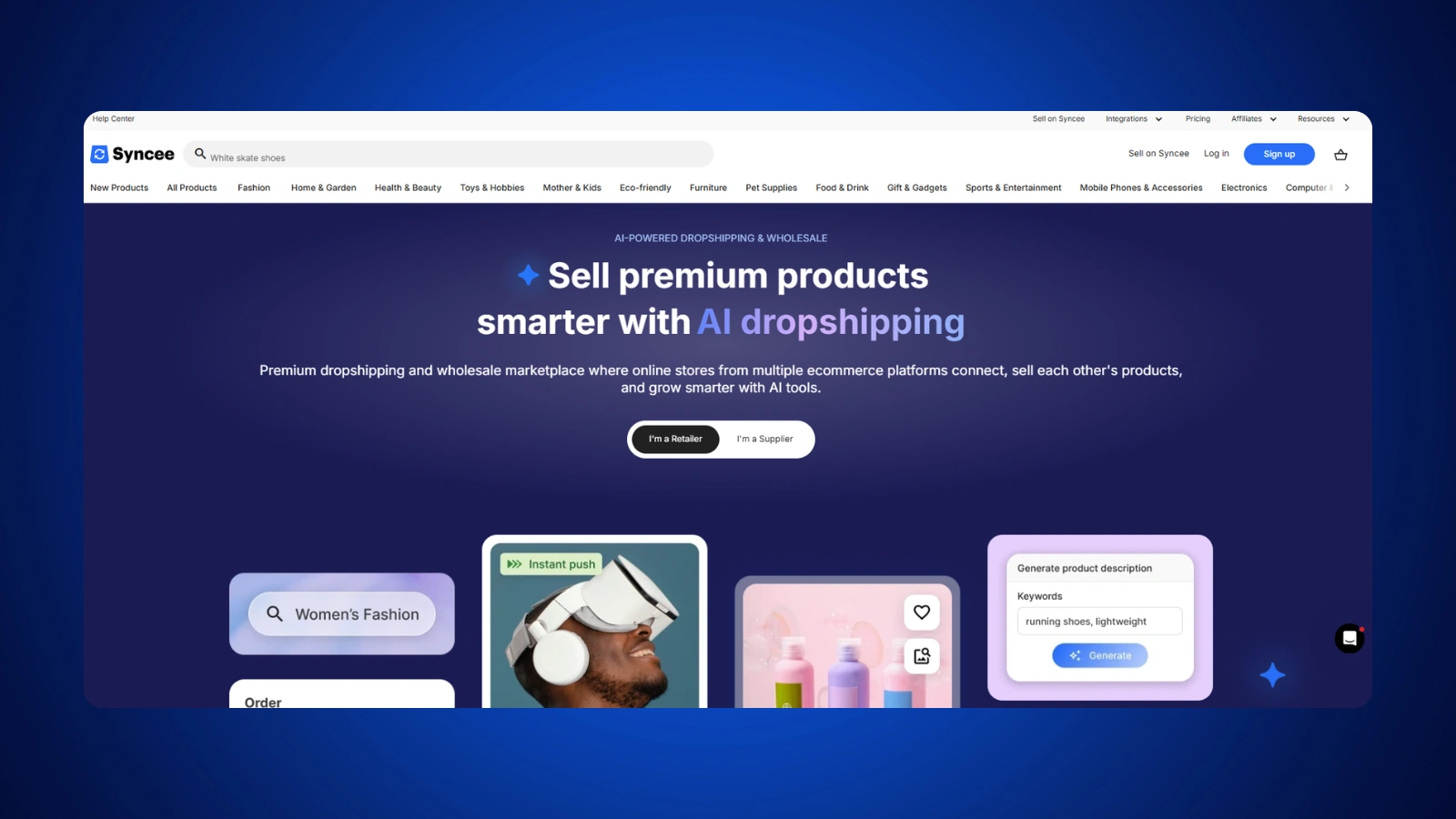
To connect your social storefront with verified global suppliers capable of scaling fast, learn how Syncee automates product integration and order management for Shopify sellers.
Comparing Business Models for Dropshipping on Shopify
Each method associated with dropshipping on Shopify offers distinct trade-offs between startup capital, payout speed, and earning potential.
| Method | Startup Cost | Time to First Payout | Realistic Monthly Range |
|---|---|---|---|
| Launch a Niche Store | $500 – $1,500 | 2 – 6 Weeks | $100 – $2,500 |
| Sell Print-on-Demand Products | $50 – $300 | 1 – 3 Weeks | $100 – $1,500 |
| High-Ticket Dropshipping | $1,000 – $3,000 | 2 – 4 Weeks | $1,000 – $10,000+ |
| Local & Regional Supplier Dropshipping | $300 – $1,000 | 1 – 3 Weeks | $250 – $3,000 |
| Automated & AI-Driven Niche Stores | $200 – $800 | 2 – 4 Weeks | $300 – $4,000 |
| Reverse Dropshipping & Premium Imports | $500 – $1,500 | 2 – 5 Weeks | $500 – $5,000 |
| Social Commerce & TikTok Shop Dropshipping | $100 – $500 | 1 – 2 Weeks | $200 – $5,000+ |
Earn Extra Cash While Building Your Shopify Store
Launching a new e-commerce storefront takes time, and securing your first sales rarely happens overnight. While you test products, optimize your site, and refine your marketing strategy, using free apps that pay real money instantly can help cover small recurring operating expenses like software subscriptions or testing fees.
| App | Minimum Payout | Entry Cost | Direct Sign-up Link |
|---|---|---|---|
| Snakzy | $35 | Free | Join Snakzy Free |
| Bigcash | $1 | Free | Join Bigcash Free |
| KashKick | $10 | Free | Join KashKick Free |
Using micro-reward apps can generate $20 to $100 monthly to help cover software fees while launching dropshipping on Shopify.
Earn real money for playing mobile games on your phone.

Is Dropshipping on Shopify Realistic for Beginners?
Building a dropshipping business around Shopify can produce reliable income, but most new stores fail to reach long-term profitability due to poor unit economics.
Industry failure trackers show that only 10% to 20% of store owners maintain positive net margins in year one. While the top 1.5% of stores generate over $50,000 in monthly gross revenue, take-home profit is substantially lower after accounting for advertising costs and product sourcing fees.
A successful strategy for dropshipping on Shopify requires an initial testing budget of $500 to $2,000 alongside 10 to 15 hours of weekly management.
Most beginners land in the $100 to $1,000 monthly income tier. Intermediate operators achieve $1,000 to $5,000, while established sellers cross $10,000 monthly. Mastering dropshipping on Shopify means cutting underperforming product lines quickly rather than wasting ad spend.
Common Mistakes in Dropshipping on Shopify
Building a sustainable store requires avoiding the common pitfalls that trap new sellers. Even with a solid storefront, simple operational oversights can quickly drain your budget and damage your reputation. Watch out for these critical mistakes when building your business:
- Neglecting ad unit economics: Scaling ad budgets without healthy margins causes store owners doing dropshipping on Shopify to lose money on every order.
- Relying on closed marketplaces: Assuming outdated tools exist wastes time; for instance, Shopify Exchange shut down permanently in 2022.
- Partnering with slow suppliers: Unreliable fulfillment harms dropshipping on Shopify brands by triggering customer refund requests and payment gateway holds.
- Underpricing service work: Freelancers assisting with dropshipping on Shopify setups struggle to raise rates later if they start too low.
Steering clear of these missteps will protect your profit margins and give your business a much stronger foundation for long-term growth.
Final Verdict for Dropshipping on Shopify
Building a business around dropshipping on Shopify remains a viable side hustle in 2026 if managed with strict financial discipline.
Beginners should expect realistic early returns between $100 and $1,000 monthly, with higher scaling reserved for those who protect unit margins. Successful store execution requires choosing reliable US suppliers, avoiding thin-margin products, and maintaining consistent testing budgets.
Earn real money for playing mobile games on your phone.
FAQs
Yes, dropshipping on Shopify is worth it if treated as a real retail business. Net margins average 10% to 30% after ad spend. Success requires fast domestic suppliers, a solid brand, and avoiding saturated, low-margin products.
Yes, but high revenue requires scaling traffic and protecting net margins. At $10,000 in gross revenue, take-home profit usually sits between $1,500 and $3,000 after sourcing fees, marketing costs, and platform subscriptions.
Around 80% to 90% of store owners fail within their first year. The main causes include poor ad unit economics, slow shipping times, unreliable suppliers, and abandoning product testing before optimizing marketing strategies.
No, but low-quality cross-border retail is obsolete. Modern stores succeed by using regional fulfillment partners, print-on-demand services, and social commerce tools to ensure fast delivery and build customer trust.