


Freelancing Tips in 2026: Rates, Clients, and Payments

Eneba Hub contains affiliate links, which means we may earn a small commission if you make a purchase through them—at no extra cost to you. Learn more



QUICK VERDICT
Set your freelance rate using realistic billable hours. Before accepting a project, agree on deliverables and payment terms in writing. Track your time even on fixed-price jobs, and follow up on invoices promptly. If you're new, start with a focused portfolio showing relevant sample work.
Before taking on a project, use these freelancing tips to make sure you know how to price your work and protect your time. A strong portfolio can help you attract clients, while clear agreements and payment terms can prevent costly misunderstandings once work begins.
This guide covers how to find freelance clients, set and raise your rates, manage contracts, and handle late payments. You’ll also learn about useful productivity tools, international payment fees, and important tax considerations for freelancers in the US and UK.
Jump to:
Freelancing Tips at a Glance for Every Freelancer
| Freelancing Tips | What to Do |
|---|---|
| Finding Work and Building a Portfolio | Show your results: Build a comprehensive portfolio highlighting the problems you solve rather than just the tasks or projects you did.Create sample projects: If you lack experience, make “ghost projects” to display your true capabilities.Use social media marketing: Share your work and document your journey on social platforms like LinkedIn to attract possible clients. |
| Managing Clients and Boundaries | Always sign contracts: Protect your intellectual property, scope, and deadlines with a signed agreement before you start any job.Set clear work hours: Define your availability so clients do not expect round-the-clock responses.Communicate: Update clients often and aim to be a trusted partner rather than just a pair of hands. |
| Finances and Pricing | Keep taxes in mind: Put a fixed percentage (such as 25%) of every single payout into a separate account.Know your worth: Avoid underpricing, and raise your rates as your experience and social proof grow.Learn to say no: Walk away from unreasonable clients or projects that take a lot of your time or energy without fair compensation. |
Four Essentials of Running a Successful Freelance Business
Doing good work is only part of freelancing. You also need to manage your income, maintain client relationships, and keep your business finances organized. Four areas deserve particular attention:
- Pricing: Set rates that cover your business expenses and realistic billable hours. Review them as your skills and experience grow.
- Clients: Build a portfolio that demonstrates your abilities, actively look for projects, and use written contracts to establish clear expectations.
- Tools: Track your working hours to understand project profitability. Invoicing and payment tools can also help you manage cash flow and reduce administrative work.
- Taxes: Keep accurate records of your earnings and expenses, and set money aside for tax obligations based on your location and business structure.
Freelancing requires ongoing work to find clients and manage projects. If you’re considering other options, explore our guide to ways to make money online.
The Numbers Behind Good Freelancing Tips
Good freelancing tips are easier to put into practice when you have clear figures and useful tools to work with. The table below summarizes practical calculations, payment arrangements, and tax considerations covered in this guide.
| Category | Tip | Number or Example | Tool to Use |
|---|---|---|---|
| Pricing | Calculate your rate using realistic billable hours | A $70,000 annual income target requires about $54/hour at 1,300 billable hours, before additional expenses | Calculator and industry rate benchmarks |
| Review and raise your rates regularly | A 5–10% increase may be reasonable when justified by rising costs, stronger skills, or client demand | Calendar reminder or project tracker | |
| Clients | Agree on payment terms before starting work | A 50% upfront deposit is one option for direct clients. Larger projects may use milestone payments | Bonsai or HoneyBook |
| Automate overdue invoice reminders | Schedule up to three follow-ups after the due date, adjusting the timing to your payment terms | FreshBooks, Bonsai, or HoneyBook | |
| Tools | Track hours on fixed-price projects | A $300 project pays $30/hour at 10 hours, but only $20/hour at 15 hours, before expenses | Toggl Track or Harvest |
| Compare international payment fees | On a $5,000 invoice, a 1% fee costs $50, while a 3% fee costs $150 | Wise or Payoneer | |
| Taxes | Set aside money for tax obligations | Saving 25–30% of net income can be a starting estimate, but actual tax liabilities vary | IRS.gov or GOV.UK |
The numbers above provide a useful starting point, but putting these tips into practice takes more context. Let’s look at each of the four areas in detail, starting with how to set and raise your freelance rates.
1. Pricing: How to Set and Raise Your Freelance Rates
Your freelance rate needs to cover more than the hours you spend completing projects. Administrative work, client outreach, and business expenses also affect your earnings. These freelancing tips will help you calculate a sustainable starting rate and adjust it as your experience grows.
How to Set Your Freelance Rate Without Underselling Yourself

One of the most useful freelancing tips for beginners is to calculate your rate based on your annual income goal and realistic billable hours. You’ll also need to account for expenses that an employer would normally cover, such as insurance, paid time off, and retirement contributions.
Here’s how to calculate your starting rate:
- Set your annual income goal. Decide how much you need to earn before accounting for business expenses and taxes.
- Estimate your billable hours. Include time spent finding clients, handling administration, and taking time off when planning your workload.
- Calculate your base hourly rate. Divide your annual income goal by your estimated billable hours.
- Account for additional costs. Factor in taxes, business expenses, and benefits that aren’t already included in your income target.
For example, suppose your annual income target is $70,000:
- 40 billable hours per week: $70,000 ÷ 2,080 hours = approximately $34/hour.
- 25 billable hours per week: $70,000 ÷ 1,300 hours = approximately $54/hour.
- Adding a 25–50% allowance: Your target increases to approximately $54–¢81/hour to help cover additional costs.
These calculations assume 52 working weeks. You’ll need a higher rate if you expect unpaid time off or fewer billable weeks. The 25–50% allowance is also an illustrative starting point, so adjust it to your actual costs and avoid counting the same expense twice.
Another important consideration among freelancing tips for beginners is researching what others charge for similar work. Compare rates within your niche and experience level, then use those benchmarks to check whether your calculated rate is competitive.
How and When to Raise Your Rates

Review your freelance rates annually or after completing several projects. A 5–10% increase is reasonable when your costs rise or your skills and experience improve. Building regular rate reviews into your routine is one of the freelancing tips for beginners that can help prevent long-term underpricing.
How you introduce a rate increase depends on the client:
- New clients: Quote your updated rate when discussing new projects. This also lets you see how potential clients respond.
- Existing clients: Check your contract’s pricing terms and consider giving 60–90 days’ written notice before an increase takes effect.
- Long-term clients: Consider offering a limited period at the existing rate in exchange for a longer project commitment, provided the arrangement remains profitable.
Small increases can add up over time. For example, raising a $50 hourly rate by 20% annually for five years would bring it to approximately 124 hours (50 × 1.2⁵ = $124.42). That’s an illustration of compound growth, not a guarantee that clients will accept those increases.
You should also consider whether your current workload supports a higher rate. Consistent bookings, stronger portfolio results, and growing demand for your services can help justify charging more.
If freelance projects slow down, you can explore supplemental earning options such as these game apps that pay real money. Their rewards are variable, so they shouldn’t be treated as a reliable replacement for freelance income.
2. Clients: Finding Work and Managing Contracts
Finding clients is only part of building a freelance business. You also need clear project agreements and reliable payment arrangements. These freelancing tips cover how to approach potential clients, protect yourself with contracts, and manage payments once work begins.
How to Get Your First Freelance Clients
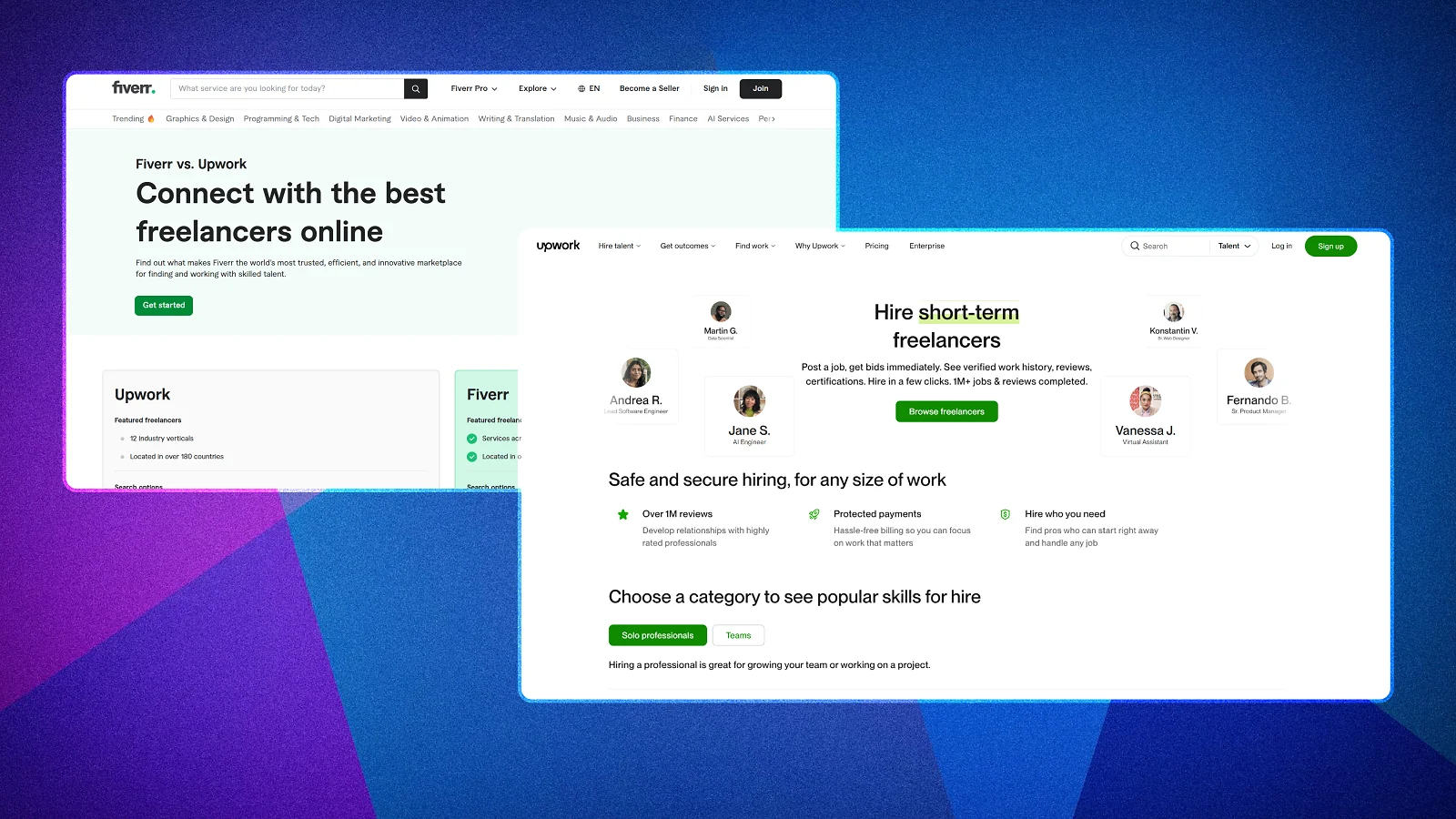
One of the most practical freelancing tips for beginners is to start with people who already know your work. Former colleagues and professional contacts may be able to refer you to someone who needs your services. You can also approach potential clients directly or look for projects on freelance marketplaces.
Here are a few ways to get started:
- Use freelance platforms: On Upwork, you can apply to projects that match your skills. Fiverr lets you create service listings, called Gigs, that clients can purchase.
- Build a focused portfolio: Include examples that demonstrate what you can deliver. If you haven’t worked with clients yet, create sample projects and clearly label them as such.
- Personalize your proposals: Address the client’s specific requirements and explain how you would approach the work.
- Reach out consistently: Contact relevant businesses or professional connections regularly, and keep track of your responses.
Among freelancing tips for beginners, a focused portfolio deserves particular attention. A few relevant examples can demonstrate your abilities more effectively than a lengthy description of your experience.
Don’t expect every proposal to receive a response. Finding consistent work can take time, especially when you’re new. Many freelancing tips focus heavily on improving your profile, but regular outreach and relevant work samples are just as important.

Always Use a Written Contract (Here’s Why It Matters)
A written contract helps establish what the client expects and what you’re responsible for delivering. Among the most important freelancing tips is to agree on the terms before starting work, even for small projects.
Your freelance contract should cover:
- Scope of work: Define the deliverables, deadlines, and number of revisions included.
- Payment terms: State the project fee, due dates, and any required deposit or milestone payments.
- Additional work: Explain how you’ll charge for requests outside the original scope.
- Cancellation and ownership: Specify what happens if either party ends the agreement and when ownership of completed work transfers.
For direct clients, you might request a 50% upfront deposit on a fixed-price project. Larger projects may benefit from payments tied to completed milestones. These are options to negotiate, based on the project’s size and your agreement.
If you’re working through Upwork, check that the client has funded the relevant milestone before starting. The platform’s payment protection depends on following its requirements.
One of the easiest freelancing tips to overlook is documenting changes to the project after the contract is signed. If the client requests additional work, agree on the revised scope and price in writing before proceeding.
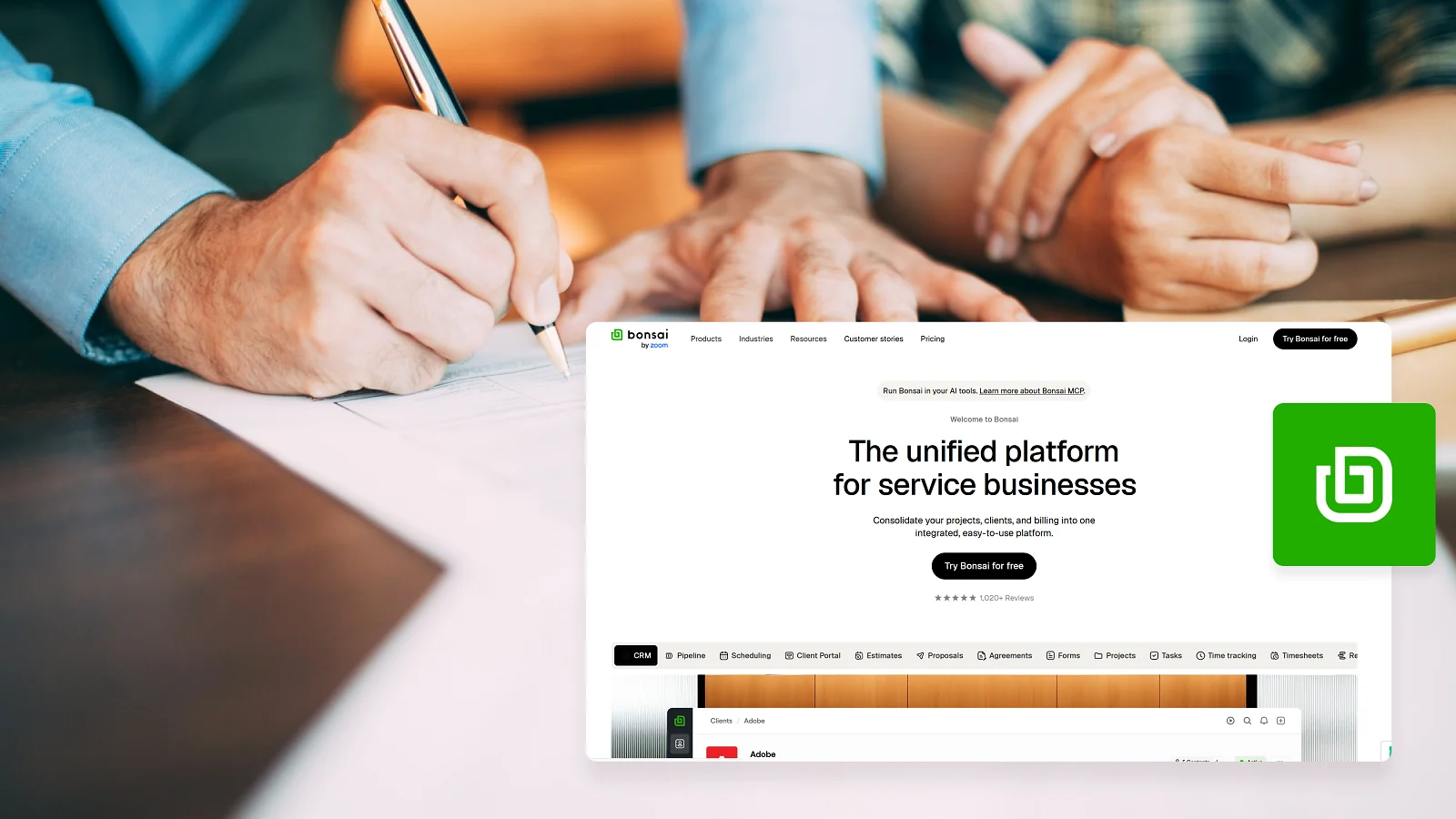
Tools such as Bonsai and HoneyBook provide contract templates and electronic signatures. A suitable document template can also work for direct clients, although legal requirements vary by location and project.

How To Get Paid Faster and Avoid Late Payments

Late payments can disrupt your cash flow, particularly when you depend on a few regular clients. These freelancing tips can help you reduce payment delays and follow up on overdue invoices.
Start by sending invoices promptly and making the payment terms clear. Include the correct billing details, agreed amount, due date, and accepted payment methods.
A simple follow-up process can help:
- Before the due date: Send a reminder with the invoice details and payment instructions.
- When payment becomes overdue: Follow up politely and ask the client to confirm when payment will be made.
- If the invoice remains unpaid: Send another reminder, document your communication, and consider further action under your contract.
FreshBooks, Bonsai, and HoneyBook support automated payment reminders, although their schedules and available features differ.
Another useful addition to your freelancing tips is a late-payment clause in your contract. You can specify a reasonable late fee where permitted by applicable law. Make sure the client agrees to the terms before work begins.
For international freelancers, payment software availability also matters. Wave, for example, limits its invoicing services to businesses based in the US and Canada.
Even with these precautions, delayed payments can happen. Small rewards from survey sites that pay real money may provide occasional supplemental earnings, but their payouts are unpredictable. Keeping a cash reserve is a more dependable way to manage gaps between client payments.

3. Tools: Tracking Time and Managing Payments
The most useful freelancing tips about software focus on tools that help you manage your income. Time tracking shows how long projects actually take, while invoicing and payment services help you collect what you’re owed. These freelancing tips can also help you decide which tools are worth paying for as your workload grows.
Track Your Time Even If You Charge Flat Rates
Tracking your hours is one of those freelancing tips that matters even when you charge a fixed project fee. It helps you calculate your effective hourly rate and identify projects that take longer than expected.
For example, if you charge $300 for a project that takes 10 hours, you’re earning $30 per hour before expenses and taxes. If it takes 15 hours, that drops to $20 per hour.
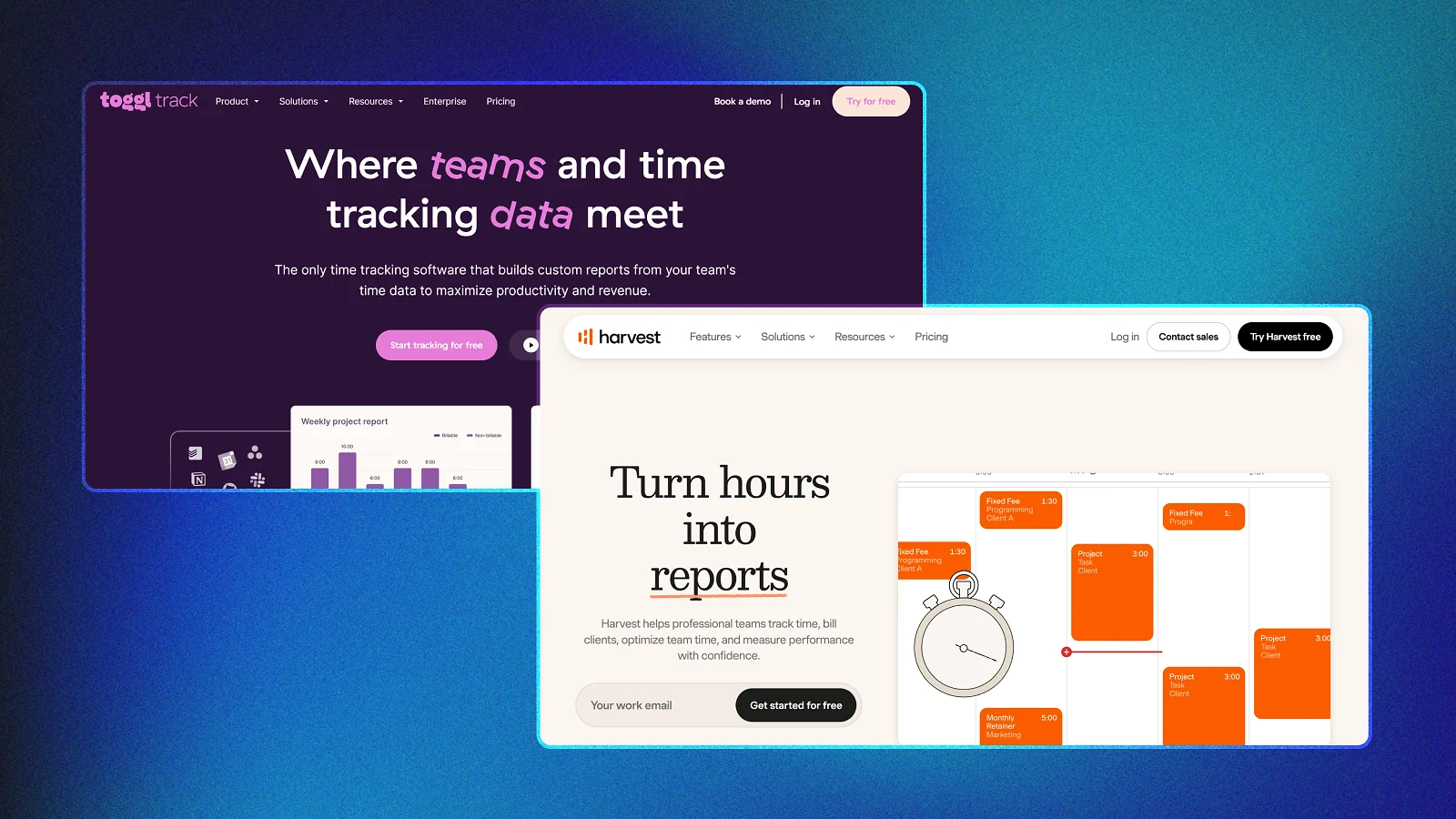
Two tools worth considering are:
- Toggl Track: Offers a free plan for up to three users, with manual timers, automatic tracking options, and reporting. You can also generate PDF invoices, although it doesn’t collect payments directly.
- Harvest: Combines time tracking, expense management, and invoicing. Its free plan supports one user and two active projects. The paid Teams plan starts at $9 per seat monthly with annual billing or $11 with monthly billing, with additional usage-based charges possible. Online invoice payments through Stripe or PayPal also incur processing fees.
One of the simplest freelancing tips for beginners is to start with a free time tracker and review your logged hours after each project. Toggl Track suits freelancers who mainly need to understand where their time goes, while Harvest is worth considering if you also need invoicing and payment tracking.
Get Paid Internationally Without Losing Money to Fees
International payment fees deserve attention when reviewing freelancing tips, especially if your clients pay in different currencies. Transfer charges and exchange-rate markups can reduce the amount you receive, so comparing the final payout matters more than looking at a single advertised fee.
Two commonly used services are:
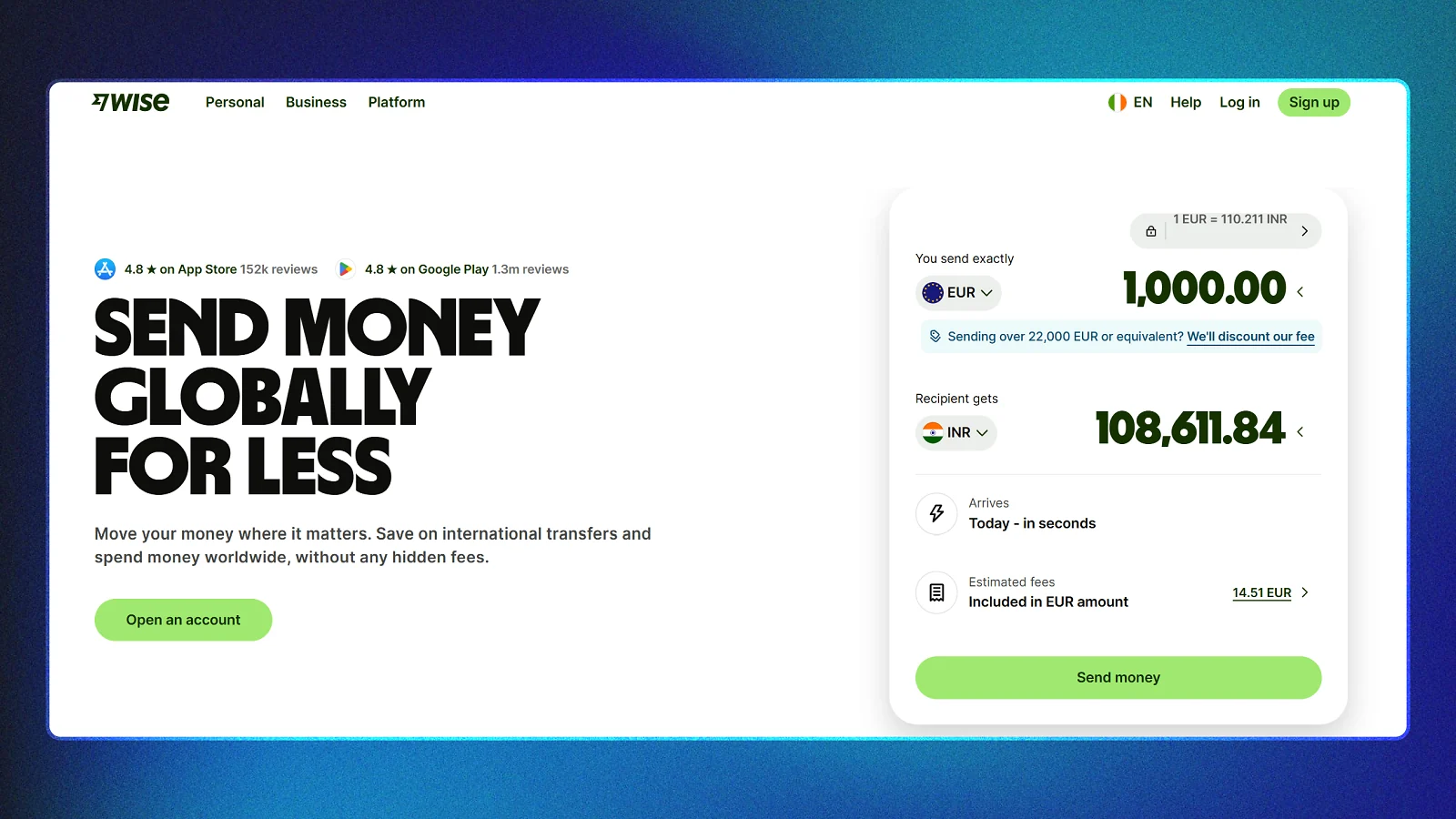
- Wise: Uses the mid-market exchange rate and displays applicable conversion fees upfront. Charges depend on the currencies and payment methods involved. Some receiving methods also have fixed fees. For example, US Wise Business account details currently require a $31 one-time setup fee, and receiving a USD wire payment costs $6.11.
- Payoneer: Supports cross-border business payments and withdrawals from freelance marketplaces such as Upwork and Fiverr. Fees depend on the transaction, currency, and location. Bank withdrawals can cost 1.2–4%, while receiving card payments may cost up to 3.99% plus a fixed charge.
Small percentage differences become significant on larger invoices. Consider a hypothetical $5,000 international payment:
| Total payment fee | Amount lost | Amount received |
|---|---|---|
| 1% | $50 | $4,950 |
| 3% | $150 | $4,850 |
That’s a $100 difference on one invoice. These percentages illustrate the calculation and aren’t guaranteed rates from either provider.
One of the most practical freelancing tips for international work is to check the payment method before invoicing. Wise is worth comparing for direct client payments, while Payoneer may be convenient when withdrawing marketplace earnings. Always review the actual fees and supported methods for your country.

4. Taxes: Tax and Business Basics for US and UK Contractors
Tax planning is one of the most important freelancing tips for protecting your income. Freelancers generally need to manage their own tax payments, keep records of business expenses, and understand the rules that apply to their business structure. Here’s what US and UK freelancers should know.
How Much to Set Aside for Taxes as a Freelancer
Setting aside 25–30% of your net freelance income can be a useful starting point, but your actual tax liability depends on your earnings, deductions, and location. Higher earners may need to save more, while freelancers with lower taxable profits may owe less.
For US freelancers:
- Self-employment tax: The standard rate is 15.3%, generally calculated on 92.35% of net self-employment earnings, subject to Social Security limits and additional Medicare rules.
- Income tax: Federal income tax applies separately, alongside any applicable state and local taxes.
- Estimated payments: You generally need to make estimated payments if you expect to owe at least $1,000 after withholding and credits, unless an exception applies.
- 2026 payment deadlines: April 15, June 15, September 15, and January 15, 2027.
For UK freelancers:
- Income Tax: The standard Personal Allowance is £12,570 for 2026/27. Income Tax rates in England, Wales, and Northern Ireland are 20%, 40%, and 45%, depending on taxable income. Scotland has different bands ranging from 19% to 48%.
- National Insurance: Class 4 contributions are 6% on annual profits between £12,570 and £50,270, then 2% on profits above that amount.
- Self Assessment: For the 2025/26 tax year, paper returns are due October 31, 2026, and online returns by January 31, 2027. Some freelancers must also make payments on account.
- Making Tax Digital: Since April 6, 2026, qualifying sole traders with gross self-employment and property income above £50,000 in 2024/25 must use compatible software and submit quarterly updates. The threshold drops to £30,000 from April 2027.
One of the simplest freelancing tips is to transfer money into a separate tax account after each client payment. Review your estimated liability as your income changes and use official guidance from the IRS or HMRC to check the latest requirements.
Sole Proprietor vs. LLC (US) / Sole Trader vs. Limited Company (UK)
Your business structure affects your personal liability, tax reporting, and administrative responsibilities. Most freelancers can begin with a relatively simple structure, but the right choice depends on the type of work they do and the risks involved.
For US freelancers:
- Sole proprietorship: Generally the simplest option for someone working independently. Business income is usually reported on Schedule C with your personal tax return. Depending on your location and services, you may still need permits or business registrations.
- Limited liability company (LLC): Creates a separate legal entity that generally protects personal assets from business liabilities. However, it involves state registration, fees, and ongoing requirements. Forming an LLC doesn’t automatically reduce your federal taxes.
For UK freelancers:
- Sole trader: You can start trading immediately, but generally need to register for Self Assessment if your gross trading income exceeds £1,000 in a tax year. You’re personally responsible for business debts.
- Limited company: A separate legal entity registered with Companies House. It introduces additional accounting, reporting, and tax responsibilities. Directors may receive income through salary and dividends, but the tax advantages depend on their circumstances.
Forming an LLC or limited company can make sense when liability exposure or business needs justify the additional responsibilities. However, higher freelance income alone doesn’t automatically make incorporation worthwhile.
Before changing your business structure, compare the filing costs, ongoing accounting expenses, tax implications, and liability protection with a qualified accountant or legal professional.
Common Freelancing Mistakes That Cost Real Money

Even experienced freelancers can lose money through poor pricing, unclear agreements, or overlooked expenses. Avoiding these mistakes is just as important as following the freelancing tips covered earlier.
Underpricing Out of Fear
Charging less because you’re afraid of losing a client can hurt your earnings over time. Among the most useful freelancing tips for beginners is learning to justify your rates based on your skills, expenses, and realistic billable hours.
For example, charging $10 below your target rate across 20 billable hours a week costs you $200 in potential weekly revenue. Review your rates regularly and use client feedback, demand, and project results to decide when an increase makes sense.
Skipping a Contract to Keep Things Simple
Starting work based on a verbal agreement leaves room for disputes over payment, deadlines, and additional requests. Even small projects benefit from written terms that establish deliverables, revision limits, and payment schedules.
If a client requests extra work, agree on the additional fee before proceeding.
Not Tracking Time on Flat-Rate Projects
A fixed project fee can look profitable until you account for revisions, meetings, and administrative work. Track all project-related hours to calculate your effective hourly rate.
If similar projects consistently take longer than expected, adjust your pricing or project scope before accepting the next one.
Saving Nothing for Taxes
Spending every client payment as it arrives can leave you struggling when taxes are due. Set aside an appropriate portion of your net earnings in a separate account and review your estimated obligations as your income changes.
The amount you need depends on your location, taxable profits, and business structure.
Watch Out for Freelance Job Scams
Beyond these mistakes, freelancers should recognize two warning signs when dealing with unfamiliar clients:
- Excessive unpaid test tasks: A short skills assessment isn’t automatically suspicious, but requests for substantial, usable work with no agreed payment deserve caution. Propose a small paid trial project when appropriate.
- Suspicious payment requests: Avoid clients who ask you to deposit a check and return part of the money, or send cryptocurrency to unlock payment. These arrangements are common scam tactics.
One of the most practical freelancing tips for beginners is to verify unfamiliar clients and agree on payment terms before committing significant time to a project.
Freelance income can fluctuate, so keeping a cash reserve helps cover quieter periods. Alternative activities such as making money by playing games may offer occasional supplemental earnings, but payouts vary and shouldn’t be relied on to cover essential expenses.
Which Freelancing Tips Matter Most in Your Situation?
Not every freelancing tip deserves the same attention at every stage. Start with the problem you’re currently facing and focus on the action that could make the biggest difference.
| Your Situation | Best Freelancing Tip |
|---|---|
| You’re new to freelancing | Build a focused portfolio, calculate your starting rate, and look for projects that match your skills |
| You have clients but earn too little | Track your actual working hours and review your pricing before accepting similar projects |
| Clients regularly pay late | Establish clear payment terms, request deposits where appropriate, and automate invoice reminders |
| You’re worried about tax season | Track your income and expenses, set aside tax money, and check your estimated payment obligations |
| Client work has slowed down | Reconnect with past clients, maintain regular outreach, and build a financial reserve for quieter periods |
When freelance work slows down, easy ways to make cash online may provide occasional supplemental earnings. However, smaller online tasks and rewards are unlikely to replace a steady flow of paying clients.
Final Thoughts
The most useful freelancing tips depend on what’s holding you back. If you’re struggling to find clients, focus on building a portfolio and improving your outreach. If you’re busy but earning less than expected, review your rates and track how much time each project takes.
Regardless of your experience, clear contracts, organized financial records, and realistic pricing help protect your income. Start with the area that needs the most attention, apply the relevant advice, and review what changes before taking on more.
FAQs
Start by choosing a service you can deliver, building a portfolio with relevant examples, and calculating a sustainable rate. Focus on finding suitable clients and establishing clear project agreements before accepting work.
Hourly rates suit projects with uncertain workloads or changing requirements. Fixed project fees work when deliverables and revision limits are clear. Track your actual hours either way to understand your earnings.
Yes. Create sample projects that demonstrate your skills and clearly identify them as personal or practice work. Explain your approach and the problems each example addresses. Never present fictional projects as paid client work.
Review your contract and invoice terms, then send a written reminder with the outstanding amount and due date. Keep records of your communication. If payment remains overdue, consider mediation, formal collection, or legal advice.
Maintain regular outreach, follow up with previous clients, and ask satisfied customers for referrals. Track which approaches generate projects and adjust your efforts accordingly. Consistent client acquisition is among the most valuable freelancing tips.