



Best VPN for Encrypted Internet Connection in 2026

Eneba Hub contains affiliate links, which means we may earn a small commission if you make a purchase through them—at no extra cost to you. Learn more



Finding the best VPN for encrypted internet connection means understanding what encryption actually protects and where it falls short. Every VPN advertises “military-grade encryption,” but the real differences lie in protocol implementation, key exchange methods, and whether the VPN holds up when connections drop or DNS requests leak.
After putting dozens of VPNs through their paces, six consistently stood out for encryption quality: NordVPN, ExpressVPN, Proton VPN, CyberGhost, Private Internet Access, and Surfshark. The cipher strength is comparable across the board, but the distinctions that matter are in the details around it.
This guide explains how VPN encryption works, what separates strong implementations from weak ones, and which encrypted VPN services actually protect your data when it matters.
Jump to:
Quick Comparison: Best VPNs for Encrypted Connection
Six VPNs, six specs, one table. Here’s how the best VPNs for encrypted internet connection stack up before we get into the detail.
| VPN | Encryption | Protocols | Perfect Forward Secrecy | Kill Switch | Audits |
|---|---|---|---|---|---|
| NordVPN | ChaCha20 / AES-256 | NordLynx, OpenVPN, NordWhisper | ✅ | System-level | 5 audits |
| ExpressVPN | AES-256-GCM / ChaCha20 | Lightway, OpenVPN, WireGuard, IKEv2 | ✅ | Network Lock (system-level) | Multiple audits (Cure53) |
| Proton VPN | ChaCha20 / AES-256 | WireGuard, OpenVPN, Stealth | ✅ | Always-on | Open-source apps / independent audits |
| CyberGhost VPN | AES-256 | WireGuard, OpenVPN, IKEv2 | ✅ | System-level | Independent audits |
| Private Internet Access | AES-128 / AES-256 (configurable) | WireGuard, OpenVPN, IKEv2 (limited) | ✅ | App-level | Independent audits |
| Surfshark | ChaCha20 / AES-256-GCM | WireGuard, OpenVPN, IKEv2 | ✅ | All platforms | 2 audits |
Does VPN Encrypt Data? How VPN Encryption Works
Yes, a VPN encrypts data traveling between your device and the VPN server. When you connect to a VPN, your device establishes an encrypted tunnel. All internet traffic passes through this tunnel, scrambled in a way that makes it unreadable to anyone intercepting it – your ISP, hackers on public Wi-Fi, or government surveillance.
Your VPN client and the server perform a handshake to verify each other and exchange encryption keys. This handshake uses asymmetric encryption (like RSA-2048) to securely exchange the keys. Then symmetric encryption (AES-256) encrypts all traffic. Perfect forward secrecy generates new keys for each session, so captured traffic can’t be decrypted later.
What encryption protects: Your ISP sees only that you’re connected to a VPN server. They can’t see which websites you visit, what you download, or what data you send. On public Wi-Fi, hackers can’t intercept your passwords or banking information.
What encryption doesn’t protect: Encryption doesn’t hide that you’re using a VPN. It doesn’t protect against malware, phishing attacks, or data you voluntarily provide to websites. If your VPN connection drops without a kill switch, unencrypted traffic becomes visible.
Best VPNs for Encrypted Internet Connection Reviewed
I tested leading VPNs for encryption implementation, checking cipher strength, protocol options, key exchange methods, and whether the VPN actually holds under stress conditions like connection drops and network switches.
1. NordVPN [Best Overall Encrypted VPN]
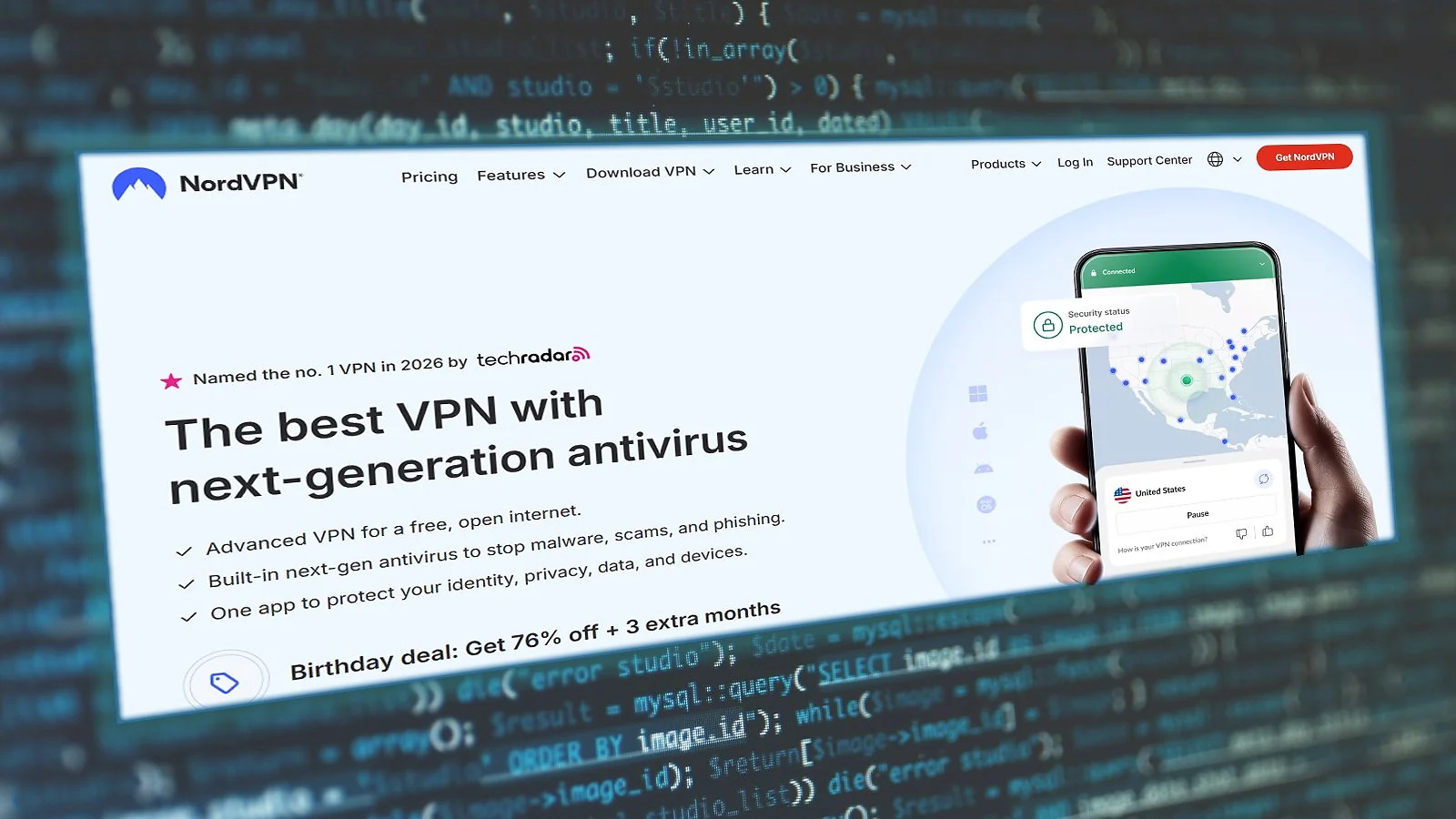
NordVPN implements the strongest encryption package available at consumer pricing. NordLynx uses ChaCha20-Poly1305 encryption while OpenVPN mode uses AES-256-GCM – both are equally secure, and the system-level kill switch ensures your data stays encrypted even when connections become unstable.
| Feature | Details |
|---|---|
| Servers | 9,000+ servers in 100+ countries |
| Encryption cipher | ChaCha20-Poly1305 (NordLynx), AES-256-GCM (OpenVPN) |
| Key exchange | 4096-bit DH keys |
| Authentication | SHA-512 |
| Protocols | NordLynx (WireGuard-based), OpenVPN UDP/TCP, NordWhisper |
| Perfect forward secrecy | Yes (new keys each session) |
| Kill switch | System-level (blocks all non-VPN traffic) |
| DNS leak protection | Private DNS on every server |
| Starting price | $2.99/month (2-year plan) |
Encryption Implementation
NordLynx, built on WireGuard’s foundation, uses ChaCha20 encryption – equally secure to AES-256 but faster on devices without hardware AES acceleration. NordVPN added a double NAT system to WireGuard’s base implementation, solving the protocol’s original privacy concerns about storing user IPs.
OpenVPN connections use AES-256-GCM with 4096-bit DH keys for the handshake. GCM mode provides authenticated encryption, verifying data integrity alongside confidentiality. SHA-512 authentication prevents tampering during transmission.
The system-level kill switch maintains encryption integrity when connections drop. Unlike app-level kill switches that only stop the VPN application, NordVPN‘s implementation blocks all system traffic until the encrypted tunnel re-establishes. I tested this by forcibly killing the VPN process – internet access stopped immediately with no unencrypted packets escaping.
Private DNS on every server prevents DNS leaks. Your DNS requests stay inside the encrypted tunnel rather than leaking to your ISP’s DNS servers, which would reveal your browsing activity despite the VPN connection. All this makes NordVPN the most secure VPN on the market. Learn how to use a VPN on PC for your online safety needs.
| Pros | Cons |
|---|---|
| ✅ NordLynx combines speed with security ✅ System-level kill switch ✅ 5 independent security audits ✅ 4096-bit key exchange ✅ Private DNS prevents leaks | ❌ Browser-based logins can get tedious after a while |
Final Verdict: It’s the best VPN for encrypted internet connection when you need the strongest encryption that doesn’t sacrifice speed. NordLynx delivers both, and the system-level kill switch makes sure encryption never drops.
2. ExpressVPN [Best Encrypted VPN with a Proprietary Protocol]
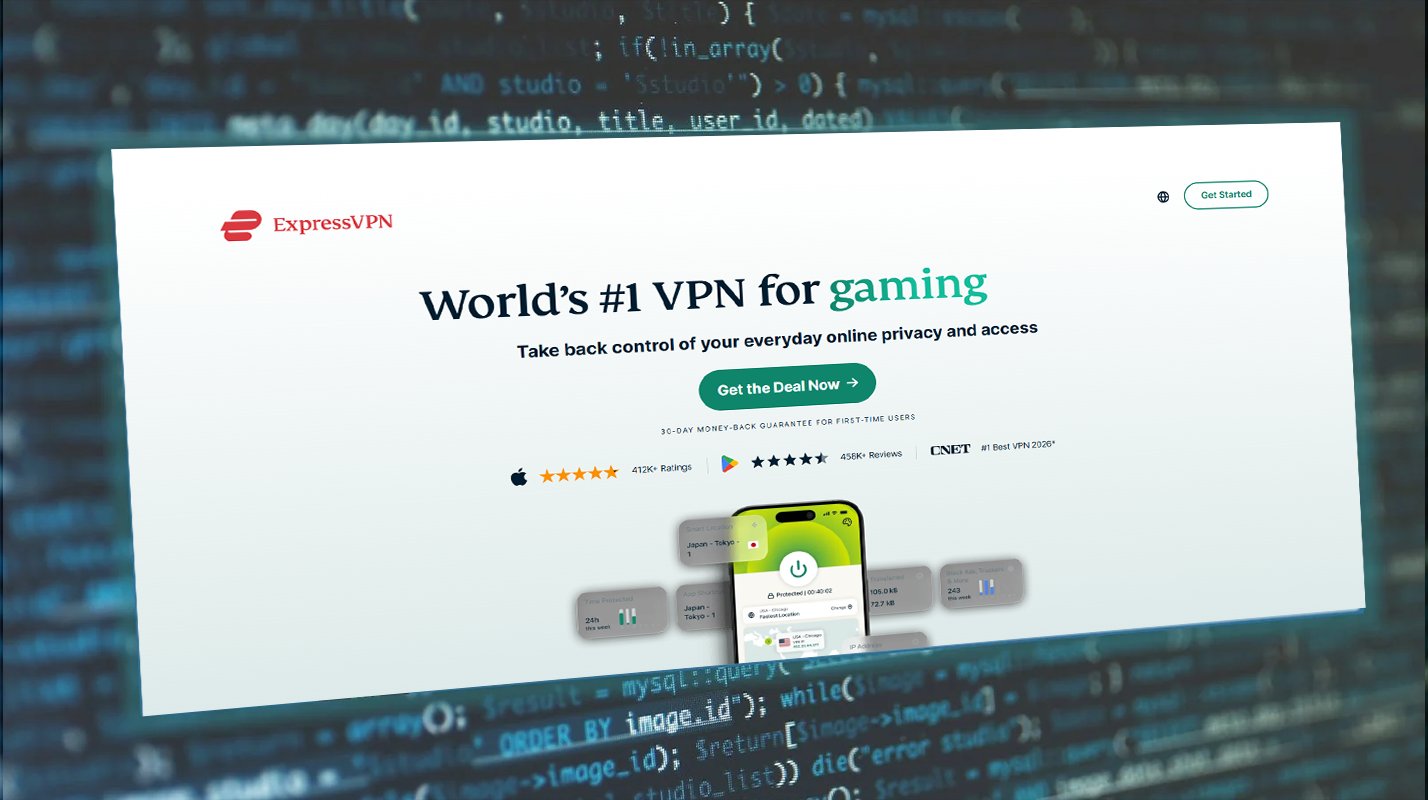
ExpressVPN built its own VPN protocol from the ground up rather than adapting an existing one. Lightway uses the wolfSSL cryptographic library and supports both AES-256-GCM and ChaCha20-Poly1305 – the only protocol covering both major cipher standards. The result is a lean, audited, open-sourced encryption stack.
| Feature | Details |
|---|---|
| Servers | 3,000+ servers in 105+ countries |
| Encryption cipher | AES-256-GCM (Lightway, OpenVPN), ChaCha20-Poly1305 (Lightway) |
| Key exchange | 4096-bit DH (ECDH via wolfSSL) |
| Authentication | HMAC-SHA-256 |
| Protocols | Lightway UDP/TCP, OpenVPN UDP/TCP, WireGuard, IKEv2 |
| Perfect forward secrecy | Yes (new keys each session via Diffie-Hellman) |
| Kill switch | Network Lock (system-level, blocks all traffic on drop) |
| DNS leak protection | Private DNS on every server, IP and DNS leak protection |
| Starting price | $3.49/mo (2-year plan) |
Encryption Implementation
ExpressVPN‘s Lightway protocol is purpose-built for encryption performance. Lightway was constructed from scratch on the wolfSSL cryptographic library – a FIPS-validated library vetted for security-critical systems – giving it a codebase of roughly 1,000 lines, far leaner than OpenVPN’s tens of thousands.
Lightway supports both AES-256-GCM and ChaCha20-Poly1305 – a dual-cipher capability no other major protocol matches. AES-256-GCM is the default on modern hardware with built-in acceleration, while ChaCha20 kicks in automatically on lower-powered devices. Either way, ExpressVPN delivers top-tier encryption without any manual configuration.
The Network Lock kill switch operates at the system level, blocking all internet traffic the moment the VPN tunnel drops. Unlike app-level implementations, Network Lock cuts off the entire system until the encrypted connection re-establishes – testing confirmed no unencrypted packets escaped during a forced disconnect.
Perfect forward secrecy is implemented via Diffie-Hellman key exchange, generating fresh session keys every connection. Combined with private DNS on every server, ExpressVPN closes off the most common gaps that undermine the best VPN for encrypted internet connection setups. The Lightway core is open-sourced and independently audited by Cure53, so the implementation is verifiable, not just claimed.
| Pros | Cons |
|---|---|
| ✅ Lightway supports both AES-256-GCM and ChaCha20-Poly1305 ✅ Network Lock system-level kill switch ✅ Lightway core open-sourced and independently audited (Cure53) ✅ Perfect forward secrecy on every session ✅ Private DNS and IP/DNS leak protection on all servers | ❌ More expensive than most competitors |
Final Verdict: ExpressVPN is the best VPN for encrypted internet connection if you want a proprietary protocol purpose-built for security and speed. Lightway’s dual-cipher support, open-sourced core, and system-level kill switch combine into a package that’s easy to use and hard to compromise.
3. Proton VPN [Best Open-Source Encrypted VPN]
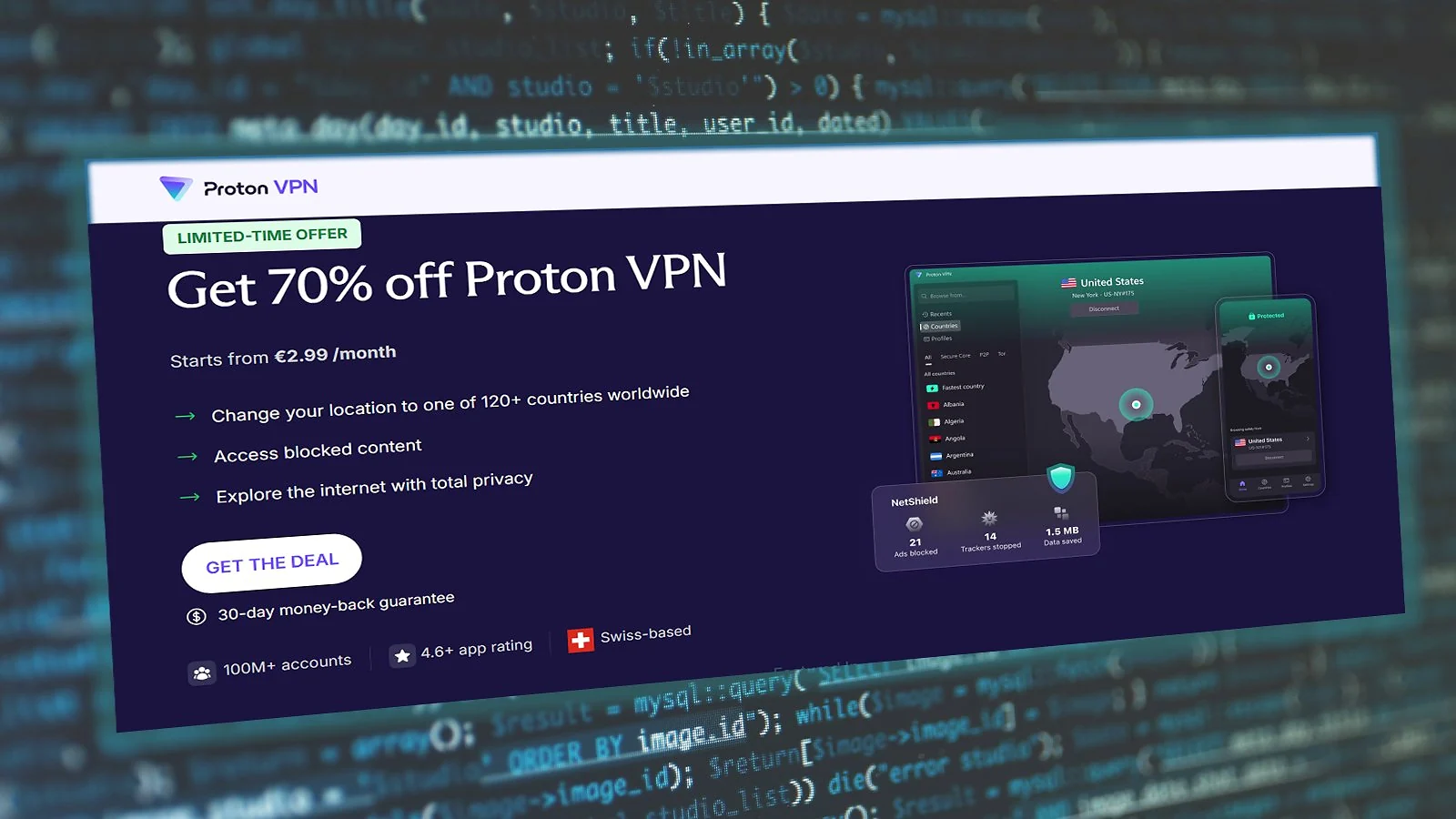
Proton VPN publishes all application code for independent verification. This transparency means you don’t have to trust their encryption claims – anyone can audit the code and confirm the implementation matches the specifications.
| Feature | Details |
|---|---|
| Servers | 15,000+ servers in 120+ countries |
| Encryption cipher | ChaCha20-Poly1305 (WireGuard), AES-256-GCM (OpenVPN) |
| Key exchange | 4096-bit RSA |
| Authentication | SHA-384 |
| Protocols | WireGuard, OpenVPN UDP/TCP, IKEv2, Stealth |
| Perfect forward secrecy | Yes |
| Kill switch | Always-on with a permanent option |
| DNS leak protection | DNS over HTTPS/TLS |
| Starting price | $2.99/month (2-year plan) |
Encryption Implementation
All Proton VPN apps are open-source under GPLv3. Security researchers regularly audit the code, and Proton addresses reported vulnerabilities publicly. This transparency level exceeds any competitor – you’re not trusting marketing claims but verifiable code. It’s the best VPN for privacy, hands down.
Secure Core adds an extra encryption layer by routing traffic through hardened servers in Switzerland, Iceland, or Sweden before reaching exit servers. Even if an exit server is compromised or monitored, attackers see only encrypted traffic from the Secure Core server.
The always-on kill switch ensures your device never connects without encryption. A permanent kill switch option goes further – it blocks all non-VPN traffic even when Proton VPN isn’t running, which is useful for high-security environments where accidental unencrypted connections are unacceptable.
DNS over HTTPS (DoH) and DNS over TLS (DoT) encrypt DNS queries, preventing even sophisticated attackers from seeing which domains you’re resolving. Standard DNS leak protection keeps queries inside the VPN tunnel, but DoH/DoT adds encryption to the queries themselves.
| Pros | Cons |
|---|---|
| ✅ Open-source apps for verification ✅ Secure Core double routing ✅ Permanent kill switch option ✅ DNS over HTTPS/TLS ✅ 4096-bit key exchange | ❌ Slightly slower than NordVPN |
Final Verdict: It’s the best encrypted VPN for users who want to verify rather than trust. Open-source code means the encryption implementation is provably correct, not just claimed to be.
4. CyberGhost VPN [Best User-Friendly VPN for Encrypted Internet Connection]

CyberGhost VPN focuses on strong, industry-standard encryption with user-friendly security features. While it isn’t open-source, its infrastructure and no-logs policy have been independently audited, giving users confidence that its encryption and privacy protections work as advertised.
| Feature | Details |
|---|---|
| Servers | 11,000+ servers in 100 countries |
| Encryption cipher | ChaCha20-Poly1305 (WireGuard), AES-256-GCM (OpenVPN, IKEv2) |
| Key exchange | 4096-bit RSA, Curve25519 |
| Authentication | SHA-256 |
| Protocols | WireGuard, OpenVPN UDP/TCP, IKEv2 |
| Perfect forward secrecy | Yes |
| Kill switch | Automatic (system-level) |
| DNS leak protection | Private DNS servers with leak protection |
| Starting price | $2.03/month (2-year plan) |
Encryption Implementation
CyberGhost VPN uses AES-256 encryption for OpenVPN and IKEv2, alongside ChaCha20 for WireGuard, ensuring strong protection across all supported protocols. Perfect forward secrecy is implemented, meaning encryption keys are regularly refreshed – so even if one session were compromised, past and future sessions remain secure. This is a core requirement for any service claiming to be the best VPN for encrypted internet connection.
Although CyberGhost apps are not open-source, the company has undergone independent audits by Deloitte verifying its no-logs policy. Combined with its Romania-based jurisdiction (outside major surveillance alliances), this provides additional reassurance that user data is not stored or exposed.
The automatic kill switch is enforced at the system level, meaning your internet traffic is blocked if the VPN connection drops – without requiring manual configuration. This reduces the risk of accidental data leaks, especially for less technical users.
CyberGhost also operates its own private DNS servers, ensuring that DNS queries stay within the encrypted tunnel. This prevents ISPs or third parties from monitoring which websites you access, closing off a common privacy gap even in otherwise secure VPN setups.
| Pros | Cons |
|---|---|
| ✅ Strong AES-256 and ChaCha20 encryption ✅ Perfect forward secrecy across protocols ✅ Independent no-logs audit (Deloitte) ✅ Automatic system-level kill switch ✅ Private DNS leak protection | ❌ Apps are not open-source ❌ Fewer advanced configuration options than some competitors |
Final Verdict: CyberGhost VPN is the best VPN for encrypted internet connection if you want a balance of strong, proven encryption and ease of use. It delivers robust security without requiring technical expertise, making it ideal for most users who want reliable protection without complexity.
5. Private Internet Access [Best Easy-To-Control VPN for Encrypted Internet Connection]
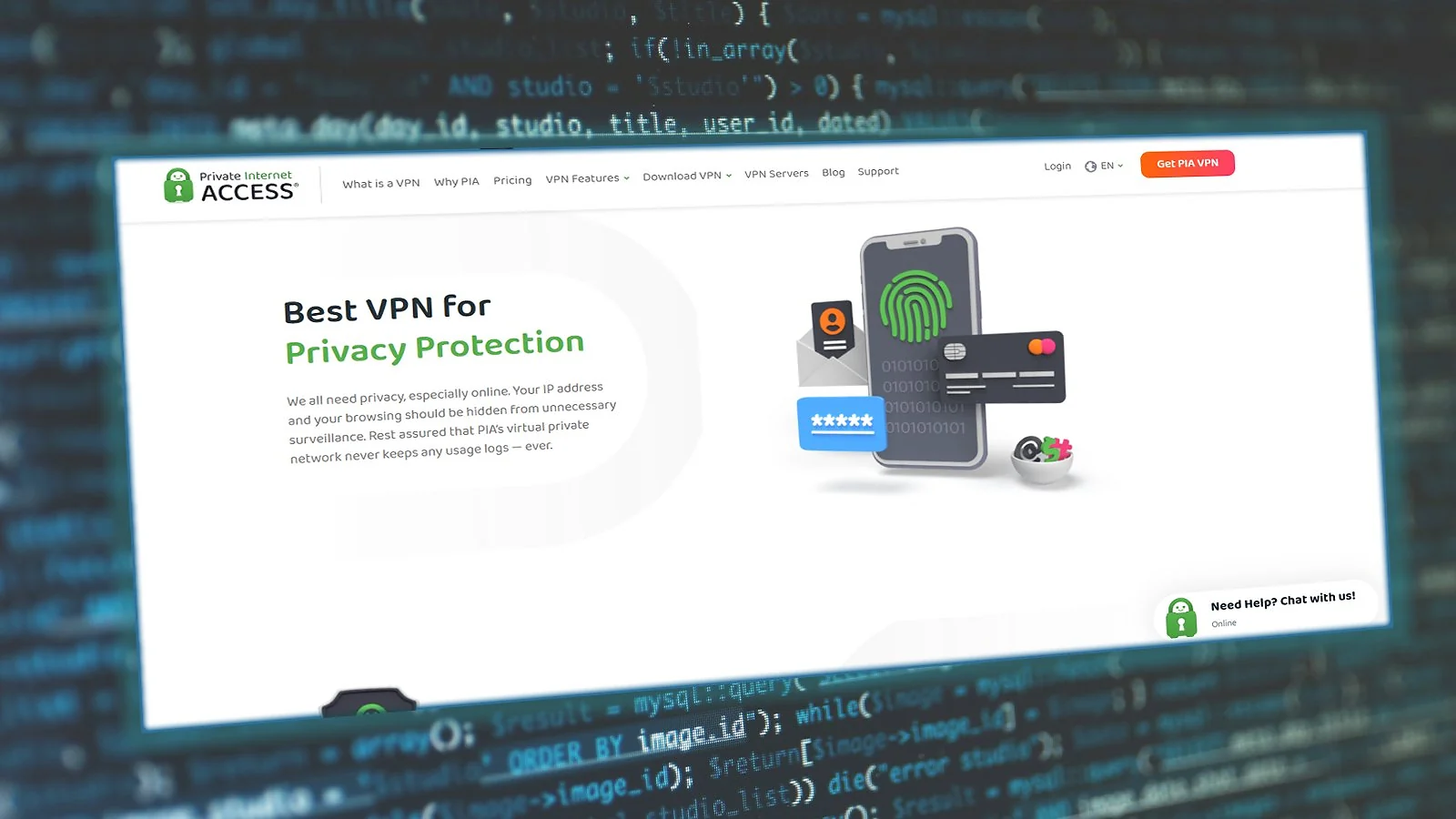
Private Internet Access (PIA) is built for users who want highly customizable encryption and transparent privacy practices. Its open-source apps, proven no-logs policy, and flexible security settings make it one of the most technically robust options for anyone seeking the best vpn for encrypted internet connection.
| Feature | Details |
|---|---|
| Servers | 35,000+ servers in 91 countries |
| Encryption cipher | ChaCha20 (WireGuard), AES-128 / AES-256-GCM (OpenVPN, configurable) |
| Key exchange | RSA-4096, Curve25519 |
| Authentication | SHA-256 |
| Protocols | WireGuard, OpenVPN, IKEv2 |
| Perfect forward secrecy | Yes |
| Kill switch | Advanced (system-level + configurable) |
| DNS leak protection | Private DNS + MACE (DNS-level blocking) |
| Starting price | $2.03/month (2-year + 3 months plan) |
Encryption Implementation
Private Internet Access stands out by offering configurable encryption levels, allowing users to choose between AES-128 (faster) and AES-256 (more secure) depending on their needs. Combined with ChaCha20 in WireGuard, this flexibility is rare among VPN providers and makes it a strong contender for the best VPN for encrypted internet connection.
PIA implements perfect forward secrecy, meaning encryption keys are rotated frequently to prevent long-term compromise. Even if a key were exposed, it wouldn’t affect past or future sessions – an essential feature for maintaining true data confidentiality.
One of PIA’s biggest advantages is transparency. All apps are fully open-source, allowing independent researchers to inspect the code for vulnerabilities. On top of that, its strict no-logs policy has been independently audited and proven in court multiple times, reinforcing that user activity is not stored or shared.
The advanced kill switch goes beyond standard protection by blocking all internet traffic if the VPN disconnects, preventing accidental exposure. Users can also fine-tune how the kill switch behaves, making it ideal for both beginners and advanced users.
PIA also includes DNS leak protection through its own private DNS servers, along with its MACE feature, which blocks ads, trackers, and malware at the DNS level – adding another layer of security directly within the encrypted tunnel.
| Pros | Cons |
|---|---|
| ✅ Configurable encryption (AES-128 / AES-256) ✅ Open-source apps for full transparency ✅ Proven no-logs policy (audits + court cases) ✅ Advanced, customizable kill switch ✅ Strong protocol support (WireGuard, OpenVPN) | ❌ US jurisdiction (Five Eyes alliance) |
Final Verdict: PIA is the best pick for encrypted internet connection if you want to verify, not trust. Open-source code, configurable AES-256, and a no-logs policy proven in court make it the most transparent option on this list.
6. Surfshark [Best Budget Encrypted VPN]

Surfshark delivers the same AES-256-GCM encryption as premium competitors at nearly half the price. Every security feature that matters for maintaining an encrypted connection is present, making Surfshark the best value for encryption-focused users.
| Feature | Details |
|---|---|
| Servers | 4,500+ servers in 100 countries |
| Encryption cipher | ChaCha20-Poly1305 (WireGuard), AES-256-GCM (OpenVPN) |
| Key exchange | 2048-bit RSA |
| Authentication | SHA-512 |
| Protocols | WireGuard, OpenVPN UDP/TCP, IKEv2 |
| Perfect forward secrecy | Yes |
| Kill switch | Available on all platforms |
| DNS leak protection | Private DNS servers |
| Starting price | $1.99/month (2-year plan) |
Encryption Implementation
WireGuard protocol uses ChaCha20-Poly1305 for encryption with Curve25519 for key exchange. This modern cryptographic combination provides equivalent security to AES-256 while reducing code complexity – WireGuard’s 4,000 lines of code versus OpenVPN’s 400,000+ makes auditing easier and vulnerabilities less likely.
OpenVPN mode uses AES-256-GCM with 2048-bit RSA key exchange. While NordVPN uses 4096-bit keys, 2048-bit RSA remains secure against all known attacks and will be for decades. The practical security difference is negligible.
The kill switch operates on all platforms, including mobile. Testing confirmed it blocks traffic immediately when the VPN connection drops, preventing unencrypted data exposure. The implementation covers system-wide traffic, not just browser activity.
MultiHop (double VPN) routes traffic through two servers, encrypting data twice. This adds a second encryption layer for users who want extra protection, though it reduces speeds. Apart from its bulletproof security, Surfshark is also one of the fastest gaming VPNs out there. It’s an ideal pick if you game on multiple devices and want to protect them all with just one subscription.
| Pros | Cons |
|---|---|
| ✅ Same AES-256-GCM as premium VPNs ✅ Lowest price ($1.99/mo) ✅ Unlimited device connections ✅ MultiHop double encryption ✅ Kill switch on all platforms | ❌ 2048-bit vs 4096-bit key exchange – still enough for complete safety, though |
Final Verdict: It’s the best budget encrypted VPN with no meaningful encryption compromises. The same AES-256-GCM encryption that protects government secrets protects your connection at $1.99/month.
What Makes VPN Encryption Strong?
The best VPN for encrypted internet connection has to do a lot of things right. Here are the essentials:
- Cipher Strength: AES-256 is the current gold standard, used by governments for classified information. ChaCha20 (used in WireGuard) provides equivalent security. Avoid VPNs using older ciphers.
- Key Exchange: The handshake that establishes encryption keys should use RSA-2048 or higher, or modern alternatives like Curve25519. Weak key exchange undermines the entire encryption chain.
- Perfect Forward Secrecy: New keys for each session mean captured traffic can’t be decrypted later, even if long-term keys are compromised.
- Kill Switch: Encryption only works while connected. A kill switch blocks unencrypted traffic during connection drops, maintaining protection continuously.
- DNS Leak Protection: Your DNS queries reveal which sites you visit. Without leak protection, these queries bypass the encrypted VPN tunnel.
If you’re weighing up a VPN against a proxy, the two aren’t as interchangeable as they might seem – our guide on what is a Proxy vs VPN explains the key differences.
My Overall Verdict
All sic made this list because their encryption holds up. Finding the best VPN for encrypted internet connection isn’t really about which one uses AES-256 – they all do. It’s about everything built around it. Here’s where each one stands out.
- Best for top-tier encryption speed combo → NordVPN. ChaCha20/AES-256, a system-level kill switch, 4096-bit key exchange, and five independent audits. The strongest all-round package on this list.
- Best for built-in protocol encryption → ExpressVPN. Lightway supports both AES-256-GCM and ChaCha20 in a single open-sourced, audited protocol with a system-level kill switch – unique dual-cipher flexibility built from the ground up.
- Best for verifiable security → Proton VPN. Fully open-source and transparently audited. If you’d rather inspect the encryption yourself than trust a marketing claim, this is your pick.
- Best for hassle-free protection → CyberGhost VPN. Solid AES-256 across all protocols, an automatic system-level kill switch, and independently audited – no technical know-how required.
- Best for hands-on control → Private Internet Access. Configurable encryption levels, open-source apps, and a no-logs policy proven in court multiple times. Built for users who want to fine-tune every setting.
- Best for budget-conscious users → Surfshark. The same AES-256-GCM encryption as the premium options at $1.99/month, with unlimited devices and MultiHop double encryption thrown in.
Any of these six will cover your best VPN for cybersecurity needs – it’s just about finding the right fit for how you use the internet.
FAQs
NordVPN is the best VPN for encrypted internet connection, combining AES-256-GCM encryption with the fast NordLynx protocol, 4096-bit key exchange, and a system-level kill switch that prevents any unencrypted data leakage.
Yes, a VPN encrypts all data traveling between your device and the VPN server. This includes website traffic, app data, downloads, and streaming. However, VPN encryption ends at the VPN server – traffic between the server and your destination website uses the website’s own encryption (HTTPS). Data you voluntarily submit to websites isn’t protected by VPN encryption after it leaves the tunnel.
Yes, AES-256 encryption is effectively unbreakable with current and foreseeable technology. Breaking it would require more computational power than exists on Earth. Even quantum computers, when they become practical, would need Grover’s algorithm to reduce AES-256 to AES-128 equivalent strength – still secure for decades.
No, ISPs can see that you’re connected to a VPN server, but can’t see the contents of your encrypted traffic. They see the VPN server’s IP address, the amount of data transferred, and connection timing. They can’t see which websites you visit, what you download, or any data you send through the encrypted tunnel.
HTTPS encrypts traffic between your browser and a specific website. VPN encryption wraps all your internet traffic in an encrypted tunnel to the VPN server. With HTTPS alone, your ISP sees which websites you visit (the domain names). With a VPN, your ISP sees only a connection to the VPN server. Using both together provides layered protection.