



How To Learn Voice Acting: A Beginner’s Roadmap for 2026

Eneba Hub contains affiliate links, which means we may earn a small commission if you make a purchase through them—at no extra cost to you. Learn more


Recent update
Explore Preply for live coaching, and look for a tutor whose experience matches your performance goals.
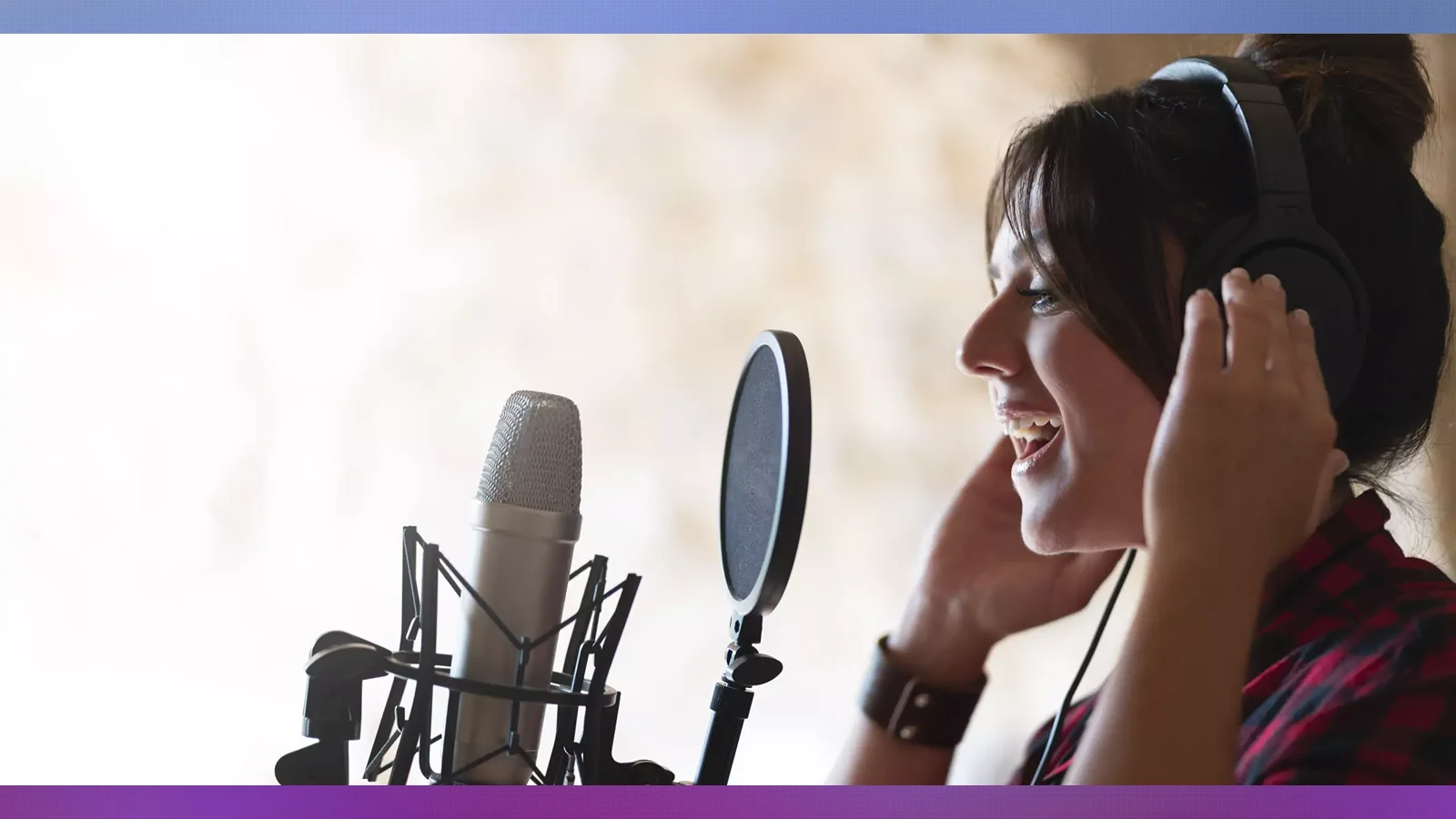
If you’re wondering how to learn voice acting, start with a short script and record yourself reading it a few different ways. Focus on clear speech, breath control, and believable delivery, then listen back for rushed lines, uneven volume, or background noise. You can begin with equipment you already own before investing in classes or a home recording setup.
This guide walks you through the essential skills, recording tools, practice projects, and steps toward auditions. As your performances improve, seek feedback and build a few focused demo clips that reflect the work you want to pursue. Before accepting paid projects, check the usage rights, revision requirements, and payment terms.

Jump to:
Voice Acting at a Glance
The practical answer to how to learn voice acting starts with repeatable performance and clean recordings. These essentials help you judge your starting point.
|
Cost to start |
Script practice can begin before buying recording software; equipment and coaching add costs |
|---|---|
|
Time to learn the basics |
Vocal and script-reading fundamentals first; demo readiness depends on practice and feedback |
|
What you need |
A quiet space, microphone, recording software, and practice script |
|
Main hurdles |
Believable performances, unwanted room noise, and efficient editing |
|
Beginner suitability |
High for practice projects; paid work requires audition-ready performance and audio |
Choosing the work you want to practice makes it easier to decide how to learn voice acting.
Where Voice Acting Skills Get Used
Voice acting means performing a script through your voice for a character, message, or narrator. Voice acting jobs can involve an energetic game character or a restrained commercial read, so range includes subtlety as well as unusual sounds.
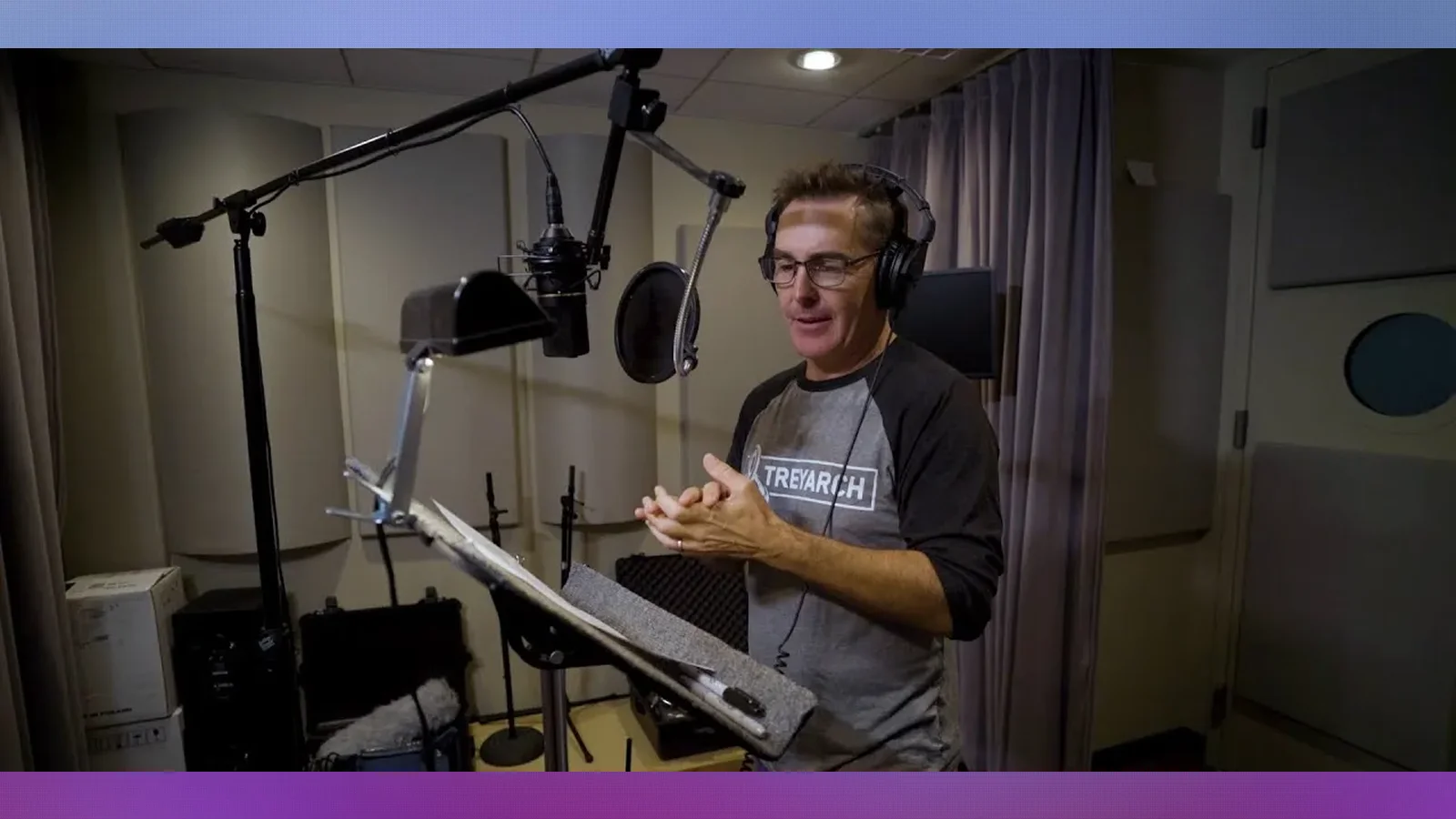
These formats give beginners different performance problems to solve:
- Video games: Practice dialogue for a fictional merchant, companion, or rival. The challenge is maintaining the character across changing emotions and alternate lines.
- Animation and character voices: Give a character a clear intention before changing pitch. A distinctive sound needs a believable person behind it.
- Commercials: Communicate a message to a particular listener. A conversational recommendation needs a different approach from an urgent promotional announcement.
- Independent productions: Explore short films, audio dramas, and small creative projects. Read the project’s requirements before offering a performance.
- Audiobooks: Sustain clear narration while separating speakers through phrasing and attitude. Consistency becomes as important as character variety.
Freelance gigs and casting marketplaces are routes to these projects, rather than a single employer-based career path. People seeking voice acting jobs online should match their samples to the format they want to pursue.
Gear, Space, and Skills You Need Before You Start
A quiet recording space beats unnecessary software complexity at the beginning. If you’re figuring out how to learn voice acting at home, listen critically to your recordings, since room noise can hide performance problems.
Build your setup around these categories:
- Recording space: Choose a room away from traffic, fans, and household activity. Record a sample and listen for echo before rearranging the space.
- Microphone: Use the microphone you already have for initial exercises. Learn to keep your distance and position consistent before choosing an upgrade.
- Digital audio workstation: A DAW is software for recording and editing audio. Choose one you can operate without interrupting practice.
- Listening skills: Compare the recording with your intended meaning. Notice rushed words, uneven volume, and sounds that distract from the performance.
These paid editors support home recording. A simpler editor is the better starting point if extra features take attention away from acting.
|
Tool |
Best for |
Price |
|---|---|---|
 |
Recording and editing multiple audio tracks |
Paid |
 |
An entry-tier home recording workflow |
Paid |
Reaper and the Mac-only Logic Pro offer one-time-purchase options. Check software compatibility and license eligibility before buying. If you’re deciding how to learn voice acting on a budget, start with an editor you can operate comfortably.
How To Learn Voice Acting: A Step-by-Step Path
Build vocal control and believable script readings before treating your demo as a sales tool. Learning voice acting works best when recording, listening, and revising remain part of the same routine.
Step 1: Set Up a Space and Learn Your Recorder
Choose a quiet recording space and recording software you can use comfortably. Record an ordinary passage, then listen for room echo, background noise, and changes in volume as you move. Learn how to record, trim mistakes, save your project, and export an audio file.
Keep the setup simple enough to reproduce. The aim is a dependable practice environment, not a studio purchase list. When planning how to learn voice acting for online work, practice exporting the file formats requested in casting briefs.
Step 2: Prepare Your Voice and Control Your Breath
Warm up gently before reading at performance intensity. Use comfortable vowel sounds and relaxed articulation exercises, then read a passage without pushing volume. Mark places where a breath supports the meaning instead of interrupting it.
Listen for sentences that fade before the final word. Adjust your pacing and breath placement rather than forcing more air through a strained voice. If you’re working out how to learn voice acting safely, stop any exercise that causes discomfort and build vocal control gradually.
Step 3: Analyze the Script and Create a Character
Identify who is speaking, who is listening, and what the speaker wants. Mark important changes in the script, then perform alternate interpretations. A line can ask for help, conceal fear, or challenge another character without changing its words.
Choose physical habits or an attitude that supports the character. Avoid starting every role with an exaggerated accent. Voice acting auditions often test your interpretation of a brief, so practice following directions as carefully as you practice inventing voices.
Step 4: Explore Pitch, Tone, and Accents
Experiment with pitch and vocal tone while keeping the words understandable. Record a neutral version first, then change a specific quality and compare the result. Notice the point where a character voice becomes difficult to sustain.
When exploring how to learn voice acting with accents, focus on repeatable sound choices and avoid broad imitation. Choose a limited passage and compare it with a suitable reference. Voice acting classes with relevant specialist feedback can help you hear differences that are difficult to recognize alone.
Step 5: Record a Focused Practice Demo
Select material that fits the work you want to pursue and record contrasting readings. Keep the performance central: background music should not conceal weak acting or poor audio. Remove obvious mistakes without editing away every natural breath.
Treat this as a practice demo, not an automatic professional calling card. Ask if each clip shows a useful skill. Someone targeting voice acting jobs in games needs character interpretation, while commercial samples should show clear communication with an intended listener.
Step 6: Get Feedback and Begin Targeted Auditions
If you’re unsure how to learn voice acting beyond solo practice, share your clip with a coach or performance group, or bring it to a class for feedback. Ask specific questions about believability, clarity, and consistency. Revise the recording before searching for voice acting jobs online that match the skills it demonstrates.
Read each casting brief carefully and submit only relevant samples. Track the direction you received and the choices you made in voice acting auditions. Rejection alone does not identify the problem; detailed feedback is more useful. Keep practicing between submissions so each attempt has a purpose.

Structured Courses To Deepen Your Voice Acting Skills
Choose instruction that connects lessons with recorded practice. A course can explain how to learn voice acting, but improvement still depends on applying the material and hearing what needs correction.
Voice Acting for Beginners: Learn Voice Acting from Scratch on Udemy is a named introductory option covering voice fundamentals, character work, and accents.
For the study commitment, Udemy lists the following video duration.
|
Course |
Provider |
What it covers |
Video duration |
|---|---|---|---|
|
Voice Acting for Beginners: Learn Voice Acting from Scratch |
 |
Voice fundamentals, characters, accents, and pitch control |
1 hour on-demand video |
The viewing time is not a timetable for mastering the craft. To decide how to learn voice acting through classes, compare each course’s focus on commercials, animation, or games and the individual feedback it offers.
Practice Projects: How To Learn Voice Acting and Build Your Demo Reel
Build a demo reel from short clips with distinct purposes, rather than an uninterrupted recording of everything you can do. Learning voice acting through projects makes it easier to hear progress and identify missing skills.
Work through these projects in increasing difficulty:
- Straight-read commercial: Write an original promotional script and address a specific listener. Practice clear phrasing without adopting an artificial announcer voice.
- Animated character line: Give a fictional character an objective and a reason to speak. Record contrasting emotional interpretations while keeping the character recognizable.
- Accent practice clip: Choose a passage and focus on a repeatable sound pattern. Keep this as a study exercise until a knowledgeable listener can assess it.
- Narration passage: Read an original explainer or a passage you have permission to use. Maintain consistent pacing and separate the narrator’s voice from any dialogue.
- Game character scene: Perform a character’s greeting, warning, and reaction to danger. Keep the identity consistent as the emotional stakes change, then listen for words lost in the performance.
Compile the strongest clips only after you have revised them. When deciding how to learn voice acting for paid work, prioritize samples that match the jobs you want over novelty voices. Keep practice recordings separate from samples you submit to clients.
Voice Acting Jobs, Classes, and Auditions: Where To Find Them
Online casting marketplaces are a practical route to project-based work and auditions. Voices describes a marketplace approach built around profiles and auditions; agency representation is another route worth exploring.
Use each route for a specific purpose:
- Casting marketplaces: Read project descriptions and submit voice acting auditions that match your range. Follow the requested script, file format, and submission instructions instead of sending a generic reel.
- Profile and demo preparation: People applying for voice acting jobs online need samples relevant to the listing. Describe your capabilities accurately and make the appropriate recording easy to find.
- Talent agencies: Explore representation once your material supports the roles you want. Submission policies differ, and representation does not guarantee bookings.
- Live instruction: Use voice acting classes or coaching to address a specific weakness. Ask about individual reading time, recorded feedback, and the instructor’s relevant performance experience.
- Self-study: If you’re figuring out how to learn voice acting on your own, record different interpretations and compare them. Free practice can support paid instruction, but it cannot tell you everything an outside listener hears.
Consistency in voice acting auditions is more useful than waiting for a perfect role. Keep a record of suitable submissions, avoid applying indiscriminately, and reserve practice time even when you are searching for voice acting jobs online.
Before accepting work, read the terms for usage rights, revisions, payment, and any permission involving synthetic voices. Ask the client to clarify unclear terms in writing before you agree.
Where Beginner Voice Actors Get Stuck
Recording problems and inconsistent practice can obscure a promising performance. For beginners figuring out how to learn voice acting, separating performance mistakes from recording problems helps identify what to fix.
Watch for these mistakes during practice and early submissions:
- Skipping preparation: Use gentle warm-ups and read the script before recording. Starting cold can make the opening takes inconsistent and encourage you to compensate with unnecessary volume.
- Ignoring the room: Record a test before a session and listen for fans, traffic, and echo. Solve the source of a noise before trying to remove it through editing.
- Showing only a novelty voice: Include material that demonstrates interpretation and emotional control. Voice acting auditions need evidence that you can perform a brief, not merely repeat an unusual sound.
- Overcommitting to deadlines: Voices describes a 24–48 hour turnaround for work on its platform; deadlines differ by project and client. Agree on timing before accepting voice acting jobs, and leave room for editing and requested revisions.
- Studying without feedback: Choose voice acting classes or a coach when you cannot identify why a reading sounds unconvincing. Ask for a specific correction, apply it, and compare the revised take with the original.
Keeping notes on recurring problems can show you how to learn voice acting more effectively. If voice acting jobs online are your goal, practice the complete workflow: understand the brief, record a suitable performance, edit it, and submit the requested file. A repeatable routine makes corrections easier to carry into later voice acting auditions.
Final Verdict on Learning Voice Acting
Learning voice acting is worth pursuing if you enjoy performance enough to repeat a reading and change your interpretation. Consistent practice with useful feedback is a stronger foundation than expensive equipment. Hobbyists can explore characters at their own pace, while career-changers should allow room to develop a demo before relying on paid opportunities.
A beginner course is a sensible introduction; live voice acting classes or a coach become more valuable when you need an outside ear. Udemy‘s Voice Acting for Beginners: Learn Voice Acting from Scratch provides a structured starting point. It does not replace individualized critique or the work of applying its lessons.
If you dislike repetition or cannot make time for feedback, keep voice work as an occasional creative activity rather than a career plan. Deciding how to learn voice acting comes down to choosing a practice routine you will maintain and testing your progress through recordings and targeted auditions.
FAQs
There is no fixed timetable for how to learn voice acting. Vocal basics come first; demo-ready performance takes further practice and feedback. Learning voice acting also includes recording and editing, not only vocal exercises.
Yes, you can start with self-study, original scripts, and equipment you already own. Paid voice acting classes add structured feedback, while recording equipment and software may add costs as your needs develop.
No, professional credits are not needed to begin practicing. Start with script interpretation and recording exercises, then seek feedback before treating your samples as material for paid work.
Yes, if you enjoy performance and can practice consistently. Voice acting jobs cover formats like commercials, animation, audiobooks, and games, but learning the skill does not guarantee bookings or income.
You need a quiet space, a microphone, recording software, and practice scripts. Learn to record, edit mistakes, and export audio before investing in a more complicated setup.
Online casting marketplaces and talent-agency representation are routes to voice acting auditions and voice acting jobs online. Preparing relevant samples and following each brief are practical parts of how to learn voice acting.