


How Do I Become a Graphic Designer? Tools and Steps for 2026

Eneba Hub contains affiliate links, which means we may earn a small commission if you make a purchase through them—at no extra cost to you. Learn more


Recent update
Start with Coursera for structured design fundamentals and project-based learning. Choose a course that matches your experience before committing to a longer program.

If you’re asking, “How do I become a graphic designer?”, start with typography, color theory, and layout, then learn a design tool and build a portfolio of original projects. A degree is a common route, but it isn’t the only one. What matters when applying is whether you can follow a brief, explain your choices, and improve a design after feedback.
You can start today with a free tool and a beginner tutorial. Once you’ve finished it, create your own version to see what you’ve actually learned before paying for software or a course.
This guide covers qualifications, software, portfolio projects, courses, salary expectations, and how to apply for junior roles. You’ll see where to focus your time first and what can wait until you have more experience.
Jump to:
What Is a Graphic Designer?
A graphic designer turns ideas into visuals that communicate a clear message. This could mean creating a brand’s logo, designing promotional materials, or developing layouts for websites. The goal is to make information easy to understand while keeping the design visually appealing.
Graphic designers work across different industries, including advertising and publishing. Some join creative agencies or in-house teams, while others work independently as freelancers. Each project comes with its own brief, so designers need to understand what the client wants and find a creative way to bring that vision to life.
Graphic Designer Job Description: What Does the Work Involve?
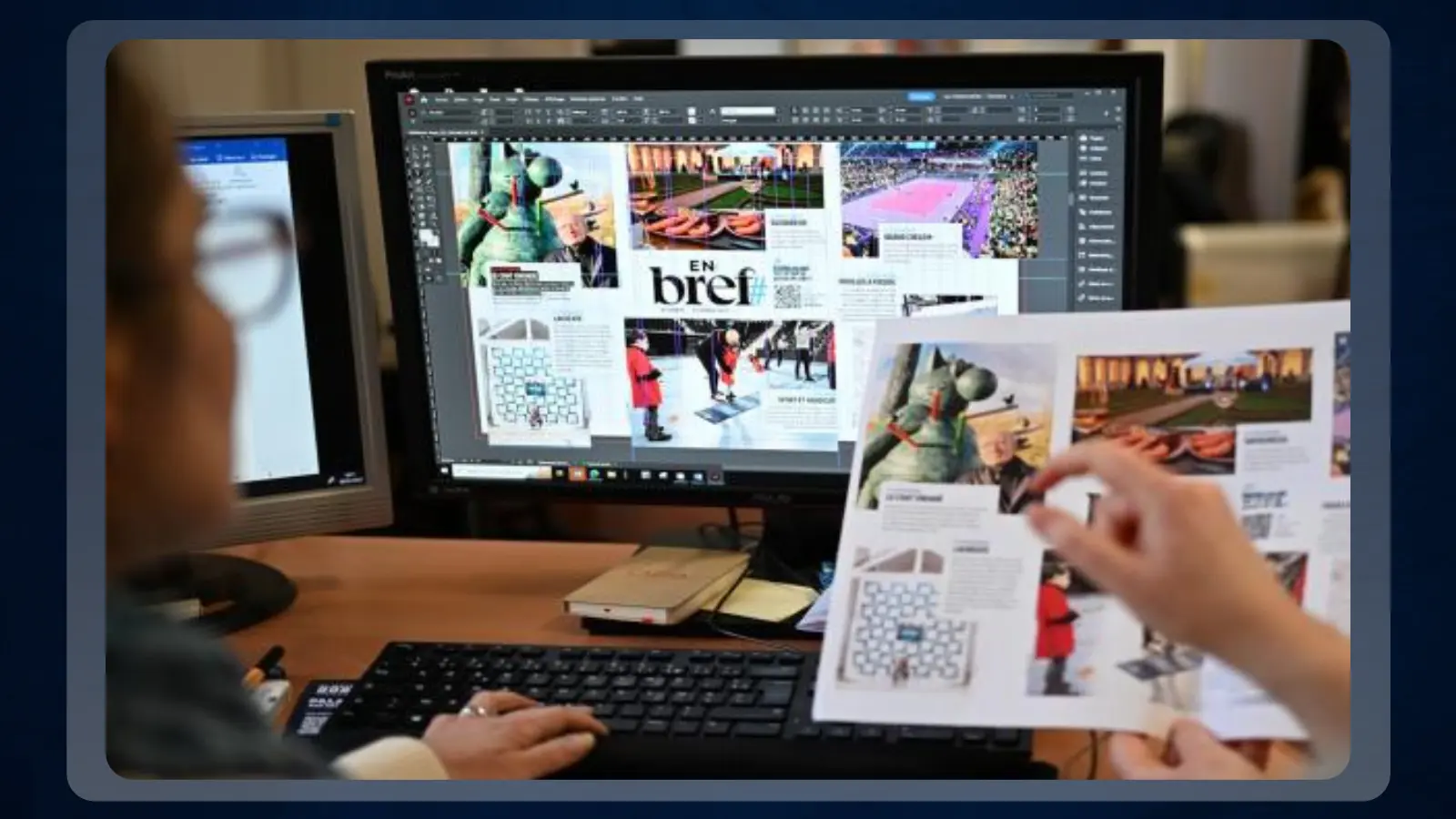
A graphic designer translates a brief into visuals that help an audience understand a message or take action. A graphic designer job description usually combines creative decisions with production responsibilities.
The work commonly includes these tasks:
- Concept development: Read the brief, identify the audience, and sketch possible approaches. For a game launch poster, the central decision might be which character or feature should attract attention first.
- Typography and layout: Choose readable type, establish a visual hierarchy, and arrange information. Hierarchy means the order in which a viewer notices content, like a headline before supporting details.
- Software production: Build and edit artwork, manage layers, and adapt approved concepts for different formats. A campaign may need both a print layout and smaller digital assets.
- Feedback and revision: Present your reasoning, record requested changes, and revise the work. Distinguish a personal preference from a problem that prevents the design from meeting its brief.
- File preparation: Export suitable files for print or digital use, organize editable assets, and check image quality. The next person should be able to use the work without reconstructing it.
Becoming a graphic designer means getting comfortable with feedback and revisions, since even great designs rarely get approved on the first try. Some roles focus more on adjusting existing designs and preparing final files than coming up with new concepts, so it’s worth checking the job description before applying.
Roles in Graphic Design
Graphic design includes brand and logo design, UI/UX design, editorial design, and motion graphics. These tracks share visual fundamentals, but graphic designer jobs can ask for very different portfolios.
Use the work itself to compare the tracks:
|
Role |
What You’d Do |
Technical Focus |
First Portfolio Piece |
|---|---|---|---|
|
Brand and Logo Designer |
Develop identities and logo systems |
Vector artwork and consistent brand rules |
Logo and mini brand guide |
|
UI/UX Designer |
Design interfaces and user flows |
Prototyping and usability |
Mobile app mockup |
|
Editorial/Print Designer |
Arrange publications and printed information |
Typography and production files |
Magazine spread redesign |
|
Motion Graphics Designer |
Animate graphic elements |
Animation and timing |
Animated logo sequence |
Branding and print design projects are great starting points because they help you develop a better eye for layout and typography. Before settling on a specialty, take some time to explore graphic designer jobs and see which roles match your skills and interests.
If you want to become a graphic designer but lack those foundations, begin with a focused introductory course.
Pros and Cons of Becoming a Graphic Designer
Becoming a graphic designer offers varied creative work with a competitive hiring outlook. The strongest reason to pursue it is an interest in visual problem-solving, rather than an assumption that creative work offers complete freedom.
These trade-offs deserve attention before you commit to training:
| Pros | Cons |
|---|---|
| ✅ Varied formats – apply visual skills to identities, publications, and digital assets. ✅ Visible evidence – a portfolio lets you show how you approach a brief. ✅ Accessible practice – free software supports early exercises. ✅ Adjacent specialties – interface design and motion offer different directions. ✅ Transferable fundamentals – typography and composition remain useful across tools. | ❌ Contracting employment – the Bureau of Labor Statistics projects a 2% decline from 2025 to 2035. ❌ Revision-heavy work – client needs and production constraints limit personal creative freedom. |
If you’re asking, “How do I become a graphic designer, and will I enjoy it?”, the work can suit you if you like creative challenges and revising designs after feedback. However, if you prefer complete creative freedom and want every design to reflect your personal style, the job might feel a little restrictive.
Graphic Designer Qualifications
A bachelor’s degree in graphic design or a related field is a common requirement, but not every employer expects formal education. If you’re wondering, “How do I become a graphic designer without a degree?”, focus on practical skills and a portfolio that shows how you solve design problems. Here are the main qualifications worth working toward:
Build your qualifications around these areas:
- Formal education: A graphic design degree can give you a solid foundation through hands-on projects and expert feedback. Look for programs that teach you how to approach creative challenges and explain your decisions, especially for the type of graphic designer jobs you want to pursue.
- Alternative learning: Online courses and bootcamps are great options if you prefer a more flexible learning path. Focus on courses with practical assignments and useful feedback rather than collecting certificates without much experience.
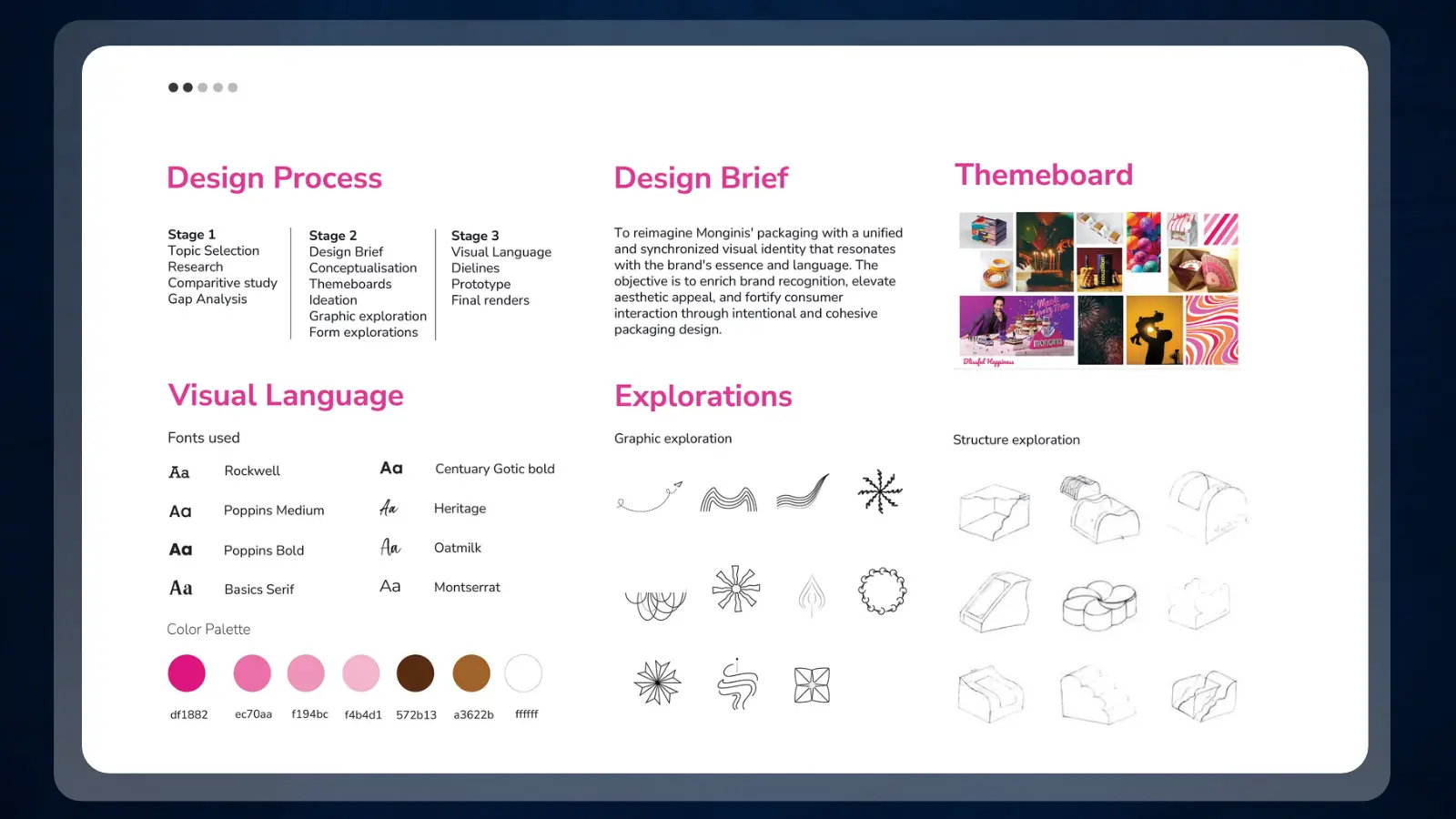
- Portfolio evidence: Show off your best projects and explain the thinking behind each design. Include sketches or revisions that highlight how you solved a problem. Employers want to see your creative process alongside the finished work.
- Portfolio presentation: Create a graphic designer website where potential employers can easily explore your work. Keep the layout clean and give each project a short explanation of the brief and your contribution. There’s no need for fancy website effects if your designs already speak for themselves.
- Certificates and certifications: Course certificates can show that you’ve completed training, while professional certifications usually require a separate assessment. Credentials like Adobe Certified Professional can help demonstrate specific software skills, but they’re optional for most design roles.
- Communication skills: Get comfortable receiving feedback and explaining your creative choices. Graphic designers regularly collaborate with clients and teammates, so knowing how to discuss your work clearly is just as important as creating it.
Your portfolio is one of the best ways to show what you can do. Employers want to see how you approach creative challenges and turn ideas into finished designs. Focus on projects that match the graphic designer jobs you’re interested in, rather than trying to master every specialty at once.
Design Software and Tools Graphic Designers Rely On
Start with one design tool and get comfortable using it before moving on to others. Adobe software is widely used in professional graphic design, but you don’t need to pay for expensive tools right away. If you’re thinking, “How do I become a graphic designer on a budget?”, free tools can help you practice and build your first projects.
The pricing models below are described by Bird Marketing:
|
Tool |
Best For |
Price Model |
|---|---|---|
 |
Photoshop image editing, Illustrator vectors, and InDesign layouts |
Paid subscription |
 |
Vector and raster artwork |
Paid one-time purchase |
 |
Vector illustration and production artwork |
One-time purchase or subscription |
 |
Budget-friendly vector practice |
Free, open-source |
 |
Beginner-friendly graphic design, social media graphics, and marketing materials |
Free plan available; paid Pro subscription |
You don’t need to master every design tool right away. Start with software that matches the type of graphic design work you’re interested in, then expand your skills as you gain experience. Free tools like Inkscape and Canva are great for beginners, while professional software can become useful as your projects grow more complex.
Graphic Designer Salary and Career Progression
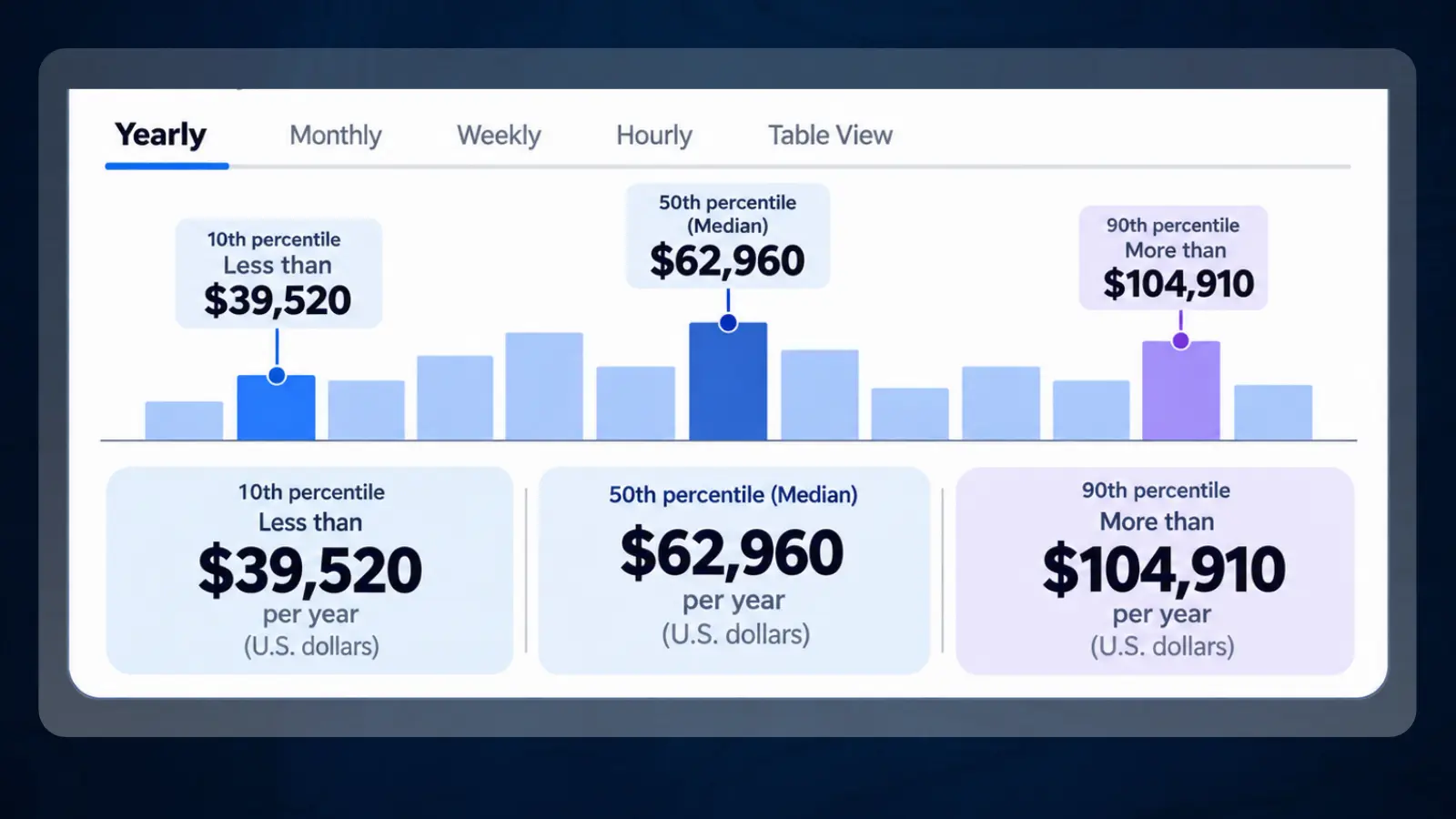
Graphic design can be a rewarding career with room to grow as you develop your skills and take on bigger projects. In the US, the median graphic designer salary is $62,960 per year, although your actual earnings will depend on your experience and the type of role you pursue.
Here’s a closer look at the annual salary range:
- Lower earners (10th percentile): Less than $39,520 per year.
- Median salary (50th percentile): Around $62,960 per year.
- Higher earners (90th percentile): More than $104,910 per year.
These figures reflect the profession as a whole, so they shouldn’t be treated as fixed salaries for junior or senior designers. Your location and the company you work for can also influence how much you earn.
As you gain experience, you can move into senior graphic designer positions with greater responsibility for creative projects. Some designers eventually become art directors, while others choose freelance work or specialize in a particular area of design.
If you’re asking, “How do I become a graphic designer and earn more over time?”, build a stronger portfolio and develop skills that qualify you for better-paying roles. When comparing graphic designer jobs, look beyond the salary and consider the responsibilities involved to find a position that matches your career goals.
How Do I Become a Graphic Designer? A Step-by-Step Guide
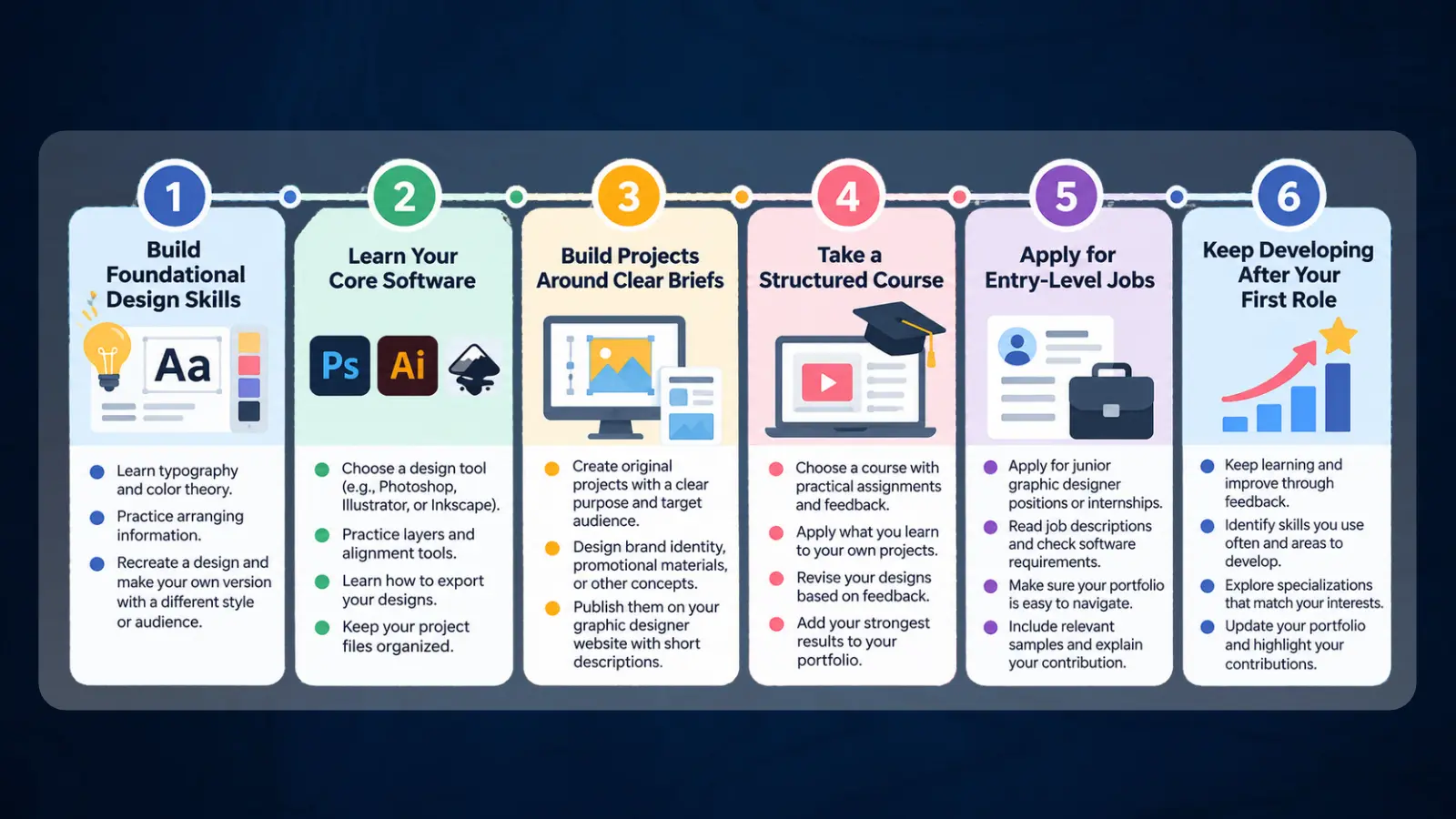
Becoming a graphic designer starts with learning the fundamentals and putting your skills into practice. You don’t need to master everything right away. Focus on completing projects that show your abilities, then gradually build the experience needed to apply for professional roles.
Step 1: Build Foundational Design Skills
Start with the basics of typography and color theory before exploring more advanced techniques. Learn how different design elements work together and practice arranging information so it’s easy to understand.
Try recreating a poster or magazine layout to see how professional designers approach composition. Once you’re comfortable, create your own version with a different style or audience in mind. Tutorials are useful for practice, but developing your own creative ideas is what helps you improve.
Step 2: Learn Your Core Software
Choose one design tool and get comfortable with its main features before adding more software to your workflow. Practice working with layers and alignment tools, then learn how to export your designs in the right formats.
If you’re interested in graphic designer jobs that require Adobe Photoshop or Illustrator, focus your training on those applications. Free alternatives like Inkscape can also help you practice without an upfront investment. Keep your project files organized so they’re easy to update later.
Step 3: Build Projects Around Clear Briefs
For anyone asking, “How do I become a graphic designer without client experience?”, create original projects that reflect the type of work you want to pursue. You could design a brand identity for a fictional game studio or create promotional materials for an imaginary business. Give each project a clear purpose and target audience.
Once you’ve finished a few strong projects, publish them on your graphic designer website. Include short descriptions that explain your ideas and how you approached each challenge. Remember to label personal concepts clearly so employers can distinguish practice projects from actual client work.
Step 4: Take a Structured Course
A structured course can help you improve specific skills and give you a clearer learning path. Look for programs that include practical assignments and opportunities for feedback, especially in areas where you still feel less confident.
As you work through a course, apply what you’ve learned to your own projects. Revise your designs based on feedback and include your strongest results in your portfolio. A certificate can support your qualifications, but your finished work is what demonstrates your abilities.
Step 5: Apply for Entry-Level Graphic Designer Jobs
If you’re wondering, “How do I become a graphic designer and get hired?”, apply for junior positions or internships once your portfolio is ready. Read each graphic designer job description carefully to understand the software requirements and type of work involved.
Make sure your graphic designer website is easy to navigate and includes clear contact information. Choose portfolio samples that are relevant to each application and explain your contribution to the projects. It also helps to research graphic designer salary expectations before interviews so you can evaluate opportunities more confidently.
Step 6: Keep Developing After Your First Role
Your learning doesn’t stop once you land your first graphic design job. Professional projects will introduce new challenges and give you opportunities to improve through feedback. Pay attention to the skills you use most often and identify areas where additional training could help.
As you gain experience, you can explore specializations that match your interests or take on projects with greater creative responsibility. Keep your portfolio updated with work you’re allowed to share, and highlight your contributions to team projects. Consistent improvement can help you work toward more advanced roles over time.
A structured course can help you stay on track as you develop your design skills. It’s also a great way to get extra practice and build confidence before taking on professional projects.
Recommended Courses
Choosing the right course can make learning graphic design feel much more manageable. If you’re asking, “How do I become a graphic designer through online courses?”, start with a program that matches your experience and includes practical projects. Beginner courses can help you understand design fundamentals, while more advanced training can improve your software skills.
|
Course |
Provider |
What It Covers |
Duration or Access |
|---|---|---|---|
|
Fundamentals of Graphic Design |
 |
Foundational typography, imagemaking, and composition |
8 hours |
|
Complete Graphics Design and Video Editing MasterClass |
 |
Photoshop, Illustrator, InDesign, and Premiere Pro basics |
31.5 hours of video |
|
Graphic Design Specialization |
|
Visual fundamentals and branding projects |
2 months at 10 hours a week |
|
Adobe Graphic Designer Professional Certificate |
|
Adobe software for branding and layout |
3–6 months |
|
Create and Design Digital Products using Canva |
|
Canva-based digital-product practice |
Free guided project |
Most of these courses include practical exercises and completion certificates that can support your portfolio. Just remember that a certificate alone won’t guarantee a graphic design job. Focus on applying what you learn to original projects, and consider starting with a beginner-friendly course before exploring more advanced options.
Alternate Careers in Graphic Design
If you came here asking, “How do I become a graphic designer?” but the job doesn’t sound like a fit, there are related creative careers worth considering. Some focus more on leadership, while others involve technical work or specialized creative skills.
Here are three alternatives to consider:
- Art director: Oversees the visual direction of creative projects and guides other designers. It’s a good career goal if you enjoy leading creative teams, although reaching this position usually takes several years of experience.
- Web developer: Builds functional websites and brings digital designs to life through coding. This path suits people who enjoy technical problem-solving, but you’ll need programming skills beyond graphic design fundamentals.
- Special effects artist and animator: Creates visual effects and animated content for films or video games. It’s worth exploring if you’re interested in motion and digital storytelling, although it requires more specialized software skills.
Graphic design skills can give you a useful foundation for these careers, especially when it comes to visual communication. Each path has its own requirements, so take time to explore the work involved before choosing your next direction.
Final Verdict on How Do I Become a Graphic Designer?
Graphic design can be a rewarding career if you enjoy creative problem-solving and turning ideas into meaningful visuals. Getting started means learning the fundamentals and building a portfolio that shows your abilities. A degree can help with certain job opportunities, but self-taught designers can also pursue the field through consistent practice and relevant projects.
However, the career might feel restrictive if you prefer complete creative freedom or want a field with faster job growth. Web development could be worth exploring if you enjoy technical challenges, while animation may suit you better if you’re interested in motion and visual storytelling.
If you’re asking, “How do I become a graphic designer?”, start by developing your design skills and creating projects that demonstrate your creative decisions. Use feedback to improve your work and build a portfolio that reflects your strengths. Structured courses can help guide your progress, but employers ultimately want to see what you can create independently.
FAQs
Learn visual fundamentals, practice design software, and build a portfolio that explains your decisions. Compare graphic designer jobs with your qualifications, then apply with relevant projects and a clear account of your contribution.
Your graphic designer salary depends on the role, location, and responsibilities. Compare local vacancies with similar duties and experience requirements. Review benefits alongside salary, and do not treat an occupation-wide median as a starting offer.
The timeline depends on your starting skills, study route, and practice. Completing a course is different from being ready for employment. Use independent projects and external feedback to judge progress rather than a fixed deadline.
A bachelor’s degree is the usual US route, though employer requirements differ. A portfolio should demonstrate your skills. Read each graphic designer job description carefully before assuming self-taught experience meets its education requirements.
Yes, for people who enjoy visual problem-solving and revision. The U.S. Bureau of Labor Statistics projects about 16,000 annual openings, despite declining overall employment.
Typography, composition, and software fluency are core skills. A graphic designer website should show how you use them. How do I become a graphic designer? Build independent projects, seek critique, and target employers that accept your qualifications.