



Mina the Hollower Review: Yacht Club Games’ Retro Gamble Was Worth the Wait



Sitting down to write this Mina the Hollower review feels like finally opening a highly anticipated time capsule. After years of development, multiple delays, and a hugely successful Kickstarter campaign that raised more than $1.2 million, Yacht Club Games finally released its first original title since Shovel Knight on May 29, 2026.
What began as a small side project has grown into the studio’s most ambitious game yet, and it has been absolutely worth the wait.
- A Passion Project Grown Massive: What started as one developer’s personal side project has evolved into one of 2026’s most impressive indie successes.
- A Brilliant Retro Cocktail: It seamlessly blends the exploration of The Legend of Zelda: Link’s Awakening, the gothic moodiness of Castlevania, and the challenging, high-stakes combat of Bloodborne.
- Masterful Presentation: It captures the exact nostalgic feel of a late-90s handheld classic, elevated by a phenomenal chiptune soundtrack from Jake Kaufman.
At its core, Mina the Hollower is a top-down action-adventure with Metroidvania exploration and Souls-like influences. It’s available on Nintendo Switch, Switch 2, PS5, Xbox Series X|S, and PC via Steam, GOG, and Humble, as well as Linux and macOS for around $19.99.

Critics and players have embraced it alike, earning universal acclaim on Metacritic, a very high recommendation rate on OpenCritic, a “Very Positive” Steam rating, and more than 500,000 copies sold within its first weeks.
This Mina the Hollower review covers everything you need to know before picking it up. I’ll break down its whip-and-burrow combat, the Hollowing mechanic, sidearms and trinkets, the Bonestone progression system, the non-linear world design, and the game’s difficulty. I’ll also show you its accessibility options, performance across every platform, and, above all, whether Yacht Club’s demanding new vision delivers on its massive promise.
Jump to:
GAMES LIKE MINA THE HOLLOWER
TL;DR Mina the Hollower Review Overview
| Genre | Top-down action-adventure with non-linear Metroidvania exploration, Souls-like combat stakes, and a gorgeous Game Boy Color aesthetic |
| Core loop | Explore a cursed island → burrow and whip past monsters → gather bones to level up or bank safely → customize your playstyle with sidearms and trinkets to conquer over 25 bosses → uncover secrets and progress deeper |
| Biggest strength | Gorgeous expressive 8-bit-style art; outstanding soundtrack; tight, flexible whip-and-burrow combat; dense interconnected world; deep trinket build variety; generous accessibility options |
| Biggest weakness | A punishingly steep early difficulty curve and a harsh death-loop that relies heavily on self-guided trial and error |
| Clear verdict | A triumphant retro action-adventure and an instant indie highlight of 2026. It is an essential buy if you welcome a challenge, backed by excellent accessibility features for the difficulty-averse |
| Release date | May 29, 2026 |
| Platforms | Nintendo Switch, Switch 2, PS5, Xbox Series X|S, PC (Steam, GOG, Humble), Linux, macOS |
| Price | ~$19.99 |
| Best for | Fans of Shovel Knight, Zelda: Link’s Awakening, Souls-likes, Metroidvanias, and purists of polished retro pixel art |
| Difficulty | High by default (especially in the opening hours), but highly adjustable via robust in-game assist options |
| Length / Extras | A sprawling campaign packed with hidden encounters, dozens of customizable stat charms, character progression, a full New Game Plus mode, and custom rule modifiers |
If you’re looking for a quick verdict, Mina the Hollower is one of the strongest indie releases of 2026. It combines the charm of Game Boy Color-era adventures with modern design ideas, blending top-down exploration, fast-paced combat, and rewarding progression into a memorable package.
The biggest surprise is how much depth the game offers. Between its interconnected world and character upgrades, there’s plenty of room to experiment with different playstyles. The whip-and-burrow mechanics also keep combat and exploration engaging from start to finish, making Mina the Hollower gameplay far more varied than its retro presentation might suggest.
The biggest caveat is Mina the Hollower difficulty. The opening hours can be punishing, and the game expects you to learn through trial and error. Thankfully, an excellent set of accessibility options lets you tailor the challenge without sacrificing the core experience.
This game is an easy recommendation for players who enjoy exploration, engaging combat, and old-school challenge. For those ready to embrace the grind, Mina offers an incredibly memorable retro journey.
A Mouse, a Whip, and One Big Mystery
Mina the Hollower wastes little time throwing you into its strange, unsettling world. You play as Mina, a renowned Hollower and inventor sent to a remote, decaying island to restore its failing Spark Generators.
Naturally, things aren’t that simple. The island is overrun by monsters and plagued by a mysterious curse, setting the stage for a dark, characterful, and faintly gothic adventure that carries the offbeat wit Yacht Club Games is famous for.
If you’re sold on the premise already, a Mina the Hollower Steam Key from Eneba is usually the cheapest way to jump into the PC version. And if you’re in the mood for more adventures like this, check out our list of the best metroidvania games.
What makes the game stand out is that it doesn’t settle for being a nostalgic throwback. It blends classic top-down exploration inspired by The Legend of Zelda: Link’s Awakening with the oppressive atmosphere of Castlevania and the tense, risk-versus-reward combat philosophy of Bloodborne.
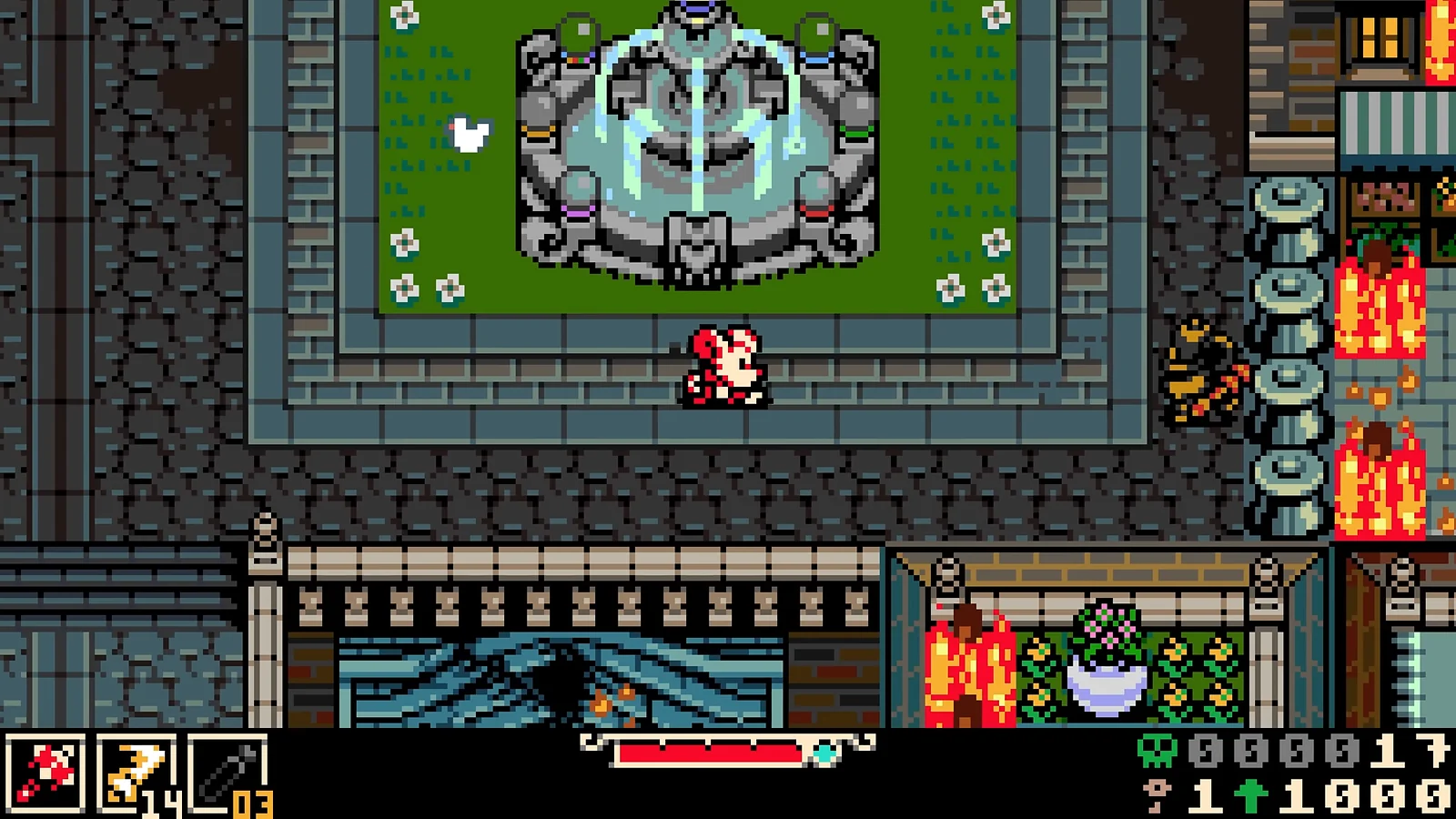
The influence of Link’s Awakening is obvious in the screen-by-screen navigation and puzzle-focused dungeon layouts. However, the Castlevania bloodline runs deep through the gothic aesthetic and deliberate, whip-based combat spacing. You can’t just swing wildly; you have to measure the exact distance between your whip’s tip and a shambling foe.
Meanwhile, the Bloodborne DNA dictates the high-stakes economy, where every mistake threatens your hard-earned progression. The resulting cocktail feels familiar at first, but quickly establishes its own identity.
It’s also worth knowing what Mina the Hollower isn’t a relaxing retro adventure you can casually breeze through. The difficulty has teeth, and the game expects you to learn from your mistakes.
It also isn’t another side-scrolling platformer like Shovel Knight. Shifting to a top-down perspective radically changes how the spaces were designed. Instead of worrying about vertical jumps and bottomless pits, you are managing 360-degree positioning, choking hazards, and flanking routes. The island opens up in multiple directions instead of leading you down a single, linear path.
That ambition has been years in the making. What started as developer Alec Faulkner’s personal coding experiment evolved into Yacht Club Games’ first entirely original universe in over a decade. Backed by more than $1.2 million through Kickstarter and refined through several delays, it has become the studio’s biggest and most ambitious world to date.
With no demo or pre-orders before launch, players had little choice but to trust early impressions and every Mina the Hollower review they could find. As it turns out, that leap of faith paid off beautifully.
Whip, Burrow, Die, Learn
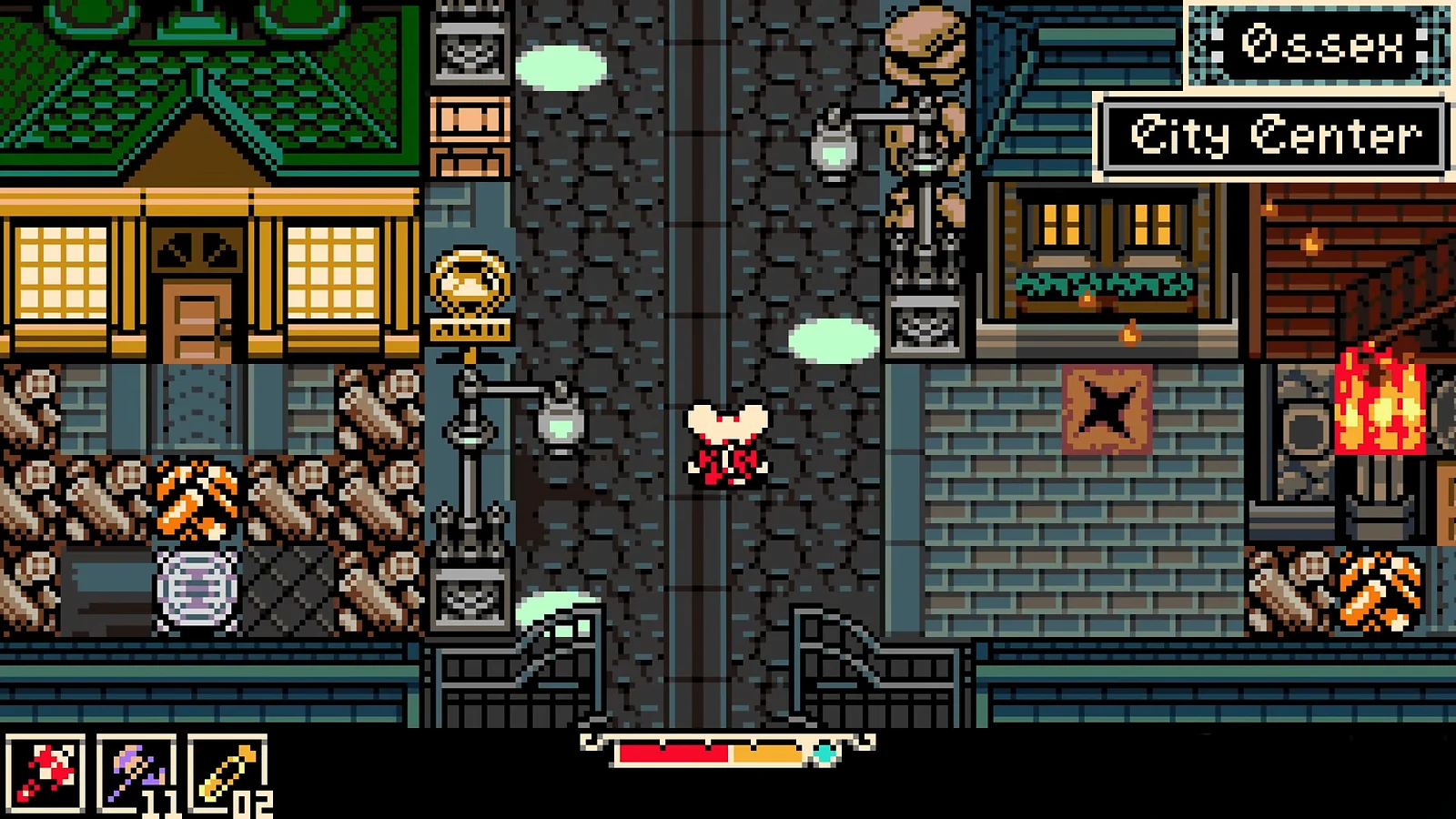
When I first started playing, it didn’t take me long to realize exactly what kind of ride this game was. Exploration, combat, and progression are locked in a tight, addictive loop where every single step forward feels like you’re working toward your next upgrade, shortcut, or massive boss encounter.
The rhythm of the game is easy to grasp, but the way it constantly throws fresh mechanical curveballs kept my playthrough from ever feeling stale.
Every expedition I took followed the same high-stakes cycle: you venture deep into uncharted territory, clear out rooms of aggressive baddies, and hoard your precious bones. From there, you’ll constantly sweat over whether to push a little further or play it safe and head back. The deeper I went, the bigger the payout… but the punishment for a single slip-up became incredibly real.
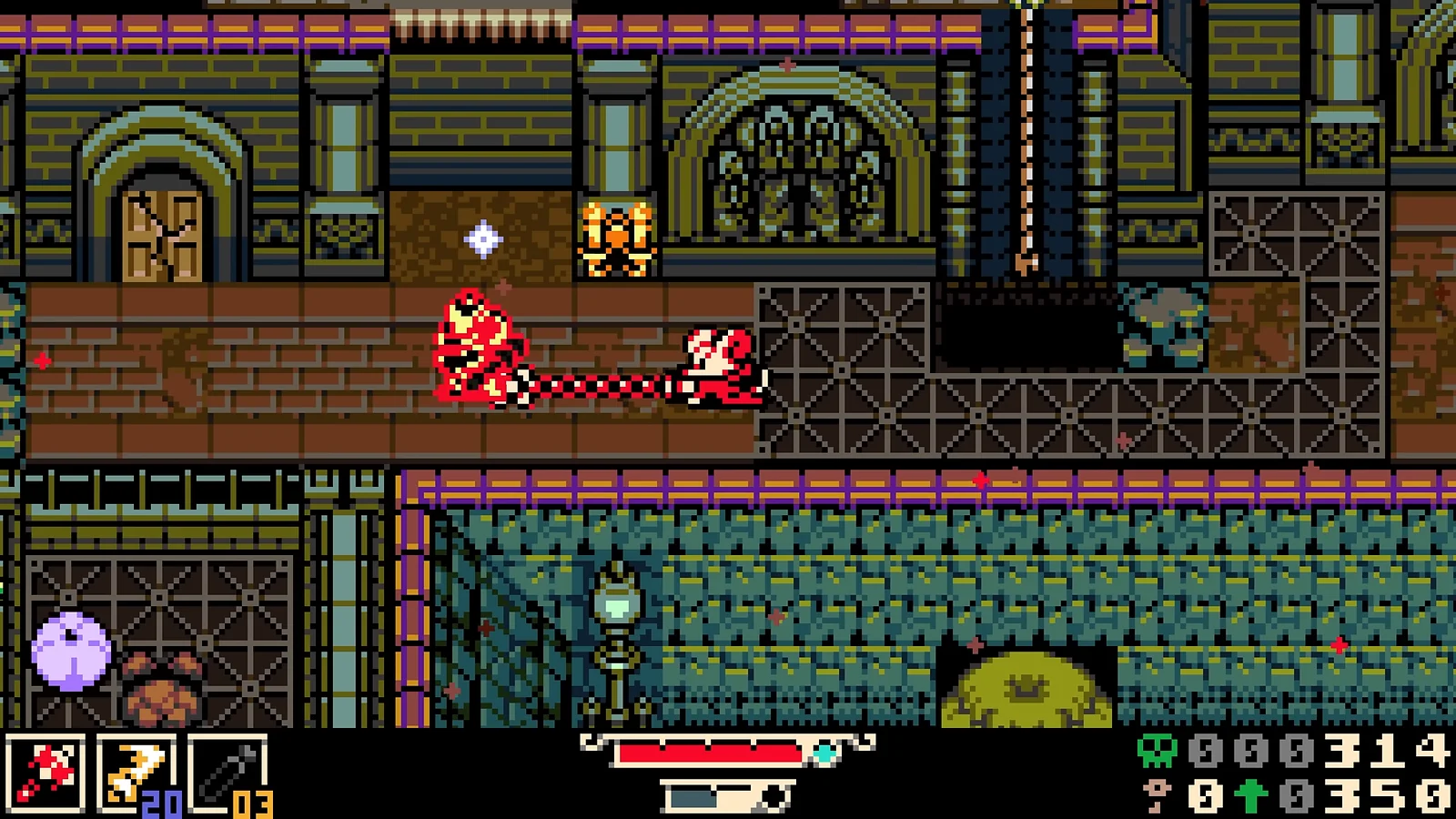
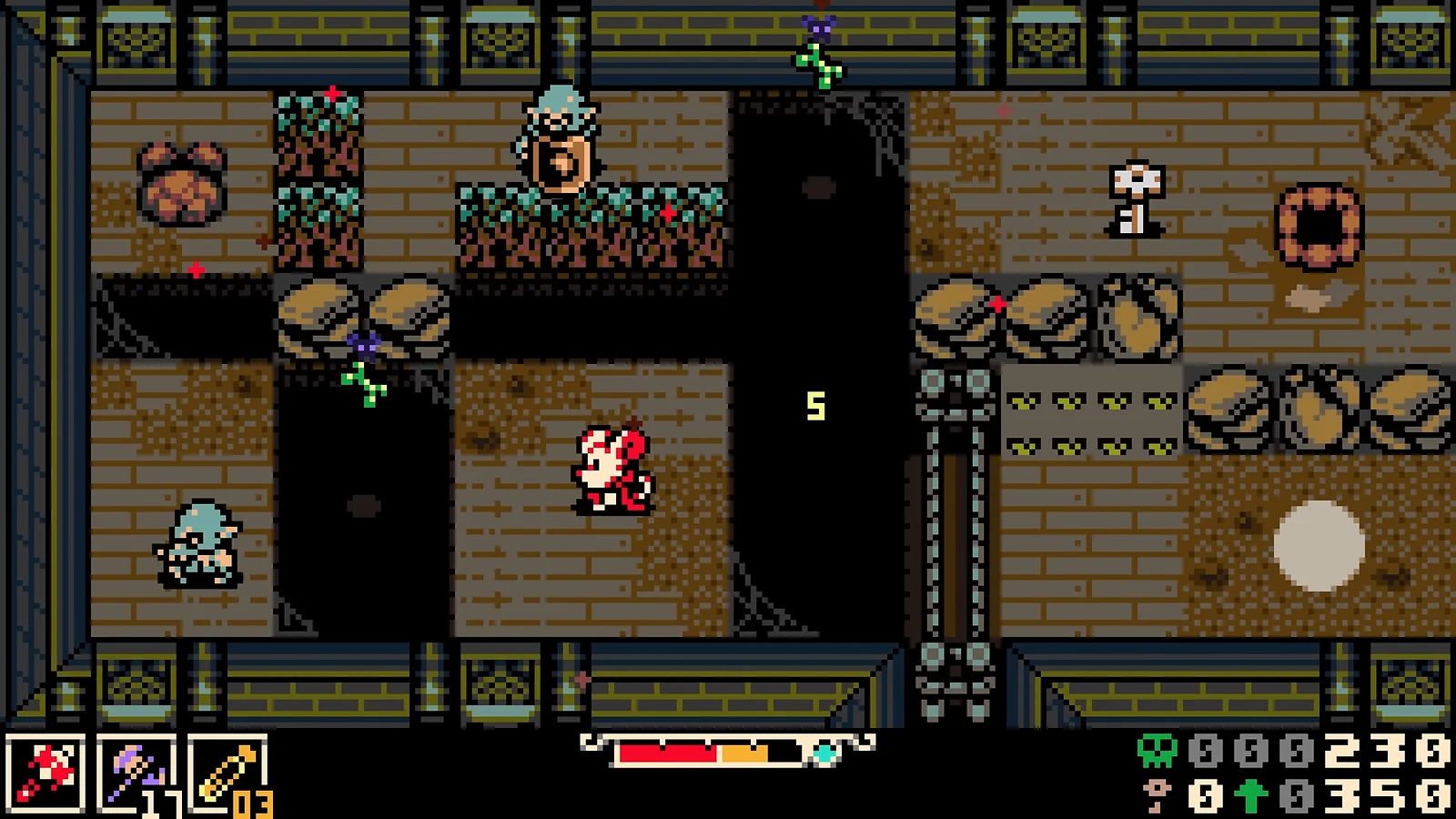
Let’s talk combat, because it is delightfully deliberate. Your primary tool is Mina’s trusty Nightstar whip. It has great reach, allowing you to keep nasty critters at arm’s length, but it completely punishes mindless button mashing.
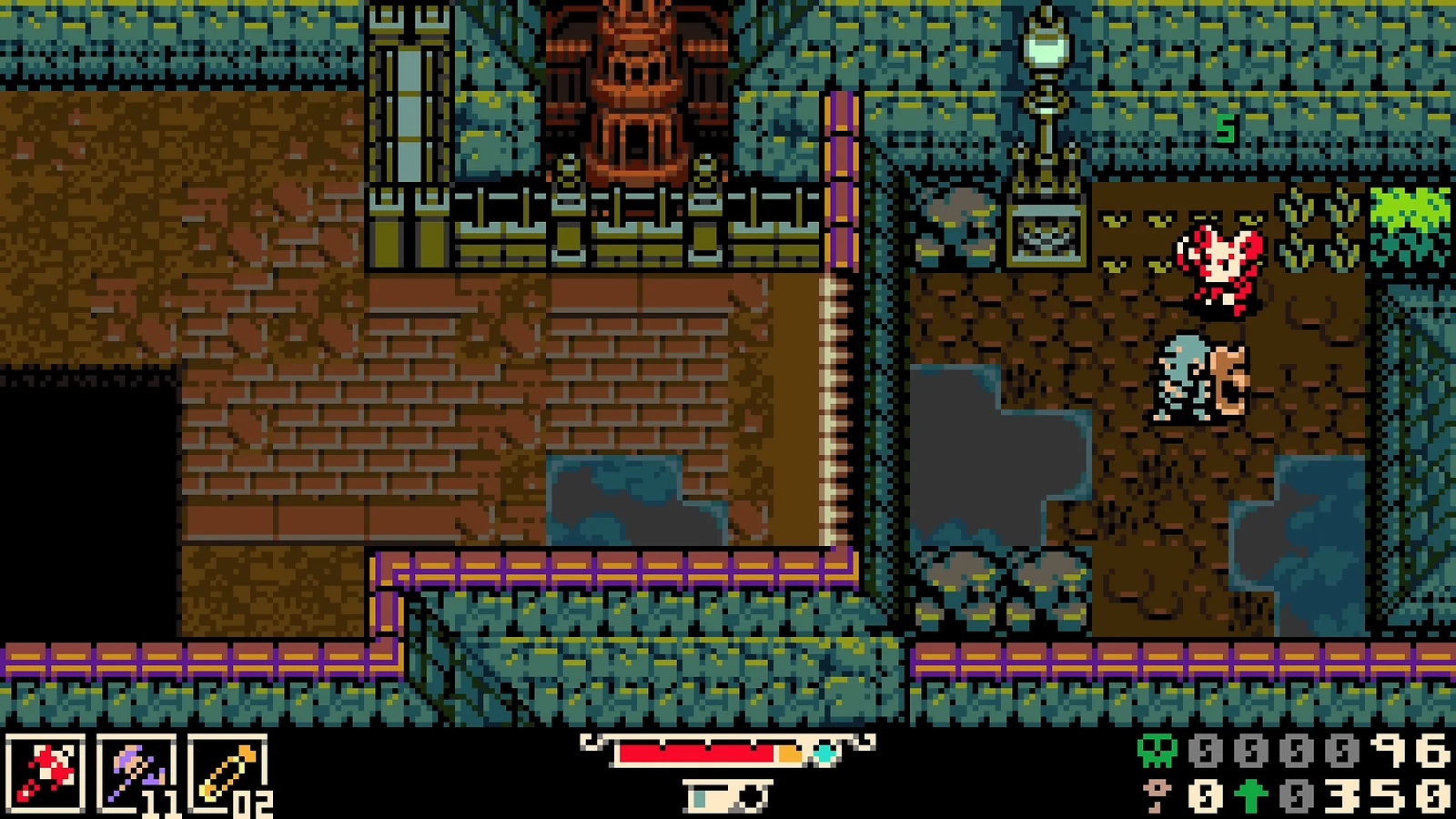
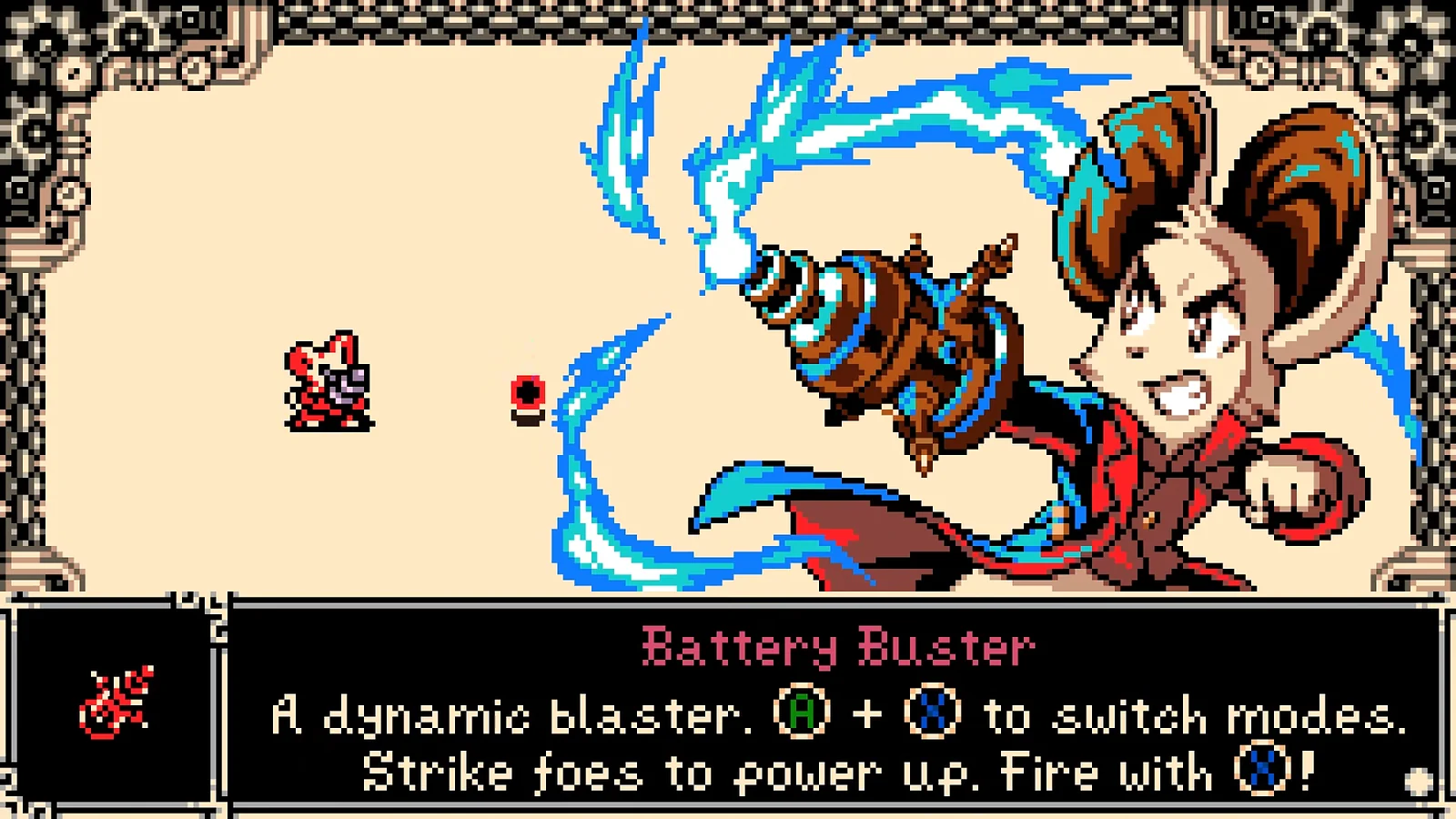
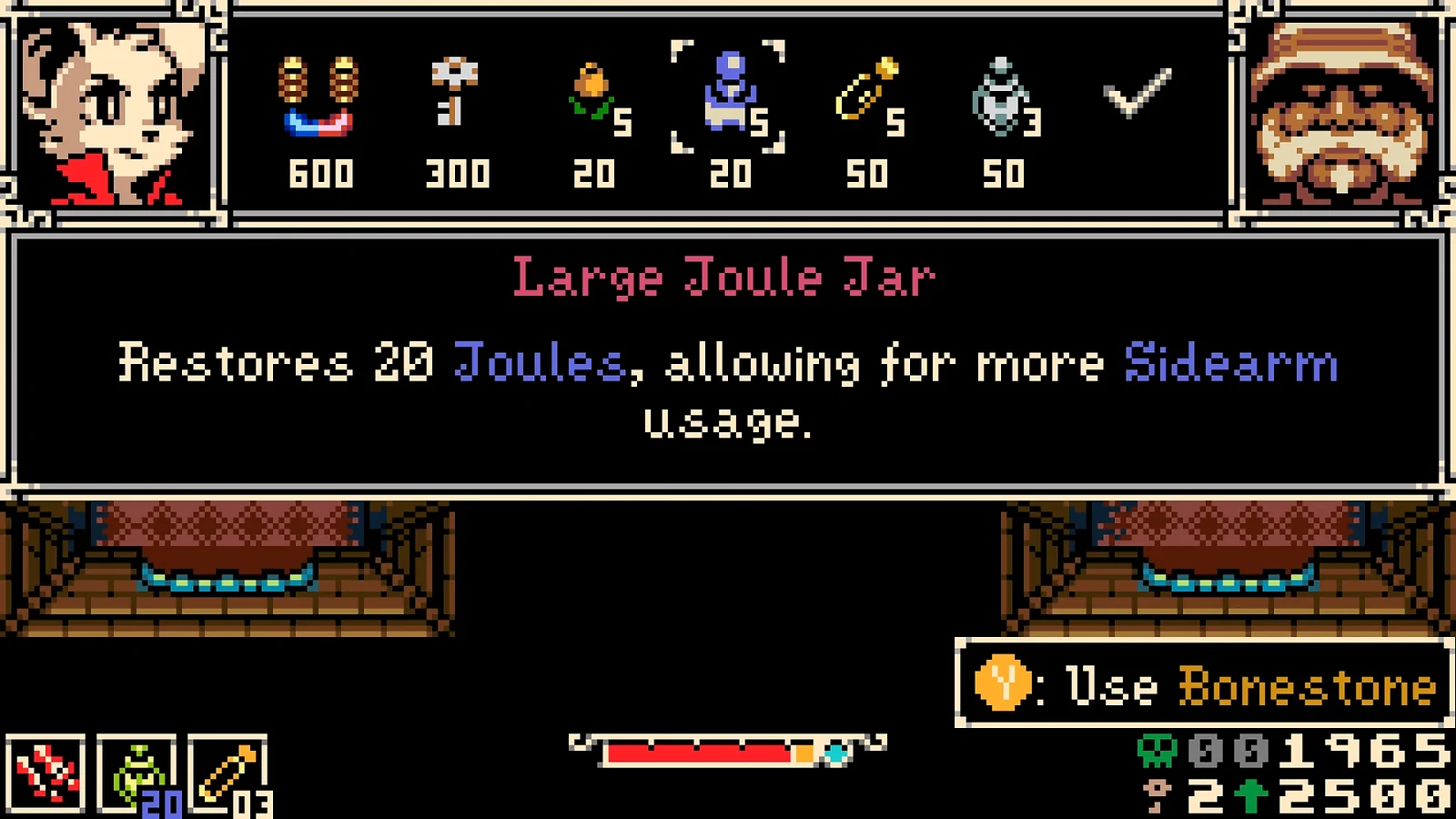
I quickly learned that I had to respect spacing, learn enemy hitboxes, and time my strikes perfectly. To make things even more interesting, you can equip various secondary tools. These sidearms range from quick throwables to slow, heavy-hitting axes that absolutely wreck enemies.
But here’s the catch: they consume resources. I found myself constantly playing a mental game of resource management, saving my heavy-hitters for tight corners or boss phases rather than spamming them during regular encounters.
The absolute star of the show here is Hollowing. This unique burrowing mechanic is what truly defines Mina the Hollower gameplay. At first, I treated burrowing underground as a simple dodge roll to avoid incoming damage. But trust me, it is so much more than that. You’ll use it to slip beneath deadly hazards, leap across massive gaps, bypass shields, and pop up directly behind an enemy’s blind spot.
Because Hollowing serves as both a traversal tool and a combat maneuver, mastering its timing completely reshaped how I approached every single screen. Bosses that originally stomped me into the dirt suddenly felt totally manageable once I realized I could just dive underground and pop up right when their attack animation finished.
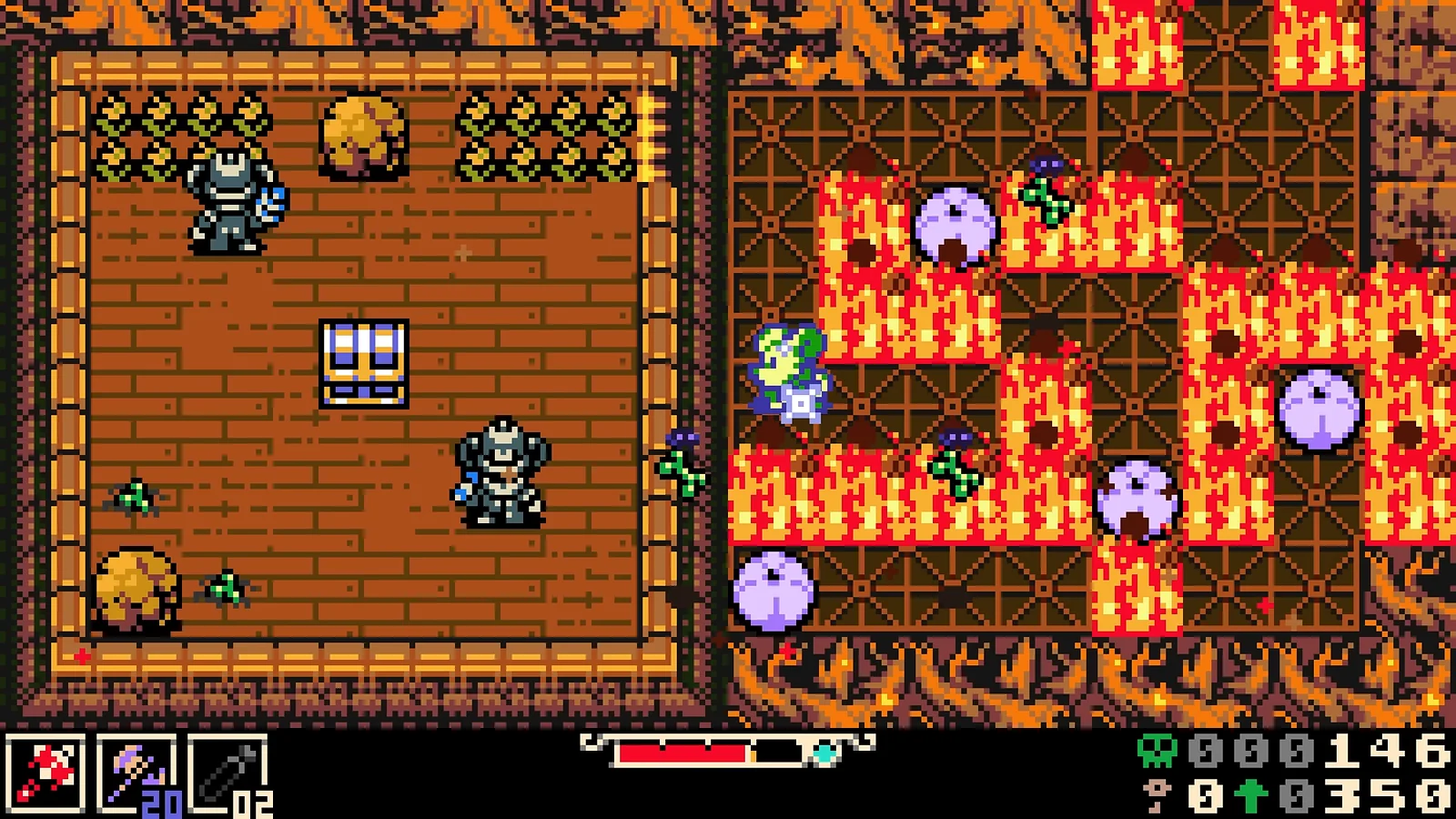
All of this exploration directly feeds into a remarkably deep customization system. As you explore the island, you’ll discover around 60 distinct trinkets. Think of these as passive charms that let you sculpt a highly specific playstyle.
Some trinkets reward aggressive play by giving you health back on critical hits, while others are built for high defense or synergy with specific sub-weapons. It’s an incredibly robust system, and it holds up beautifully whether you are playing the Mina the Hollower Switch / PS5 / Steam versions.
My biggest advice? Experiment early and often. A trinket that seemed completely useless to me in the first hour suddenly became the cornerstone of my build once I invested points into different stats. That brings us to the progression economy, which is a glorious psychological torment.
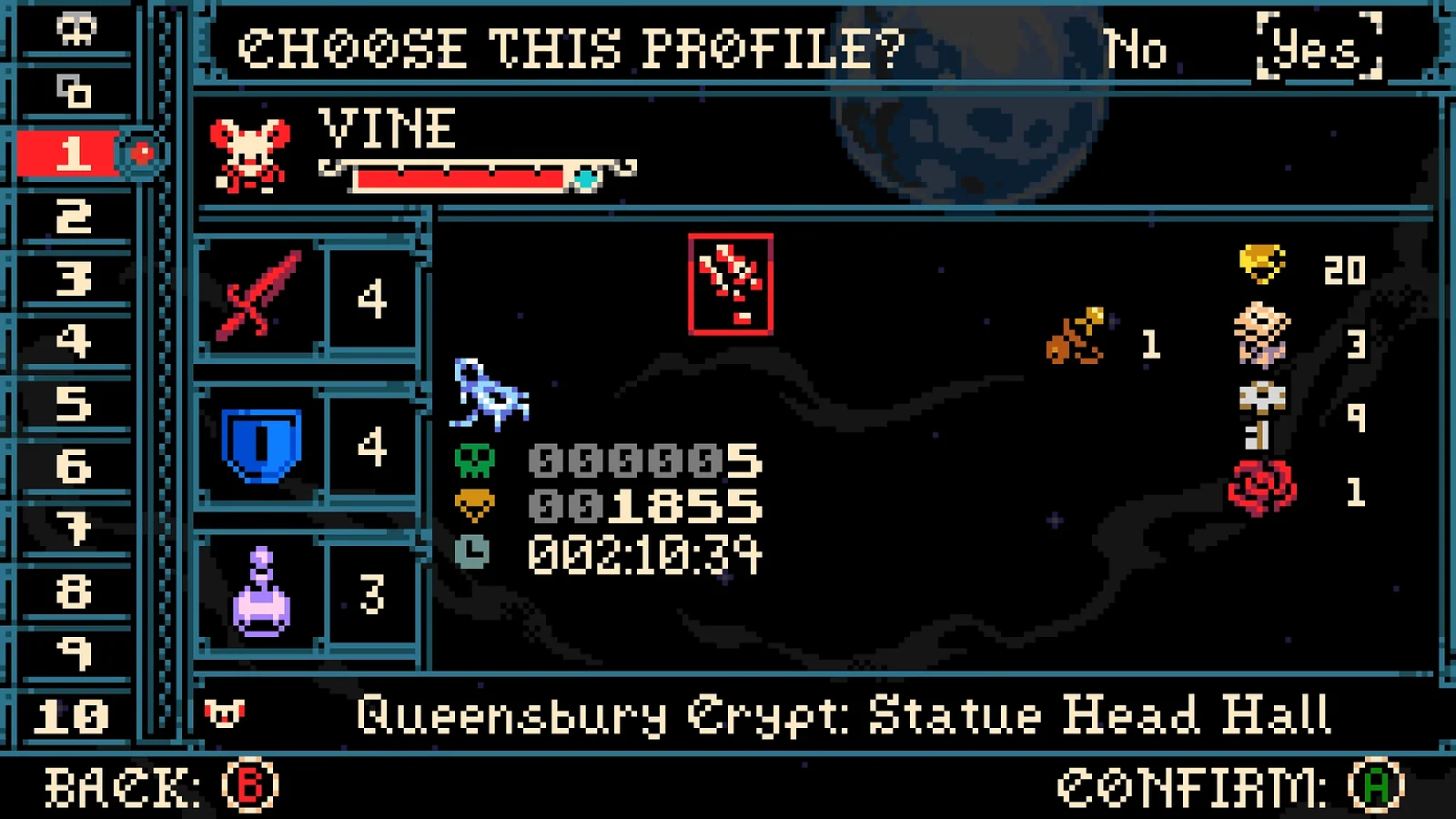
Defeated enemies drop bones, which you use to either level up your attributes or purchase gear. But if you want to secure your progress, you have to find a checkpoint and convert those loose bones into Bonestones.
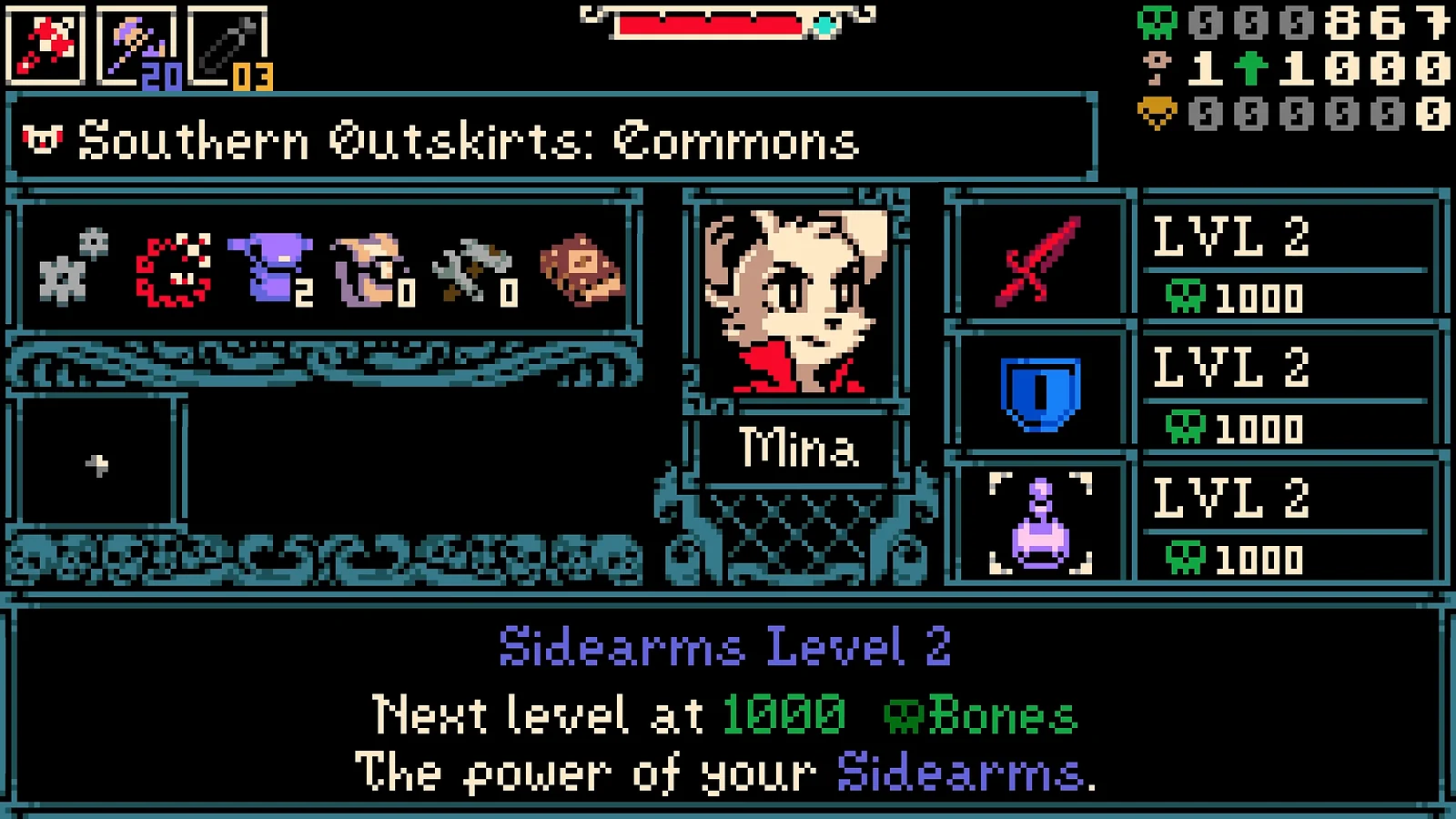
I can’t tell you how many times I carried thousands of loose bones, feeling like an absolute powerhouse, only to get humbled by a new elite enemy in the next room and lose the whole stash. It’s a constant gamble: do you carry your wealth to squeeze out more stat upgrades, or do you play it safe and bank them?
Thankfully, the island’s non-linear layout means you’re never stuck hitting a brick wall. If a particular area was kicking my butt, I simply turned around, explored a different path, found some cool upgrades, and came back later to exact my revenge.
Let’s address the elephant in the room: Mina the Hollower difficulty is no joke. The opening hours are brutal. You start weak, enemies hit like absolute trucks, and losing your hard-earned bones on death can feel incredibly punishing before you learn the layout.
But I promise you, the learning curve does smooth out. Once the combat pacing clicked for me and I started utilizing Hollowing as second nature, the game felt fair, rewarding, and incredibly satisfying.
And if the default challenge is simply too steep, the design of this game deserves a massive high-five for its incredibly generous assist suite. It lets you customize incoming damage and modifiers so you can enjoy this brilliant adventure on your own terms, leaving little doubt when asking is Mina the Hollower worth it.
Charm With a Grudge
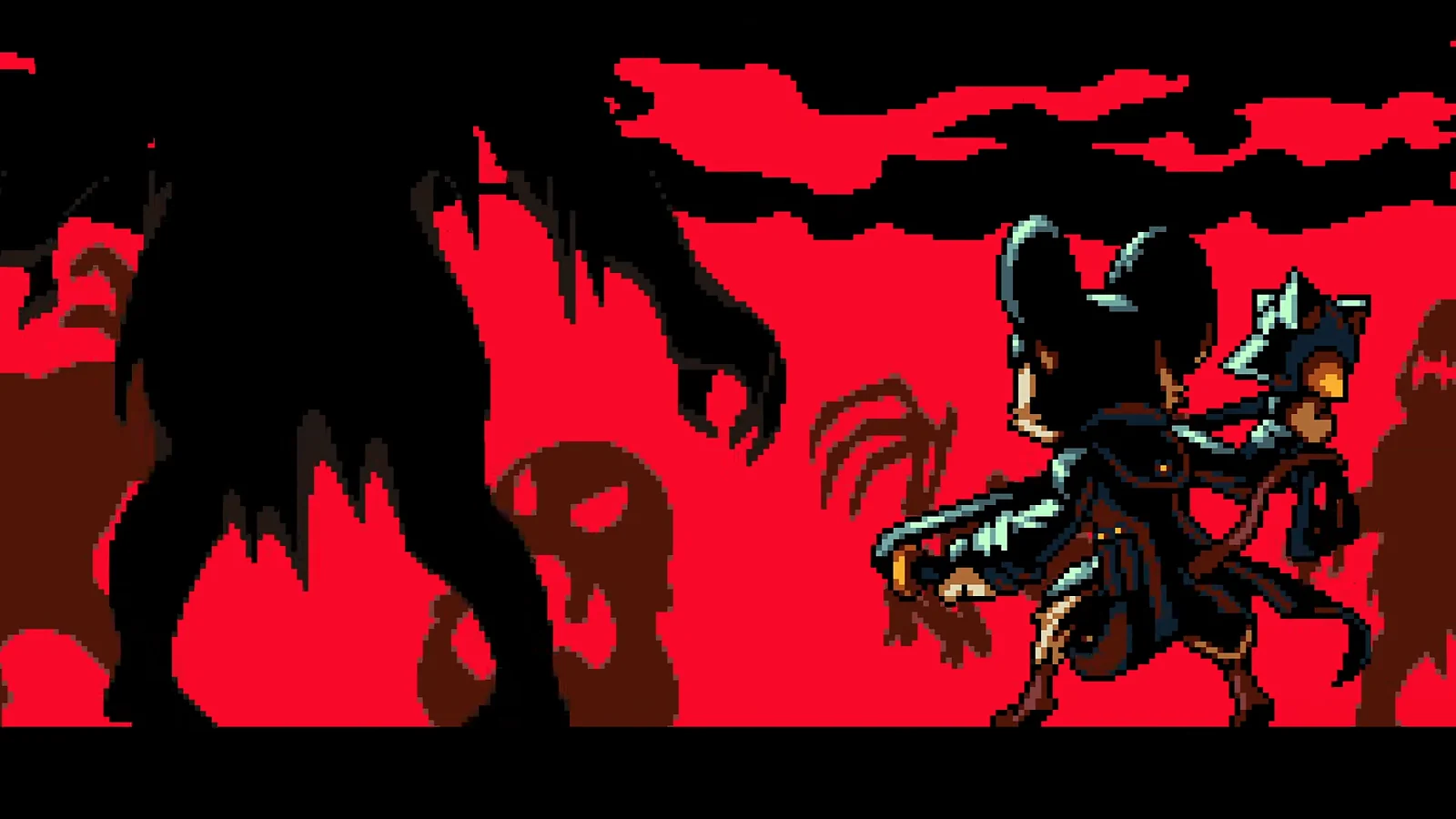
This game doesn’t try to impress you with an intricate plot full of twists and shocking reveals. Instead, it tells a straightforward story that gives you a reason to keep exploring while letting the world, its characters, and its atmosphere do most of the heavy lifting. This narrative restraint works beautifully, forming a strong, highly entertaining backbone for the adventure.
The studio has created a cursed island that feels delightfully odd from beginning to end. The local population is incredibly bizarre. You might find yourself chatting with gloomy graveyard residents who seem surprisingly comfortable living among the dead, or seek crucial advice from scholarly giraffes.
Other times, you will stumble across eccentric local weirdos who barter unique equipment in exchange for bizarre favors. Indulging these odd requests gives you a direct, hands-on way to piece together the island’s history without sitting through dry text dumps.
Nearly every NPC has something memorable to say, be it useful information, subtle world-building, or simply a joke that lands better than expected. That offbeat humor is one of the studio’s greatest signatures.
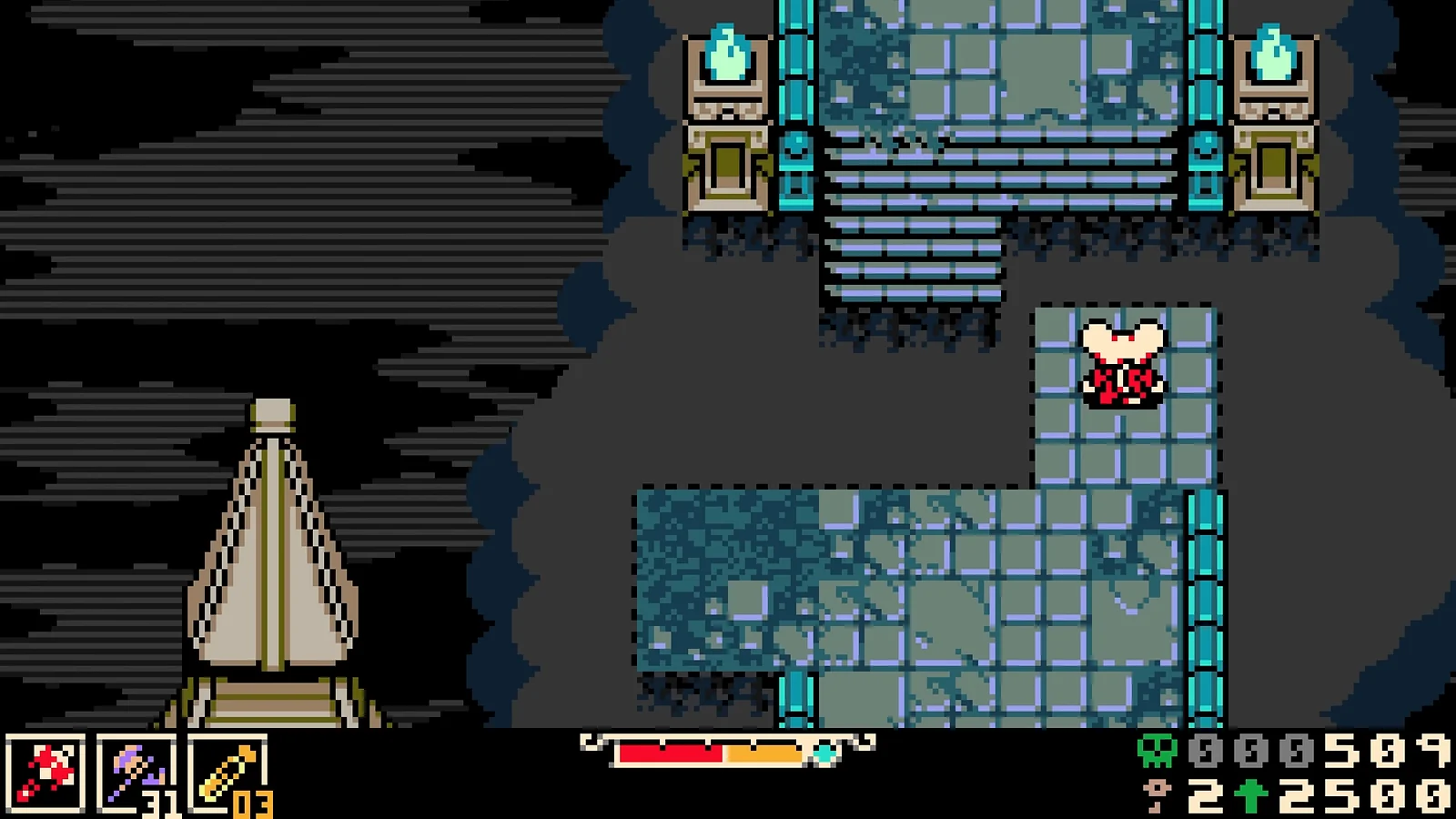
Fans of Shovel Knight will immediately recognize the playful writing style, but it never feels like the same jokes recycled into a different setting. The dialogue has a lighthearted rhythm that keeps conversations enjoyable without dragging them out, giving even minor characters enough personality to leave an impression.
Mina herself plays a big part in making those interactions work. She isn’t an especially talkative protagonist, but her expressive animations communicate curiosity, determination, frustration, and even a bit of smug confidence without relying on lengthy dialogue.
Small details like her reactions after solving a puzzle or entering a dangerous area make her feel like an active participant in the adventure rather than a blank avatar for the player.
That same attention to detail extends to the enemies and bosses. Despite working within an intentionally retro visual style, the developers squeeze an impressive amount of personality into every design.
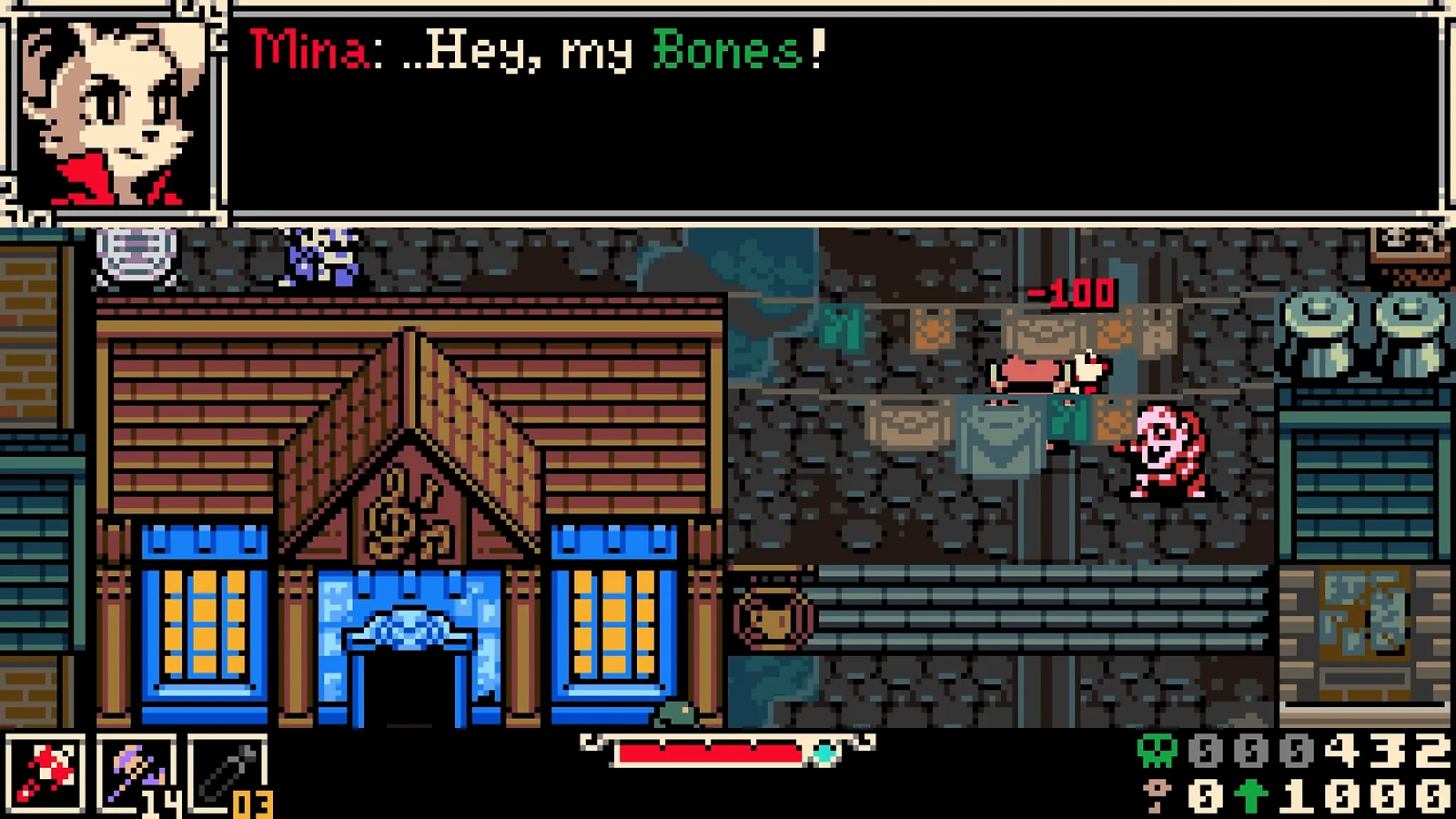
Some creatures are unsettling because of how they move, while others look downright grotesque despite the limited color palette. Bosses, meanwhile, strike a great balance between being intimidating and memorable, often introducing themselves with the same theatrical flair that defines the game’s writing.
The setting ties everything together. Every region has its own identity, not only through its visuals but also through the characters who inhabit it and the stories they tell.
Rather than feeling like a collection of disconnected levels, the island gradually comes across as a believable place with its own history, conflicts, and traditions. It’s easily the studio’s richest world-building effort to date.
That said, it’s worth setting the right expectations. If you’re looking for a narrative-driven RPG packed with lengthy cutscenes, moral choices, or complex political intrigue, this probably isn’t the game you’re looking for.
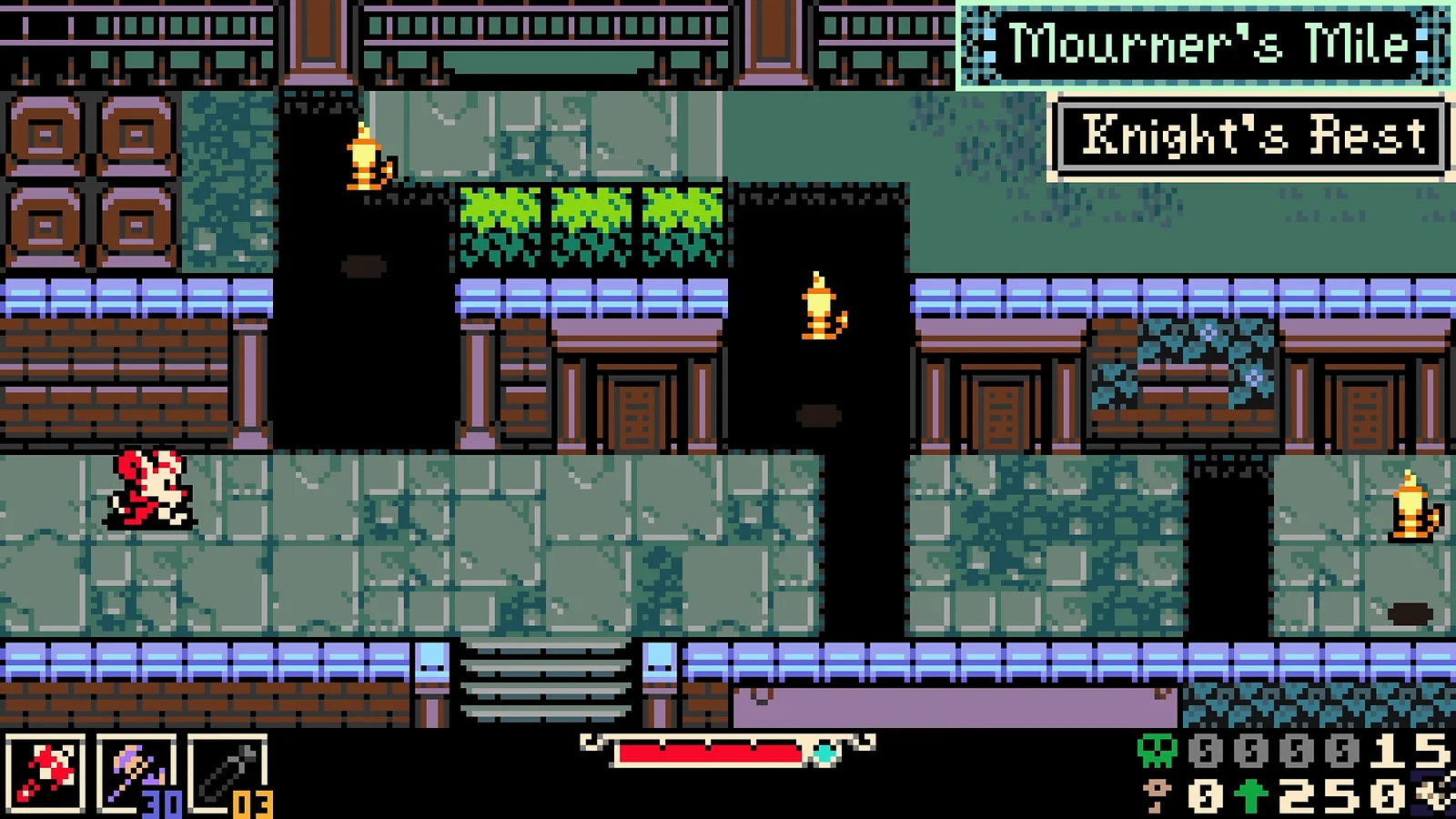
Unlike other top retro games that love to pull you away for cozy character chats or map-screen interludes, Mina’s journey trusts you to read between the lines. The plot stays out of your way, letting environmental storytelling and combat milestones dictate the pace. This hands-off approach keeps the gameplay momentum incredibly high, heavily factoring into my final Mina the Hollower rating.
For longtime Yacht Club Games fans, there is plenty of reason to keep an eye on Mina moving forward. The studio’s history of taking its time with entirely new game series suggests this is the start of another major, long-running saga.
Mina is even set to crossover into other fighting arenas soon, with a confirmed guest appearance in Rivals of Aether II. It is a massive nod from the competitive indie scene, proving just how quickly this whip-wielding protagonist has captured everyone’s attention.
Is Mina the Hollower Worth It?
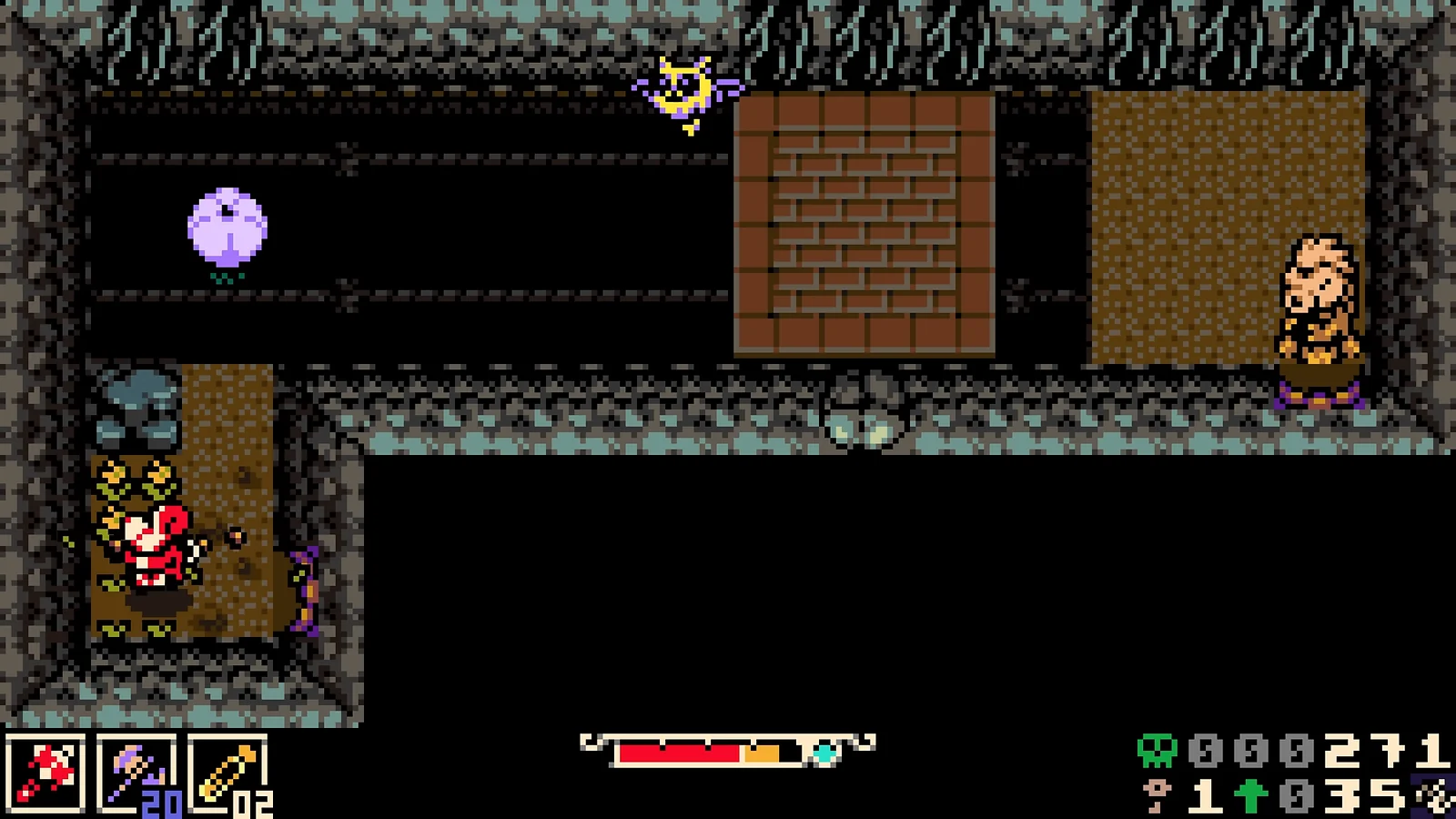
So, is Mina the Hollower worth it? If you’re getting a complete, exceptionally dense action-adventure for around $19.99, the answer is an easy yes. Few indie games offer this much handcrafted content at launch, easily rivaling some of the best adventure games on the market.
Between the non-linear layout, dozens of distinct boss encounters, and custom rule-bending toggles, there is a mountain of content to dig into. Instead of basic power increments, the design thrives on experimental synergy.
Mixing and matching your passive accessories with unique sidearms forces you to think on your feet, turning clever loadouts into genuine lifesavers. This depth is exactly why I fell in love with the combat as the map opened up, and it’s a massive reason why my final Mina the Hollower review is so positive.
The biggest hurdle for most buyers is the uncompromising, Souls-influenced difficulty curve. The opening hours are genuinely punishing, requiring careful observation rather than hand-holding.
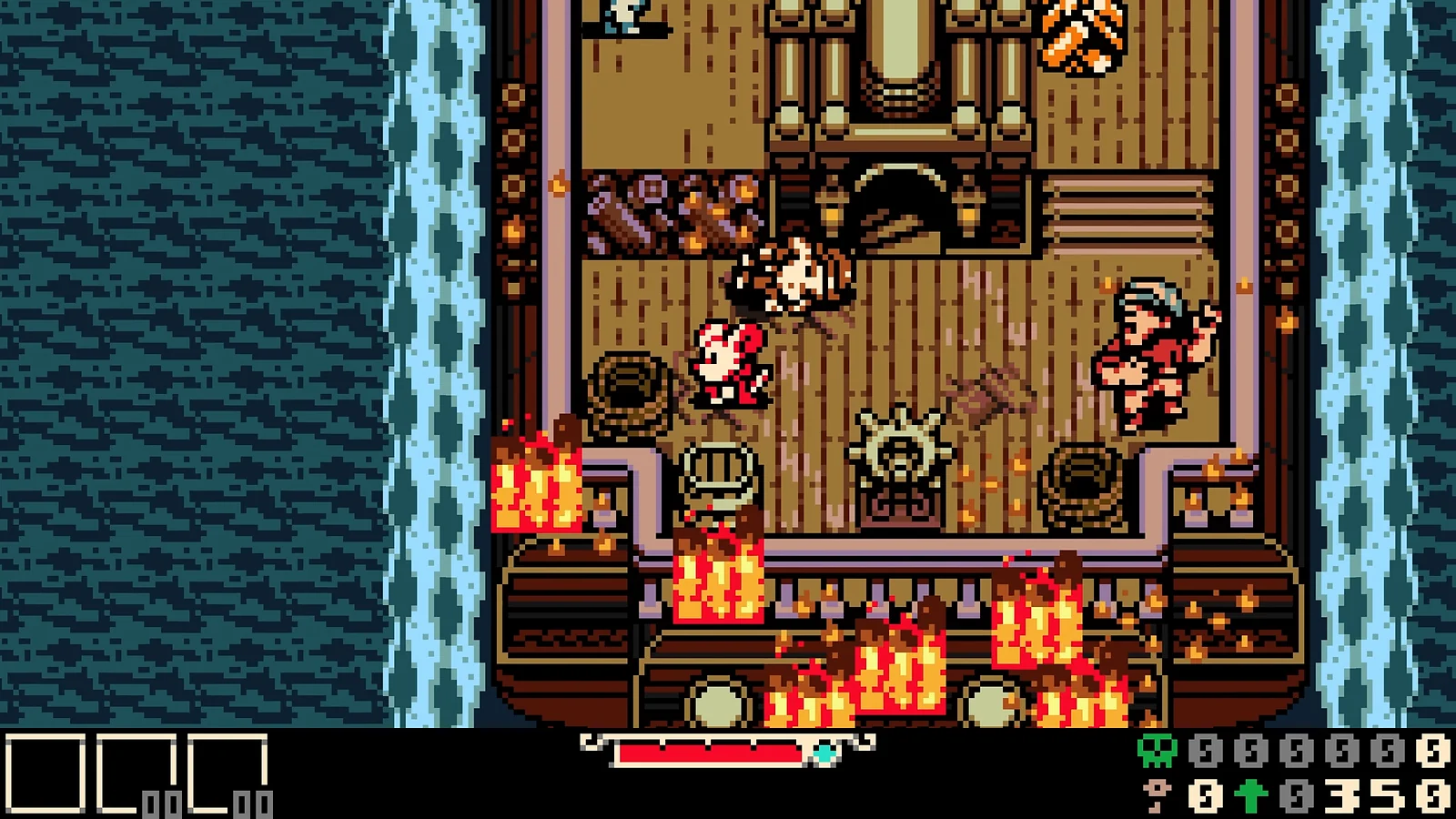
Fortunately, the game handles accessibility brilliantly. A generous assist suite lets you tune the incoming damage and gameplay modifiers directly. This allows struggling players to soften the early-game friction without completely gutting the tension that makes victory satisfying. If the initial challenge feels oppressive, I highly recommend tweaking these options before walking away entirely.
Whether you plan to buy the Mina the Hollower Switch / PS5 / Steam versions, the single-player structure means your personal setup dictates the purchase.
For longtime fans of retro design, dedicated challenge-seekers, or anyone eager to lose themselves in a brilliantly realized world, this adventure is an incredibly easy recommendation. For most PC players, picking up a Mina the Hollower Steam Key on Eneba serves as the cheapest way to grab the game, regularly dropping below standard digital storefront pricing.
Which Version Should You Buy?
Honestly, deciding where to play is about as stress-free as it gets. Because the game is a purely single-player ride, you don’t have to worry about cross-play, dead multiplayer lobbies, or server issues.
Your choice just comes down to where you like to game, how much you care about performance, and if you want to take this adventure on your daily commute. The game has a massive multiplatform footprint, launching on Nintendo Switch, Switch 2, PS5, Xbox Series X|S, and PC (via Steam, GOG, and Humble), with native Linux and macOS versions ready to roll.
If you game on PC, that is hands-down the flagship recommendation. It runs incredibly smooth, has native widescreen support right out of the gate, and the controls feel wonderfully responsive. Plus, it launched with official Steam Deck Verified status, meaning it’s the absolute best way to play on a handheld without sacrificing high frame rates or crisp graphics.
If you want the absolute best price on PC, grabbing a Mina the Hollower Steam Key on Eneba is your best bet, as it consistently undercuts the standard retail digital stores.
If you’re an Xbox Series X|S fan, Microsoft’s consoles have an incredibly polished and optimized version waiting for you. Just keep in mind that Eneba’s current listings are strictly for the PC version, so console players will need to buy directly from the official Microsoft Store. If you’re someone who regularly bounces between a TV setup and a desktop, PC is probably your best route for maximum flexibility.
When you directly compare the Mina the Hollower Switch / PS5 / Steam versions, think about where you want to actually look at the screen. The standard Nintendo Switch is a beautifully natural fit for the game’s Game Boy Color aesthetic, making it perfect for playing in bed or on the bus.
But while the original Switch holds up okay, it can chug a bit when the screen gets cluttered with crazy spells, explosions, and particle effects. If you’ve upgraded to the Switch 2, though, all that extra horsepower completely eliminates the lag, keeping the handheld gameplay buttery smooth no matter how chaotic things get.
On the other hand, the PS5 version sacrifices the handheld portability but totally makes up for it by letting you appreciate every single gorgeous pixel on a massive living room TV while you relax on the couch.
The biggest thing to take away from this final Mina the Hollower review breakdown is that you really can’t go wrong. The gameplay content is exactly the same no matter which platform you choose.
Since everything is fully playable offline, you can seamlessly play at your own pace without ever needing a constant internet connection. Just pick the system that fits your style, choose your screen, and get ready to dive into the depths of the island.
Acclaim, With One Important Caveat
Looking at the data alone, it’s easy to see why Mina the Hollower has become one of 2026’s biggest indie success stories:
- At the time of writing, the game holds a 90 Metascore on Metacritic, earning the site’s “Universal Acclaim” label based on 68 critic reviews.
- On OpenCritic, it sits at an impressive 91 average with 97% of critics recommending it, while Steam users have awarded it a “Very Positive” rating, with roughly 89% positive reviews across nearly 5,000 English user reviews.
- Just as impressive, the game surpassed 500,000 copies sold within the first weeks on sale.
Those numbers tell only part of the story, though. Reading through dozens of Mina the Hollower reviews, a clear pattern starts to emerge. Critics consistently praise Yacht Club Games’ ability to blend retro aesthetics with modern game design instead of relying on nostalgia alone.
The flawless execution of the audio, visual, and mechanical synergy has repeatedly pushed the title straight into the ongoing Game of the Year conversation.
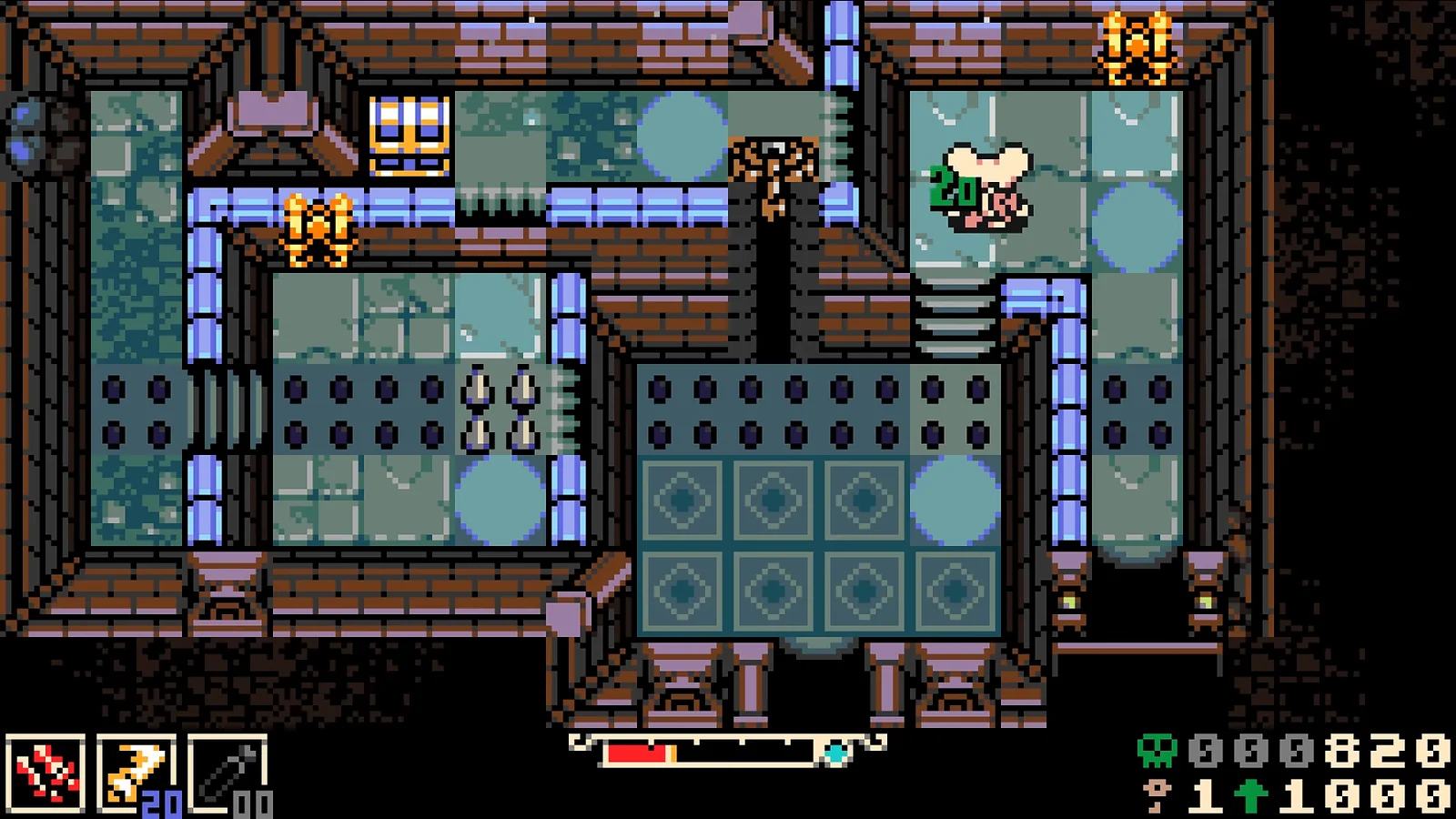
The one criticism that appears almost everywhere is the early-game challenge. Even reviewers who ultimately gave the game top marks admitted that the opening hours can be unforgiving. Mina the Hollower difficulty hits hard right out of the gate, featuring punishing bone recovery mechanics and limited early resources that quickly penalize careless play.
Fortunately, most reviewers also agree that the experience improves dramatically once you get the underlying combat pacing. What initially feels like an overwhelming barrier gradually becomes one of the game’s biggest strengths, with critics celebrating the accessibility suite for ensuring players don’t bounce off the experience entirely.
Then there’s the question of the $19.99 price tag. Is a retro-style indie really worth twenty bucks? I agree with the critics, and the answer is a resounding yes.
Instead of feeling like a brief aesthetic gimmick, the sprawling map design, intricate level layouts, and deep mechanical polish left many players feeling that the game easily packs more value than plenty of modern $70 releases.
When the dust settles, the aggregate Mina the Hollower rating speaks for itself: the game asks a lot from you upfront, but the industry agrees that it pays off that patience beautifully.
8-Bit Beauty, Modern Bite
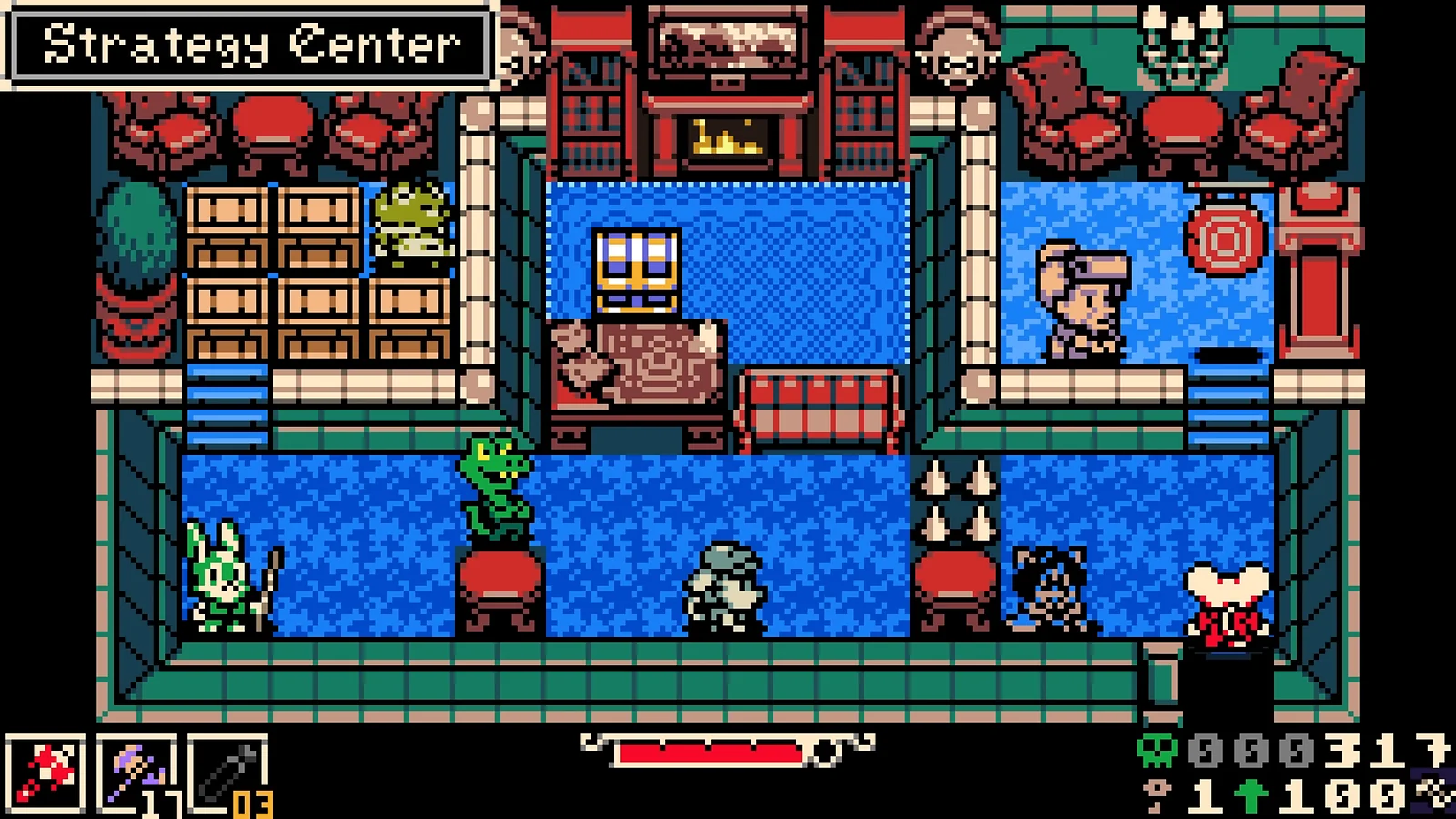
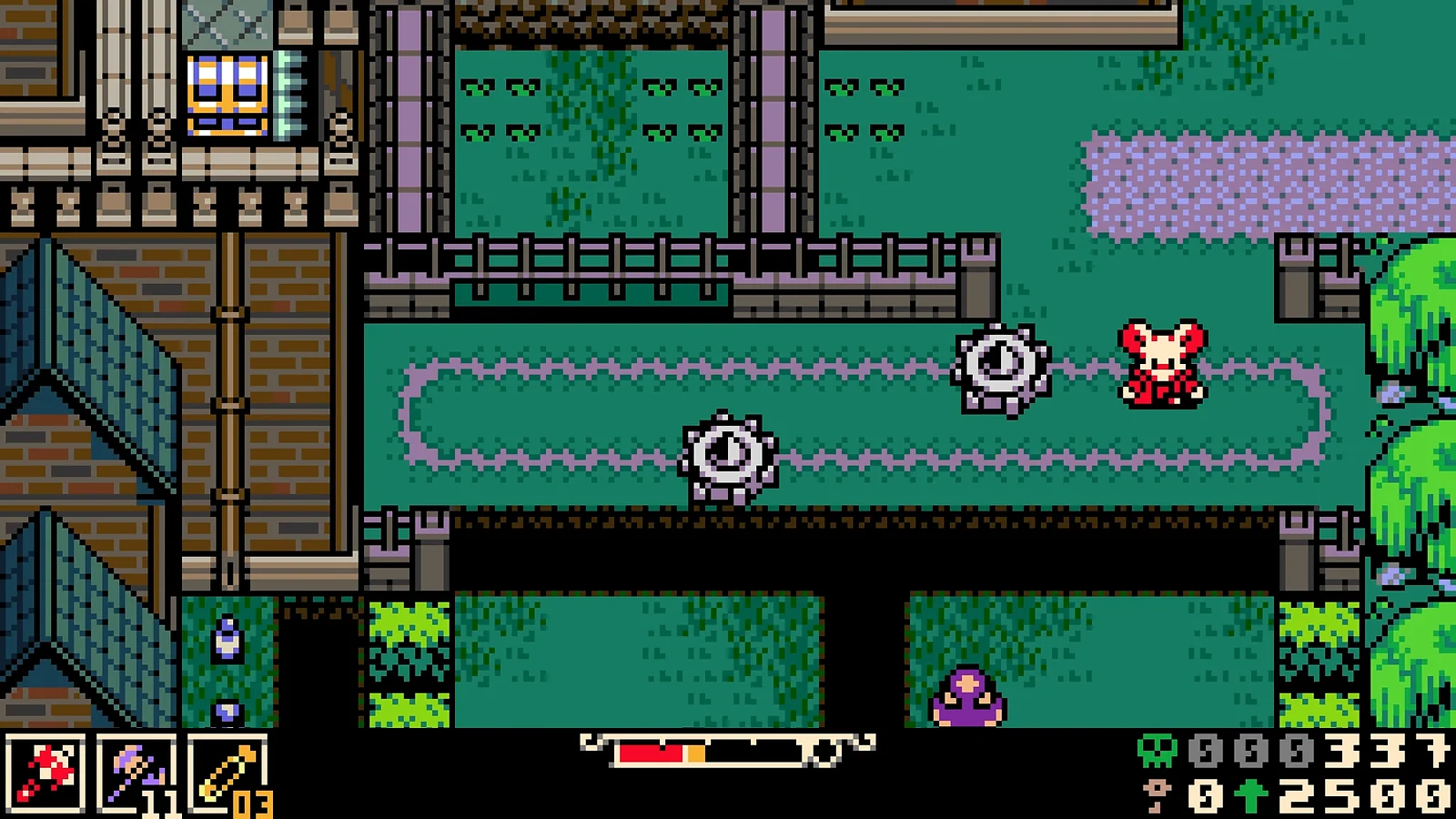
The first thing that grabs your attention in Mina the Hollower is its absolute commitment to the Game Boy Color aesthetic.
It would have been easier for the developers to rely on a superficial retro tribute, but that’s not what happens here. Instead of simply recreating the look of a late-’90s handheld game, the team builds on its limitations to create something that feels both authentic and unmistakably modern.
Every area is built around a carefully chosen color palette that gives it its own personality. Dark forests feel appropriately eerie, forgotten ruins carry a sense of mystery, and lively settlements immediately feel more welcoming.
The restricted color count never makes environments look repetitive because each location uses those colors differently. Rather than chasing visual realism, the game focuses on clarity, atmosphere, and memorable silhouettes.
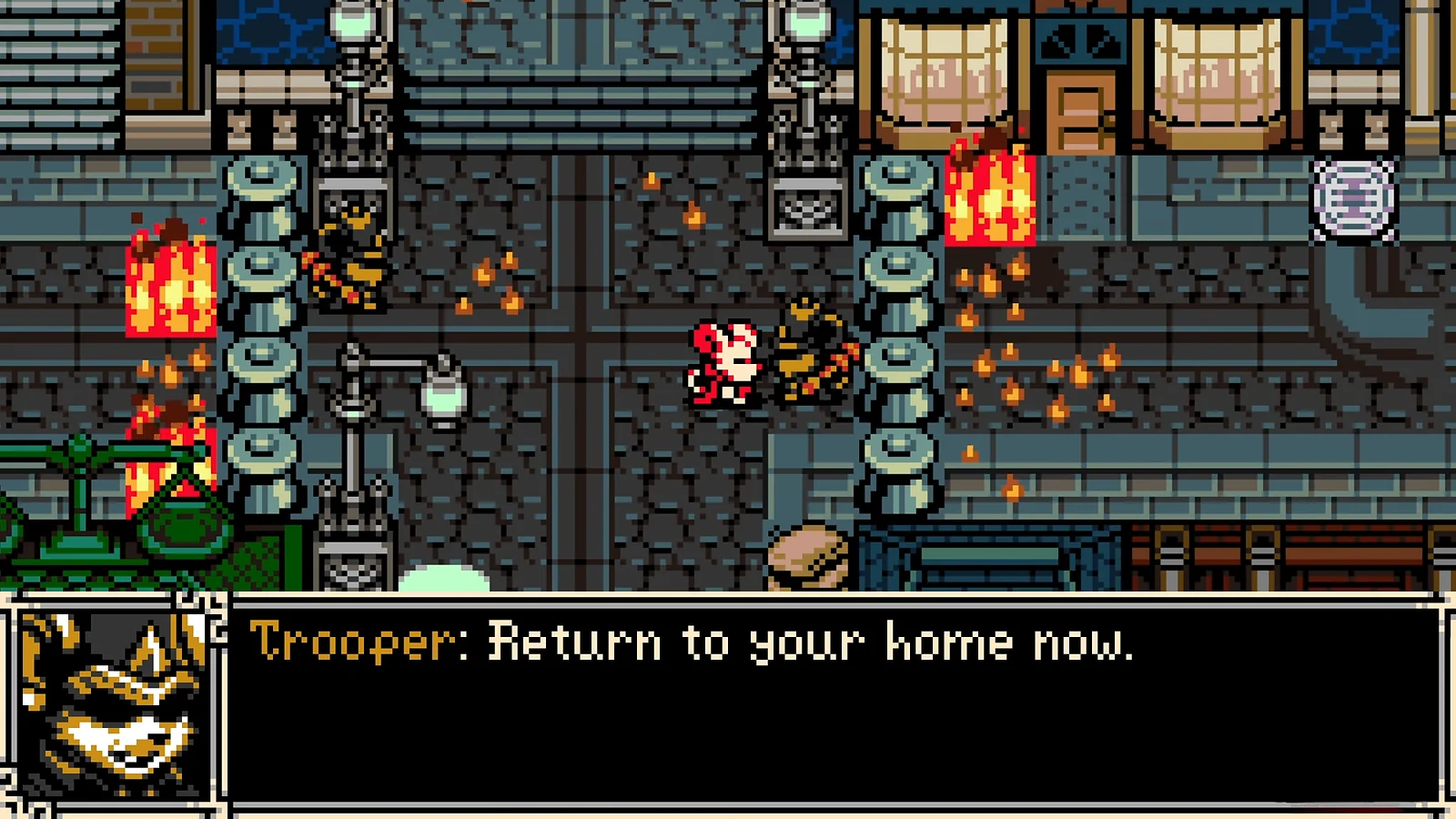
Character animation deserves just as much praise. Mina herself is incredibly expressive despite the minimalist art style, with small gestures and reactions that communicate far more than dialogue alone.
NPCs are equally distinctive, and enemies have just enough personality to make every encounter memorable. Bosses are particularly impressive; their oversized sprites and exaggerated attack animations make each fight feel dramatic without abandoning the retro presentation.
What impresses me most is how confident the art direction feels. There’s no temptation to add unnecessary visual effects just because modern hardware allows it. Every pixel seems intentional, and that restraint is exactly what makes the world so cohesive.
Rather than asking, “How can we make an old game look better?”, the developers asked, “What made those games so visually appealing in the first place?” The answer is reflected in every environment, character, and animation throughout the adventure.
The soundtrack reaches the same high standard. Jake Kaufman (virt) once again proves why he’s so closely associated with Yacht Club Games, delivering one of his strongest chiptune scores to date.
The music effortlessly shifts between haunting exploration themes, energetic combat tracks, and memorable boss themes that genuinely pump you up for the next fight. If you’re reading this review while listening to the soundtrack through the Spotify player below, you’ll quickly understand why it’s become one of the game’s biggest talking points.
The audio design goes beyond the music, too. Every whip crack, enemy attack, explosion, and environmental sound has been carefully crafted to provide satisfying feedback.
Those effects may seem subtle on their own, but together they make combat feel punchy and exploration more immersive. It’s another reminder that great pixel-art games rely just as much on sound as they do on visuals.
Mina the Hollower Is a Near-Classic If You Welcome the Challenge
After years of anticipation, developmental delays, and massive community expectations, Mina the Hollower confidently lives up to its ambitious design promises.
Yacht Club Games could have played it safe by simply iterating on Shovel Knight, but instead, they delivered an adventure that confidently stands on its own four paws. It respects the 8-bit classics that inspired it without feeling trapped by them, blending old-school sensibilities with brilliant modern design choices that keep the gameplay fluid and engaging.
What stands out most is how naturally every system feeds into the next. Every detour yields a meaningful upgrade, and combat stays fresh thanks to Hollowing, sidearms, and trinkets. Meanwhile, the progression economy constantly encourages you to experiment with your build.
| Pros | Cons |
|---|---|
| ✅ Staggeringly expressive, authentic Game Boy Color aesthetic ✅ Exceptional chiptune soundtrack by Jake Kaufman (a.k.a. virt) ✅ Deep, fluid combat loop combining whipping, burrowing, and trinket builds ✅ Intricately designed, non-linear world packed with secrets and 25+ bosses ✅ Unusually robust, highly customizable accessibility and assist options | ❌ Punishing early difficulty curve may alienate some players ❌ Bone-drop death mechanic feels incredibly harsh at the start ❌ Minimal hand-holding forces a steep trial-and-error learning curve ❌ Strict retro aspect ratio and resolution won’t appeal to everyone ❌ No free demo available to test the waters before buying |
When you layer on the gorgeous pixel art, one of the year’s finest chiptune soundtracks, and a world packed with memorable characters, it’s easy to see why the critical reception has been so glowing.
The only real friction point is the demanding early-game loop. Mina the Hollower asks for patience upfront, and its opening hours can feel punishing. Losing your hard-earned bones to an unexpected trap hurts, especially while you’re still getting to know the combat systems.
Thankfully, the exceptionally deep accessibility suite does a fantastic job of smoothing out that learning curve without gutting the game’s identity. The challenge doesn’t vanish, but you can easily tailor it to your personal comfort level.
Mina the Hollower – Who Is This Adventure For?
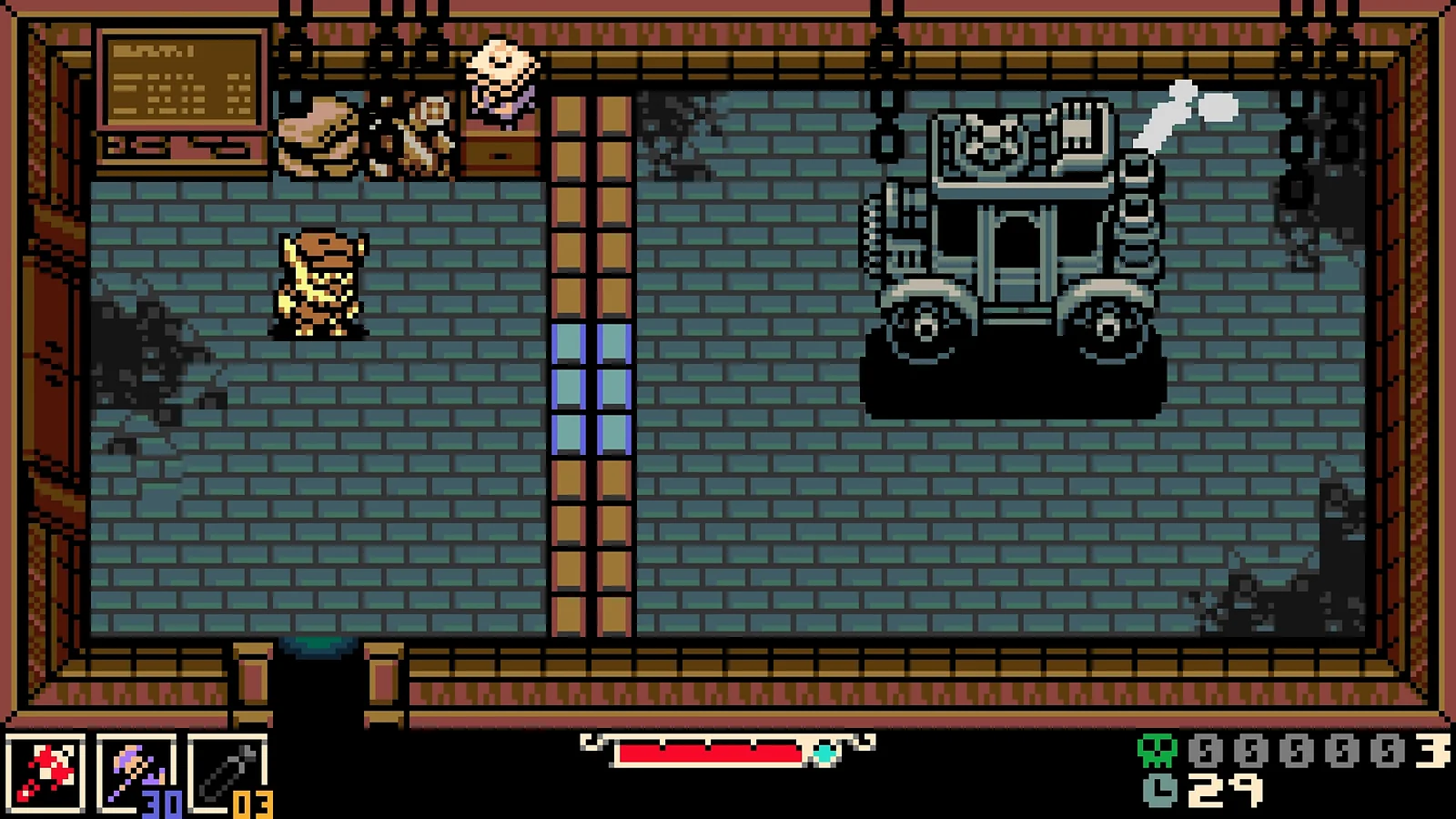
Pick up Mina the Hollower if:
- You love mechanical grit: It’s a perfect fit for fans of tough action-adventures, Metroidvanias, or Souls-likes.
- You appreciate retro craft: The meticulous, 8-bit aesthetic is some of the best in the industry.
- You are a Yacht Club fan: While newcomers are welcome, Shovel Knight veterans will instantly appreciate the polish.
Skip Mina the Hollower if:
- You want to relax: The punishing early loop is the opposite of a cozy, low-stress play session.
- You prefer cinematic stories: The focus is strictly on gameplay systems rather than a heavy narrative.
It is clear we are looking at the birth of a brand-new indie icon. Mina has easily cemented herself as a character you’re going to see a lot of in the future, especially with her already lined up for a guest appearance in Rivals of Aether II.
Between the massive community excitement and the absolute blast I had uncovering every secret on the Tenebrous Isle, this feels like the start of something truly special. If future games build on the flawless mechanics and clever level design we got here, we are witnessing the first chapter of a legendary series.
Do yourself a massive favor: grab your whip, start burrowing, and dive into one of the best retro-modern gaming experiences you can buy today.