



Blue Prince Review: A Truly Princely Hybrid Puzzler



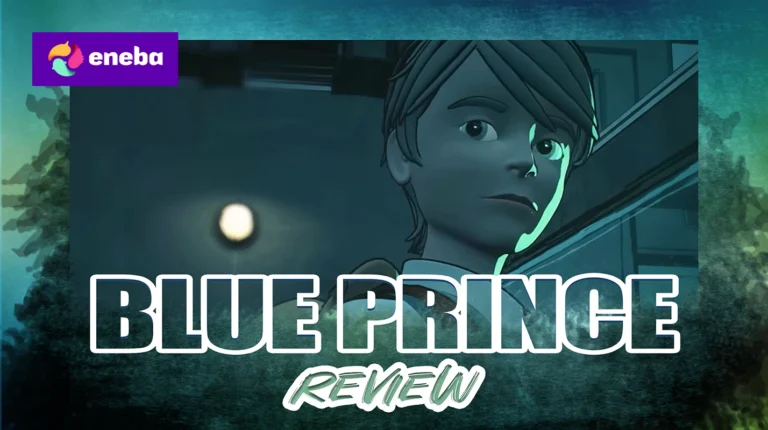
Many Blue Prince reviews extol its virtues, and I won’t lie, I’m going to do that too. Personally, I think Blue Prince is a journey that every puzzle game fan should embark on, even if it does have its rough spots.
What really sets Blue Prince apart from its peers is its unusual combination of genres – it’s an exploration puzzle game that incorporates roguelite elements, which necessitates strategy on the part of the player. While it’s not afraid to experiment, Blue Prince has strong fundamentals, with deep, layered puzzles that require note-taking and will take around 15-100 hours to solve.
Even though it’s been almost a full year since release, Blue Prince is still going strong. The game initially came out on PC, PlayStation 5, and Xbox Series X/S, with versions for macOS and Nintendo Switch 2 released later on. Regardless of which console you’re playing on, gamers agree – it’s a superb puzzle game that keeps you hooked.

Disclaimer: This review of Blue Prince includes spoilers for key story elements, major puzzles, and post-game secrets.
Jump to:
TL;DR – Blue Prince Review Overview
| Genre | Puzzle + adventure + roguelite |
| Core loop | Place randomly-drafted rooms on a 9×5 grid to find the hidden Room 46 |
| Biggest strength | Incredibly deep, overarching puzzles with a mysterious yet soothing vibe |
| Biggest weakness | Not for the impatient; RNG elements can cause friction, especially in the later game |
| Clear verdict | A must-play for lovers of the genre, not just for the devious puzzles but also for the original gameplay |
Blue Prince Review: Earning Your Birthright
Blue Prince is the debut game of Dogubomb (aka solo developer Tonda Ros), and was released to critical acclaim in 2025. I want to preface my Blue Prince review by saying you’ll need to explore a constantly shifting mansion to find the mysterious Room 46 and claim your inheritance. If that sounds easy, I assure you it is most definitely not.
Blue Prince is unquestionably an amazing indie game with a simple premise. You play as the young Simon Jones, provisional heir to the Mount Holly Estate, as indicated by the will of your grand-uncle Herbert S. Sinclair. Complicating things is the fact that Herbert loved puzzles.
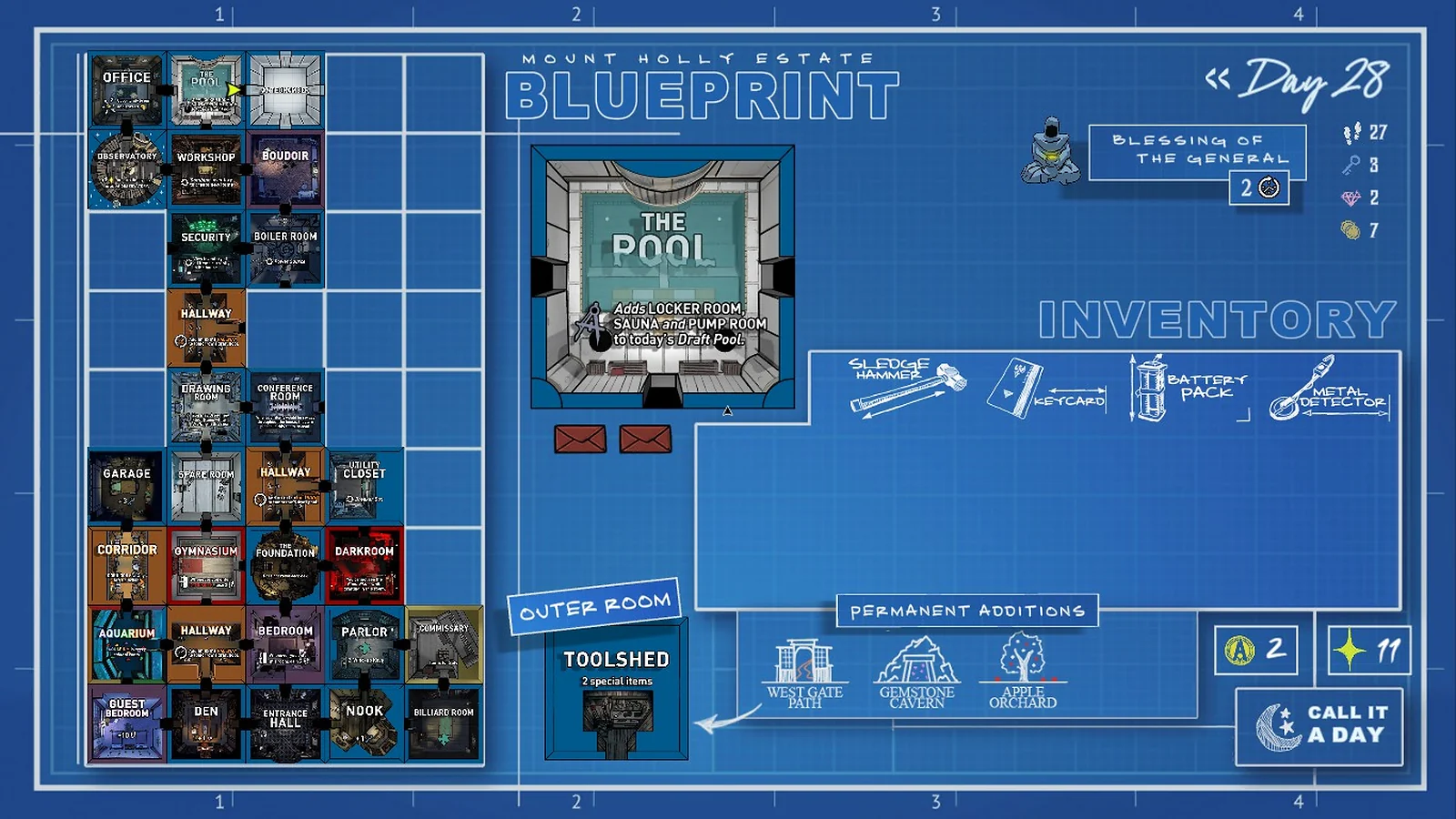
As you’ll discover via the floor plan, the existence of a 46th room is impossible due to the house’s 45-room layout. To further complicate things, the mansion shuffles itself around every day, and can only be structured by randomly-generated blueprints that you draft. Good luck.
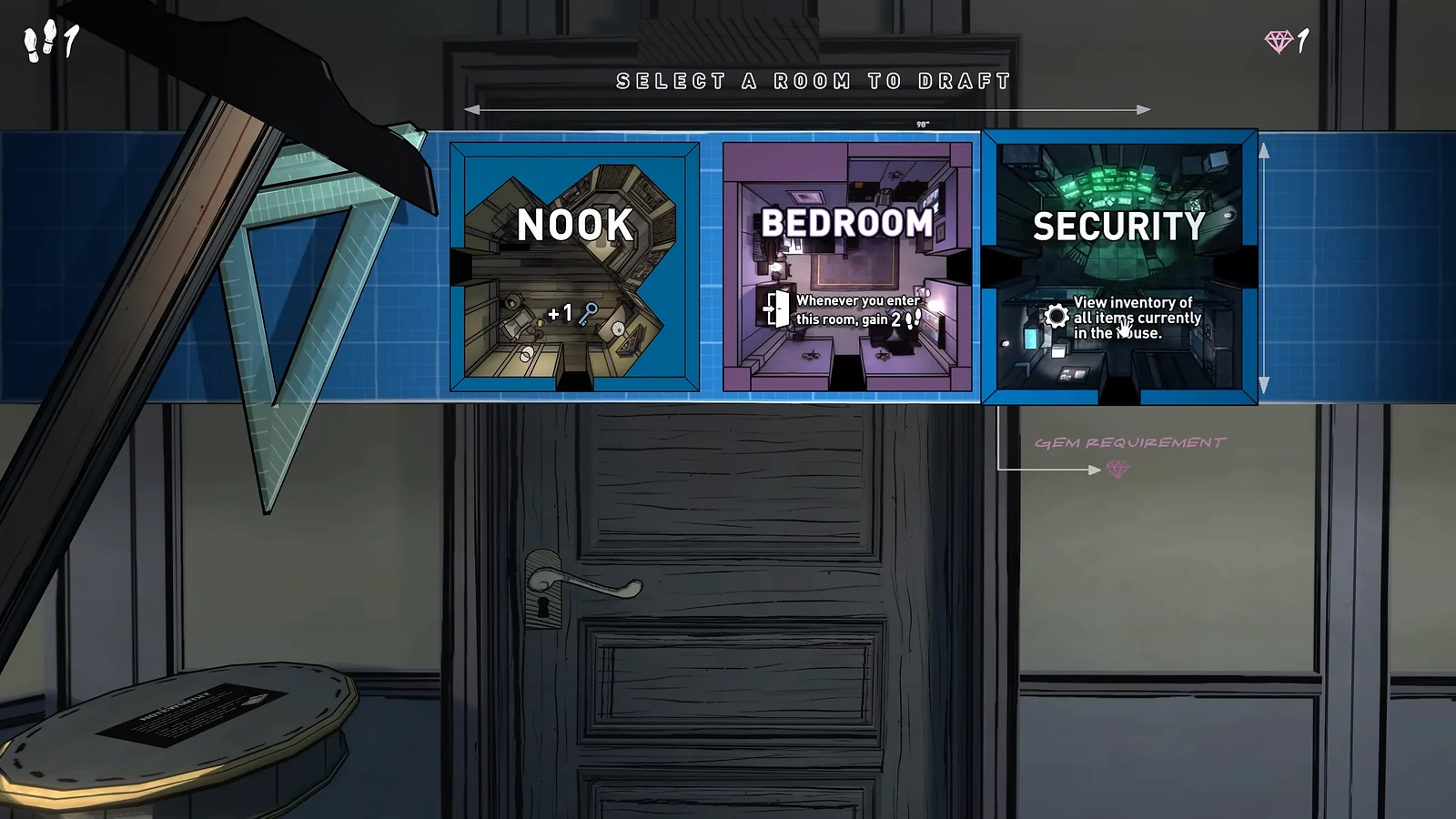
Each day, you’ll have a limited number of steps to explore the mansion. Opening a door grants you a choice of three randomly-drafted rooms, which are placed on the 9×5 blueprint grid. Rooms won’t always logically connect, so you’ll have to learn how to play what you’re dealt. It might be tough going at first, but Herbert has full confidence in your abilities.
Rooms in Mount Holly come in many colors, and this is important since a room’s color defines its purpose. For instance, purple bedrooms restore some steps but tend to be one-way, orange hallways are fantastic for getting around, yellow rooms grant you access to shops, and red rooms have negative modifiers.
Because of Blue Prince’s RNG, you won’t always be dealt the rooms you want or need. Tactical placement to connect as many rooms as you can while avoiding dead ends is a skill you’ll need to learn. You’ll also need to hope that you draw the rooms you want, or at the very least, rooms that you think warrant further examination.
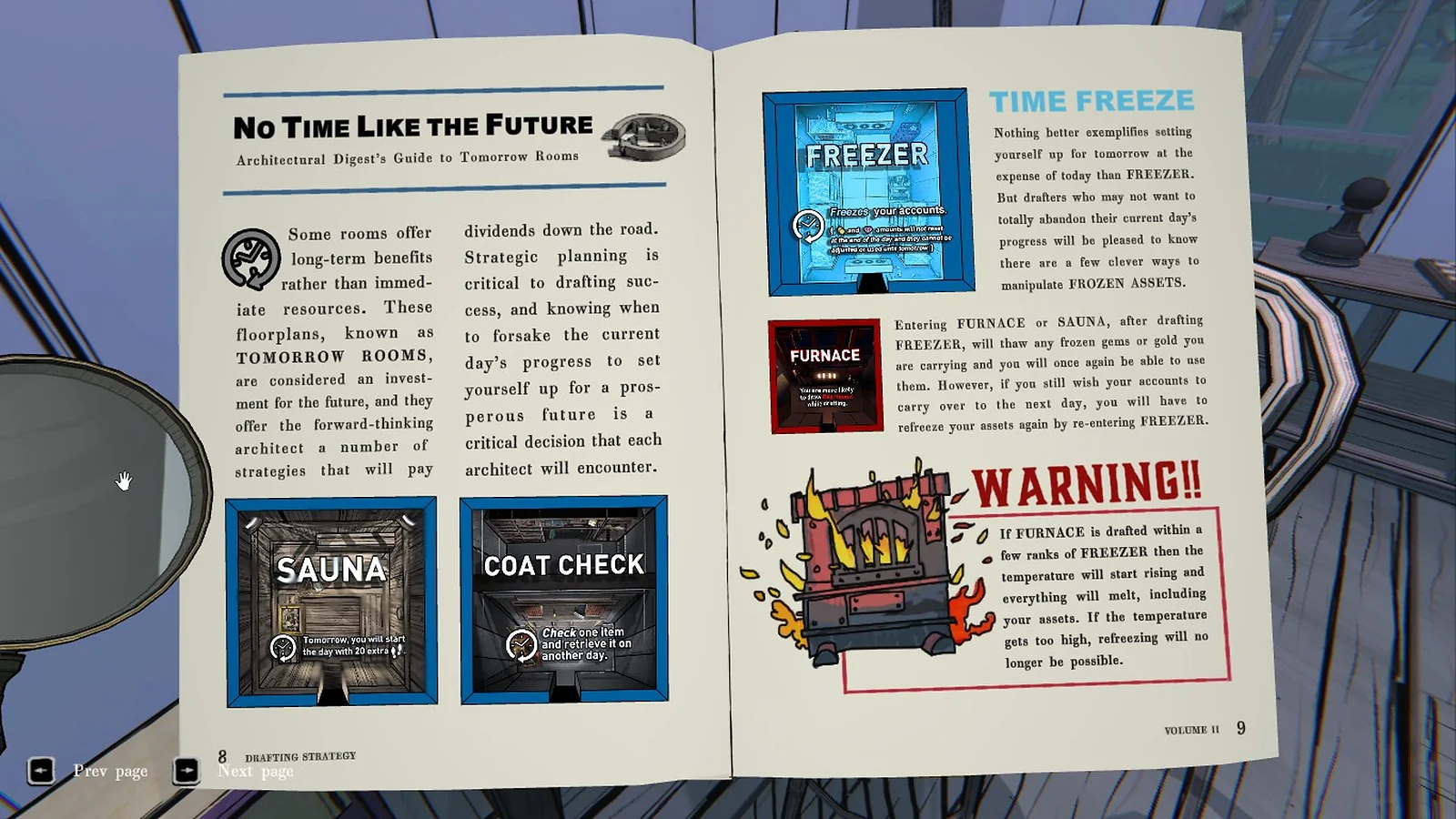
To help with your exploration, you’ll have several different resources at your disposal. Steps serve as fuel for exploring the mansion, coins can be used at shops, gems are required to draft special rooms, and tools like shovels and magnifying glasses offer new ways to interact with rooms. This is a roguelite, though, so you don’t get to keep anything for the next day.
Knowledge is Power
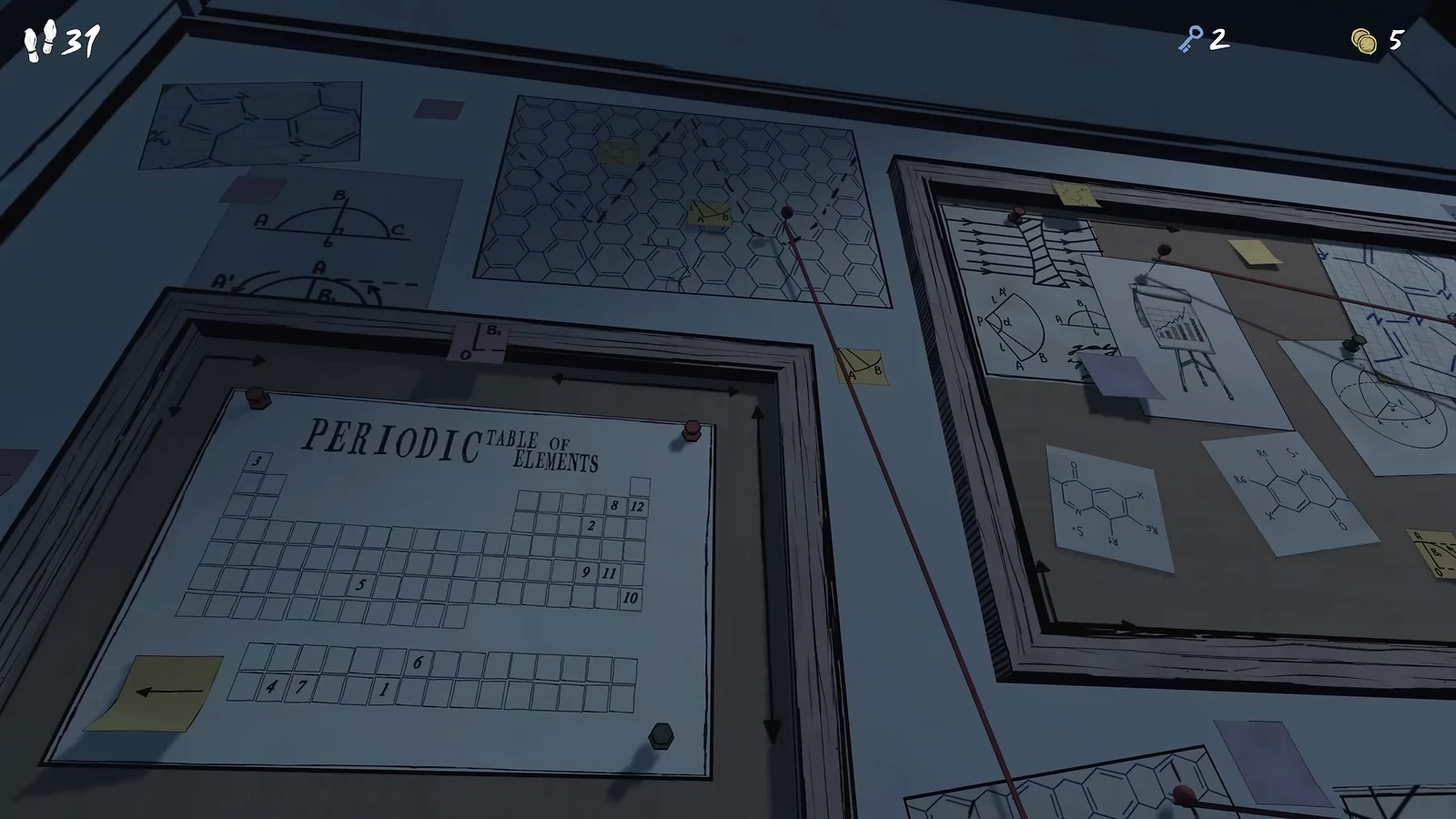
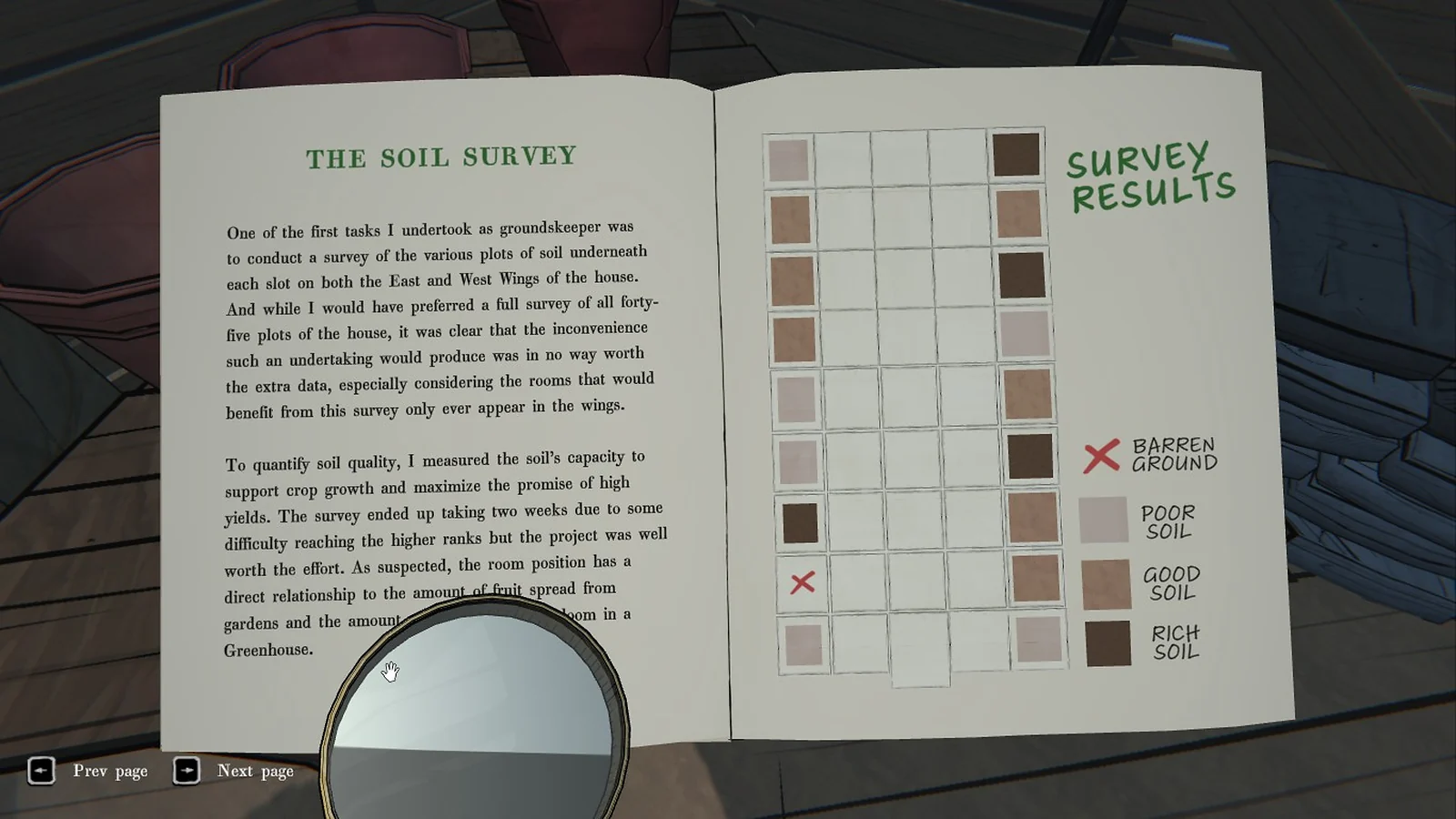
As one might expect from a puzzle game the size of a house, the Mount Holly Estate has a truly astounding number of puzzles. Blue Prince puzzles can be broken down into two kinds – the self-contained and the estate-spanning, and the game demands that you master both.
Self-contained puzzles are just that – single-room puzzles that range in difficulty (and notably, will become harder the more you solve them). Big puzzles, on the other hand, span several rooms, and each of these will generally bring you one step closer to Room 46. Don’t feel discouraged if you don’t understand the puzzles at first, as they’re meant to be super tricky.
Something I want to note in my Blue Prince review is that progression comes from gathering knowledge, not unlocking upgrades. Knowing how to solve self-contained puzzles guarantees you extra resources in a run, which, in turn, allows you to gun for the rooms you need and important clues to carve a path forward.
On average, reaching Room 46 will take you roughly between 15 to 20 hours. Not everyone will tackle Mount Holly the same way, and with so many side puzzles to solve and new rooms to draft and explore, your gameplay time will definitely vary. Despite Herbert’s will making it seem like there’s a time limit, there actually isn’t, so you’re free to explore the game at your own pace.
Even once you’ve earned your birthright by finding Room 46, all Blue Prince secrets are vast and varied. I’d argue that the post-game is where Blue Prince really starts, with not just more locked doors, extra safes, and hidden puzzles, but also incredibly deep, multi-step mysteries that will test your understanding of the house and its history to the utmost limits.
It wouldn’t be a true Blue Prince review if I didn’t mention that there are no in-game functions for taking notes and pictures. Most players use paper or any word processor app to keep notes, and visual clues can be recorded by taking screenshots. As someone who’s cleared the game, I strongly recommend you do the same. Manor-spanning puzzles have a ton of elements to keep track of.
Rolling With the Roguelite Elements
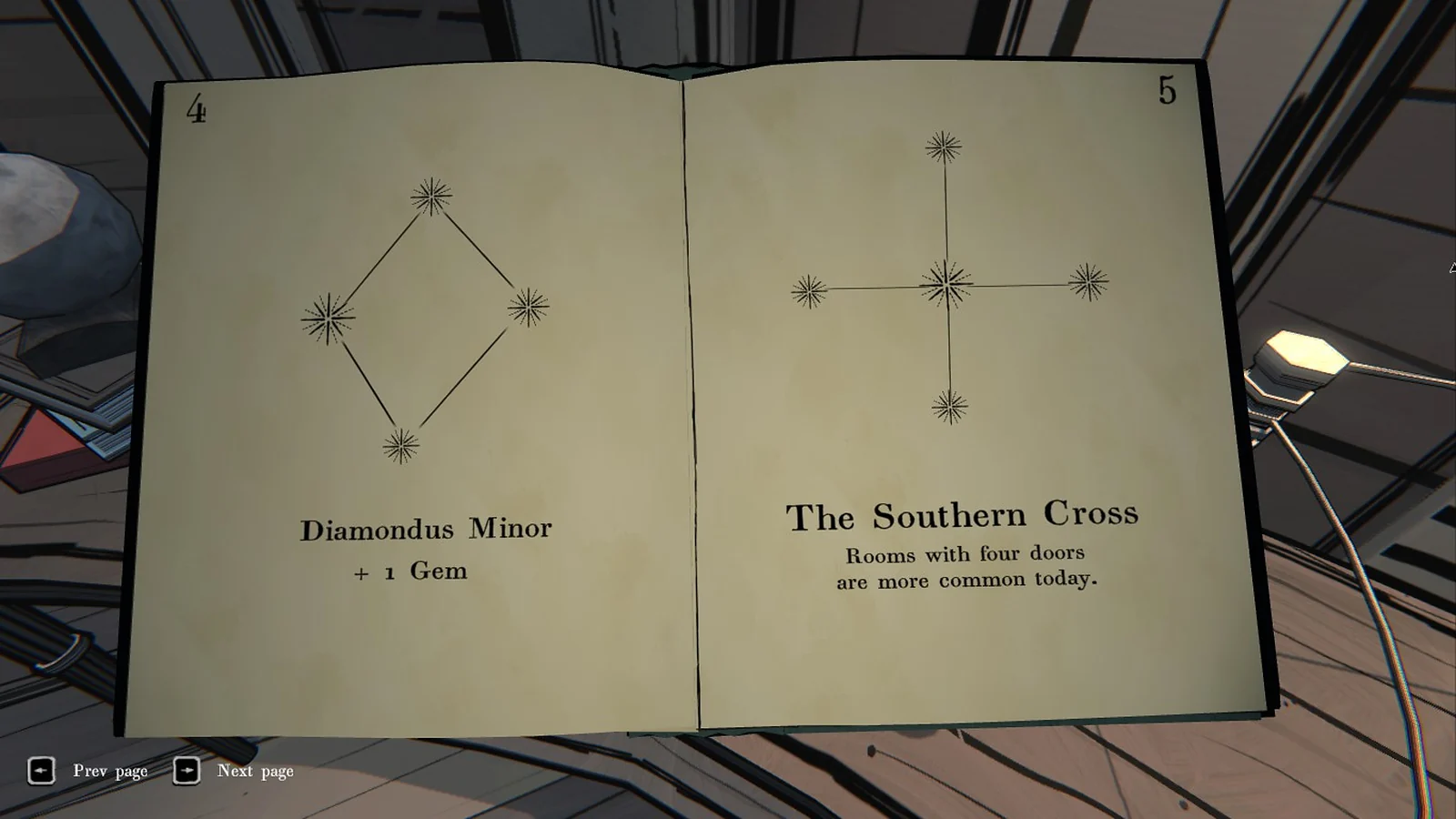
It’s important to keep in mind that while Blue Prince is primarily a puzzle game, it’s also a roguelite. It’s this unique combination that distinguishes Blue Prince from other puzzle-adventure games, as it adds a strategic layer on top of the game’s fantastic puzzles.
The main roguelite element in Blue Prince is the drafting system. As I mentioned earlier, you get to choose from three random rooms whenever you open the door. Blue Prince’s drafting resembles puzzle books like Maze and board games like Carcassonne, and, just like in those games, you’ll need to make the best out of the hands you’re dealt.
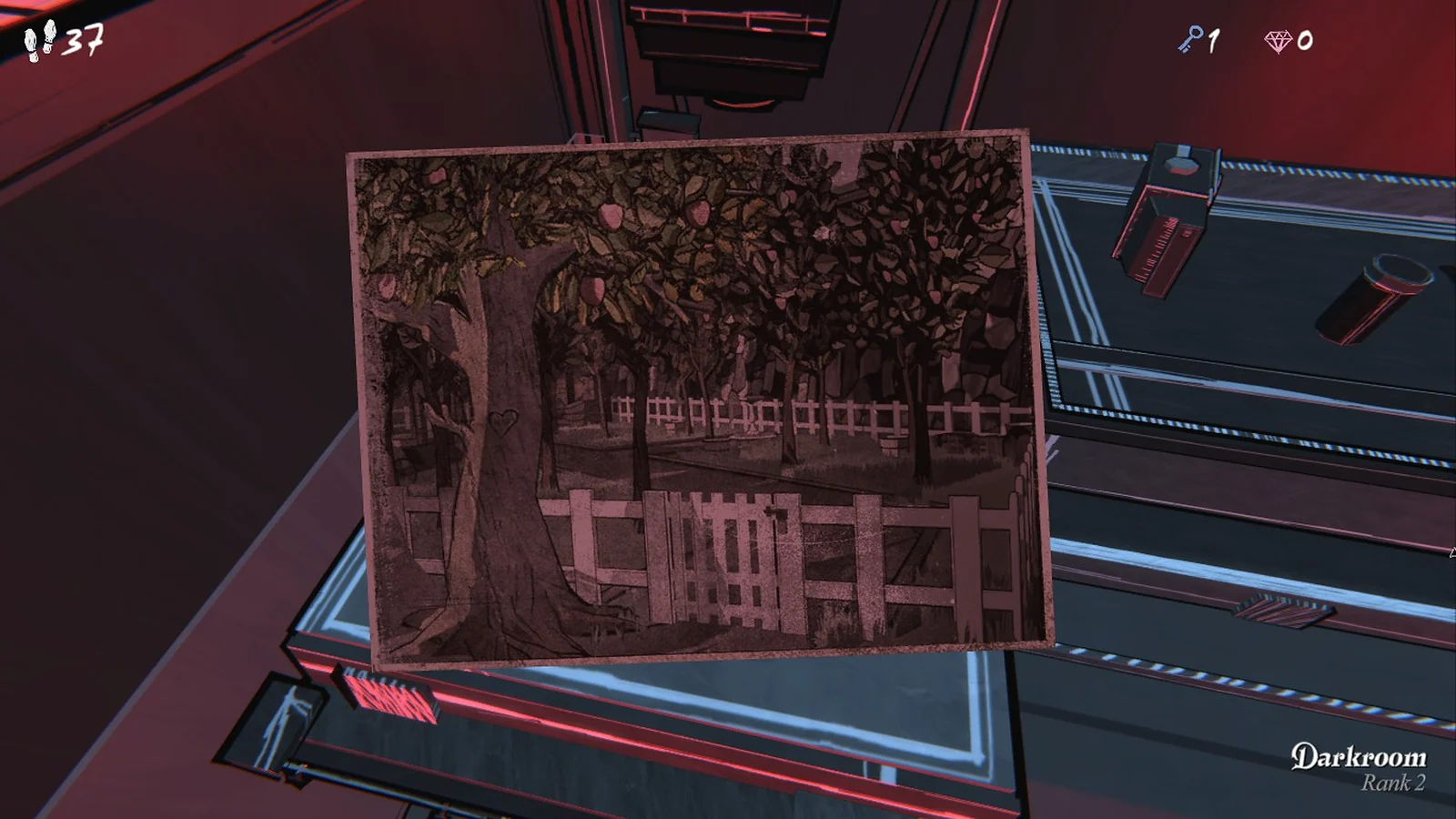
In the early game, the RNG can lead to fun moments of discovery. Drafting and entering new rooms (especially those that require gems) is always a treat. Familiarizing yourself with early puzzle rooms like the Parlor and Billiard Room is also a nice feeling, and when you’re satisfied with your exploration, you can always Call It A Day.
On the flip side, the RNG in the mid to late game can be extremely detrimental. The main complaint that many players (me included) have is that you won’t frequently draw all the rooms needed to solve them or play with big puzzles. I went around 7 games without drawing the Pump Room after I understood how water works in the manor.
And unlike other great roguelite games, there’s only so much you can do to mitigate bad RNG. Games like The Binding of Isaac let you power through with skill; Blue Prince sometimes deals you handful upon handful of dead ends. Sometimes, there’s nothing you can do but Call It A Day.
Subtle Yet Strong
I firmly believe that what separates a good puzzle game from a great one isn’t just how deep and difficult its puzzles are, but also the game’s presentation. In this regard, Blue Prince easily exceeds expectations.
Story-wise, Blue Prince takes a subdued approach. Rather than force the narrative on you, you’re given the freedom to approach the story at your own pace via environmental details, letters, photos, and documents. As you piece together clues from the past, you’ll slowly but surely gain an idea of not just the history of the house, but the history of your family as well.
Alongside the delicate, precise storytelling of Blue Prince is its stylized cel-shaded aesthetic. The color palettes are muted yet powerful, and serve as a wonderful complement to distinct room designs. Regardless of whether you’re just wandering around thinking about which room to place next or searching for hidden clues, the visuals are always great to look at.
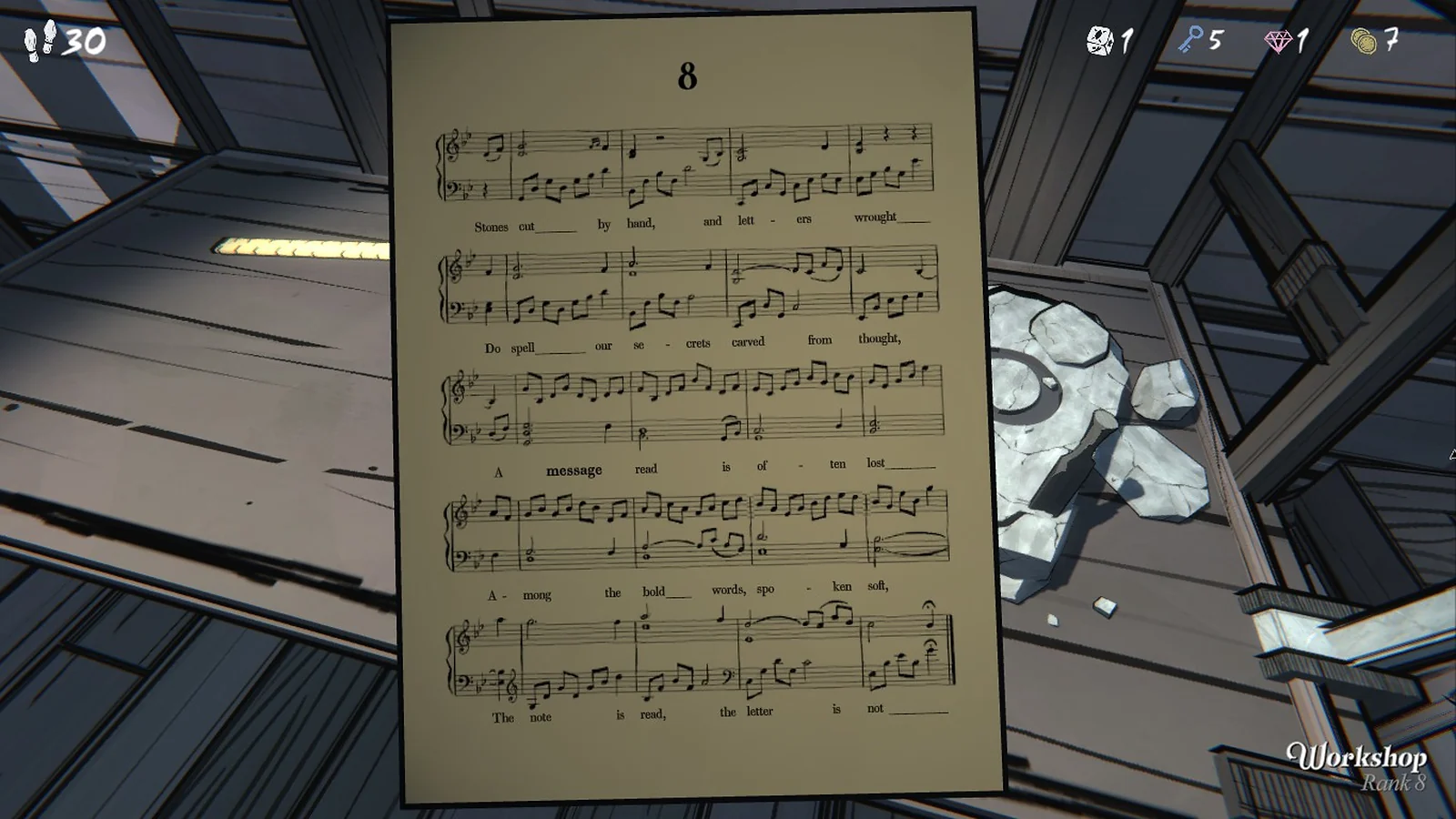
A highlight of my Blue Prince review and the cherry on top of the game’s presentation is the stellar sound design. Instrumentation by Trigg & Gusset provides a fantastic backdrop that reinforces feelings of both discovery and mystery, while ambient sounds like footsteps, electrical humming, and moving wind reinforce a sense of solitude.
And while all of this makes Blue Prince a lonesome game, Mount Holly never truly feels lonely. Small details like people responding to your actions by sending you letters keep the silent halls lively, and you’ll always feel like the Mount Holly staff is watching your every action and cheering you on with each step you take.
Technical Notes
I’ve waxed enough about the game’s aesthetic virtues in this Blue Prince game review, so let’s talk about the nitty-gritty – technical performance.
When it comes to platforms, Blue Prince is available on most modern gaming platforms – PC via Steam, macOS, PlayStation 5, Xbox Series X/S, and Nintendo Switch 2. None of these have reported any major problems when it comes to performance, so you’ll be able to explore Mount Holly at your leisure, no matter where you play.
Blue Prince’s performance is extremely lightweight. Puzzle games typically aren’t very performance-heavy, but stuff like cel-shaded visuals helps keep system requirements modest.
One common critique of Blue Prince I can agree with is the lack of mid-run saves. This means you should plan for uninterrupted play sessions, or take notes on clues and room layouts to keep track of puzzles across multiple runs.
My Overall Verdict on Blue Prince: It’s Worthy of the Crown
If I had to cap off my Blue Prince review with just one statement, it’s this – Blue Prince is an incredibly original and enjoyable puzzle game. As far as I know, no other game has blended roguelite elements into a puzzle game like this one, and while the RNG does add some pain points, Blue Prince has ultimately pioneered a new take on the usual puzzle game fare.
While its unique gameplay is its main selling point, Blue Prince is no slouch when it comes to difficult puzzles. Each one of the game’s mysteries is expertly designed, intricately crafted, and tantalizing enough that you’ll find yourself returning to the Mount Holly halls time and time again, just to make sure you didn’t miss anything.
| Pros | Cons |
|---|---|
| ✅ Well-designed, tricky puzzles that span both single rooms and the entire manor ✅ High difficulty, but very accessible; no time limit to finish the game ✅ Beautiful cel-shaded art style that perfectly captures the game’s mystique ✅ Roguelite elements add originality and a strategic layer to the gameplay | ❌ RNG elements are frustrating once you hit the midgame ❌ No mid-run save option |
Great for: Players looking for a labyrinthine puzzle game to truly get lost in, as well as anyone interested in experiencing Blue Prince’s hybrid gameplay.
Less ideal for: Gamers looking for more conventional/bite-sized puzzle game experiences or games that require less commitment.