


How Many Endings Are in The Stanley Parable? 2026 Guide

If you’re wondering how many endings are in The Stanley Parable, here’s the straight answer: the original 2013 version has 19 endings, while Ultra Deluxe packs 46 total endings (those original 19 plus 27 brand new ones).
But here’s where it gets weird. The game intentionally blurs what even counts as an ending, turning the whole experience into a meta-commentary on player choice and narrative structure.
I can tell you that chasing down all these endings teaches you more about game design philosophy than any textbook ever could. Some endings last two minutes. Others take literal hours of patience. Let’s break down exactly what you’re getting into.
Jump to:
How Many Endings Does The Stanley Parable Have?
The Stanley Parable has 19 endings in the original 2013 release and 46 endings in the 2022 Ultra Deluxe edition. That’s 27 completely new endings added to the remaster.
Now, before you start counting, understand that “ending” is a flexible term here. Some conclusions feel like proper narrative payoffs. Others are brief jokes or fourth-wall breaks that last 30 seconds. The game deliberately questions what makes something an ending versus just an experience.
I remember hitting what I thought was my final ending around hour eight, only to stumble into three more hidden paths I’d completely missed. That’s typical for this game.
Here’s the breakdown:
| Version | Number of Endings | Release Year | Platform Availability |
| Original Stanley Parable | 19 | 2013 | PC only |
| Ultra Deluxe | 46 (19 + 27 new) | 2022 | PC, PlayStation, Xbox, Switch |
The original game established the foundation with its 19 endings. These include the famous Freedom Ending, the Confusion Ending, and that Broom Closet bit that became a meme. Ultra Deluxe keeps all of those intact while adding entirely new content areas and narrative branches.
For players interested in similar narrative-driven experiences, check out our guide to the best games with multiple endings to see how The Stanley Parable stacks up against other choice-heavy titles.
The Original Stanley Parable: 19 Endings That Started It All
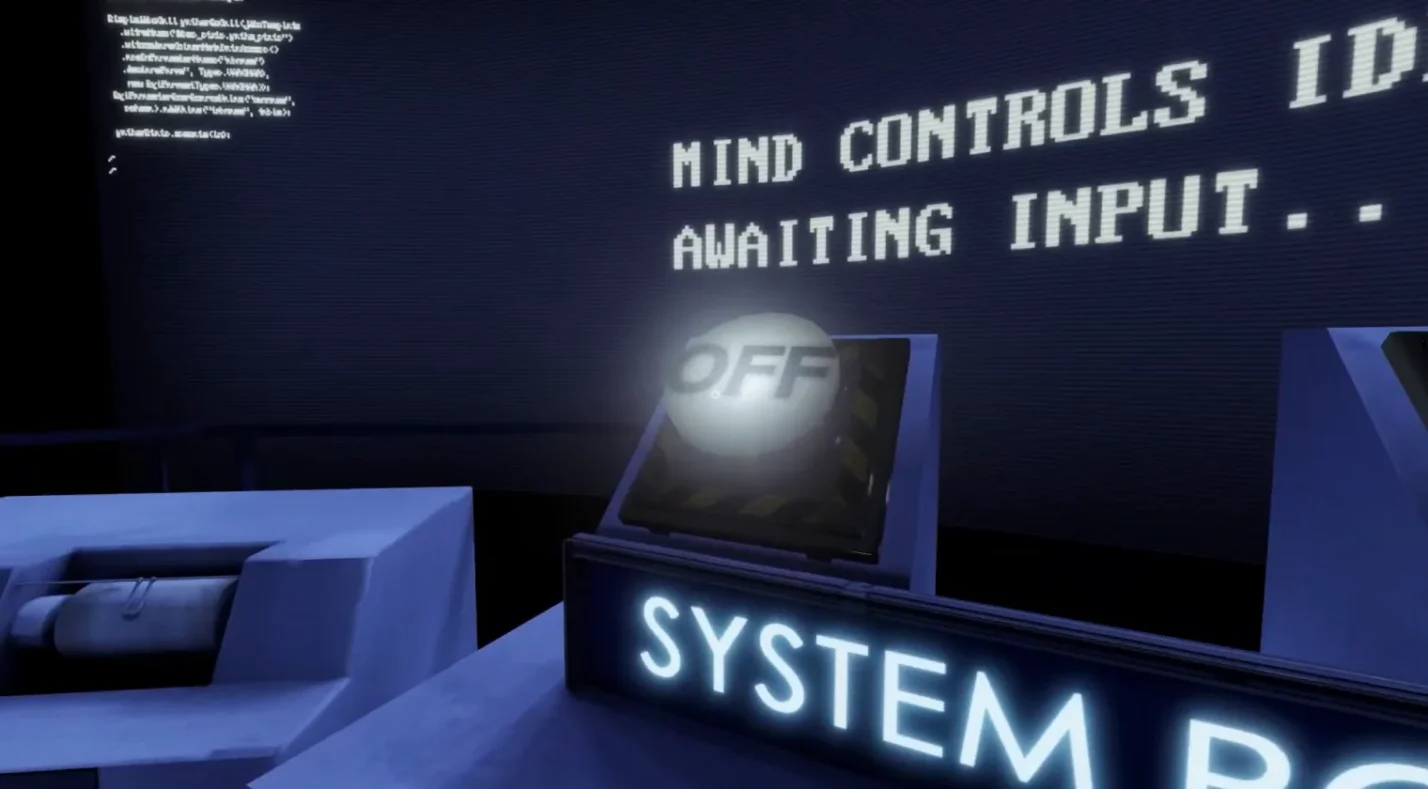
The 2013 original gave us 19 distinct endings that completely changed how indie games approached player choice. These weren’t just different cutscenes. Each ending challenged your assumptions about what games should do.
The most iconic original endings include:
- Freedom Ending (following the Narrator’s instructions completely)
- Confusion Ending (defying the Narrator at key moments)
- Explosion Ending (ignoring warnings and triggering disaster)
- Broom Closet Ending (staying in a closet until the Narrator loses it)
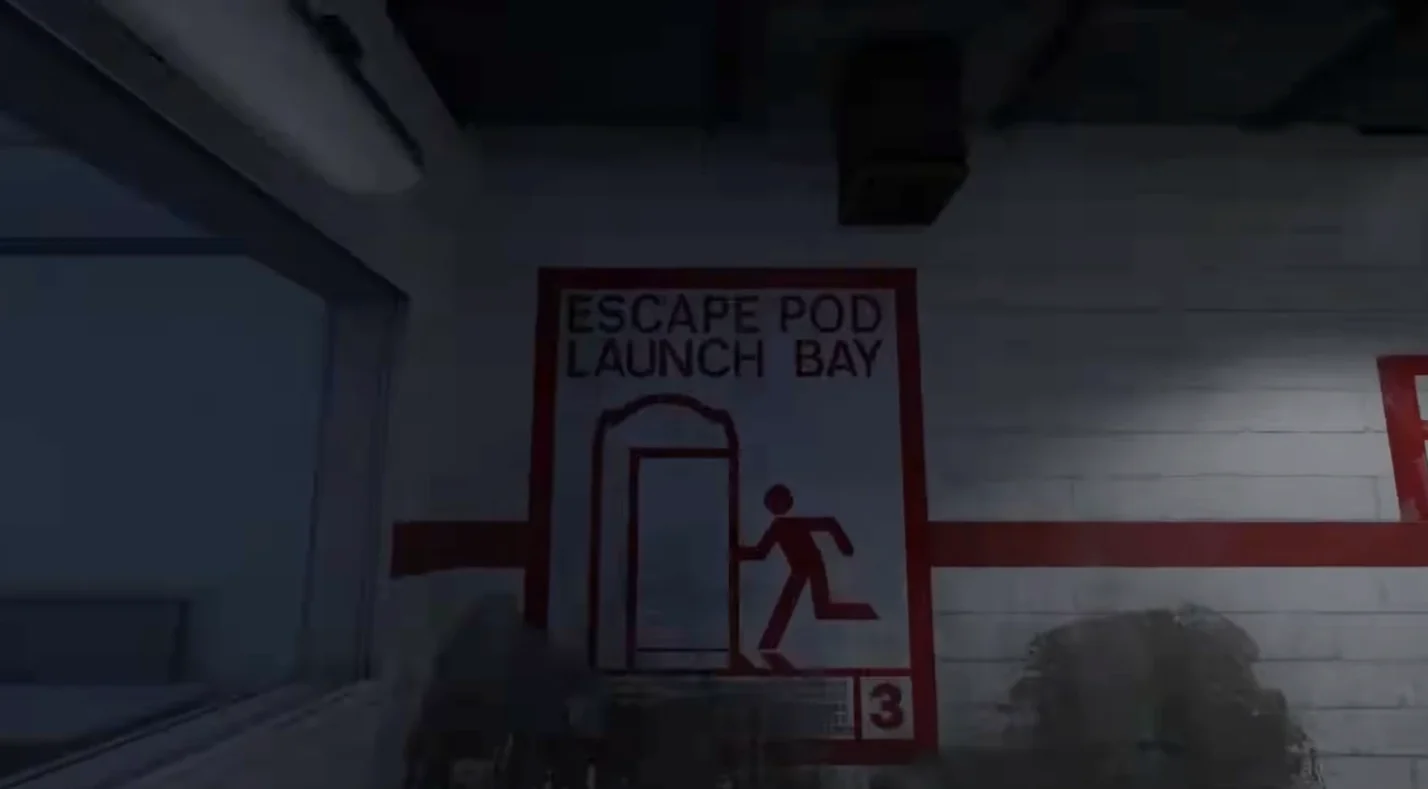
- Escape Pod Ending (finding an alternate exit route)
What made these 19 endings special was how they built on each other. Your second playthrough felt different because the Narrator remembered your first choices. The game was self-aware before that became an overused gimmick.
Most Popular Original Endings
Three endings from the original version became instant classics in gaming communities.
The Freedom Ending represents the “intended” path. You follow every instruction, reach the end, and get what feels like a proper conclusion. Except the game immediately questions whether following orders really counts as freedom.
The Confusion Ending flips that script. Defy the Narrator at every turn, and you get an entirely different narrative that comments on player rebellion. I’ve watched friends play this ending first, and their reactions to the Narrator’s frustration never get old.
The Broom Closet Ending is pure comedy. Stay in a random closet long enough, and the Narrator breaks character completely. It’s a two-minute bit that somehow became one of gaming’s most memorable moments.
The Stanley Parable: Ultra Deluxe and Its 27 New Endings
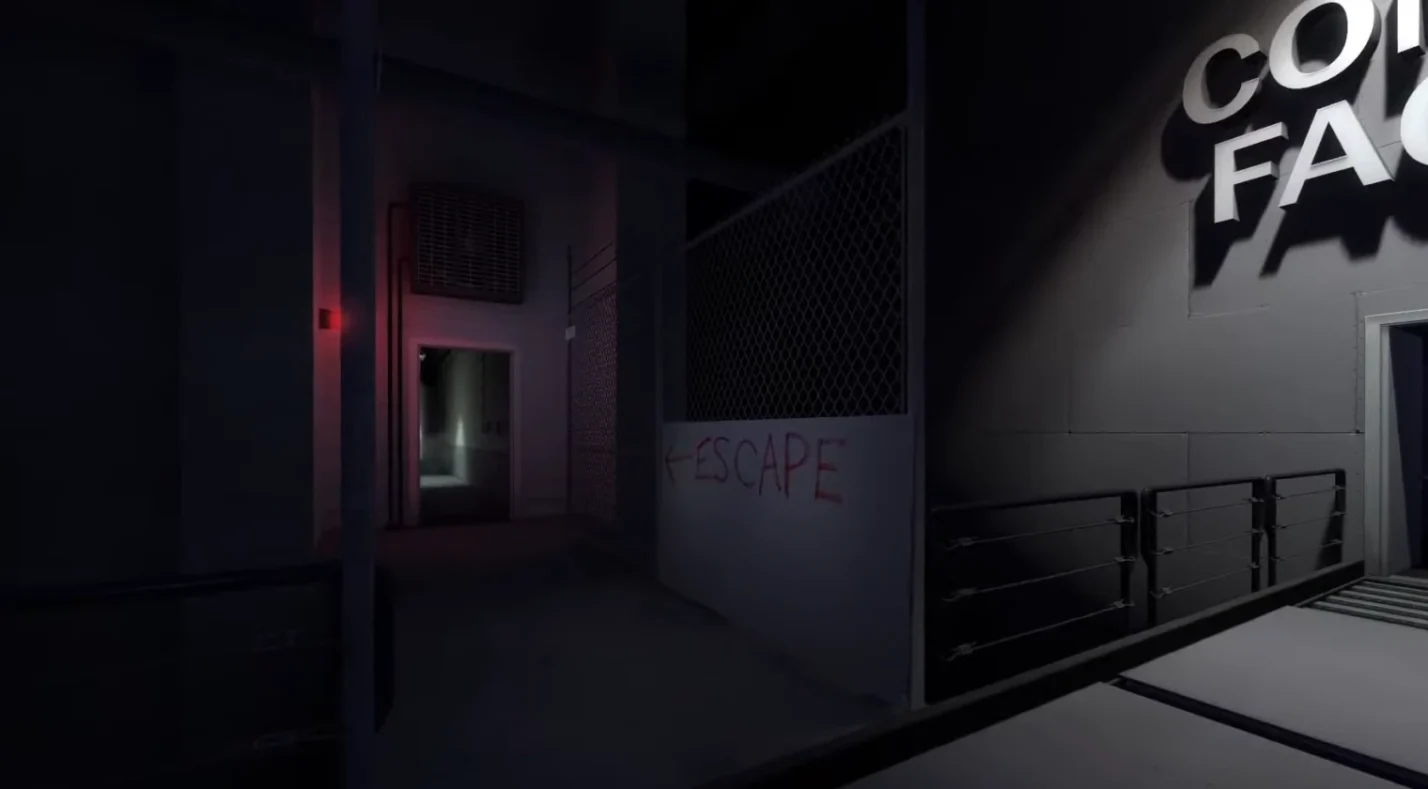
Ultra Deluxe added 27 completely new endings to the mix, bringing the total to 46. They’re entirely new narrative branches with fresh areas to explore.
The expansion introduces several major additions:
- Museum Ending (a 30-45 minute meta-commentary on game development)
- Games Ending (satirical playtest sequence with broken prototypes)
- Skip Button Ending (the ultimate patience test)
- Bucket narrative (a companion object that creates alternate paths)
- Memory Zone (new explorable area with developer commentary)
| Feature | Original (2013) | Ultra Deluxe (2022) |
| Total Endings | 19 | 46 |
| New Content Areas | None | Memory Zone, expanded offices, outdoor spaces |
| Playtime for All Endings | 6-8 hours | 12-15 hours |
| Meta-Commentary | Original narrative | Added remaster commentary |
| Accessibility Features | Limited | Colorblind modes, text scaling, content warnings |
I spent about 14 hours getting through all the Ultra Deluxe content. Some endings require extreme patience. The Skip Button Ending alone can take over four hours if you’re actually clicking the whole time (spoiler: you can leave it running).
What makes Ultra Deluxe brilliant is how it comments on the concept of remasters themselves. The game knows it’s a remaster and makes that part of the narrative. It’s self-aware about being self-aware, which sounds pretentious but somehow works perfectly.
What Makes Ultra Deluxe’s New Endings Special
The new endings in Ultra Deluxe do something most remasters never attempt. They question why remasters exist at all.
The Museum Ending takes you through a literal museum of the game’s development. You see cut content, hear developer commentary, and explore design decisions that didn’t make the original. It’s like a DVD bonus feature that became part of the main story.
I found the Games Ending particularly clever. You playtest increasingly broken game prototypes while the Narrator pretends to take your feedback seriously. It’s a perfect satire of focus testing and player feedback loops in modern game development.
The Bucket companion adds a whole new layer. Carrying this object through various scenarios creates alternate dialogue and endings. It sounds simple, but it fundamentally changes how you interact with the space.
For players who appreciate games that break conventions, our collection of weird games that redefine gaming features several titles with similar experimental approaches to narrative and player agency.
How Long Does It Take to See All Stanley Parable Endings?
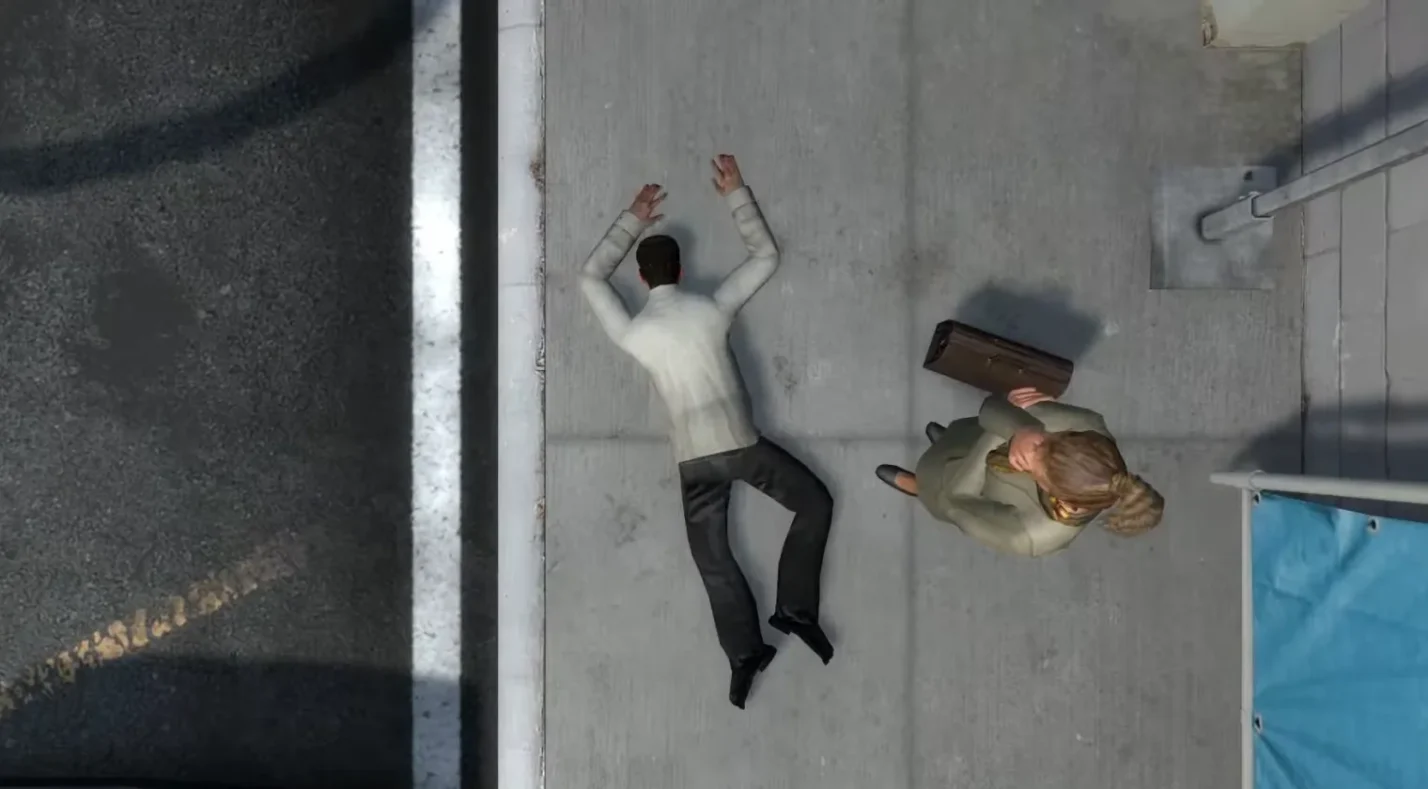
Seeing all endings in The Stanley Parable takes between 12-15 hours for Ultra Deluxe if you’re systematic about it. The original version requires 6-8 hours for all 19 endings.
Your actual time depends heavily on your approach. I rushed through with a guide in about 11 hours, but I missed the organic discovery experience. My second playthrough, exploring naturally, took closer to 18 hours total.
Here’s a realistic breakdown:
| Goal | Time Required | Approach | Difficulty |
| Main endings (5-6) | 1-2 hours | Follow and defy Narrator naturally | Easy |
| 50% of endings | 4-6 hours | Systematic exploration | Medium |
| 75% of endings | 8-10 hours | Partial guide use | Medium-Hard |
| All 46 endings | 12-15 hours | Full guide, patience required | Hard |
| 100% achievements | 20-25 hours | Multiple specific runs | Very Hard |
Some endings require specific conditions that eat up time. The Skip Button Ending demands hours of button clicking. The Commitment Ending only triggers on certain days of the week. I waited three days to get that one because I started on a Wednesday and it needed a Tuesday.
The game rewards patience, but it also respects your time in weird ways. Most individual endings take 5-15 minutes once you know the path. It’s the discovery process that extends playtime.
Tips for Finding All The Stanley Parable Endings

Finding all endings in The Stanley Parable requires systematic exploration and willingness to try seemingly pointless actions. I learned this the hard way after missing obvious paths on my first playthrough.
Key strategies that actually work:
- Exhaust every choice at decision points (try both following and defying)
- Check every door, button, and interactive element thoroughly
- Be patient with timed endings (some require waiting or repeated actions)
- Replay scenarios with small behavioral variations
- Pay attention to Narrator dialogue changes (they hint at new paths)
- Track your discoveries to avoid repetition
- Try the opposite of what feels natural
The most commonly missed endings include:
- Heaven Ending (requires falling off a specific platform precisely)
- Art Ending (needs exact sequence in the art exhibit)
- Whiteboard Ending (hidden behind easily-overlooked door)
- Cold Feet Ending (turning back at specific narrative moment)
- Out of Map Ending (breaking boundaries in particular areas)
I missed the Whiteboard Ending three times because the door blends into the wall texture. That’s intentional design, but it’s frustrating when you’re hunting for completion.
Endings requiring multiple playthroughs:
- Confusion Ending variations (dialogue changes based on history)
- Achievement-specific endings (some need other endings completed first)
- Skip Button Ending (technically one sitting, but takes 4+ hours)
- Commitment Ending (requires playing on Tuesday specifically)
- Games Ending sequence (references your play history)
The game remembers your choices across runs. The Narrator’s commentary evolves based on what you’ve already done. This makes sequential playthroughs feel connected rather than repetitive.
For players interested in similar narrative exploration experiences, our guide to games like What Remains of Edith Finch includes several titles that share The Stanley Parable’s emphasis on player agency and emotional storytelling.
Understanding What Counts as an “Ending”
The Stanley Parable intentionally makes “ending” a fluid concept. Some conclusions feel like proper narrative payoffs. Others are 30-second jokes that dump you back to the start.
The game includes several categories of endings:
| Category | Approximate Count | Examples | Discovery Difficulty |
| Major Narrative Endings | 8-10 | Freedom, Confusion, Explosion | Easy to Medium |
| Secret/Hidden Endings | 12-15 | Broom Closet, Heaven, Art | Medium to Hard |
| Meta-Narrative Endings | 6-8 | Museum, Games, Commentary | Medium |
| Achievement Endings | 10-12 | Speed Run, Go Outside | Easy to Hard |
I’ve had long debates with other players about whether certain variations count as separate endings. The game encourages this confusion. It’s part of the experience.
The developer, Davey Wreden, designed the game to question what constitutes a “true” ending. Some endings feel complete. Others feel like interruptions. The game suggests that searching for one canonical conclusion misses the entire point.
Ultra Deluxe doubles down on this ambiguity. New endings explicitly comment on sequels, remasters, and the concept of definitive versions. The game is self-aware about being a remaster of a game that was already self-aware.
This philosophical approach connects to why The Stanley Parable appears in our best story games collection. The narrative structure itself becomes the story, not just a vehicle for plot.
Should You Play the Original or Ultra Deluxe?
Ultra Deluxe is the version to get if you’re new to The Stanley Parable. It includes all 19 original endings plus 27 new ones, improved graphics, and better accessibility features.
The original game still holds up for nostalgia or budget reasons. But Ultra Deluxe offers significantly more content for a similar price point. You’re getting more than double the endings, new areas to explore, and quality-of-life improvements.
Key differences between versions:
- 27 additional endings exclusive to Ultra Deluxe
- New content areas (Memory Zone, expanded offices, outdoor environments)
- The Bucket companion object with alternate narrative paths
- Enhanced accessibility (colorblind modes, content warnings, text scaling)
- Updated graphics and lighting
- Cross-platform availability (consoles got Ultra Deluxe, not original)
- Meta-commentary on remasters and gaming industry
I recommend Ultra Deluxe even for returning players. The new content isn’t just more of the same. It builds on and deconstructs the original in ways that justify the purchase.
The game is available on PC, PlayStation, Xbox, and Switch. Console versions handle well despite being designed for mouse and keyboard. I played through on Switch during a trip and didn’t feel like I missed anything.
Making the Most of Your Stanley Parable Experience
Getting through all 46 endings requires patience and the right setup. I learned this after my first marathon session left me with a sore neck and eye strain.
The game demands extended play sessions if you’re going for completion. Some endings require waiting or repeated actions that take hours. Setting up a comfortable space makes this significantly more bearable.
Consider your physical setup before diving in. A proper chair, good monitor positioning, and responsive peripherals enhance the experience during longer discovery sessions. Our guide to the best gaming setup covers ergonomic considerations that matter for extended playthroughs.
The game also benefits from playing at your own pace. I rushed through with a guide first and regretted it. The organic discovery process is half the experience. Let yourself get lost. Try weird things. The game rewards experimentation.
Take breaks between endings. The game resets quickly, but mental fatigue affects your ability to notice subtle changes. I found new details on my third playthrough that I completely missed while grinding for completion.
For international players seeking to unlock region-specific content or access early releases, a gaming VPN can enhance your experience. Additionally, some players use VPNs to explore how different regional versions of the game differ in their endings or dialogue. Check out our guide to the best VPN for gaming if you’re interested in accessing all available versions of the game.
Wrapping Up Your Journey Through The Stanley Parable

The Stanley Parable offers 19 endings in the original and 46 in Ultra Deluxe. That’s the simple answer. The complex answer involves understanding that the game questions what endings even mean in the first place.
I’ve spent over 30 hours across both versions, and I still discover new details on replays. The game layers its commentary so densely that each playthrough reveals something previously hidden.
Ultra Deluxe represents the definitive version. It preserves everything that made the original special while adding substantial new content that justifies the remaster. The 27 new endings aren’t just filler. They expand and deconstruct the original’s concepts in meaningful ways.
For players ready to experience all 46 endings themselves, grab your The Stanley Parable: Ultra Deluxe Steam key from the Eneba store and dive into one of gaming’s most thought-provoking narratives.
FAQs
What is the Museum Ending in The Stanley Parable?
The Museum Ending in The Stanley Parable is an Ultra Deluxe-exclusive ending that transports players to the Memory Zone, where you explore exhibits showcasing the game’s development, design philosophy, and cut content with Narrator commentary. It takes 30-45 minutes to complete and serves as developer commentary on the game itself, accessible through specific exploration in new content areas.
What is the Games Ending (Playtest Ending) in The Stanley Parable?
The Games Ending in The Stanley Parable is an Ultra Deluxe addition where Stanley participates in a game development playtest, evaluating increasingly absurd and broken game prototypes in a satirical commentary on the game industry. It takes about 20-30 minutes and features interactive mini-games that deliberately malfunction, accessible by following specific prompts in new content areas.
Are all The Stanley Parable endings considered “true” endings?
All The Stanley Parable endings are considered equally valid and invalid because the game deliberately questions what constitutes a “true” ending as part of its meta-narrative design philosophy. The game suggests that searching for a canonical conclusion misses the point, since the experience is about exploring player choice and narrative structure itself, with Ultra Deluxe further complicating this by adding endings that comment on sequels and definitive versions.
How long does it take to see all endings in The Stanley Parable?
It takes 6-8 hours to see all endings in the original Stanley Parable and 12-15 hours for Ultra Deluxe with systematic exploration, though casual players might need 20+ hours. Some endings require specific conditions like the Skip Button Ending (4+ hours of clicking) and the Commitment Ending (requires playing on specific days), with 100% achievement completion requiring 20-25 hours total.
Can you get all endings in one playthrough of The Stanley Parable?
No, you cannot get all endings in one playthrough of The Stanley Parable because the game’s core design requires making mutually exclusive choices at decision points. Each playthrough typically lasts 5-20 minutes before reaching an ending and resetting, with the game specifically designed for multiple playthroughs where the Narrator’s dialogue changes based on previous choices, creating a cumulative narrative experience.