

What Are Play to Earn Games? The Complete Guide in 2026




What are play to earn games and how are they transforming the way we think about gaming? I’ve watched the industry shift from pure entertainment to something totally different. Games now let you actually own your stuff and make real money without dropping thousands upfront.
The blockchain revolution changed everything. Players can finally trade in-game items for actual cash, not just virtual currency that stays trapped in one game. I’m breaking down exactly how P2E works, which games actually pay, and what you can realistically earn.
This isn’t some get-rich-quick scheme. Success takes strategy, time investment, and smart decisions. But the opportunity is real. Thousands of players worldwide now treat gaming as a legitimate income source.
Let’s dig into the mechanics, explore popular titles, and set realistic expectations. I’ll cover both the potential and the pitfalls so you can make informed choices about jumping into play to earn gaming.
Jump to:
What Are Play to Earn Games? Definition and Core Concept
Play to earn (P2E) games are video games where players earn real-world value – typically cryptocurrency, NFTs, or cash rewards – by completing in-game activities. Unlike traditional games, P2E titles let you monetize your time and skills through blockchain technology or reward platforms, giving you true ownership of the digital assets you earn.
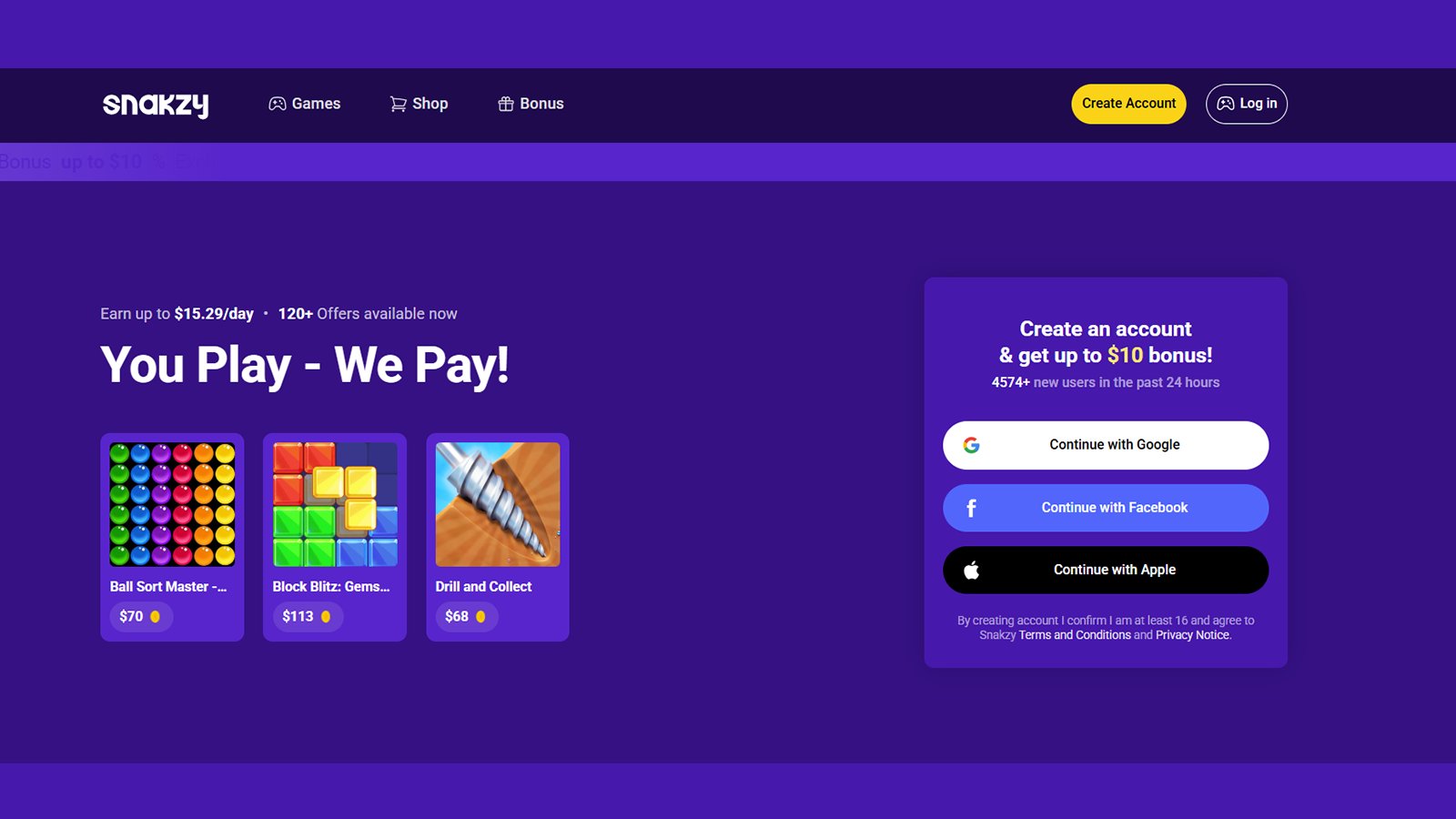
Play games and get paid with Snakzy.

How Do Play to Earn Games Work? The Mechanics Behind P2E Games
The Mechanics Behind P2E Games
Blockchain networks track every action transparently. Smart contracts automatically distribute rewards based on predetermined rules that nobody can manipulate. The system runs without a central authority controlling everything.
Players complete various activities to earn tokens. Win PvP battles, finish daily quests, mine resources, or breed valuable characters. Rewards get sent directly to your digital wallet, not stored on company servers. You maintain full control.
The blockchain ledger records all transactions permanently. Anyone can verify the system works fairly. This transparency builds trust that traditional games can never match.
Withdrawing earnings is straightforward once you understand the process. Transfer tokens to cryptocurrency exchanges like Coinbase or Binance. Convert to stablecoins or cash out to your bank account. Transaction fees vary by network.
Decentralization means developers can’t arbitrarily change rules or confiscate assets. The community often votes on major decisions through governance tokens. Players have actual say in game direction.
Different Types of P2E Earning Models
Free-to-play P2E games let you start earning immediately without buying NFTs. Grind time instead of money to build up assets gradually. Progress takes longer but eliminates financial risk.
Pay-to-earn models require purchasing starter packs or NFT characters before accessing earning features. Investment ranges from $50 to thousands depending on the game. Higher initial costs usually mean better earning potential early on.
Hybrid systems combine both approaches. Start free with limited earning capacity, then invest later to unlock premium features. This model works well for testing games before committing serious money.
Multiple revenue streams exist within games. Battle rewards, resource gathering, breeding fees, marketplace trading, staking yields, and governance participation all generate income. Diversifying across activities reduces risk.
Earning potential fluctuates based on countless factors. Token prices change daily. Game popularity affects marketplace demand. Your skill level determines win rates. Time commitment directly impacts total earnings.
Best Play to Earn Games in 2026 [Top 10 List]
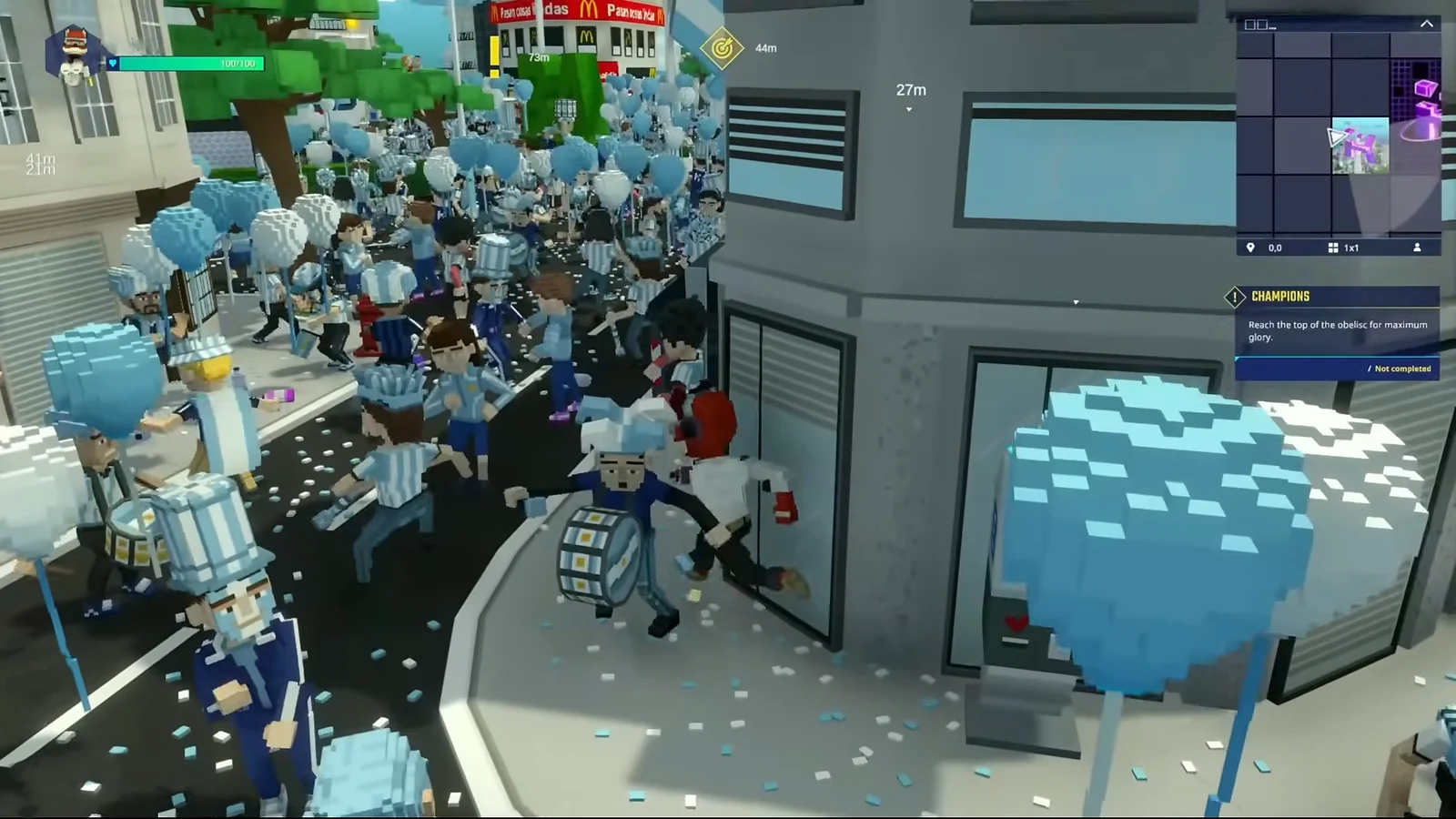
The P2E landscape changes fast. These ten games made the cut in 2026 based on active player bases, proven earning tracks, and development teams that have stuck around. I’ve matched each one to a specific type of player so you can find your fit quickly.
1. Axie Infinity – Blockchain: Ronin
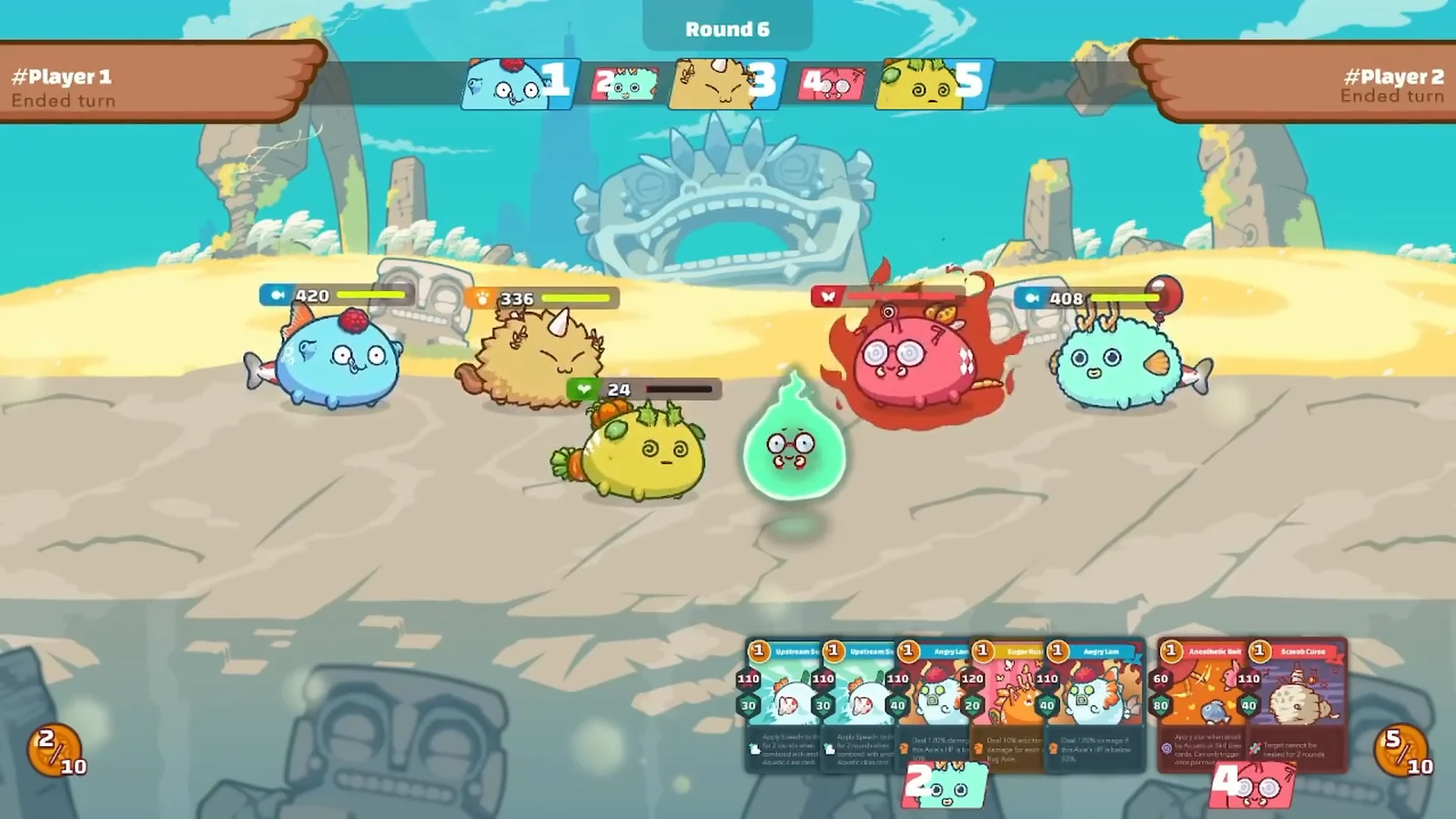
Battle and breed creatures called Axies to earn SLP tokens. Entry sits around $50–$150 for a starter team, putting it in the mid-range for upfront cost. Best for competitive players who want a well-established ecosystem with years of economic history behind it.
2. The Sandbox – Blockchain: Ethereum / Polygon
Buy LAND tokens to claim virtual real estate, then build games, host events, or rent your plot for passive income. Entry cost is high if you want land ownership, but the game creation tools are free. Best for creators and long-term real-estate speculators.
3. Gods Unchained – Blockchain: Immutable X
Win ranked matches to earn NFT card packs you actually own and can trade freely. Starts completely free with a provided starter deck, and zero gas fees on Immutable X keep friction low. Best for card game fans coming from Magic: The Gathering or similar titles.
4. Splinterlands – Blockchain: Hive / WAX
Daily quests and ranked battles earn DEC tokens. The $10 Spellbook is the only required purchase. Sessions take minutes rather than hours, which makes it realistic alongside a job or studies. Best for casual players who want a low-stakes daily routine.
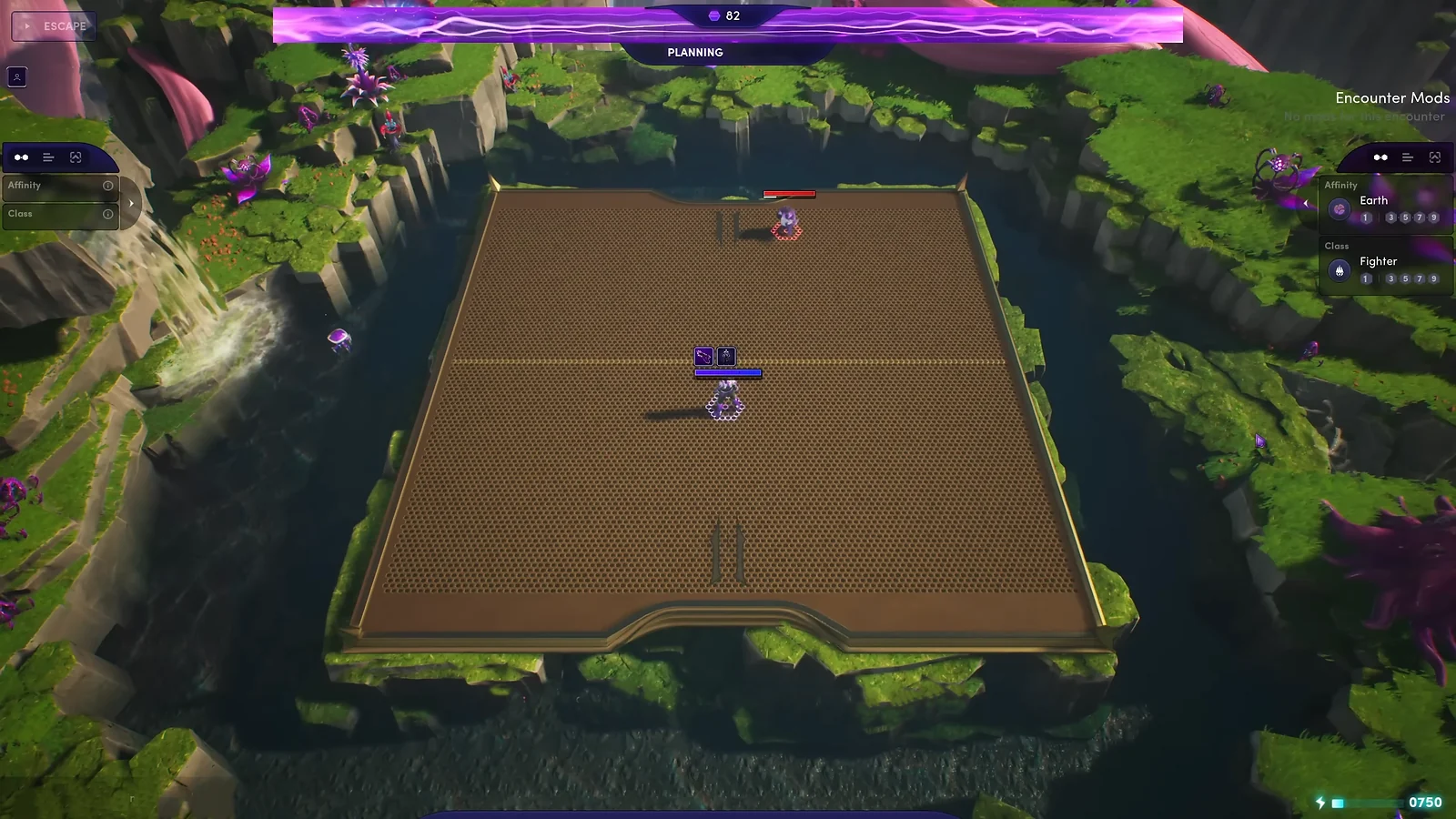
5. Illuvium – Blockchain: Immutable X
Capture and battle creatures called Illuvials across an open-world RPG, with arena tournaments for more competitive rewards. Free-to-play with optional NFT upgrades. Best for players who want AAA-quality graphics and are tired of visually underwhelming P2E titles.
6. Big Time – Blockchain: Ethereum
Dungeon loot drops yield SPACE tokens and NFT gear. Completely free-to-play with no upfront cost required. Best for action RPG fans who want to test P2E without putting any money on the line first.
7. Star Atlas – Blockchain: Solana
Mine resources, trade commodities, and fight in a space-based metaverse economy. Starter ship NFTs run from around $20 upward. Best for strategy and space sim fans who are building toward long-term positions rather than quick flips.
8. Pixels – Blockchain: Ronin
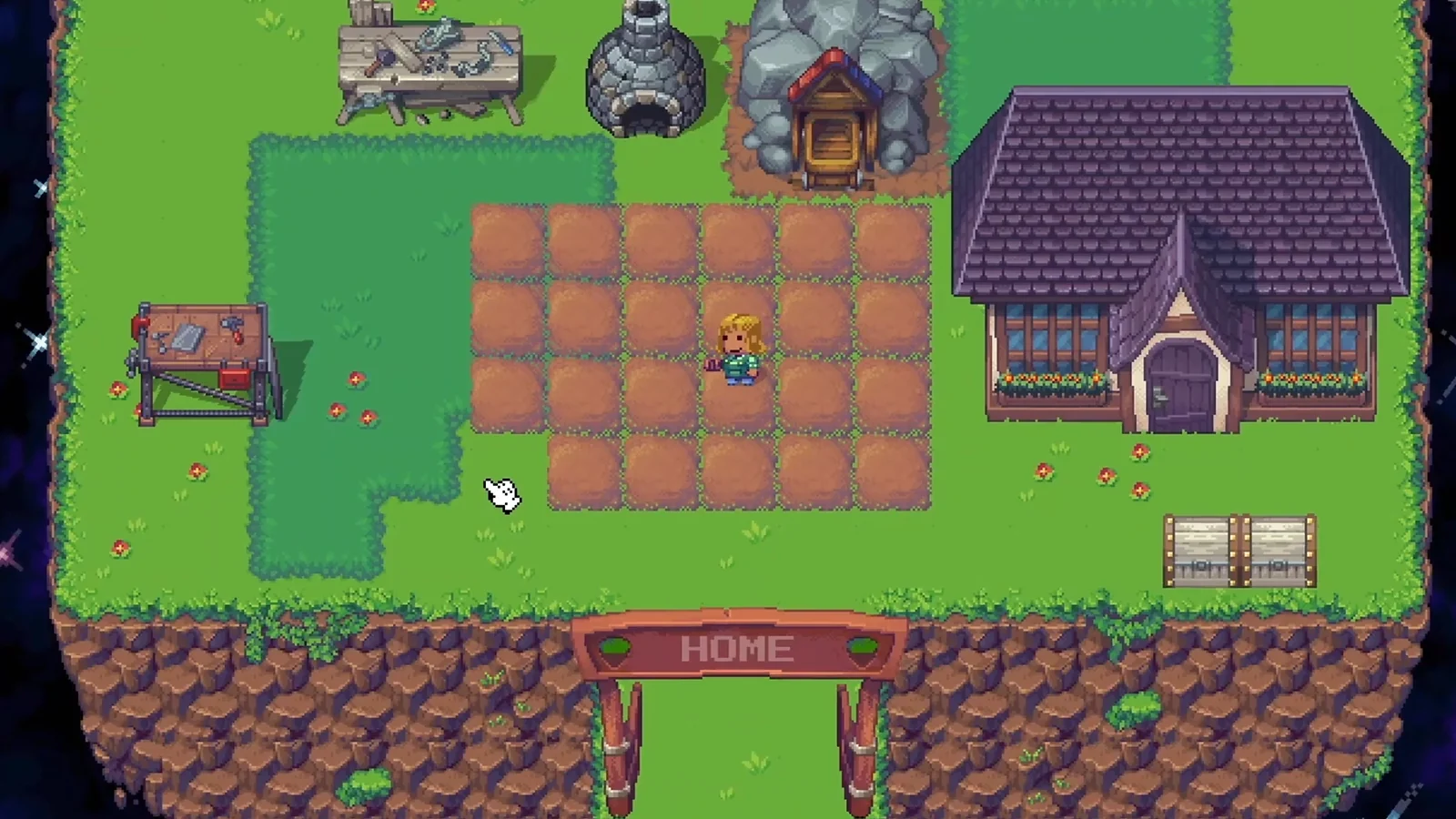
Farm, craft, and trade resources to earn BERRY tokens in a relaxed, pixel-art world. Fully free-to-play. Best for casual gamers who enjoy a Stardew Valley-style loop and want a low-pressure entry into P2E.
9. Alien Worlds – Blockchain: WAX / BNB Chain
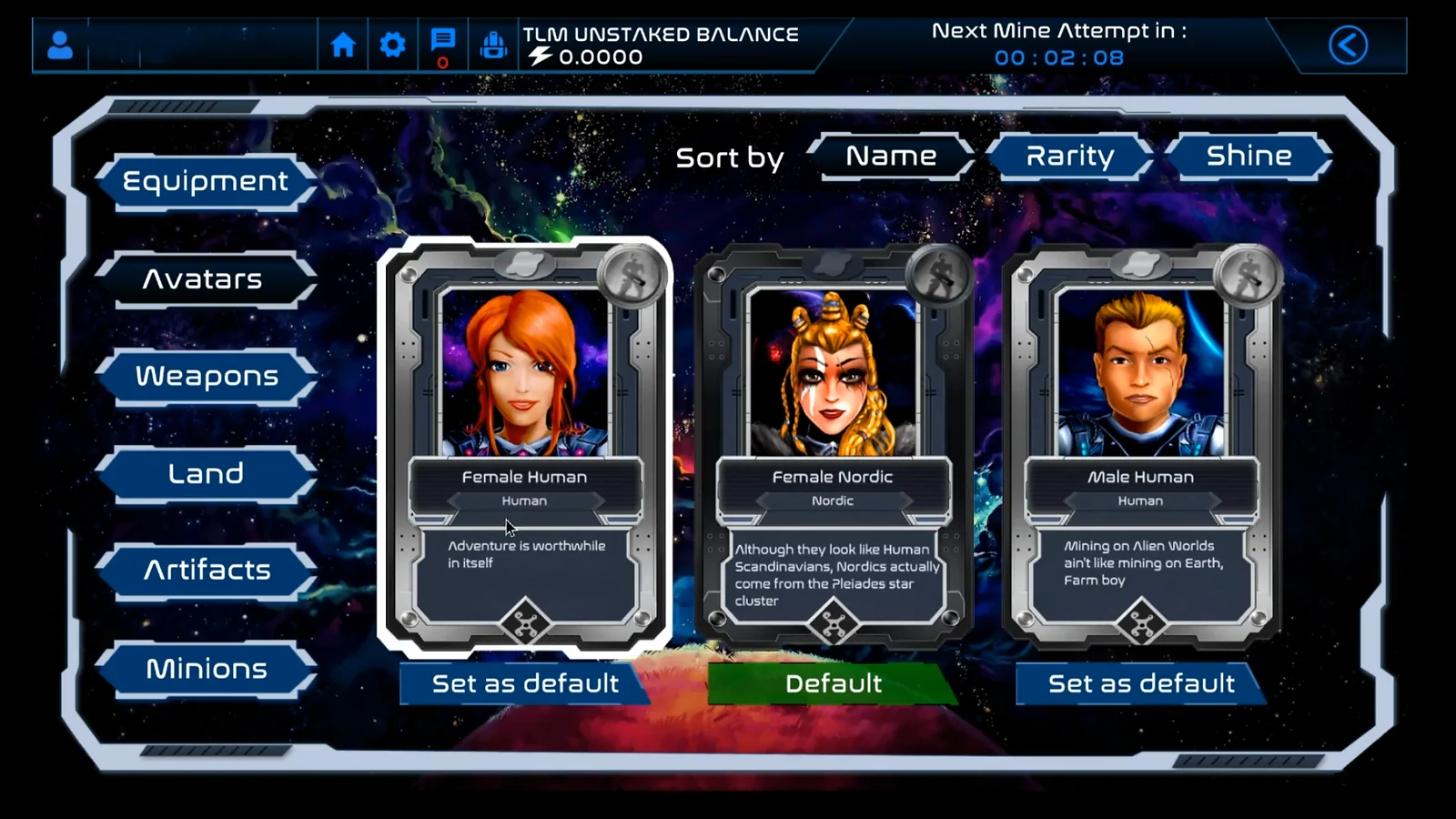
Click to mine Trilium (TLM) tokens on different planets. Zero investment required, zero barrier to entry. Earnings are small but the mechanics are simple enough to learn in an afternoon. Best for complete beginners who want to understand how P2E works before putting any money in.
10. Decentraland – Blockchain: Ethereum
Own LAND, sell wearables, and host events to earn MANA. Free to explore, but meaningful income requires land ownership, which carries a high entry price. Best for virtual world builders and anyone interested in passive income through digital real estate.
A few things worth flagging before you commit to any of these. NFT prices shift with the market, so entry cost figures are mid-2026 estimates – check the official marketplace before buying. Token prices also move daily, so any earning estimate you read online has a short shelf life. And if you’re genuinely new to this space, Alien Worlds, Gods Unchained, Big Time, and Pixels all let you start with zero investment, which makes them the sensible starting point.
How To Get Started With Play-to-Earn Games
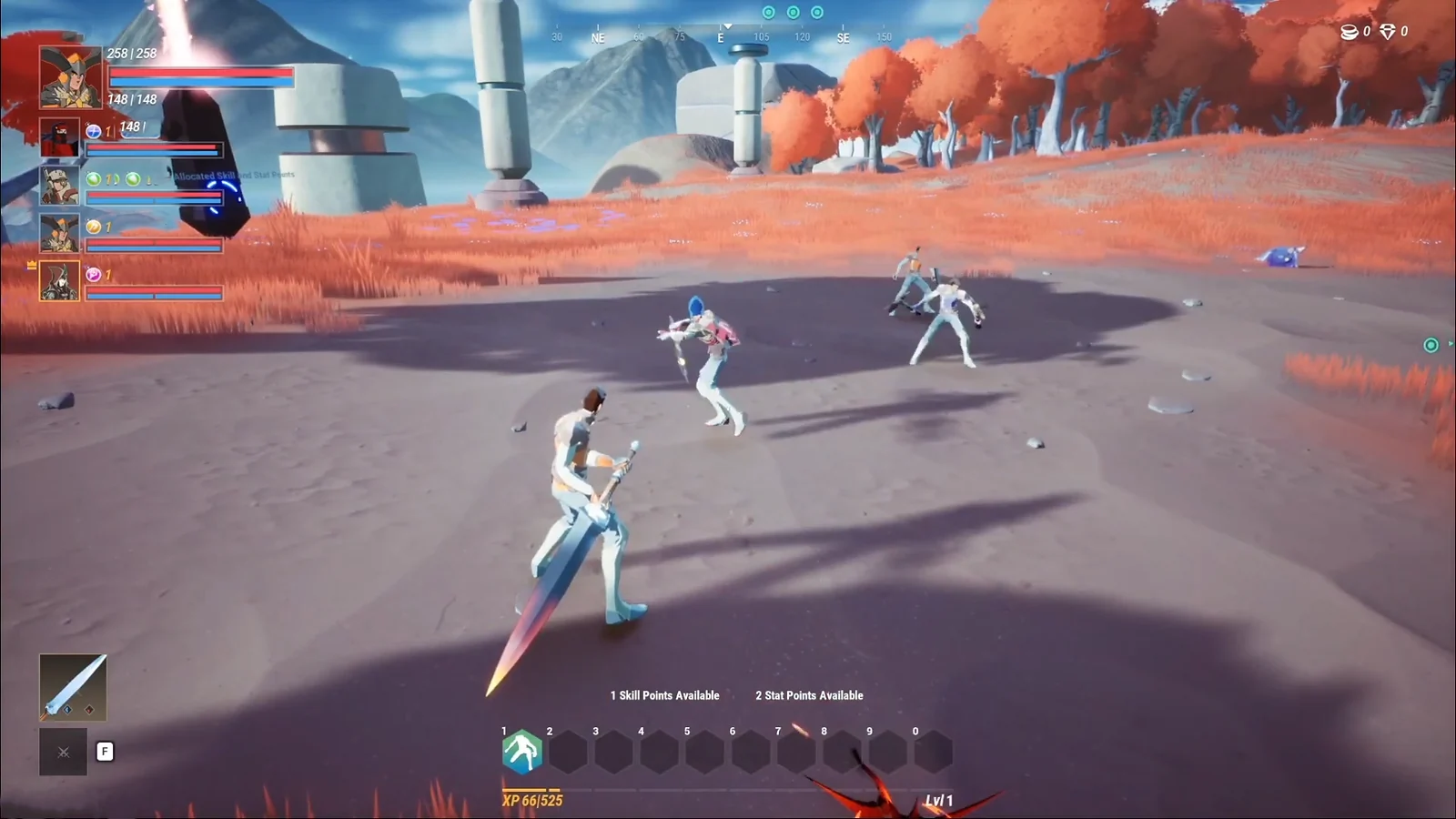
Getting into P2E doesn’t have to be overwhelming. Follow these steps and you’ll be set up and earning in no time.
- Pick a game matching your interests, budget, and earning goals. Your enjoyment matters because consistent play generates the best returns.
- Set up a digital wallet like MetaMask or Trust Wallet to store your cryptocurrency and NFTs. Write down your seed phrase and never share it with anyone.
- Acquire initial funds if the game requires upfront investment. Purchase cryptocurrency through an exchange and transfer it to your wallet. Double-check every character; blockchain transactions can’t be reversed.
- Complete the onboarding process fully and join the game’s Discord to learn from experienced players.
- Prioritize security above everything else. Enable two-factor authentication, use hardware wallets for large holdings, and never enter your seed phrase on any website.
Once you’ve got these basics covered, the only thing left is to jump in and start playing. The learning curve flattens fast once you’re actually in the game.
Earning Potential and Realistic Expectations
Earnings fluctuate wildly based on game popularity, token prices, skill level, time commitment, and pure luck. Setting realistic expectations prevents disappointment and bad financial decisions.
| Method | How It Works | Time Commitment | Starting Capital |
|---|---|---|---|
| Staking tokens | Lock tokens to earn passive rewards | Low | Medium |
| Breeding NFTs | Create and sell valuable in-game assets | Low | High |
| Renting assets | Loan your NFTs to other players for a cut | Low | High |
| Active gameplay | Win matches, complete quests, earn rewards | High | Low |
| Marketplace trading | Buy low, sell high on in-game economies | Medium | Medium |
Earnings by Player Tier
| Player Tier | Monthly Earnings | Daily Hours | What It Takes |
|---|---|---|---|
| Beginner | $20–50 | 1–2 hrs | Learning mechanics, basic equipment |
| Intermediate | $100–300 | 3–5 hrs | Meta knowledge, smart trading, competitive modes |
| Advanced | $1,000+ | 6+ hrs | Exceptional skill, significant capital, tournament play |
Market conditions shift everything. Token values crash during bear markets, new players affect competition levels, and game updates can change winning strategies overnight. Treat P2E as supplementary income unless you’re truly exceptional – the volatility makes it unreliable as a primary income source for most players.
Advantages of Play to Earn Games
True ownership revolutionizes digital assets. Your items exist independently of any single company’s servers. Games can shut down but your NFTs persist on the blockchain. This permanence creates real value.
Accessibility expands gaming opportunities globally. Players in countries with limited traditional job markets can earn meaningful income. Geographic barriers disappear when anyone with internet access can participate equally.
Transparency and fairness stem from blockchain’s public nature. No hidden algorithms manipulating drop rates or rigging matchmaking. Smart contracts execute exactly as programmed without bias or corruption.
New economic opportunities reward skill and dedication financially. Competitive gamers no longer need sponsorships or streaming audiences to monetize their abilities. Direct player-to-player economies emerge naturally.
Community governance puts power in players’ hands. Many P2E games distribute voting rights through governance tokens. Propose changes, vote on updates, and shape game direction democratically. Traditional developers would never surrender this control.
Interoperability potential lets assets move between compatible games. Your character from one game might work in another. This vision hasn’t fully materialized yet but the technical foundation exists.
Challenges and Risks of Play to Earn Games

P2E gaming has real earning potential, but it comes with serious risks that catch a lot of players off guard. Here’s what to watch out for before you commit time or money.
| Risk | What It Means | How Bad Can It Get |
|---|---|---|
| Market volatility | Token prices swing wildly with no warning | A $500/month income can drop to $100 overnight |
| Unsustainable game models | Some P2E economies resemble pyramid schemes | Late adopters often lose everything when the model collapses |
| High entry barriers | Many games require hundreds or thousands upfront | Free-to-play options exist but earn significantly less |
| Security vulnerabilities | Hacks, phishing, and smart contract bugs are common | One seed phrase mistake means permanent, irreversible asset loss |
| Regulatory uncertainty | Governments haven’t agreed on how to classify P2E earnings | Future laws could restrict gameplay or trigger unexpected tax bills |
| Scams and rug pulls | Fake games and fraudulent projects target new players constantly | Entire investments can vanish with zero legal recourse |
| Game abandonment | Developers disappear or lose interest in projects | Your NFTs become worthless if the game dies |
| Skill gap | Better players earn significantly more | Casual players may grind for hours and see little return |
| Time commitment | Meaningful earnings often require full-time hours | Gaming stops being fun when it becomes a job |
None of this means P2E isn’t worth trying – it just means going in with open eyes. The players who do well treat it like any other investment: research first, start small, and never risk more than you can afford to lose. If the grind ends up not being your thing, there are plenty of other ways to make money from home worth exploring too.
Play to Earn vs Traditional Gaming

Both models have their place, but they serve very different kinds of players. Here’s how they stack up across the things that matter most.
| Play-to-Earn | Traditional Gaming | |
|---|---|---|
| Asset ownership | True ownership – trade or sell freely on open markets | Developer-controlled – you can’t legally sell in-game items |
| Monetization | Economic value flows back to players through gameplay rewards | Money flows to developers via cosmetics and battle passes |
| Transparency | All transactions public on the blockchain | Drop rates and matchmaking hidden behind closed systems |
| Earning potential | Casual players can earn real income through gameplay | Limited to professional esports |
| Gameplay quality | Still catching up – many games prioritize earning over fun | Decades of experience creating polished, engaging content |
| Player role | Active contributor to the game economy | Consumer of developer-created content |
The gap between the two is narrowing as P2E studios mature, but for now, it comes down to what you value most: pure entertainment or earning potential. If you’re after the latter, it’s also worth exploring other ways to earn money online playing simple games.
The Future of Play to Earn Gaming
P2E is still finding its footing, but the direction is clear. Here’s what to expect from the next generation of play-to-earn:
- Better gameplay quality. The “earn first, fun second” mentality is fading. Games that genuinely entertain while rewarding players will define the next P2E wave.
- Mainstream studio involvement. Ubisoft, Square Enix, and others are cautiously testing blockchain features. Their expertise could finally close the gameplay quality gap.
- Lower technical barriers. Layer-2 solutions are cutting transaction costs and friendlier wallets are hiding blockchain complexity, making P2E accessible to casual players.
- Regulatory clarity. Governments are moving toward clearer legal frameworks for NFTs and gaming tokens. The outcome could legitimize P2E entirely – or reshape it overnight.
- Cross-game interoperability. Using assets across multiple games is still years away, but early standards are emerging and the vision is driving real development forward.
- Sustainable economic models. Projects are shifting focus toward real utility and entertainment value over new player dependency – the ones that get this right will survive long-term.
The next wave of P2E will look very different from what exists today – less grinding, more playing. If you want to get ahead of that curve, check out the best play-to-earn crypto games already gaining traction right now.
Can I Earn Money Playing Traditional Games and How Does It Compare to P2E Games?
Yes, but the methods and reliability differ significantly. Here’s how the main earning paths stack up:
| Earning Method | Traditional Gaming | Play-to-Earn |
|---|---|---|
| Streaming & content creation | Viable but takes years to build an audience | Less common – P2E gameplay rarely attracts large viewership |
| Competitive esports | Real prize pools but requires exceptional skill and dedication | Tournaments exist but prize pools are generally smaller |
| Item trading | Possible in some games but often banned by terms of service | Fully supported – assets trade freely on open markets |
| Asset ownership | None – developers control everything and can delete items arbitrarily | True ownership – assets are yours permanently on the blockchain |
| Casual earning | Not possible in traditional gaming | Core feature – casual players earn through regular gameplay |
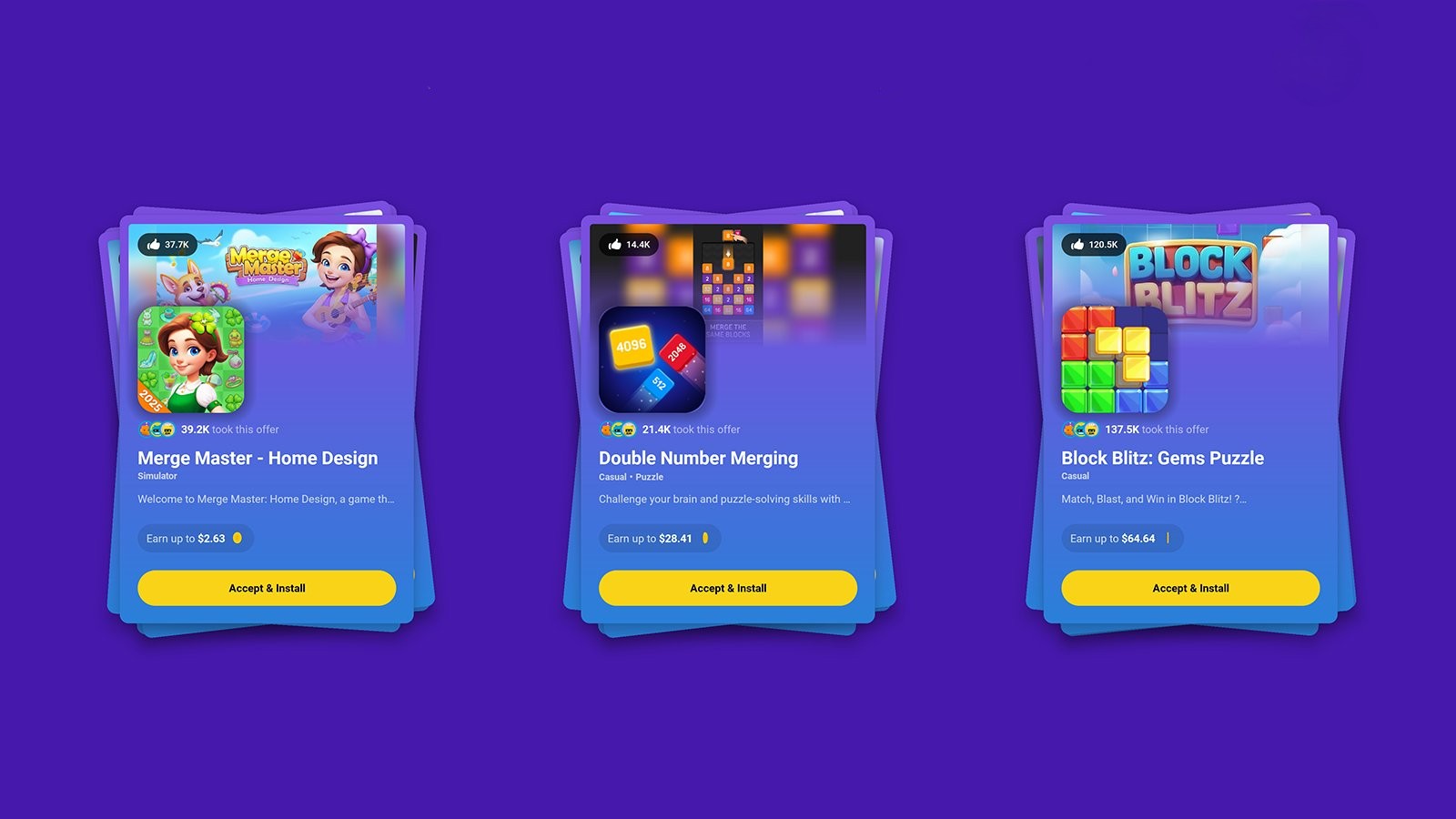
| Quick task earning | Not applicable | Snakzy offers surveys and simple tasks as a low-skill income supplement during downtime |
Whichever path you choose, entertainment value should drive your decision first. P2E remains one of the most effective ways to make money playing video games – just make sure the game you pick is one you’d actually enjoy playing.
Play to Earn Casino Games: Earn Crypto While You Play

A growing corner of P2E gaming sits at the intersection of blockchain casinos and token-earning systems. These platforms let you wager cryptocurrency and earn platform tokens based on your activity – on top of any winnings from the games themselves.
This space needs honest framing upfront. Casino mechanics involve real gambling with real money at risk. The earning angle is legitimate on some platforms, but it does not offset the house edge, and it can create a psychological framing that encourages overbetting. Go in with clear eyes.
How the mechanic works
Most P2E casino platforms issue a native token. The basic loop: you wager cryptocurrency on standard casino games, that wagering earns you platform tokens regardless of the bet outcome, and those tokens can be staked or sold. Some platforms distribute revenue to token stakers, which adds a passive income layer on top of gameplay. Token value fluctuates heavily though, and a token crash can wipe out any edge the earning system appeared to provide.
Platforms currently active in this space
Rollbit runs a crypto casino with RLB token rewards tied to platform revenue through a buyback system. Worth researching the tokenomics carefully before committing.
BC.Game is a licensed crypto casino with wager-based rewards, a daily spin, and loyalty tiers. A small faucet exists for free play. Large game library covering slots, live games, and P2E-adjacent content.
Betfury earns you BFG tokens through wagering, with a staking system that pays out BNB and USDT dividends to stakers. A free faucet is available. The staking layer makes it one of the more developed passive income models in this category.
ICE Poker inside Decentraland is probably the most skill-dependent option here. You play poker in the metaverse to earn ICE tokens, and delegated NFT wearables mean someone else can lend you access without upfront cost. Skill matters in poker more than it does in slots or dice, which changes the risk profile meaningfully.
Risks specific to this category
Token rewards do not eliminate the house edge. Every platform still holds a mathematical advantage on each bet, and earning tokens while losing bets is not a net-positive trade over time.
The feeling of earning can mask losses. Getting tokens back after a losing bet feels like partial recovery, which can encourage higher volume play than you intended. Worth being conscious of.
Regulatory exposure is higher here than in standard P2E games. Crypto casinos operate in legal grey zones across many jurisdictions. Verify the legal status in your country before depositing anything.
Licensing varies significantly across platforms. BC.Game and a handful of others hold gambling licences (Curacao, Malta GGA); others operate without one. A licence does not guarantee safety but it does provide a baseline of player protections.
If you’re already active on crypto gambling platforms and want to extract additional value from activity you’d do anyway, the token-earning mechanics on Betfury or Rollbit are worth understanding. As a standalone income strategy for someone new to gambling, the risk-to-reward picture is not strong.
Your Path Forward in Play to Earn Gaming
Play-to-earn fundamentally reshapes gaming economics by giving players real asset ownership and earning opportunities impossible in traditional games. The model works — but success demands realistic expectations, consistent effort, and smart research rather than blind optimism.
Start small to minimize risk while you learn the mechanics. The best P2E games reward dedication and strategic thinking, but markets shift constantly and what works today might not work tomorrow. Research developer track records, community sentiment, and tokenomics before committing real money.
Protect what you earn. Strong passwords, hardware wallets for large holdings, and healthy skepticism toward suspicious links are non-negotiable. Diversify across multiple games and income methods like Snakzy to smooth out volatility. One careless moment or one failed project shouldn’t wipe out months of progress.
Play games and get paid with Snakzy.
FAQs
P2E games use blockchain technology to let players earn cryptocurrency or NFTs through gameplay. Traditional games give you no real ownership and no financial rewards.
Alien Worlds and Gods Unchained require zero investment. Splinterlands needs a $10 Spellbook. All three have simple mechanics suited to first-time P2E players.
Free-to-play games like Alien Worlds need nothing upfront. Pay-to-earn titles range from $10 to several hundred dollars depending on the game.
Token prices can crash with little warning. Many projects shut down early. Security threats like wallet hacks and phishing scams are constant. Regulation remains unclear in most countries.
Players complete in-game tasks – battles, quests, mining – to earn cryptocurrency or NFTs. Smart contracts send rewards directly to your digital wallet, which you control.
Yes. Axie Infinity, The Sandbox, and Splinterlands have paid out millions to players. Scams exist in the space, but established projects with active player bases are legitimate.
Some players earn meaningful income; others barely cover fees. Profitability depends on game choice, skill level, time invested, and token prices. Treat it as supplementary income, not a salary.
Pixels and Alien Worlds both run smoothly on mobile with low entry barriers. Splinterlands also has a solid mobile client suited to short daily sessions.
Gods Unchained, Axie Infinity, and Splinterlands all convert in-game rewards to real money via crypto exchanges. Payout size depends heavily on time invested and current token prices.