

Megabonk is a Success Because it Literally Gives Players What They Want



Video games are art, and like all art it’s subjective as to how much enjoyment one player gets from a game compared to someone else. However, I think we can all agree that everyone loves to be able to play as a skateboarding skeleton, and that’s only one of the reasons why Megabonk is doing so well for itself.
Megabonk is a roguelike survival title, likely to ruin marriages, and the work of solo dev Vedinad. Since its release on Sept.18, it’s done what any surprise indie hit does: snowball from a goofy game design idea into something approaching a cultural movement. For example: you don’t play the game, you bonk. And I’ve been bonking a lot lately.
I’m not the only one: Megabonk has now sold over 1 million copies. This kind of meteoric success doesn’t strike often, but it isn’t unprecedented. For now, Vedinad is taking a break to drink it all in.
“Really appreciate all the great feedback,” he posted on X on Oct. 2. “There are definitely a lot of things I wanna fix and change. I’ll try to get a roadmap created or something, I’m just a bit overwhelmed and tired atm, so I think I will take a few days break.”

Jump to:
Reiteration Upon Reiteration
Pablo Picasso’s oft mis-quoted “Lesser artists borrow; great artists steal” itself takes inspiration from a T.S. Eliot quote, in which the author notes that the artist who steals makes it “into something better, or at least something different.” Vedinad was clear in his attentions as to what type of game design he wanted to use for Megabonk, in a devlog video posted in February this year: a Vampire Survivors clone but in 3D.
Vampire Survivors was a surprise hit, although it took a while to catch on. Created by solo dev Luca Galante in 2020, the game was itself inspired by a little-known mobile game called Magic Survival. He released the game on Steam in 2021 at a low price (it’s still under $5), which set it on its course to get discovered by a wider audience. Its subsequent success allowed Galante to set up his own studio, Poncle, to continue working on the game.
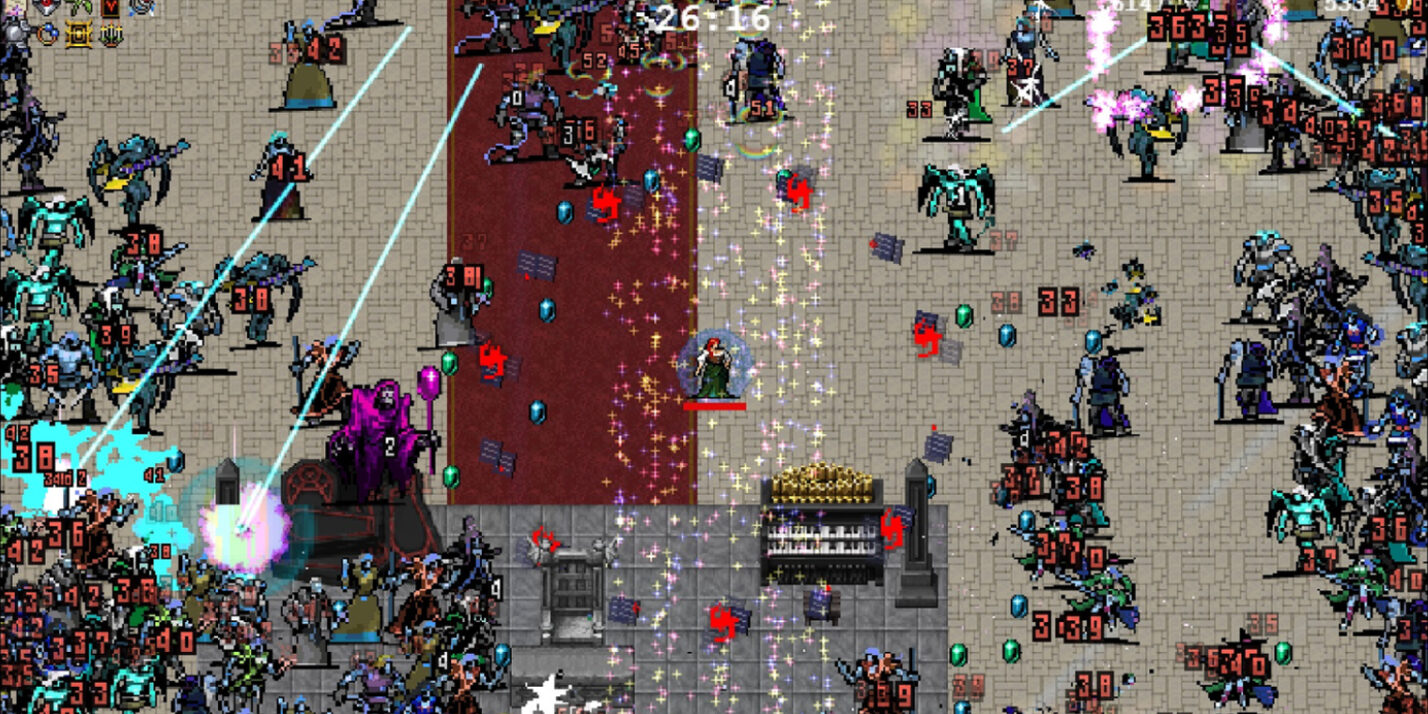
“I thought that people would play the game for an hour, maybe two and call it a day.” Galante said in an interview with The Guardian after the game won its second Bafta in 2023. “I never expected people to even play Vampire Survivors a second time – let alone a third.”
I’m not usually one for games where the core gameplay loop can be distilled to “numbers go up” but Megabonk has reeled me (and 117,336 others) in because Vedinad has warped his Vampire Survivors “clone” into a game that, while it may not be new, is certainly distinct.
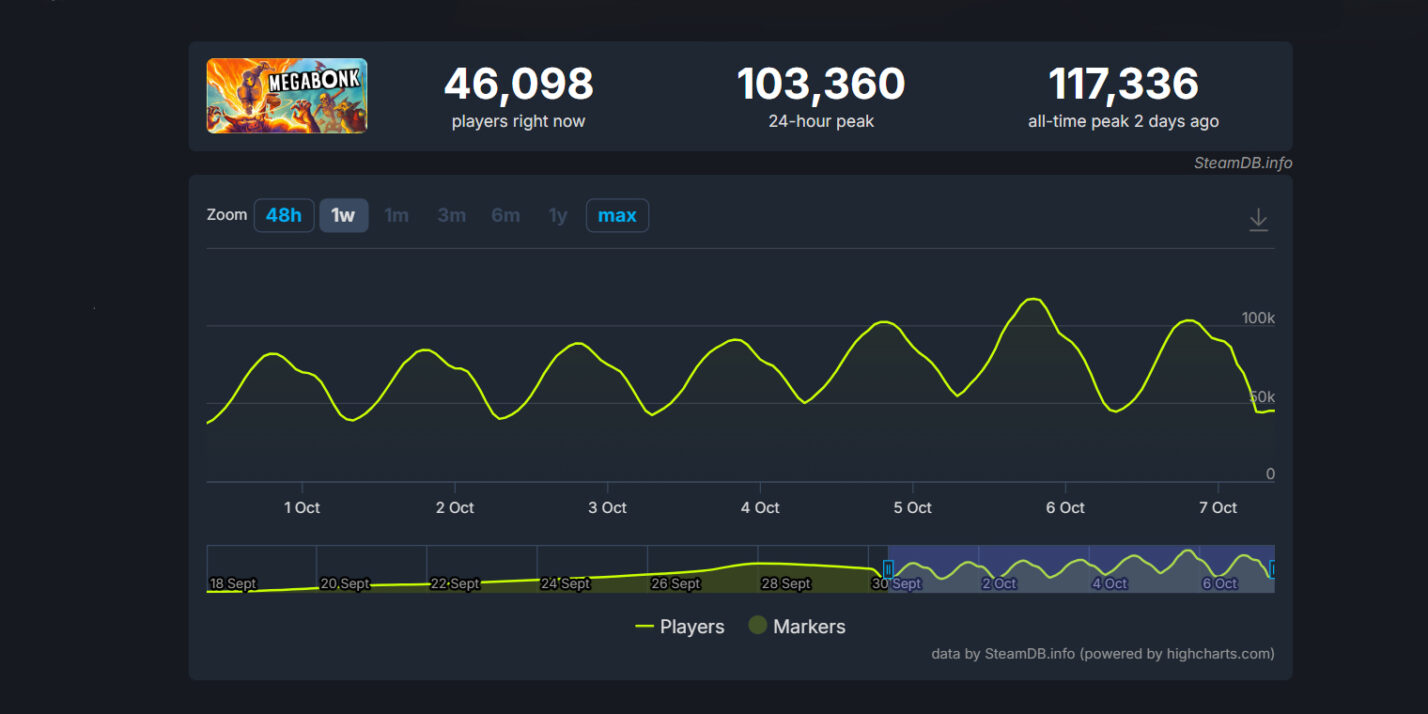
It achieves this in a variety of ways, including at a technical level: Megabonk characters have a low-poly look and jerky, almost stop-motion movement. Vedinad achieved this by duplicating animation frames and using vertex shaders; the former leads to a low-fps style animation cycle and the latter is effectively a graphical overlay that simplifies the look of a 3D model. Animations are also baked-in, which means that each frame is a separate mesh (model) and the game cycles between them.
Give The People What They Want
Another thing Megabonk does to stand out is include things players actually asked for. For example, one of the early enemies is a bald head with a giant tongue that was suggested by one of Vedinad’s followers. The dev acted like a monkey paw for some gamers, however: one asked for physics to be implemented in the game in more ways, so Vedinad added a giant rolling boulder that can crush the player.
Vedinad also gave players a game most can actually afford to buy. In an industry where CEOs question the “worth” of players if they can’t find the money to buy an expensive game (looking at you, Randy Pitchford), Megabonk, crucially, went on sale for less than $10 – and is still at a low price. This follows Team Cherry releasing Hollow Knight: Silksong for $19.99, and helps draw more attention to the idea of game value.
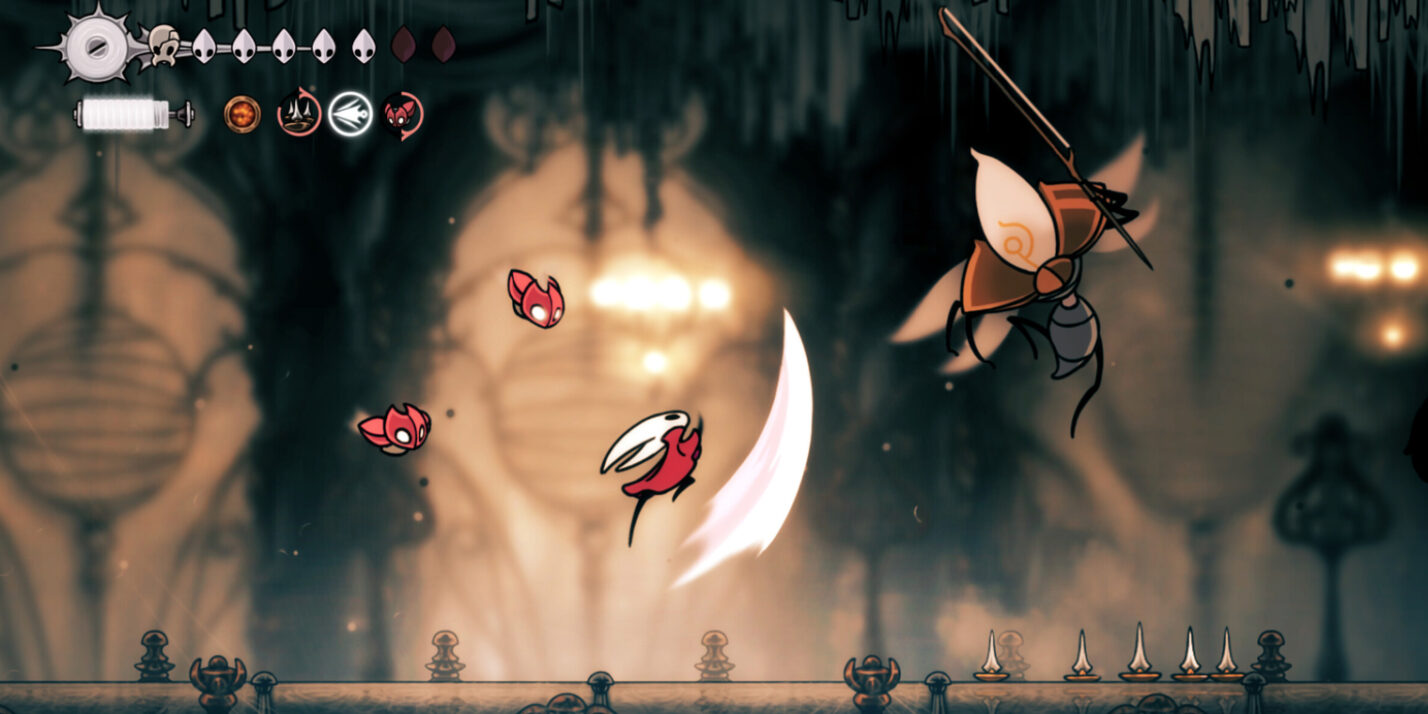
Granted, Team Cherry is technically a small indie studio with a handful of staff, and Vedinad is a solo dev, so neither side needs to cover costs the same way a AAA studio does. But, even so, Silksong was an extremely hyped and long-awaited sequel to a very popular game, and could have very easily been sold at $50, if not higher. Megabonk could have seen a price hike over the last few days to take advantage of the word-of-mouth/social media flair-up, but it hasn’t had one.
Silksong also drew attention for its abrupt release schedule. After several years of radio silence, Team Cherry revealed a proper game trailer at Gamescom 2025 on Aug. 19, and then said the game would be released in two weeks. This led to a wave of panic that caused other studios to delay their launches.
Vedinad referenced this in a video posted to X. Noting that many people warned him to not release Megabonk when much bigger games were also coming out, he said “I don’t care! Boom! Megabonk is out right now,” and it’s apparent this attitude didn’t hurt the game one bit.
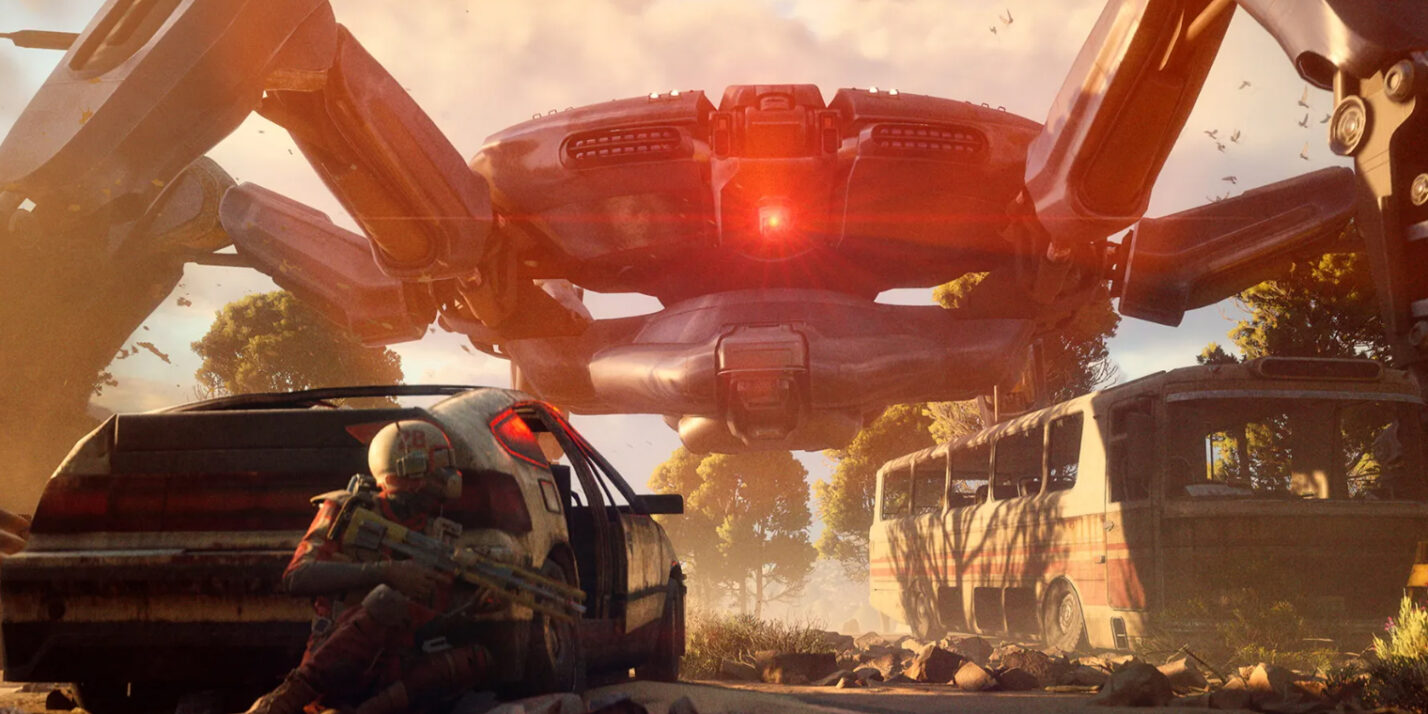
Sometimes, however, a game is delayed due to more fundamental issues. Recently, Embark Studios’ CEO Patrick Soderlund told Edge Magazine that the long-awaited Arc Raiders had been delayed from its initial release in 2022 not to avoid competition but because it wasn’t enjoyable.
“We loved every aspect of what we were trying to design. But we came to the conclusion, after quite a long time: ‘Guys, this game is not fun.’”
Fun’s Fun
This is arguably the thing that Megabonk gives players more than anything else. Every playthrough involves running around as your weapon(s) auto-attack, and trying not to get swarmed by the gradually increasing enemy numbers. However, where Megabonk transcends mere pastiche and truly becomes its own thing is in the jank and unbalanced nature of the game.
In most games this would lead to frustration and rage quits, but Megabonk’s nature is unbridled insanity. For example, while chests often spawn inside level geometry, and the player has a habit of randomly rotating at right angles when interacting with objects, neither of these affect the flow of gameplay. There’s also technically no limit to enemy numbers, which has led to players sharing videos of being drowned in monsters.
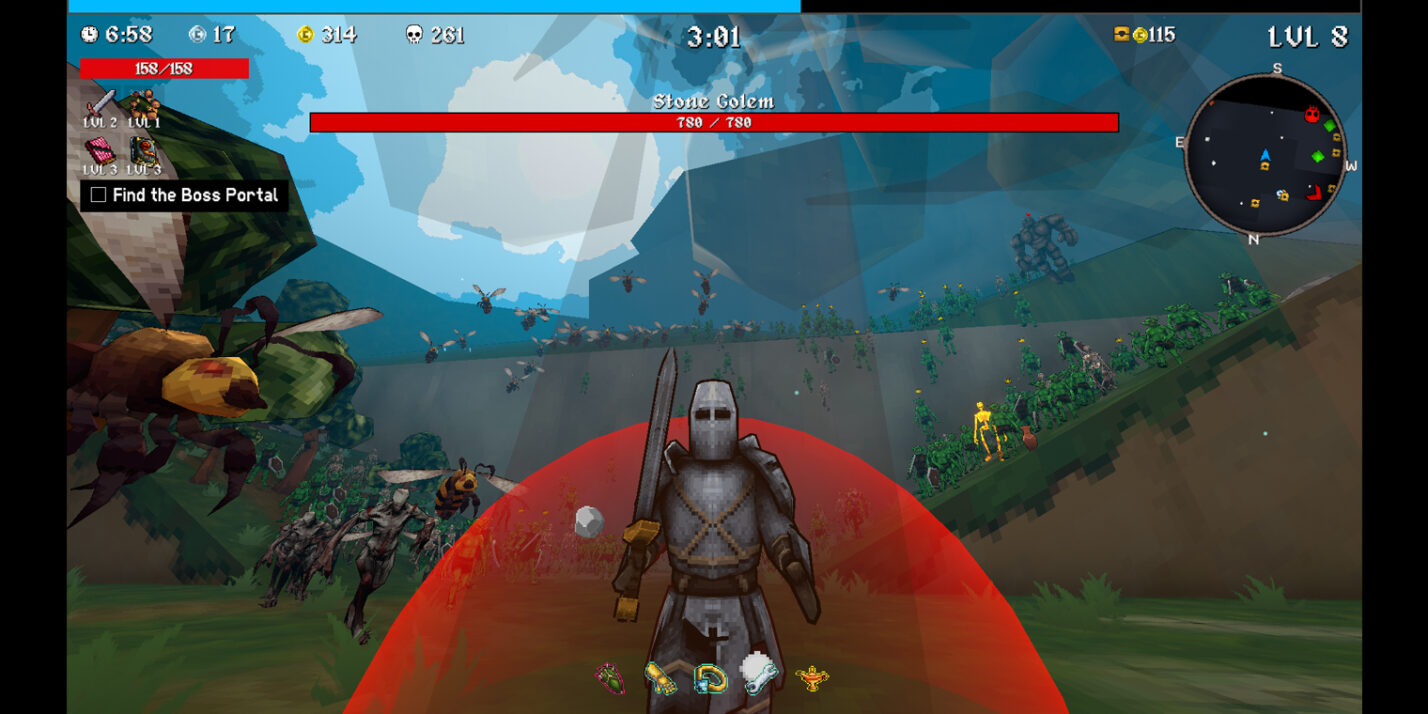
XP is awarded in a generous and fast manner; I don’t think I went more than 10 seconds without unlocking some new modifier. These typically come in a choice of three and can include things like a bonfire that heals you but only if you’re standing still (not advised) or additional abilities like excessive enemy knockback.
Items and powers are automatically equipped so there’s no min-maxing or hotswapping builds here; it’s all reliant on the RNG Gods. And yet, it doesn’t affect the underlying power fantasy of this type of game.
For example, I started one run and within six seconds had found an Epic shield. Two minutes later I found a Legendary item. Did they noticeably affect the gameplay? No, but they did help make that run feel more special and, quite possibly, gave me something of a placebo effect in terms of making me believe my knight, Sir Oofie, was a lot tougher than he actually was.
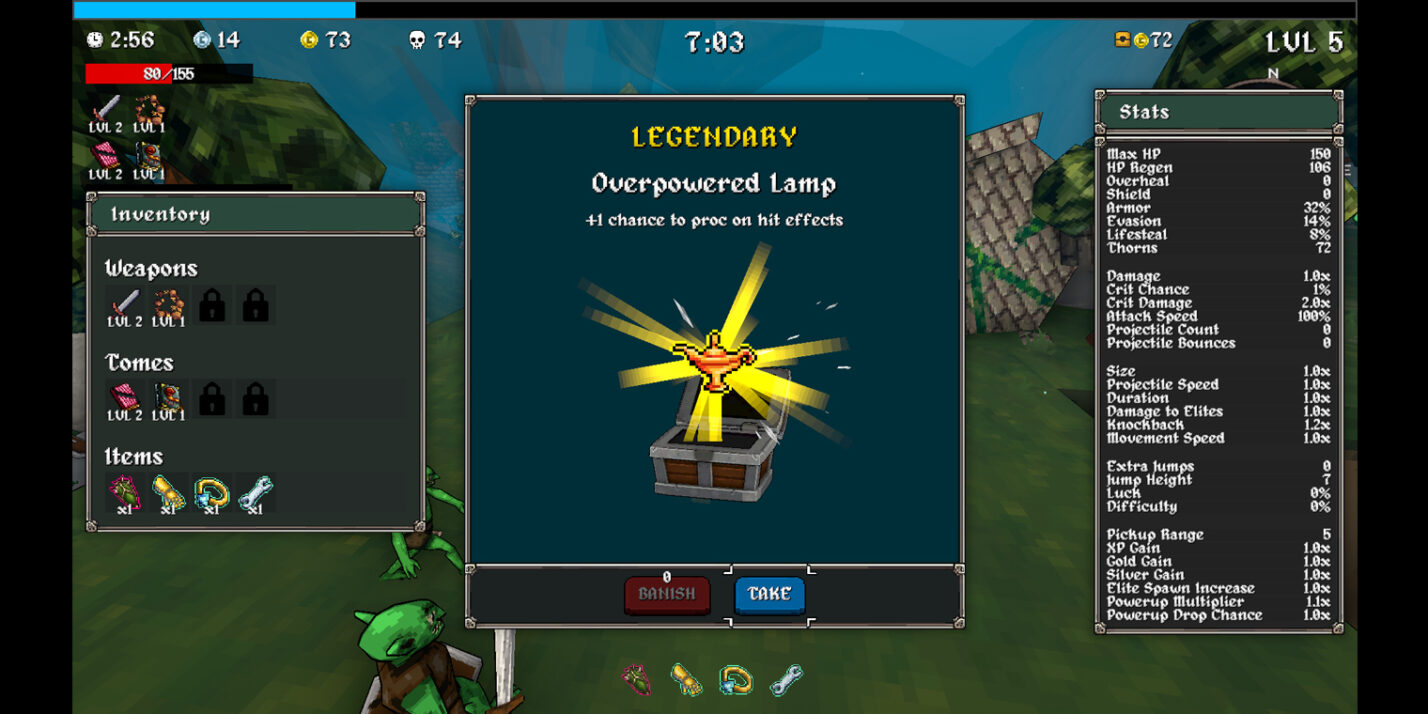
The humor is also something I enjoy, but your mileage may vary. I found the option to “Shake a sus bush” which immediately sprung to life as a weird robot-shrub that promptly destroyed me. A Shady Guy kept spawning on one level to offer me goods for a reasonable price. I found a ghettoblaster that, as far as I can tell, is just that: it plays music but doesn’t impact gameplay or change the actual game audio.
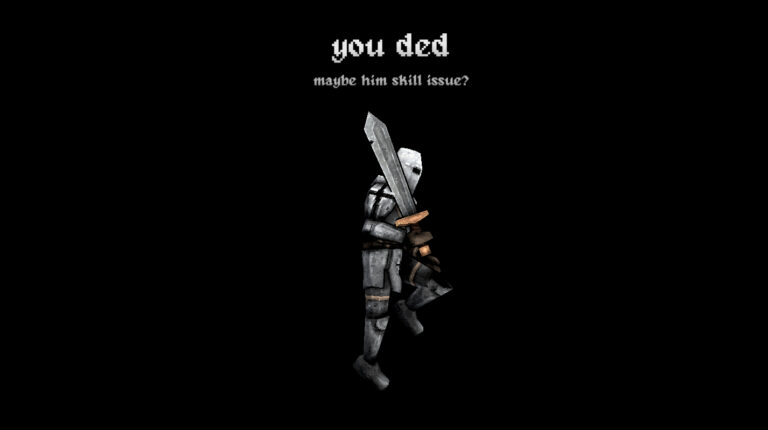
Speaking of the game audio, this slows down and sounds horrible once the player approaches death, but speeds up once health is restored. Items have goofy descriptions like “Upon hitting an enemy, clap their cheeks so hard it generates a lighting strike” and in-game quests include “Poison 50,000 enemies with Moldy Cheese.” Death is always accompanied by a “you ded, maybe him skill issue?” message.
Culture War
If this all sounds a bit much to you and maybe even makes you roll your eyes, you’re not alone. Even within Megabonk’s rapidly growing fanbase there are those who might enjoy the core gameplay loop but not the trappings.
“Its not exactly easy to deny that this game makes a pretty good piece of evidence that humanity could be devolving,” said one user. This was quickly refuted by another player with “Alright there Da Vinci. If you want ‘high culture’ in video games, there are plenty of much better places to look than a horde survival game.”
Of the 20,000+ reviews Megabonk has already generated since launch, 94% are Very Positive – largely down to the aforementioned lunacy. However, the voices of dissent here uniformly reference the lack of balance and core gameplay loop.
“The more you play the more you realise this is a mile wide and an inch deep,” reads one negative review. “Every positive review is true and I genuinely enjoy the game, but they fail to mention how bad the balance is,” reads another. Others are more straightforward in their assessment: “unbalanced trash” and “not very well balanced at all” read two recent reviews.
A Peak Precedent
This all ties back into the question of value. I’m just as happy playing the equivalent of empty calories as I am some heady sci-fi title, and although it may sound like a back-handed compliment to call Megabonk the former, not every meal has to be haute cuisine.
There’s a place for games like Megabonk, just as there are for AAA titles like Ghost of Yōtei, and this isn’t even the first time this year an indie game that puts players, and fun, first has done well for itself.
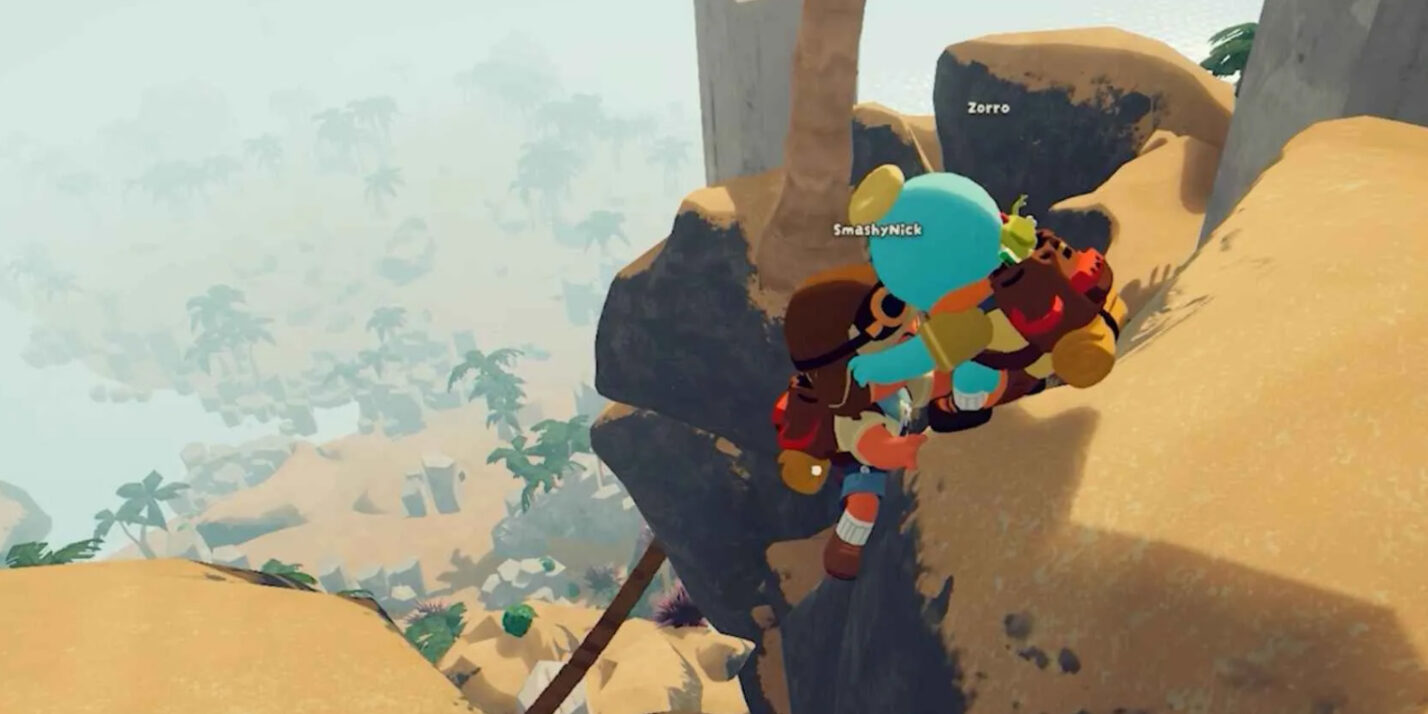
Co-op climbing game PEAK released in June this year and also sold over a million copies within two weeks of launch. Where Vedinad has been clear in his influences and worked to ensure he’s not directly copying Vampire Survivors, PEAK’s success was followed by its own copycats.
Even so, PEAK continues to do well as a kind of standard-bearer for “sudden indie hits” by giving players what they want. When players with low-spec machines asked for graphics settings that would be kinder to their set-ups, the devs obliged. Most notably, when players dared the developers to add cannibalism, they added it.
Bonk Bonk Bonk
It remains to be seen where Megabonk, and Vedinad, goes from here. There is a popular theory that Vedinad is actually another dev called Dani, who disappeared from the public eye some time ago due to game-related pressure.
As such, while Dani did recently resurface on X and Vedinad hasn’t explicitly denied also being Dani, plenty of gamers are willing to bet they’re one and the same, and as such are offering Vedinad comments of support in light of his recent post about needing some time to rest.
The good news is that new content might come from the community before Vedinad has the time to add it: he’s already working on implementing mod support, as well as multiplayer. In the meantime, the game includes leaderboards as Megabonk encourages speedrunning, but Vedinad has noted that there’s an issue with these.
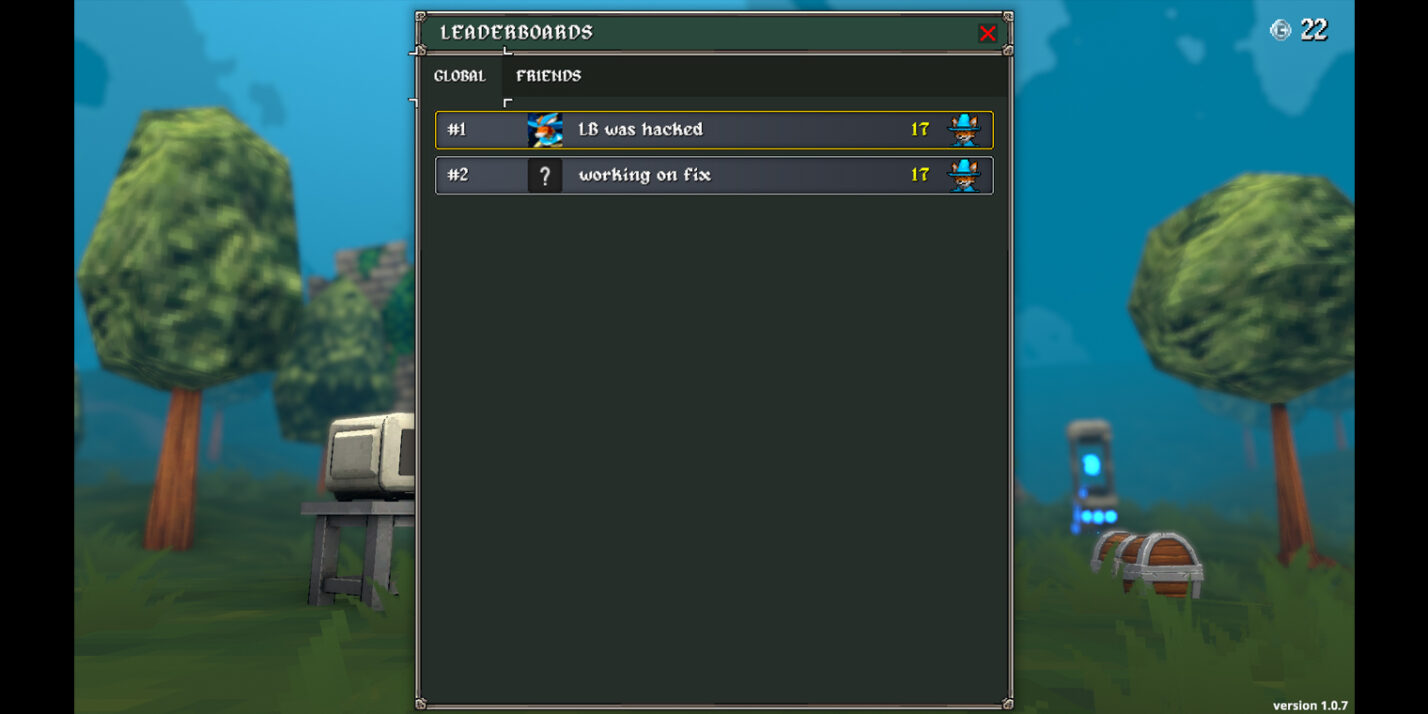
Vedinad said in the Megabonk Discord channel that he’s going to take a look at the Megabonk leaderboards as “currently cheaters are bricking them a bit.” He followed this up with a post on X on Oct. 6 revealing that a fix should appear soon.
 or
or