

ARC Raiders Makes Us Question What Fun Is

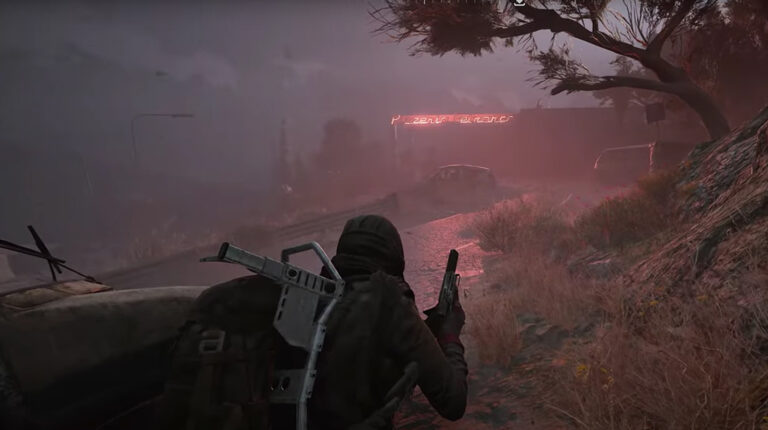
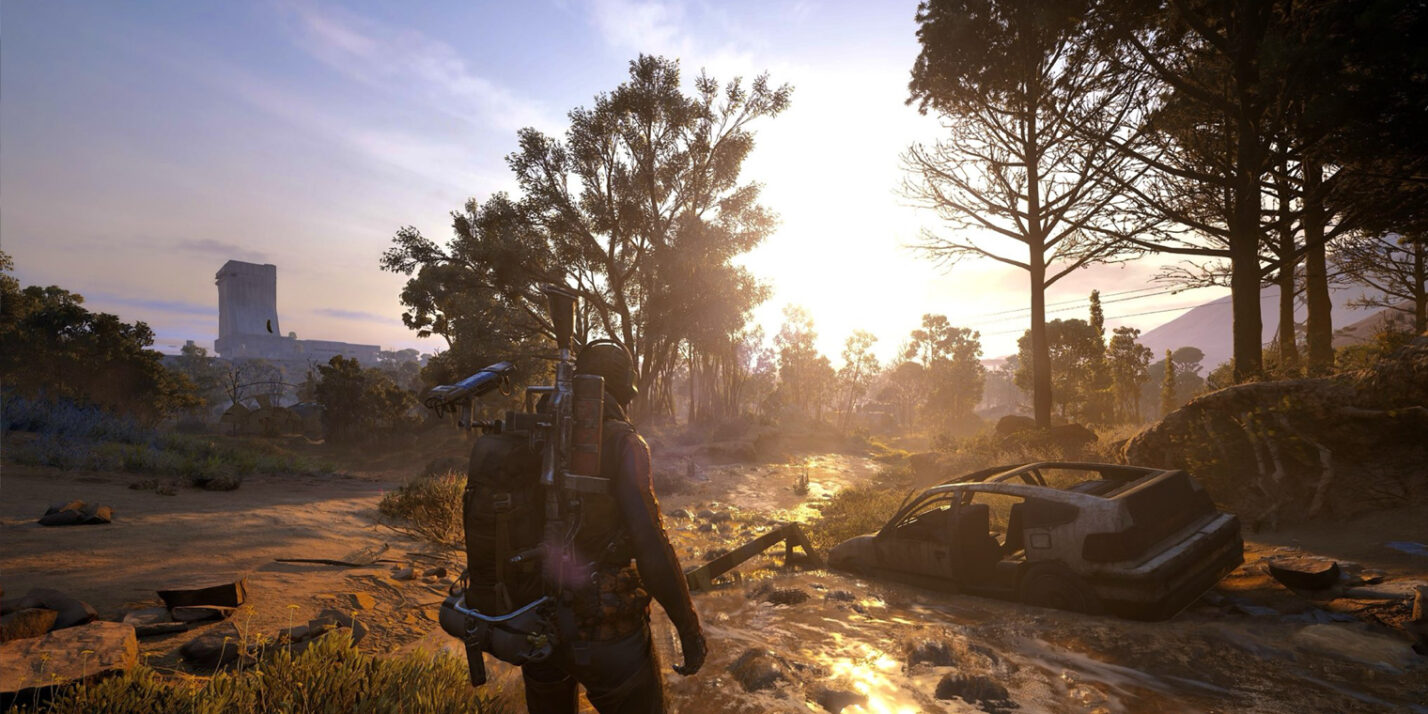
It’s night and a pale mist shrouds the ruins in a silvery gray light. As you creep past burnt-out cars and piles of rubble, a giant, hulking machine stomps the skyline in the near-distance. Its four huge legs clank up and down, pummeling the ground as its glaring red sensor scans for movement.
You duck into what looks like an abandoned bunker and quickly search for supplies. The only other way out is a heavy metal door, so you start breaching it with a crowbar. The noise is horrendous as it reverberates through the bunker…and then you’re down, shot by another Raider who appears out of nowhere.
ARC Raiders opened up for a free Server Slam this weekend, across PC, Xbox and PS5. Set in a ruined version of Italy besieged by giant machines (the titular ARC), it has a heck of an opening. Your character, a Raider, recovers from being mugged and continues to sneak through the night until you reach shelter in the underground city of Speranza.
However, the game then fails to live up to this intro by dumping players into a sun-drenched map where the threat among the ruins is less the robots (which are small and annoying, not giant terrors) but more down to, yep, other players. The game is admittedly nice to look at but not entirely fun to play, and that’s where things get complicated.
Jump to:
Everyone’s a Maniac
Embark Studios delayed the release of ARC Raiders by two years to later this month, as the devs didn’t think it felt “fun.” Initially promoted as PvE (players versus the ARC) it got retooled into an online extraction shooter that lets gamers join up with other Raiders to complete quests…or actively shoot down other players and steal their stuff.

Now the Server Slam has ended, players have taken to ARC Raider’s X account and Discord channel to offer thoughts on the game, with opinions fairly evenly split between loving it or finding it boring. Somewhat ironically, a lot of people have been requesting a PvE only mode, despite Embark Studios deciding this wouldn’t be worth playing.
“The environment is cool but I hate the PvP,” said one player. “The mechs are tough enough. 12 attempts last night and could not extract once. Get rid of PvP and I am sold on it.”
“100% of my raids had some sort of PVP battle,” said another. “I’ve been downed countless times before I even got a chance to show I’m friendly. Either incentivize players to be more friendly or reduce the PVP rate by reducing the number of players per map.”
More Robots, Please
I found the PvP element to be frustrating, too, because every other player I encountered was a cold-blooded killer who decided to murder me rather than work together. Special thanks to the jerk who killed me in the escape elevator.
For every player comment like “This is the game that’s made me understand and fall in love with the extraction genre,” there’s an “I think a PvE mode deffo needs to be added. Too many toxic people will ruin the game and if there’s a PvE at least we got something to play when PvP gets annoying.”
Of course, live service extraction shooters are popular so it makes sense that ARC Raiders would want that player base. But when a game has similar mechanics to almost every other online shooter, it’s hard to tell whether this is really the same thing as being fun…or if it’s just another studio trying to milk the latest cash cow.
The Meaning of Fun
All of this raises the question of what “fun” means in a video game context. With Megabonk riding high at the moment, and Metroidvania/roguelikes such as Silksong pulling in players, it’s evident fun means different things to different people. But none of these games exist in a vacuum, so there must be some universal game design principles that can be applied to any genre to ensure players have a good time.
As such, it’s now easier than ever for people to try their hand at video game development. Big studios like Owlcat Games are creating learning hubs, whereas others like Riot Games and Epic have their own courses and curriculums: the latter sponsors a variety of game design lessons on Coursera, whereas the former has been running a free online game academy since 2019.
Riot Games’ URF Academy has a lesson titled “Game Feeling & 8 Kinds of Fun,” in which it notes: “The ‘8 kinds of fun’ sort fun into 8 categories. This is because fun as a generic concept is not particularly useful, due to its subjective nature. Instead, using a game experience to target a specific kind of fun will lead to a better result.”
These categories are Sensation, Fellowship, Challenge, Fantasy, Narrative, Discovery, Expression, and Submission, and they in turn come from Marc LeBlanc. LeBlanc worked for Looking Glass Studios on well-regarded series such as Ultima, System Shock, and Thief, and has since gone on to present multiple game design lectures at events including the Game Developers Conference.
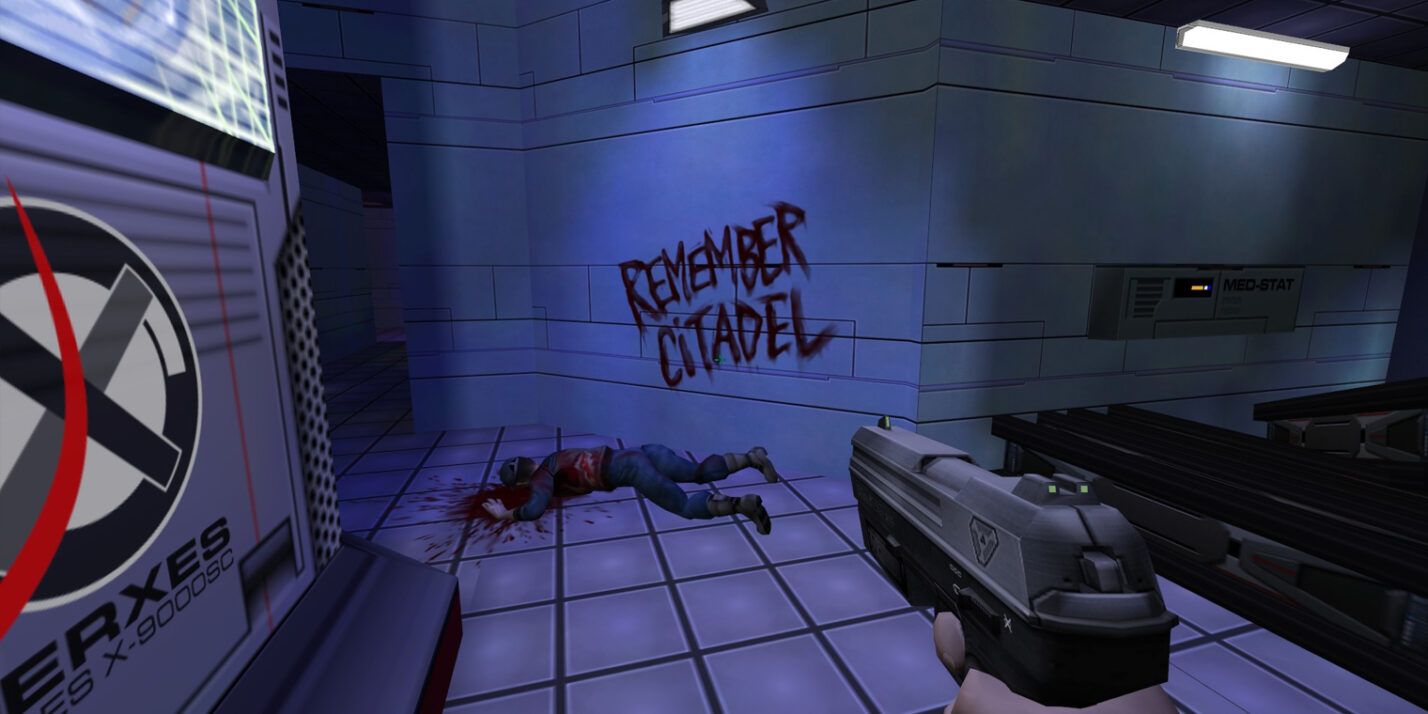
He helped create the MDA framework for game design, which stands for Mechanics, Dynamics, and Aesthetics. One popular idea raised by this framework is that games can or should be broken down into several versions, with the most basic version identifying which of the eight kinds of fun it incorporates (a game doesn’t need just one or all of them, but rather a mix).
Then, the game can be built up to possibly include more “fun” categories, and so on, until a developer has a finished product that has a clear target audience; the categories it covers would theoretically be considered fun for that audience. An example LeBlanc gives revolves around creating a game of tag that can evolve from a pre-school video game into a military shooter.
Make it a Challenge But Not Challenging
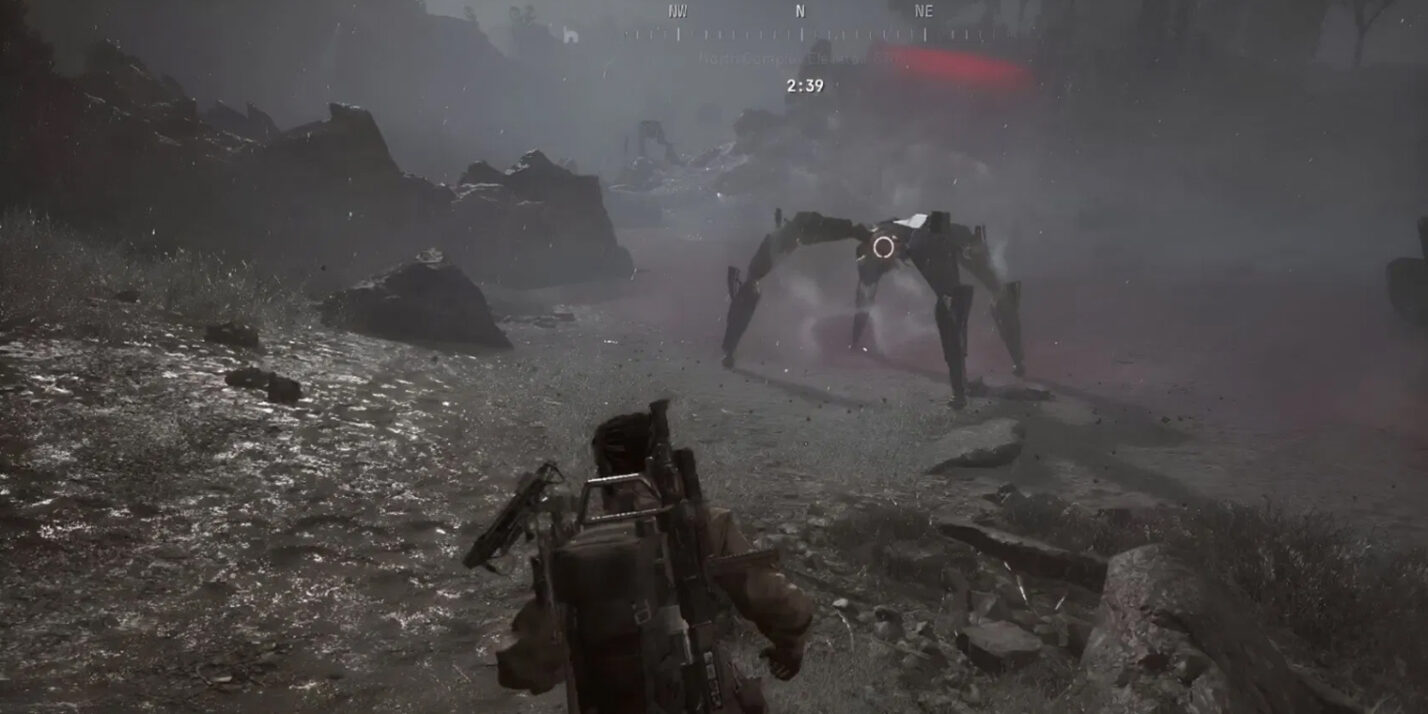
Clearly, Embark Studios thinks teasing giant robots only to barely use them in the main game is a hugely enjoyable idea (I only saw one horse-sized bot despite playing multiple matches), although other players have noted that they encountered bigger bots so hopefully this is more a case of balance/randomization than poor design.
ARC Raiders players have also been split on the toughness of the robots – I found them to be the right level of challenge but other gamers have asked that ARC get nerfed before the full game launches. Difficulty is one core ingredient often directly linked with fun in video games, and it’s a balancing act every developer struggles with.
Shigeru Miyamoto, often referred to as the “father of modern video games” thanks to his hand in creating the likes of Super Mario Bros. and The Legend of Zelda, has had a lot to say on this subject over the years, including in a New Yorker interview in 2010: “If a game is too difficult, people may not want to play it again. With the appropriate level of difficulty, people may feel like challenging it again and again.”
“The difficulty with video games, unlike movies or novels, where the authors themselves can lead the audience to the end, is that in games it’s the players who have to find their own road to the end.”
Raph Koster (Ultima Online, Star Wars Galaxies) has written extensively about game design and what fun means, and famously said “Anything you do in the game ‘because you have to do it’ should be cut or at the very least get a seriously hard look. Tedium is the enemy of fun.”

Going by my time in the Server Slam, and some other players’ comments, ARC Raiders has its moments but lacks a consistent level of enjoyment or thrill like that experienced in the mood-setting intro. However, Embark Studios has already gained a lot of respect from players by implementing changes suggested in previous playtests, so there’s a chance the studio will refine the game further before release on Oct. 30, when it’ll retail for $40 with no pay-to-play options.
 or
or