


How to Kill a Vampire in Skyrim: Essential Tips for Hunters


How to kill a vampire in The Elder Scrolls V: Skyrim might not be a real concern, but it’s a question that captures the imagination thanks to the game’s blend of folklore and mechanics. As a long-time Skyrim player, I’ve spent hours exploring dark caves and ancient fortresses, mastering the art of slaying these undead foes efficiently.
No matter if you’re facing a low-level bloodsucker or a powerful master, knowing their weaknesses and preparing properly can make the difference between triumph and an untimely trip to the nearest shrine.
Jump to:
How to Kill a Vampire in Skyrim: Essential Tips
Vampires in Skyrim aren’t invincible – they have clear weaknesses and predictable patterns you can exploit. Their biggest flaw is a 50% weakness to fire, though they also have resistance to frost, so fire-based attacks are your best option. That’s why I always carry a weapon enchanted with a fire effect or keep a stock of fire spells ready.
Dawnguard crossbows, available in the Dawnguard DLC, stagger targets and help keep vampires at bay. Even a regular bow works well if you add a fire enchantment and shoot from a distance.
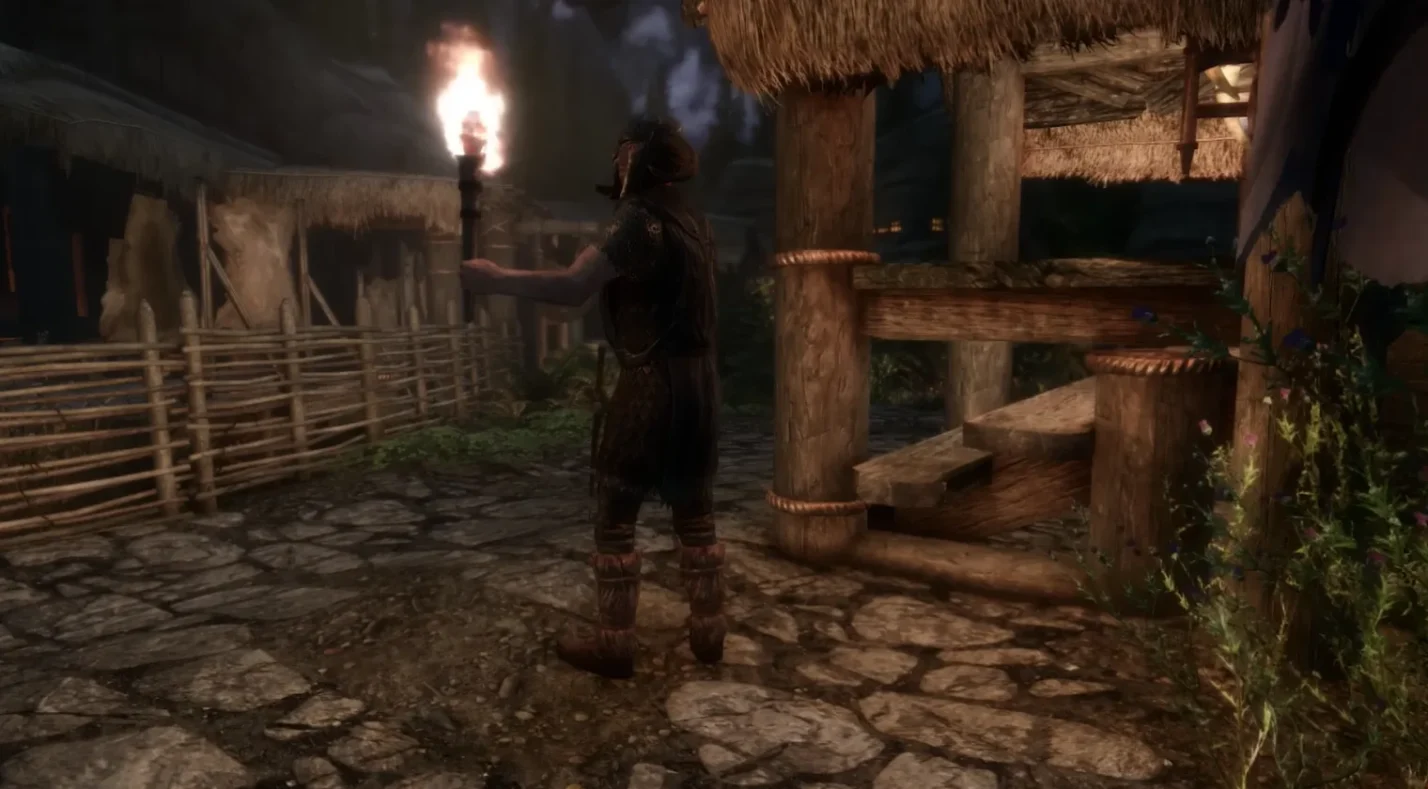
Sunlight is another advantage. In bright daylight, vampires lose health, stamina, and magicka regeneration. While they don’t instantly combust like in movies, fighting them outdoors during the day tilts the odds in your favor. If you’re in the shadowy halls of a vampire lair, carry torches or cast light spells to reduce their stealth advantage.
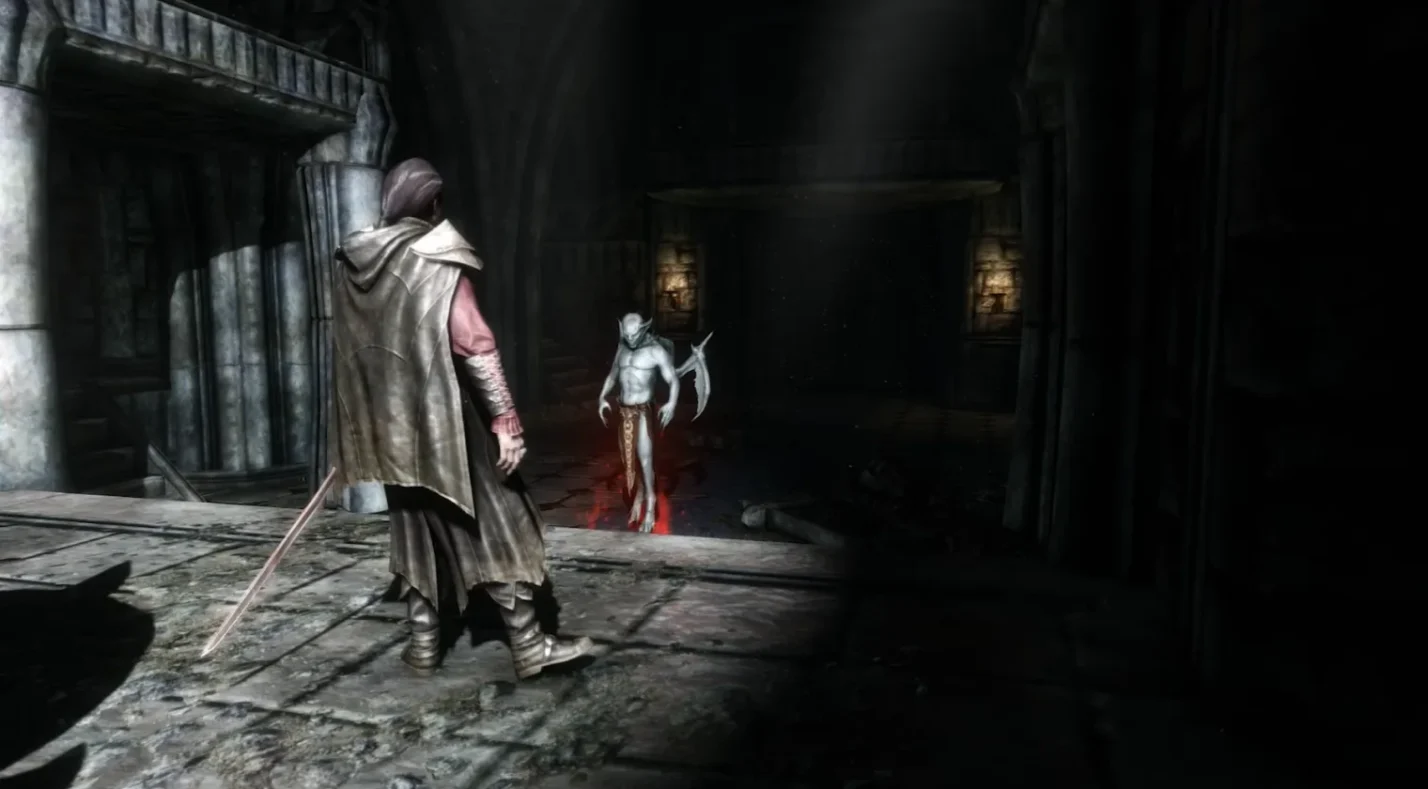
Finally, don’t underestimate holy magic. Restoration spells such as Turn Undead and Stendarr’s Aura cause undead to flee and suffer damage, giving you space to heal or deliver finishing blows.
Skyrim’s open world makes these encounters unpredictable. One moment, you might be exploring a mountain pass; the next, a vampire ambushes you. To appreciate how this freedom compares with other games, check out our analysis of open‑world design in Elden Ring vs Skyrim, where we break down what makes Skyrim’s world such a compelling vampire hunting ground. That breakdown shows why the game’s dynamic environment enhances every hunt.
Understanding Vampires: Lore and Weaknesses
Knowing the enemy’s origin and vulnerabilities helps you plan. Vampires in folklore are usually dispatched with wooden stakes, sunlight, or decapitation. According to historians, traditional methods include chopping off a vampire’s head and stuffing it with garlic, using a blessed bullet, or staking the chest.
These myths inspired the mechanics in Skyrim. The game’s vampires carry the disease Sanguinare Vampiris. If you’re scratched by a vampire, you have three in‑game days to cure it using a Cure Disease potion or by praying at a shrine; otherwise, you become one yourself. Once full vampirism sets in, curing it requires a ritual involving Falion in Morthal and a Black Soul Gem.
As for weaknesses, Skyrim vampires resist frost but take extra fire damage. They also suffer damage from sunlight and cannot regenerate attributes outdoors during the day. At the fourth stage of vampirism, they gain spells like Vampiric Drain and Vampire’s Seduction but become hated by townsfolk, take heavy sun penalties, and have 60 points of weakness to sunlight.
These drawbacks mean that most vampire encounters occur at night or in caves, so bring light sources and fire weapons. If you enjoy exploring the broader Elder Scrolls universe, our ranking of the best Elder Scrolls games highlights why Skyrim’s vampire stories stand out among its peers.
Best Weapons and Tactics for Vampire Hunting
When approaching a vampire den, preparation matters. I always choose a weapon imbued with fire. A smithing‑enhanced sword or bow with a fire enchantment amplifies the weakness vampires have to fire. Dawnguard crossbows are especially effective because they stagger enemies and prevent them from closing in.
Pair your weapon with the Fiery Soul Trap enchantment or Dawnbreaker, a sword that deals extra fire damage and causes undead to flee. If you prefer melee, carry silver weapons or Dawnguard gear; these deal bonus damage to undead.
Holy magic should be part of your toolkit. Restoration spells like Turn Undead send vampires running, while Stendarr’s Aura damages undead over time. I’ve used these spells to control crowds when exploring vampire lairs like Broken Fang Cave or Bloodlet Throne. Area‑of‑effect fire spells, such as Flame Cloak, also work well against groups.
Bring potions of Resist Fire and Fortify Health to mitigate magical attacks and Vampiric Drain. Don’t forget companions – followers like Serana (if you side with the vampires in Dawnguard) or Dawnguard recruits make vampire hunts safer.
Once a fight begins, keep your distance. Vampires often wield one‑handed weapons and use spells like Vampiric Drain that sap your health. Using stealth or archery to land the first shot can thin their numbers before melee begins.
In my experience, starting with a sneak attack using a fire‑enchanted bow usually drops a vampire before it even notices me. For those looking for more role‑playing experiences beyond Skyrim, our guide to games like Skyrim will introduce you to titles that scratch the same itch.
Finding and Hunting Vampires in Skyrim
Vampires aren’t confined to one area; they lurk in caves, ruins, and occasionally disguise themselves in towns. You’ll encounter them on random nighttime ambushes, in radiant quests, and during the Dawnguard storyline. Notable vampire lairs include:
- Broken Fang Cave near Whiterun: a small den with low‑level vampires, good for early hunts.
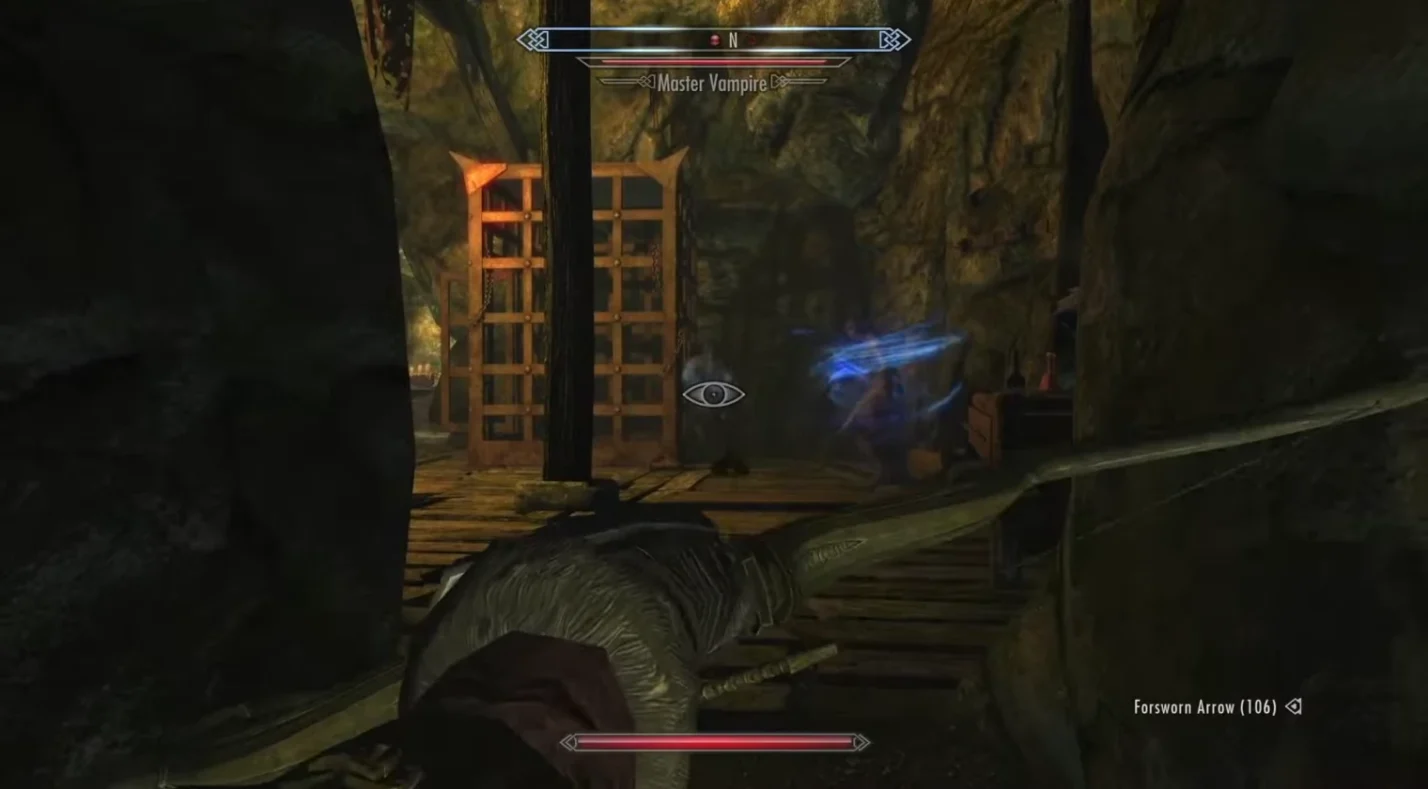
- Movarth’s Lair near Morthal: home to master vampire Movarth during the “Laid to Rest” quest.
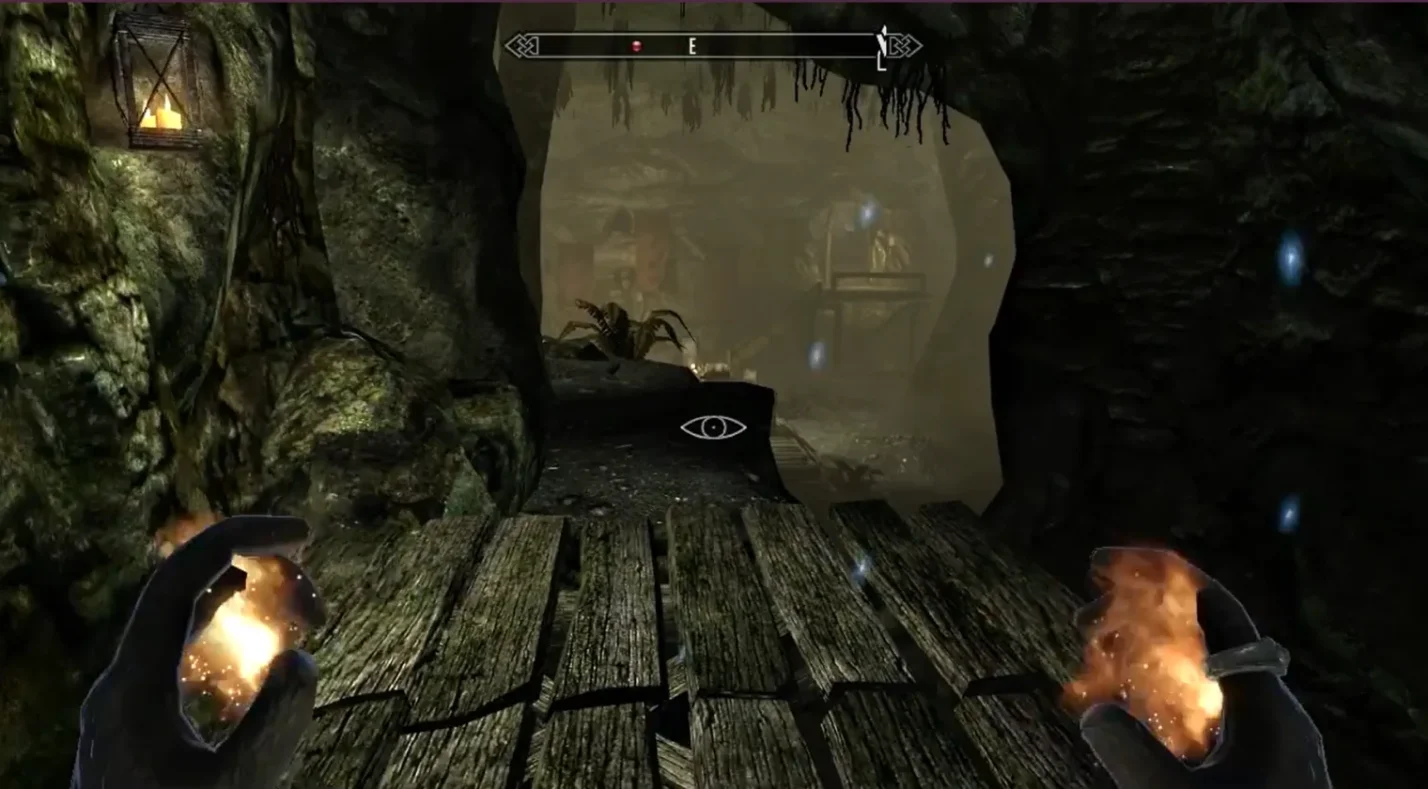
- Bloodlet Throne in the Rift: a large dungeon filled with vampires and thralls.
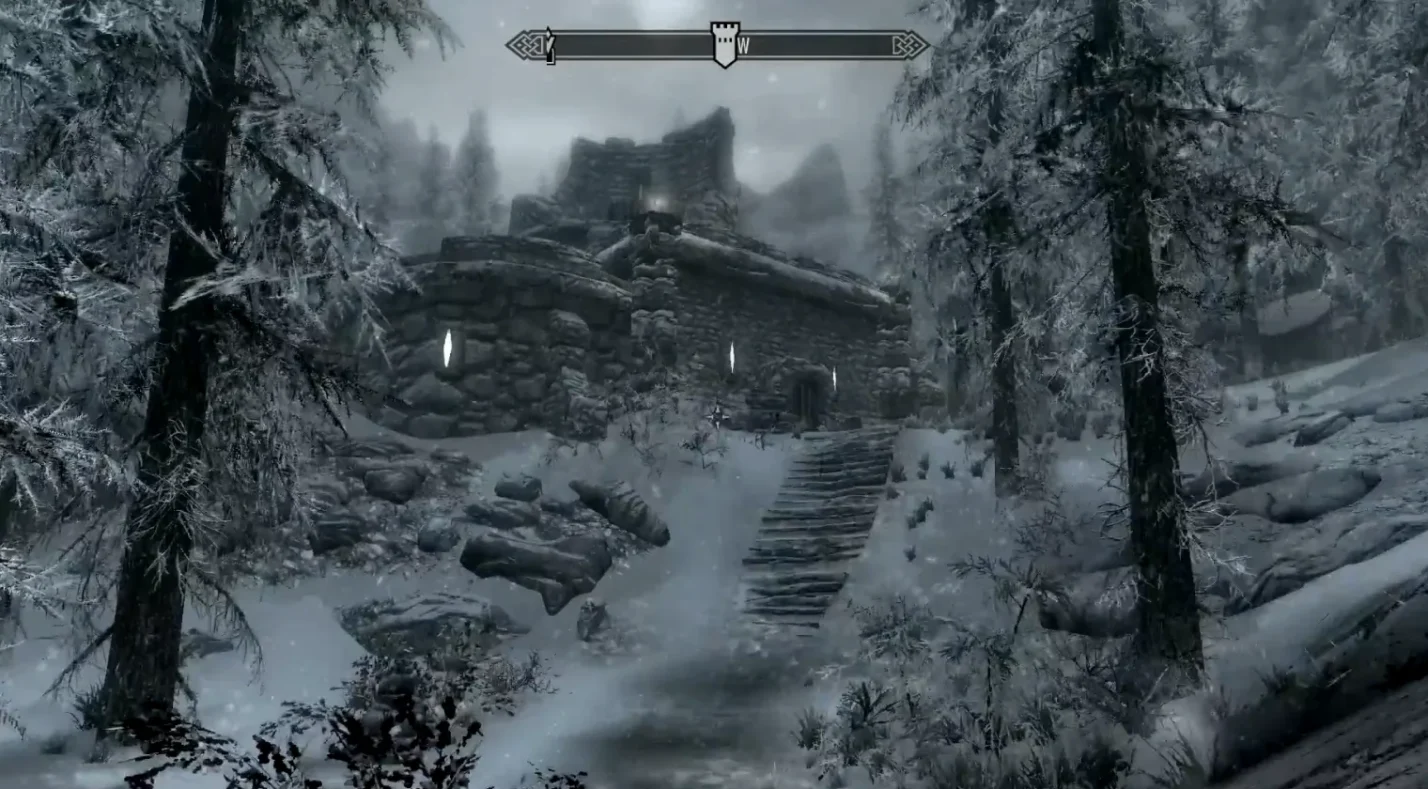
- Dimhollow Crypt in the Dawnguard DLC: where you first meet Serana and learn about vampire lords.

- Volkihar Keep on a remote island: base of operations for the vampire clan in Dawnguard.
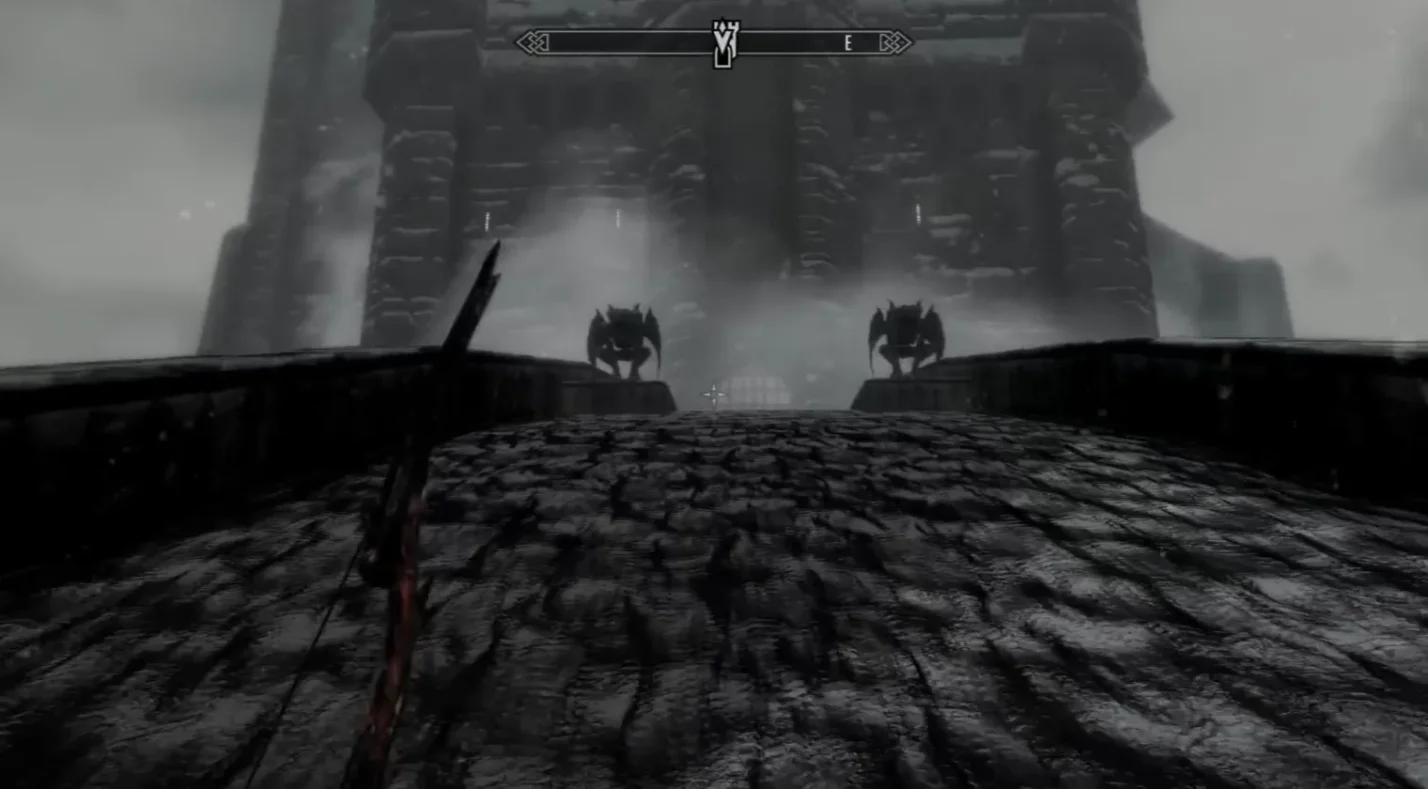
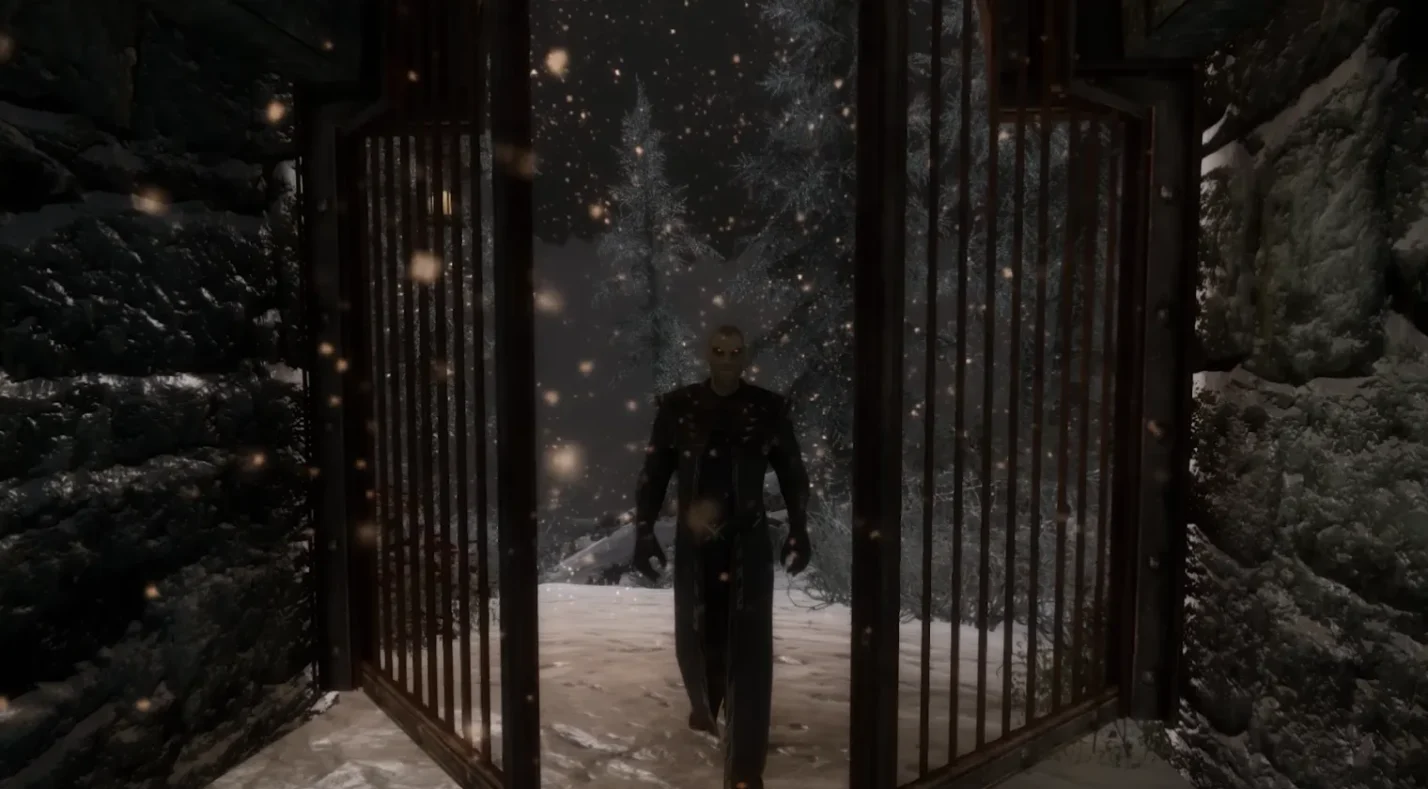
When venturing into these locations, bring plenty of torches or use the Candlelight spell to prevent ambushes. A sneak build works well because vampires have enhanced vision in the dark, but can still be surprised. Remember that some NPCs are secret vampires; villagers with pale faces and glowing eyes may reveal themselves during quests.
If you’re looking for more open‑world adventures after clearing out vampire dens, our best open-world games roundup highlights other sprawling worlds where you can test your hunting skills.
Curing Vampirism and Staying Human
Accidentally turning into a vampire can be frustrating, but curing it is possible. The disease Sanguinare Vampiris can be cleansed within three days by drinking a Cure Disease potion or praying at a shrine. I always keep a few Cure Disease potions in my inventory when hunting vampires to avoid unwanted transformation.
Once the three‑day window passes and full vampirism sets in, you need to visit Falion in Morthal. Bring a filled Black Soul Gem, and he will perform a ritual to cure you. Alternatively, becoming a werewolf through the Companions questline grants immunity to vampirism, though it has its own challenges.
Some players might choose to embrace vampirism, as the Dawnguard expansion introduces the vampire lord form with a unique skill tree and powerful abilities. Becoming a vampire lord offers a different playstyle, but it also increases weakness to fire and sunlight. If you opt in, be prepared to avoid daylight and invest in perks that improve your survivability. For me, the cost of constantly hiding from the sun outweighs the benefits, so I stick with being a mortal hunter.
Life Beyond the Hunt: Recap and Next Steps
Mastering how to kill a vampire in Skyrim turns dangerous encounters into satisfying victories. Fire‑based weapons, holy spells, Dawnguard crossbows, and sunlight are your best tools. Understand vampire weaknesses, prepare with Resist Fire and Cure Disease potions, and know where to find these undead foes.
Avoid contracting Sanguinare Vampiris or cure it quickly, and consider whether becoming a vampire lord fits your playstyle. With these strategies, you’ll clear vampire dens, rescue townsfolk, and collect vampire dust for alchemy without breaking a sweat.
If you’re ready to put these tips into practice or revisit Skyrim with fresh eyes, consider picking up our The Elder Scrolls V: Skyrim (Legendary Edition) key from Eneba’s marketplace. This complete package includes the Dawnguard, Dragonborn, and Hearthfire expansions, letting you hunt vampires, explore new regions, and build your own homestead. Purchasing through our store guarantees secure delivery and often saves you money. Grab the key, load up your game, and make the shadows fear your fire.
FAQs
How do you kill a vampire in Skyrim?
To kill a vampire in Skyrim, use fire‑enchanted weapons or spells and fight in daylight if possible. Vampires are weak to fire and take extra damage from sunlight, so fire arrows or flame spells make battles easier.
What is the best weapon against vampires in Skyrim?
The best weapon against vampires in Skyrim is a Dawnguard crossbow or a fire‑enchanted sword or bow. Dawnguard crossbows stagger enemies, while fire enchantments exploit vampires’ 50 percent weakness to fire.
How do I cure vampirism in Skyrim?
To cure vampirism in Skyrim, drink a Cure Disease potion or pray at a shrine within three days of infection. After full transformation, speak to Falion in Morthal with a filled Black Soul Gem to perform a curing ritual.
Do vampires take damage from sunlight in Skyrim?
Yes, vampires take damage from sunlight in Skyrim in the sense that they lose health, stamina, and magicka regeneration during daylight. Fighting vampires outdoors slows them down and weakens their abilities.
Where can you find vampires in Skyrim?
You can find vampires in Skyrim at locations like Broken Fang Cave, Movarth’s Lair, and Dimhollow Crypt. Random vampire encounters also occur at night, and the Dawnguard DLC adds more vampire dens and quests.