

Sell Skins for Crypto: Complete Guide to Converting Gaming Assets

Eneba Hub contains affiliate links, which means we may earn a small commission if you make a purchase through them—at no extra cost to you. Learn more


The global gaming skin market has exceeded $6 billion, with players actively seeking ways to monetize their digital assets beyond traditional Steam Market restrictions. To sell skins for crypto has emerged as a practical alternative that combines speed, flexibility, and significantly lower fees compared to conventional trading methods.
Cryptocurrency transactions for gaming skins complete in minutes instead of days, charge 2-12% fees versus Steam’s 15%, and provide global accessibility without geographic restrictions. This guide covers all major gaming titles including CS2 (Counter-Strike 2), Rust, Dota 2, and Team Fortress 2, providing step-by-step instructions for converting your valuable skins into Bitcoin, Ethereum, and USDT.
While concerns about security and legitimacy exist, established platforms with multi-year track records now make crypto transactions safer than ever. With 2026’s regulatory clarity and blockchain transparency, selling skins for crypto represents a viable earning method for gamers willing to learn the process. Whether you’re monetizing a rare Dragon Lore or cashing out your entire inventory, this comprehensive resource explains exactly how to turn digital gaming assets into cryptocurrency safely and efficiently.
Jump to:
Sell Skins for Crypto: Why Choose Cryptocurrency Over Traditional Methods
Cryptocurrency transactions fundamentally change how gamers monetize their digital assets. When you sell skins for crypto, transactions complete in 10-30 minutes versus Steam’s 7-15 day withdrawal holds. This speed advantage alone makes crypto attractive for players needing fast liquidity.
Fee structures favor cryptocurrency platforms significantly. Steam Market charges approximately 15% in combined fees (10% Steam fee + 5% game-specific fee), while crypto platforms typically charge 2-12% total. For a $1,000 skin sale, this difference saves $30-$130 that stays in your pocket rather than going to intermediaries.
Accessibility represents crypto’s strongest advantage for international players. Steam wallet funds lock to the ecosystem and face region-specific restrictions, preventing direct conversion to fiat currency in many countries. Cryptocurrency wallets work globally, allowing users from any country to sell CS2 skins for crypto, withdraw to personal wallets, and convert to local currency through exchanges.
Blockchain technology ensures transparent, non-reversible transactions that dramatically reduce scam risk compared to PayPal chargebacks and fraudulent payment reversals. Once a cryptocurrency transaction is confirmed on the blockchain, neither party can reverse it without explicit agreement, protecting sellers from common fraud tactics.
The rise of play-to-earn gaming integrates perfectly with cryptocurrency sales. Platforms now connect gaming economies directly to broader crypto ecosystems, letting you use proceeds from selling Rust skins for crypto to invest in DeFi, purchase NFTs, or simply hold as long-term investments. This flexibility doesn’t exist with Steam wallet funds trapped in Valve’s ecosystem.
Regulatory clarity in 2026 has legitimized cryptocurrency for gaming transactions across major jurisdictions including the US, EU, UK, and Asia-Pacific regions. Established frameworks now protect both buyers and sellers, making crypto sales more legally sound than ever before. For those interested in broader best play-to-earn crypto games, cryptocurrency integration represents the future of gaming monetization.
Best Platforms to Sell Skins for Crypto: Comprehensive Comparison
Choosing the right platform determines your success when you sell skins for crypto. Different marketplaces specialize in specific games, support various cryptocurrencies, and charge different fee structures. Understanding these distinctions helps maximize earnings while minimizing risk.
Key evaluation criteria include supported cryptocurrencies (Bitcoin, Ethereum, USDT, Solana), withdrawal minimums, processing speed, user ratings, and security features like two-factor authentication and API key protection. Established platforms with 3+ years operating history provide significantly safer environments than new, unproven sites.
Liquidity matters tremendously for high-value items. Platforms with large user bases and substantial inventories process sales faster and provide better pricing for rare skins. A Dragon Lore might sell for $11,500 on one platform and $10,800 on another – $700 difference from a single price comparison.
The following sections break down the best site to sell CS2 skins for crypto along with specialized options for Rust, TF2, and Dota 2. Each game’s economy functions differently, requiring platform selection based on inventory depth, community size, and crypto payment support specific to that title. Learning how to make money playing video games extends beyond skin sales to comprehensive monetization strategies.
Best Platforms to Sell CS2 Skins for Crypto
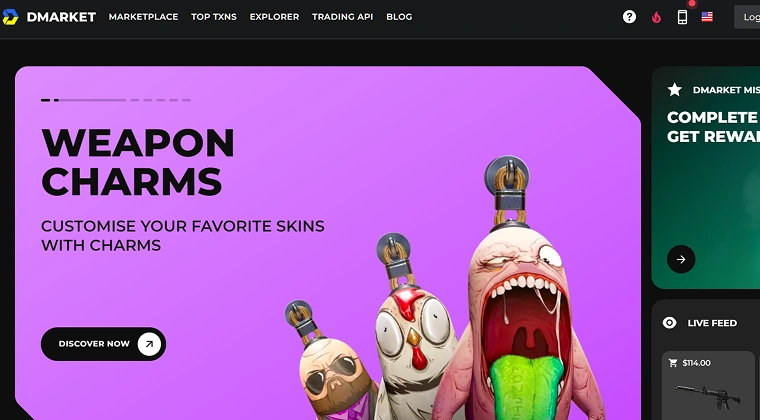
Counter-Strike 2 dominates the gaming skin market with a $562 million economy and 22.5 million active players. The platforms below specialize in CS2 transactions and prioritize crypto withdrawals over traditional payment methods.
| Platform | Best Features | Key Points |
|---|---|---|
| DMarket | 7% fees, BTC/ETH/USDT support, instant deposits | Operating since 2017, 3M+ users, $14M+ active listings, blockchain transparency |
| ShadowPay | Low fees, fast crypto payouts, large inventory | Focuses on instant-sell bot trades, competitive pricing for bulk sales |
| Skinport | Clean interface, transparent pricing, German-based | 5-7% fees, strong EU presence, comprehensive buyer protection |
| SkinBaron | German regulation, BIG Clan sponsor, crypto options | European market leader, strict KYC compliance, bank-grade security |
| BitSkins | Veteran platform, established reputation, crypto-first | €25 BTC minimum, €30 ETH minimum, instant wallet transfers |
DMarket leads the CS2 crypto marketplace with blockchain-backed transparency and multi-game support. The platform’s real-time pricing algorithm tracks market fluctuations across multiple sources, ensuring competitive offers. Users can sell CS2 skins for crypto and withdraw to personal wallets within minutes after transaction confirmation.
Skinport distinguishes itself through German-based operations and regulatory compliance that appeals to European traders. The platform’s transparent fee structure (5-7%) and instant settlement make it ideal for high-volume sellers who prioritize legitimacy and tax documentation.
Bot-based instant-sell platforms like ShadowPay prioritize speed over maximum value. You receive immediate cryptocurrency payment at slightly below market rates, perfect for traders needing fast liquidity rather than waiting days for buyer matches. This tradeoff benefits players cashing out inventories quickly.
Always compare prices across at least three platforms before selling high-value CS2 skins. A Factory New AWP Dragon Lore might show $700+ price differences between marketplaces, and checking CS2 item prices through multiple sources prevents leaving money on the table.
Best Platforms to Sell Rust Skins for Crypto
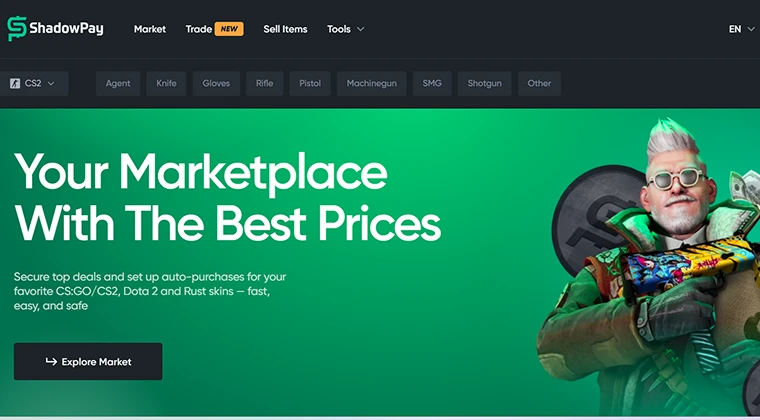
Rust’s skin economy centers on weapon skins, armor sets, and construction elements. While less liquid than CS2, Rust skins command strong prices for rare items, and several platforms specialize in Rust-specific trading with crypto support.
| Platform | Best Features | Key Points |
|---|---|---|
| Shadow Pay | Instant buyouts, automated pricing system, bot-based trading | Pays 65-80% market value for Rust skins, fast PayPal processing, good for quick sales not maximum profit |
| Tradeit.gg | Variable promotional fees (0-30%), multi-game support, bot system | Lower Rust liquidity than CS2, strategic timing during promotions can eliminate fees entirely |
| Skinport | Marketplace listings, 8% seller fee, transparent pricing | Better for rare Rust items where patience pays off, longer sale times due to smaller buyer pool |
| Swap.gg | Peer-to-peer trading, direct negotiation, escrow protection | Lower fees through direct trades, requires more effort but can yield better prices for Rust skins |
| Skin Swap | Instant cashout focus, quick processing, minimal waiting | Prioritizes speed over maximum returns, accepts lower rates for immediate PayPal deposits |
Tradeit.gg dominates Rust skin sales with cryptocurrency through its proven bot system and exceptional user ratings. The platform’s 4.9/5 rating across Trustpilot, Google, and Facebook reflects consistent payment reliability. When you sell Rust skins for crypto through Tradeit.gg, transactions clear in under an hour with Bitcoin, Ethereum, or USDT options.
Rust skin values fluctuate based on game updates and server wipes that reset player inventories. Understanding these cycles helps time sales for maximum profit. High-tier weapon skins like the Tempered AK47 or Glory AK maintain stable demand regardless of wipe schedules.
Liquidity challenges affect Rust more than CS2. Fewer buyers mean longer wait times for market listings, making instant-sell options particularly valuable despite lower payouts. The speed-versus-value tradeoff depends on whether you need immediate funds or can wait for optimal prices.
Tradeit.gg combines reliability, speed, and comprehensive crypto support specifically optimized for Rust traders. The platform’s extensive operating history since 2017 and massive trade volume prove its legitimacy for selling Rust skins for crypto safely.
Best Platforms to Sell TF2 Skins for Crypto
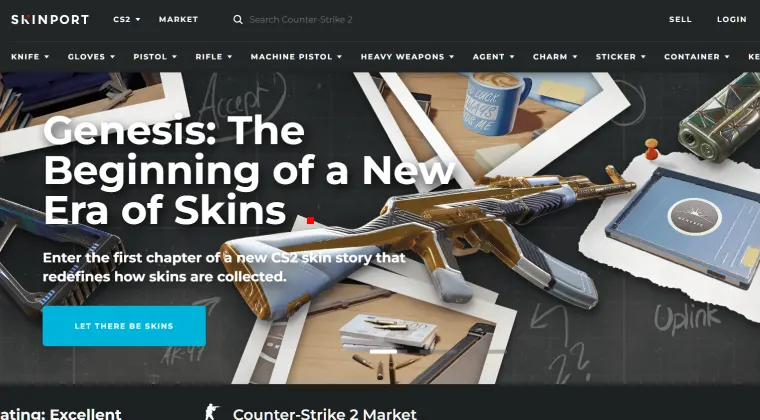
Team Fortress 2’s established but niche skin economy centers on unusual hats, cosmetic items, and keys that function as currency benchmarks. Fewer marketplaces support TF2 compared to CS2, requiring careful platform selection.
| Platform | Best Features | Key Points |
|---|---|---|
| DMarket | 2% seller fee, crypto withdrawals (BTC, ETH, USDT), TrustShield security | Low fees apply to crypto payouts, supports multiple cryptocurrencies, fast processing for TF2 unusual items |
| Skinport | 8% seller fee, marketplace control, crypto payment options | Bitcoin and Ethereum withdrawals available, good for rare TF2 unusuals, transparent fee structure |
| Swap.gg | Peer-to-peer trading, crypto escrow system, direct negotiation | Lower fees through P2P trades, supports various cryptocurrencies, requires more active participation |
| Skins Cash | Instant crypto buyouts, automated valuation, quick processing | Pays 55-75% market value in crypto, fast Bitcoin/USDT payouts, best for common TF2 items not rare unusuals |
| Tradeit.gg | Bot-based crypto trading, promotional bonuses, 0-30% variable fees | Cryptocurrency prioritized over fiat, watch for fee promotions, decent liquidity for TF2 items |
TF2’s unique economy uses keys as a value benchmark similar to how Bitcoin serves cryptocurrency markets. Understanding key-to-skin conversion rates proves essential for profitable trades. Unusual hats with desirable effects command premium prices that justify the effort of selling through crypto platforms despite lower overall market volume.
Bot-based platforms work best for TF2 since manual buyer matching takes significantly longer than CS2’s high-liquidity market. Tradeit.gg and Swap.gg both maintain dedicated TF2 bot inventories that purchase items instantly, converting them to cryptocurrency within minutes.
Warning: Lower trading volume means higher price volatility. Check recent sales data rather than relying on outdated listings. An unusual hat listed at $200 might sell for $120 if demand has shifted, so current market research protects against overvalued expectations.
Convert TF2 items to keys first if platform prices seem low. Keys maintain stable value and trade easily across all TF2 marketplaces, sometimes yielding better cryptocurrency conversion rates than direct skin-to-crypto sales.
Best Platforms to Sell Dota 2 Skins for Crypto
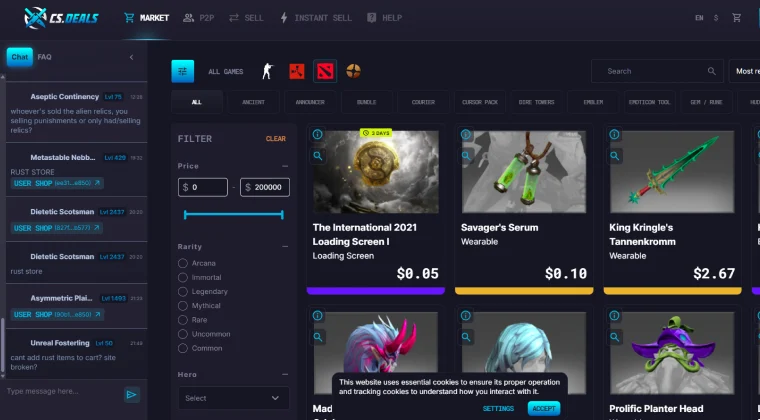
Dota 2’s skin economy focuses on arcanas, immortals, and complete cosmetic sets. The market operates differently from CS2’s weapon-focused economy, with fewer platforms providing robust Dota 2 support and cryptocurrency withdrawal options.
| Platform | Best Features | Key Points |
|---|---|---|
| Shadow Play | Instant crypto buyouts, automated Dota 2 pricing, bot system | Pays 65-85% market value in Bitcoin/USDT, fast processing for arcanas and immortals, good for quick crypto sales |
| DMarket | 2% seller fee, multiple crypto options (BTC, ETH, USDT), TrustShield | Lowest fees for crypto withdrawals, excellent security for high-value Dota 2 items, large user base improves liquidity |
| Skinport | 8% fee, marketplace listings, Bitcoin and Ethereum support | Crypto withdrawals process faster than fiat, good for rare Dota 2 arcanas, transparent pricing on crypto payouts |
| Csdeals | Crypto-focused platform, competitive rates, instant trades | Specializes in cryptocurrency transactions, decent liquidity for popular Dota 2 items, lower fees than fiat options |
| Bitskins | Cryptocurrency specialization, competitive fees, secure trading | Bitcoin and altcoin support, established crypto marketplace, good reputation for high-value Dota 2 cosmetics |
Dota 2 arcanas like the Phantom Assassin Manifold Paradox or Techies Swine of the Sunken Galley maintain strong values but trade less frequently than CS2 knives. This liquidity gap means P2P marketplaces often outperform instant-sell bots for Dota 2, allowing you to list items at desired prices and wait for serious buyers willing to pay premium rates.
Immortal items from The International battle passes create interesting market dynamics. Recently released immortals flood the market initially, then appreciate as supplies diminish. Timing sales around these cycles significantly impacts proceeds when you sell Dota 2 skins for crypto.
Platform selection depends on item value. For common immortals under $20, instant-sell bots provide acceptable convenience. For arcanas worth $100+, patient market listings through DMarket or Swap.gg typically yield 10-20% higher returns despite longer wait times.
DMarket’s blockchain integration and cross-game marketplace provide unmatched transparency for Dota 2 transactions. The platform’s extensive arcana inventory and established buyer base ensure competitive pricing when you sell Dota 2 skins for crypto.
How to Sell Skins for Crypto: Step-by-Step Guide
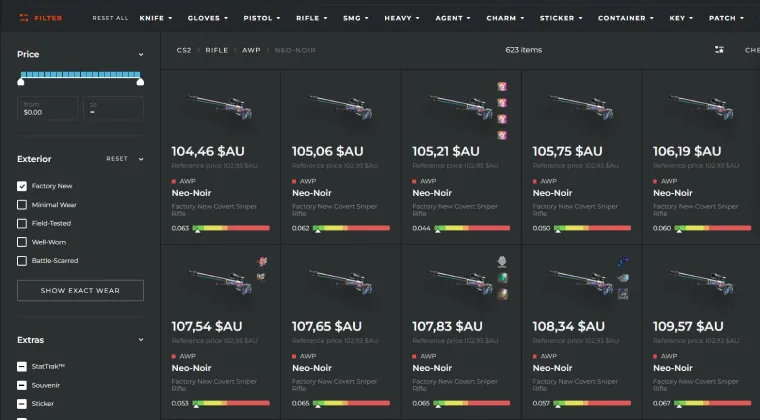
Converting gaming skins into cryptocurrency requires following a structured process that protects your assets while maximizing payout efficiency. The steps below apply across CS2, Rust, Dota 2, and TF2, with minor variations depending on platform selection.
Understanding each phase prevents common mistakes that delay payouts or result in account restrictions. Take time to complete setup correctly rather than rushing through verification steps that platforms require for security and regulatory compliance.
Choose Your Platform and Create an Account
Platform selection determines your entire trading experience. Evaluate fees, supported cryptocurrencies (Bitcoin, Ethereum, USDT, Solana), game specialization, and user reviews from the past 12 months. Recent feedback matters more than historical ratings since platforms change policies and support quality regularly.
Account creation starts with email verification and password setup. Use a unique, strong password combining uppercase, lowercase, numbers, and symbols – never reuse passwords from other services. Enable two-factor authentication (2FA) immediately through Google Authenticator or Authy, not SMS which faces security vulnerabilities.
Most platforms now require Know Your Customer (KYC) verification for regulatory compliance. This typically involves uploading government-issued ID and occasionally proof of address. Verification takes 24-48 hours, so complete it before attempting trades. Trying to sell CS2 skins for crypto without completing KYC results in payment holds and frustration.
Create separate email addresses for gaming trades versus personal communications. This organizational step isolates potential phishing attempts and keeps trading-related correspondence organized for tax record-keeping and dispute resolution.
Connect Your Steam Account and Authorize API Access
Platforms need Steam API keys to read your inventory and facilitate automated trades. Navigate to Steam’s settings, locate the API key section, generate a new key specifically for the trading platform, and copy the long alphanumeric string carefully – single character errors break the connection.
Never share API keys with unknown sites or anyone claiming to need them for “verification” or “support.” Legitimate platforms only use API keys to read public inventory data, never to initiate trades without explicit user confirmation through Steam’s mobile authenticator.
Scammers exploit API key confusion by creating fake websites mimicking legitimate platforms. Always verify the exact URL before entering credentials. Bookmark trusted sites rather than clicking links from Discord, Telegram, or social media that could redirect to phishing pages.
Configure Steam Guard mobile authenticator if not already enabled. This protects against unauthorized trades even if someone obtains your password. Email-based confirmations provide baseline security, but mobile authenticator offers superior protection against account compromise.
Revoke API access immediately after completing sales. Leaving API keys active on platforms you no longer use creates unnecessary security exposure. Steam’s settings page allows instant revocation, breaking the connection between your account and the trading platform.
List or Instantly Sell Your Skins
Two primary selling methods exist: instant-sell for guaranteed speed at lower prices, or marketplace listings for higher potential profit with buyer wait times. Your choice depends on urgency versus value optimization.
Instant-sell platforms buy skins directly at fixed prices determined by algorithms tracking real-time market data. You receive cryptocurrency payment within minutes but accept 10-25% below optimal market value. This works perfectly for clearing entire inventories quickly or cashing out low-value items where listing fees eat into profits.
Marketplace listings let you set desired prices and wait for buyers. Research comparable items through price-checking tools, examine float values for CS2 skins (lower float numbers command premium prices), and consider current market trends before pricing. Rare skins like Dota 2 arcanas or CS2 knives benefit most from patient market approaches.
Price competitively but not desperately. Undercutting market rates by $5-10 attracts buyers quickly, but massive discounts signal desperation and leave money unclaimed. Check the three lowest listings and price slightly below them for optimal visibility while maintaining value.
Consider sticker combinations and pattern indexes for CS2 skins when pricing. Certain Case Hardened patterns with extensive blue coloring sell for exponentially more than standard variants. Researching these nuances prevents accidentally selling valuable patterns at generic prices.
Select Cryptocurrency and Complete Withdrawal
Bitcoin, Ethereum, and USDT serve as primary cryptocurrency options when you sell skins for crypto. Each brings distinct advantages that suit different trading goals and technical comfort levels.
Bitcoin (BTC) provides maximum recognition and simplicity. Transactions take 10-60 minutes depending on network congestion, with fees ranging $5-20. Bitcoin works best for large withdrawals ($500+) where fees represent small percentages, and for long-term holders prioritizing security over transaction speed.
Ethereum (ETH) offers faster transactions (1-5 minutes) through Layer 2 networks like Polygon, Arbitrum, and Optimism. Layer 2 fees stay under $1 versus mainnet Ethereum’s $10-50 costs. Choose Ethereum for active trading requiring flexibility without sacrificing security, though verify your wallet supports the specific Layer 2 network the platform uses.
USDT (Tether) eliminates volatility concerns through its $1 peg, ideal for traders wanting stable value without cryptocurrency price fluctuations. USDT on Solana or Tron networks offers near-instant transactions with fees under $1. Select USDT when planning to convert to fiat quickly rather than holding crypto long-term.
Withdrawal minimums typically range $10-50 depending on payment method. Accumulate earnings above these thresholds before withdrawing to avoid trapped funds sitting idle below minimum requirements.
Double-check wallet addresses before confirming withdrawals. Cryptocurrency transactions are irreversible – sending to incorrect addresses means permanent loss of funds. Copy-paste addresses rather than manually typing, then verify the first and last six characters match exactly before finalizing.
Security Best Practices: Protecting Your Skins and Crypto
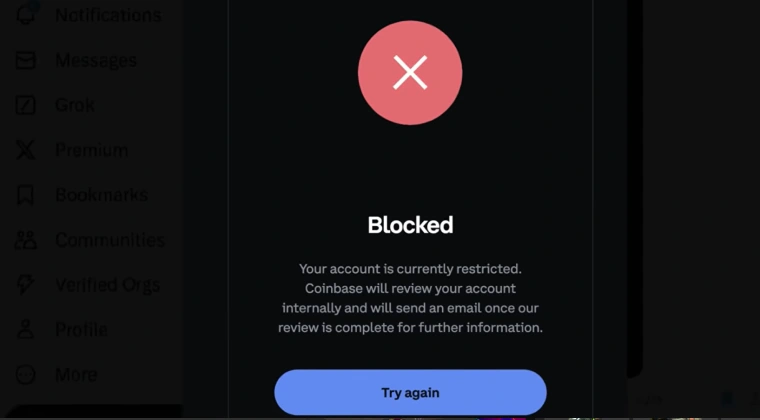
Scammers specifically target gamers selling skins for cryptocurrency, exploiting inexperience with blockchain technology and crypto wallet management. Implementing robust security protocols protects your assets throughout the entire trading process.
Recognizing and Avoiding Common Scams
Fake websites represent the most prevalent scam. Phishing sites mimic legitimate platforms like DMarket or Tradeit.gg with nearly identical URLs – trading one letter or adding extra characters that appear legitimate at quick glance. Always type URLs manually or use bookmarks rather than clicking links from Discord, Telegram, Reddit, or social media.
API key theft enables sophisticated scams where attackers redirect trades to their accounts. Never share API keys outside official platform settings, and revoke access from any site showing suspicious behavior like unexpected trade cancellations or login notifications from unfamiliar locations.
Fake trading bots impersonate legitimate automated systems. Verify bot Steam profiles match official platform listings before accepting trades. Check profile creation dates (recent profiles signal fraud), community standing, and trade history. Legitimate bots show thousands of completed trades and public inventories.
Unrealistic offers indicate scams universally. If someone offers skins worth significantly more than yours in a “trade upgrade,” they’re running a con. When you sell CS2 skins for crypto, legitimate buyers pay market rates – no one gives away value without fraudulent intentions.
Red flags include: websites with recent domain registration dates, platforms lacking independent reviews on Trustpilot or similar services, aggressive advertising through spam, prices dramatically below market value, and requests for personal information beyond normal KYC requirements.
Implementing Multi-Layer Security
Two-factor authentication (2FA) should protect every account involved in crypto trading: Steam, trading platforms, email, and cryptocurrency exchanges. Use authenticator apps (Google Authenticator, Authy, Microsoft Authenticator) rather than SMS, which faces SIM-swapping vulnerabilities.
Hardware wallets (Ledger, Trezor) provide maximum security for cryptocurrency storage. Keep trading platform balances minimal – withdraw proceeds to cold storage wallets after sales complete. Think of hot wallets (connected to internet) as checking accounts for daily use, while cold wallets function as savings accounts for long-term holdings.
Seed phrase protection determines whether you retain cryptocurrency access if devices fail or get stolen. Write seed phrases on paper, store in fireproof safes or bank deposit boxes, and never photograph or store digitally. Anyone obtaining seed phrases gains complete access to your cryptocurrency – treat them like physical cash.
Multi-signature wallets require multiple approvals for transactions, providing advanced security for high-value holdings. While adding complexity, multi-sig wallets prevent single-point-of-failure risks if one device or password becomes compromised.
Email security warrants special attention since password resets and verification codes route through email. Use dedicated email accounts for trading, enable 2FA, set strong passwords, and monitor for suspicious login attempts from unfamiliar locations.
Understanding Cryptocurrency Options for Skin Sales
Selecting the right cryptocurrency for skin sales depends on transaction priorities: speed, fees, stability, or long-term appreciation potential. Each major option serves different trader profiles and financial goals.
Bitcoin (BTC) – The Original and Most Recognized
Bitcoin remains the most widely accepted and recognizable cryptocurrency, providing maximum legitimacy for mainstream adoption. When you sell skins for crypto using Bitcoin, you access the largest liquidity pool and easiest fiat conversion options worldwide.
Transaction speed averages 10-60 minutes depending on network congestion and fee payments. Higher fees prioritize transaction confirmation, while lower fees may wait hours during busy periods. For skin sales worth $1,000+, Bitcoin’s $5-20 transaction fees represent minimal percentages that justify using the most established cryptocurrency.
Bitcoin excels for long-term holdings where appreciation potential outweighs transaction convenience. Historical price trends show Bitcoin gaining value over multi-year periods despite short-term volatility. Sellers comfortable holding cryptocurrency rather than immediately converting to fiat benefit from Bitcoin’s store-of-value characteristics.
Security and decentralization make Bitcoin the safest cryptocurrency option. No single entity controls Bitcoin, eliminating corporate or governmental manipulation risks that affect centralized payment systems. This independence appeals to users prioritizing financial sovereignty when monetizing gaming assets.
Ethereum (ETH) – Smart Contracts and Layer 2 Solutions
Ethereum’s flexibility through smart contract capabilities and Layer 2 scaling solutions provides speed advantages over Bitcoin while maintaining strong security. When choosing Ethereum to sell skins for crypto, transaction times drop to 1-5 minutes on Layer 2 networks with fees under $1.
Layer 2 options include Polygon, Arbitrum, and Optimism, which process transactions off the main Ethereum blockchain before settling final states. This approach combines Ethereum’s security with dramatically improved speed and cost efficiency. Always verify which network the trading platform supports before selecting Ethereum withdrawals.
Ethereum mainnet transactions face higher fees during network congestion – sometimes $10-50 for single transfers. Use mainnet Ethereum only for large withdrawals where security matters more than transaction costs, or during off-peak hours when network usage drops.
The Ethereum ecosystem dominates DeFi (decentralized finance) and NFT markets, creating natural synergies for gamers transitioning from traditional gaming to blockchain gaming. Ethereum holdings facilitate participation in play-to-earn games and cryptocurrency gaming platforms beyond simple skin sales.
USDT (Tether) – Stablecoin for Price Stability
USDT maintains a $1 peg through reserve backing, eliminating cryptocurrency volatility concerns that worry traditional gamers. When you sell CS2 skins for crypto and receive USDT, your purchasing power remains stable rather than fluctuating with Bitcoin or Ethereum markets.
Stablecoin transactions on Solana or Tron networks complete nearly instantaneously with fees under $1, providing the best speed-to-cost ratio among all cryptocurrency options. This efficiency suits traders planning quick conversions to fiat currency through exchanges rather than long-term cryptocurrency holding.
USDT works perfectly as a bridge asset between gaming skin sales and traditional banking. Sell skins for USDT, transfer to cryptocurrency exchanges like Binance or Coinbase, then convert to your local currency and withdraw to bank accounts. The stable value prevents losses during these multi-step processes.
Regulatory clarity around stablecoins improved significantly in 2025-2026, with major jurisdictions establishing frameworks that legitimize USDT for commercial transactions. This legal recognition reduces concerns about future regulatory actions affecting stablecoin usability.
Other Cryptocurrencies: Solana, Litecoin, and Alternatives
Solana (SOL) offers ultra-fast transactions with near-zero fees, making it ideal for frequent small withdrawals where Bitcoin and Ethereum fees become prohibitive. However, ensure your intended exchange or wallet supports Solana before choosing it for skin sale payouts.
Litecoin (LTC) functions as a faster Bitcoin alternative with similar security characteristics but 2.5-minute block times. Transaction fees typically stay under $1, combining Bitcoin’s simplicity with improved speed. Choose Litecoin when you want Bitcoin-like familiarity with better transaction efficiency.
Avoid obscure or low-liquidity cryptocurrencies that trading platforms might offer. Coins with minimal exchange support create conversion headaches when trying to cash out. Stick with top-10 cryptocurrencies by market capitalization for guaranteed liquidity and easy fiat conversion.
Cryptocurrency selection ultimately depends on your comfort level with blockchain technology, intended holding period, and conversion plans. Beginners should start with USDT for stability, then explore Bitcoin and Ethereum as understanding grows and trading volumes increase.
Tax Implications and Regulatory Compliance
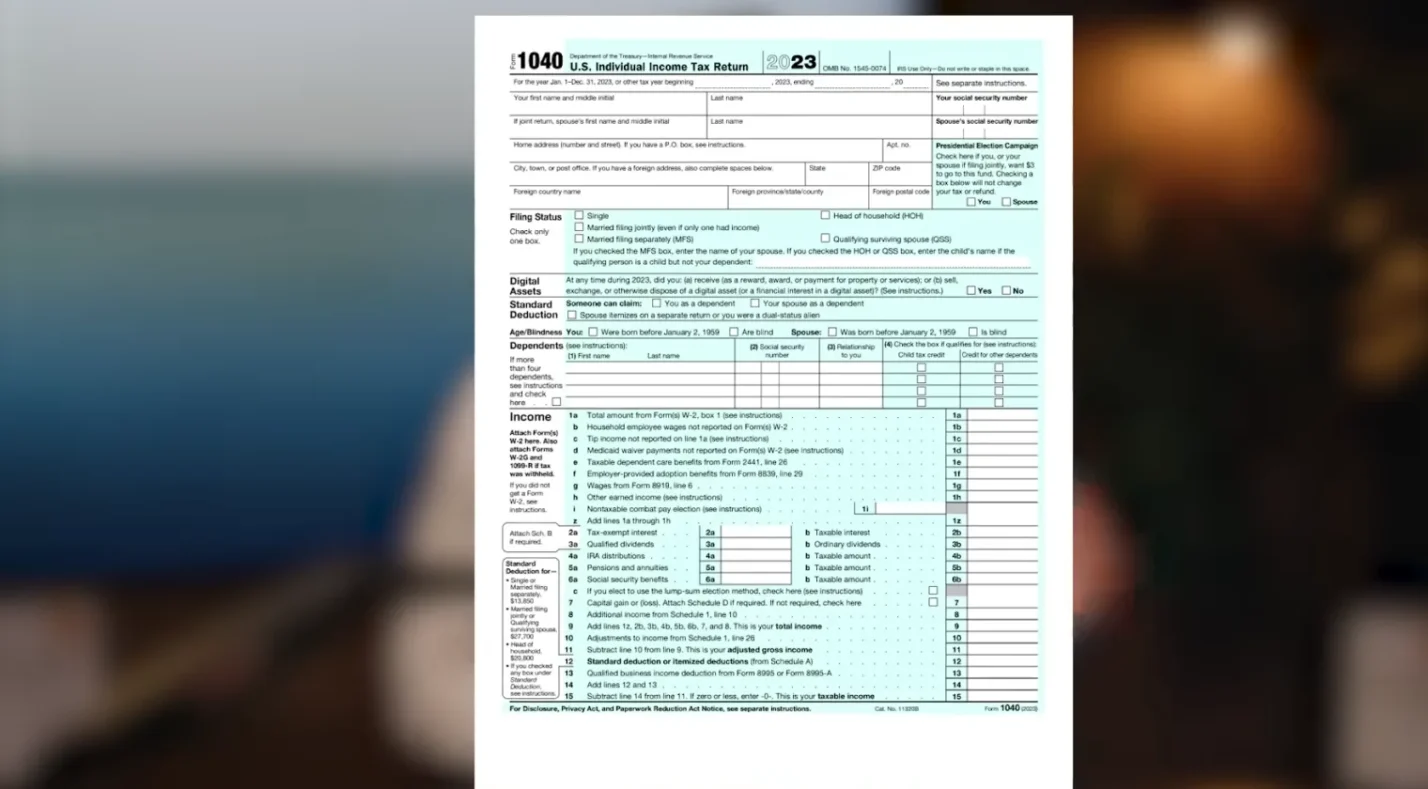
Selling skins for cryptocurrency creates taxable events in most jurisdictions, requiring understanding of reporting obligations and record-keeping best practices. Ignorance of tax laws doesn’t excuse non-compliance, so educate yourself on relevant regulations before trading.
Understanding Capital Gains from Skin Sales
Cryptocurrency from skin sales counts as capital gains in the US and most developed countries. The taxable amount equals the difference between your skin’s acquisition cost (what you paid or its value when obtained) and the sale price in cryptocurrency at moment of transaction.
Short-term capital gains apply to skins held less than one year, taxed as ordinary income at your personal tax rate (potentially 10-37% in the US). Long-term capital gains apply to skins held over one year, taxed at preferential rates (0%, 15%, or 20% depending on income). Holding valuable skins for 12+ months before selling significantly reduces tax burden.
Calculate cost basis carefully. If you unboxed a knife from a case, your cost basis includes the case price plus the key. If you purchased the skin directly, your cost basis equals the purchase price plus any transaction fees. Missing receipts and records complicate tax filing and might force conservative high-basis estimates that increase tax liability.
The IRS Form 1099-DA (starting 2026) requires crypto brokers to report digital asset transactions, meaning tax authorities will receive your trading data automatically. Ensure your reported income matches platform-submitted information to avoid audit triggers and penalties.
Record-Keeping and Compliance Strategies
Maintain detailed transaction logs including dates, cryptocurrency amounts, USD values at transaction time, platform names, and items sold. Spreadsheets work adequately, but dedicated crypto tax software like CoinTracker, Koinly, or TaxBit automates calculations and generates required tax forms.
Screenshot payment confirmations and blockchain transaction IDs. These serve as proof if disputes arise or audits question reported amounts. Cloud storage ensures access even if devices fail, and timestamped blockchain records provide immutable verification.
Consult tax professionals specializing in cryptocurrency for complex situations involving multiple platforms, international transactions, or significant earnings. The few hundred dollars spent on expert advice prevents thousands in potential penalties from incorrect filings.
Different jurisdictions apply varying rules. EU members face different regulations than US taxpayers, and countries like Portugal exempt cryptocurrency gains from taxation under certain conditions. Verify local laws rather than assuming uniform international treatment.
Regulatory frameworks rapidly evolved in 2025-2026, legitimizing cryptocurrency transactions while establishing clear reporting requirements. Major jurisdictions including the US, EU, UK, and Hong Kong now treat cryptocurrency as property subject to capital gains taxation, with specific guidance for gaming asset conversions.
If you’re exploring broader online income opportunities, understanding how to earn money online and respective tax obligations helps comprehensive financial planning.
Comparing Crypto Sales to Traditional Methods: Steam Market vs. Crypto Platforms
Direct comparison reveals why gamers increasingly choose cryptocurrency over Steam’s built-in marketplace despite the learning curve and technical requirements.
| Factor | Steam Market | Crypto Platforms |
|---|---|---|
| Fees | ~15% (10% Steam + 5% game) | 2-12% depending on platform |
| Withdrawal Time | 7-15 days (locked to Steam wallet) | 10-30 minutes to personal wallet |
| Geographic Access | Region-restricted, many countries limited | Global, no geographic restrictions |
| Fund Flexibility | Locked to Steam purchases | Full control, convert to fiat or hold |
| Security | Centralized, subject to account bans | Non-reversible blockchain transactions |
| Payment Methods | Steam wallet only | BTC, ETH, USDT, Solana, bank transfer |
| Tax Reporting | Minimal documentation | Comprehensive blockchain records |
Steam Market works acceptably for beginners who exclusively reinvest in gaming. If you plan to spend proceeds on other Steam games, the 15% fee and wallet restrictions matter less since funds stay in the ecosystem anyway. Steam’s centralized control also provides dispute resolution and buyer protection that crypto transactions lack.
However, cryptocurrency platforms offer superior value for anyone wanting real money rather than Steam credit. The 3-13% fee advantage becomes substantial on high-value transactions – selling a $2,000 inventory saves $60-260 in fees alone by choosing crypto over Steam.
Speed differences prove critical for traders needing liquidity. Steam’s 7-day trade hold on items received in trades, plus additional withdrawal restrictions, can lock funds for weeks. Cryptocurrency withdrawals complete the same day, often within an hour of trade confirmation.
Global accessibility makes crypto indispensable for users in regions where Steam Market faces restrictions or lacks local payment integration. Countries with currency controls or limited banking infrastructure find cryptocurrency provides their only realistic option for monetizing gaming assets.
The non-reversible nature of blockchain transactions protects sellers from chargebacks and payment fraud common in traditional systems. Once crypto transfers confirm, buyers cannot dispute or reverse transactions, eliminating a major scam vector that affects PayPal and credit card sales.
For gaming enthusiasts interested in esports culture and competitive play, explore Counter-Strike esports coverage for market insights that inform timing decisions when selling tournament-related skins that spike in value during major competitions.
Converting Gaming Assets into Cryptocurrency
The ability to sell skins for crypto transforms idle digital assets into flexible cryptocurrency holdings that offer speed, control, and financial opportunity unavailable through traditional gaming marketplaces. The advantages, lower fees, faster payouts, global accessibility, far outweigh the initial learning curve for most gamers.
Legitimate platforms with multi-year operating histories and millions of completed transactions demonstrate that crypto sales work safely when you follow security best practices. Enable 2FA, use hardware wallets for storage, verify platform URLs meticulously, and never share API keys with unauthorized parties.
2026’s regulatory clarity establishes cryptocurrency as mainstream for gaming transactions, with major jurisdictions providing legal frameworks that protect both buyers and sellers. This legitimacy reduces concerns about legal gray areas that worried early adopters.
Start with established platforms like DMarket, Tradeit.gg, or Swap.gg that specialize in your specific game. Begin with small transactions to familiarize yourself with the process before selling high-value inventories. As comfort grows, optimize strategies around timing, platform comparison, and cryptocurrency selection.
Converting gaming assets to cryptocurrency opens opportunities beyond simple cash-outs. Proceed from selling skins into play-to-earn gaming ecosystems, DeFi yield farming, or long-term Bitcoin holding as wealth preservation. Gaming skills translate to broader crypto participation through blockchain games and token economies.
Proper security, tax compliance, and platform selection create sustainable earning streams from gaming assets. Whether supplementing income through top ways to make money from home sales or building cryptocurrency portfolios, selling skins for crypto provides a legitimate gateway to digital asset ownership.
Similar monetization principles apply to other gaming economies – learn to sell OSRS gold or sell FIFA coins using comparable strategies.
FAQs
Choose a platform like DMarket or Tradeit.gg, create an account with 2FA enabled, connect your Steam account via API key, select skins to sell, choose your cryptocurrency (BTC, ETH, or USDT), and complete withdrawal to your personal wallet after trade confirmation.
DMarket, Skinport, Tradeit.gg, SkinBaron, and Skinflow offer the most reliable CS2-to-crypto services with competitive fees (2-12%), multiple cryptocurrency options, and proven payment histories. Compare prices across platforms before selling high-value items.
Earnings depend on inventory value and current market prices. A mid-tier CS2 knife sells for $300-800, while rare items like Dragon Lore command $10,000+. After platform fees (2-12%), expect to net 88-98% of market value compared to Steam’s 85%.
Yes, when using established platforms with 3+ year operating histories, strong security measures, and positive user reviews. Enable 2FA, verify platform URLs, never share API keys publicly, use hardware wallets for crypto storage, and start with small transactions to build confidence.
Bitcoin provides maximum legitimacy and liquidity, Ethereum offers faster transactions through Layer 2 networks, and USDT eliminates volatility through its stable $1 peg. Choose based on your priorities: Bitcoin for long-term holding, Ethereum for active trading, USDT for immediate fiat conversion.