

Riftbound Rarity Guide: Card Tiers, Visuals, and Versions 2026

Eneba Hub contains affiliate links, which means we may earn a small commission if you make a purchase through them—at no extra cost to you. Learn more

This Riftbound rarity guide explains how card rarities work in Riftbound, breaking down what each rarity tier means and how to recognize it at a glance. I will cover all Riftbound card rarities, including visual indicators, rarity tiers, and special card versions found in packs and products.
I had to stop and compare cards side by side just to understand what I pulled. This guide exists to save new and returning players that confusion and make pack openings easier to understand. Keep reading to learn how to instantly spot a card’s rarity without second-guessing your pulls.
Jump to:
Riftbound Card Rarity: Breakdown
Riftbound uses distinct visual rarity indicators that make it possible to identify a card’s tier instantly by frame design, finish, and gem shape.
- Common Cards: Simple bronze frame, round rarity gem
- Uncommon Cards: Silver frame, triangular rarity gem
- Rare Cards: Gold, full-art frame with foil pattern, square rarity gem
- Epic Cards: Minimalist gold frame, foil treatment, pentagonal rarity gem
The sections below explain each tier in detail as part of this Riftbound rarity guide.
1. Common Cards
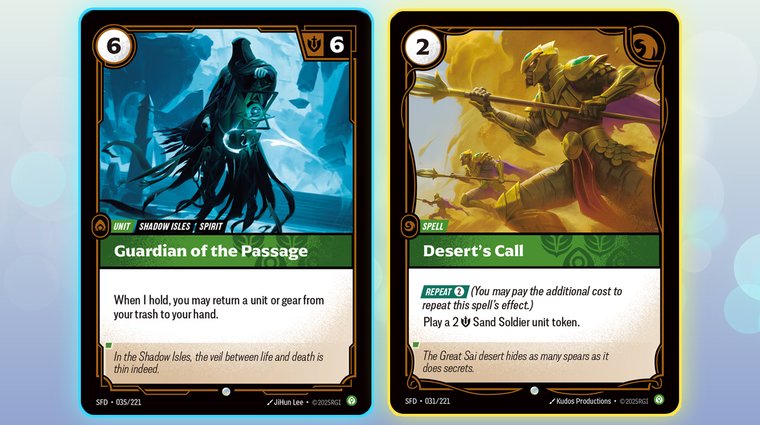
Common cards are designed around simplicity, clarity, and reliability, forming the foundation of every Riftbound deck. Their visuals are intentionally clean, making effects easy to read and understand at a glance.
These cards are the easiest to obtain through normal pack openings, which helps new players build functional decks quickly. Common cards fill clear roles, support core deck fundamentals, and enable early deckbuilding without forcing complex decisions.
If you are learning Riftbound mechanics, focus on commons first. They teach timing, interactions, and deck structure without overwhelming you.
This approach mirrors what players often see in the top trading card games, where commons establish consistency and learning flow.As a result, Common cards act as the backbone that every other rarity builds upon.
2. Uncommon Cards
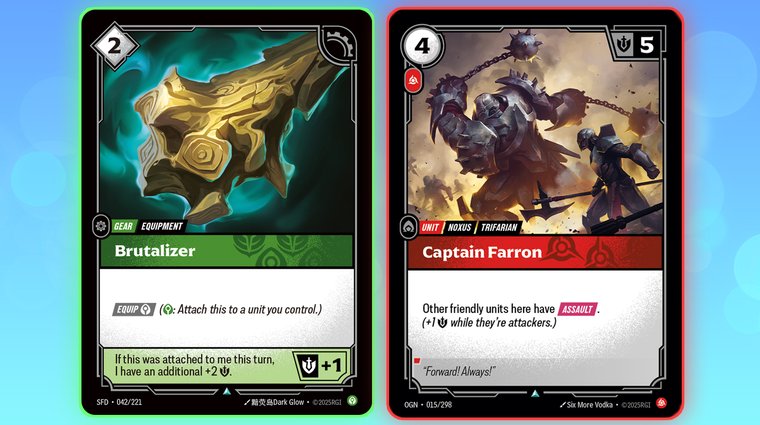
Uncommon cards introduce additional depth and synergy while remaining widely accessible to players. They are slightly more complex than Commons, often encouraging situational play or rewarding smart interactions between cards.
In Riftbound Origins, all Battlefield cards are Uncommon, reinforcing their role as structural pieces that shape how decks function without creating rarity barriers.
When testing new ideas, start by swapping Uncommon cards first. They often unlock synergy without forcing a full deck rebuild.
This design supports experimentation and strategic layering, similar to what players expect in the top deck building games, where progression comes from interaction rather than exclusivity. Uncommon cards sit at the balance point between simplicity and strategy, expanding deck options naturally.
3. Rare Cards
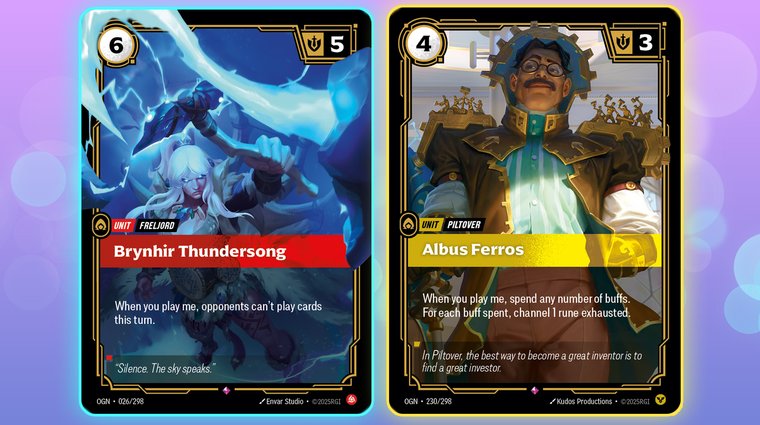
Rare cards are designed to feel exciting, impactful, and memorable while still remaining accessible through regular play. When a Rare card is played, its effect is usually noticeable and often shapes the flow of the game.
In Riftbound, all Champion Legends are Rare, along with Champion Units tied directly to those Legends. In addition, so-called side champions, units without a dedicated Legend card, also appear at the Rare tier.
If a card feels harder to sequence correctly, it is often Rare. Take time to learn timing windows before building around it.
Cards often earn Rare status due to higher complexity, layered effects, or strong identity, a philosophy shared by many top strategy board games. This makes Rare cards a key step up in both power and decision-making depth.
4. Epic Cards
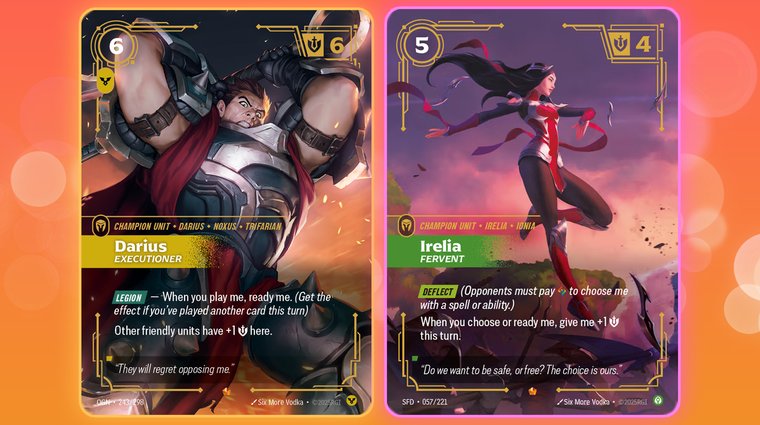
Epic cards represent the highest functional rarity in Riftbound, offering the most mechanically impactful and game-shaping effects. These cards feel special because they often define turning points and reward precise timing and planning.
Do not build a deck around a single Epic. Treat Epics as finishers or pivots that support a consistent core.
The Epic tier is dominated by Champion Units and Signature Spells, which carry strong identities and complex interactions. Epics appear roughly one in every four packs, and pulling two Epics in a single pack is possible, adding excitement to openings.
This design approach aligns with expectations seen in top Riftbound cards, where rarity signals impact rather than exclusivity. Epic cards elevate gameplay without becoming mandatory for entry-level play.
5. Overnumbered Cards
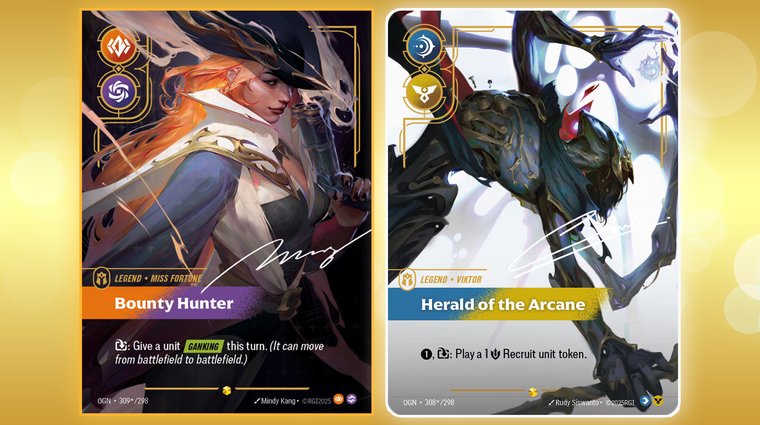
Overnumbered cards are special premium versions of core Champion Legends, created to give collectors something visually unique without affecting gameplay balance. These cards feature exclusive artwork and enhanced treatments and use collector numbers above the main set numbering, clearly separating them from standard pulls.
Treat Overnumbered cards as cosmetic upgrades only. They play exactly like their standard versions in all formats.
Importantly, reprinting an Overnumbered version does not reset or change its format legality. The card always remains tied to its original set for tournament and rules purposes, meaning it functions identically inside competitive and casual Riftbound decks.
Riot has also stated these are intended as long-term collectibles and will not reprint the same Overnumbered card with identical art and frame in the future. This keeps Overnumbered cards special without creating competitive imbalance.
6. Alternate Art Cards
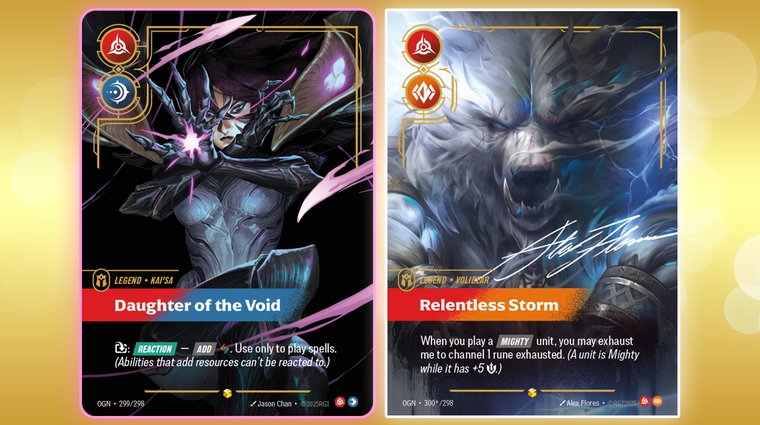
Alternate Art cards are visually distinct versions of existing cards, created to offer variety without changing gameplay. Only core champions receive alternate art versions, keeping these cards tightly focused.
Check the gem shape first. The hexagonal symbol is the fastest way to spot an Alternate Art card during pack openings.
Alt-art cards may feature different League skins, enhanced foil treatment, and a hexagonal gem symbol that sets them apart instantly. Distribution is fully random, so pulls are not predictable, even when opening sealed products for Riftbound champion decks.
While rarer than standard versions, they are still regularly seen, with players typically finding around two per box. Alternate Art cards add visual flair without affecting competitive balance.
What Cards Can Be Found In a Riftbound Booster Pack?
A Riftbound booster pack follows a standardized structure, designed to balance consistency with the excitement of surprise. Every pack contains a fixed number of cards, but the exact rarity mix can still change based on special pulls.
This means players usually know what type of cards to expect, while foils and alternate versions introduce variation. Below is the typical contents of a single Riftbound booster pack.
- 7 Common cards
- 3 Uncommon cards
- 2 Rare (or better) card slots
- 1 Foil card
- 1 Token or Rune card
- 1 informational insert
Rarity distribution may shift when foil cards or special versions replace standard slots, making some packs feel more rewarding than others.
The Foil Slot Explained
Every Riftbound booster includes a dedicated foil slot, which adds a visual upgrade and introduces extra rarity variation. Foil cards feature enhanced finishes that make them stand out immediately during pack openings.
Most foil pulls are Common or Uncommon, keeping them familiar and accessible. However, the foil slot can upgrade into a Rare or even an Epic, replacing a lower-tier card in that pack.
Importantly, all Rare and Epic cards are always foil by default, meaning higher-impact cards consistently carry a premium look. This system secures every pack has something visually distinct while preserving rarity balance across openings.
Special Collector Versions Explained
Special collector versions refer to premium variants of standard Riftbound cards that offer visual or collectible upgrades without changing gameplay. This category includes Signature cards, Showcase cards, Overnumbered cards, and Alternate Art cards, each designed to appeal to collectors in different ways.
These versions differ through artwork, finishes, numbering, or presentation rather than rules text. Players most commonly encounter special collector versions when opening booster packs, though some also appear through limited promotions or special releases.
For players tracking variants and availability, a complete Riftbound TCG card list helps identify which collector versions exist and how they relate to standard cards.
Promo Cards Explained
Promo cards are special Riftbound cards distributed outside of standard booster packs, usually tied to events, preorders, organized play, or limited promotions.
They often feature alternate visuals, stamps, or markings that distinguish them from pack-pulled cards, while retaining the same gameplay text and legality as their standard counterparts.
How to Spot Card Rarities
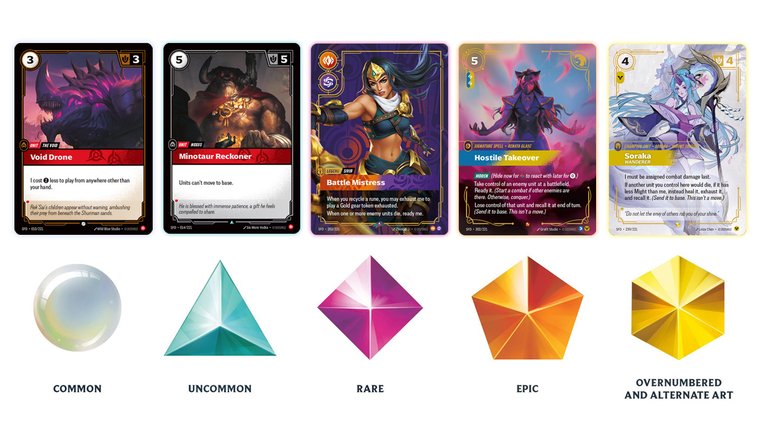
Riftbound card rarities are identified through clear, consistent visual signals, allowing players to recognize a card’s tier quickly without external references. Once you understand these markers, Riftbound rarities explained visually becomes straightforward and reliable, even during fast pack openings.
- Frame color and frame design: Bronze, silver, gold, and minimalist frames indicate different Riftbound rarity levels, with higher tiers using cleaner layouts and premium styling.
- Rarity gem shape: Round, triangular, square, pentagonal, or hexagonal gems correspond to specific rarities or special versions, offering the fastest visual cue.
- Foil treatment: Foil finishes can appear across multiple tiers and do not automatically signal a higher rarity on their own.
- Artwork presentation: Full-art layouts, alternate artwork, or enhanced framing often point toward Rare, Epic, or special collector cards.
- Card numbering: Standard set numbering versus overnumbered cards, which use numbers above the main set total, helps distinguish collectible variants.
- Overall finish and texture: Premium foiling, UV treatments, or textured surfaces usually indicate special collector versions rather than standard Riftbound card rarity classifications.
Together, these signals explain how Riftbound card rarities are structured and make identification consistent across all cards.
FAQs
Card rarities in Riftbound define how cards are visually presented and distributed within products. They help players quickly understand a card’s tier, appearance, and collectible status. The Riftbound card rarity system focuses on clarity and consistency rather than restricting access to gameplay.
The main rarity tiers in Riftbound are Common, Uncommon, Rare, and Epic. Each tier uses distinct frames, gem shapes, and finishes to signal its level. This structure creates a clear Riftbound rarity breakdown that players can recognize instantly during play or pack openings.
No, foil cards are not always of higher rarity. While all Rare and Epic cards are foil, Common and Uncommon cards can also appear as foils through the dedicated foil slot in booster packs.
No, Alternate Art cards are not a separate rarity. They are visual variants of existing cards, usually tied to core champions, and are identified by unique artwork, enhanced foil treatment, and a hexagonal gem rather than a new rarity classification.
No, higher rarity cards are complex or impactful, but they are not automatically stronger. Riftbound balances power across all rarities so that Common and Uncommon cards remain essential for consistency, synergy, and deck fundamentals.
Multiple rarities can appear in one booster pack. Standard packs include Commons, Uncommons, and Rare-or-better slots, with the foil slot sometimes upgrading into a Rare or Epic, creating additional variation within one pack.
No, card rarity does not affect tournament legality. All cards are legal based on their set and format rules, not their rarity or visual version. Special versions like foils or Overnumbered cards function identically to their standard counterparts.