




Xbox CEO Asha Sharma Outlines Studio Restructures and Company Layoffs




- Around 3,200 jobs will be cut across FY27, with 1,600 roles eliminated immediately.
- Double Fine and Compulsion Games will become independent studios, while Ninja Theory and Undead Labs are set to move to new ownership.
- Xbox says no publicly announced first-party games have been canceled despite the restructuring.
Xbox CEO Asha Sharma has confirmed widespread layoffs, major changes to its first-party studio portfolio and a broader overhaul of how Microsoft’s gaming division is organized. In a company-wide email sent to employees, Sharma revealed that approximately 3,200 positions will be eliminated throughout fiscal year 2027, beginning with around 1,600 job losses immediately.
The restructuring will also see four studios leave Xbox, alongside management changes designed to simplify the organization and refocus investment across the business. The memo frames the changes as a response to long-term business challenges rather than a short-term cost-cutting exercise.
“Our business today is not healthy,” Sharma said. “To grow, we bet on Game Pass, multi-platform, and a broader portfolio of content. While those businesses have created meaningful value, they did not grow at the pace we expected. As that happened, our core business weakened, and we added more teams, more investment, and more time, hoping for a better outcome. And now the industry is facing the most severe hardware crisis in its history. We must reset XBOX.”
Jump to:
Xbox Reshapes Its First-Party Studio Portfolio
These comments echo ones Sharma made at the start of June, and also follow a recent announcement that Xbox console prices will increase soon. However, the biggest news from Sharma’s latest missive concerns Microsoft’s internal development studios, with the CEO confirming that several teams will either become independent again or transition to new ownership.
Double Fine Productions and Compulsion Games will leave Xbox and return to independent management, retaining ownership of their intellectual property, back catalog and funding to complete their next projects. For Double Fine, that means the studio behind Psychonauts, Brütal Legend and Psychonauts 2 will once again operate independently after spending several years under the Xbox Game Studios umbrella.
— Double Fine (@DoubleFine) July 6, 2026
Compulsion Games follows a similar path. Since joining Xbox in 2018, the Montreal-based developer has worked on South of Midnight following the release of We Happy Few. Rather than remaining part of Microsoft’s expanding first-party network, the studio will now continue development independently while retaining its existing IP and projects.
An important update from Compulsion Games. pic.twitter.com/V4yRkpshuk
— Compulsion Games (@CompulsionGames) July 6, 2026
Ninja Theory and Undead Labs are taking a different route. Rather than becoming independent, both studios have entered agreements to join new owners, with funding in place to complete their current projects while supporting future growth. That means development of Undead Labs’ much anticpiated State of Decay 3 will continue, while Ninja Theory’s Senua franchise will also remain active following the release of Senua’s Saga: Hellblade II. Xbox did not identify the companies expected to acquire either studio.
In France, the future of Arkane remains undecided. Sharma confirmed that Arkane’s management has begun consultations with its Works Council to examine “potential strategic options,” reflecting French labor laws that require employee consultation before significant organizational changes. No final decision regarding the studio’s future has been announced.
Outside those headline moves, Sharma said workforce reductions will affect Activision, Bethesda, Blizzard, King, Mojang and Xbox Game Studios to varying degrees, with investment shifting toward higher-priority projects. Despite the scale of the restructuring, Sharma said “None of our first party publicly announced games or projects are being cancelled as part of these reductions.”
Xbox Targets Hardware, Management and Long-Term Sustainability
Beyond its studios, Sharma’s email outlines a broader restructuring of the Xbox business, beginning with an assessment of the platform’s current position. Sharma also described the industry as facing “the most severe hardware crisis in its history,” pointing to declining console growth and changing player habits. Although she did not elaborate further, the comments arrive as console sales across the industry continue to soften while publishers increasingly pursue PC, cloud and mobile audiences alongside traditional hardware.
Sharma said some projects currently pass through as many as 14 layers of management, while platform teams have grown by roughly 40% since the beginning of the current console generation despite declining player numbers and playtime. As a result, Xbox plans to reduce management layers to a maximum of five, and three where possible, while placing greater responsibility on individual contributors and technical leads.
The company also plans to streamline internal development by reducing duplicate tooling, expanding shared services and cutting vendor spending by 50%, with the stated goal of making teams faster and more accountable.
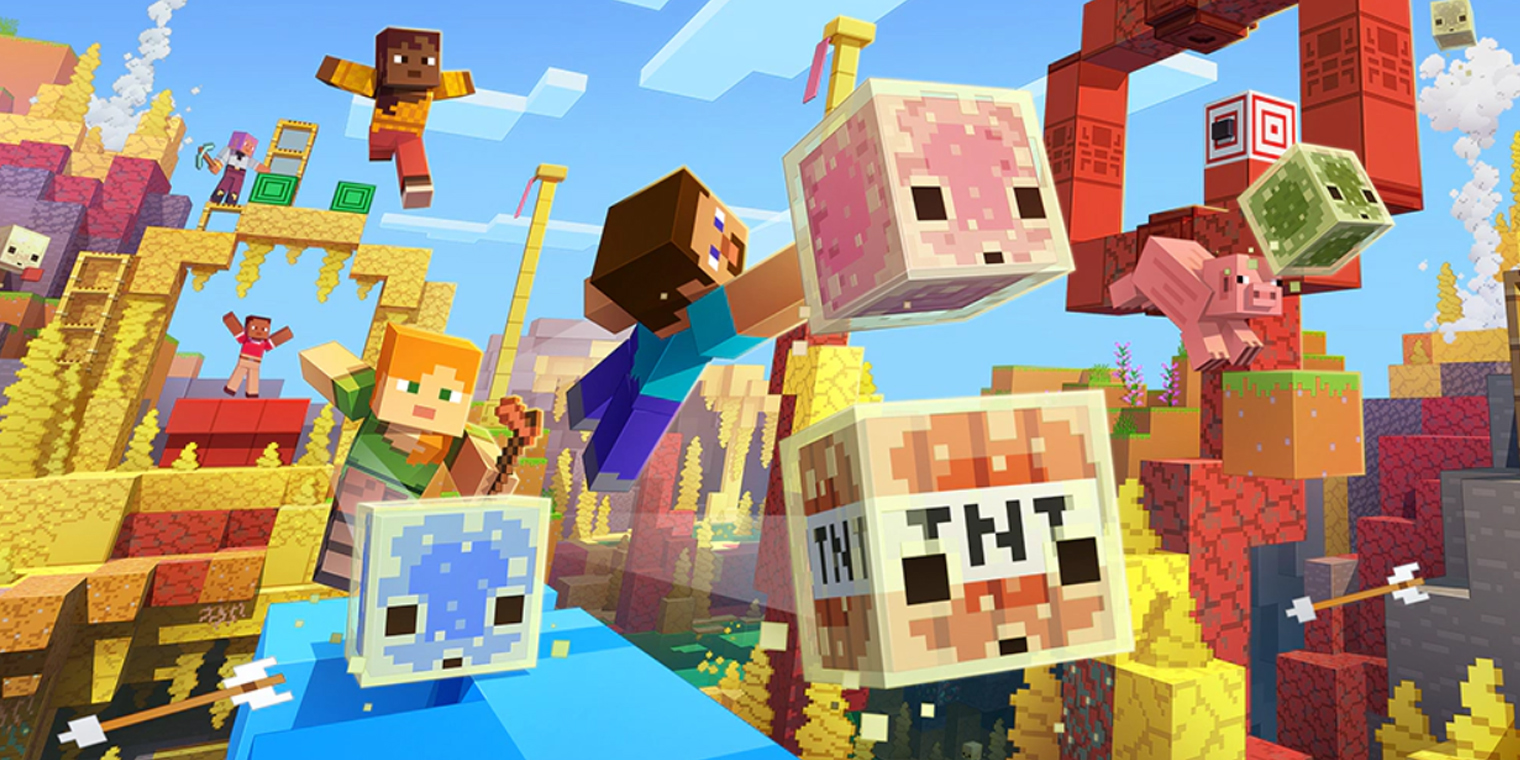
The restructuring also introduces a significant leadership change. Helen Chiang, previously head of Mojang and one of Xbox’s longest-serving executives, has been promoted to the newly created role of Chief Operating Officer. She will oversee profit and loss across Xbox’s content, hardware, platform and services businesses, bringing much of Microsoft’s gaming operation under a single operational structure for the first time.
Elsewhere, Mojang and Candy Crush developers King will now report directly to Sharma. The Xbox chief described both businesses as platforms in their own right thanks to their enormous monthly active player bases, suggesting Microsoft increasingly sees franchises such as Minecraft and Candy Crush as central pillars of its gaming ecosystem rather than traditional first-party studios.
Despite the immediate impact of thousands of layoffs and multiple studio departures, Sharma insisted the restructuring is intended to position Xbox for future growth rather than shrink the business. She said Microsoft will continue investing heavily in gaming during 2026 while becoming more disciplined about where those resources are allocated, with the long-term ambition of returning Xbox to growth in 2027 and building a platform capable of reaching more than 1 billion players worldwide. Notably, no mention was made of Project Helix, the proposed next generation console.
“These changes are about a bigger future for XBOX, not a smaller one. The next decade of gaming will be larger, more global, and more creative than anything we’ve seen before. This year, we’ll invest as much in XBOX as we ever have, but we’ll invest with greater focus, greater discipline, and greater clarity, all in service of making XBOX where the world plays and creates. History is full of companies that mistake longevity for inevitability. We will not be one of them.”