

Nintendo Continues Its Rise to Video Game Villany With Its Patent Applications

- Nintendo has filed multiple U.S. patents on gameplay mechanics, raising concerns over monopolization of established features.
- Legal experts suggest the patents hinge on narrowly defined operational steps but could be challenged for ignoring prior work.
- Despite litigation pressures, PocketPair continues to expand Palworld through updates, crossovers, and a forthcoming spin-off, Palfarm.
Jump to:
Patent Overload
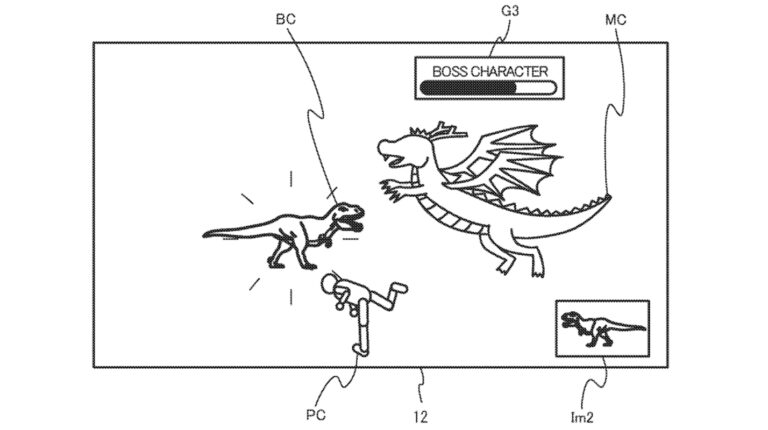
Nintendo, once a company renowned for fun innovation in video games, is fast turning from hero to villain as it continues to file patents for game mechanics which have already been in existence for years. Its most recent attempt at monopolising gameplay features came in the form of the so-called “summons” patent, lodged on Sept. 2, 2025.
Following Nintendo’s continued attempts to undermine Palworld, the Japanese conglomerate’s latest claim involves “sub characters,” similar to Pokémon monsters, and how they’re invoked and used within a game. As is the case with any legalese, the actual ramifications of this patent are confusing and easily misinterpreted, which is why Eneba spoke with legal experts on the matter.
Sam Crich is a Commercial and Video Game lawyer from Eaton Smith, who told Eneba: “The patent filed by Nintendo is more specific than just relating to summoning creatures; it references a specific operation as to how that summoning takes place with multiple steps described for that purpose.”
“For instance, the summoned creature will automatically initiate battle if deployed within range of a hostile creature. Games developers should avoid copying every step in this precise operation (and bearing in mind other patents that exist) as this patent would prevent others from including mechanics that follow the exact same process and series of steps.”
Gotta Patent ‘em All!
Nintendo launched its court case against PocketPair, Palworld’s developer and publisher, in September 2024, with claims that the studio was infringing upon three Japanese patents (PocketPair is based in Japan). Nintendo has since filed five gameplay-related patents in the US, which largely echo the existing ones but, importantly, are all classed as separate and distinct patents.
They all involve some variation of Pokémon-style gameplay, from throwing balls to “boarding” another object, with the most recent patent also being the most explicit in terms of how it references summoning creatures and how those summoned creatures act.
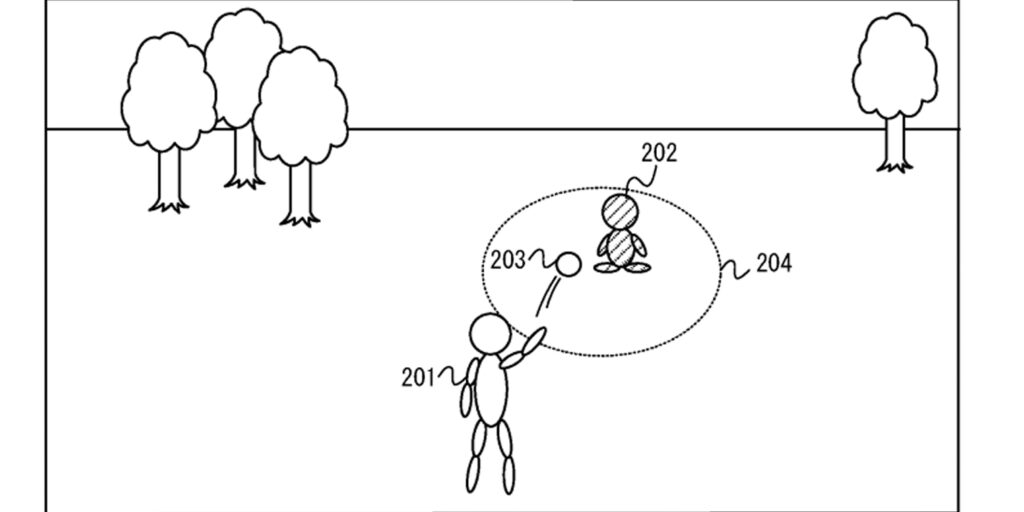
One of the biggest questions surrounding Nintendo’s patents is: how can it patent things that have existed in games for a long time? Crich explained: “Generally you cannot patent anything that is already disclosed as that is ‘prior art,’ but you can patent novel improvements to things that already existed if they meet the other eligibility criteria for patents.”
Noted legal YouTuber Heavy Metal Lawyer, aka LegendEsq, is an LA-based trial lawyer with expertise in IP-related areas, who told Eneba a similar point to Crich: “I’m a bit surprised because, in order to get a patent, you have to demonstrate that your design is new and has not been already covered by prior patents or prior designs already out there. In other words, it has to be unique, and not some logical extension of something that already exists by another inventor.”
“Here, it seems that this patented gameplay is not unique, as most gamers would tell you. I’m not sure what I’m missing, but the USPTO (US Patent and Trademark Office) somehow let this one pass.”
Nothing New Under The Sun
One reason the various patents, but especially the latest one, may have been granted could be due to the language used by the U.S. Patent Act, specifically Section 101. This states that “whoever invents or discovers any new and useful process, machine, manufacture, or composition of matter, or any new and useful improvement thereof, may obtain a patent therefor, subject to the conditions and requirements of this title.”
Gamers might well be rolling their eyes at that, and this is part of the issue: legalese is typically designed to serve a general purpose function, in that it needs to cover things in as broad a manner as possible so that individual laws can then be tailored or tweaked accordingly.
The basic gist is that Section 101 should cover whether a new patent is distinct enough from or, crucially, offer a useful improvement upon an existing patent. In either case, patenting something, whether it’s a physical invention or (in Nintendo’s case) a gameplay mechanic is one way for an individual or company to protect IP (intellectual property).
“A patent is a form of intellectual property,” said LegendEsq. “It’s a design document that a creator submits to the government. If granted, a patent becomes a 20-year monopoly for the technology it presents, granted by the government in exchange for revealing the technology to the public.”
Crich added, regarding the latest patent: “It is also worth observing that this is a US patent, meaning that it requires other countries to recognise US patents as enforceable in order to take effect anywhere other than the US. Though for most developers/publishers the US market is one you don’t want to be cut out of in global marketplaces, so it will likely still have some effect in practice, as sales in the US would be at risk of patent-based claims, among others.”
Objection, Overruled
PocketPair has largely remained silent regarding Nintendo’s legal proceedings, with its last official update on the matter coming in May 2025. In a statement, PocketPair acknowledged that it had to make changes to Palworld to circumnavigate Nintendo’s claims.
The whole point of a patent is to enforce an idea, which is what Nintendo is doing. “You get a patent purely to prevent others from using your invention without permission,” said LegendEsq. “Permission can be granted in exchange for money (licensing). How would a patent-holder enforce a patent? By litigation – something Nintendo is very familiar with doing.”
Litigation is simply the formal term for taking legal action and it applies to both sides: whether a complaint is made or being defended against. It’s also something that Nintendo isn’t technically immune from, as Legend explained.
“It’s important to note that a patent isn’t set in stone and can be challenged in litigation. If Nintendo sues a game developer for infringing upon this patent and that developer can show that this patent isn’t for something actually unique – that the patent shouldn’t have been granted in the first place – Nintendo would lose.”
However, LegendEsq also noted that it’s more than likely a company as big as Nintendo are using the patents “as a scare tactic by threatening to sue, which is too expensive for most devs to defend against.”
Palworld’s Future
PocketPair remains undeterred, however. Palworld received a Terraria crossover in June this year, and the company recently revealed plans to release Palworld version 1.0 in 2026. It’s also launched PocketPair Publishing, a new arm of the company designed to help other studios get their games out there.
Most surprising of all, however, was the reveal of Palfarm, the first Palworld spin-off. “Developed by a new team, Palfarm aims to show a more peaceful and cosy side of Palworld,” PocketPair said in a press release. “Move to an island where the Pals live, work together to till the fields, cook, craft, and build the farm of your dreams.”
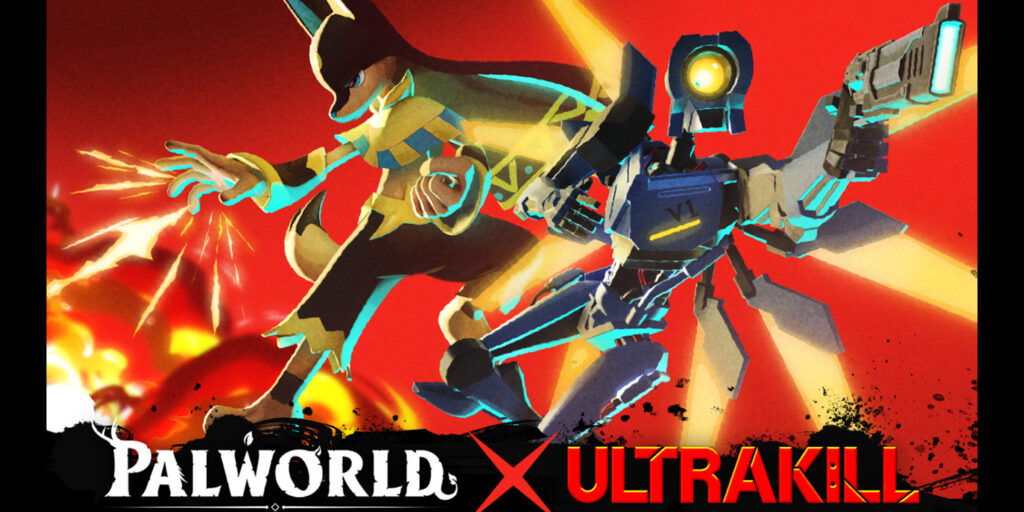
PocketPair revealed another collaboration, and it’s certainly unexpected: weapons and gear from the ultraviolent retro shooter ULTRAKILL are coming to Palworld. “At first glance, ‘a slow life with Pals’ and ‘slaughter in Hell’ seem like worlds that could never collide,” the company said in a press release. “What will happen when these worlds come together? Will blood rain upon the Palpagos Islands?” Gamers will get the answer once an official crossover date is revealed later this year.
 or
or