


ASUS ROG XREAL R1 AR Glasses Deliver 240Hz Gaming and a 171-Inch Virtual Display



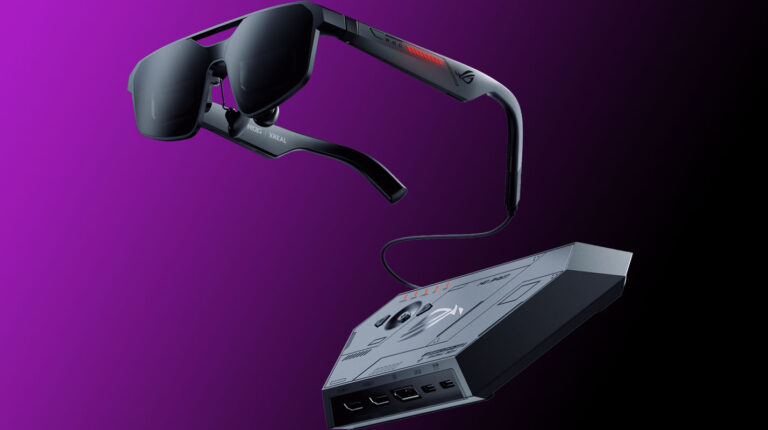
- ASUS and XREAL have announced the ROG XREAL R1 gaming AR glasses with a 240Hz micro-OLED display
- The glasses feature a virtual 171-inch screen, native 3DoF support, and real-time 2D-to-3D conversion
- Integration with the ROG Ally allows users to adjust display settings during gameplay without leaving a game
ASUS Republic of Gamers and XREAL have opened global pre-orders for the ROG XREAL R1, a new pair of gaming-focused augmented reality glasses unveiled earlier this year at CES 2026. ASUS describes the device as the world’s first 240Hz micro-OLED gaming AR glasses, targeting handheld, PC, and console players looking for a portable large-screen gaming experience.
The R1 features a virtual 171-inch display with a 57-degree field of view, alongside a 0.01ms response time and 3ms motion-to-photon latency. ASUS says the headset was developed with a focus on low-latency gaming and compatibility across the wider ROG ecosystem, particularly alongside the ASUS ROG Ally handheld PC.
“The R1 unlocks a new dimension of handheld gaming through synchronized dual-display functionality with ROG Ally,” ASUS said in its announcement. The company confirmed pre-orders opened on May 15, with worldwide shipping scheduled to begin on June 1.
Jump to:
What the ROG XREAL R1 Offers
The ROG XREAL R1 uses micro-OLED display technology with support for refresh rates up to 240Hz. ASUS says the headset is designed to reduce motion blur and visual jitter during gameplay while delivering a large virtual display in a lightweight wearable format.
The glasses include native Three Degrees of Freedom (3DoF) support through XREAL’s X1 spatial computing chip. Users can switch between Anchor Mode, which fixes the display in a set position within a room, and Follow Mode, where the screen tracks head movement. ASUS has also added real-time 2D-to-3D conversion support for compatible games and media.

Additional features include electrochromic lenses that automatically adjust transparency levels based on where the user is looking, along with manual tint controls for different lighting conditions. ASUS also confirmed support for Bose audio technology, AI-assisted visual modes, and the ROG Control Dock software, which enables display and interface adjustments through keyboard, mouse, or ROG Ally controls.
Gaming AR Glasses Continue Expanding
The ROG XREAL R1 enters a growing market for wearable gaming displays and lightweight XR hardware. Companies including XREAL, Lenovo, TCL, and Meta have continued investing in AR and mixed reality devices aimed at gaming, entertainment, and productivity use cases.
Recent growth in handheld gaming PCs such as the Steam Deck and ROG Ally has also increased interest in portable display accessories capable of delivering larger-screen experiences without requiring traditional monitors or televisions.
ASUS and XREAL are positioning the R1 around gaming-specific performance metrics, including high refresh rates, low latency, and integrated handheld controls. The device is scheduled to begin shipping globally from June 1, 2026.