

Indie Developer Pitches Dungeons Deep As Next Big Dungeon Crawler



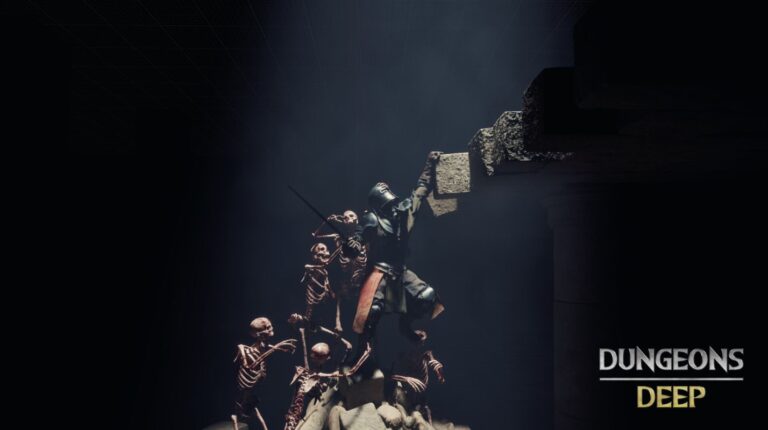
- Dungeons Deep launches on Kickstarter with a $15,000 goal and multiple stretch goals
- The game blends Diablo-inspired loot hunting with over-the-shoulder combat mechanics
- Procedurally generated dungeons promise replayability and punishing enemy AI
- Co-op mode, console ports, and expanded content depend on crowdfunding success
Jump to:
A Fresh Take On The Dark Fantasy Dungeon Crawler
Independent developer Enraged Gamers is trying to carve a space in a crowded genre with Dungeons Deep. Drawing inspiration from Diablo but moving away from the familiar top-down view, the game embraces a third-person perspective that emphasizes precision combat and strategic positioning. It attempts to answer what a three-dimensional Diablo might look like, stripped of lock-on mechanics and layered with visceral weapon hitboxes.
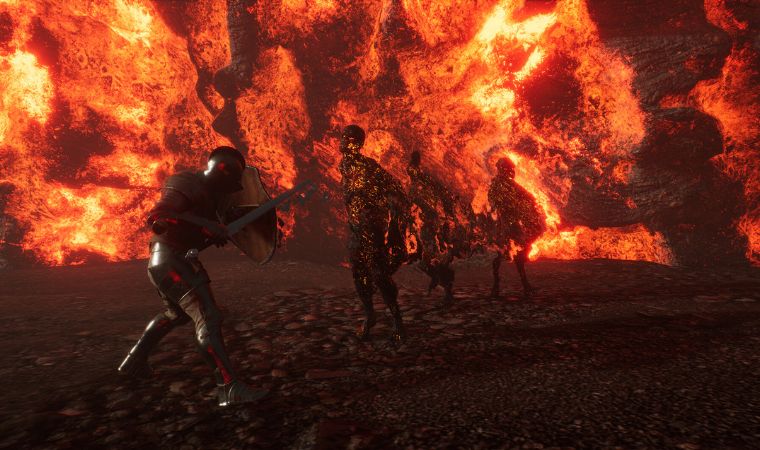
The game world centers on Antioch, a plagued kingdom infested with orcs, goblins, demons, and dragons. Players step into the role of mercenaries and soldiers scavenging the depths for ancient relics, with motives that are not always noble. The tone leans heavily into grim fantasy, with enemies designed to adapt their tactics, forcing players to learn and exploit weaknesses quickly.
“Dungeons Deep draws its most inspiration from Diablo II, in its grim setting, ARPG mechanics, and spatial inventory system,” notes Enraged Gamers. “I was also inspired by the dismemberment and combat in Severance: Blade of Darkness.”

Replayability is built into the experience. Dozens of locations are procedurally restructured with every playthrough, ensuring no two dungeon runs are alike. Unlike the heavily choreographed levels of Diablo 4 or Baldur’s Gate 3, Dungeons Deep favors unpredictability and punishing improvisation.
Combat That Rewards Skill And Punishes Mistakes
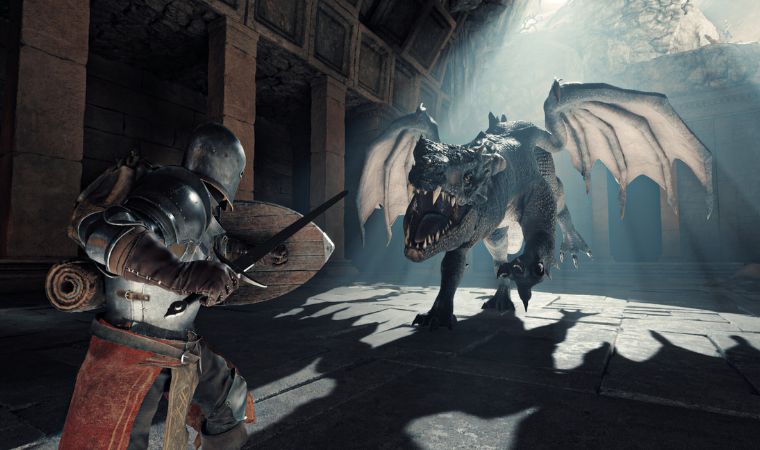
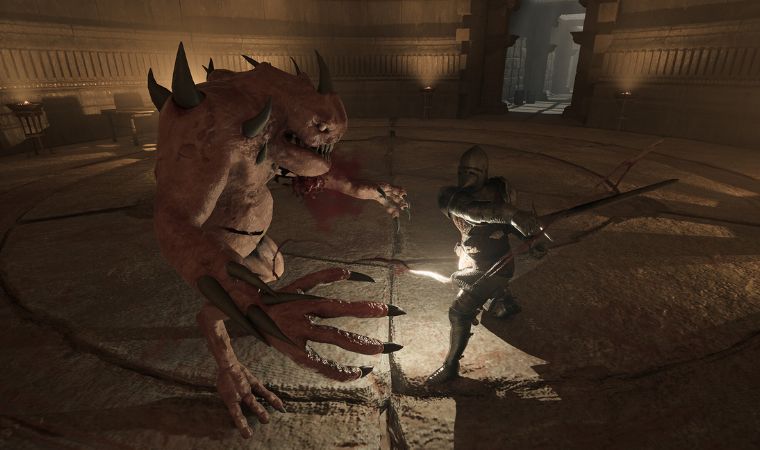
Combat in Dungeons Deep avoids the lock-on reliance of Soulslikes and instead uses omni-directional aiming. This choice demands sharper reflexes, closer positioning, and manual accuracy. With full gamepad support, the game is designed to feel more tactile and immediate than the click-heavy heritage of Diablo.
Enemy AI adds to the tension. Creatures do not simply absorb damage, they learn behaviors and adjust strategies. This is where the game positions itself closer to Monster Hunter than to Blizzard’s action RPG empire. Players who make repeated mistakes will be punished, but those who adapt will find combat deeply satisfying.
“Dungeons Deep stands out by combining an immersive over-the-shoulder perspective with skill-driven combat where every swing, dodge, and spell truly matters. Interestingly, during early development, the enemy AI glitched where instead of attacking normally, it started circling the player in this eerie, unpredictable way,” the developer said.
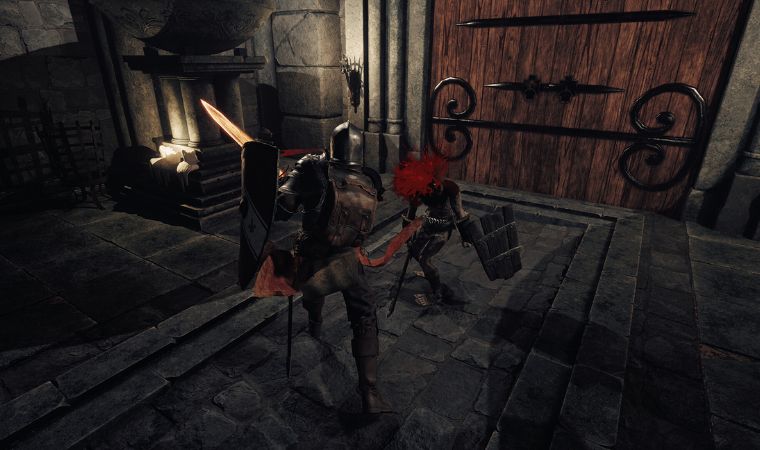
A bloody dismemberment system adds spectacle to the battles. Limbs, heads, and more can be hacked apart, reinforcing the developer’s goal of giving weight and consequence to each strike. Compared to the surgical precision of Dark Souls or the overwhelming horde-clearing of Diablo, Dungeons Deep occupies a middle ground where every encounter can end in triumph or ruin.
Kickstarter Campaign And Stretch Goals
The developer has set a modest Kickstarter goal of $15,000 to complete Dungeons Deep’s development. Backers at the $25 tier secure a copy of the game, while higher pledges unlock alpha access, exclusive armor skins, or even design contributions for weapons, dragons, and dungeons.
Stretch goals hint at bigger ambitions. Console releases, a fully expanded campaign, new player classes, deeper customization options, and a four-player co-op mode are all tied to crowdfunding success. In a marketplace where co-op has become a genre lifeline, this feature in particular may prove decisive for backer interest.
The campaign runs through Oct. 10, 2025, leaving a narrow window for momentum to build. With competition from other indie RPG Kickstarters, Enraged Gamers will need to leverage its growing community to reach beyond early adopters.
How It Stacks Against Other RPG Giants
By emphasizing slower combat and emergent dungeon layouts, Dungeons Deep sets itself apart from Diablo’s seasonal treadmill and Path of Exile’s labyrinthine skill trees. It leans into tension and unpredictability, rather than overwhelming players with endless systems.
Thematically, it aligns with darker fantasy aesthetics seen in Dark Souls and Lords of the Fallen, but strips away the deliberate sluggishness in favor of more immediate responsiveness. Its co-op ambitions place it alongside Vermintide or Deep Rock Galactic, games where coordination and procedural generation amplify replayability.
Whether this balance strikes the right chord depends on execution. If its AI delivers on promises and its procedural dungeons feel meaningful rather than random, Dungeons Deep could carve a niche that resonates with players tired of formulaic loot grinders.
The Developer’s Vision For A Studio Future
Dungeons Deep is being created by a solo developer working under the name Enraged Gamers. With over a decade of experience in Unreal Engine, he aims to build more than just a game. The Kickstarter campaign doubles as a rallying point for forming a team and laying the foundation of a studio.
This approach mirrors the journeys of other indie successes. Larian Studios’ rise with Divinity Original Sin and Supergiant Games’ trajectory from Bastion to Hades both began with small teams proving their vision through gameplay. Whether Enraged Gamers can follow that path will depend on how much traction Dungeons Deep gains in its crowdfunding window.
The promise of community involvement, from designing weapons to shaping dungeons, signals an attempt to build not just a fanbase but a collaborative ecosystem. If successful, it could allow the developer to move from one-person projects to fully fledged studio productions.
 or
or