


Godot Launches Official Asset Store Ahead of Major 4.7 Engine Update



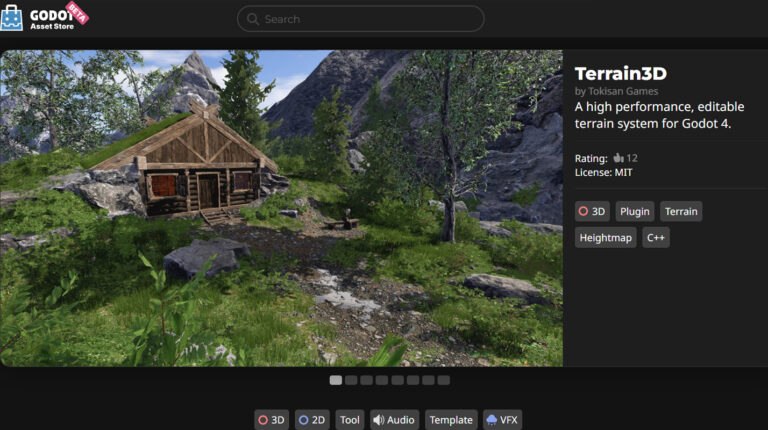
- Godot has officially launched its long-awaited Asset Store for plugins, tools, and creator-made content
- The new platform introduces reviews, ratings, analytics, version management, and future paid asset support
- The launch arrives ahead of Godot 4.7 as the open-source engine continues growing across indie game development
Godot has officially launched its new Asset Store, introducing a dedicated marketplace for developers to discover, share, and manage plugins, tools, templates, and other community-made content. The platform is expected to gradually replace the older Godot Asset Library and will become more closely integrated with the engine starting with Godot 4.7.
According to the Godot Foundation, the new storefront is designed to modernise the engine’s ecosystem and make it easier for developers to discover, maintain, and distribute community-created assets. The Asset Store includes features such as reviews, ratings, changelogs, tagging systems, version management, and publisher analytics; functionality commonly found across larger commercial engine marketplaces.
While the current rollout focuses mainly on free community assets, Godot has confirmed that support for paid content is planned for future updates. “The Godot Asset Store is stable and ready to use,” the Foundation said in its announcement, adding that the older Asset Library will eventually transition into a read-only archive as development shifts toward the new platform.
Jump to:
What the Godot Asset Store Adds for Developers
The new Asset Store introduces several workflow and usability improvements for developers using Godot. Asset creators can now upload multiple versions of projects, provide compatibility information for different engine releases, and manage updates through dedicated storefront pages.
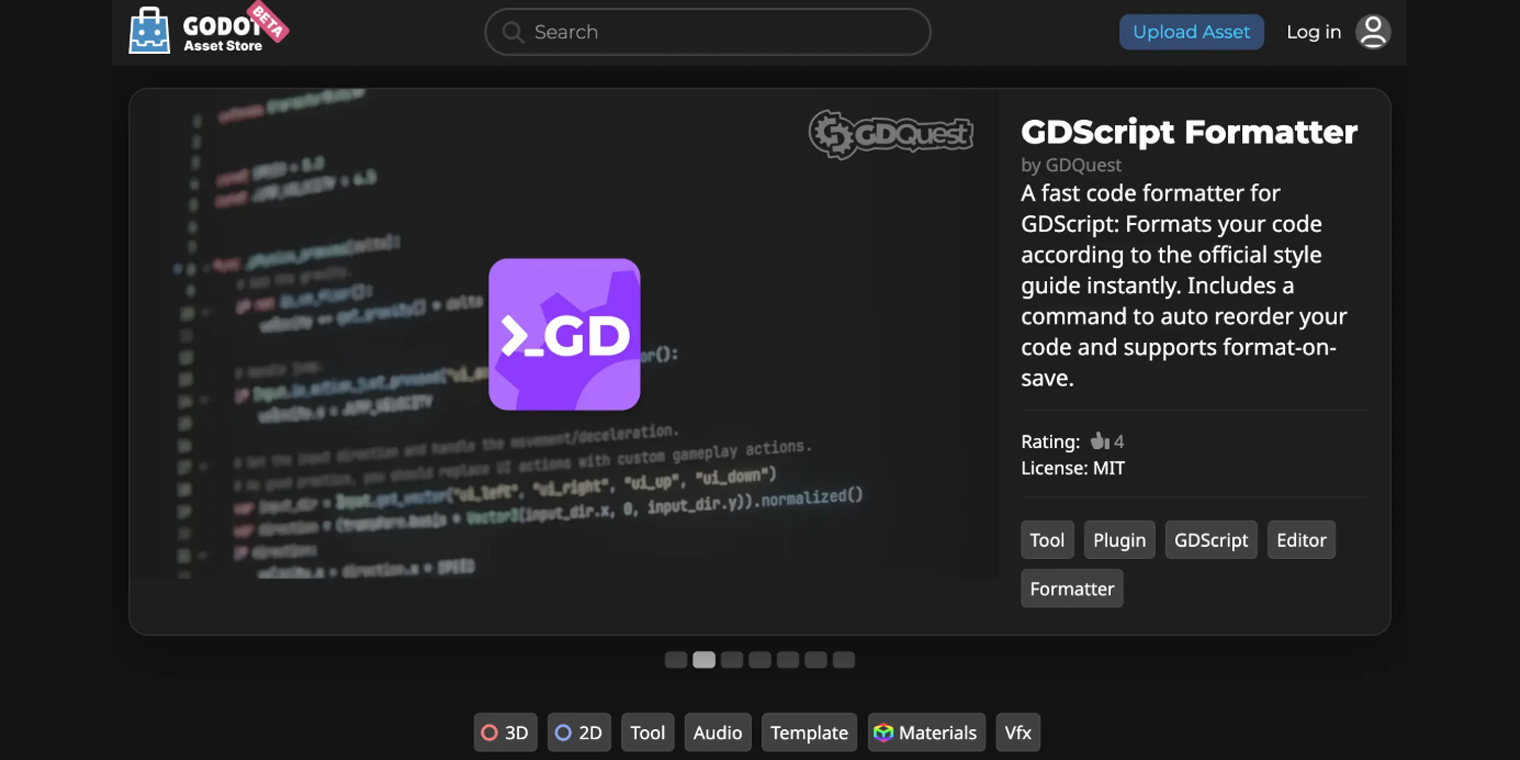
The platform also gives users a more centralized place to discover tools and resources. Until now, many Godot plugins and assets were spread across GitHub repositories, forums, and third-party websites, which could make discovering and maintaining tools more fragmented than in competing ecosystems.
The move brings Godot closer to platforms such as Unity’s Asset Store and Epic Games’ Fab marketplace, both of which have become important parts of their respective development communities. For Godot, the introduction of a more structured marketplace is another step toward making the engine feel more complete and accessible, particularly for newer developers and growing studios.
Community reaction to the launch has been largely positive, although some developers have raised questions around moderation, discoverability, and how the platform may handle low-quality or AI-generated assets over time. Even so, the Asset Store is widely being viewed as one of the most significant ecosystem upgrades the engine has received so far.
Godot 4.7 Arrives as the Engine Continues Expanding
The Asset Store launch comes shortly before the planned release of Godot 4.7, which is expected to introduce additional improvements to workflow stability, rendering systems, editor usability, and support for larger-scale projects. While full patch details are still emerging, the update is already shaping up to be another major release for the engine.
Godot has steadily gained momentum over the past several years, particularly among indie developers looking for an open-source alternative to larger commercial engines. Its permissive licensing model and active community support have helped it become an increasingly visible option across independent game development; it’s also even been worked into AAA titles like Battlefield 6.

Several commercially successful games have also helped raise the engine’s profile, including Cassette Beasts, Brotato, and the upcoming Slay the Spire 2. These projects are frequently referenced within the development community as examples of how far the engine has evolved beyond its early hobbyist roots.