

Wilderdark: Junkfish’s Dinosaur Survival Horror Embraces Parasite-Fuelled Terror



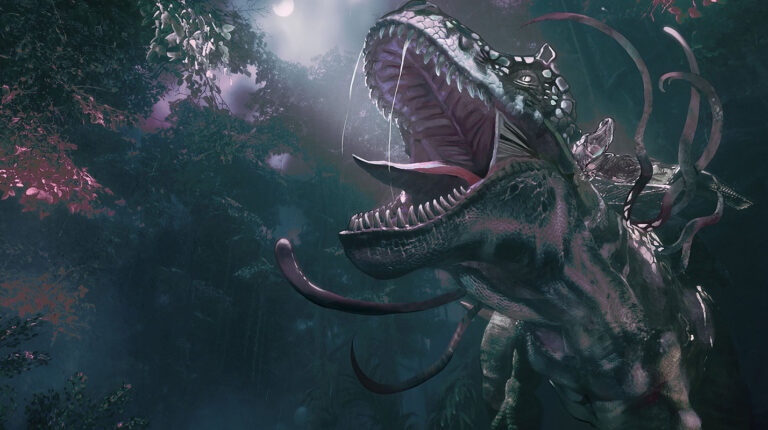
- Grotesque, parasite-infected dinosaurs roam a hostile island ecosystem
- First-person stealth survival focused on photography, crafting, and discovery
- Story-driven mystery tied to a lost expedition and a search for immortality
Indie studio Junkfish, the creators behind the cult-classic Monstrum, have officially announced Wilderdark, a first-person stealth survival horror game featuring infected dinosaurs. Set on a hostile island, players are tasked with survival against biological horrors and Lovecraftian dread. The Wilderdark demo is available on Steam from May 7.
The game places players in an environment where a mysterious ectoparasite has reshaped the natural order. Dinosaurs and plant life have become twisted, grotesque versions of themselves, creating a world that feels both ancient and deeply unnatural. After the failure of Monstrum 2, it could be just what players are looking for from Junkfish.
“We’ve been holding onto Wilderdark as a well-kept secret for over three years, and we’re super excited to finally shine a spotlight on it,” said Ellie Gibbs, Senior Marketing Manager at Junkfish. “After years of quietly building it behind-the-scenes, it feels amazing to share something that marks our return to the kind of horror our community has been asking for.”

Jump to:
Junkfish, Monstrum, and a New Evolution of Horror
Junkfish first broke through with Monstrum, a cult indie hit that earned praise for its procedural design and relentless tension. Set aboard a deserted cargo ship, it forced players to improvise escape routes while being hunted by unpredictable monsters. Its permadeath structure and dynamic level layout helped it build a dedicated following, with many players and critics highlighting its replayability and ability to generate unscripted scares.

That success made its sequel, Monstrum 2, a high-profile pivot. Released on September 6, 2022, the game shifted to an asymmetric multiplayer format, pitting teams of prisoners against a player-controlled monster in a procedurally generated environment. However, reception proved far more divided. Steam user reviews settled into a “Mixed” rating, with roughly half of players recommending it and a player score hovering just above 50% across more than 1,000 reviews. Many players criticised the move away from the solitary tension of the original, alongside concerns about balance, longevity, and the reliance on online play (it didn’t have an offline mode).
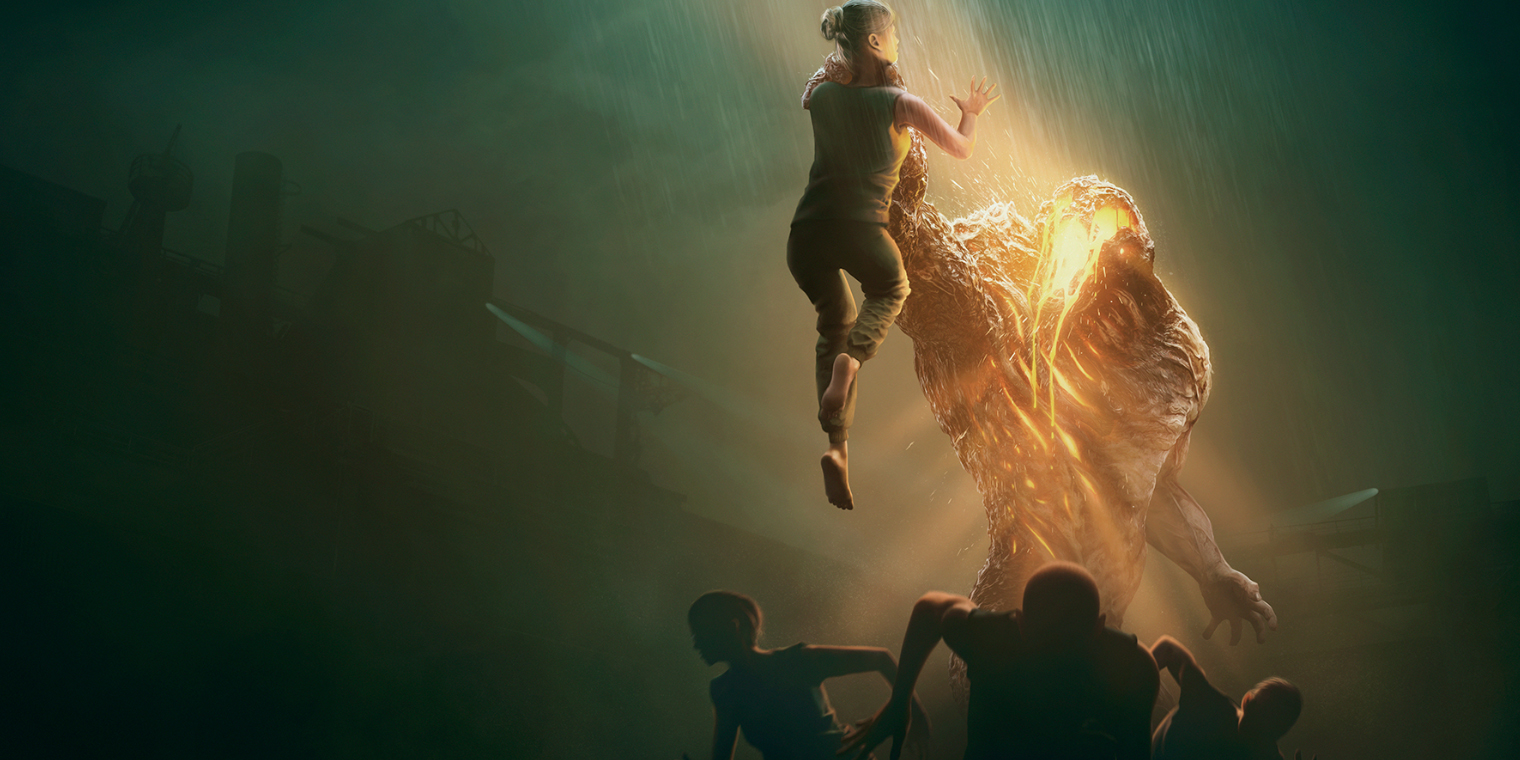
As has happened before with live service titles, the game struggled to maintain momentum despite a strong launch. Reports indicate declining player numbers, server closures, and an eventual acknowledgement from the developers that the project had failed to meet expectations. Monstrum 2 was ultimately pulled from sale on November 26, 2024, marking a quiet end for a sequel that never captured the same appeal as its predecessor.
Check Yourself Before You Rex Yourself
That history gives Wilderdark added context. It represents a return to the foundations that made Monstrum resonate in the first place: isolation, unpredictability, and player-driven horror. Players step into the role of an operative working for an organisation searching for the key to immortality. The mission involves documenting the island’s ecosystem, collecting biological samples, and uncovering what happened to earlier expeditions, including one connected to the protagonist’s own family.
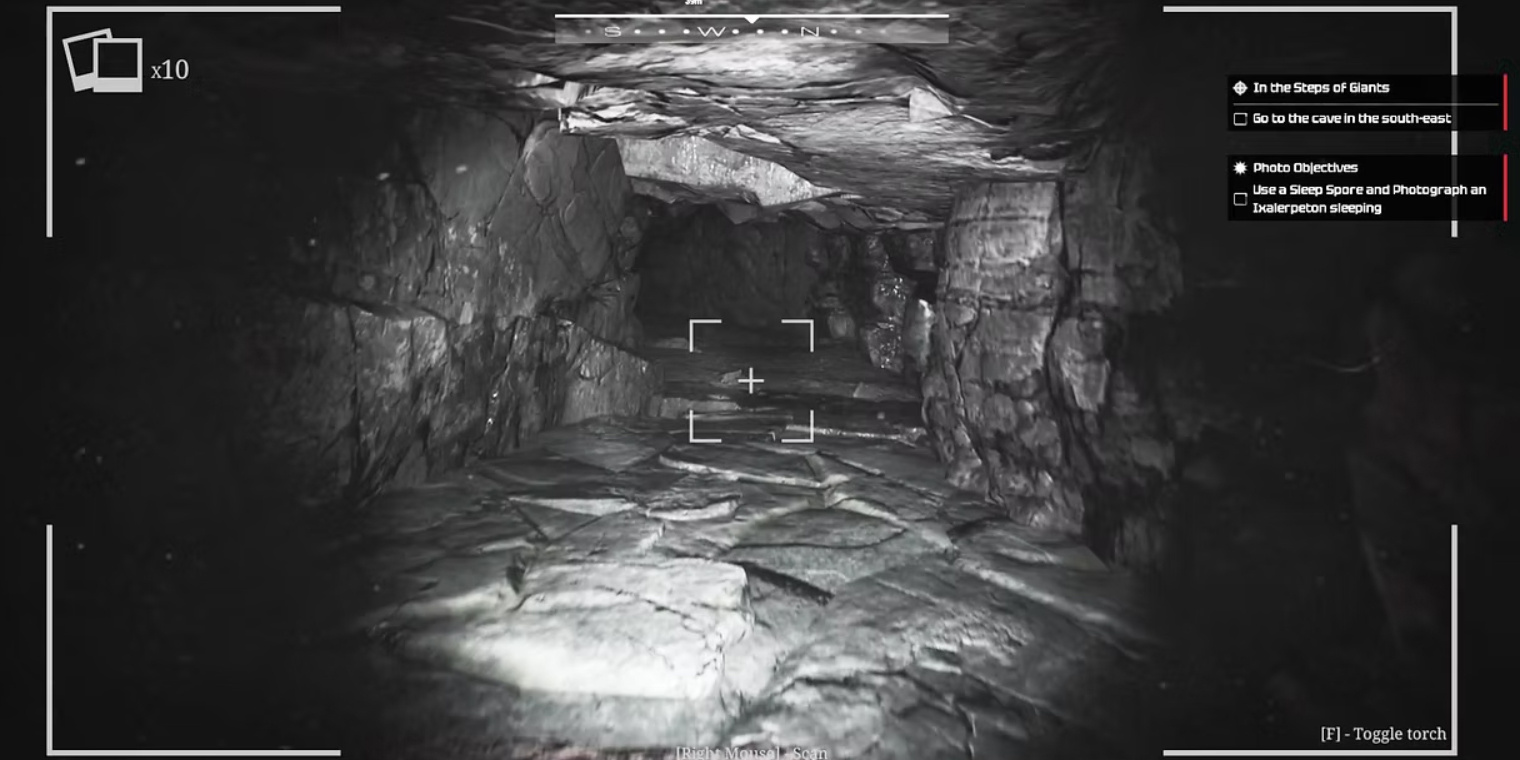
Survival depends on stealth, awareness, and preparation. After crash-landing with limited supplies, players must scavenge materials, craft tools, and rely on photography to record discoveries. Predators roam freely, including massive infected carnivores, and avoiding detection is often the only viable option.
Instead of competitive multiplayer systems, Junkfish expands its original design philosophy into a larger, more complex setting. The studio is once again focusing on atmosphere, vulnerability, and the slow-building dread of being hunted, now within a far larger and more hostile ecosystem. The confined corridors of Monstrum are replaced by an open island filled with interconnected systems and persistent threats, including a mutated t-rex.
Dinosaurs in Games: A Genre Having Its Moment
Dinosaurs are having their moment in the sun across contemporary video games, with multiple projects exploring different angles on prehistoric survival and horror. From cooperative survival experiences to open-world simulations and narrative-driven action games, the theme continues to resurface in new and experimental ways.
Titles like Deathground lean into co-op survival horror, tasking players with escaping facilities while being hunted by reactive AI dinosaurs. The game has built a following through its tense design and replayable structure, though its early access release has seen mixed reception from players, reflecting both its ambition and its unfinished state.
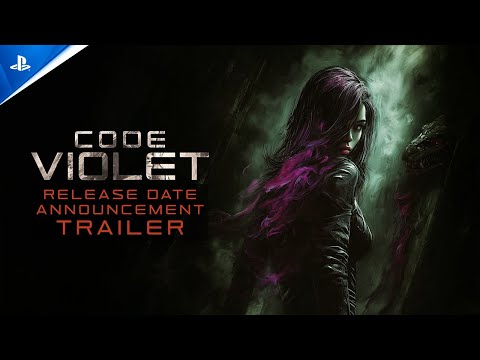
Meanwhile, The Isle continues to occupy a different niche as a long-running dinosaur survival simulator, focusing on player-driven ecosystems and emergent storytelling. Other projects such as Code Violet attempt to serve as a “spiritual successor” to older titles like Dino Crisis, by blending cinematic action with survival horror, placing players in enclosed environments overrun by dinosaurs. However, Code Violet has struggled critically, receiving broadly negative reviews and criticism for its gameplay, writing, and overall execution.
This uneven landscape highlights both the appeal and the challenge of dinosaur-focused games. The concept remains compelling, but execution varies widely. Against that backdrop, Wilderdark enters the scene with a clear focus on atmosphere, systemic survival, and the unsettling idea of parasites reshaping prehistoric life into something far more disturbing.