



HyperX Cloud Alpha review 2026

Eneba Hub contains affiliate links, which means we may earn a small commission if you make a purchase through them—at no extra cost to you. Learn more


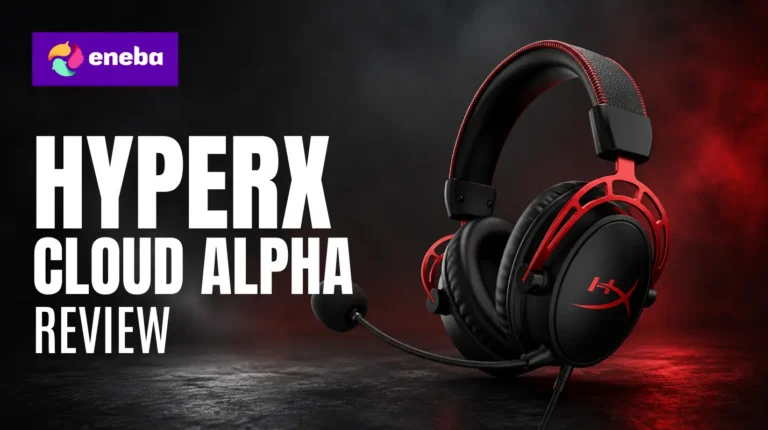
The HyperX Cloud Alpha review keeps coming up whenever gaming communities debate the best wired headsets under $50 – and after a close look at what makes it tick, I understand why it refuses to leave the conversation. Gaming headsets in this price range usually ask you to pick two of three: good sound, durable build, or comfortable fit. The Cloud Alpha pushes back on that trade-off with a dual-chamber driver design and an aluminum frame that are genuinely unusual at $45.59.
What gets people talking is the way the split-chamber driver design separates bass frequencies from the mids and highs – which most budget headsets handle in a single chamber, with the trade-off in audio clarity you’d expect. The aluminum frame sets it apart structurally from the plastic competition. With over 16,900 reviews at a 4.2 out of 5 average, this headset has held up to a lot of scrutiny.
This review focuses on what matters most for long gaming sessions: audio precision for competitive play, build durability, microphone usability, and whether the comfort holds up past the first hour. The Cloud Alpha is built for PC and multi-platform gaming across PS4, PS5, Xbox, Switch, and mobile – and that versatility shapes every verdict here. The main trade-off to keep in mind is that this is a wired headset in a market moving toward wireless; what you give up in cable-free convenience, you gain back in audio reliability and price-per-performance.
Jump to:
Cloud Alpha at a Glance
Here is what you are working with before getting into the details – the specs that matter and the score that summarizes the overall evaluation.
| Specs | Details |
|---|---|
| Driver Type | Dynamic Driver |
| Frequency Response | 15Hz-25,000Hz |
| Sensitivity | 98 dB |
| Impedance | 65 Ohms |
| Connectivity | Wired, 3.5mm Jack |
| Weight | 298g (10.5 oz) |
| Frame Material | Aluminum |
| Ear Placement | Over-ear (circumaural) |
| Microphone | Detachable, noise-cancelling |
| Cable | Detachable braided cable with in-line controls |
| Compatibility | PC, PS4, PS5, Xbox One, Xbox Series X/S, Nintendo Switch, Mobile |
| In the Box | Headset, cable, detachable mic, user manual, protective carry case |
| Warranty | 2 Years |
| Price | $45.59 |
Key Features and Benefits
For a complete HyperX Cloud Alpha PC headset review, the feature list is where the engineering decisions become visible – here is what each spec translates to in actual use.
- Dual-Chamber Drivers – The driver housing splits into two acoustic chambers: one handles bass, the other handles mids and highs. In practice, footsteps come through cleanly even when there’s bass rumble in the background – a direct advantage in competitive shooters where audio positioning determines outcomes.
- Aluminum Frame – Most headsets at this price use plastic throughout. The Cloud Alpha‘s aluminum construction adds noticeable weight to hold, but it resists the flex, creaking, and hinge cracking that kills cheaper headsets after a year of daily use. It survives the drops and desk mishaps that plastic doesn’t.
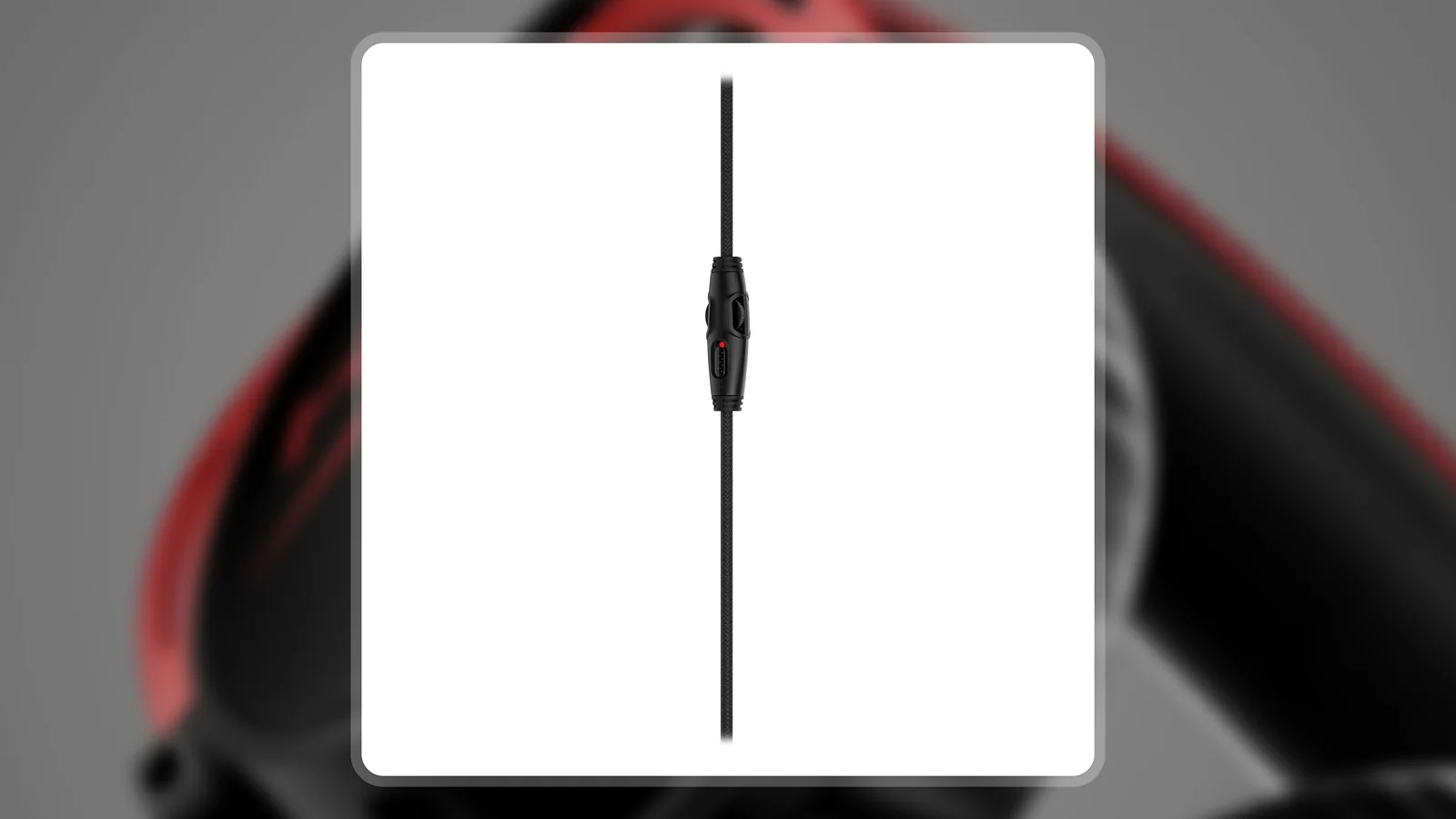
- Detachable Braided Cable with In-line Controls – The braided cable resists tangling and holds up to being rolled over or yanked. Volume and microphone muting are handled by the in-line control without reaching for the PC or console. A damaged cable is a $10 fix, not a headset replacement.
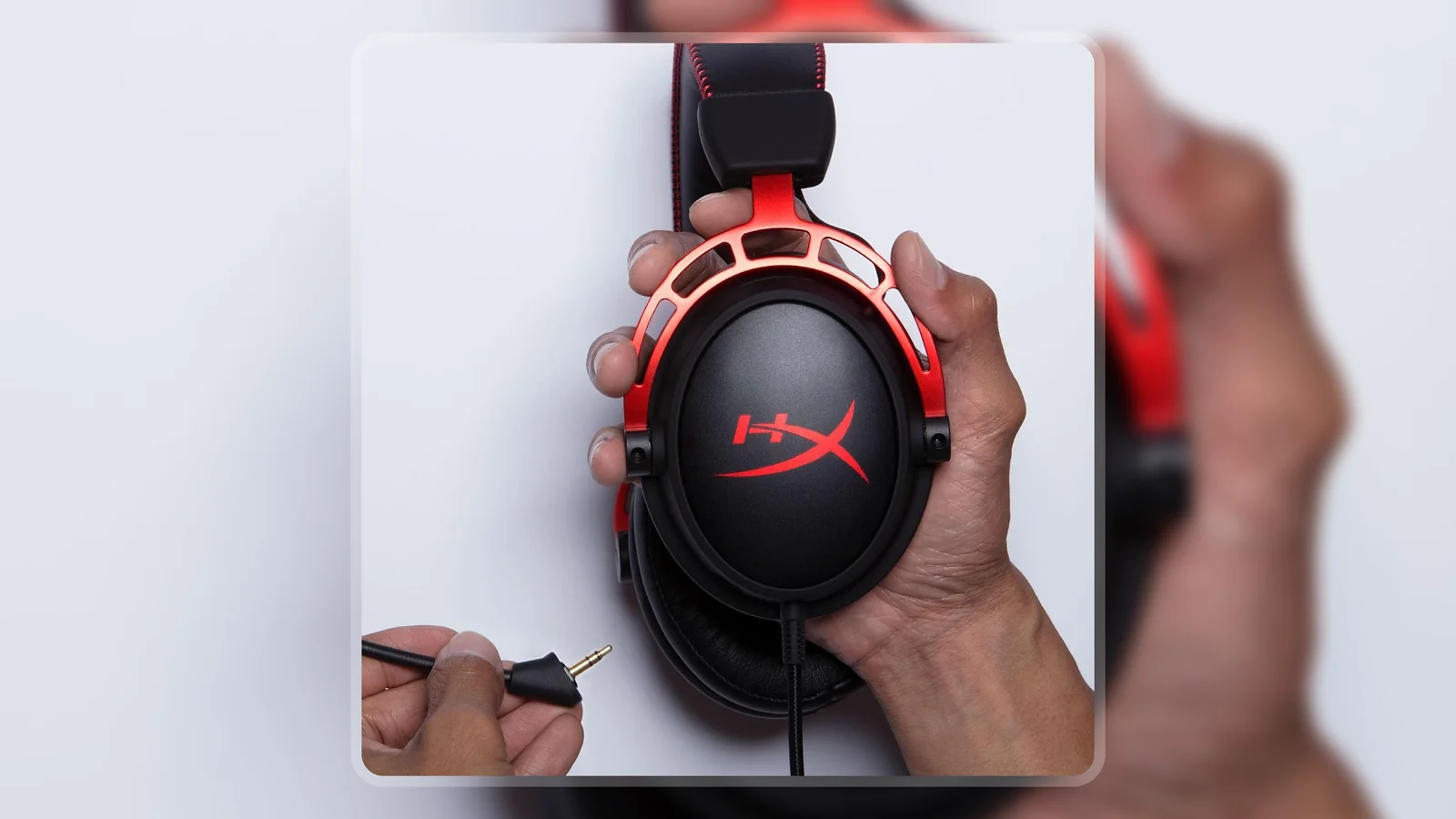
- Detachable Noise-Cancelling Microphone – The microphone pulls out cleanly and the port doubles as a standard 3.5mm input when the mic is removed, turning the headset into a clean pair of cans. The noise-cancellation captures voice while filtering ambient sounds – adequate for gaming chat and Discord without a separate standalone mic.
- Multi-Platform 3.5mm Compatibility – The single 3.5mm connection works across PC, PS4, PS5, Xbox One, Xbox Series X/S, Nintendo Switch, and mobile without adapters. Switching platforms is a cable swap, not a pairing process.
- Protective Carry Case Included – The box includes a soft carry case at a price where most headsets skip it entirely. It keeps the headset and detachable components together for travel and protects the aluminum frame from scratches during storage.
Performance and Real-World Experience
The HyperX Cloud Alpha gaming headset review comes down to one central question: whether the dual-chamber design actually changes how audio sounds in real gaming conditions. Here is what the specifications and long-term ownership patterns confirm.
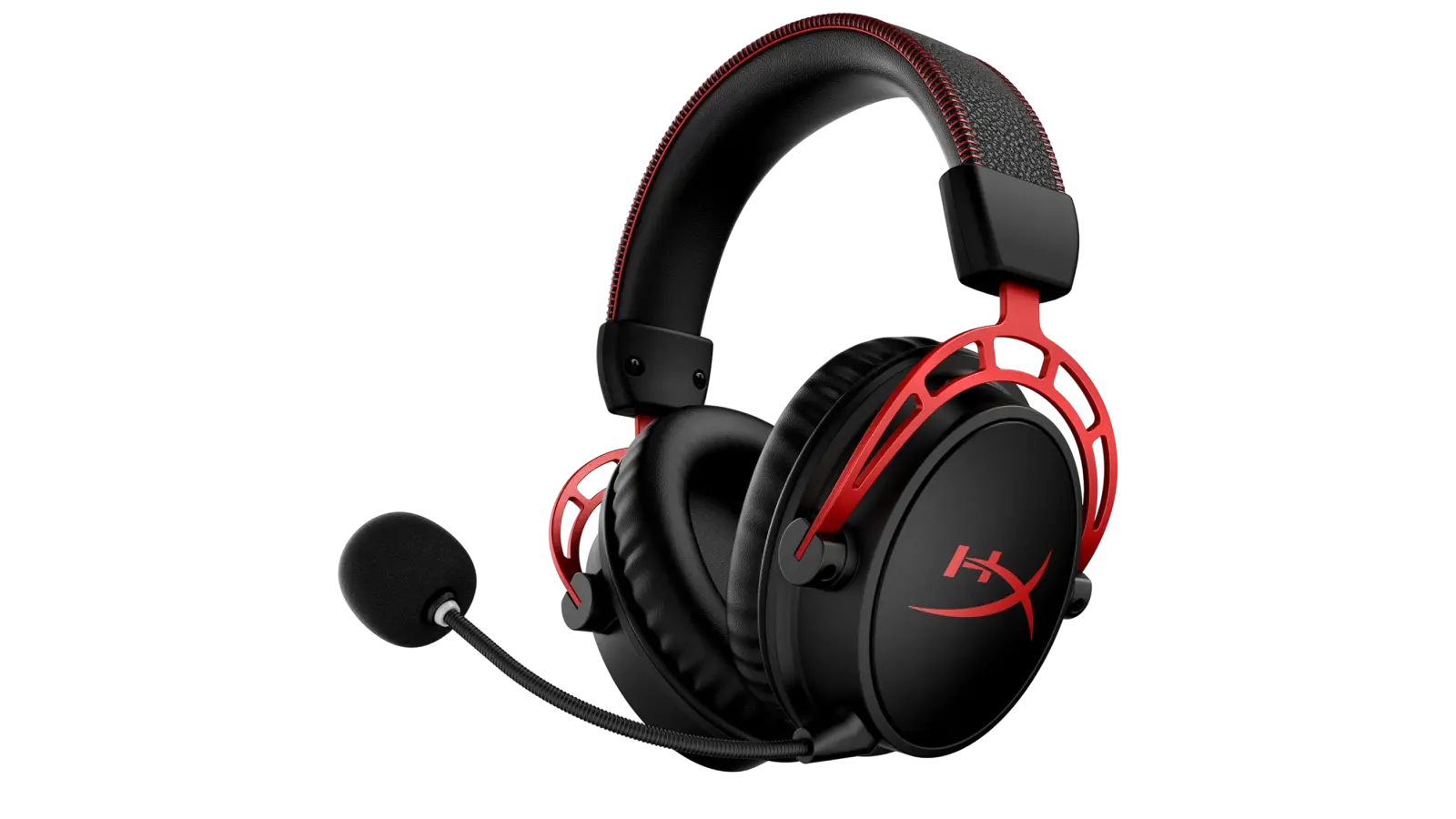
The split-chamber approach is the main differentiator. What separates this HyperX Cloud Alpha headphones review from a standard gaming headset assessment is the audio engineering focus. At the $40-50 price range, most headsets use a single driver that handles the full frequency range, leading to either muddy bass or thin highs depending on how the driver is tuned. The Cloud Alpha‘s design gives bass its own space, so explosions and low rumble don’t bleed into the mid-range detail where footsteps and dialogue live. For competitive games like CS2, Valorant, or Call of Duty, positional audio is part of gameplay – and the Cloud Alpha supports that use case directly.
At 98 dB sensitivity and 65 ohms impedance, the headset gets plenty loud from standard PC and console audio outputs. No DAC or amplifier needed. The passive noise isolation from the circumaural design takes a noticeable chunk of background sound out – not as thorough as active noise cancellation, but enough to maintain focus during long sessions.
The 298g weight sits on the heavier end for a gaming headset. The padded headband and memory foam ear cushions distribute it well, and the clamping force is lighter than typical at this price. That combination works in favor of extended gaming – there’s enough grip to keep the headset secure without the tight squeeze that causes fatigue past the two-hour mark. Owners who wear glasses consistently call this out as the headset they can actually wear for a full session.
The 3.5mm connection tells the HyperX Cloud Alpha wired review story clearly: no Bluetooth pairing delays, no battery management, and no audio latency from wireless processing. For anyone splitting time between PC and console, it handles both without friction – connect it to whatever device is in use.
| Pros | Cons |
|---|---|
| ✅ Dual-chamber drivers keep bass from muddying the mid-range detail where footsteps and dialogue live ✅ Aluminum frame handles the daily abuse that cracks and flexes plastic headsets ✅ Detachable braided cable makes the headset repairable and easy to travel with ✅ In-line controls handle volume and mute without reaching the PC or console ✅ Comfortable fit that works with glasses, including across extended sessions ✅ Single 3.5mm connection covers PC, PS4, PS5, Xbox, Nintendo Switch, and mobile | ❌ Earcup padding shows wear after 2-3 years of heavy daily use – replacement earpads are widely available for around $15 and restore the original feel |
The Cloud Alpha separates bass from mids and highs at a price that typically forces a compromise, which is why it consistently ranks as the top wired gaming headset under $50. Its aluminum build and 2-year warranty make it the most durable gaming headset available at this price.
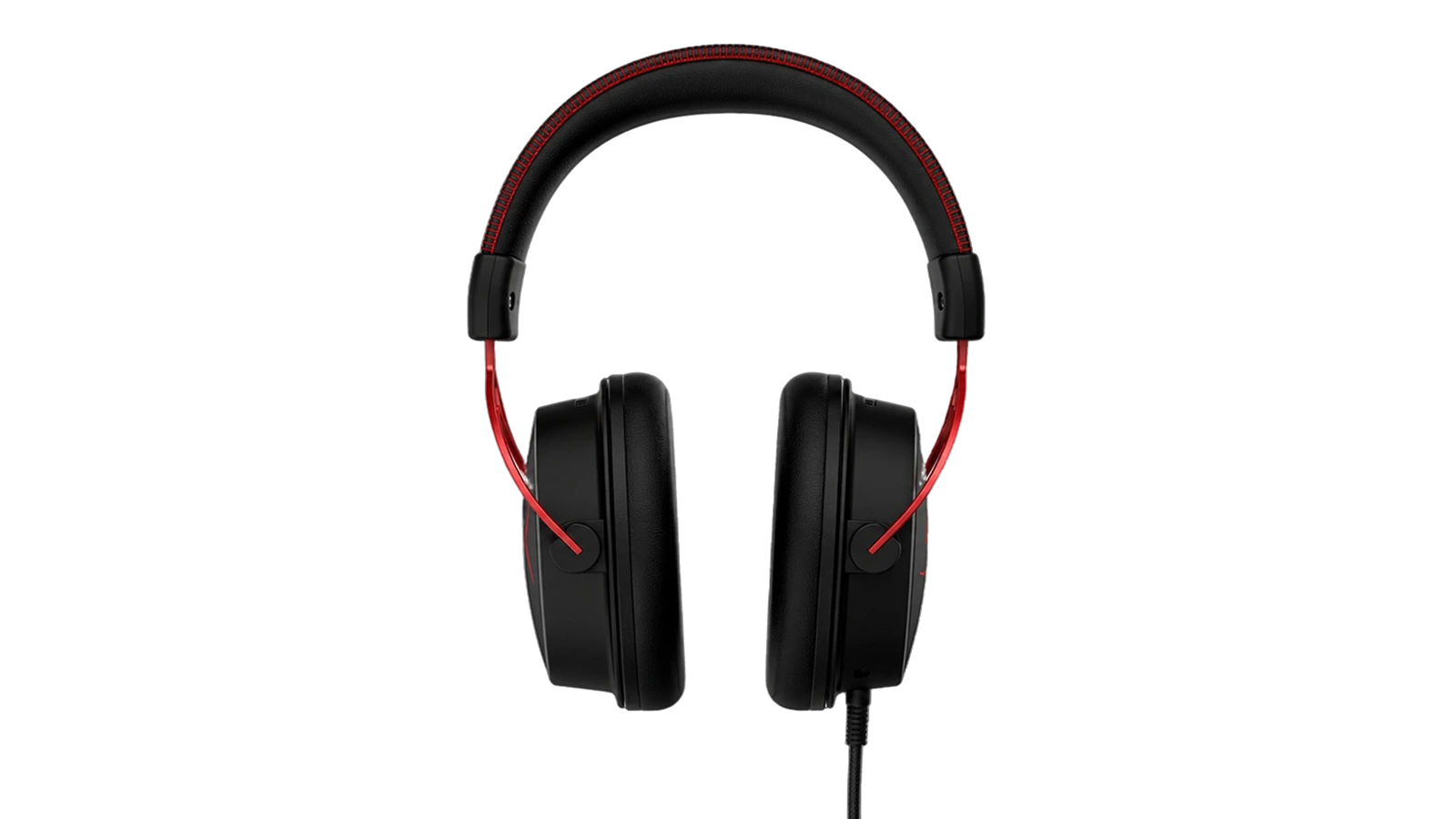
The Cloud Alpha earns its place by solving a specific problem well: precise audio and a build that lasts, at a price where most alternatives ask you to sacrifice one for the other. The 2-year HyperX warranty backs the durability claim officially – if the frame cracks or the drivers fail, you’re covered. That matters for daily-use gear.
“Two-plus years in, this headset has been slammed in doors, rolled over by my office chair, and dropped hard more times than I can count – it still works perfectly. The passive noise reduction is real and noticeable, and the sound quality makes gaming and podcasts equally enjoyable.” – Consumer Extraordinaire
The durability that review describes tracks with what the aluminum frame is built to do. A headset at this price that survives that kind of abuse is genuinely unusual. The braided cable adds to it – it resists kinking and tolerates the incidental stress that kills standard cables.
“I come from an audio engineering background and wasn’t expecting much at this price. I was wrong. The noise isolation holds up against headphones I’ve paid five times more for, and the spatial imaging is accurate enough to consistently place footsteps in competitive games.” – Andrew D
That comparison against significantly more expensive headphones speaks to what the dual-chamber design achieves. The audio accuracy at this price comes from targeting a specific engineering variable – frequency isolation within the driver housing, rather than simply increasing driver size or output impedance.
Microphone Quality
The microphone on a gaming headset gets ignored until your teammates can’t hear you – here is what the Cloud Alpha‘s detachable mic actually delivers in day-to-day use.
The detachable design is the first thing worth noting. When the mic is removed, the headset becomes a clean pair of headphones with no dangling boom arm. The port accepts a standard 3.5mm connector, which means the microphone physically detaches rather than bending or snapping – a design detail that extends the usable life of both the mic and the headset.
The noise-cancelling design on the mic captures voice while filtering ambient sounds – desk fans, keyboard clicks, and background room noise get attenuated. The result is passable for gaming chat, Discord calls, and casual streaming without an additional desktop microphone. It won’t compete with a dedicated USB condenser for professional content creation, but it covers the communication side of gaming reliably.
One practical note: the microphone picks up sibilance at very close range, and the broad cardioid pattern means loud ambient sources in the room will bleed through at high volumes. For gaming chat and team coordination, that’s not an issue. For anyone planning to use the Cloud Alpha as their primary streaming or recording mic, a dedicated standalone microphone is the better long-term choice.
The mic arm adjusts to a fixed position rather than a fully flexible gooseneck. Taller users sometimes find the default angle places the mic slightly lower than ideal. A minor lean adjustment generally fixes this.
Comfort Over Long Sessions
A gaming headset that’s comfortable for the first 30 minutes but painful by hour three isn’t actually comfortable – here is how the Cloud Alpha holds up during the sessions that count.
The memory foam ear cushions are the strongest comfort feature. They conform to the shape of your ears and spread pressure across a wider contact area than standard foam, which is what keeps extended sessions from generating the hot, compressed-ear feeling that plagues gaming headsets with non-ventilated cups.
The clamping force is lighter than typical at this price point – a deliberate design choice that pays off during long play. There’s enough grip to keep the headset secure without squeezing your head past the second hour. Owners who wear glasses specifically call this out: the lighter clamp means the temples of their glasses don’t press uncomfortably against their skull during multi-hour sessions.
At 298g, you do feel this headset over time. The wide, padded headband compensates by spreading that weight across the top of the head rather than concentrating it at a single point. Most owners report staying comfortable past the three-hour mark, with fatigue becoming noticeable around the four-to-five-hour range depending on individual fit.
The long-term wear note: the earcup material does wear and peel with heavy daily use after two to three years. This is the most common complaint about the Cloud Alpha across owner feedback – and it’s worth knowing before you commit. Replacement earpads from HyperX and third-party manufacturers run around $15, take about five minutes to swap, and restore the original feel. The aluminum frame and drivers outlast the pads significantly.
HyperX Cloud Alpha Common Problems
Before committing to any headset, it’s worth knowing what goes wrong – the Cloud Alpha has a few recurring issues that show up consistently in owner feedback.
The most common complaint by volume is the earcup padding wear described in the comfort section. After two to three years of daily heavy use, the leatherette material peels and flakes. This is not unique to the Cloud Alpha – it’s a known failure mode for leatherette ear cups across the gaming headset category at this price. The fix is a pad replacement, which takes five minutes and costs around $15. The aluminum frame and drivers outlast the pads by a significant margin.
The second issue that comes up is microphone quality inconsistency. A small subset of units ship with a microphone that has noticeable background noise pickup or reduced clarity compared to what most owners describe. This appears to be manufacturing variance rather than a systematic design flaw. If you receive a unit with a poor-performing mic, HyperX‘s 2-year warranty covers replacements.
The third is inline control placement. The volume and mute controls sit on the cable at roughly mid-distance between the headset and the PC. For desktop setups, the control rests on the desk. For laptop users or those with the audio jack on a tower at floor level, the control hangs awkwardly at mid-body. This is a cable layout choice, not a quality problem – the controls themselves are reliable.
None of these issues are deal-breakers, and the vast majority of Cloud Alpha owners report years of reliable use. Knowing them in advance lets you evaluate whether they apply to your setup.
My Overall Verdict on HyperX Cloud Alpha
After a complete HyperX Cloud Alpha review, the verdict is clear: this is the wired gaming headset to buy if you want precise audio, a build that lasts, and multi-platform flexibility under $50. It earns its 8.6/10 Enebameter score by doing the things that matter in actual gaming – positional accuracy, long-session comfort, and durable construction – without demanding a higher budget.
The Cloud Alpha is built for PC and multi-platform gamers who spend meaningful time in competitive or immersive titles and want audio that supports that. It fits most budgets and needs no additional hardware to deliver its full performance. If wireless freedom is the priority, or you need a studio-grade built-in microphone for professional streaming, a different headset makes more sense. For the vast majority of gaming use cases, the Cloud Alpha delivers more than its price suggests.
At $45.59 with a 2-year warranty, an aluminum frame, and over 16,900 reviews backing the quality claim, the HyperX Cloud Alpha review recommendation is straightforward: buy it with confidence. For additional options in the same category, the top-rated wireless gaming headsets and highly rated gaming headsets guides cover the full range.
Budget Alternative
If the Cloud Alpha is slightly out of reach, the Logitech G Gaming Headset covers the basics at a lower entry price. Logitech‘s G series is known for consistent build quality and reliable microphone performance – the trade-off versus the Cloud Alpha: you won’t get the dual-chamber driver design or the aluminum frame. Audio distinction between frequencies is less precise, and the construction feels less premium under daily handling. The Cloud Alpha‘s aluminum durability and 2-year warranty are worth the price difference if your budget allows. For tighter budgets, the Logitech G option keeps you gaming without sacrificing too much.
Complete Your Setup
The Cloud Alpha handles audio well – adding a quality keyboard and mouse rounds out the gaming station and completes the input side without needing to spend more than the headset itself.
CHERRY XTRFY K5 Pro TMR Compact Keyboard
The CHERRY XTRFY K5 Pro uses magnetic (TMR) switches, which detect keypress depth more accurately than standard mechanical switches – a detail that matters in competitive games where input timing is part of the performance. The compact layout keeps desk space clear, which pairs naturally with a wired headset setup where cable routing already needs attention. For PC gamers using the Cloud Alpha, this keyboard covers the input side of the gaming station.
MO1 Wireless Gaming Mouse
Pairing a wired headset with a wireless mouse removes the last cable from the active playing area – keeping the audio reliability of the Cloud Alpha while reducing desktop clutter. The MO1 handles the wireless connectivity side without adding complexity. For a setup centered around a quality wired headset, a wireless mouse at this tier balances the cable management without compromising gaming performance.
FAQs
Yes, at $45.59 the Cloud Alpha delivers dual-chamber drivers and an aluminum build that most headsets at twice the price don’t match. The 16,900-plus reviews and 4.2 out of 5 rating back what the specs promise, making it the best wired gaming headset under $50.
The Cloud 2 adds a USB audio control box and slightly stronger bass emphasis, while the Cloud Alpha‘s dual-chamber design produces cleaner frequency separation without extra hardware. For most gaming use cases, the Cloud Alpha‘s audio precision is the stronger choice, and the Cloud 2‘s USB box is only useful if you need on-device EQ adjustment.
The HyperX Cloud Alpha PS5 review question has a clean answer: it connects via 3.5mm to every PS5 controller and headphone jack without adapters, and audio and microphone function fully across all PS5 setups. No configuration or software required, making it one of the smoothest multi-platform headsets at this price.
The HyperX Cloud Alpha Wireless exists and uses the same dual-chamber driver design in a wireless form, with a battery life rated at up to 300 hours. The HyperX Cloud Alpha vs Cloud Alpha Wireless decision comes down to price: the wireless version costs significantly more than the wired model reviewed here.
This HyperX Cloud Alpha review leads to one clear recommendation: buy the Cloud Alpha if you want the best wired audio under $50, or step up to the HyperX Cloud Alpha Wireless if you prefer cable-free play. Browse affordable gaming headsets under $100 for more options in the next price tier.