


How Much Do Game Testers Make?


Game testing represents a legitimate career path in the gaming industry, not just a casual hobby for enthusiasts. If you’re wondering “how much do game testers make?” you can start by recognizing that quality assurance (QA) specialists play essential roles in game development by ensuring titles are polished and bug-free before reaching consumers.
Many people assume game testing involves only recreational play, but this misconception masks the professional reality of the role. Compensation varies widely across the industry, and salary expectations depend on multiple factors including experience level, geographic location, company size, and technical specialization.
This article provides comprehensive salary data, career progression insights, and compensation package details to help aspiring testers make informed decisions. The information covers entry-level positions through senior management roles, examines regional variations, and explores the skills that command higher pay rates. Understanding realistic earning potential helps aspiring professionals set appropriate career goals and make strategic decisions about entering the QA testing field.
Jump to:
Understanding the Role of Game Testers in the Gaming Industry
Quality assurance testers in the gaming industry perform critical functions that extend far beyond simply playing games. These professionals identify bugs and glitches that could disrupt the player experience, test game mechanics to ensure they function as intended, and report their findings through bug tracking systems to development teams.
The role demands attention to detail, systematic testing methodologies, and strong communication skills to document issues clearly. QA testers must ensure quality standards are met before games reach consumers, making them vital gatekeepers in the development process.
If you’re wondering how to become a video game tester, begin by recognizing that the position requires technical knowledge, patience for repetitive tasks, and the ability to think critically about game design and user experience. Game testing serves as a valuable entry point into the gaming industry and often leads to careers in design, programming, or production.
The responsibilities extend to creating detailed bug reports, collaborating with developers to resolve issues, and conducting regression testing to verify fixes. Testers document steps to reproduce bugs, assign priority levels to issues, and track resolution progress throughout development cycles.
Understanding these core duties helps explain why salaries vary based on the complexity and specialization required for different testing roles. Professional testers also participate in planning meetings, provide feedback on game design decisions, and help shape the final product quality.
Salary Ranges for Game Testers by Experience Level
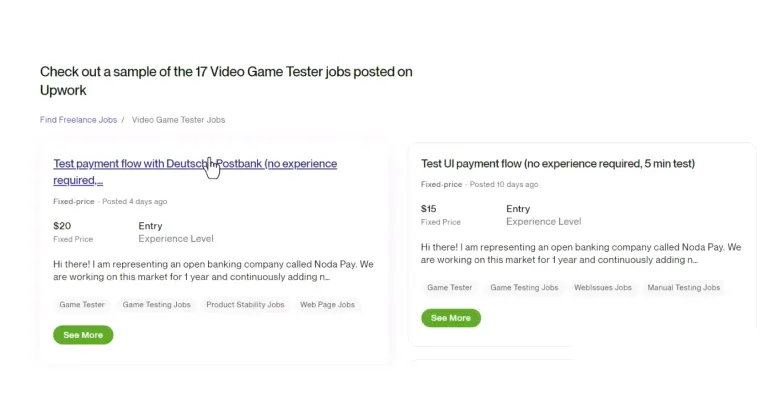
Entry-level QA testers typically earn between $30,000 and $50,000 annually, particularly those with zero to two years of experience in the industry. These positions usually require a high school diploma and fundamental knowledge of gaming systems and platforms. Starting salaries vary based on geographic location and company size, with larger studios in tech hubs generally providing higher compensation for entry positions.
Mid-level testers with two to five years of experience generally earn $40,000 to $60,000 annually as they develop specialized skills and take on more complex testing scenarios. These professionals handle more responsibility, often leading small testing initiatives and training newer team members. Senior QA specialists with five to seven or more years of experience typically earn $60,000 to $80,000 annually, often handling technical leadership responsibilities and mentoring junior team members.
Lead testers and QA managers occupy the highest tier, earning $70,000 to $100,000 or more annually in leadership roles that involve team management and strategic planning. Understanding the video game tester salary progression demonstrates clear growth opportunities for professionals who invest in skill development and specialization.
Hourly rates provide another perspective on compensation, with entry-level positions typically ranging from $15 to $25 per hour. Experienced testers may command $25 to $45 or more per hour, particularly those with automation skills or specialized technical expertise. Contract positions often pay higher hourly rates but lack benefits that full-time employees receive. These figures illustrate that experience and demonstrated expertise directly correlate with higher compensation throughout a testing career, making consistent skill development essential for salary growth.
Geographic Location and Salary Variations
Geographic location significantly impacts earnings when considering how much video game testers make due to variations in cost of living and regional demand for QA professionals. The United States shows considerable range, with average salaries spanning $31,769 to $87,427 annually depending on the specific location and studio concentration.
California and major tech hubs typically provide the highest compensation rates, with experienced testers earning $45 or more per hour in areas like San Francisco and Los Angeles. These regions host numerous AAA game studios and benefit from competitive talent markets that drive salaries higher. Washington state, particularly the Seattle area, also commands premium salaries due to major studio presence.
Canada presents different ranges, with CAD $40,000 to $60,000 (29,000 to 44,000 USD) annually representing typical compensation for game testers. The United Kingdom shows approximately £26,555 ($36,000) per year as average compensation, while Germany ranges from €30,000 to €50,000 ($35,000 to $59,000) annually for similar roles. European markets generally provide lower compensation than North American hubs but often include stronger worker protections and benefits.
Asian markets generally show lower ranges, with India for example providing ₹300,000 to ₹600,000 (approximately $3,300 to $6,700) annually for game testing positions. Remote positions are becoming increasingly common, potentially allowing testers to earn higher salaries while residing in lower-cost areas.
Factors Influencing Game Tester Compensation
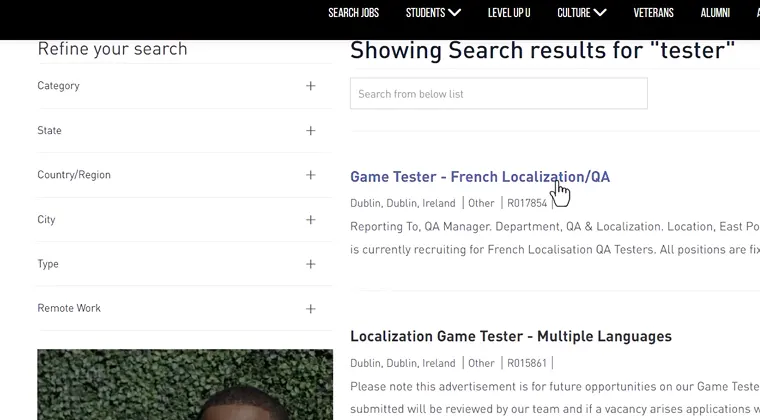
Multiple variables determine compensation levels for game testers, with several key factors creating significant variations in earning potential across the industry.
Experience Level
Years in the industry directly impact earning potential, with entry-level testers earning significantly less than senior specialists who have developed expertise over time. Career progression from tester to lead or manager roles can substantially increase compensation packages.
The difference between an entry-level position at $30,000 and a senior role at $80,000 demonstrates how experience transforms earning capacity. Testers who consistently deliver quality work and develop specialized expertise position themselves for faster advancement and higher compensation.
Company Size and Type
Large AAA studios typically provide higher salaries than indie developers due to their larger budgets and more established compensation structures. Major publishers also provide better benefits and more stable employment compared to smaller companies. People who want to test games for money find that opportunities vary considerably based on employment at a major publisher like EA or Ubisoft, versus a small independent studio with limited resources.
Studios like Rockstar Games, Blizzard Entertainment, and Sony Interactive Entertainment generally set industry standards for compensation. Publishers also tend to provide more comprehensive benefits packages, professional development opportunities, and clearer career advancement paths than smaller independent developers.
Specialization
Specialized testing roles in virtual reality, mobile platforms, or automation command higher salaries due to the specialized skill requirements they demand. Automation specialists often earn $60,000 to $90,000 or more annually because they possess technical expertise in programming and scripting that standard manual testers may not have developed.
Testers who specialize in network testing, localization testing, or compliance testing also find themselves in higher earning brackets. Many gamers explore the best game apps to win real money as a starting point, but professional specialization in the gaming industry values specialized knowledge.
Employment Type
The distinction between full-time, contract, and freelance positions creates significant variations in compensation structures and benefits packages. Full-time positions provide stable income and benefits, typically ranging from $30,000 to $80,000 or more annually depending on seniority and location.
Contract positions often provide higher hourly rates between $15 and $30 or more per hour, but they lack benefits like health insurance and paid time off. Freelance testers enjoy complete flexibility in choosing projects but face variable income streams that require careful financial planning. Many testers work as contractors during peak development periods before major game releases, then transition to other projects when testing demands decrease.
Skills and Certifications
Additional certifications in QA methodologies can increase earning potential by demonstrating professional commitment and standardized knowledge. Proficiency with bug-tracking tools like Jira, TestRail, or Azure DevOps makes testers more valuable to employers who rely on these industry-standard platforms.
Programming skills in languages like Python or C++ open doors to automation roles and higher compensation tiers. Testers who continuously develop their technical skills position themselves for salary increases and advanced opportunities within the gaming industry. Certifications from organizations like ISTQB (International Software Testing Qualifications Board) demonstrate professional knowledge and commitment to quality assurance standards.
Types of Game Testing Roles and Salary Implications
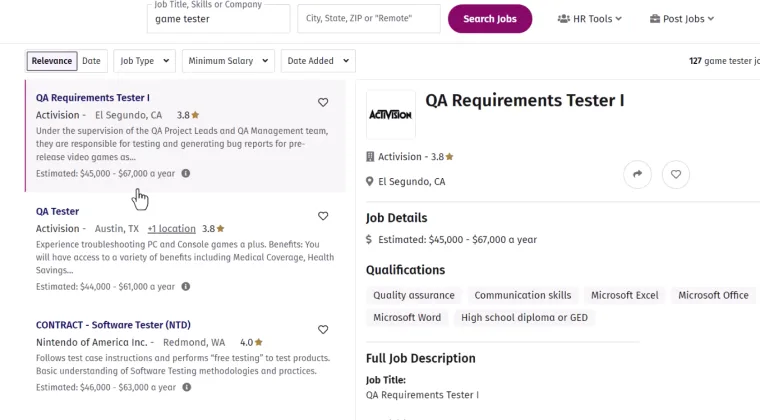
Different game testing positions command varying compensation levels based on their responsibilities and technical requirements.
QA Tester (Entry-Level)
Entry-level QA testers earn between $30,000 and $50,000 annually while performing basic gameplay testing, bug identification, and report documentation. These positions suit career starters and gaming enthusiasts entering the industry without extensive prior experience. Responsibilities focus on executing test cases, documenting findings, and learning industry-standard tools and processes.
Senior QA Tester
Senior QA testers earn $50,000 to $70,000 annually while managing complex testing scenarios, mentoring junior testers, and providing quality oversight. The position attracts experienced testers seeking advancement without transitioning into management responsibilities. Senior testers often specialize in particular game genres or testing methodologies that make them particularly valuable to their studios.
Lead Tester/QA Lead
Lead testers and QA leads earn $60,000 to $90,000 annually while supervising testing teams, developing testing strategies, and communicating with stakeholders across development teams. When considering how much a video game tester makes at this level, studio size and project complexity both matter significantly. Lead roles suit testers with leadership aspirations who want to shape testing processes and mentor growing teams.
Automation Specialist
Automation specialists earn $60,000 to $90,000 annually while developing automated testing scripts, implementing testing tools, and optimizing efficiency through technical solutions. These highly technical roles require programming knowledge and deep understanding of testing frameworks. Studios increasingly value automation specialists as they seek to maximize testing coverage while controlling costs.
User Experience (UX) Tester
UX testers earn $40,000 to $80,000 annually while evaluating player experience, providing usability feedback, and contributing input to design decisions. The role suits testers with strong analytical and communication skills who can articulate nuanced observations about player psychology and engagement. UX testing bridges the gap between technical QA and game design, requiring both analytical thinking and empathy for player perspectives.
QA Manager/Director
QA managers and directors earn $80,000 to $120,000 or more annually while managing entire departments, overseeing budgets, and establishing quality standards across projects. Senior testers transitioning to management find these roles challenging and rewarding, with compensation reflecting the significant responsibility they carry. Directors shape organizational approaches to quality and influence product success at the highest levels through strategic planning and team development.
Career Progression and Salary Growth Opportunities
Career trajectories in game testing demonstrate clear paths for salary growth as professionals develop their skills and advance through increasingly responsible positions.
Entry-Level to Mid-Level Progression (Up to Five Years)
Most testers progress from $30,000 to $50,000 or $60,000 during their first five years in the industry through consistent performance and skill development. Specialization accelerates progression, as testers who focus on particular platforms or testing types become more valuable to their employers. Moving between studios sometimes results in modest salary increases, particularly when testers leverage job offers to negotiate better compensation.
Mid-Level to Senior Progression (Five to 10 Years)
Senior testers typically earn $60,000 to $80,000 or more annually after building substantial experience and reputation in the industry. Leadership opportunities and technical specialization drive salary increases during this career phase. Some testers transition to design, production, or programming roles with higher earning potential during this period.
Management and Director Roles (10+ Years)
QA managers and directors earn $80,000 to $120,000 or more annually while providing strategic oversight and team management. These positions may include additional benefits like stock options and performance bonuses that significantly enhance total compensation. Director-level positions demand extensive experience and proven ability to manage complex projects and large teams. The gaming industry rewards long-term commitment with substantial salary increases for professionals who demonstrate consistent value and leadership capability.
Career progression requires continuous skill development and professional growth. Testers who invest in learning new technologies, earning certifications, and developing leadership skills position themselves for these higher-earning opportunities throughout their careers. Strategic career planning and networking within the industry accelerate advancement opportunities.
Compensation Packages Beyond Base Salary
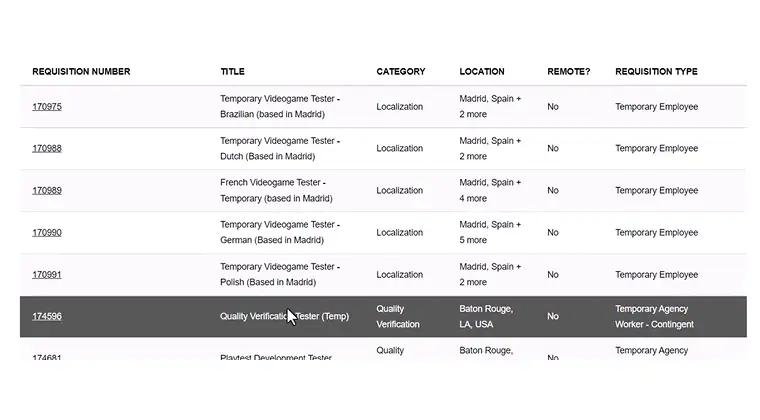
Total compensation for game testers extends far beyond base salary, particularly at major studios in the United States where comprehensive benefits packages add significant value.
Health and wellness benefits typically include medical, dental, and vision insurance coverage for employees and often their families. Many studios also provide mental health resources, gym memberships, and wellness programs recognizing the demanding nature of game development cycles. Some companies also provide on-site health services or wellness stipends.
Retirement and financial benefits commonly include 401(k) plans with employer matching contributions, profit-sharing arrangements, and stock options at publicly traded companies. These benefits help testers build long-term financial security beyond their immediate salary. Matching contributions can effectively increase compensation by several percentage points annually.
Paid time off varies by company but generally includes vacation days, sick leave, and personal days that support work-life balance. Many studios also provide additional paid time off during holiday periods or after major project milestones. Some companies implement unlimited PTO policies or provide sabbatical opportunities for long-term employees.
Performance bonuses reward exceptional work and project completion, with some studios providing profit-sharing when games achieve commercial success. These variable compensation elements can add thousands of dollars annually to base salaries. Project completion bonuses recognize the intense effort required during final testing phases.
Professional development support helps testers advance their careers through conference attendance, online courses, and certification programs. Studios investing in employee growth often cover costs for industry events like GDC or specialized training programs.
Additional perks may include free games, merchandise, early access to upcoming titles, flexible work arrangements, and remote work options. These benefits enhance job satisfaction and total compensation value even when they do not directly add to salary figures.
Realistic Earning Expectations and Timeline
Game testing does not provide a path to quick riches or six-figure incomes for most professionals, particularly those just starting their careers. Entry-level positions pay modestly but provide valuable industry experience that justifies the initial lower compensation. Earning potential increases significantly with experience and specialization over time.
The first six months focus on building foundational skills with modest compensation typically ranging from $30,000 to $35,000 annually. New testers learn industry tools, testing methodologies, and studio-specific processes during this orientation period.
After one to two years, increased competency leads to potential raises bringing compensation to $35,000 to $45,000 annually. Testers who demonstrate reliability and attention to detail often receive salary increases and additional responsibilities.
Three to five years of experience opens specialization opportunities and significant earning growth to $45,000 to $65,000 annually. Questions about how much money video game testers make at this career stage reveal the importance of consistent skill building and professional development. Beyond five years, senior roles and leadership opportunities can bring $65,000 to $100,000 or more annually for testers who have developed valuable expertise.
Game testing serves as an entry point for broader gaming industry careers in design, programming, and production for many professionals. Aspiring testers should avoid scams and unrealistic opportunities promising quick earnings without experience or effort.
Full-time income viability requires commitment and skill development rather than viewing the role as a temporary position or side activity. Consistent work, skill development, and professional growth remain essential for maximizing earning potential in this competitive field.
Comparison With Other Gaming Industry Careers
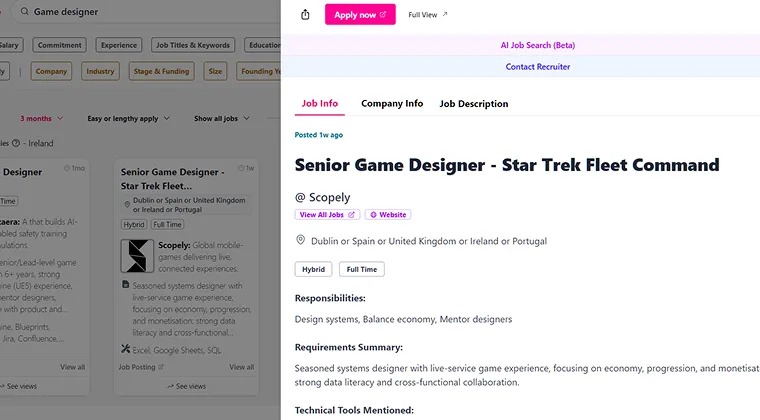
When asking how much a game tester makes compared to other roles, game tester salaries occupy a specific niche, generally representing entry-level compensation in the broader development ecosystem. Game designers typically earn $60,000 to $120,000 or more annually, demonstrating significantly higher earning potential than most testing positions.
Game programmers command $70,000 to $150,000 or more annually due to their specialized technical skills and critical role in development. These substantial differences reflect the additional education and technical expertise programming roles require. Game artists earn $50,000 to $100,000 or more annually, putting them roughly comparable to senior testers but generally higher than entry and mid-level positions.
Esports professionals face highly variable earnings up to $500,000 or more depending entirely on tournament performance and sponsorships. Gaming streamers also experience highly variable income up to $100,000 or more annually based on audience size and engagement. Understanding compensation in context reveals that testing provides stability unavailable in esports or streaming careers. Game testing also represents a proven pathway to higher-paying roles in game development for professionals willing to transition and develop additional skills. The consistent income and benefits available through testing careers make them attractive for people seeking stable employment in gaming.
Getting Started: How to Become a Game Tester
Aspiring game testers can take concrete steps to enter the industry and begin building their careers even without extensive prior experience.
Develop Essential Skills
Gaming proficiency across various genres and platforms provides the foundation for effective testing work. Deep knowledge of game mechanics, common issues, and player expectations helps testers identify problems quickly. Attention to detail enables testers to identify subtle bugs and inconsistencies that casual players might overlook.
The ability to systematically explore games and document findings separates professional testers from recreational players. Communication skills allow testers to write clear bug reports and collaborate effectively with development teams. Technical knowledge of bug-tracking tools and testing methodologies also proves essential for professional success.
Build Your Portfolio
Documenting testing experience through examples of bug reports and testing documentation demonstrates capability to potential employers. Participating in public beta testing programs provides practical experience and portfolio material for aspiring testers.
Developing familiarity with industry-standard tools like Jira, TestRail, or Azure DevOps makes candidates more attractive to hiring studios. These platforms form the backbone of professional QA workflows across the gaming industry.
Pursue Relevant Education
A high school diploma or equivalent represents the minimum requirement for most game testing positions. QA testing certifications or courses through online platforms and in-person programs provide additional credentials that strengthen applications. Degree programs in computer science or software engineering provide significant advantages for advancement into technical roles.
While not always required for entry-level positions, formal education opens doors to higher-paying specialized positions over time. Many online courses teach specific testing methodologies and tools used in professional environments.
Network in the Gaming Community
Attending gaming events like industry conferences and gaming expos creates opportunities to meet professionals and learn about job openings. Joining online communities through gaming forums, Discord servers, and professional networks helps build industry connections.
Connecting with game testers and QA leads on platforms like LinkedIn can lead to mentorship opportunities and job referrals. The gaming industry values personal connections, and networking significantly increases chances of landing positions. Participate actively in testing communities to build relationships and demonstrate commitment.
Apply Strategically
Targeting entry-level positions like junior tester or QA analyst roles increases chances of successfully entering the industry. Researching studios to identify companies aligned with personal interests and career goals helps focus application efforts. Customizing applications by tailoring resumes and cover letters to highlight relevant skills demonstrates genuine interest and professionalism.
People learning how to become a video game tester should recognize that strategic, targeted applications succeed more often than mass submissions. Starting in game testing remains achievable without extensive prior experience for motivated candidates willing to learn. Dedication and continuous learning provide the keys to career success in this competitive but accessible field.
Best Apps and Platforms to Start Game Testing

Several platforms enable aspiring testers to gain experience and earn money while developing their skills.
Freecash provides opportunities to test games and complete surveys, with coins convertible to PayPal cash or gift cards. PlaytestCloud sends over 100,000 testing invitations monthly, paying around $9 for approximately 15 minutes of gameplay. BetaFamily focuses on beta testing, with testers earning between $5 and $20 per test.
GameTester.gg assigns testing projects where users complete games for experience points convertible to GTGold currency. Antidote GG rewards testers with points redeemable for Steam gift cards and gaming merchandise. BUFF takes a different approach by rewarding players for time spent in supported games rather than specific testing tasks.
These platforms provide excellent starting points for aspiring testers to build experience and earn modest income. The combination of portfolio development and genuine earnings makes them valuable resources for people exploring game testing careers before pursuing formal employment.
Alternative Ways to Earn Money Through Gaming
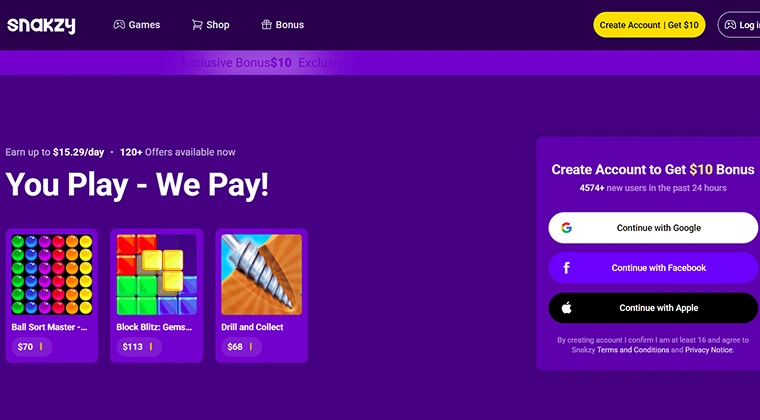
Beyond traditional QA roles, multiple avenues exist for earning money through gaming activities.
Snakzy represents a gaming rewards platform where users earn by playing mobile games and completing milestones. The app awards coins redeemable for PayPal cash or gift cards, with users reporting $10 to $15 weekly earnings.
Streaming through Twitch or YouTube enables players to earn through subscriptions and sponsorships. A lot of games that also encourage UGC (User Generated Content) are a possible way to make some extra money, so learning how to make money on Roblox or or how to make money on Fortnite enables creators to monetize through official channels.
Content creation through guides and tutorials generates income through advertising. Understanding how to make money playing Warzone shows competitive opportunities. Realistic expectations prove crucial. Initial payouts remain modest, requiring consistent effort over extended periods. Try Snakzy, Freecash, and Swagbucks to diversify earning methods.
Making Game Testing Work for You
Understanding how much do game testers make reveals that compensation ranges from $30,000 to $100,000 or more annually depending on experience, specialization, location, and company type.
Career progression opportunities exist for testers willing to develop specialized skills. Strategic career planning determines earning potential over time, with continuous skill development remaining key to maximizing income. The gaming industry continues growing, creating ongoing demand for skilled QA professionals. Explore game testing opportunities today and take the first steps toward turning your gaming passion into a professional career with real growth potential.
FAQs
Game testers earn $30,000 to $100,000+ annually based on experience, location, company size, and specialization, with entry-level positions starting lower and senior roles commanding premium pay.
Entry-level game testers typically earn $30,000 to $50,000 annually or $15 to $25 per hour, with compensation varying by geographic location and company size. Larger studios in major tech hubs generally provide higher starting salaries than smaller companies in other regions.
Location significantly affects salaries, with California tech hubs paying $45+ per hour while other regions and countries show lower ranges based on local cost of living and studio concentration. Remote positions increasingly allow testers to earn competitive salaries while living in lower-cost areas.
Yes, full-time game testers earn sustainable incomes with benefits, though building to comfortable salary levels requires experience, specialization, and strategic career development over several years. Many professionals build successful long-term careers in QA testing with proper skill development.
Develop automation skills, pursue technical certifications, specialize in emerging technologies like VR, seek leadership roles, and continuously expand testing knowledge and industry networks. Programming skills in Python or C++ open doors to higher-paying automation roles earning $60,000 to $90,000+.
Develop gaming knowledge across platforms, learn bug-tracking tools like Jira and TestRail, build a portfolio through beta testing, network in gaming communities, and apply strategically to entry-level positions at studios. Focus on developing attention to detail and communication skills essential for professional testing work.
No, game testing requires attention to detail, systematic thinking, patience for repetitive tasks, strong communication skills, and technical knowledge beyond casual gameplay. Professional testers must document bugs clearly, work within tight deadlines, and maintain focus during extended testing sessions on the same content repeatedly.