


Phasmophobia Tips: Master Ghost Hunting in 2026

Phasmophobia has grown into one of the most atmospheric co‑op horror experiences, and the developers keep adding new ghost types, equipment, and maps every year. 2025 is no different; with The Chronicle Update reshaping how we record evidence and new gear like the Sound Recorder on the horizon, having up‑to‑date Phasmophobia tips is more important than ever. In this guide, I’ll share what I’ve learned from dozens of investigations and point you toward reliable resources on our site, such as a breakdown of the best scary games on Steam for more chilling adventures.
Jump to:
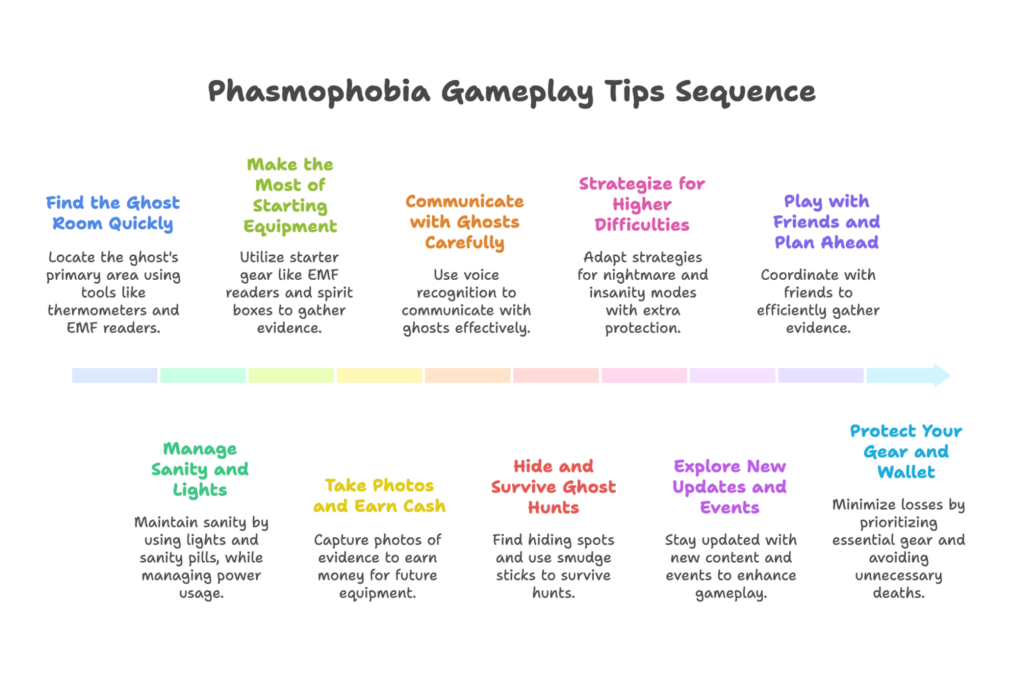
10 Phasmophobia Tips for New Paranormal Investigators
Jumping into your first ghost hunt can be overwhelming. You and your squad arrive at a creepy house with only a few pieces of equipment and a vague objective: identify the ghost type and make it out alive. To help you get started, here are some core Phasmophobia tips that every new player should know.
1 – Find the Ghost Room Quickly
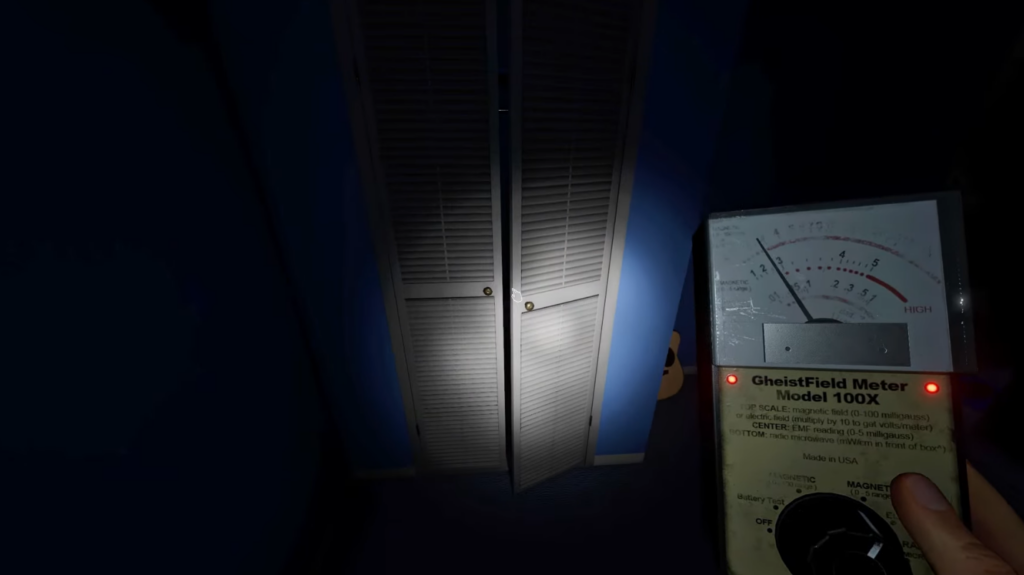
The first job for any paranormal investigator is to locate the ghost room, the area where the spirit spends most of its time. Start by picking up a thermometer (if available) to scan each room for Freezing Temperatures, but you can also use an EMF reading. Listen for ghost activity like footsteps or objects being tossed.
When you hear the distinctive sound of a ghost throwing something, follow it; many players forget that sound clues are as important as visual ones. If the EMF hits level 5 or you see a visible puff of breath, you’ve likely found the right location. I prefer to drop a UV light and spirit box at the entrance so my team can pick them up when we locate the area, saving valuable time.
2 – Manage Sanity and Lights
Your sanity drains faster when you stay in the dark. Turning on lights in nearby rooms or carrying a candle can slow this drain, but watch out for the breaker: flipping on too many lights will cut the power. Learn where the power box spawns on each map and reset it quickly if the ghost kills it.
On higher difficulties, sanity drops faster, so using Sanity Pills is essential. Keep at least one pill per person in the truck and save them until the average sanity is below about 60 percent. Watching the sanity monitor helps you predict when hunts might begin. Some ghosts (like the Yurei or Moroi) manipulate sanity differently, so pay attention to changes.
3 – Make the Most of Starting Equipment
Each piece of starter gear has a purpose. The EMF Reader detects changes in electromagnetic fields and is often the first way to confirm ghost activity. The Video Camera, now expanded under The Chronicle Update to include video evidence, lets you see ghost orbs using night vision; set it up on a tripod or hold it by hand. The Spirit Box allows you to communicate with certain ghosts; ask simple questions like “Where are you?” or “How old are you?” and wait for a vocal response.
Remember to press the local push‑to‑talk button if you have global voice chat disabled. The Ghost Writing Book reveals evidence when spirits scribble in it, but not every ghost writes. A UV light (or glow stick) shows fingerprints and footprints; look at doors, light switches, and windows after the ghost interacts with them. With The Chronicle Update, the Sound Recorder will soon allow you to collect unique sounds for evidence, so plan to practice with it as soon as it arrives.
4 – Take Photos and Earn Cash
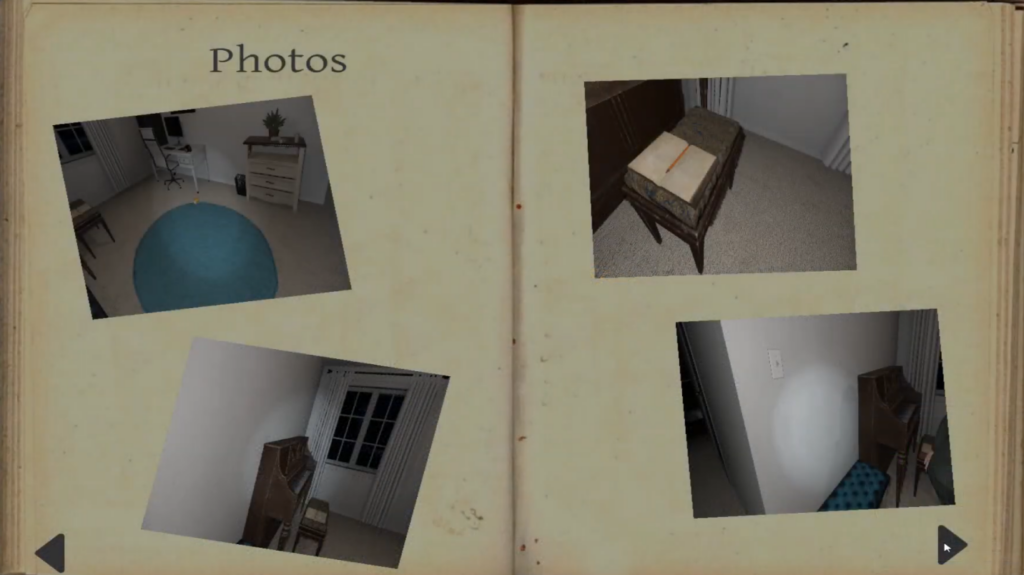
Money is scarce when you’re just starting out, but good photos of ghost evidence can fund your next loadout. Capture pictures of dirty water, bones, cursed possessions, ghost writing, fingerprints, and the ghost itself. With the media overhaul coming, your journal will separate photos and videos into categories, and unique shots will yield bonus cash.
Place a video camera in the ghost room and angle it at objects like the DOTS projector or Ouija board to double up on evidence and potential earnings. Always carry at least one photo camera on higher difficulties; the extra income can cover lost gear if you die.
5 – Communicate with Ghosts Carefully
Phasmophobia uses voice recognition, so how you speak matters. When using the spirit box or Ouija board, speak clearly and avoid inappropriate language or spamming questions. The ghost can also react if you repeatedly say its name, but provocation increases the chance of a hunt.
On event maps like Easter or Halloween, you might encounter special interactions; for example, during 2024’s Halloween event, the ghost could spawn by following a trail of cookies, but you had to use cookies in the right places. Future events will continue this trend. If you’re playing on Xbox or using controllers, note that the push‑to‑talk button might differ from the PC keybind; check your settings before starting.
6 – Hide and Survive Ghost Hunts
A hunt begins when the ghost enters kill mode, indicated by flickering lights and locked exits. Each ghost has unique hunt thresholds, but average team sanity dropping below roughly 50 percent is a common trigger. Once the hunt starts, turn off your flashlight and stop talking; ghosts follow sound. Find a hiding spot: closets, lockers, or behind furniture work on smaller maps; large maps often have dedicated hiding rooms. Don’t stay near the ghost room during a hunt.
Drop your flashlight on the floor (its flickering indicates if the ghost is nearby). If you’re caught in the open, you can loop certain ghosts around large objects to buy time, but this is risky on nightmare or insanity modes. Smudge sticks can repel the ghost temporarily, and a crucifix placed in the ghost’s spawning area can prevent hunts entirely (each crucifix has two charges). Always have an escape plan: I like to identify two hiding spots early in the mission in case one becomes unsafe.
7 – Strategize for Higher Difficulties
On nightmare or insanity settings, the game hides some evidence and adds cursed hunts. To prepare, bring extra protection items like crucifixes and smudge sticks. Don’t waste resources on too many lights; rely more on candles. Use the parabolic microphone to track distant sounds and the motion sensor to confirm the ghost’s movement. On higher levels, some ghosts (e.g., Thaye, which ages over time, or Deogen, which always sees you) behave differently, so learning each ghost’s traits is vital.
The Phasmopedia in your journal contains descriptions of ghost strengths and weaknesses (read them). Custom difficulties allow you to tweak sanity drain, evidence given, and hunt cooldown; experiment to create balanced challenges. For example, you could disable the monitor to remove video feed or set hunts to begin at higher sanity thresholds for a scarier game.
8 – Explore New Updates and Events
Phasmophobia is evolving rapidly. The Chronicle Update will overhaul the evidence system by introducing a media tab that rewards capturing photos and videos separately and eliminating the photo quality mechanic. The new Sound Recorder will record paranormal noises with three tiers of quality, and this may tie to new ghost types or modifications to existing ones. A brand‑new small map is expected in 2025; early hints suggest it might be a diner, which will be a refreshing change from the houses and farmhouses we know.
Existing maps are also being redesigned: Bleasdale and Grafton Farmhouses have already been reworked, adding areas like a garden with ghost rooms and a seamstress workshop. Player characters will receive a full overhaul after The Chronicle Update, with improved models and animations. Holiday events such as Easter, Halloween (Blood Moon), and Christmas (Winter’s Jest) will return, each featuring unique challenges and rewards. Looking further ahead, the Horror 2.0 overhaul planned for 2026 aims to add more ghost events, hallucinations, new death rooms, and new animations, so staying current on updates will keep your strategies fresh.
9 – Play with Friends and Plan Ahead
Phasmophobia shines as a co-op game. Splitting roles (one person monitors cameras from the truck, another places sensors, and another handles the spirit box) helps you gather evidence efficiently. Use the in‑game head-mounted camera to let your friends watch from the safety of the truck, and call out ghost orbs or DOTS sightings over voice chat. Treat your friends with respect: avoid spamming over voice lines and coordinate hunts instead of panicking. If you enjoy co‑op games, check out our curated list of the best co-op games to bond with friends for more titles that bring people together.
10 – Protect Your Gear and Wallet
When you die, you lose the items you brought into the mission (except in Amateur and Intermediate modes, where you’re refunded a percentage). To minimize losses, don’t bring every expensive gadget into each game. Prioritize essential items like a flashlight, thermometer, and camera, and add specialty gear only when needed. Insurance pays out more on lower difficulties, so consider practicing there before moving to professional or nightmare. Play as a team and avoid unnecessary deaths; leaving early with the wrong ghost type is better than dying and losing everything.
Become the Ultimate Ghost Hunter
Mastering Phasmophobia is a journey of observation, communication, and adaptation. Keep an eye on upcoming updates like The Chronicle Update, explore new maps as they drop, and stay flexible as ghost behaviors evolve. If you’re ready to put these Phasmophobia tips into practice, grab a Phasmophobia game key or a Steam Gift Card from our store and jump back into the hunt. We might be biased, but our deals make it easy to save a little money while diving into the paranormal.
FAQs
How do I find the ghost room in Phasmophobia quickly?
To find the ghost room in Phasmophobia, start by scanning each room with a thermometer or EMF reader. When you detect cold temperatures, EMF spikes, or hear objects being thrown, set up your gear there and watch for further ghost activity. Exploring systematically and listening carefully speeds up the process.
What equipment should new players buy first in Phasmophobia?
The equipment new players should buy first in Phasmophobia includes a thermometer, a strong flashlight, a photo camera, and smudge sticks. These items help you locate the ghost, see better, earn money through photos, and protect yourself during hunts, which makes early investigations smoother.
How do I survive a ghost hunt in Phasmophobia?
To survive a ghost hunt in Phasmophobia, find a safe hiding spot, such as a closet, locker, or behind furniture, turn off your flashlight, and remain silent. Using smudge sticks can slow the ghost, and placing crucifixes near the ghost room can prevent hunts altogether. Learning the map layouts helps you escape quickly.
How does the Spirit Box work in Phasmophobia?
The Spirit Box works by allowing you to talk to the ghost; when asked simple questions like “Where are you?” or “Are you friendly?” the ghost may respond through the device. Make sure the lights are off in the room and avoid background noise; only certain ghosts will answer, so silence and patience are key.
What is the Sound Recorder in Phasmophobia’s Chronicle Update?
The Sound Recorder in Phasmophobia’s Chronicle Update is a new piece of equipment that records unique paranormal sounds at three different quality tiers. It adds another way to gather evidence and will likely tie into changes to existing ghost types or the addition of new ones, so learning to use it effectively will be important.