

Remakes And Remasters Are Consuming The Industry



Over 30 remakes and remasters were released in 2024, from heavy-hitters like Silent Hill 2 and Paper Mario: The Thousand-Year Door, through to unexpected redos of The Thing and Dead Rising. This year has already seen The Elder Scrolls IV: Oblivion and The Last of Us: Part 2 receive the remaster treat, with Metal Gear Solid Delta: Snake Eater and House of The Dead 2 remakes on their way (Snake Eater is a rebuilt MGS 3).
All industries thrive on this, from reboots of movie franchises to remastered classic albums, so it shouldn’t come as a surprise that the video game industry also runs on regurgitating things we already like. But when every other “new” release is just reheated leftovers, we might want to start asking ourselves if they taste as good the second time around, or if nostalgia sweetens something we’d otherwise spit out.
In an interview with Rolling Stone shortly before the release of the Silent Hill 2 remake, Bloober Team’s CEO and creative lead Piotr Babieno said: “Life is too short, and (the process of) creating games, I would say, is too long to make games that don’t feel significant. We want to create games that we would like to play ourselves, and games that will be very important to our audience.”
Pointedly, Babieno didn’t refer to the remake as that, but instead as “a romantic vision of the game from more than 20 years ago.”
Jump to:
The Same, But Different
Remakes and remasters are a relatively modern occurrence in the video game industry, compared to films, for instance. Whereas that industry has a long history of remakes, stretching back to the silent era, it’s also been common for a long time to see a movie remade for a different country; a famous example is The Magnificent Seven (1960), which was a US version of the 1954 Japanese movie Seven Samurai, and then remade again in 2016.
Compared to earlier generations of gaming, where the focus was typically on porting a title to another system rather than outright remaking it. This process (as is true today) involves some tweaks to a game, but usually nothing that fundamentally alters its DNA – a common practice for modern remasters, too.
The consensus on early remakes varies, but for most modern gamers the idea of rebuilding a game from the ground-up was arguably presented with the release of the GameCube version of Resident Evil in 2002. This incorporated distinct play styles between Chris Redfield and Jill Valentine, added new puzzles, enemies and mansion areas, and weapons.
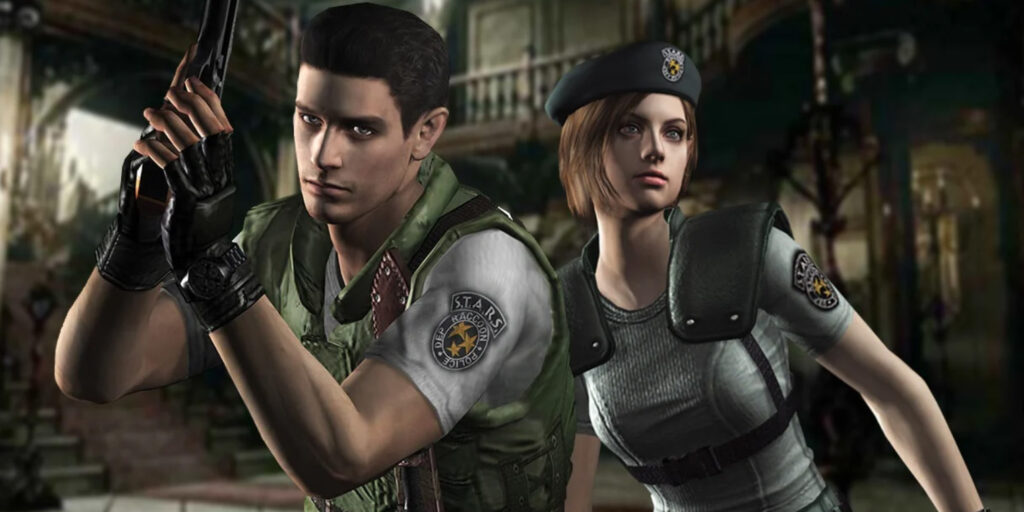
Well-received overall, it set the template for future remakes: update graphics and content, but keep it in a recognizable shape. There are, of course, remakes that are too slavish to the original or remove too much so as to render the game a completely different beast – Resident Evil 3 (2020) is an example of the latter. Then we get, ironically, people complaining about the creative bankruptcy of these versions. Pick a lane, gamers!
New Money For Old Rope
The reason so many remakes and remasters exist these days is an easy one, and it’s two-fold: players like familiarity and game studios/publishers like money. Everybody wins. Why bother wasting your cash on a brand new game that you might not like, when you can spend that money (or even a bit less) on a modern version of a game you definitely do like? It’s not even a question worth considering for most gamers.
I like remakes. I prefer them to remasters, as these largely feel pointless to me; if I want to play a modern RPG that looks nice, I’ll fire up something like Eternal Strands, not the Oblivion remaster, for example. I’ll always prefer to play the original version of a game over a spruced-up version – although this choice is being taken away from gamers.
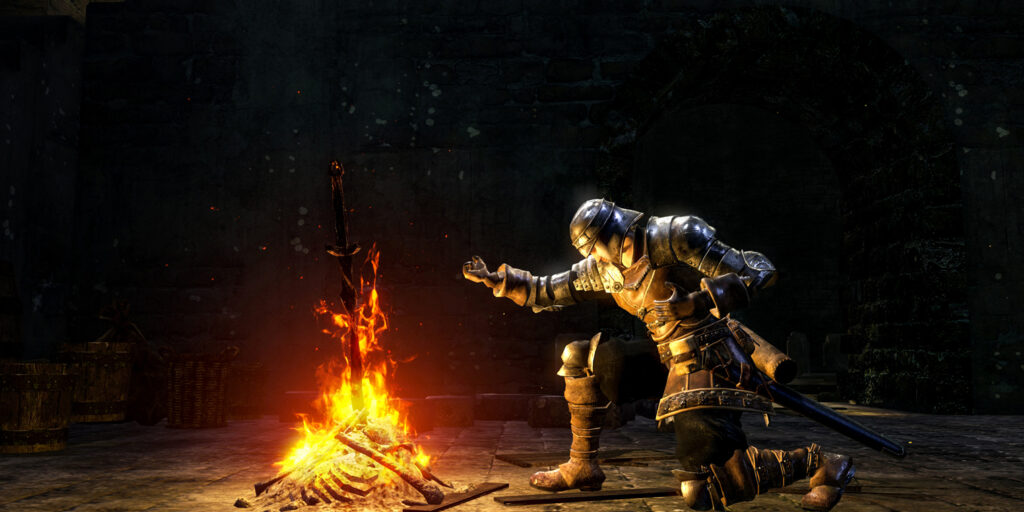
Go look at your game library on your platform of choice. Check how many old games you bought that have now been replaced by a remastered or “enhanced” version. For example, the original Dark Souls has vanished from digital stores and you can now only buy the remastered version…for $40. For a seven-year-old version of a game first released 14 years ago.
The Old Version Was Crap
You might think this doesn’t really matter, that the new versions are “better” anyway. Fair enough, but remasters are geared towards modern systems so may not run on hardware that can run the original version, for one thing.
If I could go back to a movie analogy, it’s like when George Lucas “improved” the first three Star Wars films with CGI and new scenes, and subsequently ensured the original versions couldn’t be bought any more. Sure, he presented the world with something closer to his artistic vision, maybe, but he also shit all over fans’ love for the material they grew up appreciating, by effectively telling them “You have to like this version now.”
We should be given the choice to decide for ourselves. Instead, the idea of cultural preservation is losing its grip on multiple industries, not just video games – although it’s more evident with these – as original things are being subsumed by new versions.
Sometimes this is the price of progress, but it shouldn’t become the standard. Do yourself a favor and boot up the original version of a game today and remind yourself why you fell in love with it in the first place.
 or
or