
Sword of Justice Aims to Shake up The MMO Genre With Wuxia, AI, And a Global Rollout



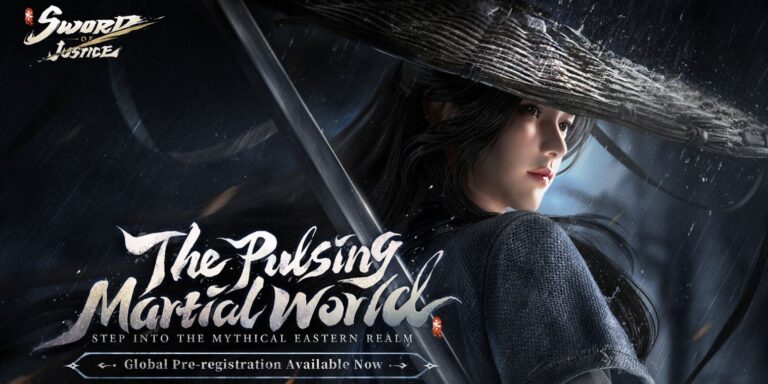
NetEase Games is preparing to launch Sword of Justice worldwide after dominating the Chinese market with tens of millions of players. The game blends traditional Wuxia storytelling with open-world MMO structure, but it is the studio’s ambition to redefine player interaction through artificial intelligence that sets it apart.
Originally released as Justice Mobile in China, the game amassed over 40 million players in its first month. It topped both the iOS App Store and top-grossing charts, drawing attention not just for its visuals, but for how it approaches world-building. Now, with PC and mobile versions incoming, Sword of Justice is poised to test whether global audiences are ready for an MMORPG where the NPCs learn and remember.
“Sword of Justice reinforces fair competition by eliminating pay-to-win mechanics entirely – all progression resources are earned solely through gameplay, transforming character development from a grind into pure strategic joy,” the studio said in a press release.
Jump to:
A Wuxia Epic Where Words And Actions Leave Marks
Set during the late Northern Song Dynasty, Sword of Justice plants players in a volatile time when martial clans clash, loyalty is currency, and betrayal comes easy. The story draws inspiration from classic Chinese martial arts novels, but unlike many games in the genre, this one leans heavily into player choice.
The decisions players make shape how the world responds. Siding with a faction, sparing a rival, or simply insulting a key character may alter future events. Dialogue trees and consequences are not just window dressing. They leave a footprint, which other characters remember and act upon.
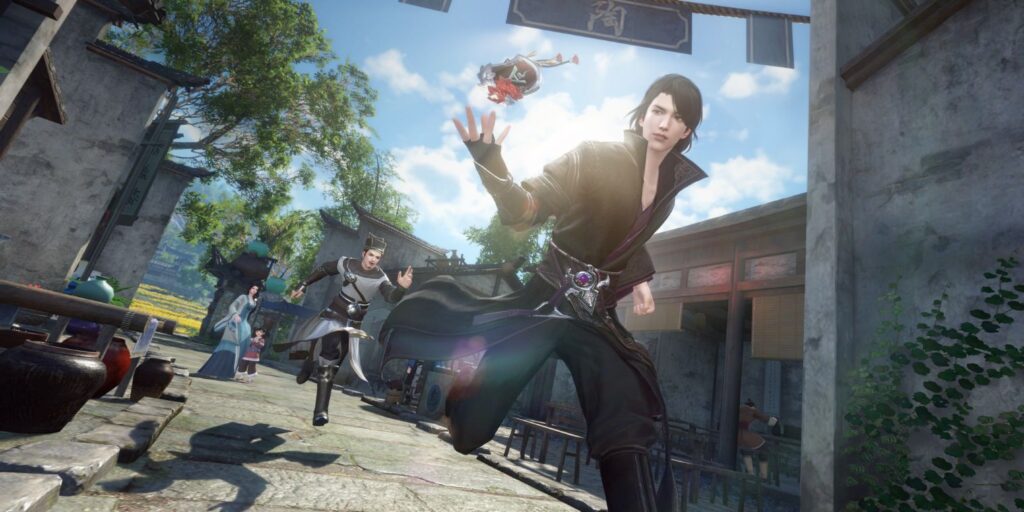
This narrative approach gives the game weight and makes the world feel like a living organism. It’s not about grinding through quests as much as it is about navigating a shifting political and social landscape, one that doesn’t reset when players log out.
AI NPCs Are More Than Just Background Characters
NetEase claims Sword of Justice is the first mobile game to use an AI engine that gives tens of thousands of NPCs unique personalities, memories, and behavioral patterns. According to the studio, these characters won’t just hand out quests. They will remember how they were treated and react accordingly over time.
This goes beyond mood changes. An NPC can be befriended and give information about a possible ambush. Those wronged might spread rumors about players based on their actions. The system uses NetEase’s proprietary AI framework and DeepSeek technology to simulate what they call “flesh, blood, and consciousness.”
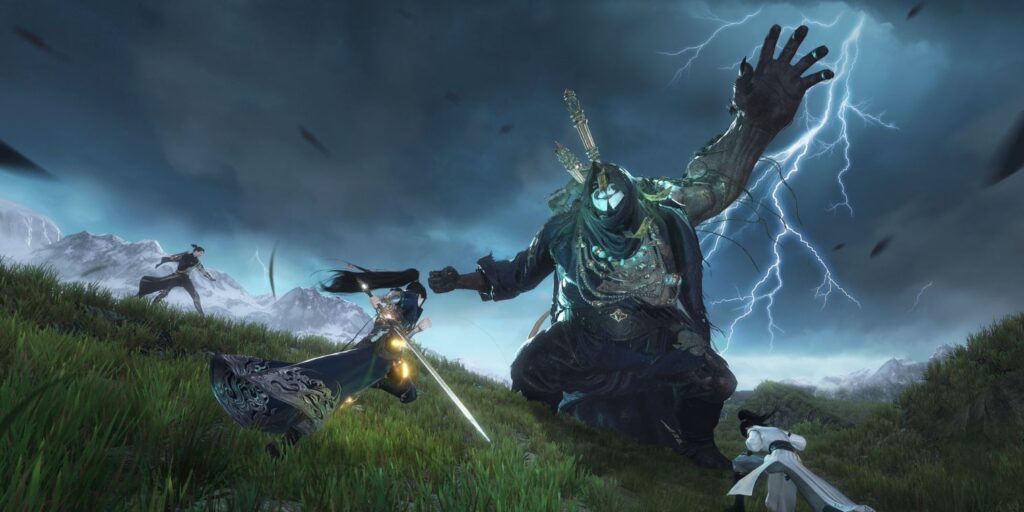
Skepticism is fair here. AI-driven NPCs are an exciting idea, but whether this system can hold up under the pressure of thousands of players remains an open question. That said, even partial success could shift expectations for how open-world games populate their worlds.
It Looks Like a Movie, Runs on a Phone, But Will it Hold Up?
Graphically, Sword of Justice makes plenty of big promises. Built with support from NVIDIA’s ray tracing tech, the game features dynamic lighting, simulated reflections, and a day-night cycle that changes how the world feels. Rivers shimmer differently at dusk. Fog creeps over mountaintops in the morning – all designed for mobile devices.
This is where caution is warranted. Other mobile MMOs that pushed the limits, like Black Desert Mobile and Lineage 2: Revolution, have a track record of running into performance bottlenecks. In Black Desert Mobile, large-scale PvP often leads to severe frame drops and overheating, even on high-end phones. Meanwhile, Lineage 2: Revolution suffered from crashes during massive siege battles and sluggish performance in crowded hubs.

Sword of Justice will need to prove that it can deliver its cinematic presentation without sacrificing stability. If it can, it will set a new benchmark. If not, it could end up as another graphically ambitious MMO that stumbles when too many players log in at once.
A Bold Push Into a Crowded Genre
With the international market in its sights, NetEase is betting big that a culturally specific Wuxia game can break out globally. The narrative structure, the AI-driven NPCs, and the striking visuals all work in its favor – assuming the servers hold up and the monetization doesn’t scare off players.
The real challenge is one of balance. If the AI systems are too subtle, they go unnoticed. If they’re too aggressive, they might frustrate players. The same goes for story freedom. Players want to shape the world, but not at the cost of clarity or pacing.
Still, Sword of Justice represents something rare: a free-to-play MMORPG trying to push the genre forward, not just widen its reach. And in a space cluttered with derivative entries, that might be its sharpest weapon.