


PC And Laptop Prices Expected To Soar As Memory Costs Hit Record Highs



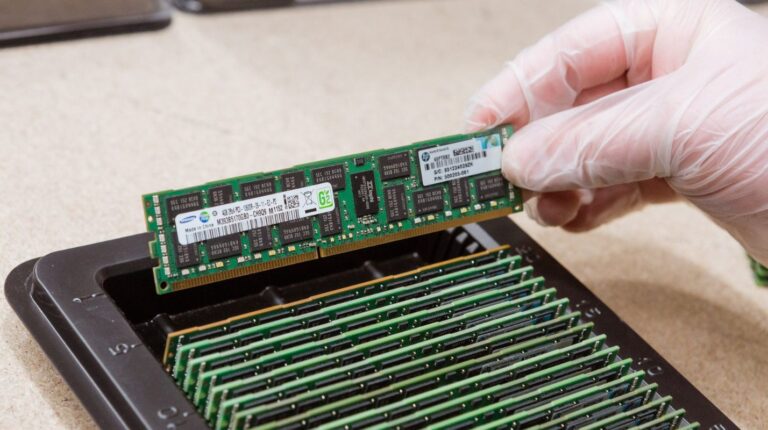
- Memory prices are rising sharply due to shortages and high demand.
- Console and PC manufacturers are struggling to manage component costs.
- Products made after October are reportedly being sold at a loss.
- Price increases of up to 20 percent are expected next year for PCs and laptops.
Memory Shortages Drive Hardware Price Surge
The global memory shortage is creating unprecedented pressure on PC and laptop pricing. Reports indicate that the cost of DDR5 memory has surged so dramatically that a PS5 Pro now costs less than a 64GB DDR5 module. Industry insiders have highlighted the inability of manufacturers to counteract the market forces driving these increases.
Manufacturers are reportedly constrained by the supply chain issues and skyrocketing component prices. A source cited by ZDNet Korea explained that products manufactured after October are being sold at a loss, forcing companies to consider raising prices to maintain profitability. Memory shortages are affecting not only gaming hardware and GPUs but a broad range of consumer electronics.
The shortage has created a ripple effect across the technology sector. Laptop and PC makers in particular face challenges in securing sufficient memory and SSD supplies. Attempts to mitigate costs with alternative solutions, such as using lower-priced Chinese DDR5 modules, remain slow to implement and may not offer immediate relief.
Price Increases Could Persist Until 2028
Industry analysis suggests that market instability will continue well into the second half of the decade. Estimates point to price rises of up to 20 percent for PCs and laptops by next year. Companies are bracing for prolonged difficulties in meeting demand while keeping production costs manageable.
Supply chain experts warn that consumer electronics pricing will remain volatile until memory shortages are addressed. Even with alternative suppliers and cheaper components, market fluctuations will continue to influence final retail prices. Analysts recommend purchasing laptops and PCs sooner rather than later, given the uncertainty of future costs.
Manufacturers acknowledge that the crisis is systemic, driven by global demand, logistical bottlenecks, and rising component expenses. While the industry explores various mitigation strategies, the current trajectory suggests that consumers should anticipate higher costs across the board for the foreseeable future.