

Ninja Tune Record Label Brings Its Beats To Video Games



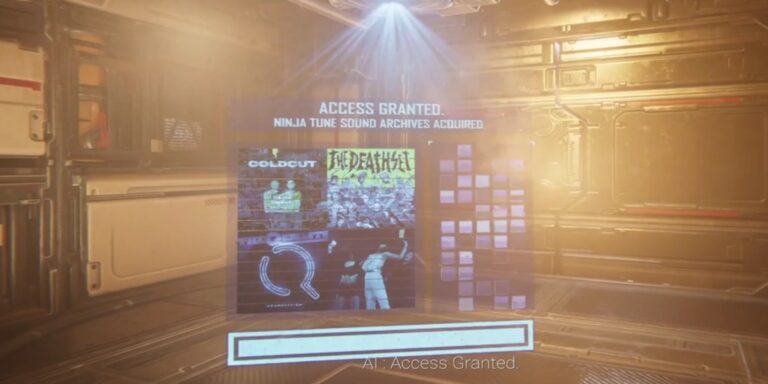
Ninja Tune, the label home to artists such as Floating Points, Metronomy and Thundercat, has announced a partnership with Reactional Music to create tailored game soundtracks for players. What this means is, the music can be used in games but affects the gameplay and environment itself, rather than simply something that plays over the top of the action.
Reactional was founded by world-renowned composer Jesper Nordin and former heads of Take Two Interactive and EA, along with the former CEO of Sony Music. The company’s proprietary Reactional Engine enables generative composable music for video games.
“The music can be personalized in real-time by the gamer, with their favorite tracks, playlists and other sounds becoming part of the game, staying in key and in time with gameplay, and creating new types of immersive gaming experiences,” Reactional said in a news post on its official website.
Jump to:
Game And Music in Sync
Reactional’s platform is live on Unity and Unreal Engine and is used by developers and creators in the US, as well as overseas. As an example of how it all works, in terms of using Ninja Tune licensed music, Reactionary revealed an in-game demo built with Unity that turns a spaceship interior into a kind of sci-fi audio visualizer.

Looks Like Someone Got Smoke Grenades For Christmas
This isn’t the first time Ninja Tune has gotten involved with video games; the label has its own radio stations on Forza 2 and Sleeping Dogs. Arguably its most well-known collaboration came in the form of Amon Tobin’s well-received OST for Splinter Cell: Chaos Theory, in 2005.
In its review, music site Pitchfork said, “Video games still aren’t quite cool, but the arrival of Amon Tobin’s noirish, cinematic soundtrack for the third installment in Tom Clancy’s Splinter Cell video game series, Chaos Theory, proves that they’re at least getting cooler.”
Pitchfork may have been wrong about the cool factor of video games, but it certainly wasn’t about the evolution of soundtracks – the OST for Star Wars Jedi: Survivor won a Grammy in 2024, for example.
Ninja Tune already has a number of Grammy-winning and -nominated artists on its roster, so this new partnership with Reactional may see the label pick up a few video game-related accolades in the future.