

Forgotten 23 Brings Sci-fi Time Loop Survival to PC on July 18



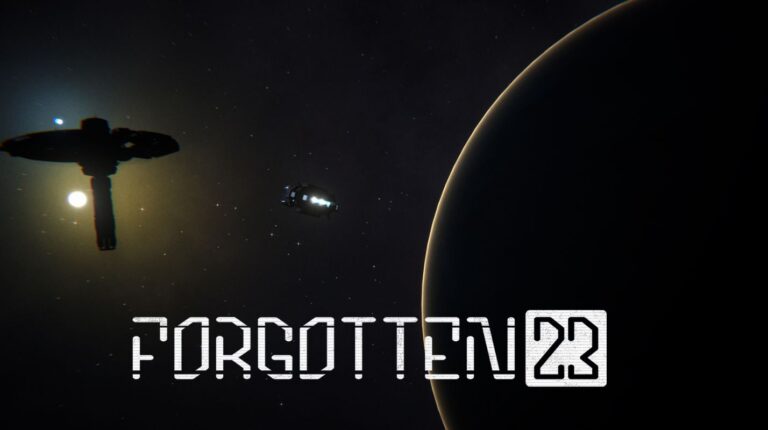
A derelict space station, a vanishing crew, and just 23 minutes to stop a catastrophe. That is the premise of Forgotten 23, a solo-developed science fiction mystery launching on PC on July 18, 2025. Created by Lucas S. Kowal under the KovalGames name, the game places players in the space suit of Max Novak, an engineer caught in an endless cycle of survival, puzzle-solving, and psychological decay.
Set aboard a crumbling research station orbiting Proxima Centauri b, the game opens with a standard rescue mission gone wrong. The crew is missing, systems are collapsing, and time keeps resetting. Each attempt to stabilize the station reveals more secrets, but nothing stays the same for long. It’s like Groundhog Day in space if the environment changes every morning – and without groundhogs.
“Forgotten 23 has been an incredible adventure for me,” said Kowal in a press release. “I’d spend my weekdays at my full-time job, then come home every evening – and every weekend – to build this game.”

Rather than facing monsters or enemies, players will confront shifting environments, corrupted logs, and eerie silences. The only constant is the 23-minute countdown before destruction. Every reset offers a new chance to understand what happened, but also raises the question of whether anything is truly repeatable in a space station that refuses to behave.
Jump to:
A Mystery Without Enemies
Forgotten 23 removes traditional combat and replaces it with focus on environmental tension. There are no weapons, no enemies, only decaying systems, locked terminals, and a digital intelligence that may not be telling the truth. The experience is built on careful exploration and quiet dread.
Puzzles are embedded into the station’s architecture. Each unlocked door or reactivated system unveils another layer of the mystery. Players will study damaged logs, restore failing subsystems, and traverse shifting corridors to reconstruct the fate of the missing crew.
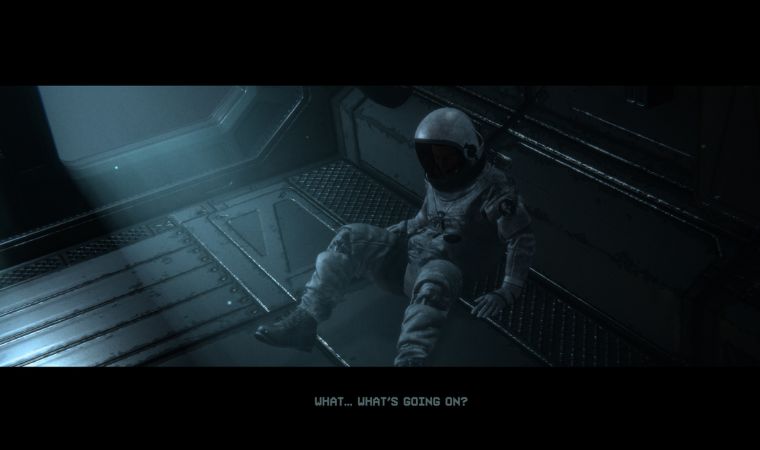
The AI known as Luna oversees everything. Whether she is helpful, malicious, or simply confused remains unclear. Her voice guides players at times, but never gives full answers. The truth is buried in fragments, and most of it cannot be trusted.
Survival Through Repair And Repetition
Time loops in Forgotten 23 are not just a narrative device. They are central to gameplay. Each 23-minute cycle challenges players to use their time efficiently. There are systems to fix, tools to craft, and limited oxygen to manage. Each resource matters. Every choice comes with a cost.
The layout of the station is not fixed. Doors that were open may be sealed in the next loop. Systems once online may be unstable later. That unpredictability keeps each attempt fresh and forces constant adaptation. Progress is not linear, but accumulative through discovery.
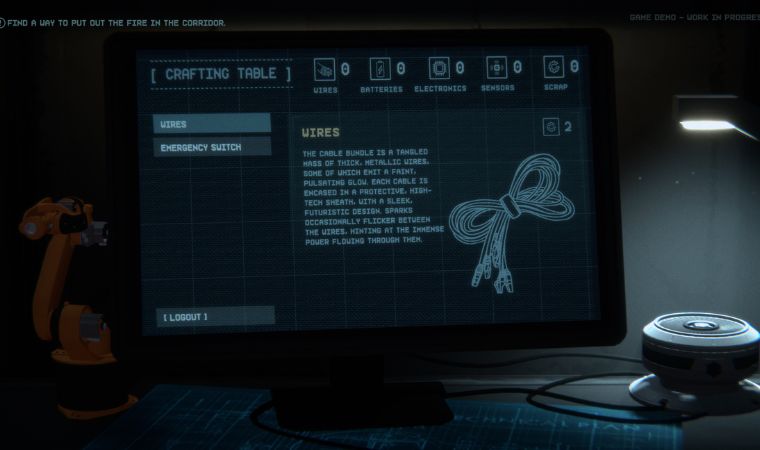
Crafting and repairs offer the only way forward. Players must collect scattered parts, build essential tools, and restore failing modules. Energy must be rerouted. Systems must be triaged. And every solution might be undone when the next reset arrives.
Built on Philosophical Roots
Forgotten 23 draws influence from the science fiction of Polish author Stanisław Lem’s 1961 novel Solaris. The game avoids absolutes and embraces uncertainty. Instead of clear goals and villains, players face existential ambiguity. The environment distorts. The narrative fragments. The answers, when found, are often unsettling.
This is a distinctly Polish approach to space storytelling. It resists spectacle and leans into introspection. The horror is not physical, but intellectual. The fear lies in confronting systems that no longer behave, and a mind that may be unraveling alongside them.
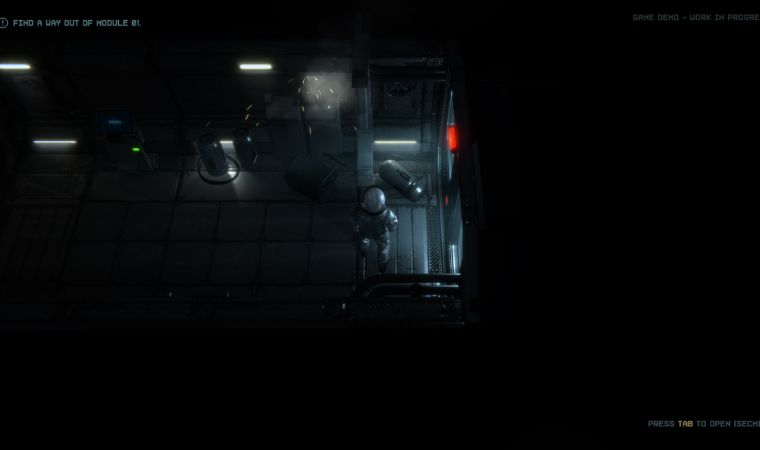
The station serves as both a psychological maze and a mechanical one. Players are not only solving puzzles, they are left to wonder if anything they learn will be useful in the next loop. In this world, knowledge is slippery, and progress may not be linear.
How Forgotten 23 Compares to Other Time Loop Games
Forgotten 23 is part of a growing genre that explores time-based storytelling, but it sets itself apart in both tone and mechanics. Where Returnal uses its loop to drive action-heavy combat and Outer Wilds creates an open-ended space mystery, Forgotten 23 opts for claustrophobic tension and no combat at all.
Unlike The Forgotten City, which builds its story through branching conversations, Forgotten 23 tells its story through environments and systems. There are no dialogue trees, only fragments of data and broken technology left behind by a missing crew.
In terms of tone, it most closely resembles SOMA or Observation, though with an even more grounded focus. There are no supernatural enemies, no chase sequences, and no scripted jump scares. The horror is quieter, more patient, and drawn from uncertainty itself.
A Station Built By One Developer
Forgotten 23 was created almost entirely by Kowal, who worked evenings and weekends for years to complete the game. He designed the systems, wrote the story, coded the mechanics, and created the visuals. His daughter, also in the games industry, contributed artwork to the project.
The game is being released through indie.io, a platform dedicated to supporting independent developers. Known for titles like HumanitZ and Echoes of the Plum Grove, indie.io provides distribution and marketing support without compromising creative freedom.