


Dolphin Emulator Updates With Framerate, Wii And Guitar Support




Popular GameCube and Wii emulator Dolphin has rolled out a massive update. Release 2506 implements a range of features and fixes, including support for guitar peripherals. It’s available for free and runs on Windows 10, Linux, macOS 11.0 Big Sur, and Android 5.0 and above.
This latest version of the emulator includes some features that users have been asking about for a while. Although Dolphin is open source, meaning anyone who knows what they’re doing can add to it, this can create conflicts across versions and cause delays in updates. A recent hotfix had to be rolled out to combat a few issues before release 2506 could see the light of day.
“However, in doing so, we inadvertently caused all development builds from that point on to take the “a” suffix,” the main developers said on its official page. “Some of our systems temporarily broke in the immediate aftermath while support for the suffix was hastily added.”
“In future releases, if a hotfix is needed it will not apply a suffix to the development builds. This should make things easier on us and anyone else that is maintaining Dolphin builds of their own. We apologize for any inconvenience that this error has caused.”
Jump to:
Release 2506
The good news is that with the above issue being resolved it means that 2506 could be rolled out, and users shouldn’t have any issues with it. As for the features added this time around, one of the most notable is Frame Pacing Improvements.
In short, this helps with a game’s frame rate, but it’s also important to note it’s not quite the same thing. Frame pacing refers to whether a screen can refresh in sync with a game so even if the game is running at 60 frames per second, if the screen alternates between refresh rates then the game will look as if it’s having a hard time running.
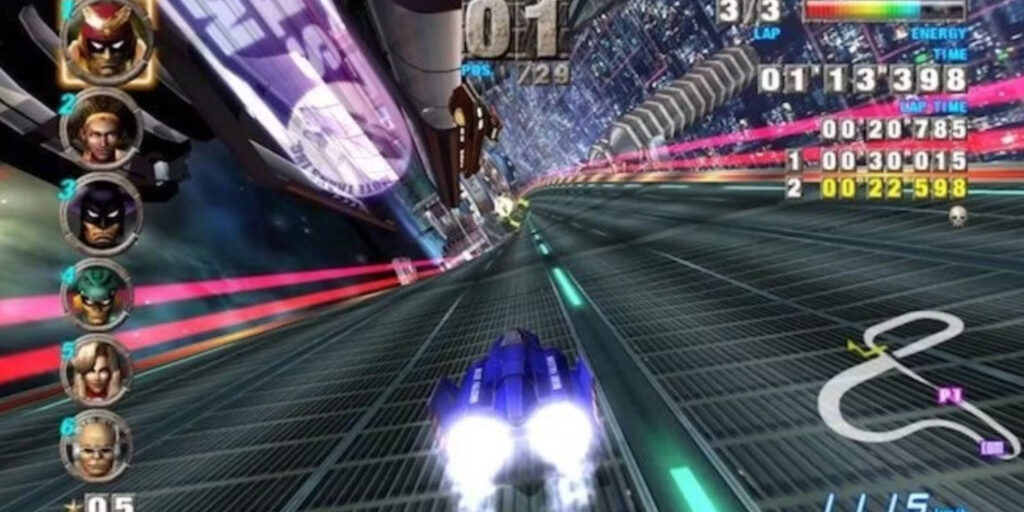
Vertical Blank Interrupt (VBI) Frequency Override has also been added, which also relates to framerate. Since GameCube and Wii games were designed to run on analog TVs, their framerate was usually set around 25 or 30 frames per second. The VBI feature effectively adds frames, bumping games up to 120 frames per second – although not all titles are compatible with this as it can actually speed the game up quite considerably, due to game speed being linked with framerate (game devs know this as delta time).
Another graphical update feature added is one that completely ignores GameCube and Wii hardware abilities: Anisotropic Filtering. As the Dolphin site puts it, this is something the consoles could do but developers simply didn’t use it that often.

“You may not know this, but the GameCube and Wii actually support anisotropic filtering. It is fairly uncommon across the library due to it being exceedingly expensive performance-wise, but it is still a feature that these consoles support. However, rather than applying it to every texture, developers would instead apply anisotropic filtering to specific textures as needed – usually repeated textures on large floors or walls.”
Dolphin has taken an “all or nothing” approach to this and implemented its own filtering that affects the entire game, not just certain sections. For gamers not entirely clear what this means, the gist is that it sharpens an image at certain angles, meaning in-game textures without it can look blurry.
Rock Out With Your Wii
Something else gamers might not know is that PlayStation 3 and Wii USB peripherals were often cross-compatiable. However, notable exceptions were the Rock Band guitar controllers, which were functionally the same across Xbox, PS3 and Wii, but had a very slight internal difference which made it so the Wii and PS3 versions couldn’t be used together.
The latest version of Dolphin has changed this. Now, if a user loads up a Wii Rock Band game in the emulator and plugs in a PS3 guitar, Dolphin will tell the game it’s a Wii controller and it can be used as such.
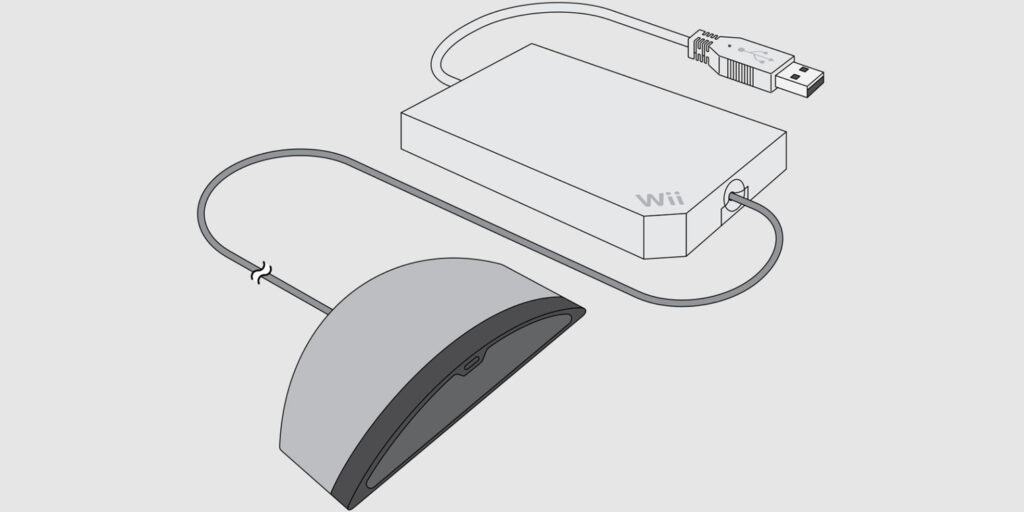
On the subject of Wii peripherals, one of the weirdest was the Wii Speak. Another of Nintendo’s failed experiments, the Wii Speak was released in 2008, with support for it ending in 2014. Although it was already possible to use one with Dolphin, now the software emulates this hardware via a device’s microphone so anyone can try out such Wii Speak gems as Wheel of Fortune and Tetris Party Deluxe.