


AMD Ryzen 9 9950X3D2 Leak Suggests Dual X3D Cache And Record-Breaking 192 MB Memory



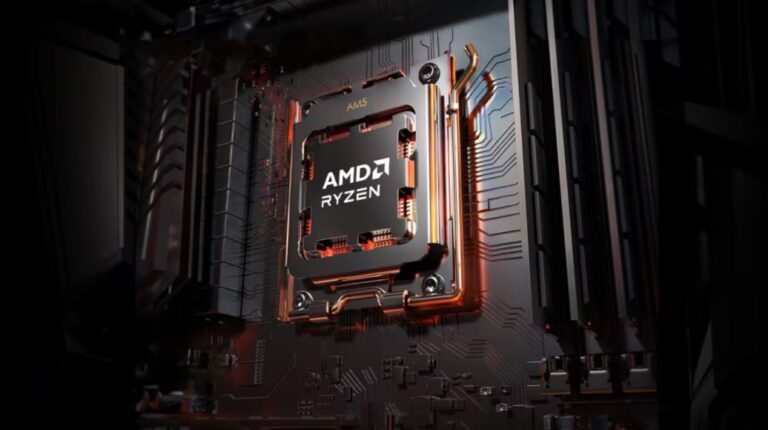
- AMD Ryzen 9 9950X3D2 reportedly features dual 3D V-Cache dies and 192 MB cache
- Ryzen 7 9850X3D leak points to boosted 5.6 GHz clocks and improved thermals
- The CPUs represent a soft refresh of AMD’s Zen 5 Ryzen 9000 series
- Pricing and release details remain unconfirmed but are expected to target high-end buyers
Jump to:
AMD Reportedly Readies Dual 3D V-Cache Flagship CPU
A new leak suggests AMD is preparing two refreshed Zen 5 processors as part of its Ryzen 9000 lineup, the Ryzen 9 9950X3D2 and Ryzen 7 9850X3D. The report, originating from hardware leaker chi11eddog on X (Twitter) and, outlines significant upgrades in cache capacity and clock speeds, marking an evolution of AMD’s 3D V-Cache technology.
The Ryzen 9 9950X3D2 is positioned as the new flagship within the Zen 5 desktop range. It is described as a 16-core, 32-thread CPU running at up to 5.6 GHz with a thermal design power of 200 watts. Unlike the previous Ryzen 9 9950X3D, which featured one 3D-stacked cache chiplet, the new model allegedly uses dual X3D CCDs, effectively doubling its total L3 cache to 192 MB.
This configuration would make it the first mainstream desktop CPU to implement 3D V-Cache on both chiplets. AMD previously dismissed such a design for retail use due to cost and complexity, but the new report indicates that the company may have found a viable path to mass production.
The shift toward a dual X3D structure suggests AMD is targeting users demanding maximum cache performance, particularly in gaming and data-intensive workloads. The chip’s 5.6 GHz boost clock, although 100 MHz lower than the standard 9950X, would likely be offset by the expanded memory and cache bandwidth.
The Ryzen 7 9850X3D Shows Higher Clocks And Improved Efficiency
The leak also references the Ryzen 7 9850X3D, an eight-core, sixteen-thread processor designed as a follow-up to the 9800X3D. It reportedly features 96 MB of total L3 cache and an increased boost clock reaching 5.6 GHz, marking a substantial 500 MHz uplift over its predecessor.
With a 120-watt TDP, the processor appears to use AMD’s second-generation V-Cache design, which is engineered to operate at lower temperatures and support limited overclocking. This generation of cache stacking represents a refinement in thermal management, addressing prior limitations that restricted voltage and frequency adjustments in earlier X3D chips.
The higher clock speed suggests a tangible performance increase across single-threaded and gaming benchmarks. While AMD has not confirmed these specifications, such an enhancement would position the Ryzen 7 9850X3D as one of the most efficient 8-core CPUs in the company’s portfolio.
Implications For AMD’s Zen 5 Strategy
These refreshed models, if accurate, demonstrate AMD’s intention to sustain momentum for its Zen 5 architecture through incremental but meaningful performance upgrades. The introduction of a dual 3D V-Cache configuration may represent a transitional step before the company’s next major architectural shift expected with Zen 6 in 2026.
AMD’s willingness to expand its X3D lineup reinforces the strategic value of cache density in gaming workloads. Larger caches reduce memory latency and improve frame consistency, key performance factors for high-end users. This focus also positions AMD favorably against Intel’s upcoming Nova Lake processors, which are rumored to include similar large cache packages.
While official pricing has not been disclosed, the Ryzen 9 9950X3D currently retails for $699 in the United States. Based on previous launch patterns, the 9950X3D2 could debut between $799 and $849, depending on binning yields and production costs. AMD may also reposition existing models to maintain pricing hierarchy across the Ryzen 9000 family.
A Transitional Moment In The Desktop CPU Market
The timing of these leaks arrives as the desktop CPU sector steadies following the initial rollout of Zen 5 hardware. AMD’s incremental refresh strategy mirrors previous cycles where refined cache or clock improvements extended platform longevity between generational shifts.
Intel’s competing roadmap remains distant, with its next consumer-focused architecture not expected until late 2026. This gives AMD a potential performance window to capitalize on its 3D V-Cache advantage. The introduction of a dual-die cache configuration could solidify that lead while reinforcing the company’s engineering credibility in a segment defined by iterative performance gains.
If the specifications prove accurate, the Ryzen 9 9950X3D2 would represent the highest-cache desktop processor ever released by AMD, underscoring the company’s commitment to extending Zen 5’s lifespan through technical refinement rather than complete redesign. Additional details, including benchmarks, pricing, and release timing, are expected in the coming months.
Wrong In The Past
This is not the first time chi11eddog has leaked information about upcoming hardware releases and the track-record leaves a bit to desire. The thread on X is not without its doubters.
“The leak doesn’t make much sense when you look at the specifications. AMD has also stated there isn’t really any improvement from dual x3d cache and that it’s not worth incorporating into their lineup. It’s also important to say this leaker has been found wrong more than right,” Tyler Tucker responded to the tweet.