

Jurassic World Evolution 3: Rebirth Expansion Launches With Distortus Rex, New Campaign and Major Gameplay Features



- Four new dinosaurs arrive, including the terrifying Distortus rex and airborne Mutadon.
- A new story campaign explores three secret facilities across Île Saint-Hubert.
- Free Update 1.3 adds semi-aquatic T. rex behaviour, new species, drones and more.
Jurassic World Evolution 3 has entered a bold new chapter with the release of the Rebirth Expansion, a substantial DLC inspired by the events leading up to Jurassic World Rebirth. Developed by Frontier Developments in partnership with Universal Products & Experiences, the expansion introduces new dinosaurs, fresh management mechanics, and a campaign set across the mysterious Île Saint-Hubert.
Available now on PC, PlayStation 5, and Xbox Series X|S, the Rebirth Expansion adds four new species, nearly 400 scenery items, and several major gameplay systems. From geothermal energy networks to open-air aviaries, the DLC significantly expands what players can build and manage in their prehistoric parks.

Jump to:
Jurassic World Evolution 3 Rebirth Expansion Adds Distortus Rex and New Campaign
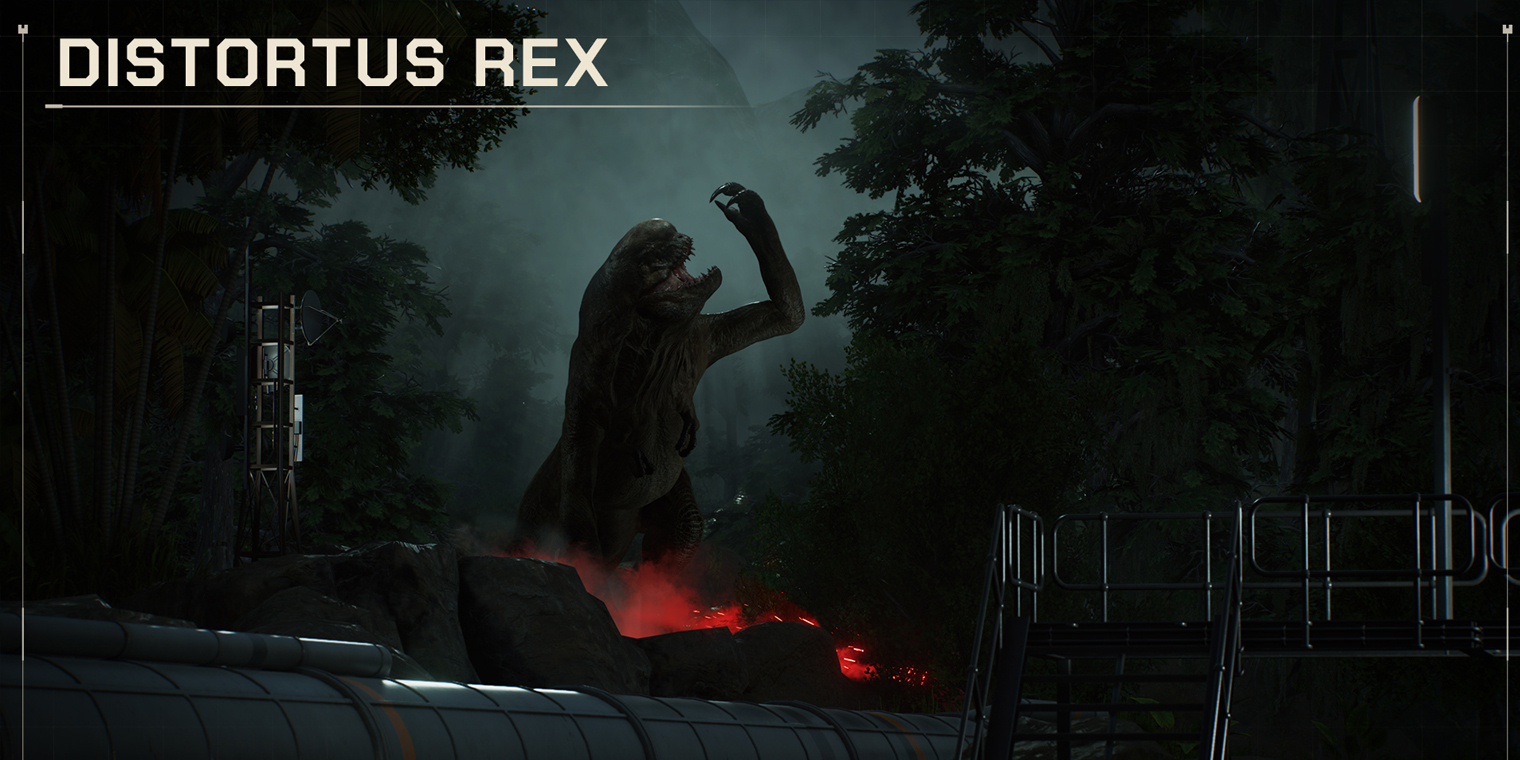
The headline addition is undoubtedly the Distortus rex, a genetically engineered predator designed to push park security systems to their limits. Featuring unique kill animations and extreme aggression, the creature stands out as one of the most dangerous dinosaurs ever introduced to the series.
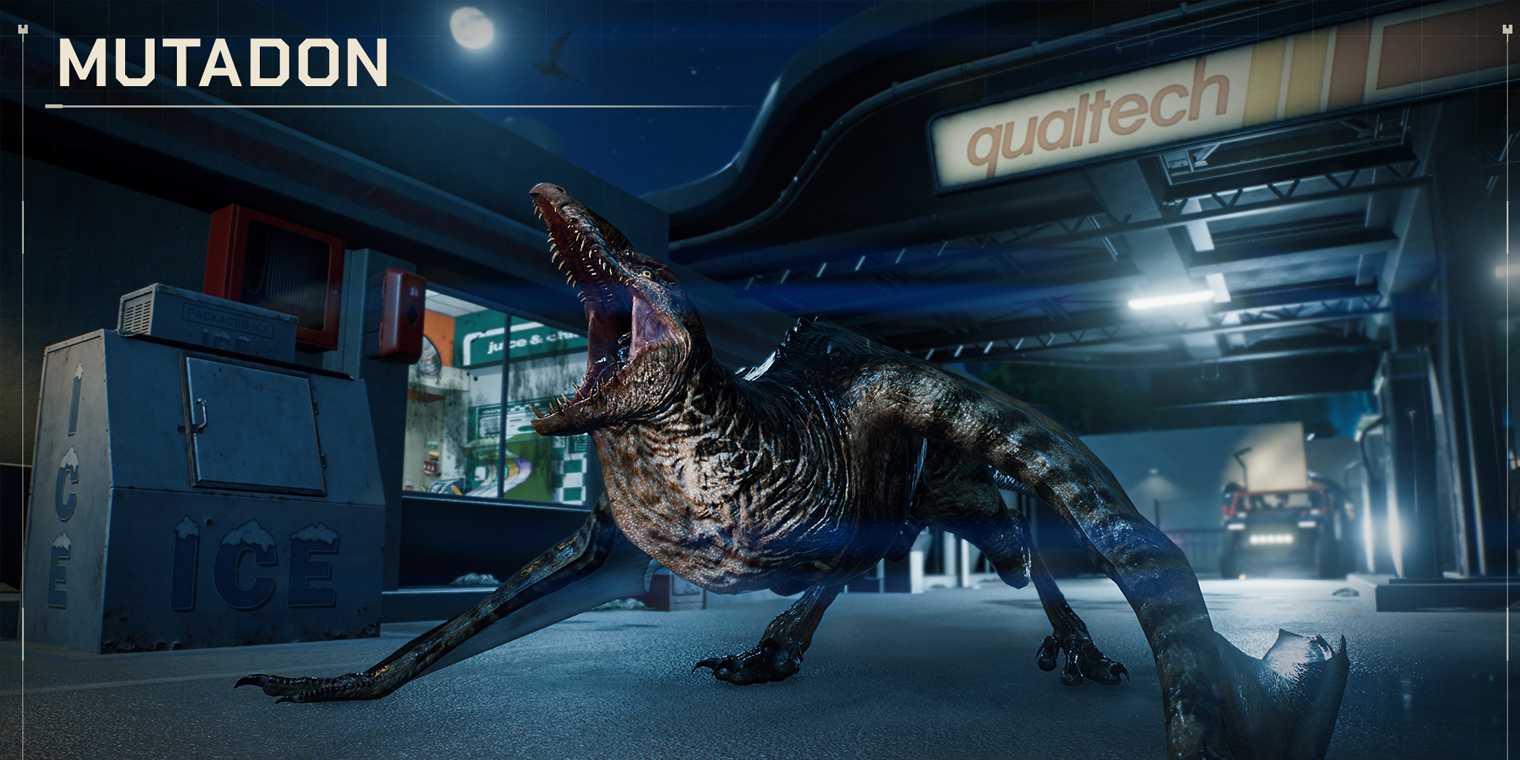
Joining it are three other species pulled directly from Jurassic World Rebirth. The Mutadon combines the hunting instincts of a Velociraptor with the aerial mobility of a pterosaur, making it a particularly difficult creature to contain. Players can also welcome the enormous Titanosaurus, including a juvenile variant appearing for the first time, alongside the small but charming Aquilops family unit.
The expansion’s story campaign takes place before the events of the film and spans three distinct facilities across Île Saint-Hubert. Site Managers will oversee operations at the Main Facility, Ancient Valley, and Riverside Lab, each presenting unique objectives and management challenges.
A new Assignments system gives players greater freedom in how they progress through the campaign. Priority Assignments advance the main story, while optional objectives unlock additional genomes, experimental traits, research projects, and other rewards.
New Geothermal Power, Open-Air Aviaries and Update 1.3 Details
One of the biggest gameplay additions is Geothermal Power, a new energy system that allows players to generate and distribute power through underground pipe networks. Unlike previous entries in the series, power management now extends across the entire island, creating new strategic considerations when expanding facilities.
The expansion also introduces Open-Air Aviaries, allowing flying reptiles to inhabit larger and more natural environments. These enclosures feature increased flight heights, expanded terrain editing options, and unobstructed viewing opportunities, making them one of the most visually impressive additions in Jurassic World Evolution 3.
Players interested in genetic experimentation can take advantage of seven new Experimental Traits. These advanced modifications alter dinosaur behaviour, social interactions, and biological characteristics, creating fresh challenges and opportunities when designing exhibits.
Alongside the paid DLC, Frontier has released free Update 1.3 for all players. The update introduces semi-aquatic behaviour for the T. rex, allows Cretaceous Cruise attractions to operate through aviaries, adds the returning Cearadactylus family unit from Jurassic World Evolution 2, and includes handheld flares for ranger vehicles, expanded drone functionality, and additional quality-of-life improvements.