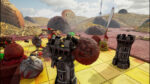
20 Games Like Stellaris to Feed Your Strategy Fix in 2025


Games like Stellaris attract players who want strategy experiences built around exploration, long-term planning, and meaningful choices.
As someone who has spent countless hours managing ethics, navigating crises, and pushing through mid-game stagnation in Stellaris, I know the excitement of wanting another game that can deliver that same blend of scale and tension.
The games in this list provide that familiar satisfaction while introducing fresh mechanics that keep the experience new and engaging.
Jump to:
Our Top Picks for Games Like Stellaris
If you want the closest match to Stellaris in terms of scale, strategy, and galaxy-building depth, these 3 titles stand out as the strongest recommendations. Each one captures a core element of what Stellaris players love, making them ideal starting points before diving into the full list.
- Endless Space 2 (2017) – Endless Space 2 excels with rich faction diversity, deep political systems, and a galaxy that reacts meaningfully to every strategic decision.
- Galactic Civilizations III (2015) – Galactic Civilizations III delivers expansive empire customization, smart AI diplomacy, and long-form campaigns that reward thoughtful planning.
- Master of Orion: Conquer the Stars (2016) – Master of Orion offers streamlined but strategic 4X gameplay with memorable alien races and fast, impactful decision-making.
These top 3 set the tone for the rest of the list, so keep scrolling to discover even more games that offer the depth and exploration Stellaris fans enjoy.
20 Best Games Like Stellaris for When One Galaxy Isn’t Enough
This selection highlights games like Stellaris that offer expansive galaxies, deep empire-building, and meaningful exploration, giving Stellaris fans the same sense of scale and strategic freedom.
Expect strong resource management, complex diplomacy, and dynamic universes shaped by your decisions. Explore each game below to see how they match your preferred playstyle.
1. Endless Space 2 [Best for Asymmetric Faction Strategy]

| Our score | 10
☆
★
☆
★
☆
★
☆
★
☆
★
☆
★
☆
★
☆
★
☆
★
☆
★
|
| Type of game | 4X turn-based space strategy |
| Platforms | PC (Windows, macOS) |
| Year of release | 2017 |
| Creator/s | Amplitude Studios (Developer), SEGA (Publisher) |
| Average playtime | 40–200+ hours |
| Best for | Players who enjoy highly asymmetric factions and story-driven strategy |
| What I liked | The factions feel dramatically different, and narrative events create meaningful story moments |
Endless Space 2 places you in a sprawling galaxy where every faction tells a different story, and every decision contributes to an evolving interstellar narrative.
Players explore star systems, expand territory, manage populations, and negotiate with rival powers while enjoying a stylized aesthetic built around clean UI elements and vibrant cosmic art. Its emphasis on clarity makes it ideal for long campaigns where readability matters.
Take advantage of the in-depth faction quests early because they shape your long-term strategy and unlock powerful bonuses that dramatically influence mid-game strength.
What sets Endless Space 2 apart is the deep faction asymmetry, where each species follows entirely different mechanics that meaningfully change how you play. The narrative event system strengthens this identity by delivering story-driven choices that affect diplomacy, population traits, and empire stability.
My Verdict: Stellaris fans will love Endless Space 2 for its deep storytelling, asymmetric factions, and long-term strategic depth that rewards thoughtful planning and experimentation.
2. Galactic Civilizations III [Best for Long Sandbox Campaigns]

| Our score | 9.9
☆
★
☆
★
☆
★
☆
★
☆
★
☆
★
☆
★
☆
★
☆
★
☆
★
|
| Type of game | Turn-based 4X space strategy |
| Platforms | PC (Windows) |
| Year of release | 2015 |
| Creator/s | Stardock Entertainment (Developer & Publisher) |
| Average playtime | 60–300+ hours |
| Best for | Players who enjoy long-form sandbox campaigns and intricate empire progression |
| What I liked | The freedom to build a completely unique civilization through tech, ideology, and ship customization |
Galactic Civilizations III is a classic 4X title built for players who want to shape an empire over hundreds of turns while navigating a galaxy filled with rival species and competing ideologies. The game emphasizes large tech trees, complex diplomatic options, and multiple victory conditions, giving players full control over how they pursue dominance.
Galactic Civilizations III serves up sleek visuals and sprawling star maps built for galaxy-wide chaos, making it a natural pick for anyone hunting down the best grand strategy games.
Customize your ideology early because it influences diplomacy, colony management, and late-game power spikes more than new players expect.
One of the standout strengths of Galactic Civilizations III is its powerful ship editor, which lets players design vessels from scratch or use community-made blueprints through full Steam Workshop integration. The game also scales extremely well for long sandbox campaigns, supporting gigantic maps and hundreds of factions without collapsing under performance pressure.
My Verdict: Stellaris fans who enjoy long-term empire growth, customization, and galaxy-sized sandboxes will appreciate the depth and freedom Galactic Civilizations III brings to every campaign.
3. Master of Orion: Conquer the Stars [Best for Streamlined 4X Strategy]
| Our score | 9.8
☆
★
☆
★
☆
★
☆
★
☆
★
☆
★
☆
★
☆
★
☆
★
☆
★
|
| Type of game | Turn-based 4X space strategy |
| Platforms | PC (Windows, macOS), Linux |
| Year of release | 2016 |
| Creator/s | NGD Studios (Developer), Wargaming (Publisher) |
| Average playtime | 20–80 hours |
| Best for | Players who prefer shorter, focused 4X campaigns with modern polish |
| What I liked | It captures the spirit of the original series while offering smoother pacing and a more accessible structure |
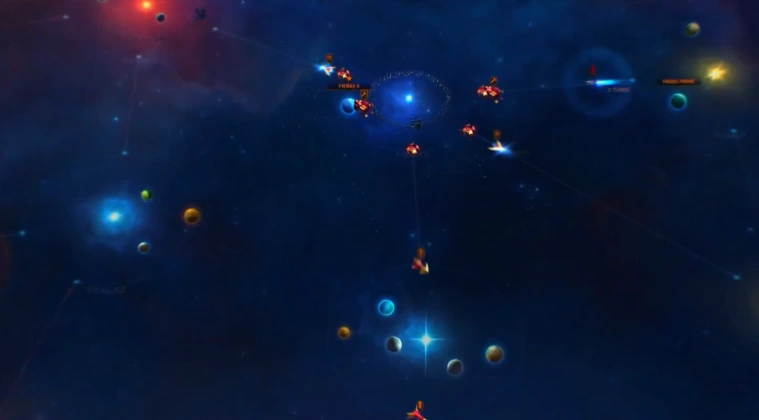
Master of Orion: Conquer the Stars reimagines one of the most iconic 4X series with a modern interface, approachable systems, and visually polished presentation. The game keeps the heart of the original intact while offering a smoother learning curve, making it perfect for players who want a galaxy-sized strategy experience without being overwhelmed.
It’s also rightfully considered one of the genre-defining space games, thanks to its strong 4X design, richly characterized alien races, and an atmosphere so steeped in sci-fi charm that the setting becomes a core part of how the game plays and feels. The orchestral soundtrack and strong voice acting elevate the sense of cosmic discovery, giving the entire campaign a cinematic feel.
Use the race customization settings early to tailor difficulty, opponent behavior, and pacing so your campaign feels balanced and rewarding from the first turn.
The reboot balances classic 4X decision-making with modern clarity, offering ship design systems and tech choices that feel familiar yet refined. The UI presents information cleanly, allowing players to focus on exploration, colonization, and tactical combat without the friction common in older strategy titles.
My Verdict: Stellaris fans who want a streamlined, modern, and nostalgic 4X that respects their time will find Master of Orion a refreshingly focused alternative with plenty of strategic depth.
4. Sins of a Solar Empire: Rebellion [Best for Real-Time Galactic Warfare]
| Our score | 9.7
☆
★
☆
★
☆
★
☆
★
☆
★
☆
★
☆
★
☆
★
☆
★
☆
★
|
| Type of game | Real-time 4X and grand strategy hybrid |
| Platforms | PC (Windows) |
| Year of release | 2012 |
| Creator/s | Ironclad Games (Developer), Stardock (Publisher) |
| Average playtime | 50–300+ hours |
| Best for | Players who want large-scale warfare blended with long-term empire growth |
| What I liked | The real-time pacing creates tension and momentum that turn-based 4X titles rarely match |
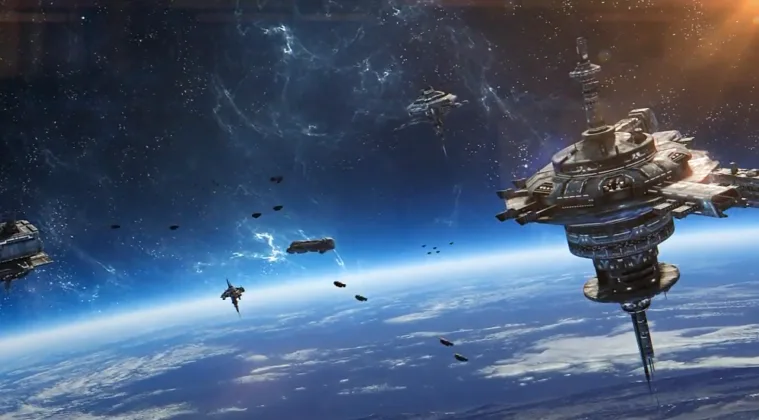
Sins of a Solar Empire: Rebellion stands out as one of the most ambitious real-time grand strategy hybrids ever made. Instead of pausing between turns, players manage persistent empire growth, explore star systems, build alliances, and command enormous fleets in real time.
While far larger in scale, it still shares the real-time base-building and resource-management DNA found in games like Age of Mythology, giving RTS fans a familiar strategic foundation.
Everything here feels massive, and the tactical spectacle of battles gives the galaxy a dynamic energy that separates it from traditional 4X games. It is an ideal choice for players who want a real-time strategy experience that combines large-scale empire growth with massive fleet battles.
Master supply lines early because logistics efficiency is the key to supporting large fleets deep into enemy territory.
A major highlight is the depth of its economy and logistics systems, which affect everything from fleet capacity to expansion efficiency. Multiplayer is another standout feature, supporting huge large-scale matches that feel like full galactic wars unfolding in real time.
My Verdict: If you love Stellaris but want faster pacing and gigantic real-time battles, Sins of a Solar Empire: Rebellion delivers one of the most unique and thrilling strategy experiences available.
5. Distant Worlds 2 [Best for Living, Reactive Galaxies]
| Our score | 9.6
☆
★
☆
★
☆
★
☆
★
☆
★
☆
★
☆
★
☆
★
☆
★
☆
★
|
| Type of game | Real-time 4X space simulation |
| Platforms | PC (Windows) |
| Year of release | 2022 |
| Creator/s | CodeForce (Developer), Slitherine Ltd. (Publisher) |
| Average playtime | 80–300+ hours |
| Best for | Players who want a massive, living galaxy driven by independent faction activity |
| What I liked | The galaxy feels alive even when I am not interacting with it directly |
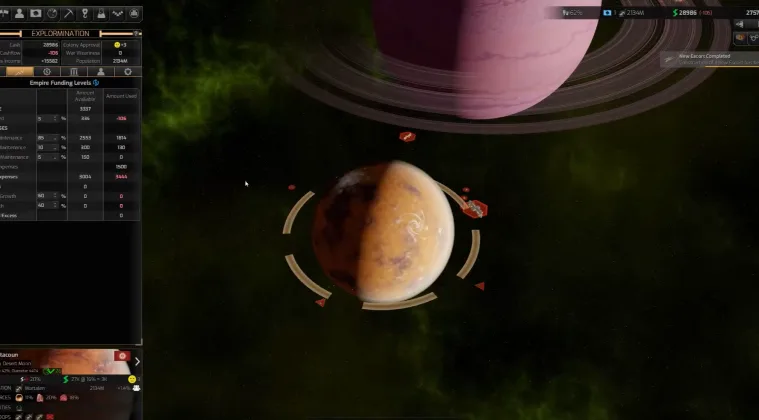
Distant Worlds 2 creates one of the most massive sandbox galaxies in the strategy genre, where factions trade, fight, explore, and collaborate even without player intervention.
The reactive simulation allows emergent stories to form naturally, making every campaign feel distinct and unpredictable. If you’re looking for top-tier strategy games with galaxy-sized ambition, this one absolutely delivers.
Start with partial automation enabled until you understand the economy, exploration patterns, and ship behavior because the systems can be overwhelming at full manual control.
The world feels cohesive thanks to lively trade, diplomacy, and faction interactions that evolve independently of your actions, creating the sense of a truly reactive universe. With deep customization, scenario tools, and long-campaign support, Distant Worlds 2 rewards players who enjoy scale, complexity, and emergent narrative moments.
My Verdict: Stellaris fans who love huge living galaxies, dynamic AI behavior, and stories that unfold on their own will find Distant Worlds 2 a deep and rewarding long-term strategy experience.
6. Sins of a Solar Empire II [Best for Real-Time 4X Galactic Warfare]
| Our score | 9.5
☆
★
☆
★
☆
★
☆
★
☆
★
☆
★
☆
★
☆
★
☆
★
☆
★
|
| Type of game | Real-time 4X strategy with tactical simulation |
| Platforms | PC (Windows) |
| Year of release | 2024 |
| Creator/s | Ironclad Games (Developer), Stardock (Publisher) |
| Average playtime | 60–300+ hours |
| Best for | Players who want real-time 4X strategy with massive scale and deep faction variety |
| What I liked | The ability to zoom between ship-level combat and empire-wide decision-making in real time |
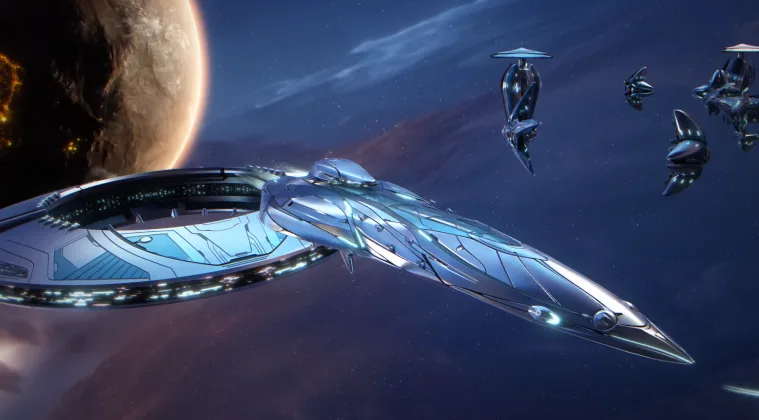
Sins of a Solar Empire II builds on the legacy of its groundbreaking predecessor by pushing real-time 4X strategy to galactic proportions. There are no turns, battle modes, or separate phases. Everything unfolds in a seamless real-time environment, where you zoom between tactical ship combat and strategic empire management without interruption.
Unlike traditional turn-based 4X games, Sins II prioritizes momentum and timing. Every asteroid belt, fleet maneuver, and planetary orbit happens live. This real-time flow creates a constant sense of tension, where decisions ripple forward instantly and positioning becomes just as important as production.
Establish early orbital control with mobile defenses and recon ships, and delaying fleet visibility can cost you entire sectors before you react.
Sins II also introduces six playable factions, each with deeply asymmetric playstyles, including unique mechanics like Phase Resonance, TEC trade allocation, and Advent psionic Unity powers. These factions are split into sub-factions with their own tech paths, units, and goals, creating a sprawling sandbox of competing ideologies and strategies.
My Verdict: For Stellaris fans seeking a faster-paced, real-time alternative with tactical space battles, complex factions, and no turn-based downtime, Sins of a Solar Empire II delivers a thrilling, galaxy-spanning war simulator that evolves hour by hour.
7. Age of Wonders: Planetfall [Best for Tactical Sci-Fi Ground Combat]
| Our score | 9.4
☆
★
☆
★
☆
★
☆
★
☆
★
☆
★
☆
★
☆
★
☆
★
☆
★
|
| Type of game | Turn-based 4X strategy with tactical combat |
| Platforms | PC, PS4, Xbox One |
| Year of release | 2019 |
| Creator/s | Triumph Studios, Paradox Interactive |
| Average playtime | 30–120 hours |
| Best for | Players who enjoy Civilization-style strategy with stronger combat depth |
| What I liked | Each faction forces a completely different approach to strategy and combat |
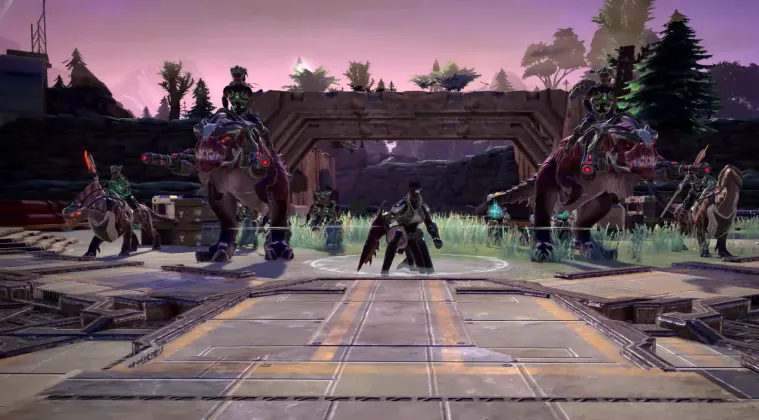
Age of Wonders: Planetfall offers a polished sci-fi 4X experience built around tactical ground battles, empire development, and asymmetric factions with unique technology paths. Players explore shattered worlds, rebuild colonies, and guide their armies through turn-based missions that reward positioning, unit synergy, and hero progression.
The tech web and covert ops system add strategic depth, making every playthrough feel distinct.
Focus your early colonies on one or two resource specializations because Planetfall scales its economy heavily around efficient production chains.
Vibrant sci-fi art direction and responsive UI make long play sessions enjoyable, and the mixture of diplomacy, tech development, and tactical warfare keeps the game engaging from early exploration to late game domination.
My Verdict: Planetfall is perfect for strategy fans who want a rich sci-fi 4X game that blends empire management with deep, satisfying tactical combat.
8. Sid Meier’s Civilization: Beyond Earth [Best for Sci-Fi Civilization Building]

| Our score | 9.3
☆
★
☆
★
☆
★
☆
★
☆
★
☆
★
☆
★
☆
★
☆
★
☆
★
|
| Type of game | Turn-based 4X strategy |
| Platforms | PC (Windows, macOS, Linux) |
| Year of release | 2014 |
| Creator/s | Firaxis Games (Developer), 2K Games (Publisher) |
| Average playtime | 30–120 hours |
| Best for | Players who enjoy Civilization but want a sci-fi progression system |
| What I liked | The affinity system creates distinct late-game identities and strategic outcomes |
Sid Meier’s Civilization: Beyond Earth takes the familiar Civ formula and reshapes it for a distant world where humanity begins again on alien soil. Instead of historical nations, players guide colonists through planetary exploration, settlement building, and survival in a hostile ecosystem.
The game’s standout feature is its affinity system, which transforms your civilization into Purity, Harmony, or Supremacy paths, each unlocking unique units, abilities, and ideological bonuses.
FCommit to an affinity path early because hybrid builds rarely deliver the strongest military or late-game economy.
Beyond Earth’s quest system offers branching objectives tied to city development, diplomacy, and research, adding narrative depth rarely seen in traditional Civ games. The tech web, rather than a linear tree, encourages experimentation by letting players chart unique research paths each campaign.
My Verdict: Players who enjoy Civilization but want a flexible, sci-fi take with strong progression identity will find Beyond Earth a solid and refreshing alternative.
9. Humankind [Best for Culture-Blending Empire Evolution]

| Our score | 9.2
☆
★
☆
★
☆
★
☆
★
☆
★
☆
★
☆
★
☆
★
☆
★
☆
★
|
| Type of game | Turn-based 4X historical strategy |
| Platforms | PC (Windows, macOS), PS5, PS4, Xbox One, Xbox Series X and Series S |
| Year of release | 2021 |
| Creator/s | Amplitude Studios (Developer), SEGA (Publisher) |
| Average playtime | 40–150 hours |
| Best for | Players who enjoy Civ-style games but want more freedom in shaping their empire |
| What I liked | The culture-switching mechanic creates endlessly varied civilizations and strategies |
Humankind offers a fresh take on the 4X formula by letting players combine cultures across eras, creating hybrid civilizations with evolving strengths. Instead of sticking with a single identity, you craft your empire’s personality through layered historical choices, making each campaign feel different. Memorable era transition events and narrative prompts deepen this progression.
Plan your era transitions early so you can stack cultures that complement your long-term economy, military, or influence goals.
The game excels through its polished diplomacy, territorial control systems, and region-based expansion mechanics that feel more grounded than traditional tile-by-tile settling. This structure creates strategic tension over borders, resources, and influence dominance.
My Verdict: Humankind is ideal for players who enjoy long-form empire design and want a flexible, culture-driven alternative to classic 4X games.
10. StarDrive 2 [Best for Custom Ship Combat]
| Our score | 9.1
☆
★
☆
★
☆
★
☆
★
☆
★
☆
★
☆
★
☆
★
☆
★
☆
★
|
| Type of game | Turn-based 4X with real-time tactical battles |
| Platforms | PC (Windows, macOS, Linux) |
| Year of release | 2015 |
| Creator/s | Zero Sum Games (Developer & Publisher) |
| Average playtime | 20–80 hours |
| Best for | Players who want direct tactical control of space battles |
| What I liked | The ship design system allows incredibly creative fleet builds with noticeable combat impact |
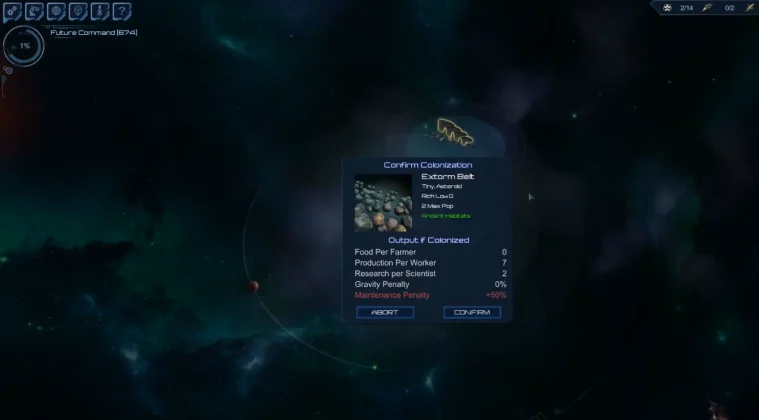
StarDrive 2 blends classic empire management with hands-on tactical fleet battles, giving players direct control over engagements rather than relying on automated outcomes. The game’s standout feature is its heavy emphasis on ship design, offering numerous hull types, weapon modules, defensive systems, and special components to experiment with.
This creative flexibility makes fleet composition one of the most rewarding parts of the experience and positions it as a fun pick.
Design specialized ships (dedicated missile boats, brawler cruisers, or carrier fleets) rather than using generalist builds for every encounter.
The game’s mod-friendly indie design has led to a loyal community that continues adding new ship parts, balance tweaks, and large total conversion mods. While smaller in scope than major 4X titles, its focused feature set keeps campaigns tight, fast, and tactically satisfying.
My Verdict: StarDrive 2 is ideal for players who love customizing fleets, experimenting with ship builds, and taking command during intense tactical space battles.
11. Warhammer 40,000: Gladius – Relics of War [Best for Combat-Focused 4X Strategy]
| Our score | 9
☆
★
☆
★
☆
★
☆
★
☆
★
☆
★
☆
★
☆
★
☆
★
☆
★
|
| Type of game | 4X strategy focused on tactical combat |
| Platforms | PC (Windows, macOS, Linux) |
| Year of release | 2018 |
| Creator/s | Proxy Studios (Developer), Slitherine Ltd. (Publisher) |
| Average playtime | 20–80 hours |
| Best for | Players who want a combat-heavy 4X with strong theme and identity |
| What I liked | Each faction feels completely different, with unique strengths, tech paths, and battlefield roles |
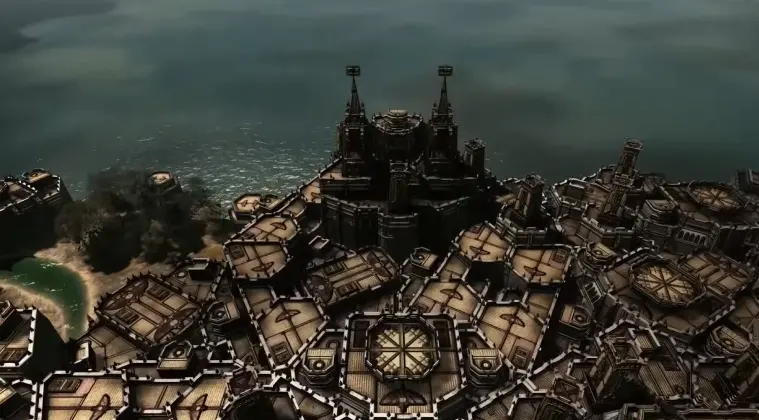
Warhammer 40,000: Gladius transforms the traditional 4X formula into a combat-first strategy experience set within the grimdark Warhammer 40K universe. Instead of diplomacy, trading, or complex politics, Gladius focuses on aggressive expansion, tactical engagements, and faction-driven conflicts.
The game’s strongest feature is its asymmetric faction design, with Space Marines, Astra Militarum, Orks, Necrons, and later DLC races offering radically different units, mechanics, and strategic priorities. The world itself is hostile and atmospheric, filled with ancient relics, dangerous wildlife, and lore-driven environmental hazards.
Boost your early-unit survivability with terrain advantages; Gladius heavily rewards positioning and cover, especially during early-game skirmishes.
Cities expand like fortified strongholds, and resource management revolves around sustaining increasingly powerful armies rather than balancing wide economic networks. The dark, oppressive setting captures the feel of 40K perfectly, while single-player scenarios highlight tactical decision-making over empire micromanagement.
My Verdict: If you want a 4X that trades diplomacy for pure battlefield strategy, Gladius offers one of the most thematic and tactically satisfying experiences in the genre.
12. Battlestar Galactica Deadlock [Best for Tactical Fleet Command]
| Our score | 8.9
☆
★
☆
★
☆
★
☆
★
☆
★
☆
★
☆
★
☆
★
☆
★
☆
★
|
| Type of game | Tactical fleet-combat strategy |
| Platforms | PC (Windows), PS4, Xbox One, Switch |
| Year of release | 2017 |
| Creator/s | Black Lab Games (Developer), Slitherine Ltd. (Publisher) |
| Average playtime | 20–60 hours |
| Best for | Players who love tactical ship engagements and narrative-driven missions |
| What I liked | The simultaneous-turn combat captures the chaos and weight of BSG’s battles perfectly |
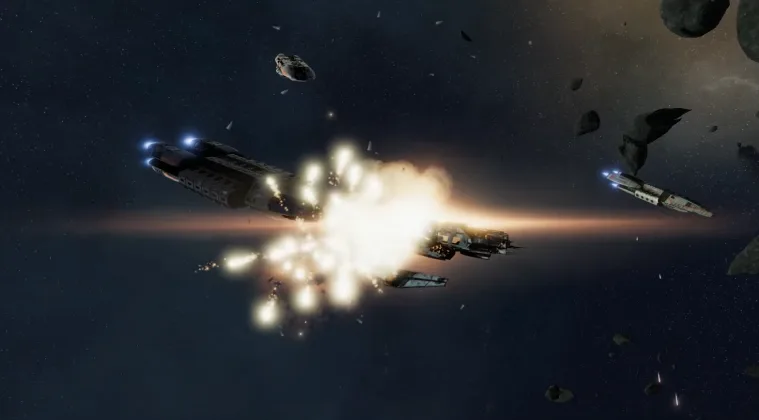
Battlestar Galactica Deadlock focuses on scenario-driven fleet combat, emphasizing capital ships, positioning, and tactical precision over traditional 4X exploration or diplomacy.
The game’s biggest strength lies in its authentic Battlestar Galactica tone, capturing the cold, metal-heavy tension of the First Cylon War through a polished campaign and narrative briefings. Every mission feels deliberate, with clear objectives that reward clever maneuvering and fleet composition rather than brute force.
Use vertical positioning and firing arcs to your advantage; capital ships deal devastating damage when you control angles carefully.
Deadlock’s combat shines through its deep ship customization, allowing players to tailor loadouts, squadrons, and support vessels to match specific tactical roles. The simultaneous turn system keeps battles dynamic and cinematic, making each exchange feel weighty and strategic.
The campaign pacing hits a sweet spot, blending fleet control, resource decisions, and mission planning in a way that makes your progress feel rewarding. Deadlock is perfect for players who prefer tight, ship-focused strategy over massive empire management. Just note: the game was delisted from most stores on November 15th, 2025, so consider picking it up while you still can.
My Verdict: Tactical-minded players who enjoy capital-ship command and authentic sci-fi warfare will find Battlestar Galactica Deadlock a rewarding and atmospheric strategy experience.
13. Galactic Civilizations IV [Best for Modern Turn-Based Galactic Strategy]

| Our score | 8.8
☆
★
☆
★
☆
★
☆
★
☆
★
☆
★
☆
★
☆
★
☆
★
☆
★
|
| Type of game | Turn-based 4X space strategy |
| Platforms | PC (Windows) |
| Year of release | 2022 |
| Creator/s | Stardock Entertainment |
| Average playtime | 40–200+ hours |
| Best for | Players who want a modernized, streamlined evolution of classic Galactic Civ gameplay |
| What I liked | The expanded empire customization and clearer QoL systems make late-game management smoother |
Galactic Civilizations IV modernizes the long-running franchise with expanded customization, new empire-progression mechanics, and a sector-based galaxy layout that makes exploration feel grander.
The game focuses on giving players broader strategic flexibility through larger tech trees, faction traits, and more intuitive UI systems that make high-level decisions easier to manage. These improvements help create a sense of scale that feels like a natural evolution of the series.
Prioritize early ideology points because they unlock powerful empire-shaping perks that can carry your mid- and late-game momentum.
The new ideology and progression systems deepen long-term planning by rewarding consistent strategic choices, while the sector-based map design encourages thoughtful expansion and resource coordination.
My Verdict: Galactic Civilizations IV is best suited for fans who want a modern, customizable, and more accessible continuation of the franchise, offering deep strategic tools in a cleaner, more ambitious package.
14. Planetary Annihilation: TITANS [Best for Planet-Scale RTS Battles]

| Our score | 8.7
☆
★
☆
★
☆
★
☆
★
☆
★
☆
★
☆
★
☆
★
☆
★
☆
★
|
| Type of game | Real-time planetary-scale RTS |
| Platforms | PC (Windows, macOS, Linux) |
| Year of release | 2015 |
| Creator/s | Uber Entertainment (Developer & Publisher) |
| Average playtime | 20–100+ hours |
| Best for | Players who love massive RTS battles and macro-focused decision-making |
| What I liked | The ability to wage war across entire planets and orbital layers makes every match feel enormous |
Planetary Annihilation: TITANS is a bold, planet-scale RTS built around colossal armies, dynamic physics, and the thrill of waging war across multiple celestial bodies at once. It’s a standout recommendation for anyone exploring games like Age of Empires but wanting a slower, more strategic experience focused on empire identity.
Instead of small skirmishes, the game focuses on macro-level planning, letting you build armies on planetary surfaces, launch units into orbit, and invade moons or neighboring worlds. The sheer scale of each match delivers a spectacle that few strategy games can replicate, making the experience feel cinematic from early expansion to late-game chaos.
Secure orbital control early; once you dominate the skies, invading or defending entire planets becomes dramatically easier.
Multiplayer matches support incredibly large-scale battles, often spanning several planets at once, which rewards players who excel at macro strategy, multitasking, and long-term planning. The unique spherical map design sets it apart from traditional 4X or flat-map RTS titles, offering fresh tactical possibilities and constant movement across curved terrain.
My Verdict: Planetary Annihilation: TITANS is perfect for players who want a high-speed, large-scale RTS experience with planetary warfare, massive armies, and explosive, cinematic battles.
15. No Man’s Sky [Best for Open-Ended Space Exploration]
| Our score | 8.6
☆
★
☆
★
☆
★
☆
★
☆
★
☆
★
☆
★
☆
★
☆
★
☆
★
|
| Type of game | Open-world space exploration and survival |
| Platforms | PC, PS4, PS5, Xbox One, Xbox Series X/S, Switch |
| Year of release | 2016 |
| Creator/s | Hello Games |
| Average playtime | 30–300+ hours |
| Best for | Players who want endless exploration and creative freedom |
| What I liked | Every planet feels unique, and years of updates turned the universe into something truly alive |
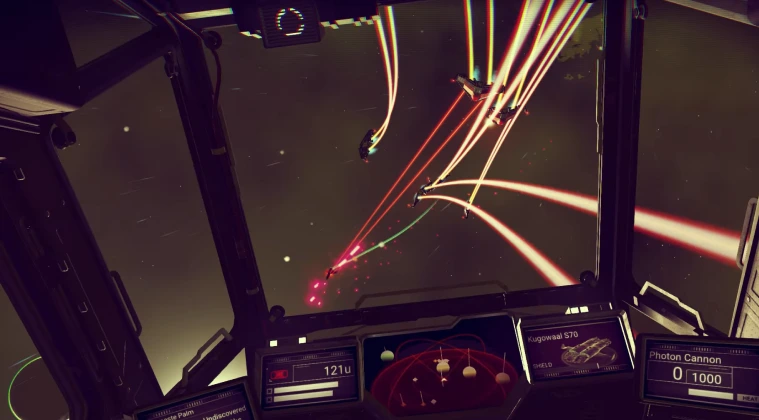
No Man’s Sky offers a fully procedural universe with billions of planets to explore, each with its own ecosystems, weather patterns, dangers, and visual identity. The scale is unmatched, creating a sense of wonder every time you land on a new world.
Since launch, the game has been transformed through massive free updates that introduced deeper progression systems, story content, base-building, fleets, and meaningful multiplayer features. Today, it supports everything from solo exploration to large cooperative missions.
This makes it a natural recommendation for anyone browsing the best adventure games with a strong psychological focus.
Invest in your multitool and exosuit upgrades early; better protection and mining efficiency drastically improve progression speed on hazardous planets.
The ability to build bases anywhere, recruit a personal fleet, and customize ships adds layers of ownership that keep long-term players invested. Every session can lead to emergent, player-driven experiences, whether encountering strange alien life or stumbling upon rare planetary biomes.
My Verdict: No Man’s Sky is ideal for players who want a limitless universe to explore, supported by years of content updates and a blend of creativity, discovery, and long-term progression.
16. Endless Space (Original) [Best for Classic 4X with Clean Mechanics]

| Our score | 8.5
☆
★
☆
★
☆
★
☆
★
☆
★
☆
★
☆
★
☆
★
☆
★
☆
★
|
| Type of game | Turn-based 4X space strategy |
| Platforms | PC (Windows, macOS) |
| Year of release | 2012 |
| Creator/s | Amplitude Studios (Developer & Publisher) |
| Average playtime | 30–120 hours |
| Best for | Players who want a clean, foundational 4X experience |
| What I liked | Its factions feel distinct even in the original framework, giving every run a fresh tone |
Endless Space is the game that firmly established the Endless universe, delivering a clean and tightly designed 4X strategy experience defined by elegant systems and clear strategic choices.
The turn-based structure focuses on controlled expansion, diplomatic management, and technology development, offering multiple victory paths that suit many different playstyles. Its faction asymmetry was impressive for its time and remains one of the game’s strongest features today.
Play your first run with standard factions before experimenting with the more complex asymmetric ones; their mechanics significantly shift the learning curve.
Replayability is driven by distinct faction identities, each with unique economic models, tech priorities, and diplomatic tendencies. The polished interface and methodical pacing make long campaigns manageable, while expansions and updates add refinement and deeper strategic layers.
My Verdict: Endless Space is a must-play for strategy fans who want a foundational, well-designed 4X experience and a clear introduction to the Endless universe before jumping into its highly acclaimed sequel.
17. Surviving Mars [Best for Survival Colony Management on Mars]

| Our score | 8.4
☆
★
☆
★
☆
★
☆
★
☆
★
☆
★
☆
★
☆
★
☆
★
☆
★
|
| Type of game | Colony-building, survival city management |
| Platforms | PC, PS4, Xbox One, macOS, Linux |
| Year of release | 2018 |
| Creator/s | Haemimont Games (Developer), Paradox Interactive (Publisher) |
| Average playtime | 20–100+ hours |
| Best for | Players who enjoy logistical planning and survival-focused infrastructure building |
| What I liked | The colony automation and dome-planning systems create a deep, rewarding long-term rhythm |
Surviving Mars is a colony-builder that merges city management with survival design, placing players on the harsh surface of the Red Planet. Every dome, drone hub, and supply chain must be carefully planned, because a single shortage of oxygen, water, or power can cascade into colony-wide failure.
The game’s strongest feature lies in its deep logistics and resource-chain planning, which forces players to think several steps ahead as they manage both colonist well-being and industrial expansion.
Build redundancy into your production chains early; one broken pipe or drained battery can cripple an entire dome if you rely on single points of failure.
As your settlement stabilizes, DLC such as Green Planet unlocks terraforming and late-game progression, allowing you to reshape Mars into a habitable world. The game also thrives on emergent events like dust storms, colonist dilemmas, and infrastructure breakdowns that test your colony’s resilience.
My Verdict: Surviving Mars is a perfect fit for players who enjoy thoughtful logistics, survival pressure, and building a thriving colony from fragile beginnings into a sprawling, automated Martian civilization.
18. FTL: Faster Than Light (Advanced Edition) [Best for High-Stakes Tactical Roguelike]

| Our score | 8.3
☆
★
☆
★
☆
★
☆
★
☆
★
☆
★
☆
★
☆
★
☆
★
☆
★
|
| Type of game | Roguelike spaceship management and tactical combat |
| Platforms | PC (Windows, macOS, Linux), iOS |
| Year of release | 2012 (Advanced Edition: 2014) |
| Creator/s | Subset Games |
| Average playtime | 10–80 hours |
| Best for | Players who enjoy tense decision-making and high replayability |
| What I liked | Every run feels like a unique story where tiny decisions can save or doom the entire crew |
FTL: Faster Than Light is a roguelike spaceship management game where every journey across the galaxy feels different. You command a single vessel, manage the crew, balance ship systems, and face unpredictable encounters that escalate in difficulty.
The game’s signature strength is its fast, pressure-driven decision-making, where a single misstep – redirecting power too slowly, misjudging an enemy weapon, or opening the wrong airlock – can spiral into disaster. Its simple systems combine into a surprisingly deep emergent strategy loop that keeps each run addictive.
Upgrade your doors and shields early; these two systems prevent countless disasters involving fires, boarding parties, and late-game weapon barrages.
FTL thrives on extremely high replayability, fueled by random events, branching sectors, unlockable ships, and varied crew abilities. The Advanced Edition adds new weapons, systems, events, and augments that increase strategic options without sacrificing the game’s tight pacing.
My Verdict: FTL is ideal for players who love high-stakes decisions, endless replayability, and tightly designed strategy where every choice matters and every run tells its own story.
19. Kerbal Space Program [Best for Physics-Based Space Missions]

| Our score | 8.2
☆
★
☆
★
☆
★
☆
★
☆
★
☆
★
☆
★
☆
★
☆
★
☆
★
|
| Type of game | Spaceflight simulation and physics sandbox |
| Platforms | PC (Windows, macOS, Linux), PS4, Xbox One |
| Year of release | 2011 |
| Creator/s | Squad (Developer), Private Division (Publisher) |
| Average playtime | 50–300+ hours |
| Best for | Players who enjoy engineering challenges and space-mission experimentation |
| What I liked | Watching your first functional rocket reach orbit is one of the most satisfying moments in gaming |
Kerbal Space Program offers a realistic orbital physics sandbox where players design rockets, launch spacecraft, and attempt increasingly ambitious missions across a handcrafted solar system. Beneath the space-flight mechanics, the physics and constant tinkering give it the same clever, brain-twisting joy you’d expect from top puzzle games.
The core appeal lies in its engineering freedom and the satisfying trial-and-error loop as you tweak designs, adjust trajectories, and learn how real orbital mechanics work through hands-on experimentation. Its educational value is immense, teaching concepts like delta-v, aerobraking, and gravity assists in a playful, approachable way.
Before attempting interplanetary travel, master stable orbits and efficient transfer burns; these fundamentals save enormous fuel and reduce mission failures.
The game’s depth expands further through a thriving modding community, offering everything from visual upgrades to realistic NASA-grade parts and full solar system overhauls. With multiple play modes (career, science, and sandbox), players can choose structured goals or pure experimentation.
My Verdict: Kerbal Space Program is perfect for players who love creative engineering, physics-driven challenges, and the thrill of watching carefully planned missions succeed after hours of experimentation.
20. Sid Meier’s Civilization VI [Best for Deep Long-Term Empire Strategy]
| Our score | 8.1
☆
★
☆
★
☆
★
☆
★
☆
★
☆
★
☆
★
☆
★
☆
★
☆
★
|
| Type of game | Turn-based 4X civilization-building |
| Platforms | PC, macOS, Linux, PS4, Xbox One, Switch, iOS, Android |
| Year of release | 2016 |
| Creator/s | Firaxis Games (Developer), 2K Games (Publisher) |
| Average playtime | 40–200+ hours |
| Best for | Players who want layered strategy with long-term planning and replayability |
| What I liked | The district system reshapes city-building into a strategic puzzle with endless variations |
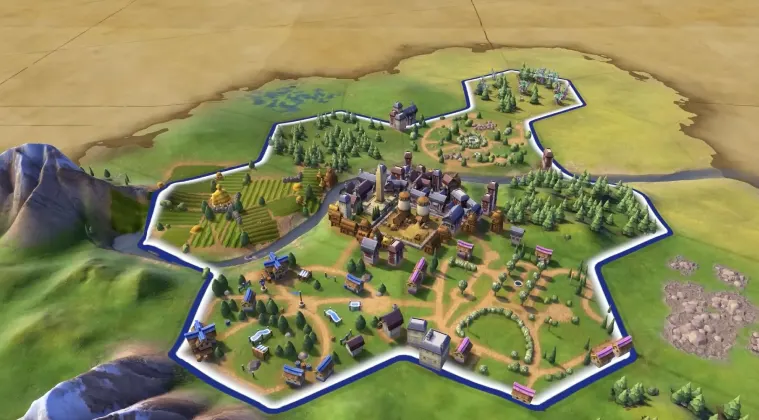
Sid Meier’s Civilization VI is a deep civ-building experience defined by its district system, which forces players to think about city placement, adjacency bonuses, and long-term specialization. It’s the kind of design flourish that reminds you why games like Civilization have such a dedicated following – there’s something addictive about watching a perfectly planned city blossom into a cultural or scientific powerhouse.
The layer of spatial strategy gives each game a different rhythm and makes city planning more involved than in previous titles. The civics and technology trees advance independently, letting players tailor governments, diplomacy, and cultural identity to match their overall strategy.
Prioritize early district placement even before they’re fully built; securing prime locations early can decide your mid-game economy and scientific growth.
Civilization thrives thanks to its enormous replay value, emerging from the wide roster of civilizations, unique leader abilities, and varied terrain that shape each campaign. An active modding scene and years of expansions like Rise and Fall and Gathering Storm continually add new systems, mechanics, and balance updates.
My Verdict: Civilization VI is perfect for players who want a polished, replayable, and strategically rich 4X game that rewards planning, experimentation, and long-term empire management.
Everything You Need to Know About Games Like Stellaris
When exploring games similar to Stellaris, the key is understanding which core elements you value most: deep 4X strategy, narrative-driven factions, large-scale battles, rich exploration, or long-form empire building.
This section helps you identify the style of strategy experience that suits you before diving into the breakdowns. Some players want complex diplomacy and tech progression, others prefer fast real-time conflict or relaxed galaxy roaming.
Think of this as your roadmap for choosing the right Stellaris alternative based on pacing, depth, and the type of universe you want to command.
What to Expect from Stellaris-Like Games
Games like Stellaris share a rhythm built around turn-based or real-time pacing, gradual complexity, and long-form campaign arcs. They start with modest exploration and small-scale decisions that slowly expand into intricate systems of diplomacy, warfare, and resource juggling.
Expect a learning curve that rewards patience and experimentation. You’ll often begin by charting a corner of the galaxy, only to find yourself managing entire civilizations a few hours later. These titles also balance macro empire management with micro-decisions like fleet movement, citizen traits, or tech branches, all of which ripple forward into late-game consequences.
Over time, each game unfolds like a layered puzzle, where the smallest early-game choice might affect how you handle a diplomatic breakdown or galactic crisis 200 turns later. That slow build is part of the appeal.
Why Stellaris Fans Love These Games
Stellaris has the power fantasy of ruling an empire across space, shaped entirely by your values and decisions. The best Stellaris-like games continue that tradition by giving you the ability to role-play as an ideology or species, where traits, ethics, and strategic choices feel deeply personal.
Fans love the freedom to define their own civilization, to become a benevolent unifier, an aggressive conqueror, or a xenophobic technocracy. That level of agency transforms the galaxy into a sandbox of consequences, where each decision opens (or closes) doors you didn’t even know existed.
Most importantly, Stellaris fans are drawn to the emergent narratives: the rebellion you didn’t see coming, the perfect alliance that saved your fleet, the war that dragged on for decades. It’s not scripted, it just happens, and that’s what makes every session memorable.
Key Features of Stellaris-Style Games
The games that feel most like Stellaris or the best Paradox games tend to combine 4X strategy systems (explore, expand, exploit, exterminate) with modern twists in diplomacy, progression, and simulation. Core features include:
- Asymmetric factions with unique playstyles and ideologies
- Tech webs or trees that let you customize long-term specialization
- Event systems that trigger political, scientific, or ethical dilemmas
- Dynamic AI that evolves, reacts, and remembers past interactions
- Exploration layers, including anomalies, procedurally generated star systems, and map hazards
These titles also emphasize personalization, not just in how your ships look, but in how your species behaves, how your empire is structured, and how your galaxy feels over time. If Stellaris hooked you with depth and replayability, these features are the reason why.
My Overall Verdict
Choosing the right game like Stellaris ultimately depends on which aspects of Stellaris you enjoy most. With so many different strategy titles offering varied interpretations of grand-scale decision-making, there’s a perfect match for every type of player.
- For fans of deep 4X empire-building – Endless Space 2
This title offers expansive tech trees, asymmetric factions, and long-term strategic planning that scratch the same grand-strategy itch as Stellaris. - For players who want real-time intensity and massive battles – Planetary Annihilation: TITANS
This game delivers huge clashes, rapid decision-making, and dynamic frontlines that reward quick thinking and large-scale coordination. - For explorers who enjoy emergent storytelling and discovery – No Man’s Sky
The game focuses on open-ended exploration, personal mission crafting, and the kind of unpredictable stories that come from charting new worlds.
It doesn’t matter if you want to command fleets, build colonies, manage civilizations, or explore the unknown, this list provides a clear path toward your next unforgettable strategy adventure.
FAQs
The best game like Stellaris is Endless Space 2, which offers the most reactive sandbox. It delivers a Stellaris-style experience in a different form.
Yes. Several games like Stellaris offer strong multiplayer modes, including Sins of a Solar Empire: Rebellion, Civilization VI, and No Man’s Sky offer strong multiplayer modes with large-scale strategy, co-op opportunities, and competitive play.
Stellaris stands out in grand strategy because it blends deep 4X systems with emergent storytelling, asymmetric empires, dynamic events, and galaxy-shaping choices.
Yes. You can play Stellaris on consoles like PlayStation and Xbox, offering a streamlined interface adapted for controller play. While some advanced features are updated more slowly than on PC, the console version still delivers a full grand-strategy experience with massive galaxies and detailed management.
Completing a Stellaris game can take anywhere from 10 to 50 hours, depending on galaxy size, game pace, and playstyle.
The No. 1 strategy game is Civilization VI; it dominates traditional empire building, and Total War titles excel in hybrid strategy and tactical combat. Each represents the top of its category for different types of players.
Stellaris is CPU-heavy, especially in late-game scenarios where numerous empires, fleets, and calculations occur each day.